
New 2027 Load King Flips/Converter Dollies/Jeeps Trailers For Sale in Texas
Shop new 2027 Load King flip axles, converter dollies, and jeeps built for heavy haul trailer configurations, axle flexibility, and legal payloads.
Selling a new 2027 load king flips/converter dollies/jeeps trailer? List your new 2027 load king flips/converter dollies/jeeps trailer for sale and reach thousands of commercial buyers.
New 2027 Load King Flips/Converter Dollies/Jeeps Trailers in Texas
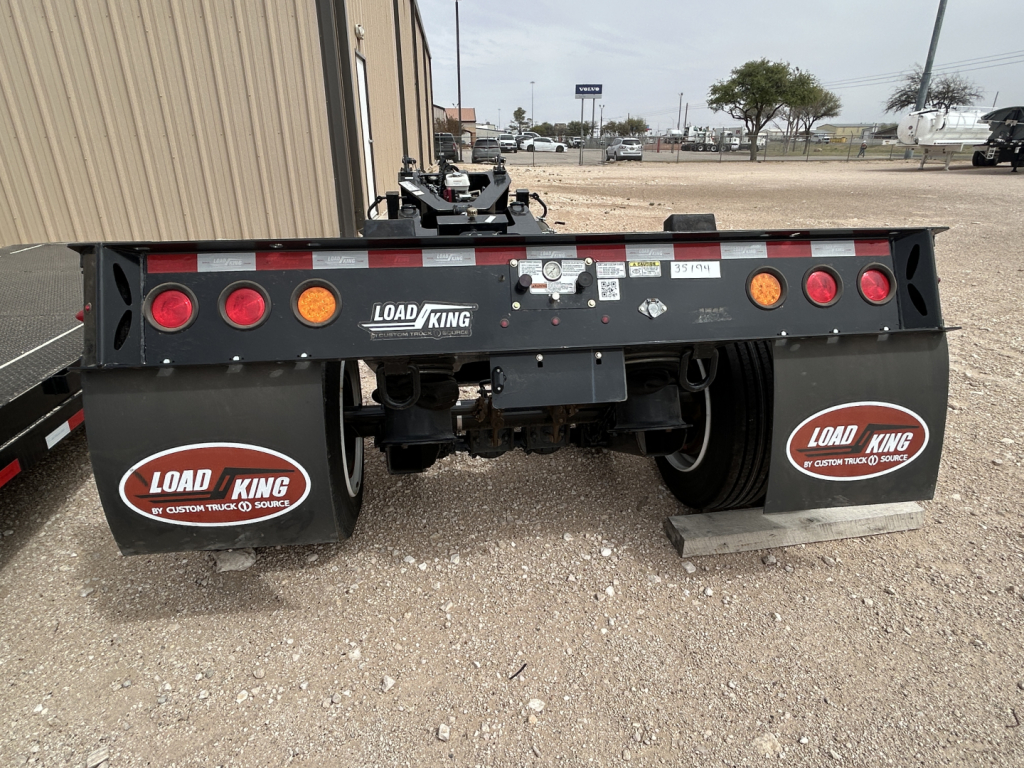
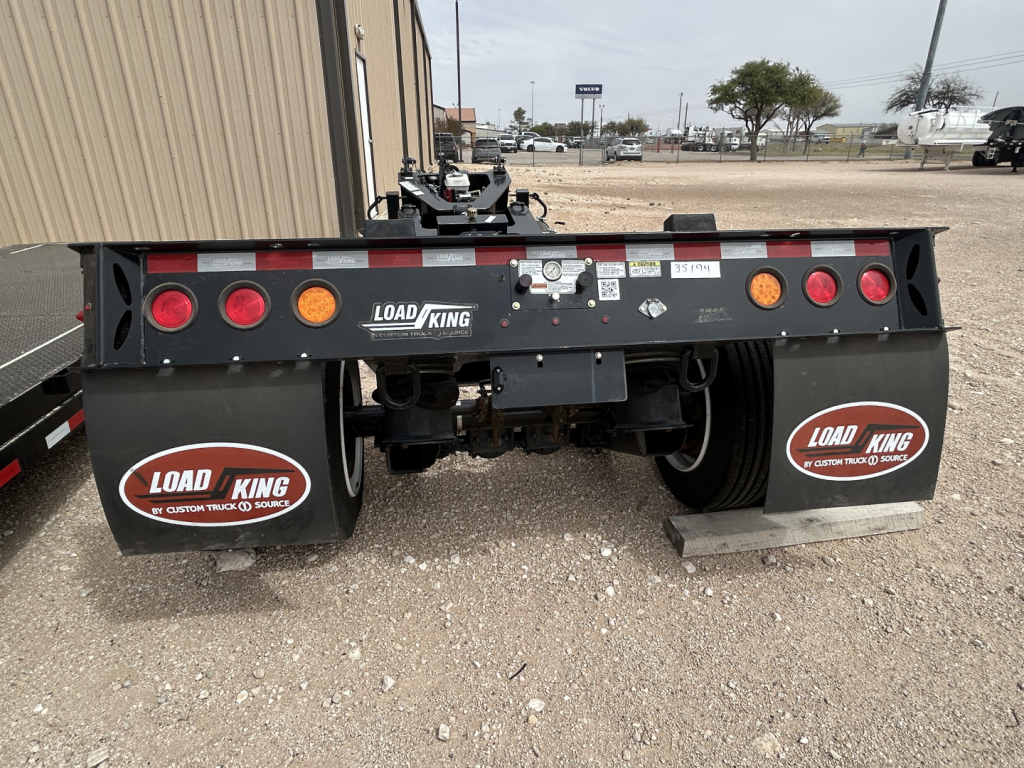
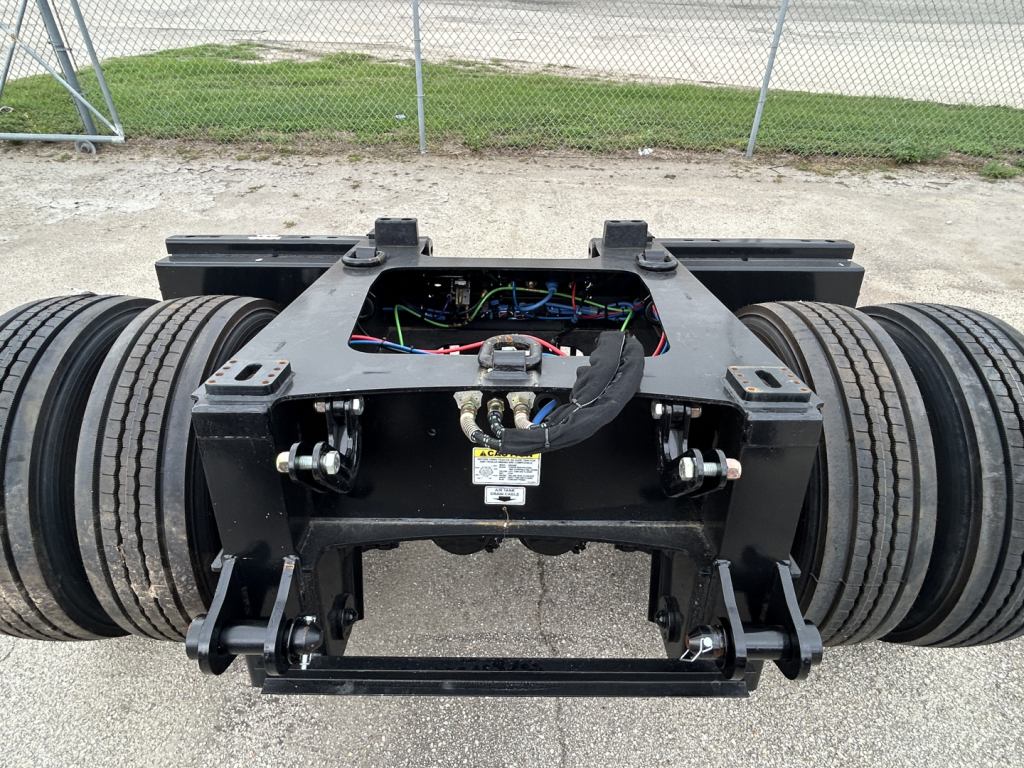
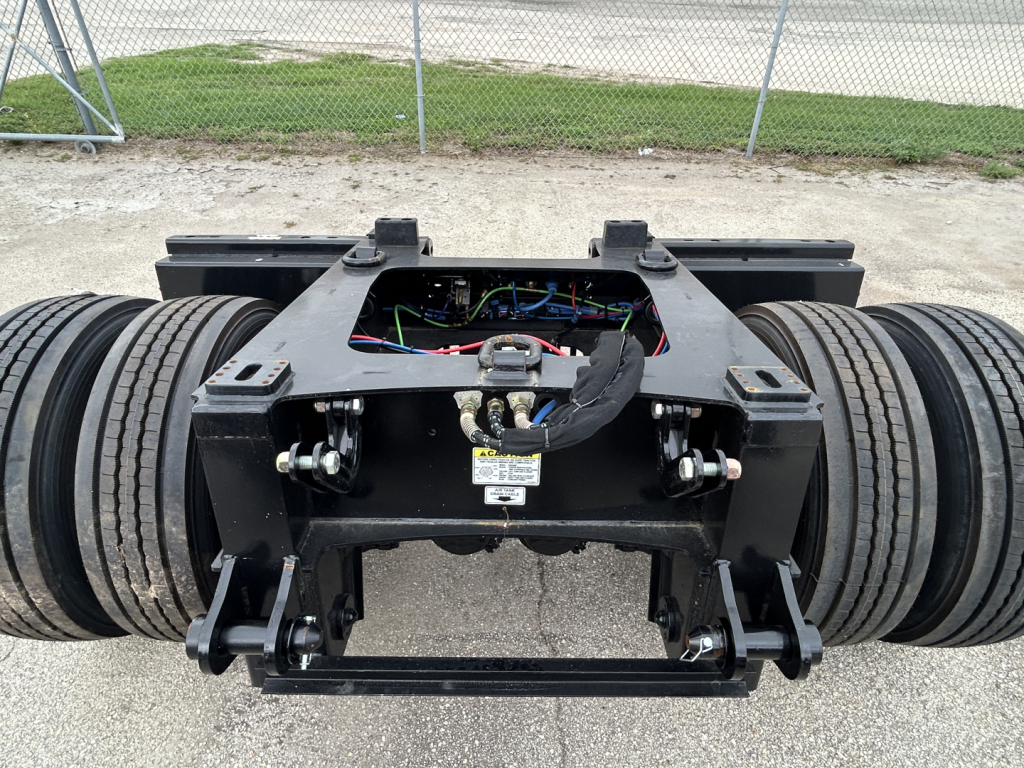
A flip axle is typically the most familiar option in this category. It adds removable trailing axle capacity to a compatible trailer, increasing legal carrying ability while giving the operator the option to run lighter and shorter when the extra axle is not needed. Key details buyers watch closely include ton rating, overall width, axle spacing, suspension design, tire size, wheel material, and the connection style to the main trailer. Listings in this class commonly show 55-ton to 60-ton applications, widths such as 8 feet 6 inches or 9 feet, and commercial heavy haul tire packages like 255/70R22.5. Axle spacing is not a minor detail here because it directly affects bridge formula performance and permit acceptance.
Jeeps and converter dollies serve a different but equally important role. A jeep is installed between the tractor and trailer to shift kingpin load and create additional axle spread, which can be critical when a tractor alone would overload the steer or drives. A converter dolly, depending on configuration, can help build out a legal multi-axle combination and improve load distribution across the entire set. Buyers should pay attention to drawbar design, fifth wheel height, loaded deck compatibility, brake configuration, suspension type, and how the unit integrates with existing neck and trailer geometry. The best setup is the one that matches the trailer, tractor wheelbase, and the permit states where the unit will actually run.
Load King is well known in the heavy haul segment for purpose-built components designed to work as part of a complete hauling system rather than as generic add-ons. For a buyer comparing new units, the real decision usually comes down to matching axle package and spacing to the trailer’s intended tonnage, width, and route profile. D-rings, wheel choice, and other spec details matter, but the first priority is legal weight distribution and compatibility with the main trailer. If the trailer regularly handles concentrated construction equipment, transformers, cranes, or other dense freight, a correctly spec'd flip, jeep, or dolly can be the difference between a workable permit package and an expensive limitation.
Frequently Asked Questions about New 2027 Load King Flips/Converter Dollies/Jeeps Trailers in Texas
What is the difference between a flip axle, a jeep, and a converter dolly?
A flip axle is a removable or attachable rear axle group that adds carrying capacity to a compatible trailer, usually a lowboy or detachable gooseneck. A jeep is placed between the tractor and trailer to spread weight forward and reduce kingpin and drive axle loading. A converter dolly is used to create or support a multi-axle combination and help distribute weight across additional axle groups. Each component solves a different weight-distribution problem, so the right choice depends on the trailer design, tractor setup, and permit requirements.
How do I choose the right ton rating for a flip axle or jeep?
Start with the heaviest loads the trailer is expected to haul, then work backward through trailer capacity, axle group limits, and permit-state bridge rules. A higher ton rating does not automatically make a setup better if axle spacing, overall length, and trailer compatibility are wrong. Buyers should compare the trailer’s base capacity, the axle package being added, tire and suspension ratings, and the actual freight profile. The best specification is one that keeps the combination legal and useful across the routes it will run most often.
Why is axle spacing so important on flips, dollies, and jeeps?
Axle spacing affects how weight is recognized under bridge formulas and state permit rules. Two axle groups with the same total capacity can perform very differently on paper if the spacing is different. That means axle spacing can directly influence legal gross weight, route approval, and how easily a permit is issued. On heavy haul equipment, spacing is a core buying decision, not a secondary spec.
Are flip axles and jeeps trailer-specific?
Many are effectively trailer-specific because connection points, ride height, width, suspension geometry, and brake integration must all match the host trailer and the rest of the combination. Even when a unit appears close on paper, a mismatch in deck height, neck geometry, or axle alignment can create operational and legal problems. Buyers should verify compatibility with the trailer manufacturer’s design, not just the advertised tonnage.
What types of loads commonly require this equipment?
Flips, jeeps, and converter dollies are commonly used for dense, concentrated freight that pushes axle weight limits before it reaches dimensional limits. Typical examples include excavators, dozers, cranes, paving equipment, transformers, and other construction or energy-sector machinery. These attachments are especially valuable when a carrier needs to tailor axle count and spread to different loads instead of running the same fixed heavy haul configuration every day.