
New 2027 Load King Lowboy Trailers For Sale in Texas
New 2027 Load King lowboy trailers for sale in Texas. Compare 55-ton to 60-ton detachable lowboys built for heavy equipment hauling.
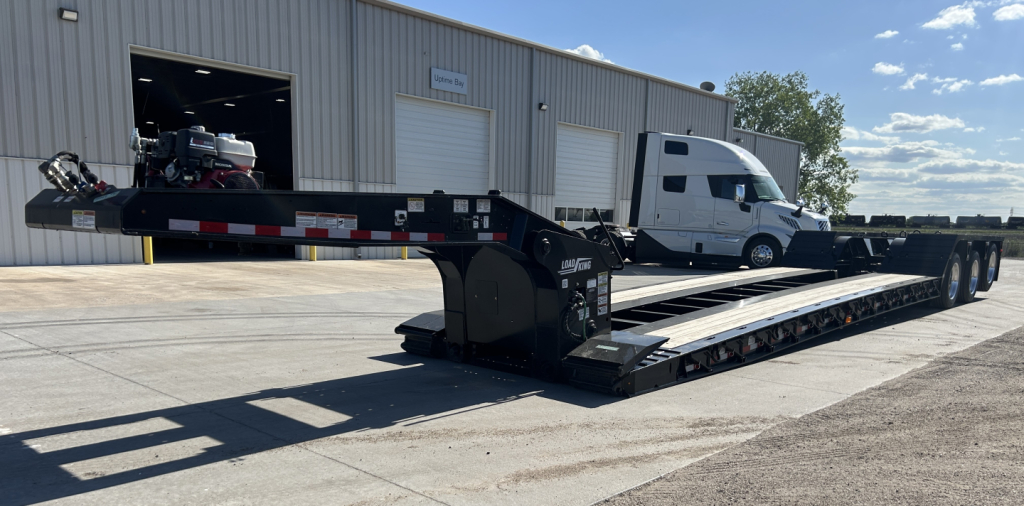
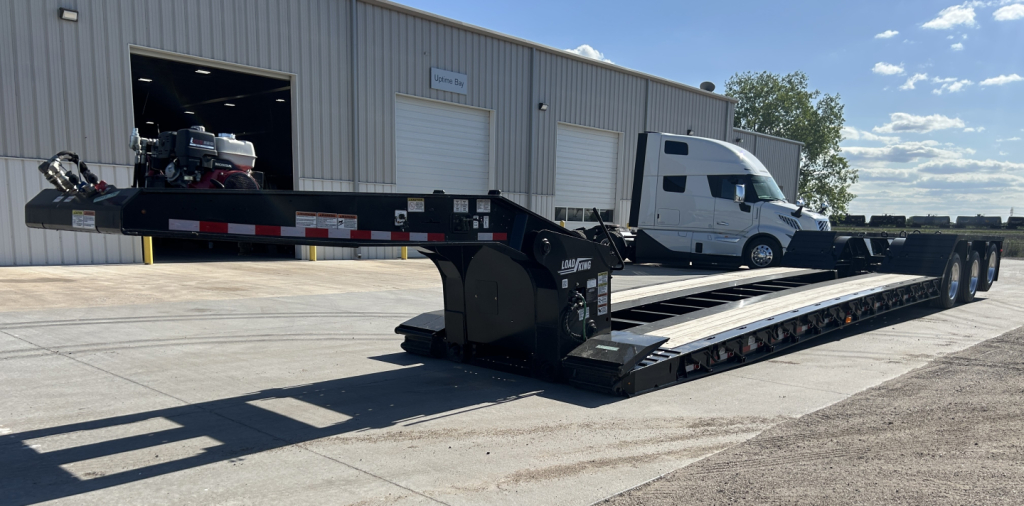
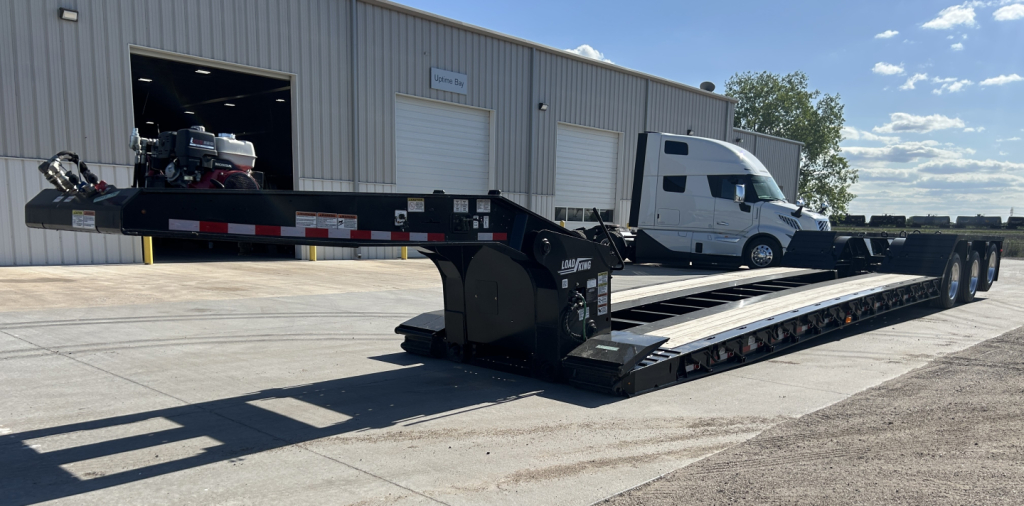
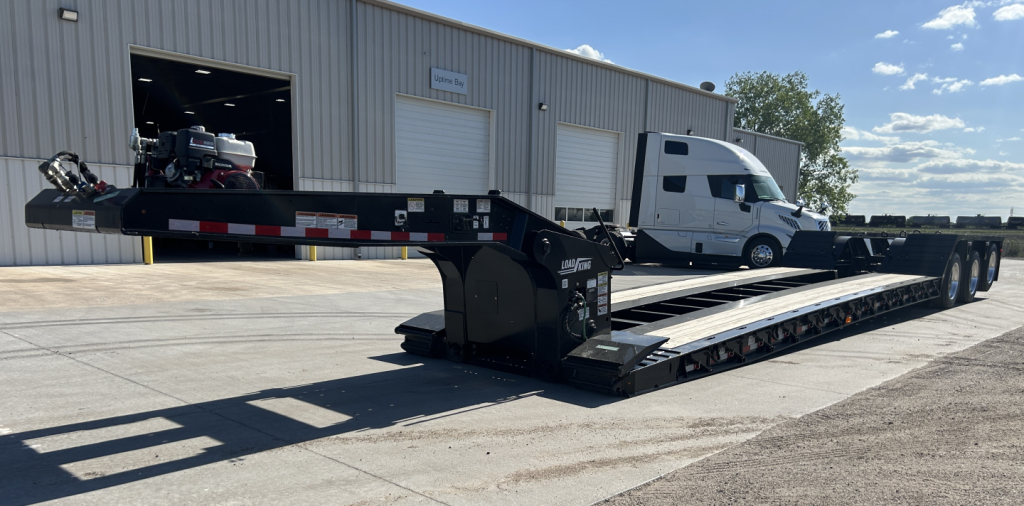
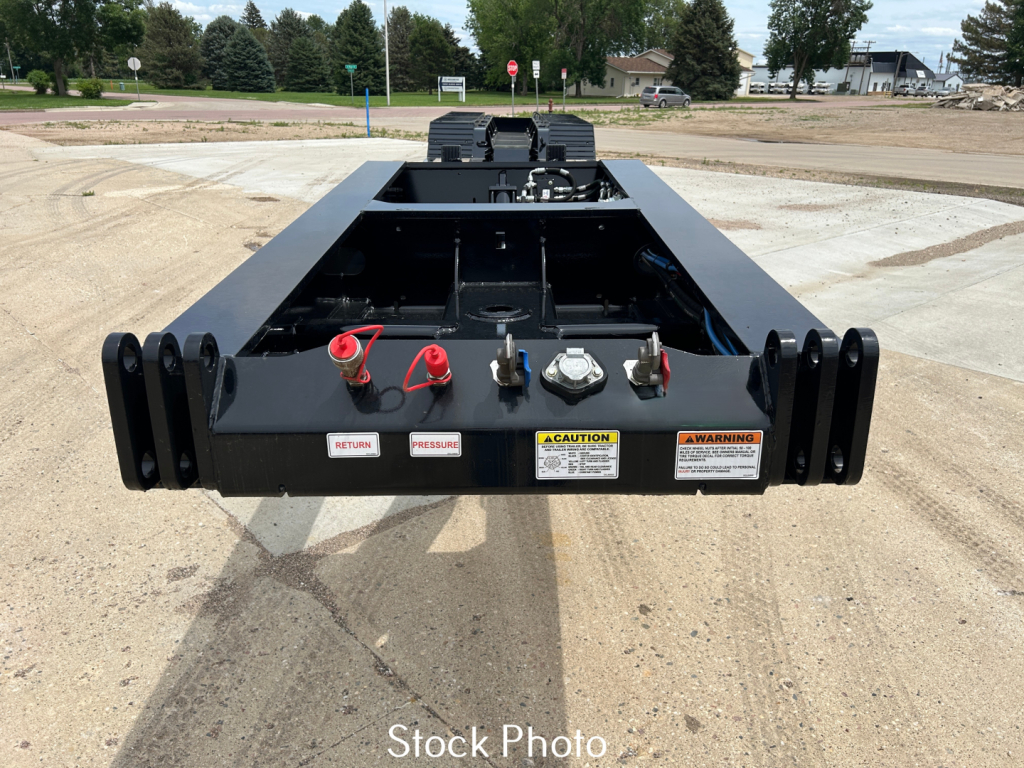

Selling a new 2027 load king lowboy trailer? List your new 2027 load king lowboy trailer for sale and reach thousands of commercial buyers.
New 2027 Load King Lowboy Trailers in Texas
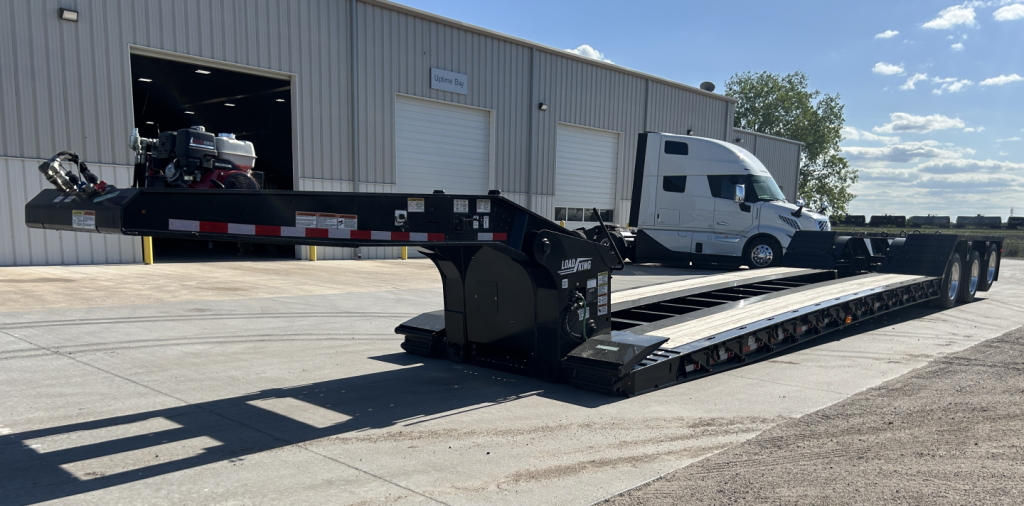
For Texas buyers, axle count and width deserve close attention early in the decision. A 55-ton quad axle lowboy with 9-foot overall width gives more platform for larger iron and can help with machine stance, while an 8-foot-6-inch model may simplify transport planning when legal width matters. Common Load King specs in this class include 12-foot-9-inch goosenecks, provisions for flip boxes, air ride suspension, axle lift setups, and tire packages in 255/70R22.5 or 275/70R22.5. Buyers hauling concentrated weight should pay attention to ratings such as 55 tons in 12 feet, crossmember spacing, upper flange reinforcement, and wheel area construction, because those details directly affect how well the trailer handles excavator tracks, outriggers, and repeated jobsite loading.
Deck setup is where one lowboy can be much better suited to a fleet than another. Features like Apitong decking, open centers, boom troughs, bucket wells, excavator notch plates, backhoe trays, chain slots, bent D-rings, and swing-out outriggers all change how easily different machines can be loaded and secured. Front flip ramps are common on equipment-focused builds, and some units are configured to accept stingers and flip extensions for longer or heavier combinations. Load bearing wheel covers, stub-in crossmembers, and reinforced flange sections are not cosmetic details. They are part of the trailer's durability package for fleets that routinely move rough-terrain equipment and need consistent load support over the axles.
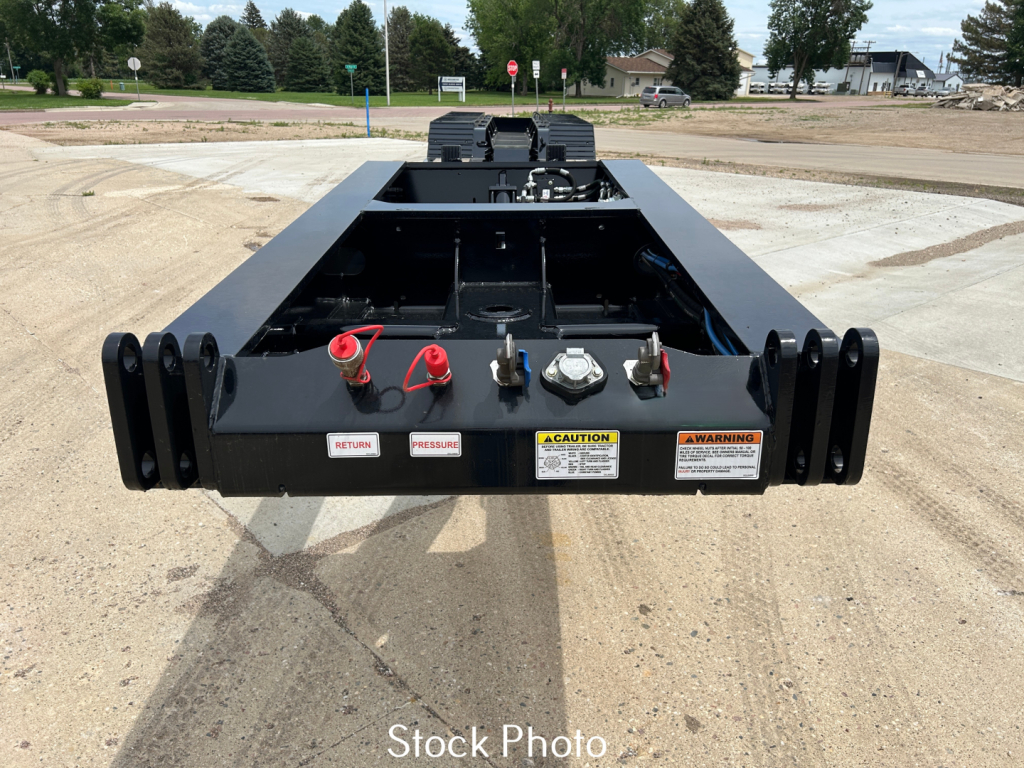
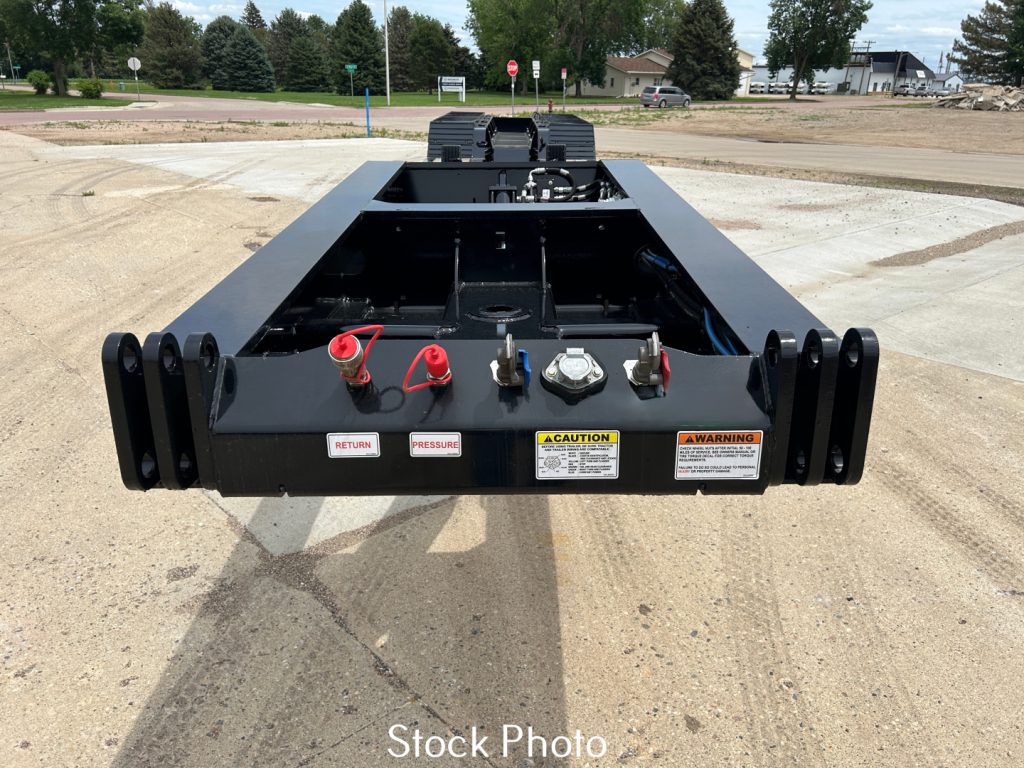
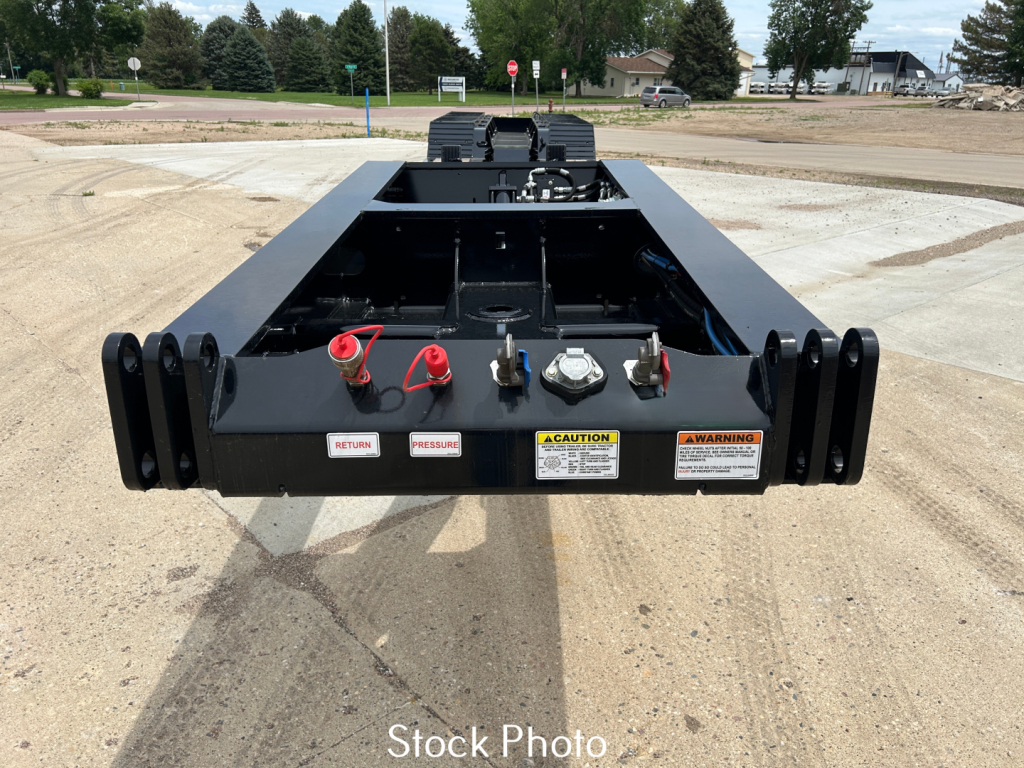
New 2027 Load King lowboy trailers also tend to reflect the current market preference for operator-friendly hydraulic systems and safety lighting. Pony motors, selector valves, manual raise and lower controls, LED lighting, strobes, and wide load sign pockets are common practical features in this category. When comparing listings, the smart approach is to match the trailer to the heaviest machine, shortest legal route, and toughest loading condition in your operation. Capacity, swing clearance, loaded deck height, detachable neck configuration, and axle lift arrangement will usually tell you more than the model name alone.
Frequently Asked Questions about New 2027 Load King Lowboy Trailers in Texas
What is the main advantage of a lowboy trailer for heavy equipment hauling?
A lowboy trailer, also called a low-bed or lowboy detachable gooseneck trailer, gives you a much lower deck height than a standard flatbed or many equipment trailers. That lower profile helps with overall loaded height, improves stability for tall machines, and makes it easier to move excavators, dozers, and other equipment with high center of gravity. It is also designed for concentrated loads, so it is better suited to tracked machines and heavy axle loads than lighter trailer types.
How do I choose between a 55-ton and 60-ton Load King lowboy?
Start with the actual operating weight of the machine, then look at how that weight is distributed across the trailer deck. A 55-ton trailer may be fully adequate for many excavators and construction machines, but a 60-ton model can offer more margin for concentrated loading, attachments, and permit flexibility. Buyers should compare the stated capacity over a specific length, the number of axles, crossmember construction, deck design, and whether the trailer is configured for flip attachments or stingers.
Why does loaded deck height matter on a lowboy trailer?
Loaded deck height affects legal height, loading stability, and machine fit. A 20-inch loaded deck height can be a major advantage for taller equipment because it helps keep the total height lower during transport. A 24-inch deck height is still low by heavy haul standards and may come with other structural advantages depending on the build. The right choice depends on the machines you move, your route restrictions, and how much ground clearance you need for ramps, transitions, and uneven jobsites.
What features are most useful for hauling excavators on a lowboy?
Excavator-focused lowboys often include an excavator notch plate, boom trough, bucket well, reinforced crossmembers, and heavy-duty securement points such as chain slots and bent D-rings. These features help position the boom and bucket lower, improve weight distribution, and make tie-down easier. Load bearing wheel covers and reinforced flange areas also matter because excavators put repeated concentrated loads on specific parts of the deck and wheel area.
Are wider 9-foot lowboys a better choice than 8-foot-6-inch models in Texas?
A 9-foot lowboy can provide better deck space and machine stance for wider equipment, which is useful for large construction machines and certain track widths. An 8-foot-6-inch trailer may be easier to manage when legal width and permit considerations are a priority. The better choice depends on the dimensions of your equipment, the routes you run, and how often you move machines that need extra deck width to load and secure properly.