
New Load King Lowboy Trailers For Sale
New Load King lowboy trailers built for heavy equipment hauling, with hydraulic detach necks, low deck heights, tri-axle setups, and jobsite-ready specs.

Selling a new load king lowboy trailer? List your new load king lowboy trailer for sale and reach thousands of commercial buyers.
New Load King Lowboy Trailers
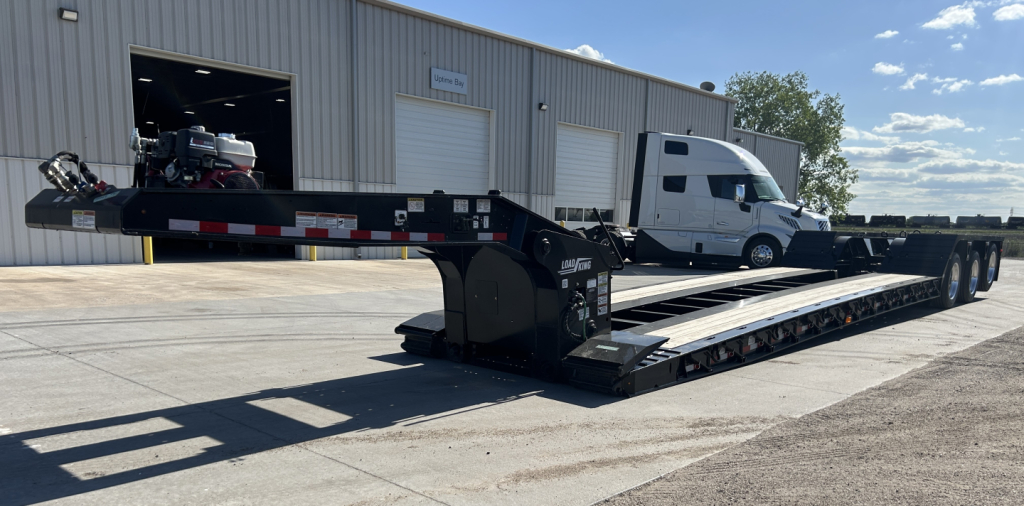
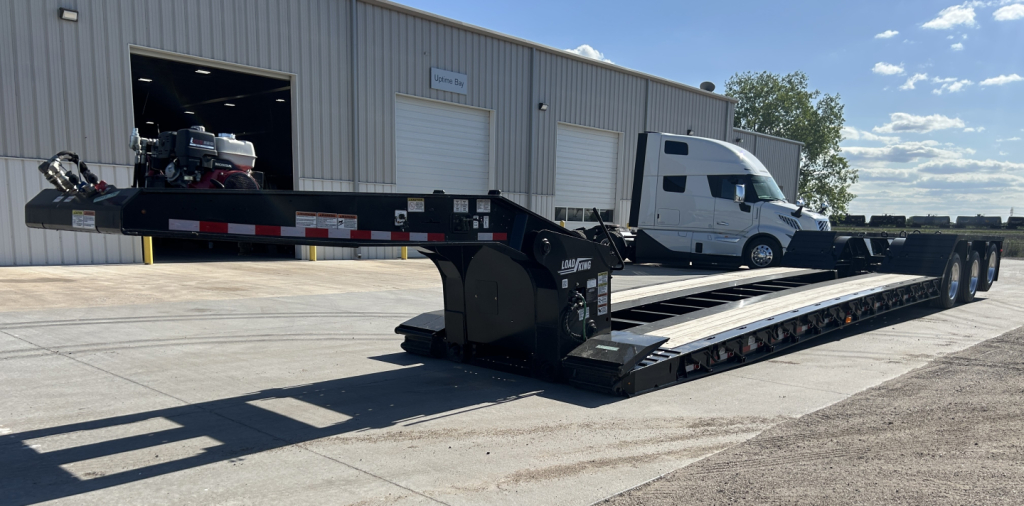
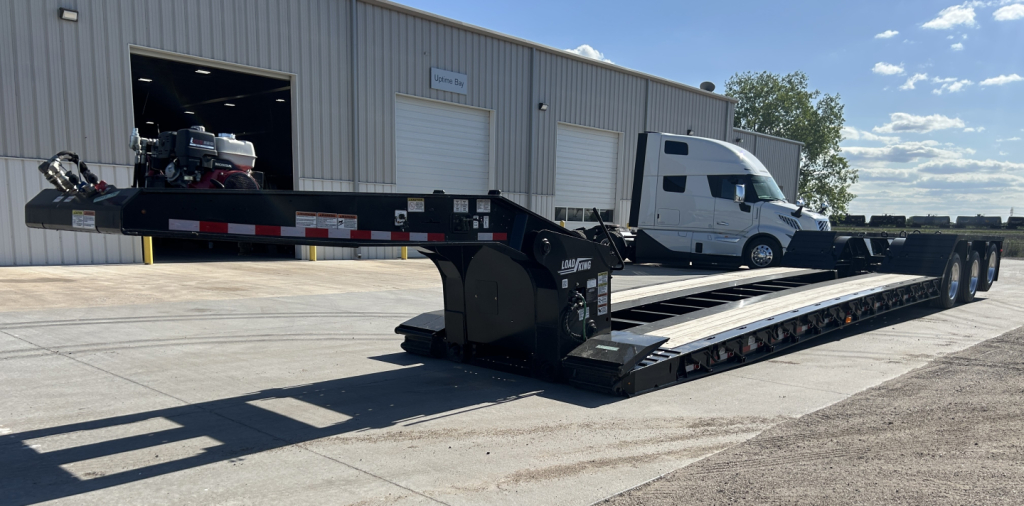
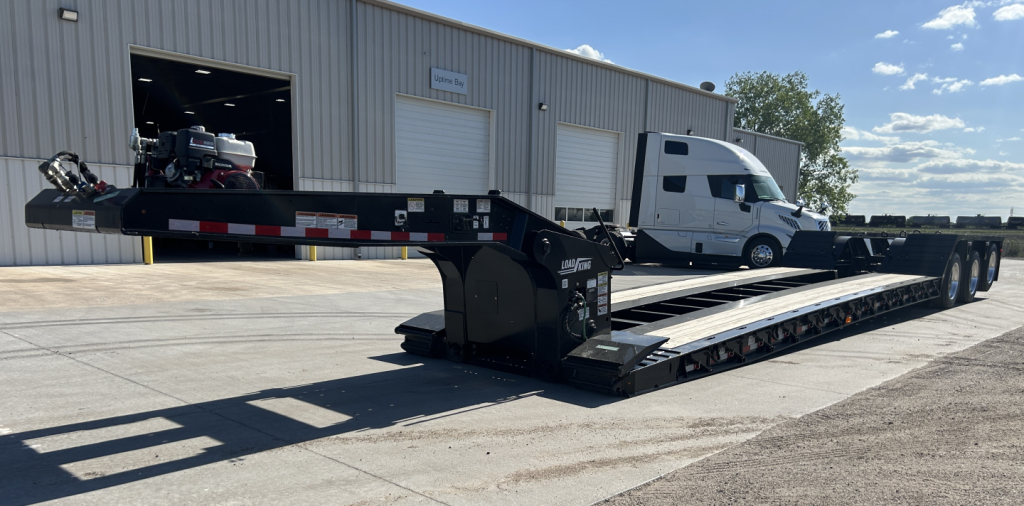
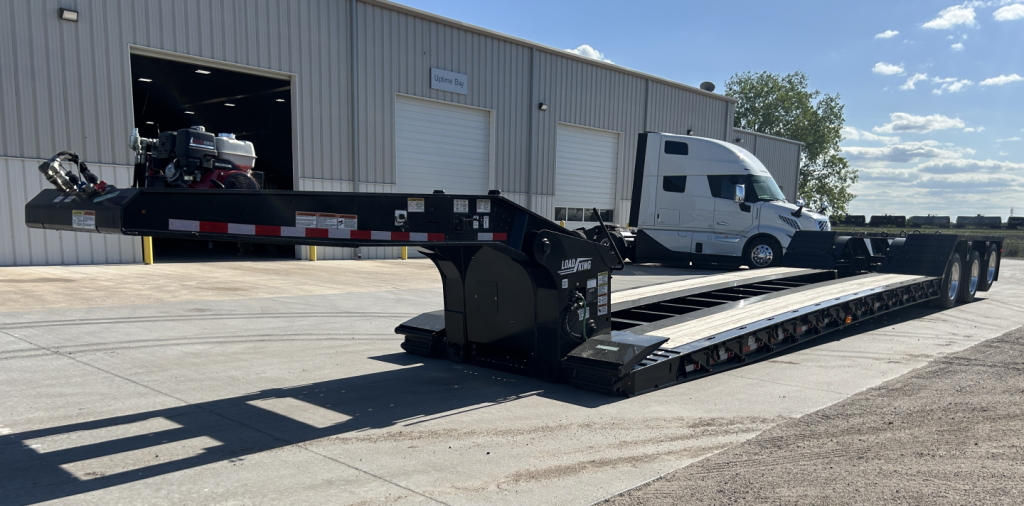
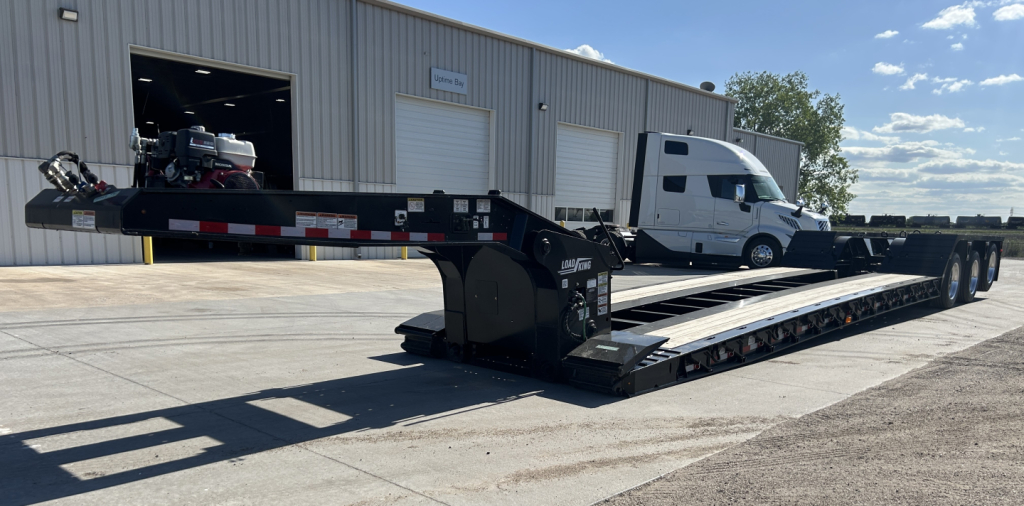
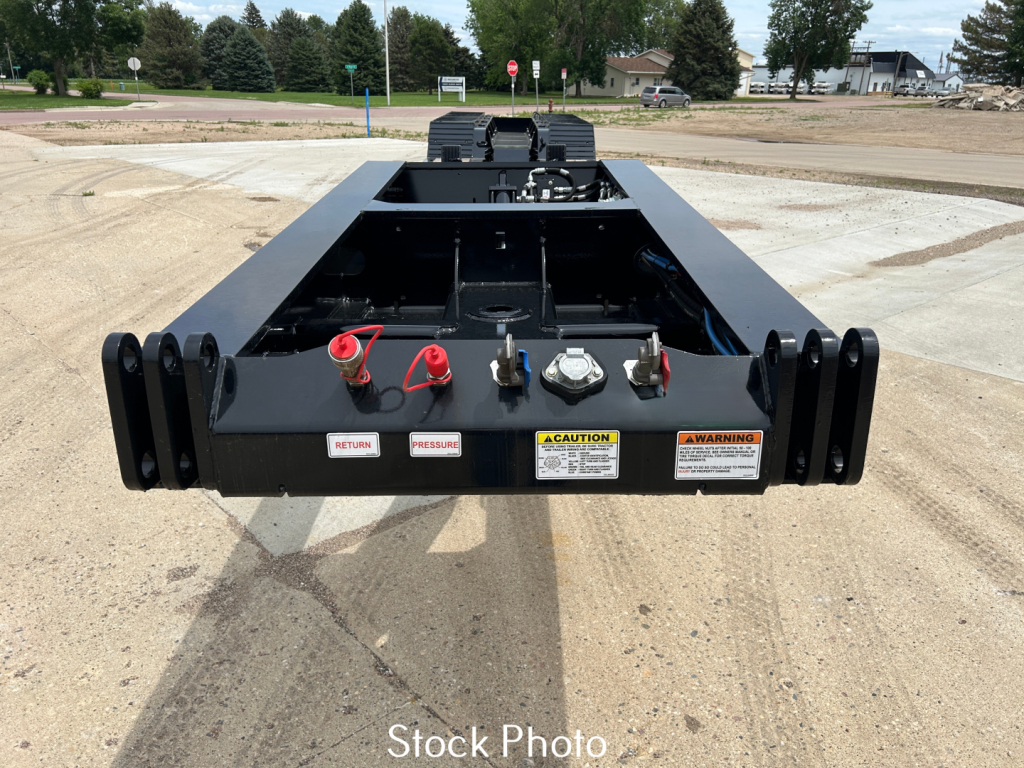
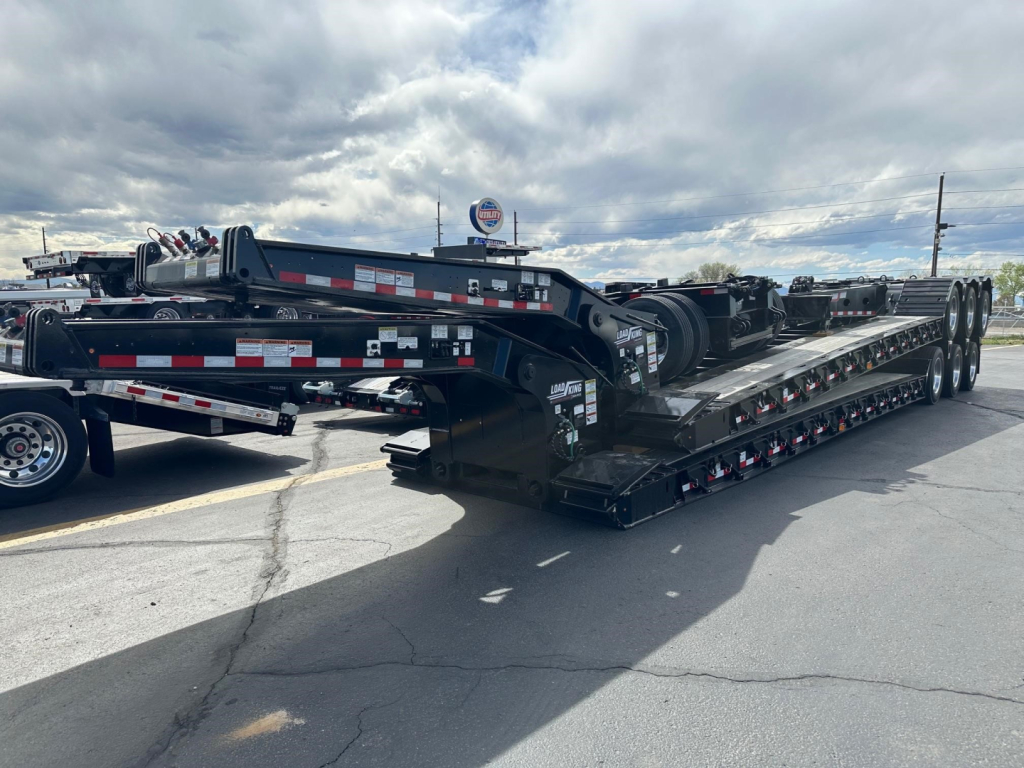
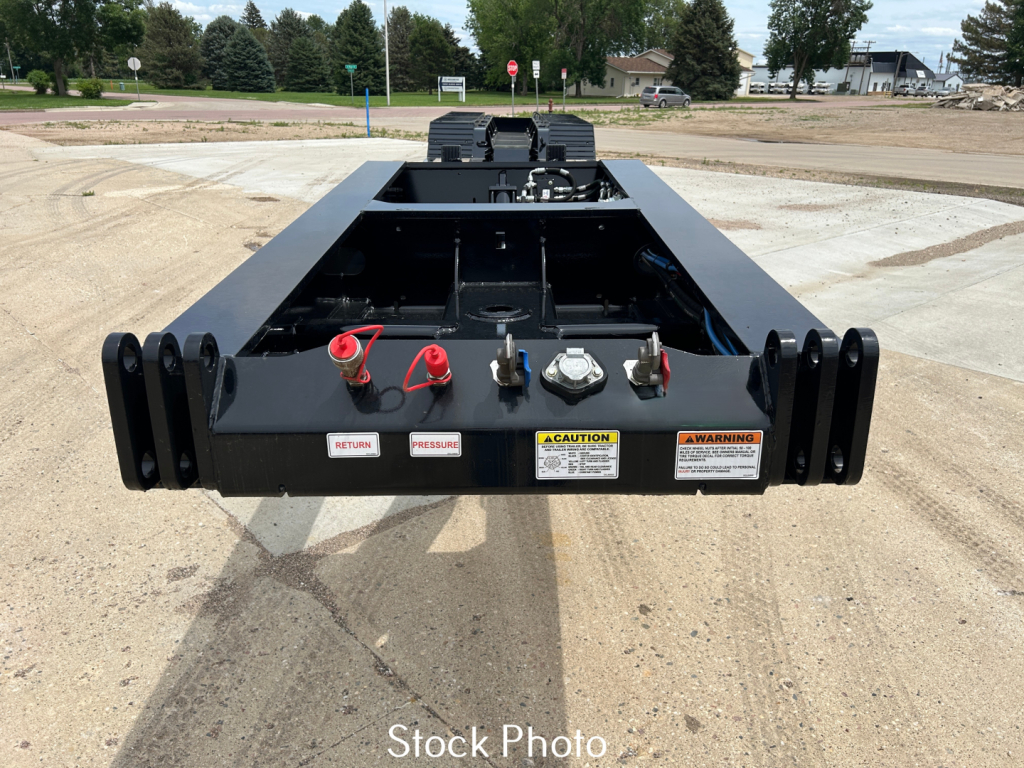
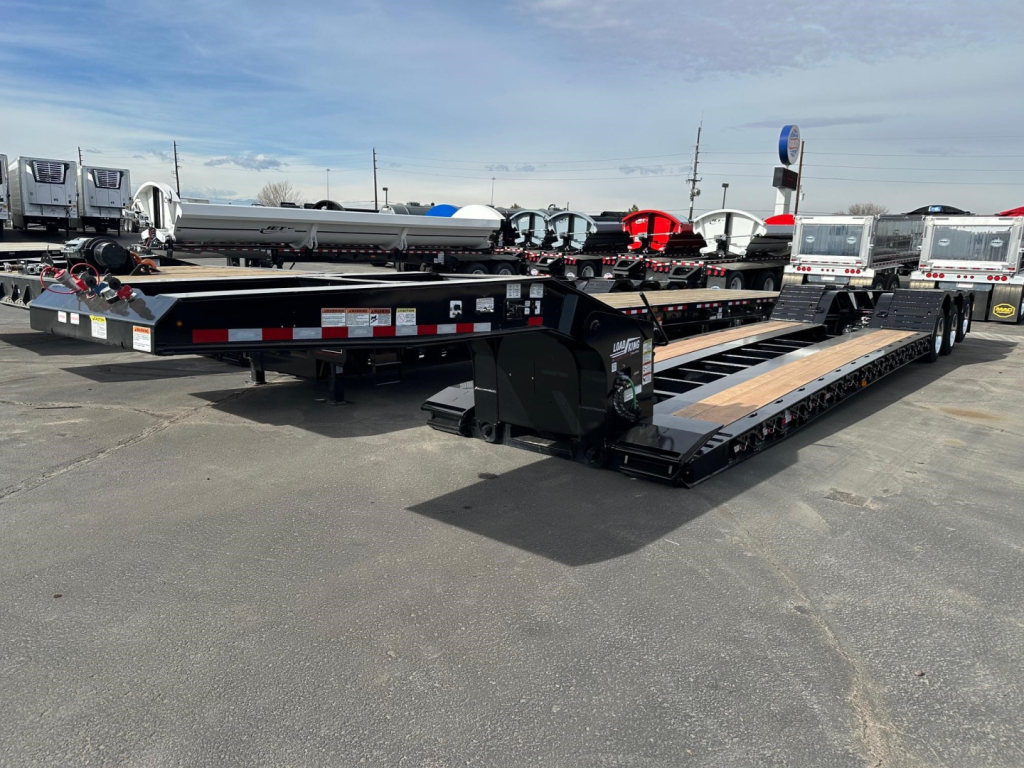
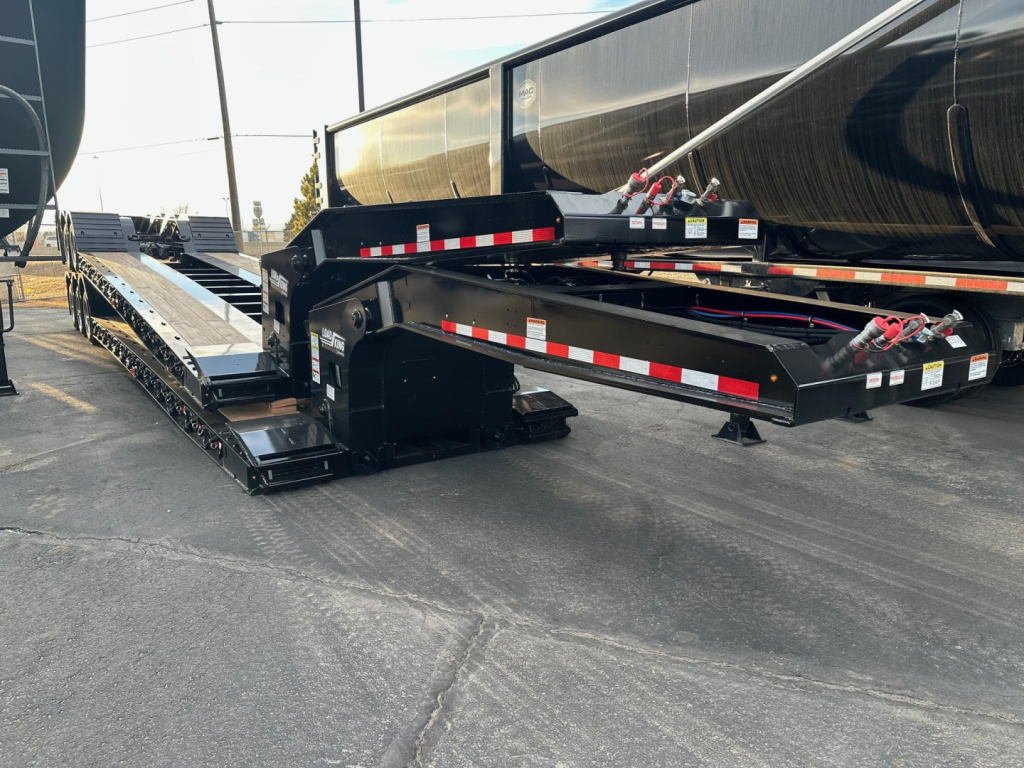
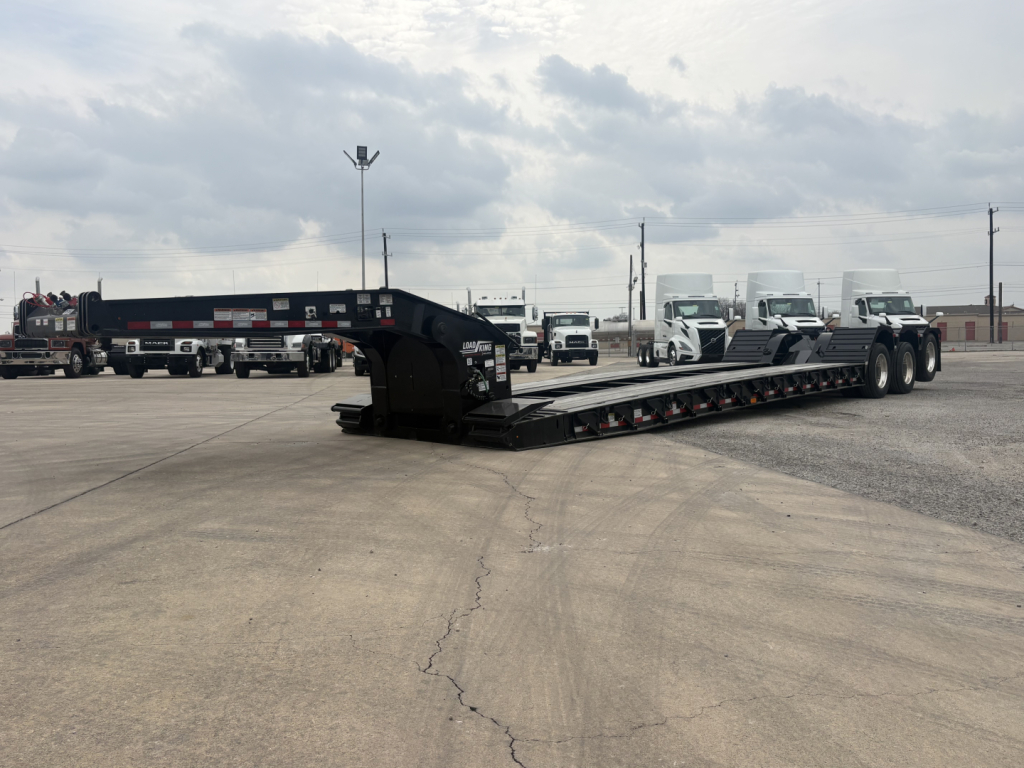
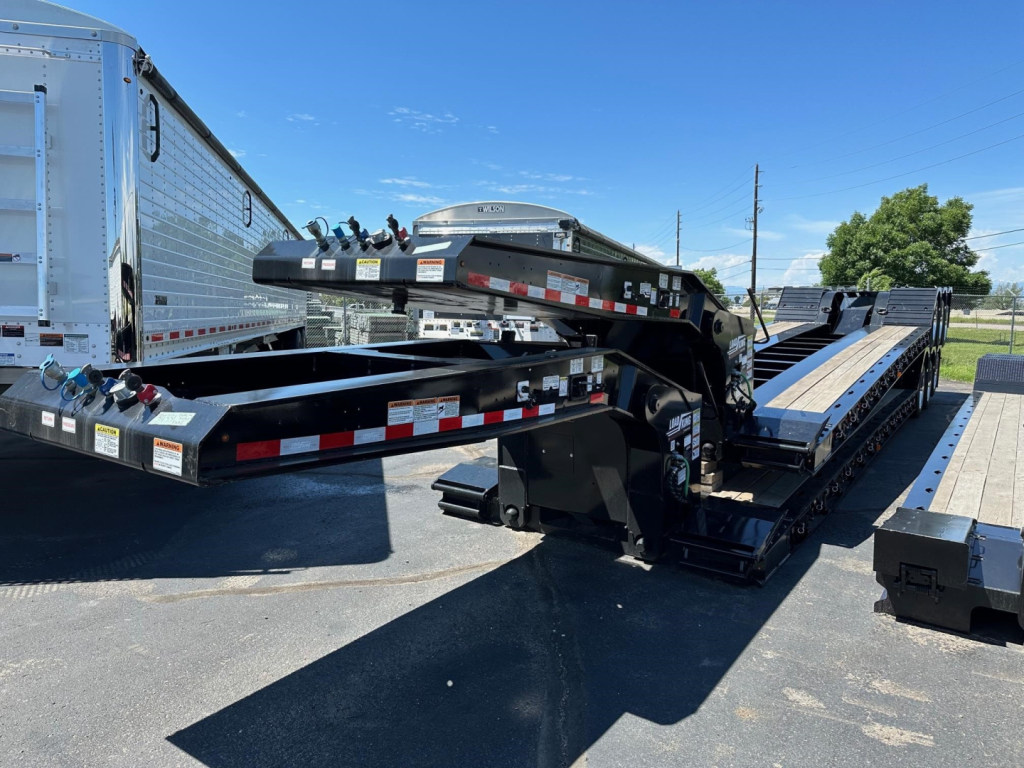
A buyer comparing Load King lowboys should focus first on capacity, deck height, neck style, and axle configuration. In this group, common specs include 55-ton to 60-ton ratings, load concentrations around 110,000 pounds in 12 feet, hydraulic detachable necks, and tri-axle air ride suspensions with lift axle capability. Deck layouts often include a 26-foot main deck, front flip ramps, bucket well or excavator notch provisions, and prep for a future stinger or fourth axle. Loaded deck height matters because an 18-inch or 20-inch deck can make a meaningful difference on legal height once a larger machine is chained down. Width, swing clearance, and kingpin setting options also affect how well the trailer matches your tractor, your routes, and the equipment you move most often.
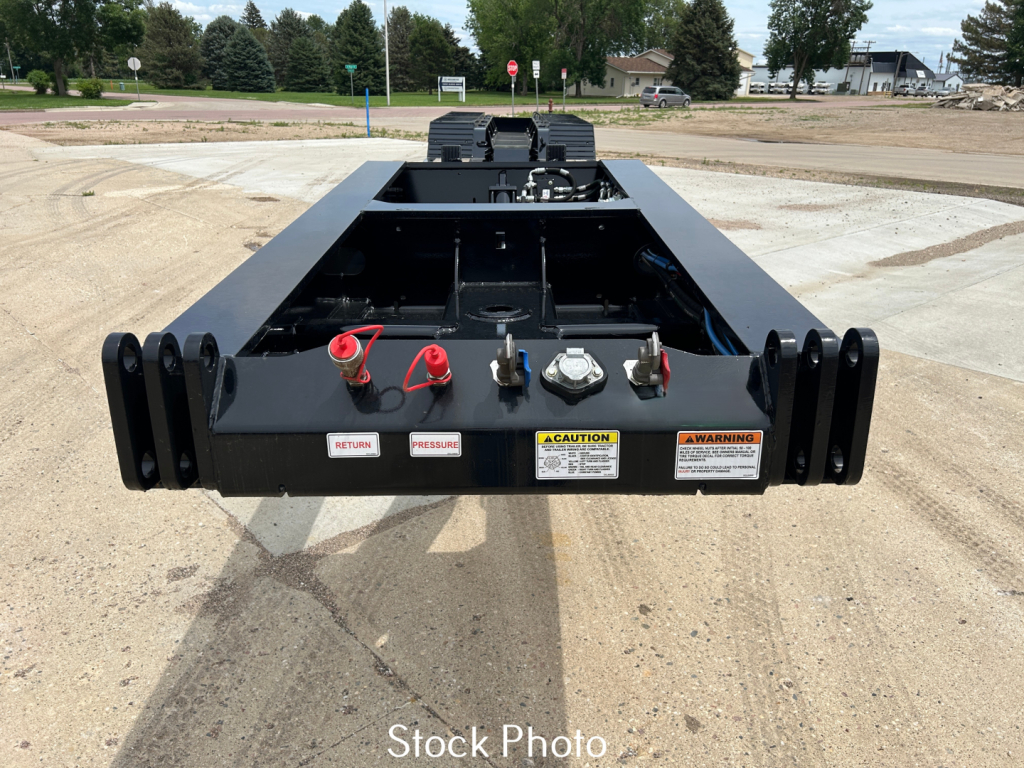
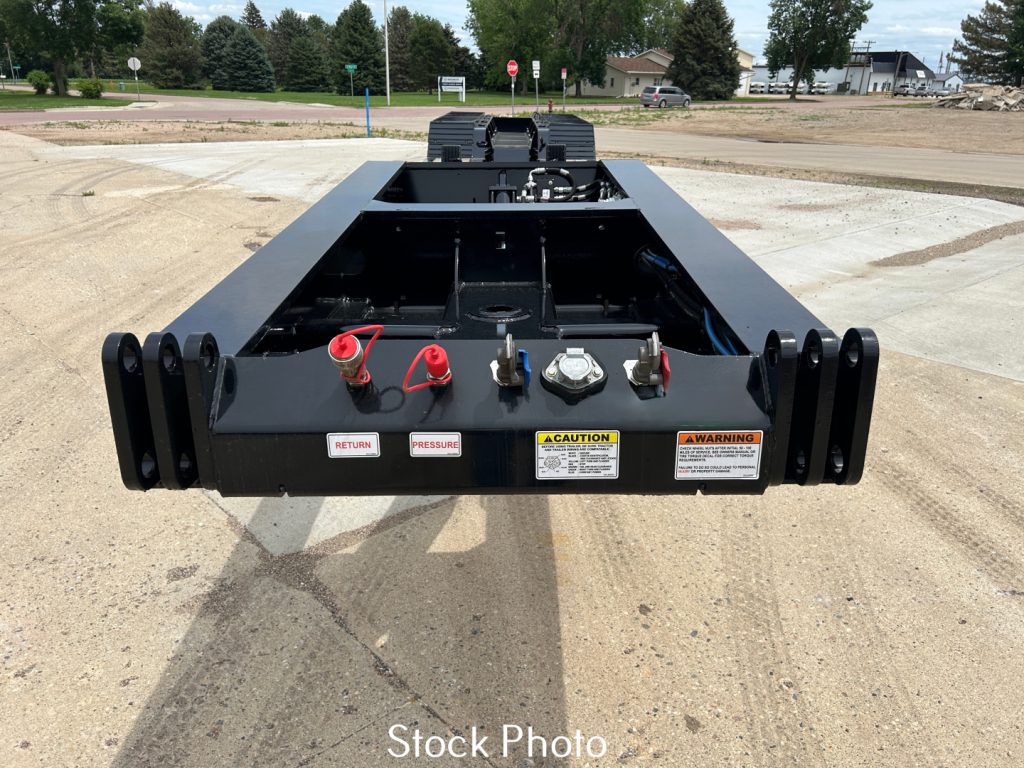
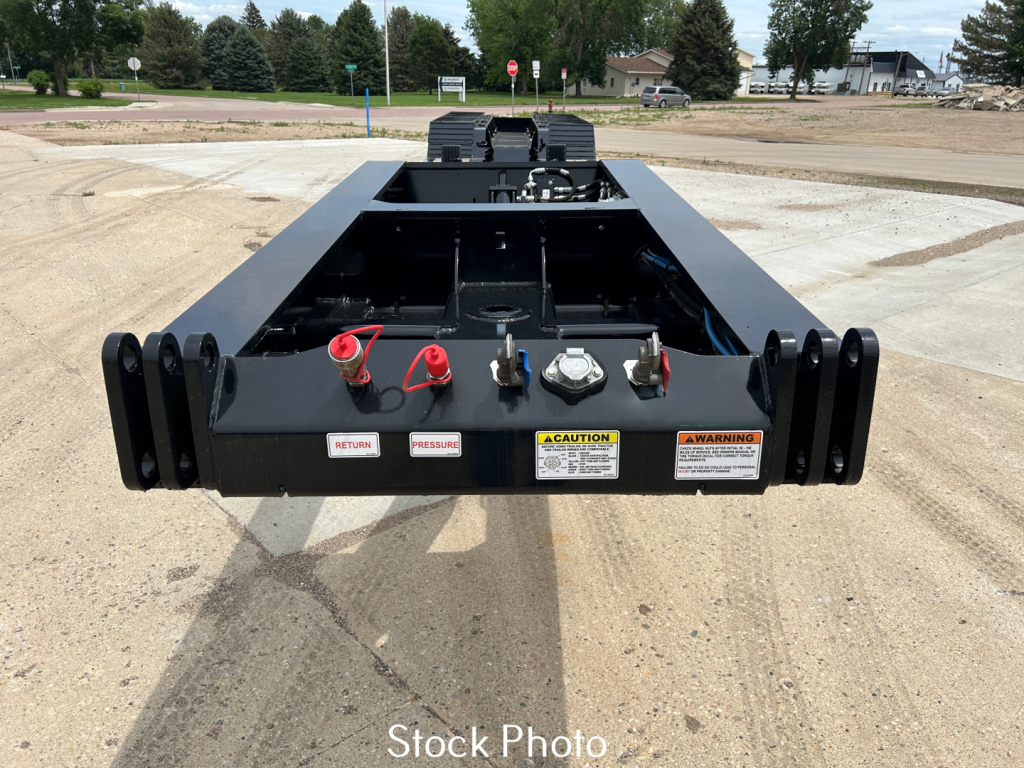
Load security and daily usability are where a heavy haul trailer earns its keep. Load King lowboys commonly use 2-inch Apitong decking, multiple chain slot pairs, bent D-rings, swing-out outriggers, toolboxes, work lights, and load-bearing fenders. Those details matter on mixed fleets that haul more than one machine type in a week. Air ride suspension with adjustable ride height can help during loading, unloading, and terrain transitions, while a hydraulic detach neck or scraper neck reduces loading time compared with fixed-neck equipment trailers. Tire size, axle spacing, drum brakes, and outside aluminum wheel packages are also worth reviewing because they affect serviceability, tare weight, and long-term operating cost.
For many buyers, the best new Load King lowboy is the one that fits the heaviest regular load without overbuying trailer. A contractor moving 35,000 to 50,000 pound iron every day has different needs than an operator planning for larger excavators, paving trains, or future permit work. Check the well length, ground clearance, neck swing, tie-down layout, and any fourth-axle or flip-box provisions before deciding. Those specs determine how flexible the trailer will be as your hauling mix changes, and they often matter more than the headline ton rating alone.
Frequently Asked Questions about New Load King Lowboy Trailers
What is a Load King lowboy trailer used for?
A Load King lowboy trailer is used to haul heavy equipment that is too tall, too heavy, or too concentrated for a standard flatbed or deckover trailer. Common loads include excavators, dozers, wheel loaders, rollers, pavers, and other construction or agricultural machines. The lower deck height helps keep overall loaded height within legal limits and improves stability during transport.
What should I look at first when comparing new Load King lowboy trailers?
Start with capacity rating, load concentration, loaded deck height, neck type, and axle setup. A 55-ton or 60-ton trailer may sound similar on paper, but deck height, well length, swing clearance, kingpin settings, and lift axle configuration can change how useful the trailer is in real work. Buyers should also confirm tie-down points, outriggers, flip ramps, and whether the trailer is prepped for a future fourth axle or stinger.
Why does deck height matter on a lowboy trailer?
Deck height directly affects legal transport height and load flexibility. An 18-inch or 20-inch loaded deck height can be the difference between hauling a machine under standard height limits or needing a permit route. Lower deck height is especially important for excavators with tall cabs, machines with attachments, and contractors moving equipment across states with strict height enforcement.
Are hydraulic detachable neck lowboys better than fixed-neck trailers for equipment hauling?
For many heavy equipment applications, a hydraulic detachable neck lowboy is more efficient because it allows ground-level loading from the front. That makes it easier and safer to load tracked machines, reduces dependence on external loading ramps, and speeds up jobsite turnover. Fixed-neck trailers can work well in some operations, but detach models are generally preferred for frequent loading and unloading of larger iron.
What axle configuration is common on new Load King lowboys?
A common configuration is a tri-axle setup with 27,000 to 27,500 pound axles, air ride suspension, and a lift on the third axle. Some trailers are also prepped for a future fourth axle or stinger to increase flexibility for heavier or permit-required loads. Axle spacing, ride height adjustment, and brake spec should all be reviewed because they affect permitting, maneuverability, and maintenance.