
New Load King Lowboy Trailers For Sale in Texas
Shop new Load King lowboy trailers for heavy equipment hauling in Texas, with detachable goosenecks, low deck heights, and high-capacity axle groups.
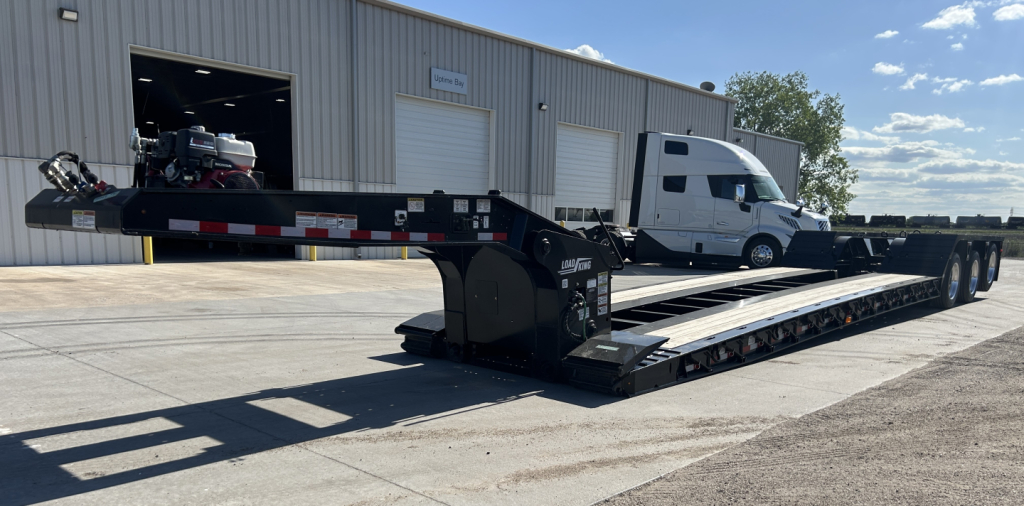
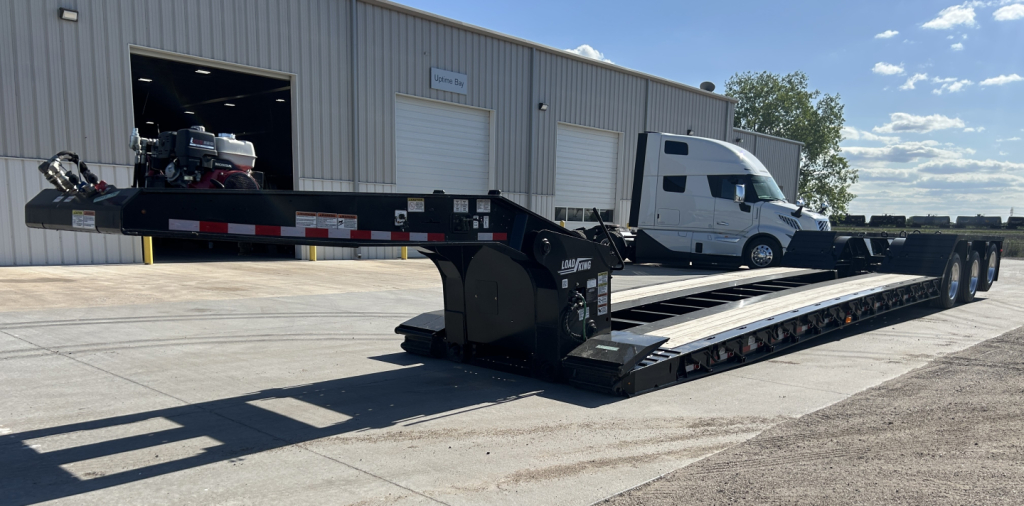
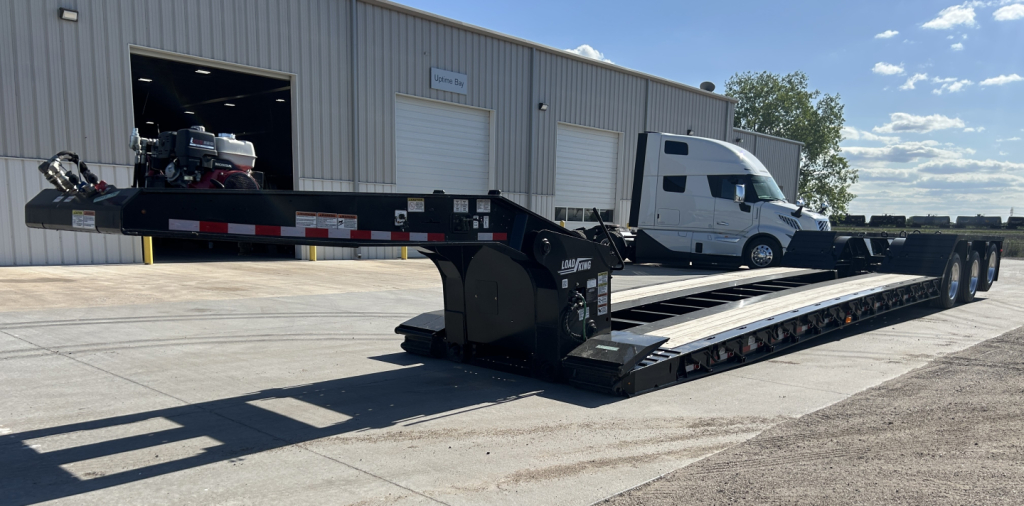
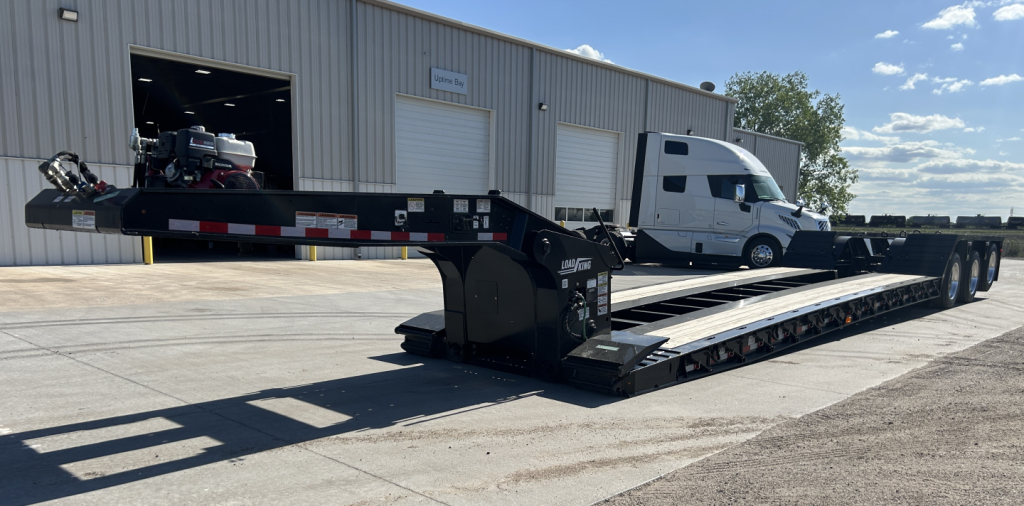

Selling a new load king lowboy trailer? List your new load king lowboy trailer for sale and reach thousands of commercial buyers.
New Load King Lowboy Trailers in Texas
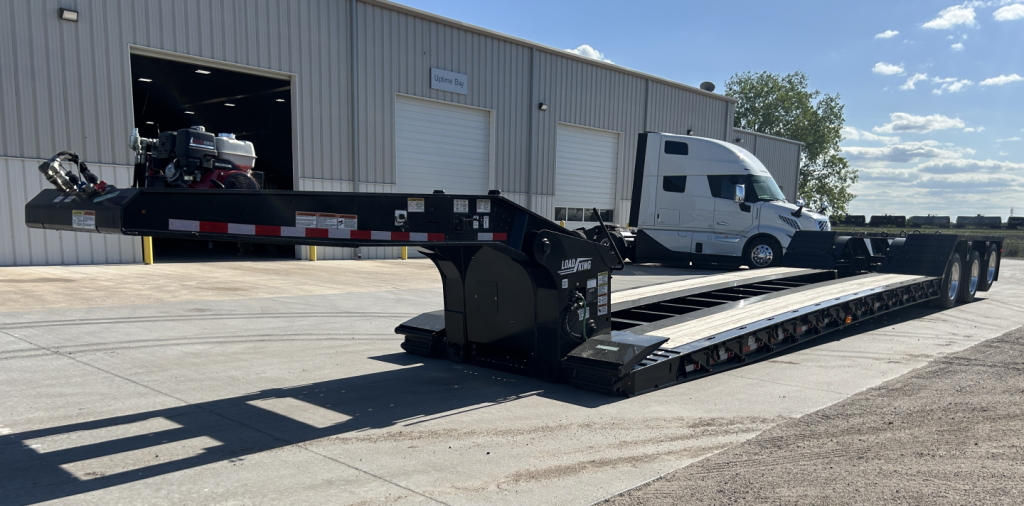
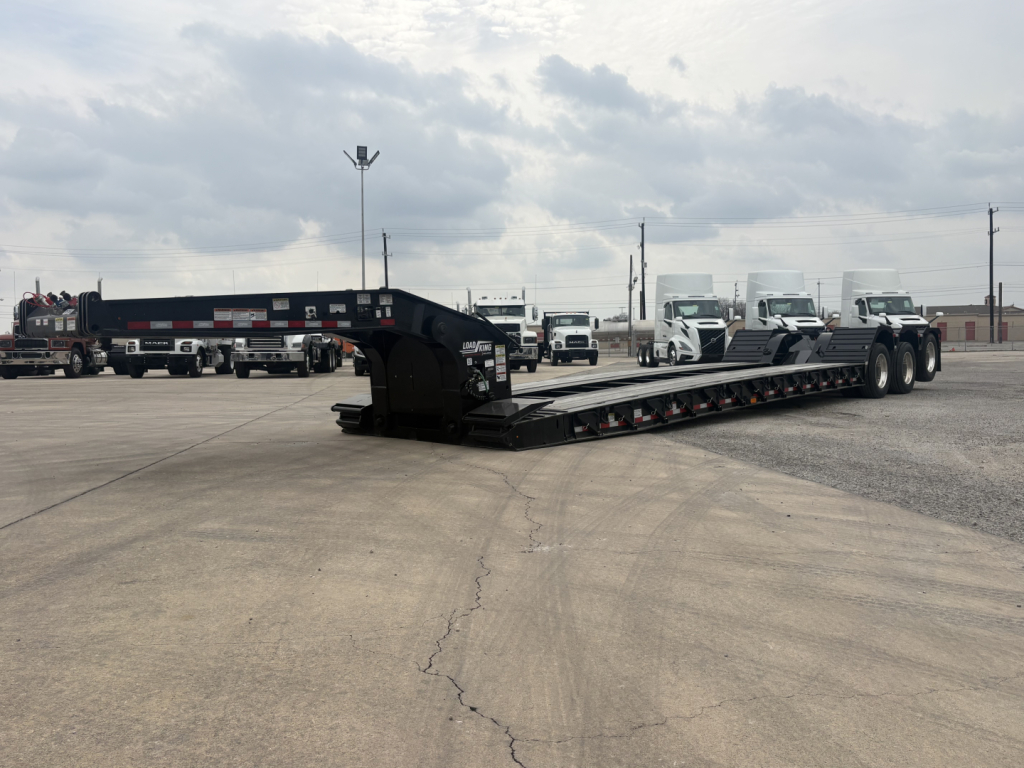
The first spec most buyers look at is capacity, but the smarter comparison is capacity over a stated deck length. In this category, common Load King setups include 55-ton and 60-ton models, often with ratings stated in a concentrated area such as 12 feet. Deck widths commonly run 8 feet 6 inches to 9 feet, with loaded deck heights around 20 to 24 inches. Gooseneck lengths in the 12-foot to 14-foot range are common, and many trailers are set up for flip boxes, flip axles, or stingers to expand legal payload options. Quad-axle and triple-axle configurations are both seen, often with 27,500-lb axles, air ride suspension, lift axles, and raise-lower controls to help with loading and roadability.
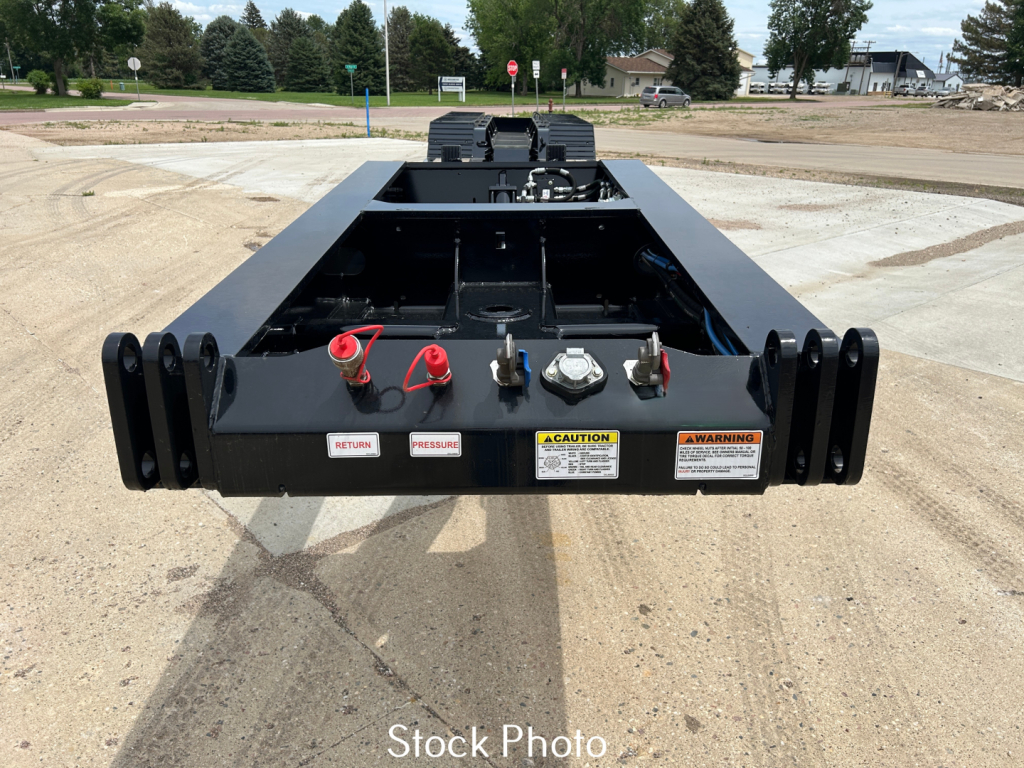
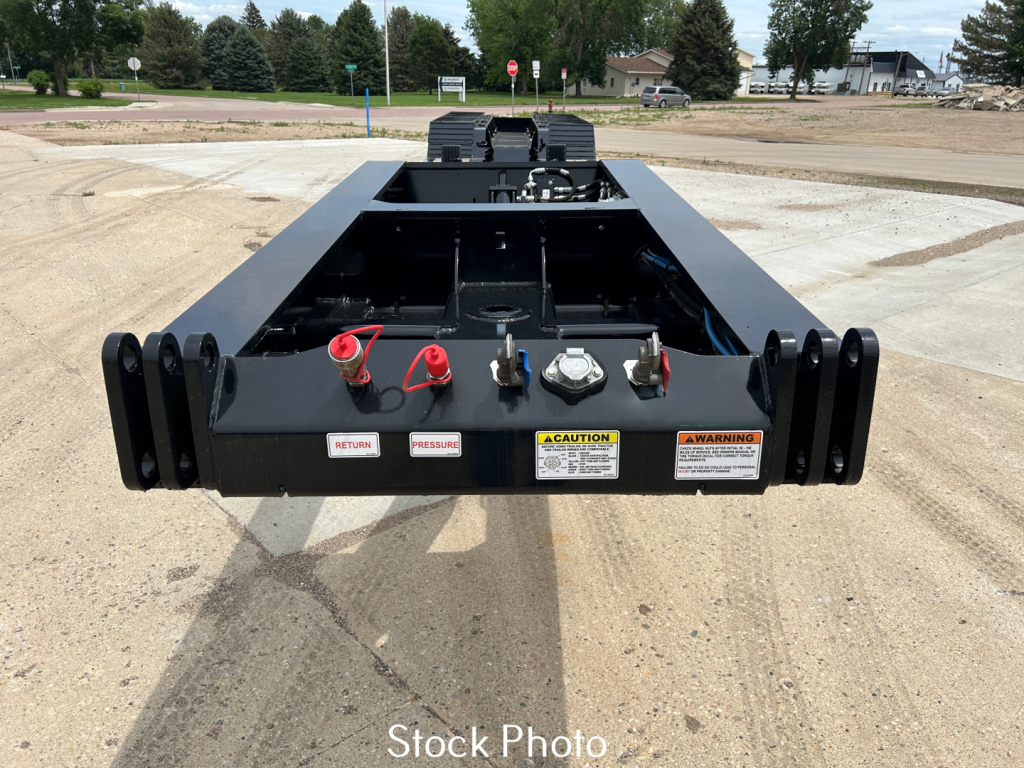
For equipment haulers, the useful details are in the deck and underframe. Buyers often look for Apitong decking, open-center deck sections, boom troughs, excavator notch plates, bucket wells, backhoe trays, reinforced chain slots, bent D-rings, and removable swing-out outriggers. These features make a real difference when the trailer is carrying machines with uneven track widths, long booms, or attachments that need to sit down into the trailer rather than on top of it. Front flip ramps, wheel covers designed for load bearing, lowered crossmembers in the subframe, and upper or lower flange reinforcement all point to a trailer intended for repeated heavy equipment service rather than occasional oversize work.
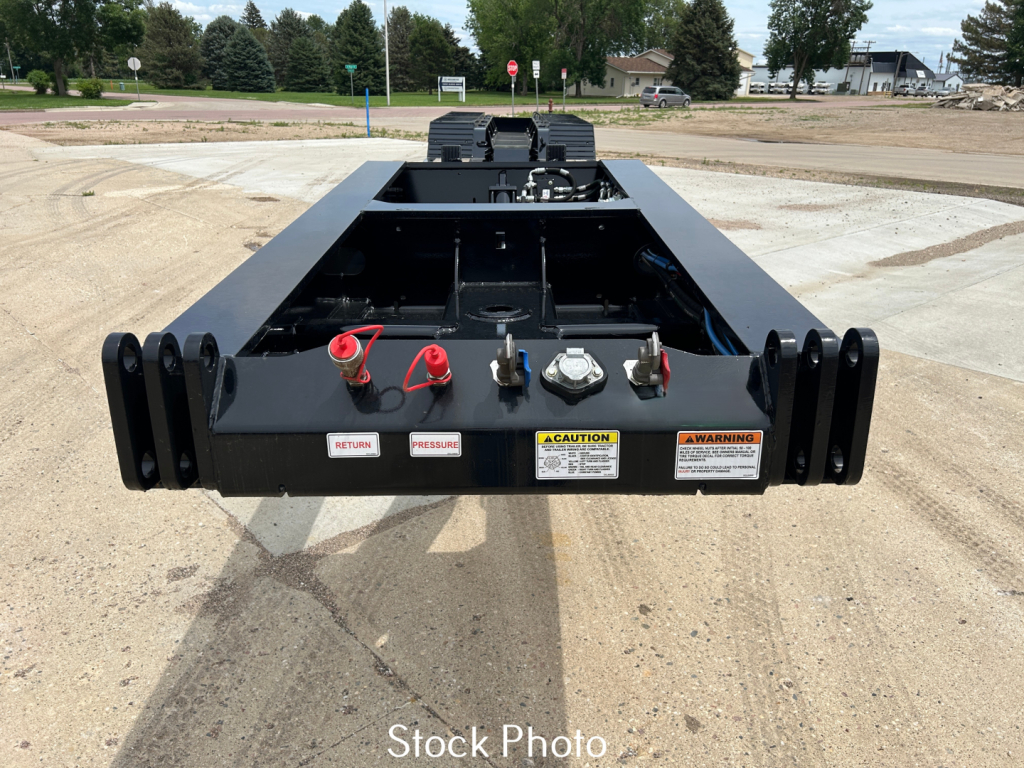
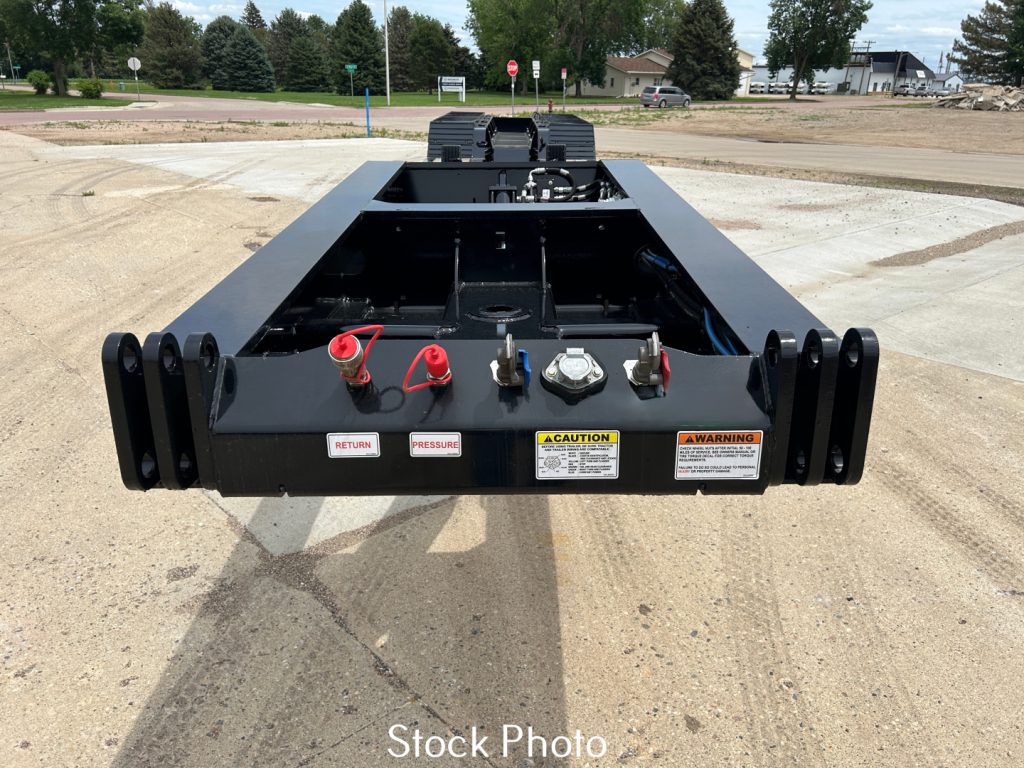
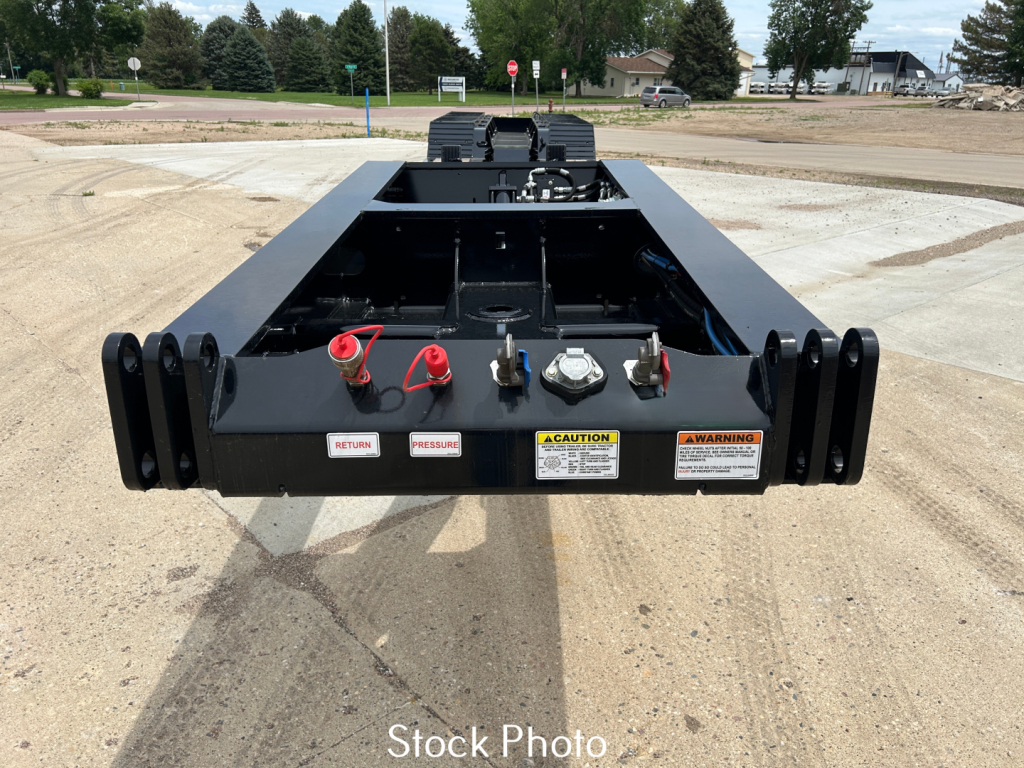
If you are comparing new Load King lowboy trailers for sale in Texas, pay close attention to how the trailer is configured for the freight you actually move. A 20-inch loaded deck height can be a major advantage for taller machines, while a 9-foot-wide deck may better support broader equipment without relying as heavily on outriggers. Check swing clearance, gooseneck style, axle spacing, tire size, and whether the trailer is already plumbed or connected for flip axles and accessories. Lighting packages, strobes, toolbox space, and pony motor setup matter too, especially for fleets that load in the field and run permitted loads on a regular basis. The right lowboy is not just about maximum tonnage. It is about legal loading, machine fit, ease of detach, and long-term durability under concentrated heavy loads.
Frequently Asked Questions about New Load King Lowboy Trailers in Texas
What is the advantage of a Load King lowboy trailer compared with a standard flatbed or drop deck?
A lowboy trailer is designed for taller and heavier equipment that would exceed legal height or overload the deck structure of a standard flatbed. The key advantage is the much lower deck height, which helps keep the total loaded height legal while improving stability. Load King lowboys are also built for concentrated machine loads, with heavy deck construction, detachable goosenecks, and options like excavator troughs, outriggers, and reinforced load areas that are not typical on general freight trailers.
What capacity should I look for in a new Load King lowboy?
Capacity should be matched to the actual machine weight, attachment weight, and how that weight is distributed across the deck. Many buyers focus on 55-ton or 60-ton ratings, but the more useful number is the rated capacity over a specific deck section, such as 12 feet. A machine with a heavy counterweight or narrow track footprint can create high point loads, so deck length, axle group, and concentrated load rating matter as much as the headline tonnage.
Why do deck height and deck width matter so much on a lowboy trailer?
Deck height directly affects overall loaded height, which is critical for staying legal and avoiding route restrictions. A lower loaded deck height, such as 20 to 24 inches, can make the difference when hauling excavators or other tall machines in Texas. Deck width matters because it affects how well tracked or wide equipment sits on the trailer. An 8-foot-6-inch trailer may be fine for many machines, while a 9-foot-wide deck can provide better support and reduce the need for outriggers on wider equipment.
What features are most useful for hauling excavators and other construction equipment?
For excavators, common high-value features include a boom trough, excavator notch plate, backhoe tray, bucket well, chain slots, bent D-rings, and removable swing-out outriggers. These features let attachments and booms sit lower in the trailer and make securement easier. Front flip ramps, reinforced crossmembers, and load-bearing wheel covers are also important when the trailer sees regular loading of tracked machines with uneven weight distribution.
Are flip axles and flip boxes important on a new lowboy trailer?
Yes, they can be very important if you routinely haul heavier permitted loads or need flexibility for different jobs. A trailer set up with connections for a flip axle, stinger, or flip box gives you more ways to distribute weight and configure the trailer for state permit requirements. Even if those components are not used every day, a lowboy that is already designed to accept them can be a better long-term fit for fleets that expect changing haul profiles or future expansion into heavier equipment transport.