
New 2027 Dragon Trailers For Sale
Shop new 2027 Dragon trailers, including vacuum and tank trailer configurations built for oilfield, crude, water, and liquid hauling jobs.
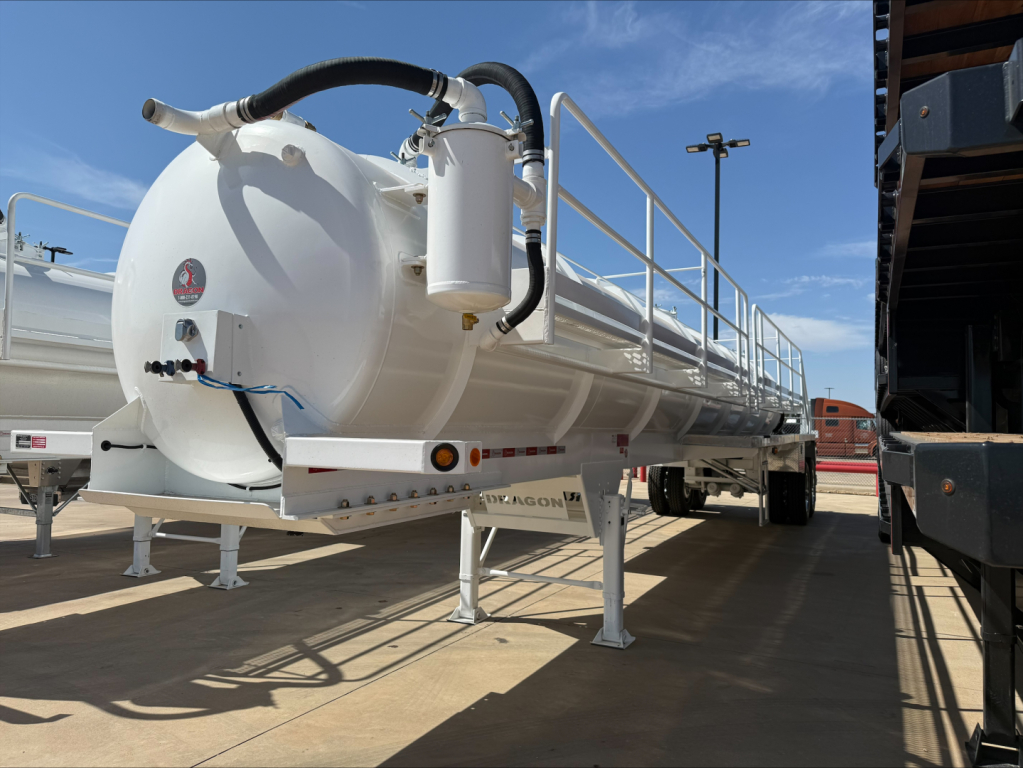
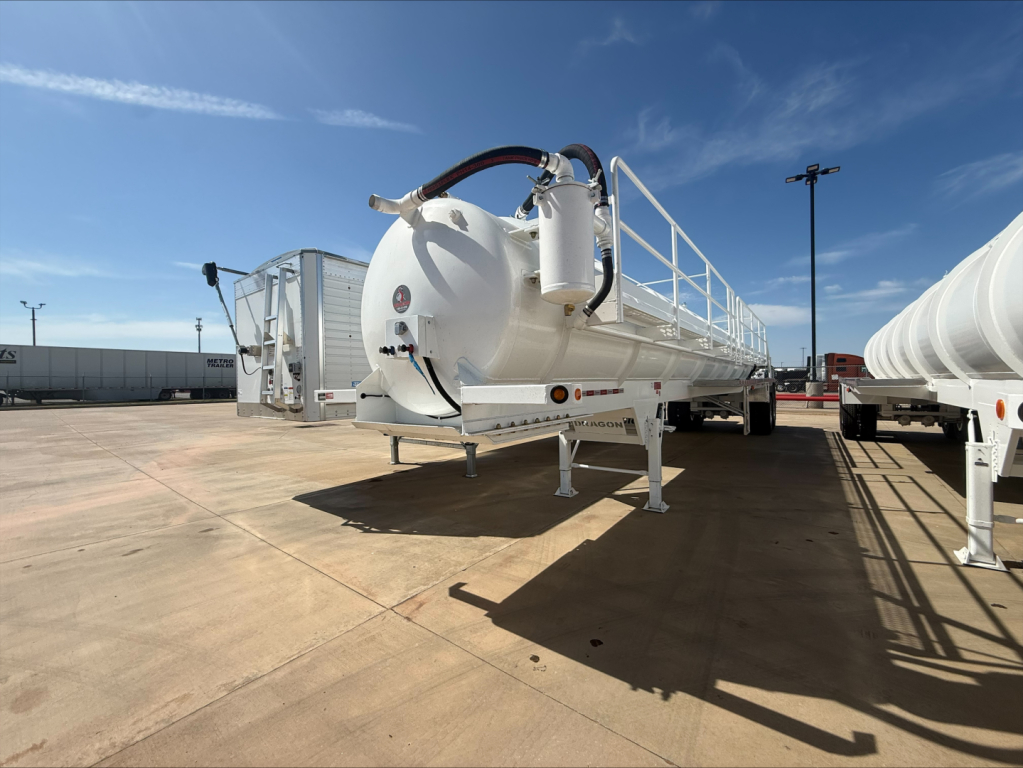
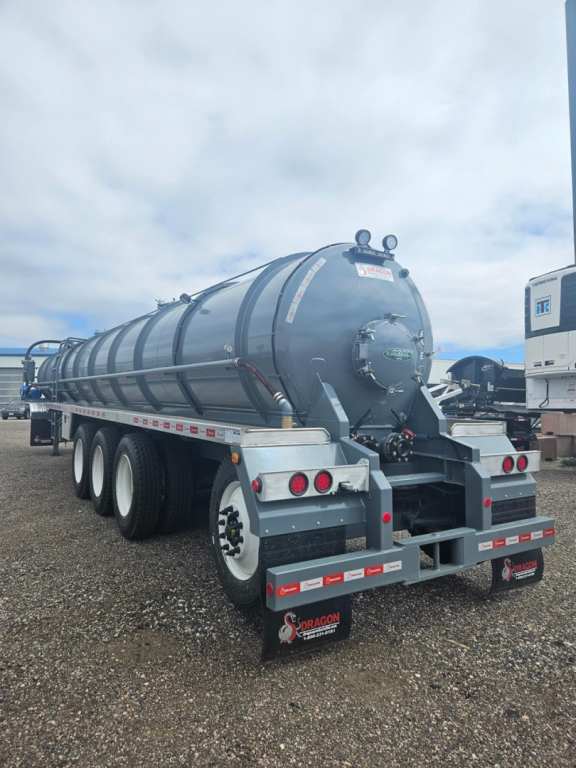
Selling a new 2027 dragon trailer? List your new 2027 dragon trailer for sale and reach thousands of commercial buyers.
New 2027 Dragon Trailers
Capacity, tank construction, and suspension setup matter more than badge alone. Common Dragon trailer configurations in this class include 130 BBL and 165 BBL vacuum tanks, along with aluminum crude trailers in the 8,400-gallon range. Buyers should pay close attention to whether the trailer is DOT code or non-code, compartment count, baffle design, pump spec, vapor recovery equipment, and bottom-load or top-access layout. On vacuum units, details like dome lids, sight glasses, level gauges, hose troughs, manual dump valves, and Fruitland pump setups can directly affect how efficiently the trailer works in the field. On crude tank trailers, features such as DOT 407 compliance, cleanouts, thermometer packages, and single-compartment versus multi-compartment construction can change both legal use and unloading workflow.
Running gear is another area where spec differences have real operating cost impact. Many Dragon trailers are ordered with tandem or tri-axle layouts, air ride suspension, lift axles, steel or aluminum wheels, and 11R22.5 or 11R24.5 rubber depending on vocation and regional preference. Closed tandem setups are common, and rear lift axles can help with weight distribution and tire wear in variable-load service. Buyers should also look at practical field features like catwalks with safety rails, front and rear fenders, work lights, chain hangers, toolboxes, heavy-duty bumpers, tow hooks, and landing gear. These are not small details on a tank trailer that will spend time on lease roads, yard surfaces, and uneven loading sites.
A good 2027 Dragon trailer spec is one that matches the product being hauled, the road conditions, and the loading and unloading method used every day. Buyers in oilfield regions often compare vacuum pump brand, barrel capacity, axle spread, and access equipment before anything else, while crude haulers tend to focus on code compliance, tank material, and plumbing layout. Dragon trailers are often selected because they can be configured around a narrow job requirement instead of forcing a generic tank setup into specialized service. That makes the listing details important, especially on tank code, gallon or barrel rating, suspension type, and installed accessories.
Frequently Asked Questions about New 2027 Dragon Trailers
What types of trailers are most common from Dragon in the 2027 model year?
The most common Dragon trailers buyers look for are vacuum trailers, non-code water vacuum tanks, and crude oil tank trailers. These trailers are typically used in oilfield and liquid-hauling work where capacity, tank layout, pump configuration, and code status are more important than general dry-freight trailer specs. Dragon is especially associated with tank trailer applications rather than broad over-the-road van or flatbed categories.
What is the difference between a non-code vacuum trailer and a DOT code tank trailer?
A non-code vacuum trailer is generally intended for applications that do not require pressure vessel or regulated cargo code compliance in the same way as a DOT-spec liquid tank trailer. A DOT code tank trailer, such as a DOT 407 crude oil tanker, is built to a defined regulatory standard for hauling specific products on public roads. Buyers need to confirm the intended commodity and legal requirement before purchase, because a non-code trailer may be suitable for water or field-service use but not for regulated petroleum transport.
How do I choose between a 130 BBL and 165 BBL Dragon vacuum trailer?
The right barrel capacity depends on payload targets, axle configuration, jobsite access, and the density of the product being hauled. A 130 BBL unit may be easier to manage in tighter field conditions and can align better with certain weight limits, while a 165 BBL trailer offers more volume for routes where maximizing load size improves efficiency. Capacity should always be matched to legal gross weight, road conditions, and pump performance, not just the largest tank available.
What specs matter most on a Dragon crude oil trailer?
The key specs are DOT code compliance, tank material, gallon capacity, compartment layout, vapor recovery, plumbing configuration, suspension, and wheelbase or overall length. Aluminum construction is common where weight savings matter, while features like bottom loading, cleanouts, thermometers, manholes, and work lights affect daily loading and unloading. Buyers should also verify axle setup, tire size, and wheel material because these details influence tare weight, maintenance cost, and operating flexibility.
Are air ride and lift axles worth it on a tank trailer?
In many liquid-hauling applications, air ride suspension is preferred because it helps protect the trailer structure and can improve ride quality for both the tank and running gear. A lift axle can be valuable when load conditions vary, since it helps distribute weight under load and can reduce tire scrub when empty or lightly loaded. The value depends on route length, legal axle requirements, surface conditions, and how often the trailer operates at maximum capacity.