
New Dragon Trailers For Sale
Shop new Dragon trailers including vacuum and tanker models with air ride, steel or aluminum construction, and oilfield-ready specs.
Selling a new dragon trailer? List your new dragon trailer for sale and reach thousands of commercial buyers.
New Dragon Trailers
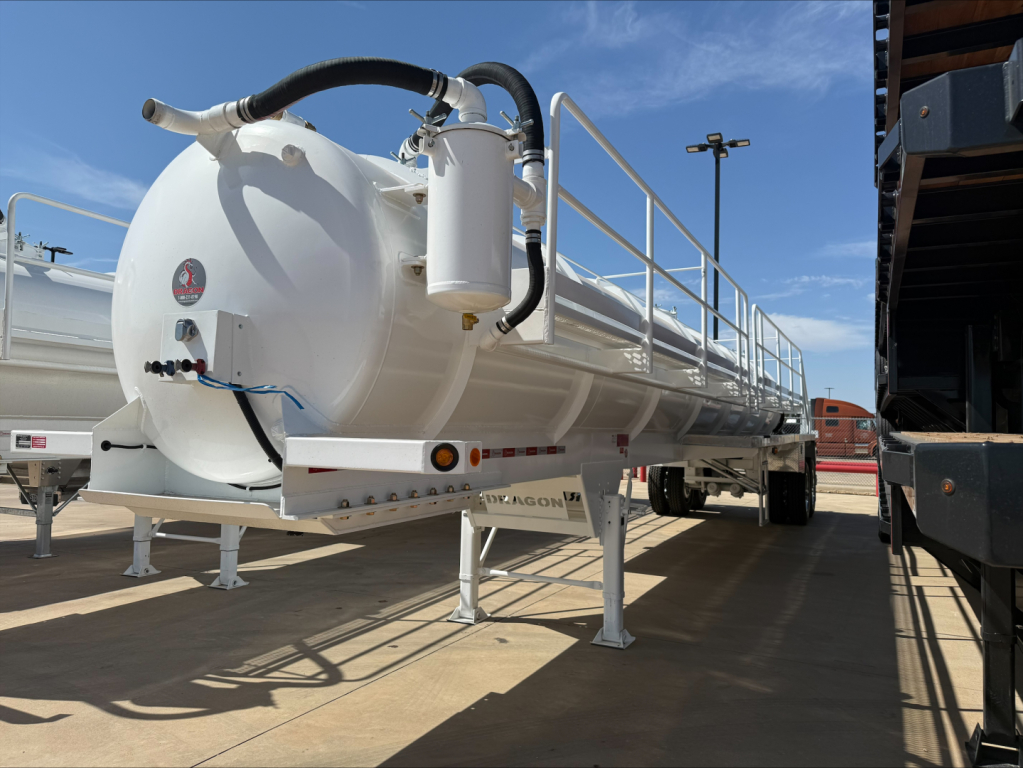
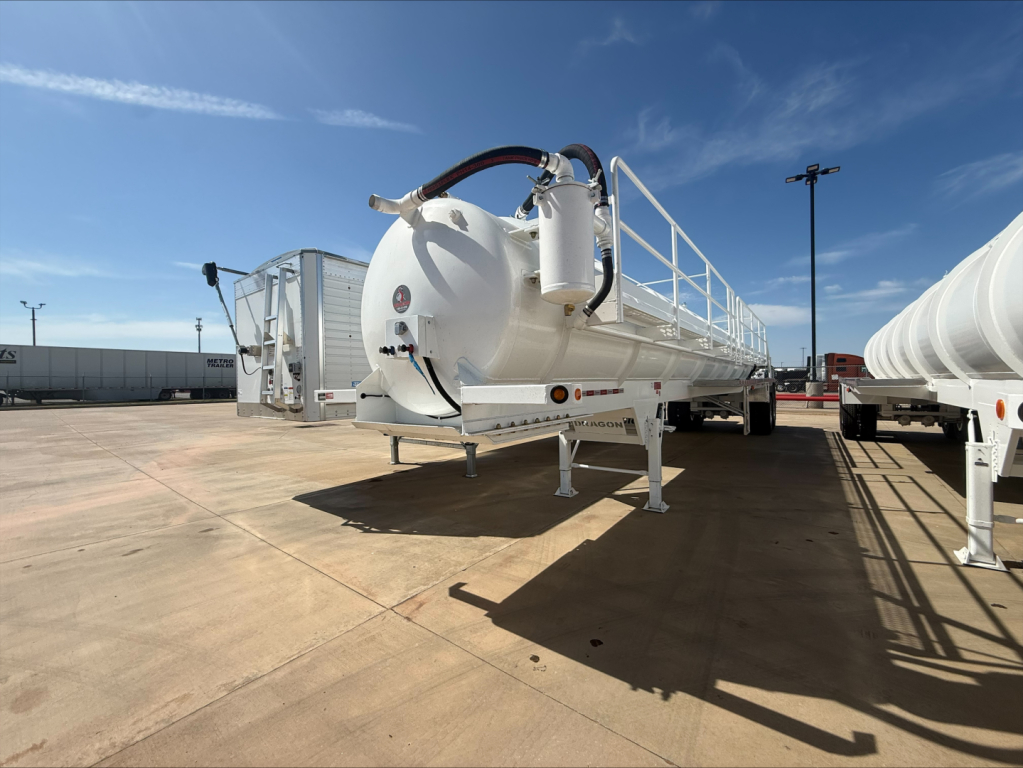
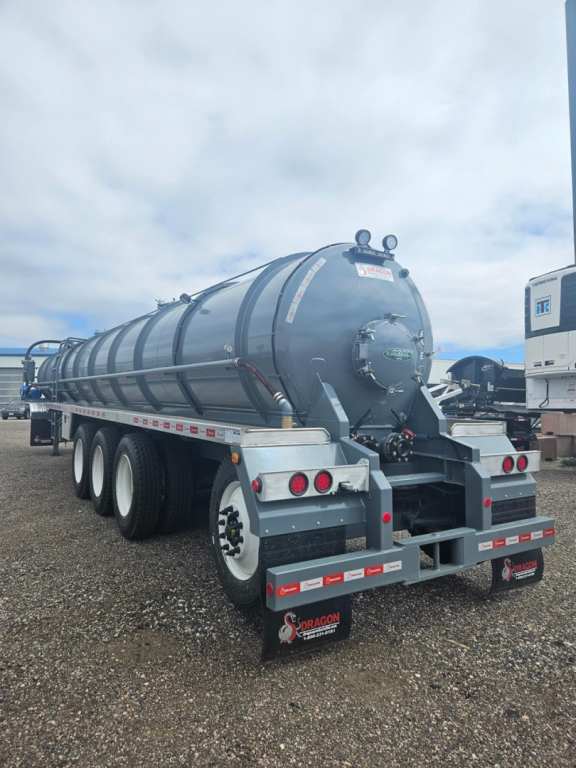
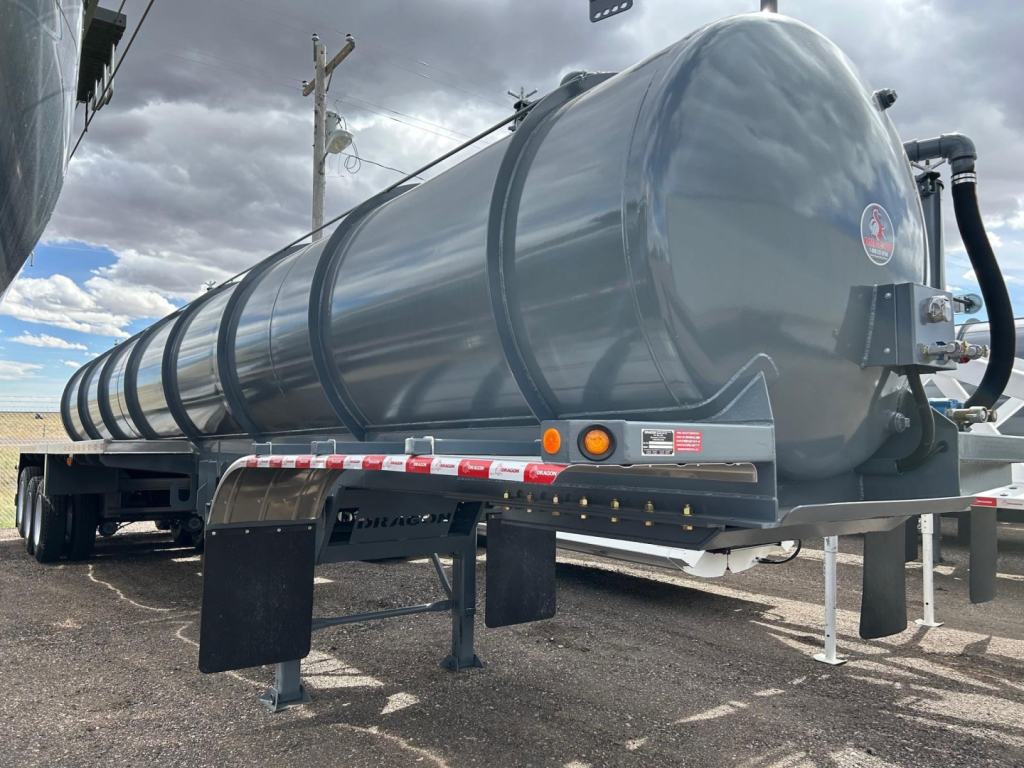
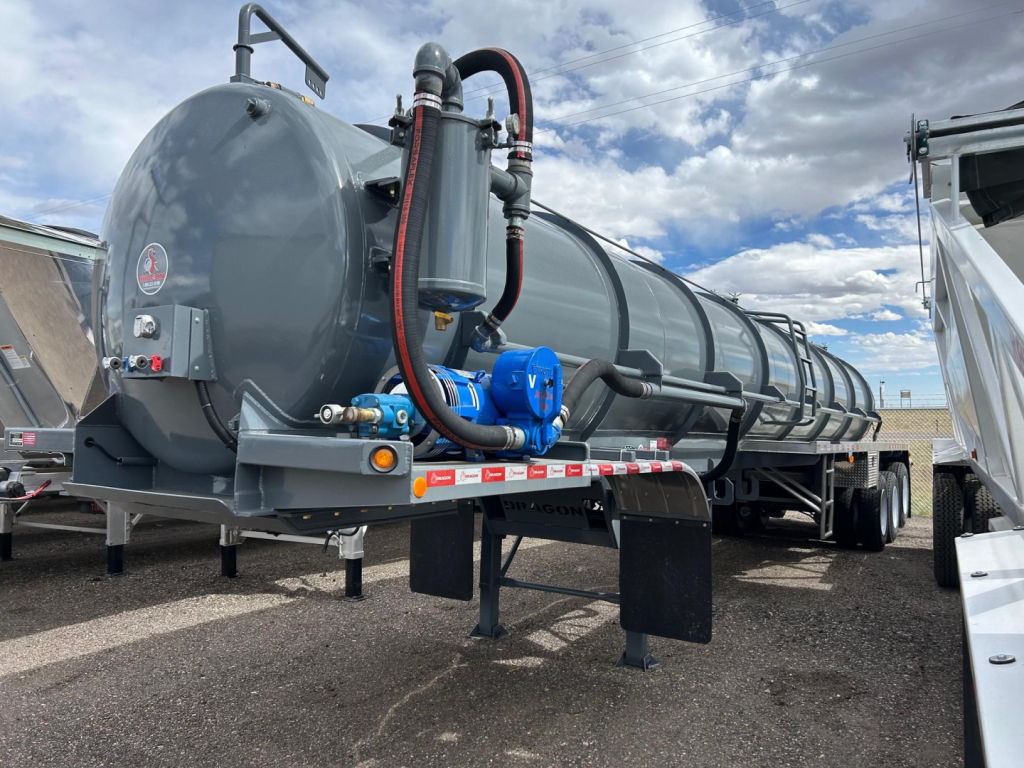
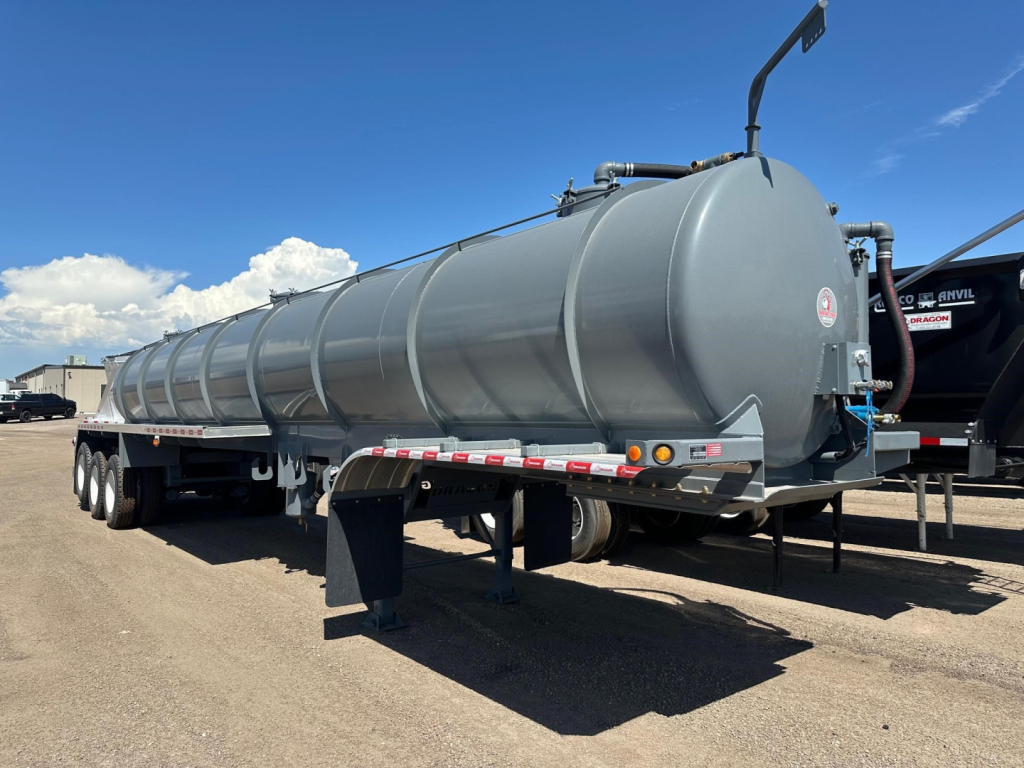
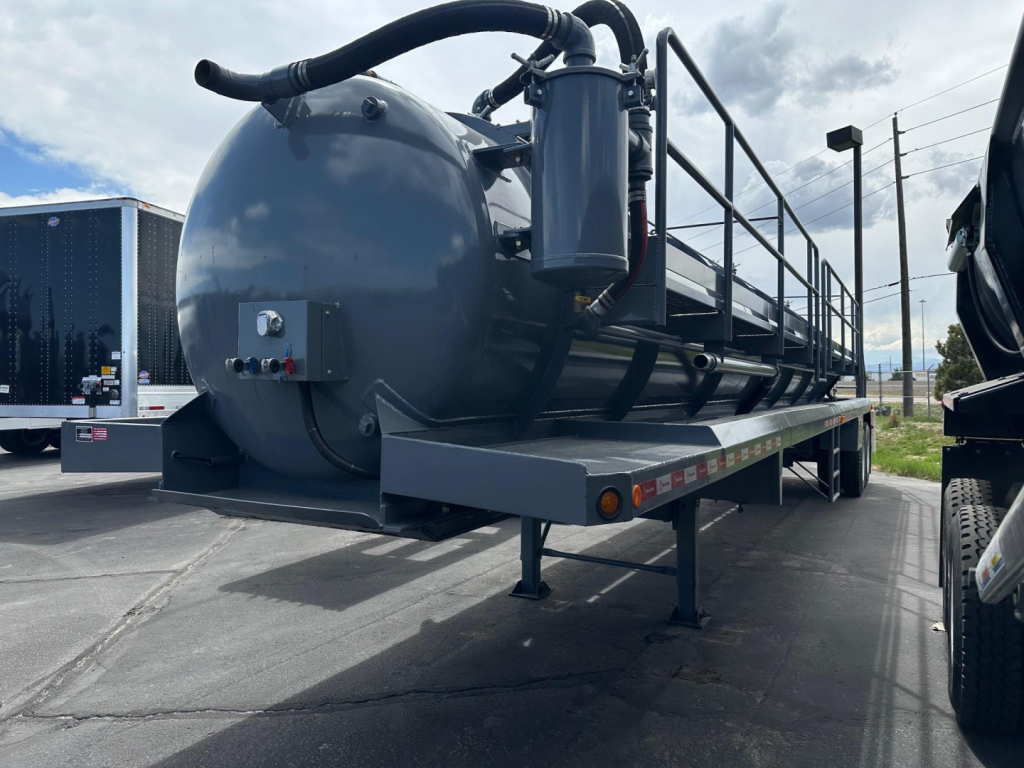
For vacuum service, the key decisions are barrel capacity, axle group, and how the trailer is equipped for daily loading and unloading. A 130 BBL vacuum trailer is a common fit for general water and fluid hauling, while a 165 BBL unit adds payload volume but usually brings a tri-axle layout and, in some cases, a lift axle to manage bridge laws and tire wear. Common features include straight-round steel tanks, single-compartment layouts, baffles for surge control, dome lids or manways, hose troughs, catwalks with safety rails, sight glasses or level gauges, work lights, heavy-duty landing gear, and rear bumpers with tow hooks. Suspension is often air ride, which matters on rough lease roads and helps reduce chassis shock compared with harsher setups.
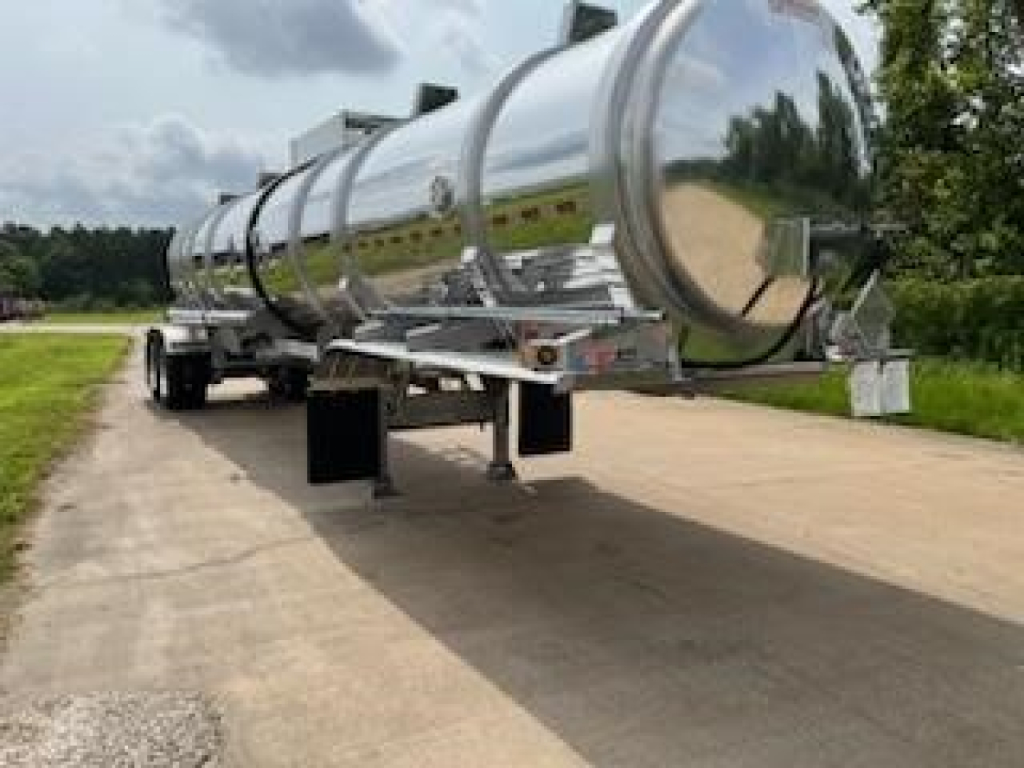
For petroleum and regulated liquid service, Dragon also builds aluminum tank trailers with specs such as double-conical bodies, bottom loading, vapor recovery, cleanouts, thermometers, and DOT 407 compliance. That category is less about raw vacuum capacity and more about product compatibility, weight savings, code requirements, and loading terminal efficiency. Aluminum construction can improve payload potential versus steel, while features like vapor recovery and bottom-load plumbing are critical for refinery, terminal, and crude transport operations. Buyers should confirm tank code, compartment count, jacket or insulation details, axle spread, and wheel-end spec early, because those details determine where the trailer can run and what products it can legally and efficiently haul.
Across the Dragon trailer line, it pays to compare tire size, wheel material, manhole count, pump package, and rear suspension against the route and commodity. Steel vacuum trailers are often chosen for rugged non-code service where impact resistance and simpler repair matter more than tare weight. Aluminum code tankers are better suited to regulated liquid hauling where corrosion resistance and payload efficiency carry more value. If the job involves oilfield water, production fluids, crude, or waste liquid, Dragon trailers are typically configured with the practical hardware buyers expect, including air ride suspensions, tandem or tri-axle arrangements, toolboxes, ladders, fenders, and work-light packages that support long days in demanding conditions.
Frequently Asked Questions about New Dragon Trailers
What are the most common types of new Dragon trailers?
The most common new Dragon trailers in this category are vacuum tank trailers and liquid tank trailers used for crude oil or related petroleum service. Vacuum models are often non-code units built for oilfield water, waste fluids, and industrial suction work, while petroleum tankers may be built to DOT 407 specifications for regulated liquid transport. The right choice depends first on commodity, then on whether the trailer needs a vacuum package, pressure-related code compliance, bottom loading, vapor recovery, or other product-specific equipment.
What size Dragon vacuum trailer should I consider?
A 130 BBL Dragon vacuum trailer is a common starting point because it balances capacity, maneuverability, and axle loading for many oilfield and industrial applications. A 165 BBL model increases volume and can improve productivity on longer hauls or high-throughput jobs, but it typically adds axle complexity and may require closer attention to bridge laws, turning radius, and site access. Capacity should be matched to fluid density, legal payload limits, and the roads the trailer will run every day.
Are Dragon trailers available in steel and aluminum?
Yes. Dragon trailers in this category are commonly built in mild steel for vacuum and non-code field service, and in aluminum for code tanker applications such as crude oil or refined liquid hauling. Steel construction is often preferred for rugged use and repairability in harsh environments, while aluminum helps reduce tare weight and improve corrosion resistance. Material selection should be based on commodity compatibility, expected abuse, maintenance practices, and the importance of payload versus durability.
What features matter most on a Dragon tanker trailer?
The most important features depend on the trailer's intended service, but buyers usually focus on tank code, capacity, compartment layout, suspension type, axle configuration, and loading or unloading equipment. On vacuum trailers, look closely at pump compatibility, hose storage, manways, baffles, sight gauges, and rear work access. On crude or petroleum tankers, check for bottom-load plumbing, vapor recovery, cleanouts, thermometer equipment, insulation or jacketing, and compliance-related details. Those items affect safety, legal use, loading speed, and long-term operating cost.
Why is air ride common on new Dragon trailers?
Air ride suspension is common because it improves ride quality, helps protect the trailer structure, and reduces shock transferred to the tank and running gear on rough roads. That is especially valuable in oilfield and industrial service where lease roads, uneven surfaces, and heavy liquid loads can be hard on equipment. Air ride can also help with cargo stability and driver comfort, although buyers should still compare suspension brand, axle rating, and service network when evaluating one trailer against another.