
New Dragon Trailers For Sale in Colorado
Shop new Dragon trailers for oilfield and liquid hauling, including vacuum and DOT 407 tank trailers with heavy-duty specs.
Selling a new dragon trailer? List your new dragon trailer for sale and reach thousands of commercial buyers.
New Dragon Trailers in Colorado
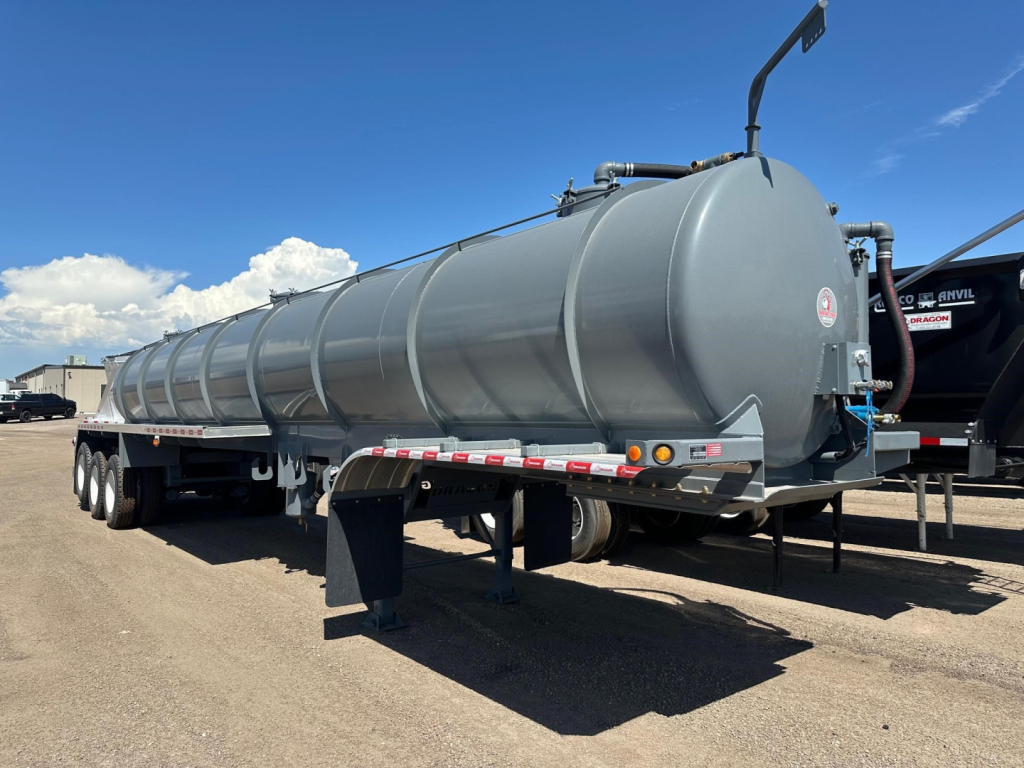
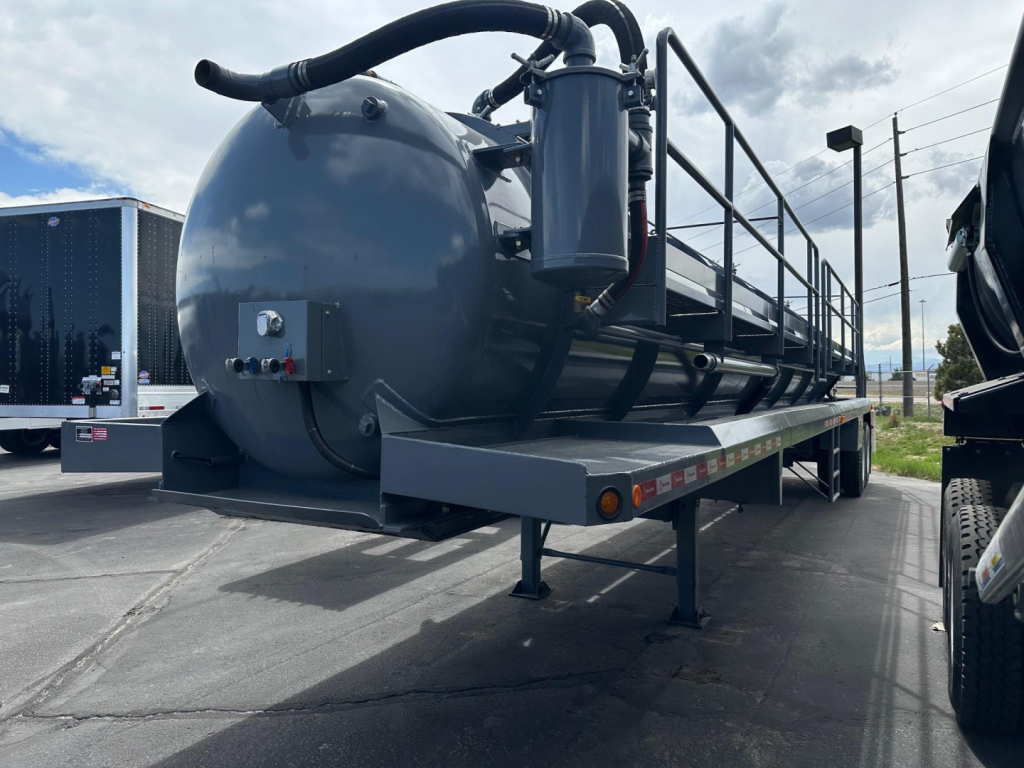
In the vacuum trailer segment, common setups include non-code water vacuum tankers in capacities such as 130 BBL to 165 BBL, typically with one compartment and internal baffles to control surge. Features like Fruitland pump packages, hose troughs, dome lids, catwalks with safety rails, level gauges, manual dump valves, tow hooks, and work lights are typical on units intended for oilfield water transfer, disposal support, and service work. Tri-axle and closed tandem layouts are both common, with air ride suspension frequently chosen for ride quality and component protection. Buyers should compare barrel capacity against legal payload in their operating area, especially when running in Colorado where terrain, bridge formulas, and road conditions can affect the practical advantage of a larger tank.
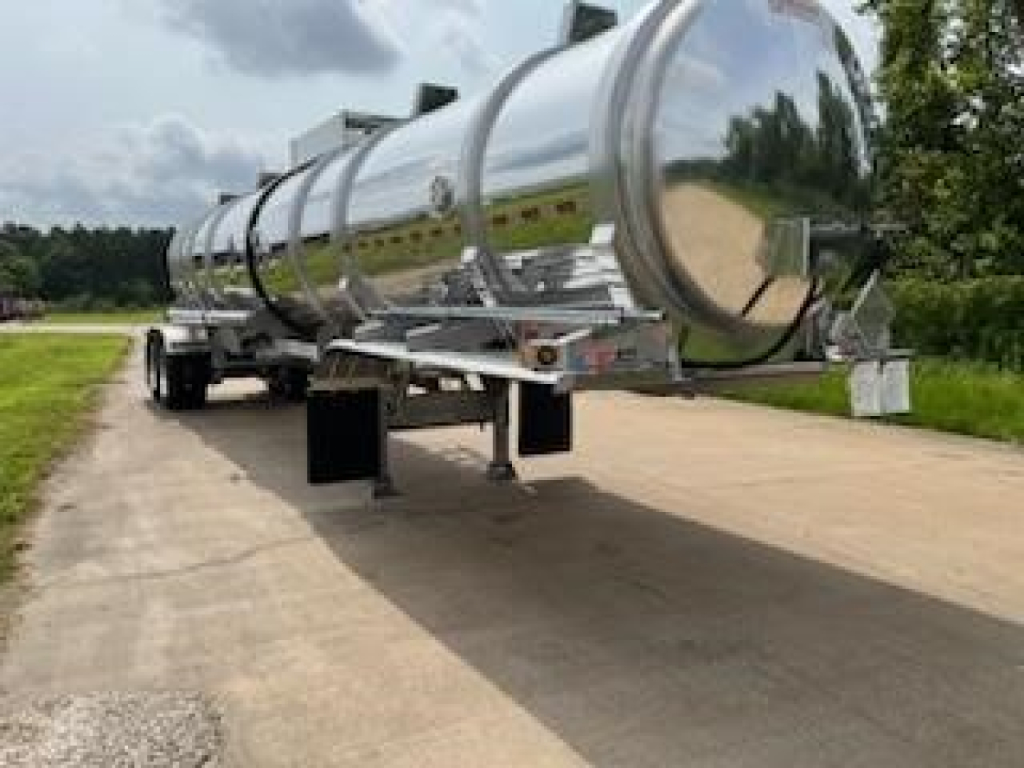
For crude oil and petroleum applications, Dragon tank trailers are often spec'd as aluminum DOT 407 units with single-compartment tanks, bottom loading, vapor recovery, cleanouts, and pump systems designed for efficient loading and unloading. Double conical construction is a familiar configuration in this class because it supports drainage and product movement while keeping tare weight competitive. Details such as manhole count, thermometer installation, placards, fenders, tire carrier, and landing gear may seem secondary, but they directly affect turnaround time, serviceability, and compliance. Wheel material, tire size, and bumper design also matter on higher-cycle routes where downtime from tire service or rear-end damage becomes expensive fast.
The best way to evaluate a new Dragon trailer is to match the tank code, capacity, suspension, and loading or unloading equipment to the exact product being hauled and the roads it will run. A non-code vacuum water trailer for oilfield service has a very different duty cycle than a DOT-spec crude tanker, even if both are built around similar running gear. Look closely at compartment layout, baffle count, pump brand, vapor equipment, lift axle options, and safety access features. On a trailer in this class, the right specification package has more impact on long-term value than almost any cosmetic detail.
Frequently Asked Questions about New Dragon Trailers in Colorado
What are Dragon trailers commonly used for?
Dragon trailers are commonly used for liquid hauling in oilfield, industrial, and petroleum service. The brand is especially associated with vacuum tank trailers, water vacuum tanks, and crude oil or production-fluid tank trailers. Depending on the specification, a Dragon trailer may be used for non-code water service, vacuum recovery, produced water transport, or regulated petroleum hauling under DOT tank requirements.
What should I look for when buying a new Dragon vacuum tank trailer?
Start with capacity, tank configuration, and vacuum system specification. Barrel rating, compartment count, baffle design, pump brand, hose storage, dump valve setup, and catwalk or safety rail provisions all affect how the trailer performs in daily field service. Axle arrangement is also important because a tri-axle or tandem with lift axle can change payload distribution, tire wear, and maneuverability on lease roads and tighter job sites.
How is a non-code water vacuum trailer different from a DOT 407 tank trailer?
A non-code water vacuum trailer is typically built for water, waste, or oilfield service that does not require the same regulated tank construction as a DOT-coded petroleum trailer. A DOT 407 tank trailer is designed for specific hazardous liquid applications and includes code-compliant features tied to product compatibility, loading method, vapor control, and safety requirements. Buyers need to match the tank code to the commodity and the regulatory environment before making a purchase decision.
Is aluminum or steel better on a Dragon tank trailer?
It depends on the application. Aluminum tank trailers are often preferred when tare weight and corrosion resistance are priorities, which is common in petroleum hauling. Steel can be a strong choice in severe-duty vacuum or water service where impact resistance and rugged field durability are more important. The right material choice should be based on product type, road exposure, expected payload, and maintenance practices.
Why do axle and suspension specs matter so much on tank trailers in Colorado?
Colorado operation puts extra emphasis on stability, braking, and durability because routes can include steep grades, changing temperatures, and rough access roads. Air ride suspension is popular for protecting the trailer and improving ride characteristics, but buyers should also consider axle spread, lift axle configuration, tire size, and brake package. These details influence legal loading, handling on uneven terrain, and long-term operating cost.