
New 2026 Dragon Trailers For Sale in Colorado
Shop new 2026 Dragon trailers for crude oil and vacuum service, including aluminum tankers, vac tanks, air ride suspensions, and oilfield-ready specs.
Selling a new 2026 dragon trailer? List your new 2026 dragon trailer for sale and reach thousands of commercial buyers.
New 2026 Dragon Trailers in Colorado
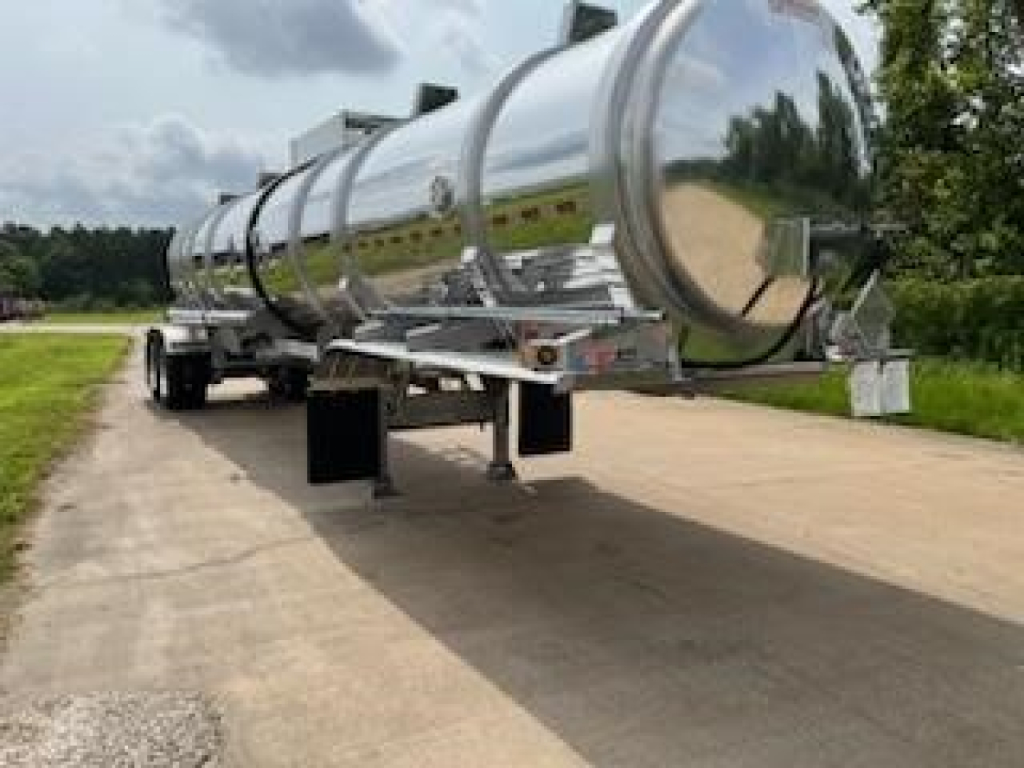
On the crude side, common 2026 Dragon configurations include aluminum double conical tanks around 8,400 gallons, usually set up as single-compartment units with vapor recovery, cleanouts, manhole access, side ladders, work lights, and pump systems. These trailers are designed for petroleum service where product compatibility, loading method, and compliance details matter as much as capacity. Suspension and running gear also deserve a close look. Closed tandem air ride setups are common, along with 11R22.5 tires, aluminum outer wheels, heavy-duty bumpers, and standard two-speed landing gear. For Colorado buyers, terrain and temperature swings make suspension quality, braking condition, and service access points especially important on routes that mix lease roads, highways, and elevation changes.
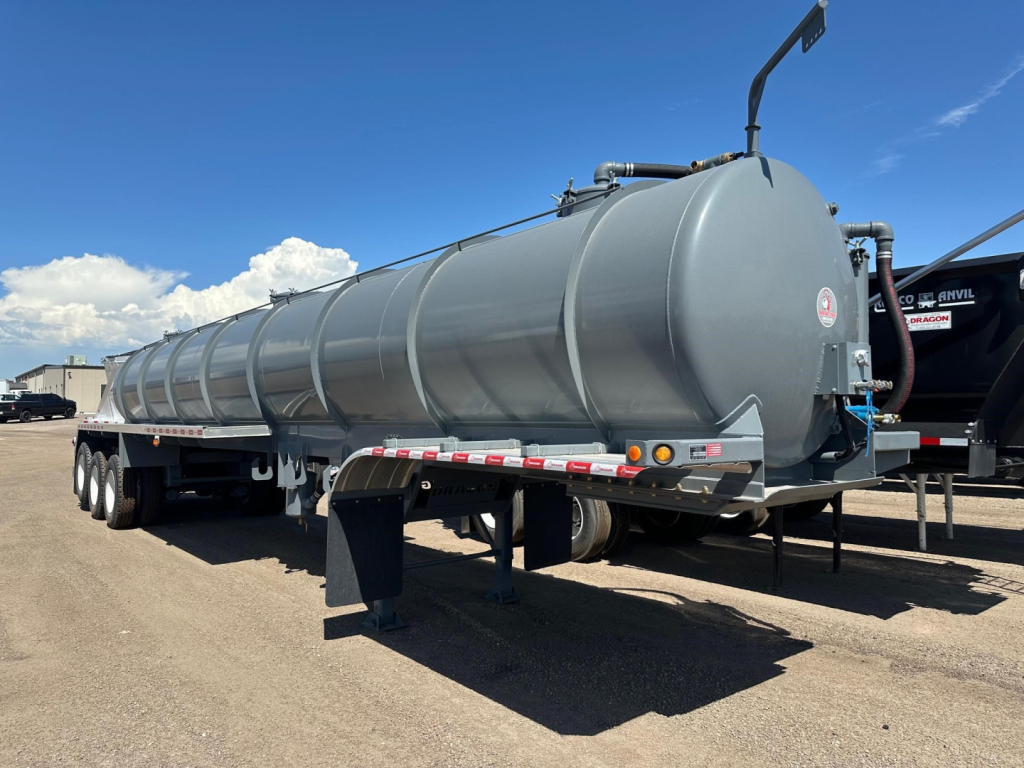
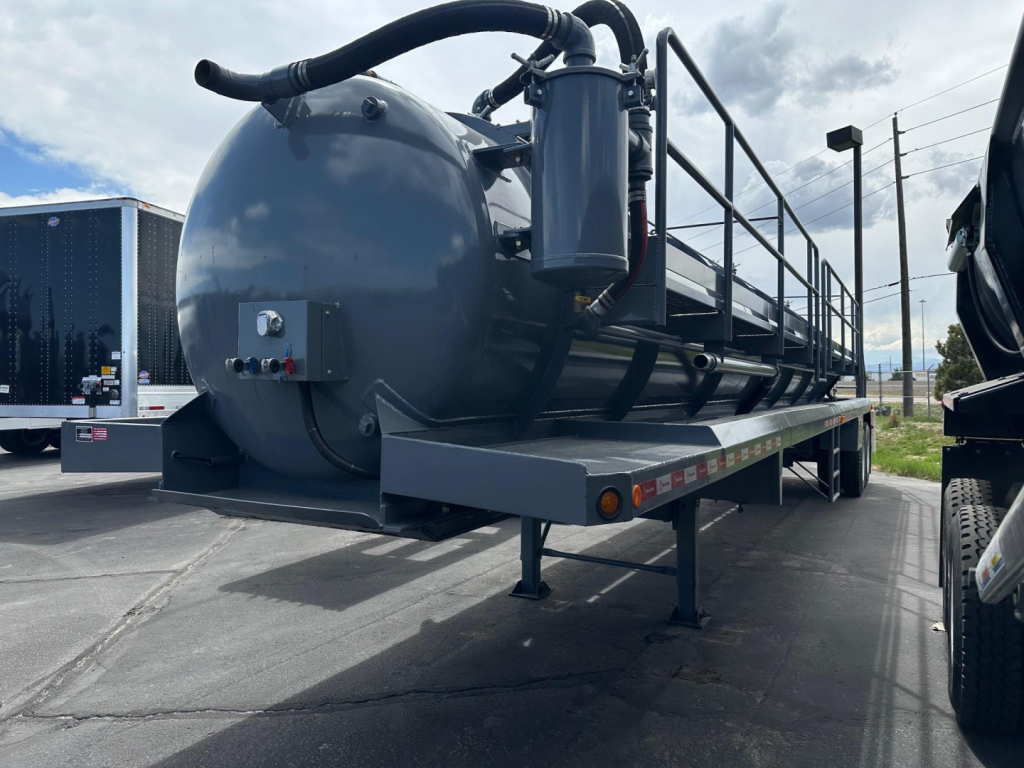
Dragon vacuum trailers in the 130 BBL to 165 BBL range are typically configured for water and fluid recovery work rather than regulated fuel transport. Common features include one-compartment tanks with internal baffles, multiple dome lids, hose troughs, catwalks with safety rails, chain hangers, toolboxes, manual dump valves, level gauges, ICC bumpers, and tow hooks. Length, axle count, and lift axle spec can change how the trailer performs in the field. A 42-foot tandem unit may be easier to maneuver on tighter access roads, while a 46-foot tri-axle with rear lift axle can offer better payload support and axle distribution. Steel wheels and 11R24.5 rubber are common on these vacuum builds, and air ride remains a preferred suspension for protecting the trailer structure and improving road manners.
The best way to evaluate a 2026 Dragon trailer is to match the tank design and support equipment to the work cycle. Capacity alone does not tell the whole story. Buyers should compare code status, tank material, compartment count, baffle layout, pump brand, loading and discharge arrangement, tire size, axle layout, and safety equipment. Dragon has long been a recognized name in oilfield tank trailers, and these newer builds are typically spec'd for practical serviceability, straightforward field use, and jobsite durability. If the trailer will spend its life in crude transport, vacuum water service, or mixed oilfield support, the right spec package will matter more than any single headline number.
Frequently Asked Questions about New 2026 Dragon Trailers in Colorado
What types of new 2026 Dragon trailers are common in this category?
The most common units in this category are crude oil tank trailers and vacuum water tank trailers. Crude trailers are typically aluminum DOT-code tankers built for petroleum hauling, often with bottom-load systems, vapor recovery, and pump packages. Vacuum trailers are usually non-code water vac tanks designed for fluid recovery and oilfield support, with features such as dome lids, baffles, hose troughs, catwalks, and vacuum pump provisions.
What is the difference between a Dragon crude trailer and a Dragon vacuum trailer?
A crude trailer is built for transporting petroleum products under the appropriate tank code and usually includes loading, unloading, and vapor-control equipment specific to that service. A vacuum trailer is designed to pull and carry water or other fluids in oilfield and industrial applications, often using a vacuum pump and simpler tank layout. The intended product, code compliance, plumbing design, and pump system are the main differences buyers need to confirm before purchase.
How do I choose between a 130 BBL and 165 BBL Dragon vacuum trailer?
The right barrel capacity depends on payload targets, road conditions, axle requirements, and how tight the jobsite is. A 130 BBL tandem can be easier to maneuver and may fit certain field operations better, while a 165 BBL tri-axle can provide more volume and better load distribution. Buyers should also compare overall length, lift axle setup, suspension, pump package, and local weight restrictions because those factors can change day-to-day usability more than tank size alone.
Why does tank code matter on a Dragon trailer?
Tank code determines the type of product the trailer is built and certified to haul, along with the construction and safety requirements tied to that service. For example, a DOT 407 crude tanker is intended for specific regulated liquid service, while a non-code vacuum water tank is generally used for water or similar field fluids. Buyers should always confirm that the code status matches the intended commodity, customer requirements, and operating jurisdiction.
What specs should buyers focus on first when comparing new 2026 Dragon trailers?
Start with the application, then verify capacity, tank material, code status, compartment count, pump equipment, and axle configuration. After that, look closely at suspension type, tire size, wheel material, loading and discharge setup, vapor recovery if applicable, safety access features, and service items such as cleanouts or level gauges. Those details determine how well the trailer fits the work and how efficiently it can be used and maintained.