
New 2027 Hopper Trailers For Sale
Shop new 2027 hopper trailers built for grain and bulk commodities, with ag hoppers, roll tarps, air ride, scale options, and aluminum or steel specs.
Selling a new 2027 hopper trailer? List your new 2027 hopper trailer for sale and reach thousands of commercial buyers.
New 2027 Hopper Trailers
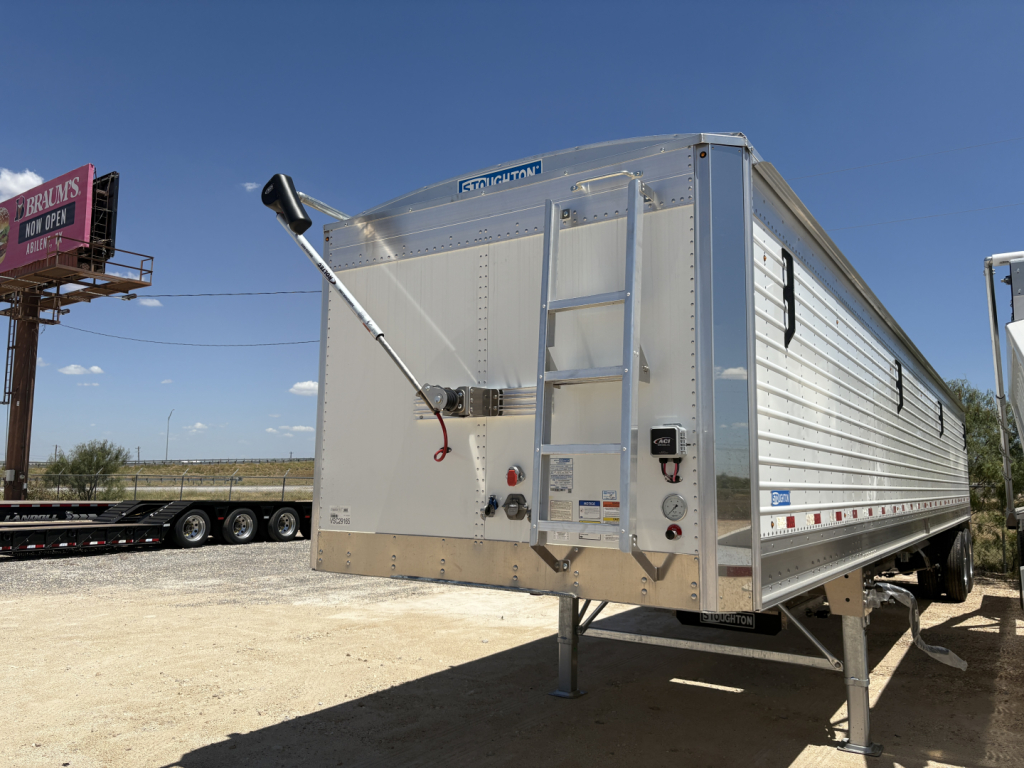
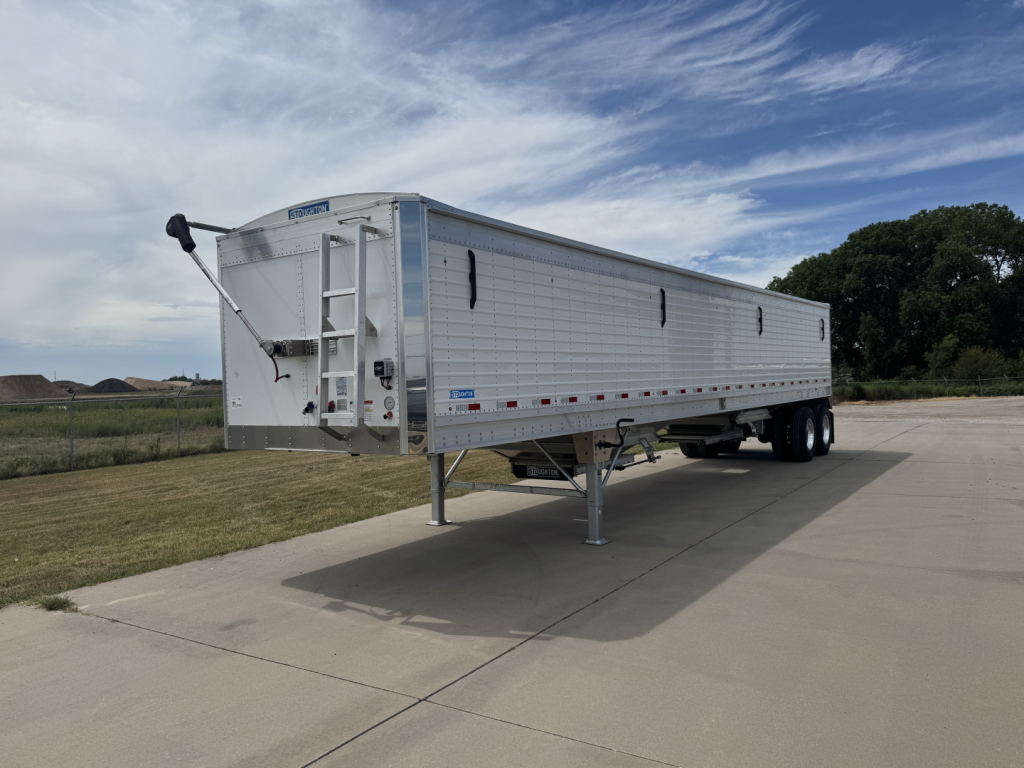
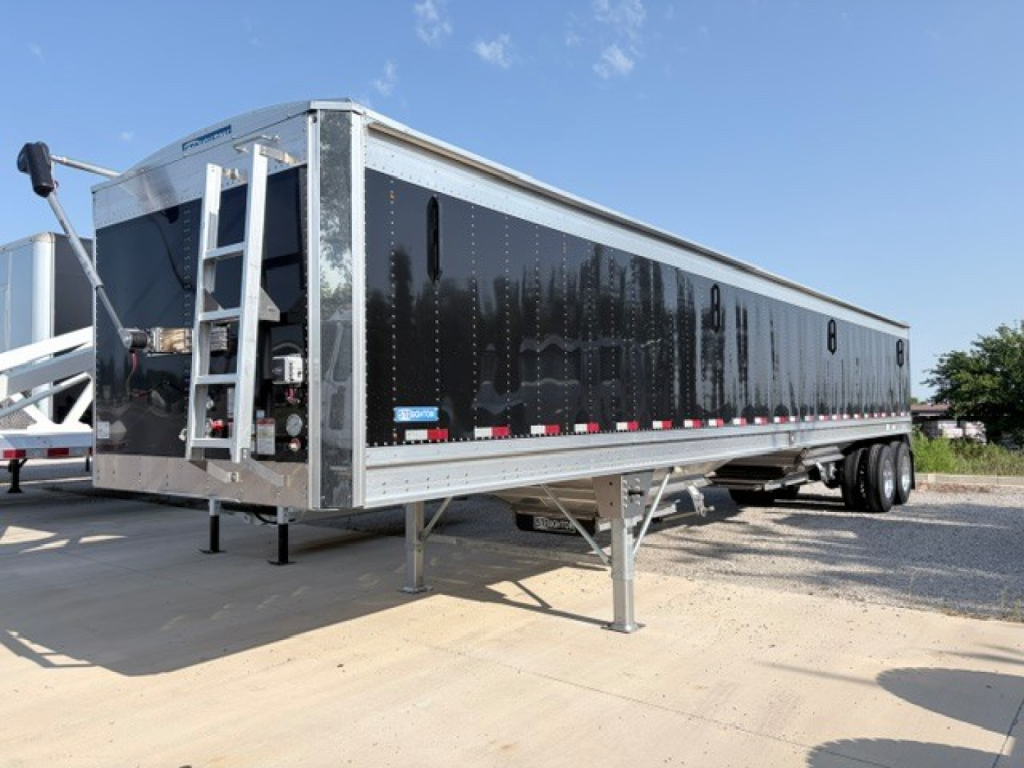
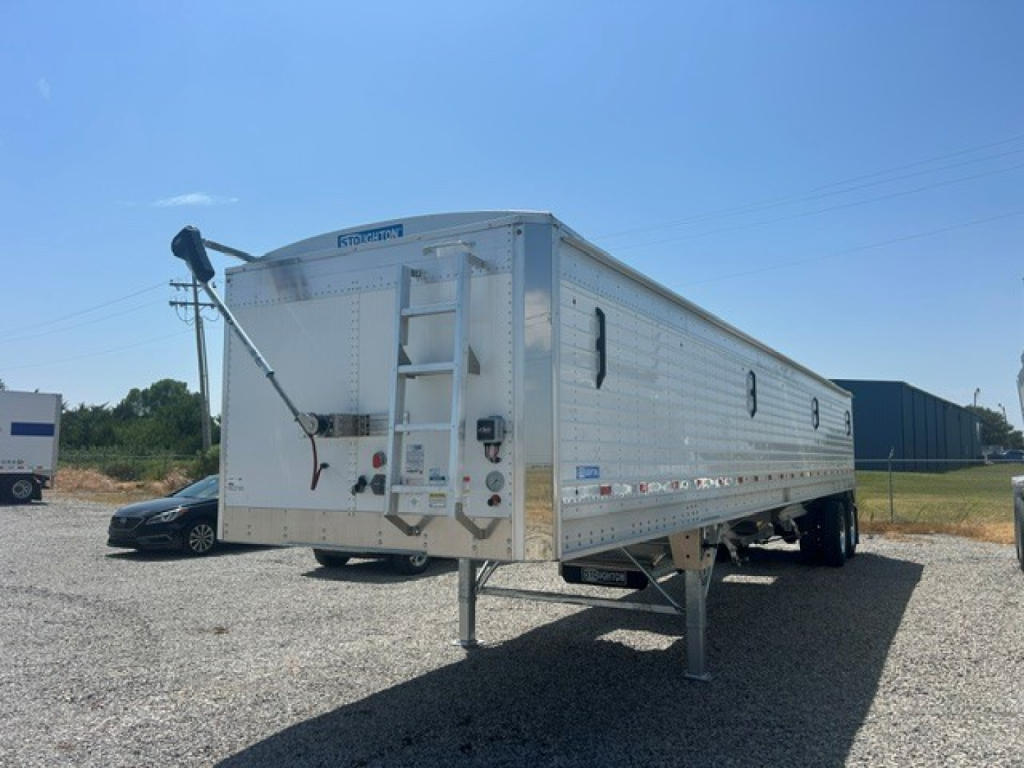
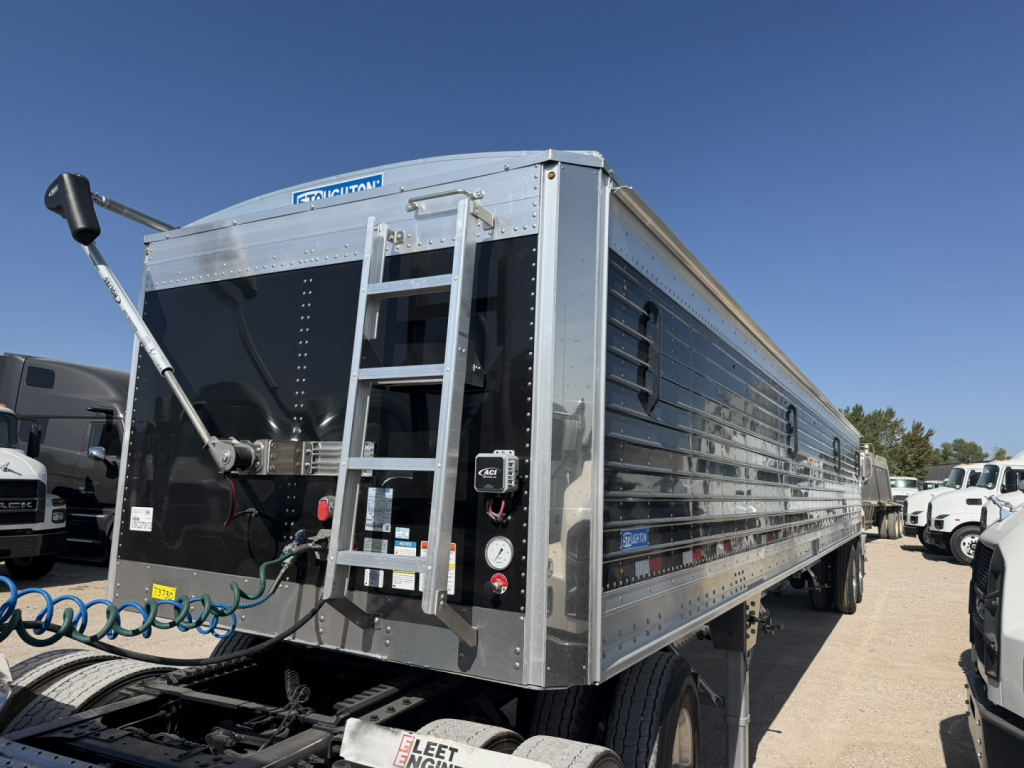
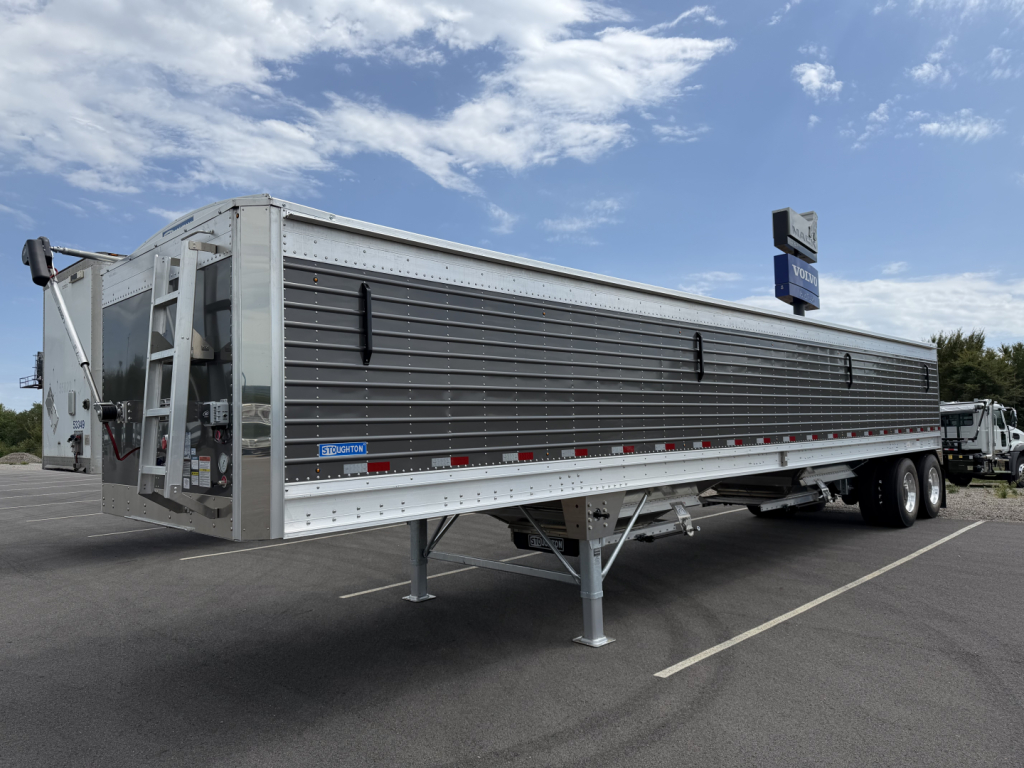
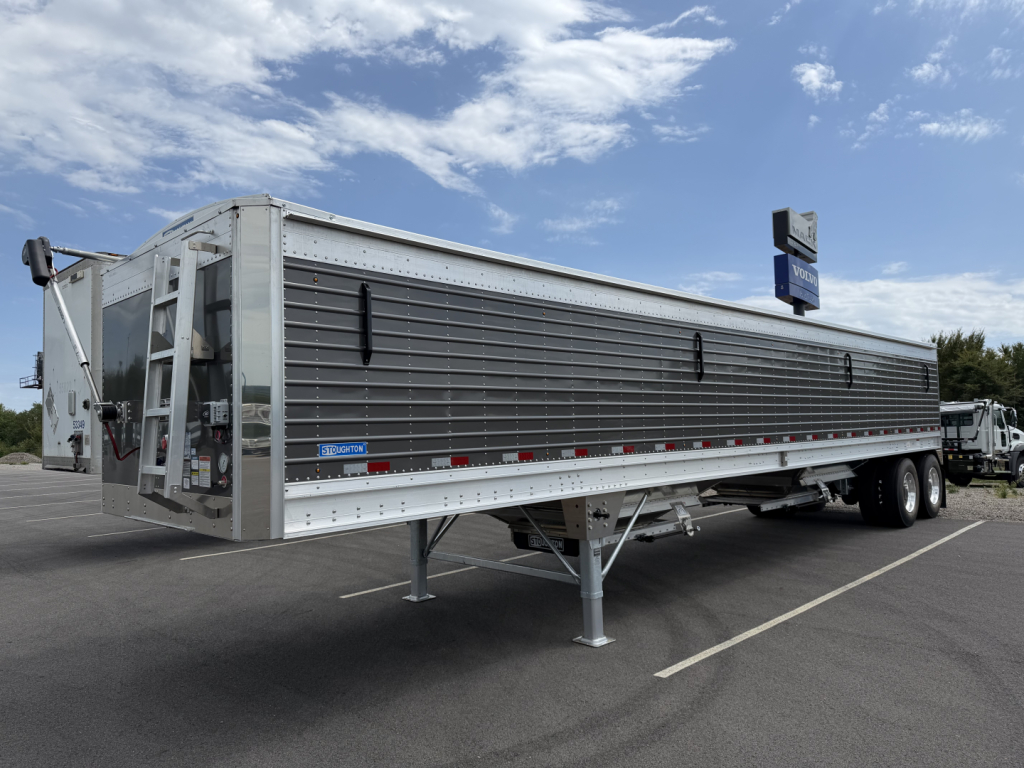
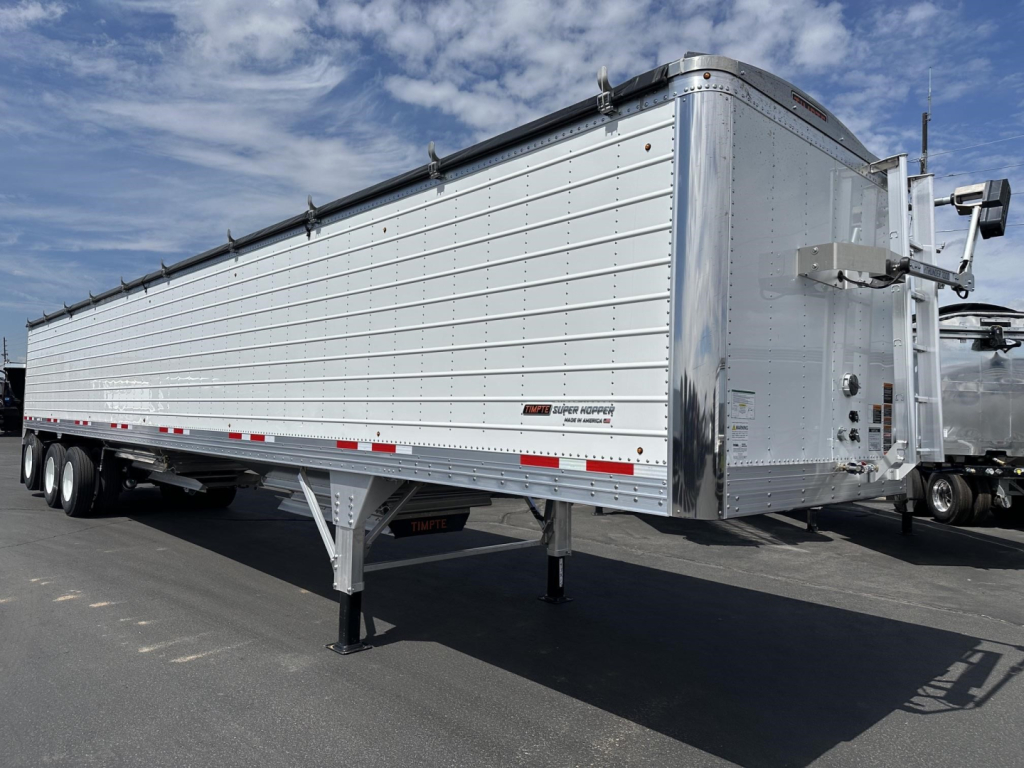
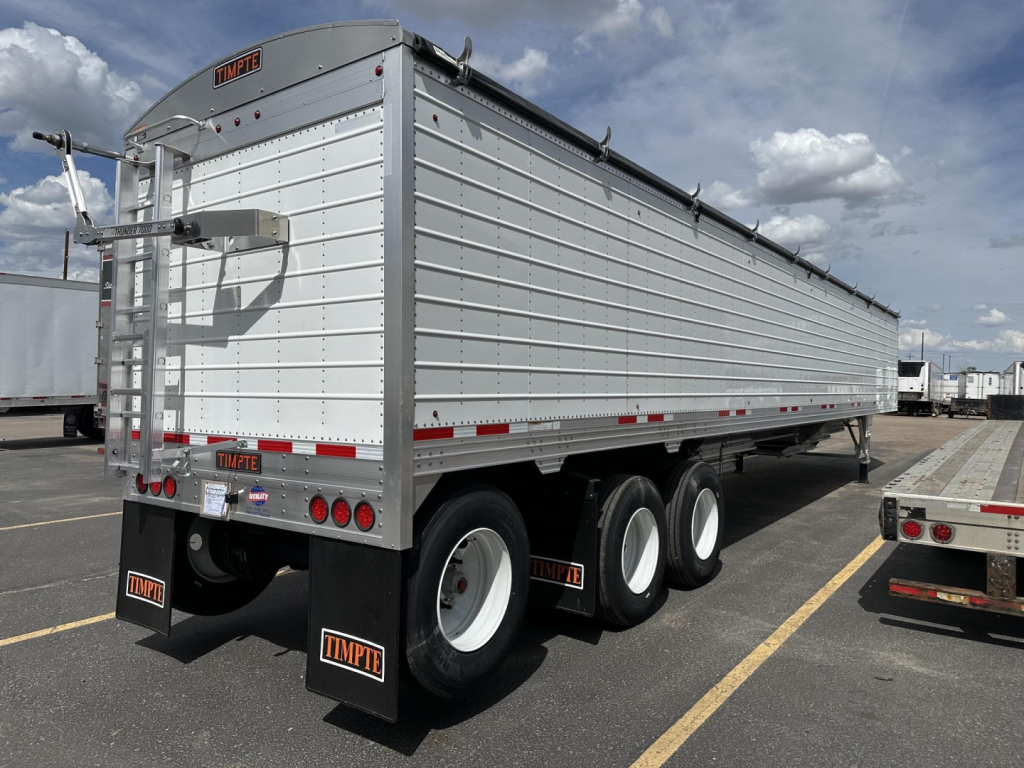
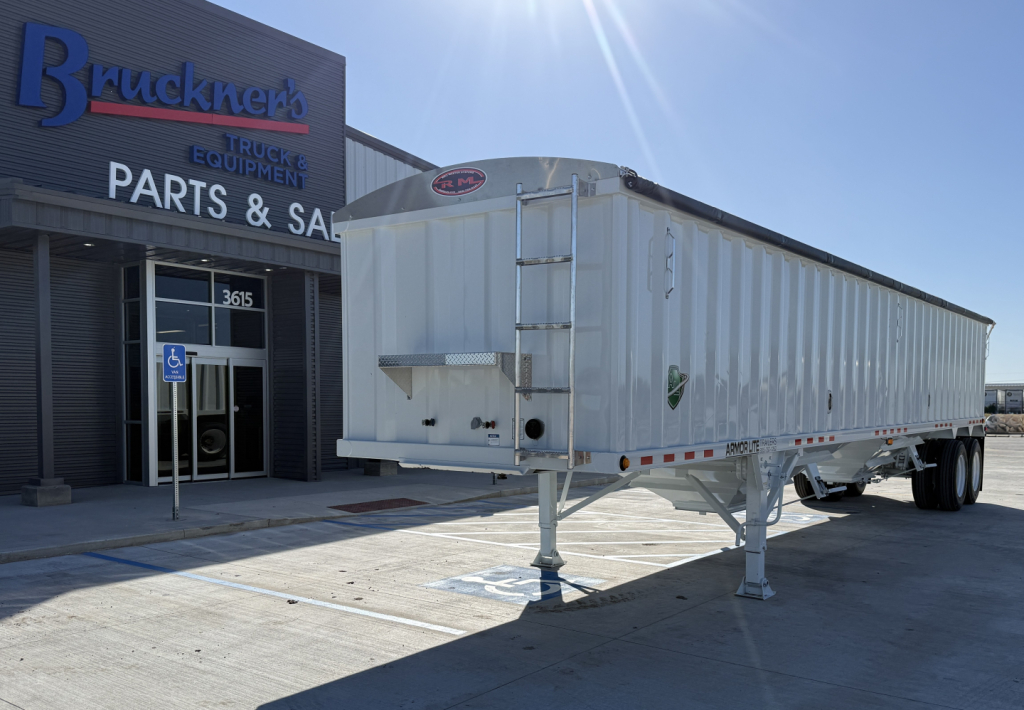
Construction choice is one of the first decisions. Aluminum hopper trailers are popular for lower tare weight and corrosion resistance, especially in grain service where every pound of payload counts. Steel hopper trailers still have a place for buyers who want a lower acquisition cost, a durable structure, or a specific operating mix that justifies the extra empty weight. Corrugated side panels are common for strength without excessive weight, and stainless front corners or full stainless rear panels are often added in high-wear areas. Pay close attention to hopper gate design, trap size, and discharge geometry. Two ag hoppers are standard on many specs, and they need to match the auger pit, conveyor, or dump setup the trailer will see every day.
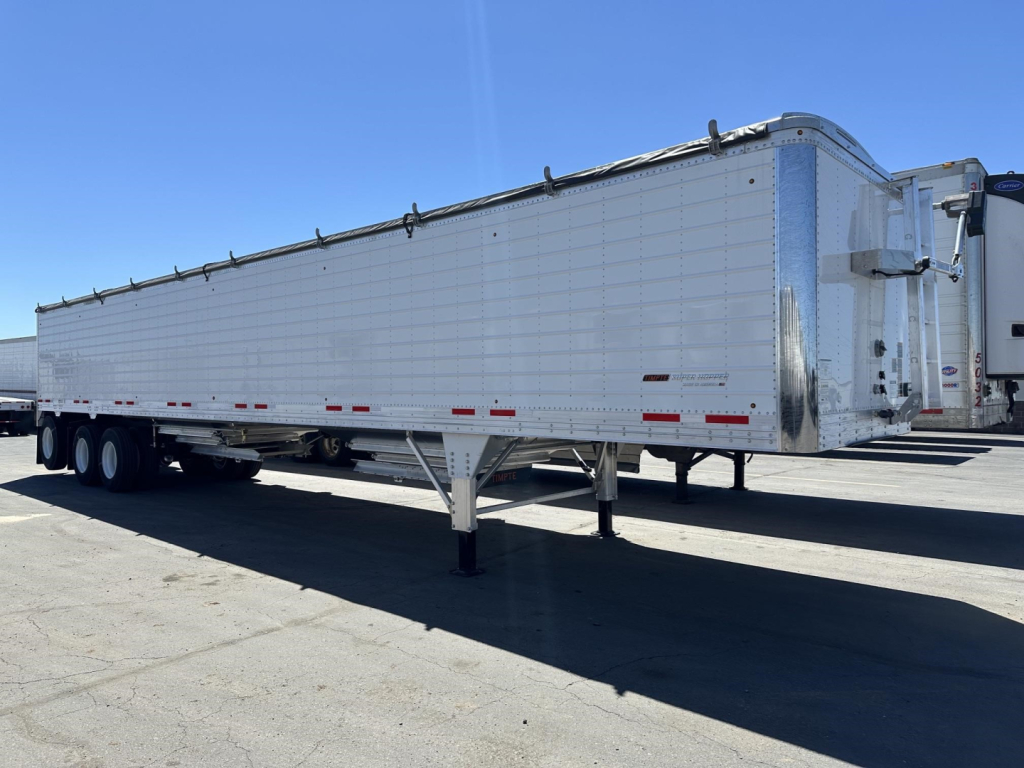
Suspension, axle layout, and running gear affect both legality and versatility. Closed tandem setups remain common for regional grain work, while tri-axle hopper trailers with a lift axle can make sense for operators chasing higher bridge compliance or specific state weight allowances. Air ride is widely preferred for ride quality and commodity protection, although spring ride still appears on cost-conscious builds. Tire size, wheel material, and sealed LED wiring harnesses are more than line-item details because they affect maintenance cycles and downtime in harvest season. Buyers should also look closely at ladders, catwalks, knock rails, landing gear, and lighting layout since these details matter when the trailer is loaded, tarped, and moving between field, elevator, and processor.
Tarp system and scale options often separate an average spec from a productive one. Manual roll tarps are simple and proven, while electric rollover tarps save time and reduce driver effort on frequent turns. Onboard scale systems, including liquid-filled gauge styles, help manage payload consistency and reduce guesswork before crossing a legal scale. For many operations, the best 2027 hopper trailer is not just the highest-capacity trailer. It is the one with the right cubic volume, suspension, gate arrangement, axle package, and tarp setup for the commodity mix, route length, and unload environment.
Frequently Asked Questions about New 2027 Hopper Trailers
What size hopper trailer is most common for grain hauling?
The most common hopper trailer sizes for grain hauling are typically 40 to 48 feet long and 96 inches wide. Side heights often range from about 66 to 78 inches, depending on the intended commodity and target capacity. A 42-foot or 43-foot tandem is a common fit for many regional grain operations, while 48-foot tri-axle configurations are often selected when operators want added cubic capacity or need to work within specific bridge and weight rules.
Should I choose an aluminum or steel hopper trailer?
Aluminum hopper trailers are generally favored when maximizing payload is the top priority because they usually weigh less and resist corrosion well. Steel hopper trailers can be attractive for buyers focused on purchase price, durability in certain applications, or a fleet standard that already supports steel equipment. The right choice depends on commodity type, annual miles, road conditions, and how much value your operation places on tare weight versus initial cost.
Are air ride suspensions better than spring ride on hopper trailers?
Air ride is preferred by many buyers because it offers a smoother ride, can reduce vibration to the trailer and commodity, and is often viewed as a better fit for higher-spec grain trailers. Spring ride remains a practical option for operators who want a simpler and often less expensive suspension. The best choice depends on maintenance preferences, route quality, and whether the trailer will spend more time on rough farm access roads or higher-speed highway lanes.
What options matter most on a new hopper bottom trailer?
The most important options usually include side height, hopper gate configuration, tarp system, suspension type, axle layout, and onboard scale capability. Buyers should also pay attention to details such as stainless wear areas, ladder and catwalk access, wheel material, lighting, and sealed wiring. These features affect payload, unload efficiency, driver convenience, and long-term maintenance costs more than cosmetic upgrades do.
Do onboard scales and electric tarps add real value on a hopper trailer?
Yes, for many operations they do. Onboard scales help drivers load more accurately and reduce the risk of overweight citations or underloading, which can improve trip profitability. Electric tarps save time at each stop and reduce physical strain on the driver, especially during harvest or multi-stop work. If the trailer is used frequently and turned quickly, both options can deliver meaningful productivity benefits.