
New 2027 Hopper Trailers For Sale in Colorado
Shop new 2027 hopper trailers for grain, feed, fertilizer, and bulk commodities with modern specs, air ride options, tarps, scales, and ag hoppers.
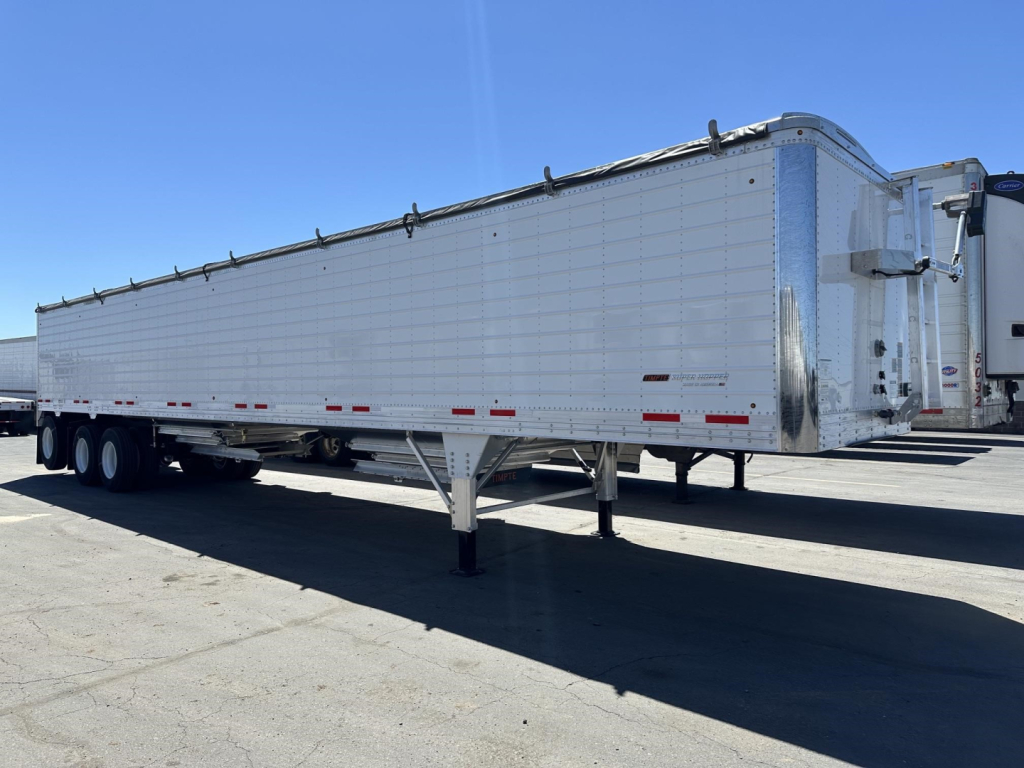
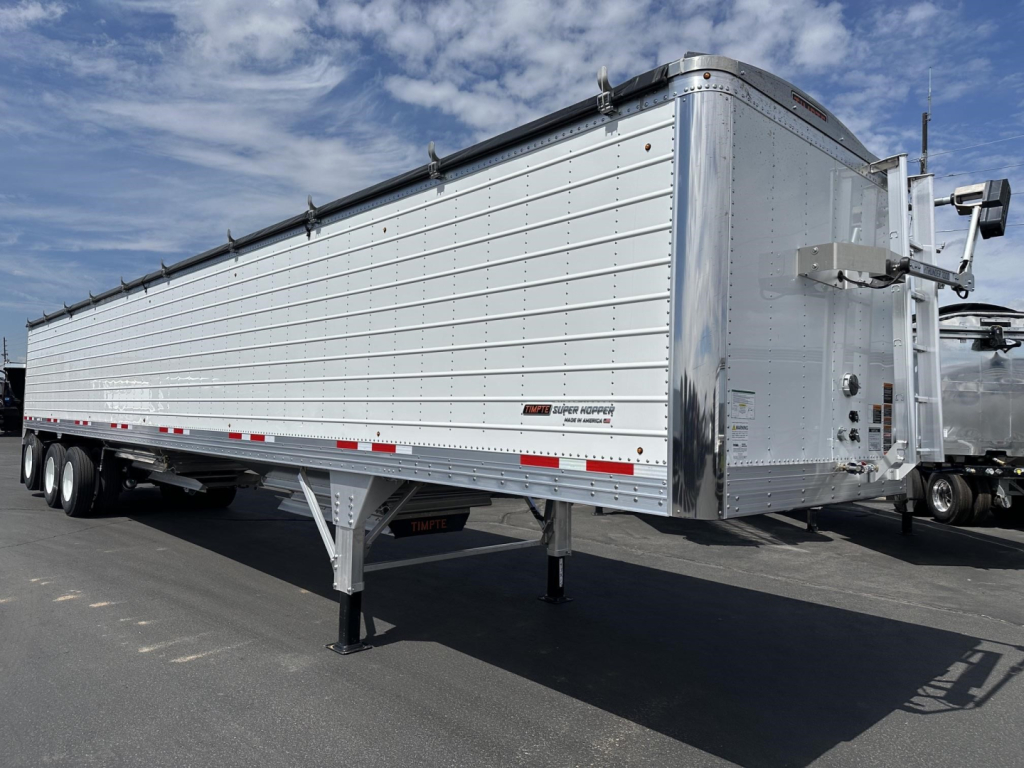
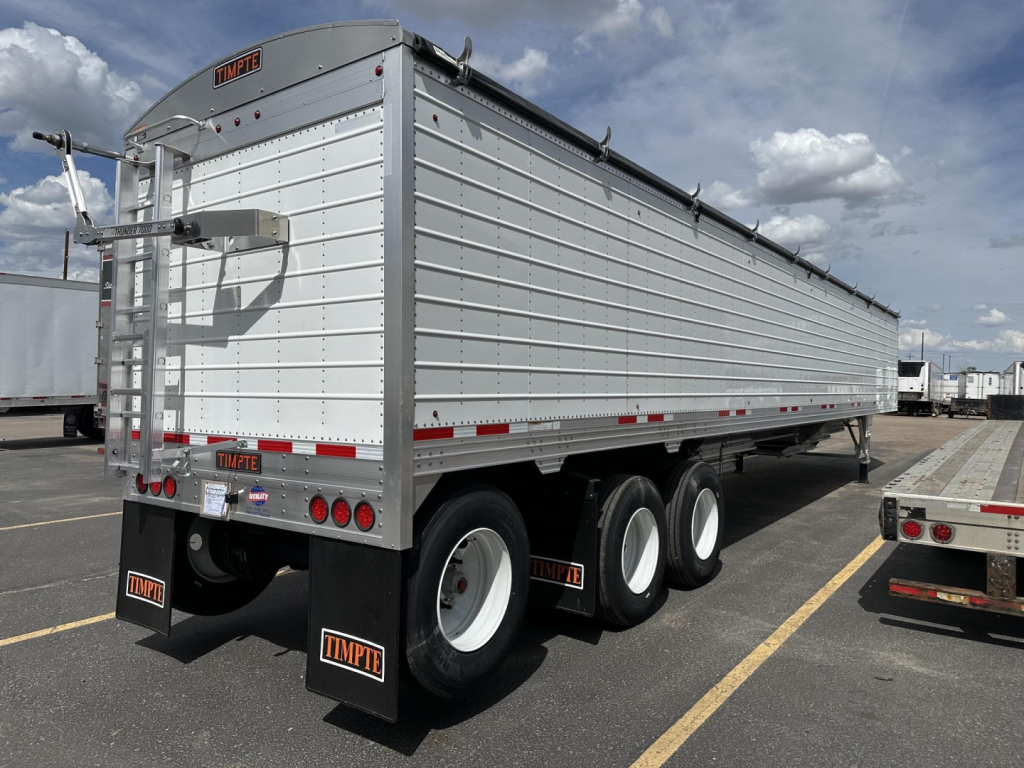
Selling a new 2027 hopper trailer? List your new 2027 hopper trailer for sale and reach thousands of commercial buyers.
New 2027 Hopper Trailers in Colorado
Spec choices directly affect how the trailer works through harvest, elevator lines, and regional routes. Tandem axle hoppers remain common for straightforward weight distribution and lower maintenance complexity, while tri-axle configurations with a rear lift axle can help operators manage bridge laws and maximize legal payload in the right applications. Air ride suspension is popular because it helps protect the trailer structure and cargo, and buyers often pair it with 11R22.5 tires, mixed aluminum and steel wheel packages, and dump valves for quicker unloading control. Electric rollover tarps, load scales, front and rear ladders, and catwalk access are also common on current-model hopper trailers because they improve daily usability and reduce time at the bin or scale house.
Body construction is a major buying point in this category. Aluminum hopper trailers are favored for lighter tare weight and strong resistance to corrosion, while details like stainless front corners, stainless rear panels, corrugated side panels, and knock rails add durability in high-wear areas. Trap design matters more than many first-time buyers expect. Door seal quality, ease of adjustment, and the style of trap opening system all affect unload consistency and long-term maintenance. For grain and ag service, buyers should pay close attention to gate operation, tarp reliability, ladder placement, and how easy the trailer is to clean out between loads.
A good 2027 hopper trailer should match the commodity, route profile, and state weight environment, not just the advertised cubic capacity. Colorado operators may need to balance mountain-grade stability, seasonal weather exposure, and long shuttle runs between farms, feedyards, processors, and terminals. Key checkpoints include side height versus commodity density, axle layout, suspension type, scale package, lighting, and the serviceability of traps, tarp motors, and suspension components. Also known as a grain hopper or hopper bottom trailer, this category is designed to move free-flowing bulk products efficiently while keeping unload times fast and labor low.
Frequently Asked Questions about New 2027 Hopper Trailers in Colorado
What is the difference between a grain hopper trailer and a hopper trailer built for frac sand or specialty bulk loads?
A grain hopper trailer usually has two ag hoppers, a lighter-weight bulk commodity spec, and features aimed at frequent farm, elevator, and feed use. A frac sand or specialty bulk hopper may use a single-hopper design, larger trap openings, hydraulic trap operation, and a body spec intended for denser material or faster discharge. The correct choice depends on commodity density, unload method, and how much cleanout flexibility is required between loads.
How do I choose between a tandem axle and a tri-axle hopper trailer?
A tandem axle hopper trailer is simpler, lighter, and often easier to maintain, making it a strong choice for many grain operations. A tri-axle hopper trailer can improve legal payload distribution and may help in applications where bridge compliance or state-specific weight rules favor the extra axle. The tradeoff is added complexity, more tire and brake maintenance, and potentially tighter maneuvering. The right axle setup depends on route length, commodity weight, and the regulations where the trailer will run.
What side height is best on a new hopper trailer?
Side height should match the commodity’s bulk density and the payload target. Taller sides, such as 78 inches, increase cubic capacity and are useful for lighter commodities where the trailer cubes out before it weighs out. Shorter sides, such as 66 inches, can be a better fit for heavier bulk products where legal gross weight is reached before the trailer is full. Matching side height to commodity density helps avoid carrying unused volume or adding unnecessary trailer weight.
Are built-in scales worth it on a hopper trailer?
Built-in scales are valuable for operators who load in the field, at remote bins, or anywhere axle and gross weight need to be managed without relying on a nearby platform scale. They help reduce overweight risk, improve loading consistency, and save time during harvest and shuttle work. Scale systems add cost and require calibration and maintenance, but many buyers consider them a strong productivity feature on a new hopper trailer.
What features matter most for daily use and long-term ownership?
The most important features are usually trap door reliability, tarp system durability, suspension quality, and body construction in wear-prone areas. Buyers should also look closely at ladder and catwalk access, lighting layout, dump valve function, wheel and tire package, and the availability of service parts. On a hopper trailer, small spec details have a direct effect on unload speed, weather protection, cleanout time, and long-term maintenance cost.