
New 2027 Timpte Hopper Trailers For Sale in Colorado
Shop new 2027 Timpte hopper trailers in Colorado. Compare Super Hopper and frac sand specs, axle setups, side heights, tarp and gate options.
Selling a new 2027 timpte hopper trailer? List your new 2027 timpte hopper trailer for sale and reach thousands of commercial buyers.
New 2027 Timpte Hopper Trailers in Colorado
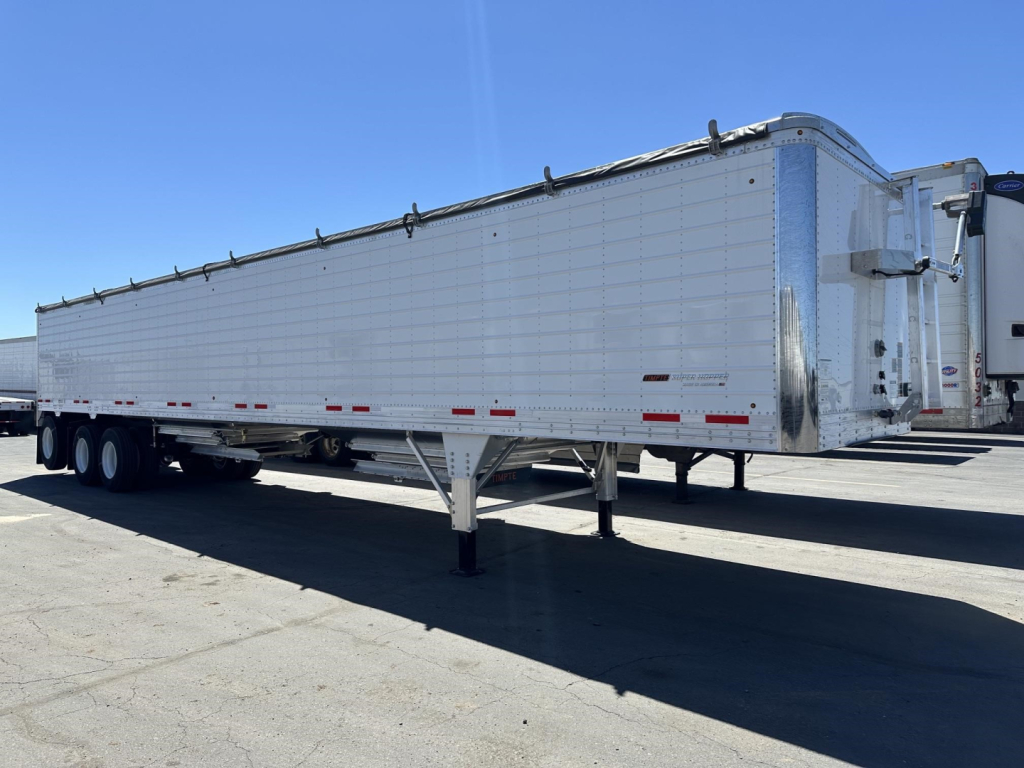
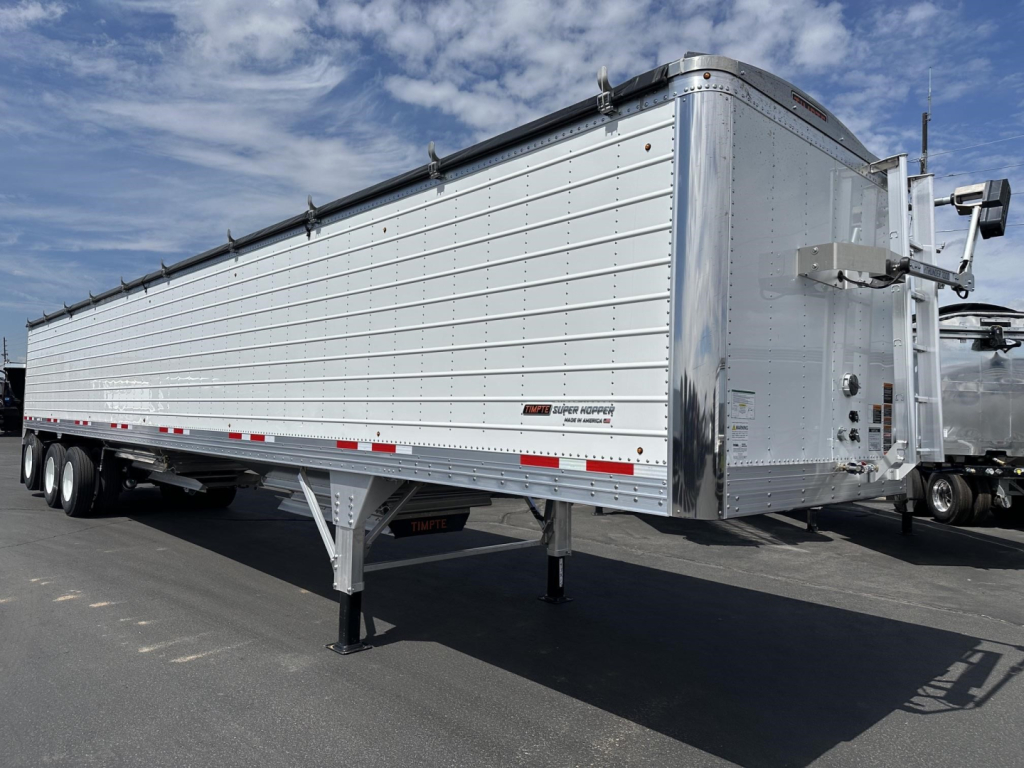
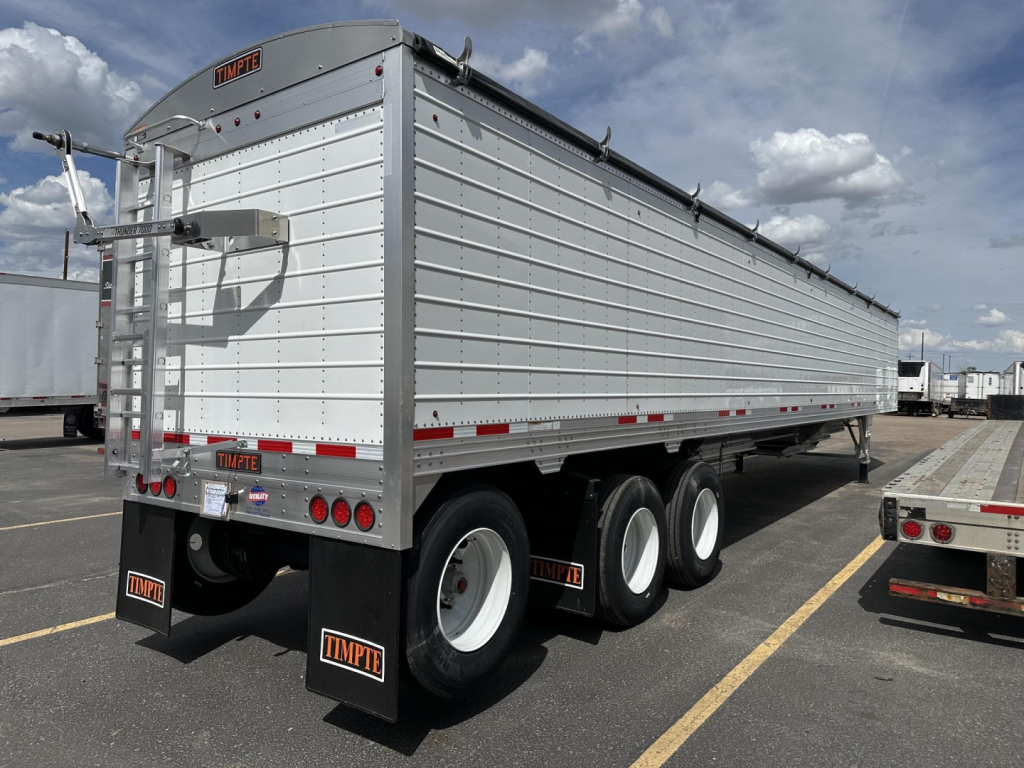
The first decision is usually body size and side height. Common grain setups in this class include 42-foot to 48-foot lengths, 96-inch widths, and side heights around 78 inches, often with two ag hoppers for fast unloading at elevators and farm sites. Buyers in Colorado often pay close attention to axle configuration because route laws, bridge formulas, and payload goals can push the decision toward tandem or tri-axle trailers. A tri-axle hopper with a lift axle can add flexibility for heavier commodity work while still helping with tire wear and maneuverability when empty. Tire size, wheel material, and suspension spec also matter if the trailer will see a lot of county roads, scale stops, or seasonal field access.
Discharge and access features deserve close review because they affect daily efficiency more than many buyers expect. Ag hoppers with electric doors, hydraulic traps, dump valves, vibrators, ladders, and knock rails all change how quickly the trailer loads out and unloads, especially with grain, meal, pellets, or sand. Electric rollover tarps are now common on new hopper trailers because they improve safety and speed compared with manual systems. On some units, onboard scales are a major advantage for operators trying to maximize legal payload without repeated reweighs. For abrasive or high-volume service, details like stainless front panels or stainless front corners can also improve durability in key wear areas.
A Timpte hopper trailer can cover a wide range of applications, from corn, wheat, and soybean hauling to feed ingredients, fertilizer in approved setups, and specialized frac sand service. The right trailer depends on commodity density, unload point design, and how often the trailer shifts between farm, elevator, and highway work. Buyers should compare hopper count, gate style, side height, suspension, and axle spread before narrowing down by price alone. On a new 2027 trailer, the real value is in getting a spec that matches your lanes, legal weights, and unloading routine from day one.
Frequently Asked Questions about New 2027 Timpte Hopper Trailers in Colorado
What is the difference between a grain-spec Timpte Super Hopper and a frac sand hopper trailer?
A grain-spec Timpte Super Hopper usually has two ag hoppers, taller sidewalls, and a layout designed for high-capacity agricultural commodities such as corn, wheat, soybeans, and feed ingredients. A frac sand hopper is typically spec'd for denser material and may use a single hopper, different gate design, and features intended to control flow and withstand more abrasive service. The best choice depends on commodity weight, discharge requirements, and whether the trailer needs to serve one dedicated job or multiple bulk applications.
Is a tandem or tri-axle hopper trailer better for Colorado hauling?
That depends on the payload target, legal route, and how often the trailer runs on highways versus local roads. A tandem axle hopper is simpler and often lighter, which can help maximize usable payload in some operations. A tri-axle trailer, especially with a lift axle, can offer more flexibility for axle weight distribution and heavier commodity work. Buyers should confirm bridge law, state weight rules, and typical route conditions before choosing, because the axle setup has a direct effect on legality, maintenance cost, and maneuverability.
What side height is common on new Timpte hopper trailers?
A 78-inch side is a common spec on high-capacity grain trailers because it balances cubic volume with practical loading and unloading. Shorter side heights may make sense for denser commodities where gross weight is reached before the trailer cubes out. The right side height should match the commodity's bulk density and the operation's legal payload limits. Buying too much cubic capacity for a dense product can add cost without creating more revenue payload.
Are electric tarps and onboard scales worth it on a new hopper trailer?
For many operators, yes. An electric rollover tarp improves safety and saves time because the driver can cover and uncover loads without climbing or wrestling with a manual system in wind or bad weather. Onboard scales help reduce guesswork at the loader and can cut down on repeat trips across a certified scale. Those options can improve daily efficiency enough to justify the added upfront cost, especially in high-turn or seasonal harvest work.
What should buyers inspect first when comparing new hopper trailer specs?
Start with the trailer's intended commodity and legal payload goal, then compare length, side height, hopper count, gate type, axle configuration, and suspension. After that, look at operational features such as ladders, tarps, scales, vibrators, wheel and tire specs, and stainless wear-area protection. Those details affect unload speed, driver safety, maintenance, and resale more than appearance alone. A hopper trailer that is correctly spec'd for the lane and commodity usually performs better over time than one chosen only for price.