
New Timpte Hopper Trailers For Sale
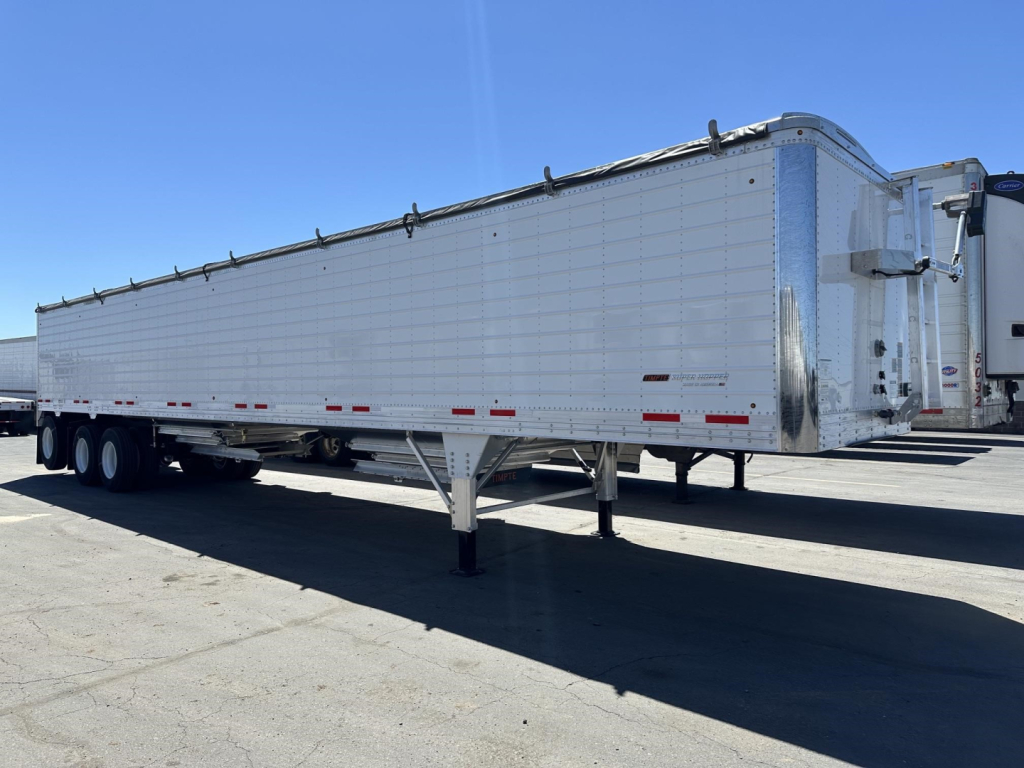
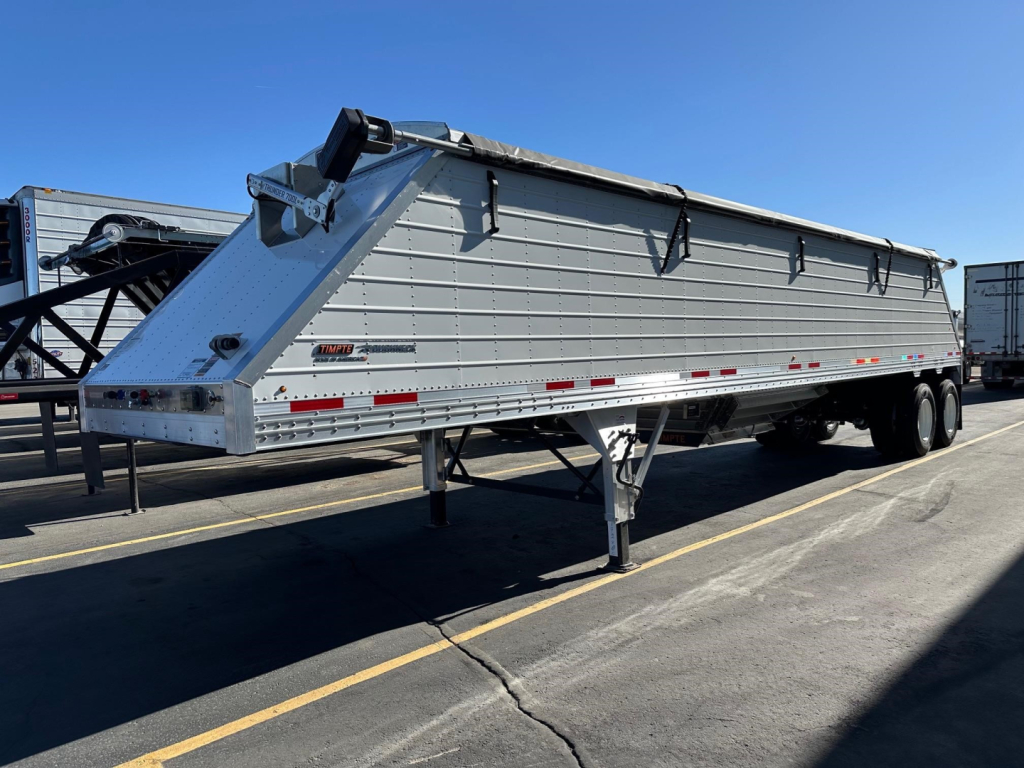
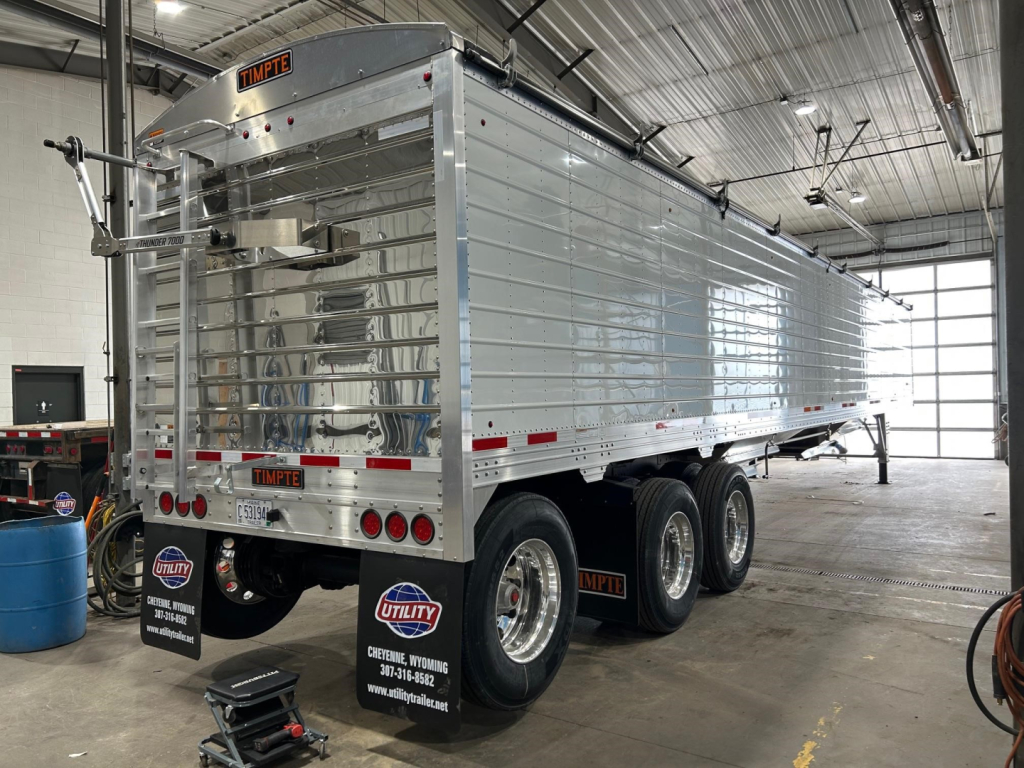
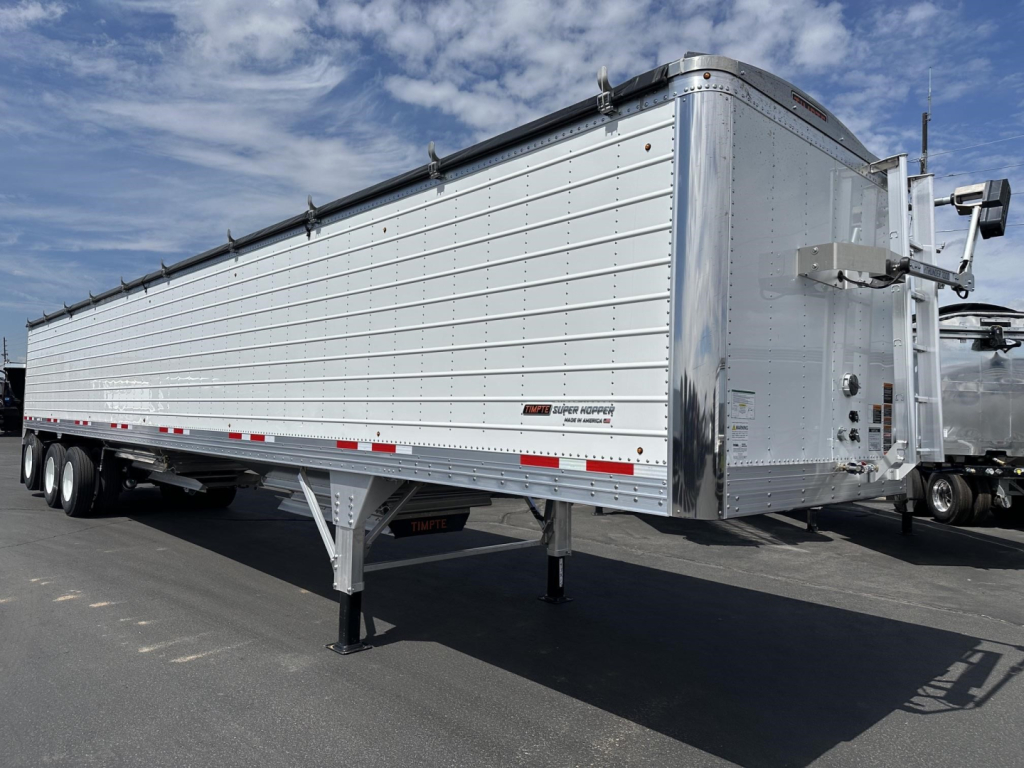
Shop new Timpte hopper trailers built for grain, feed, fertilizer, and sand hauling, with lightweight aluminum construction and proven dump performance.
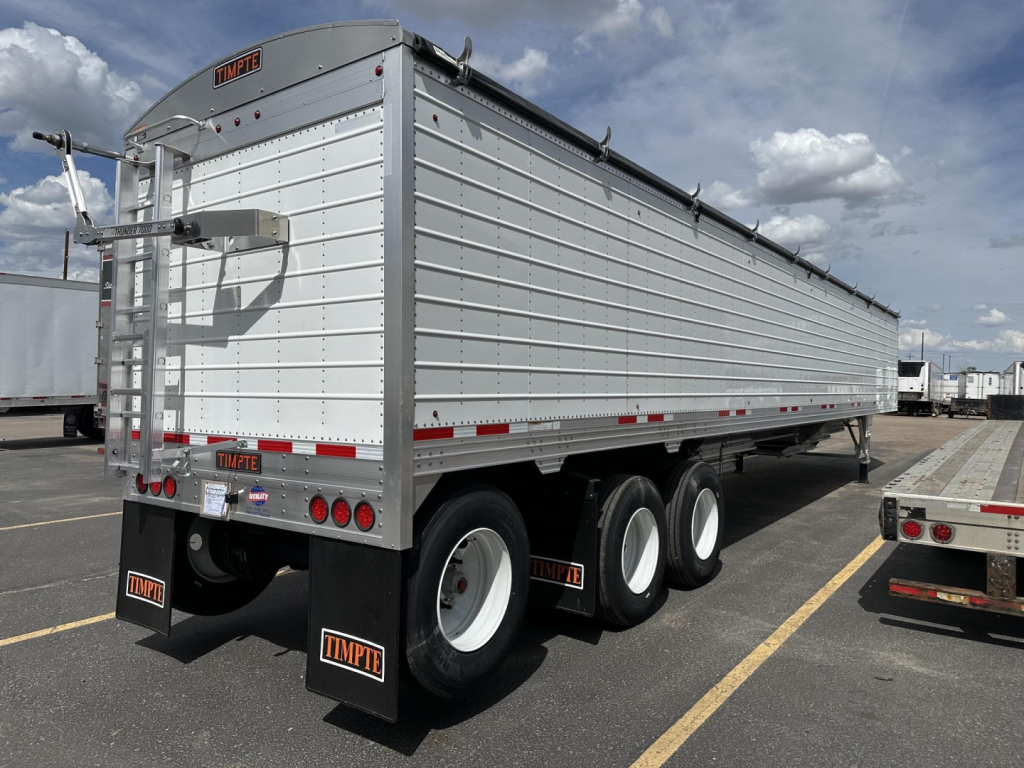
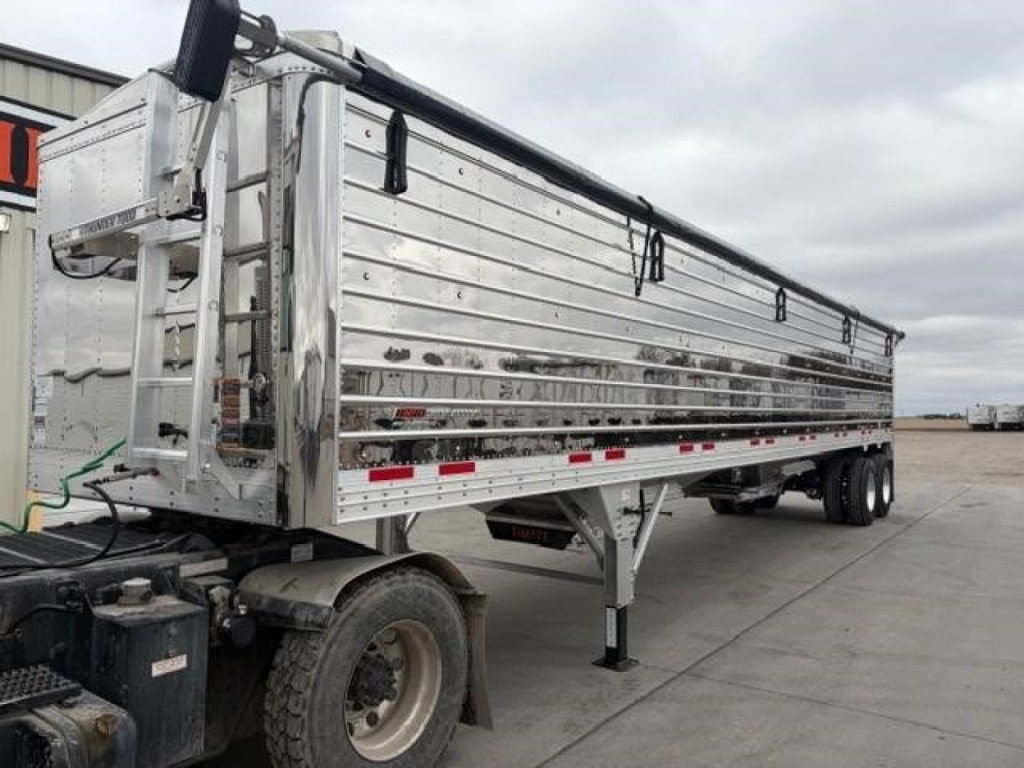
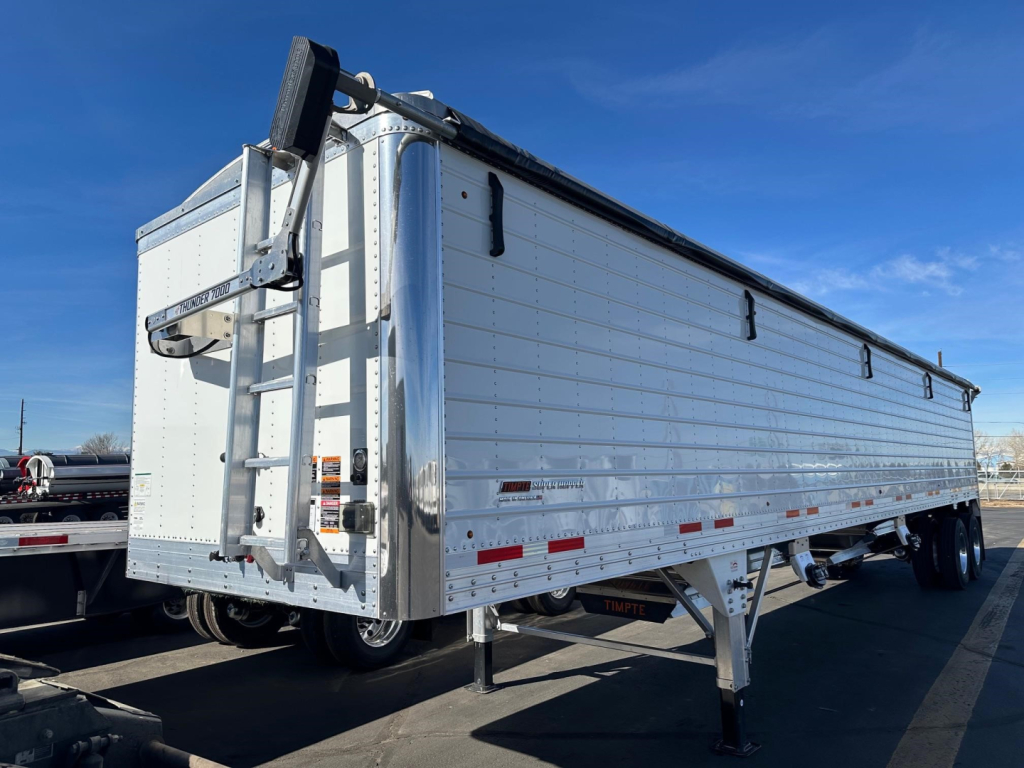
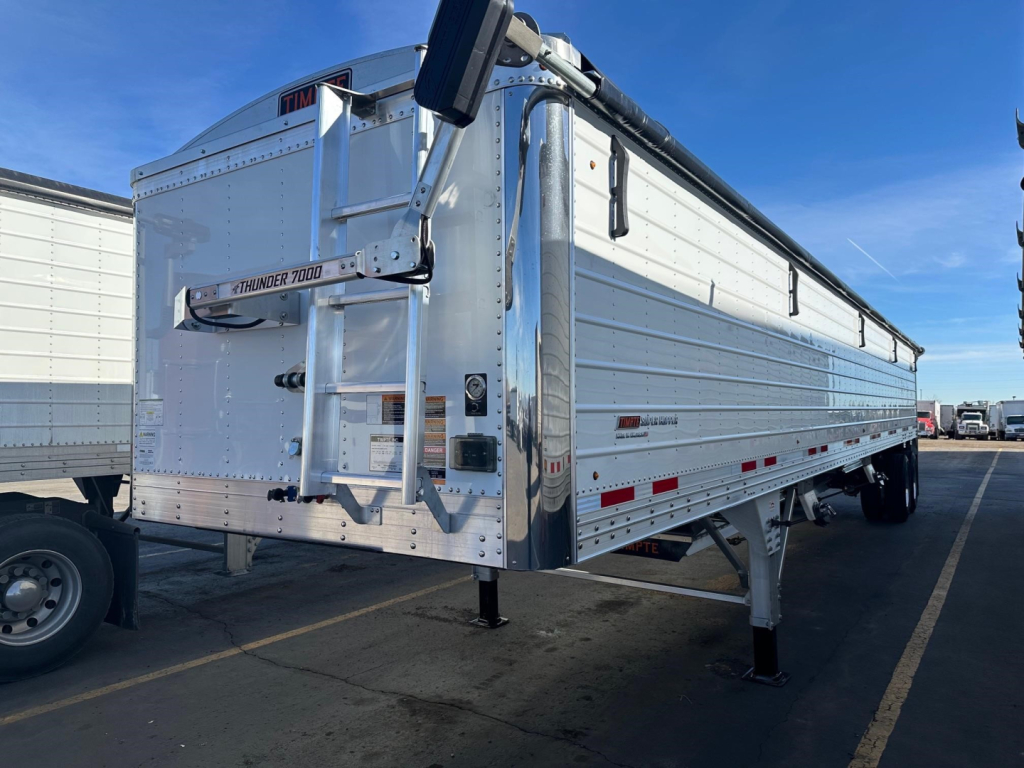
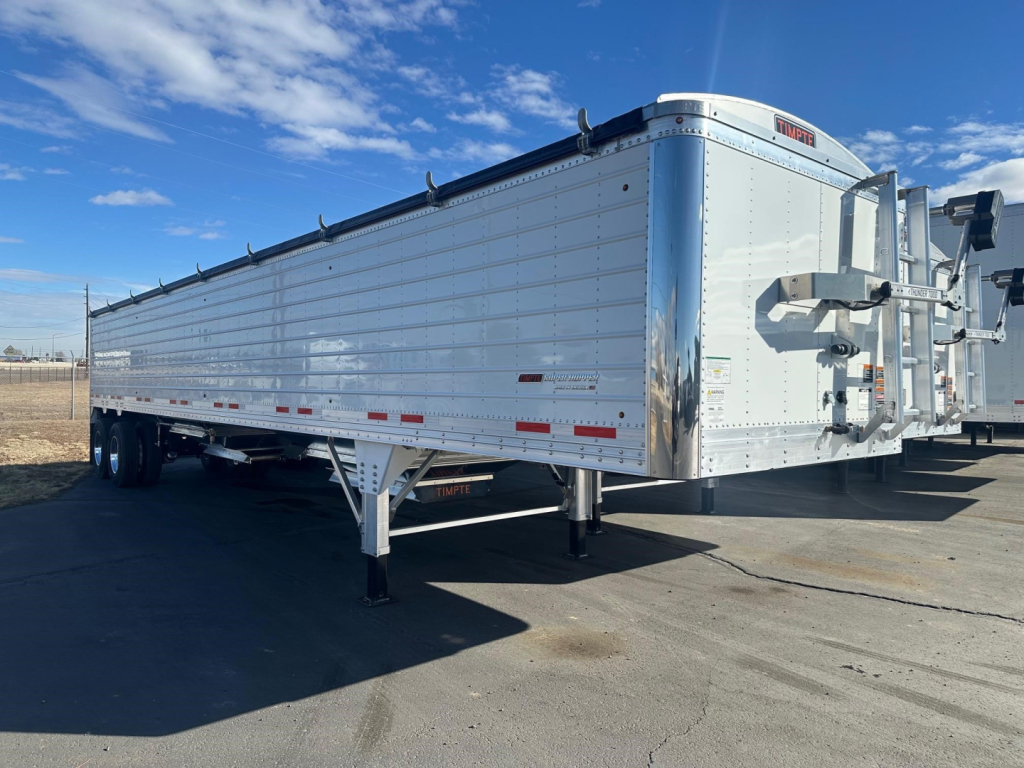
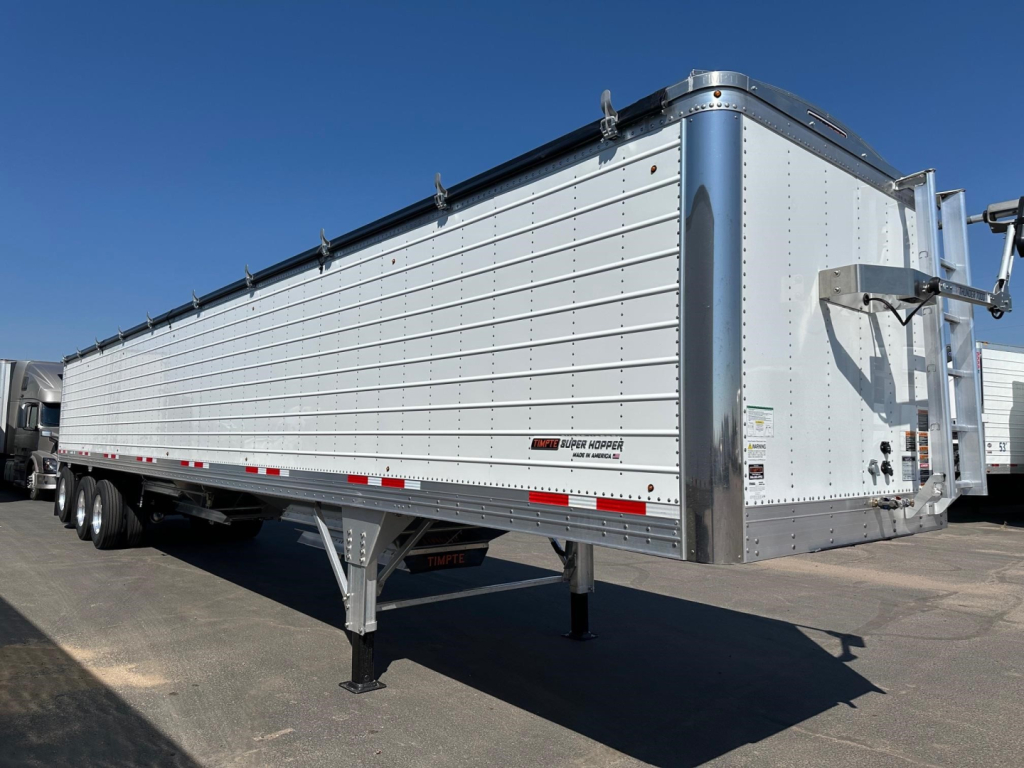
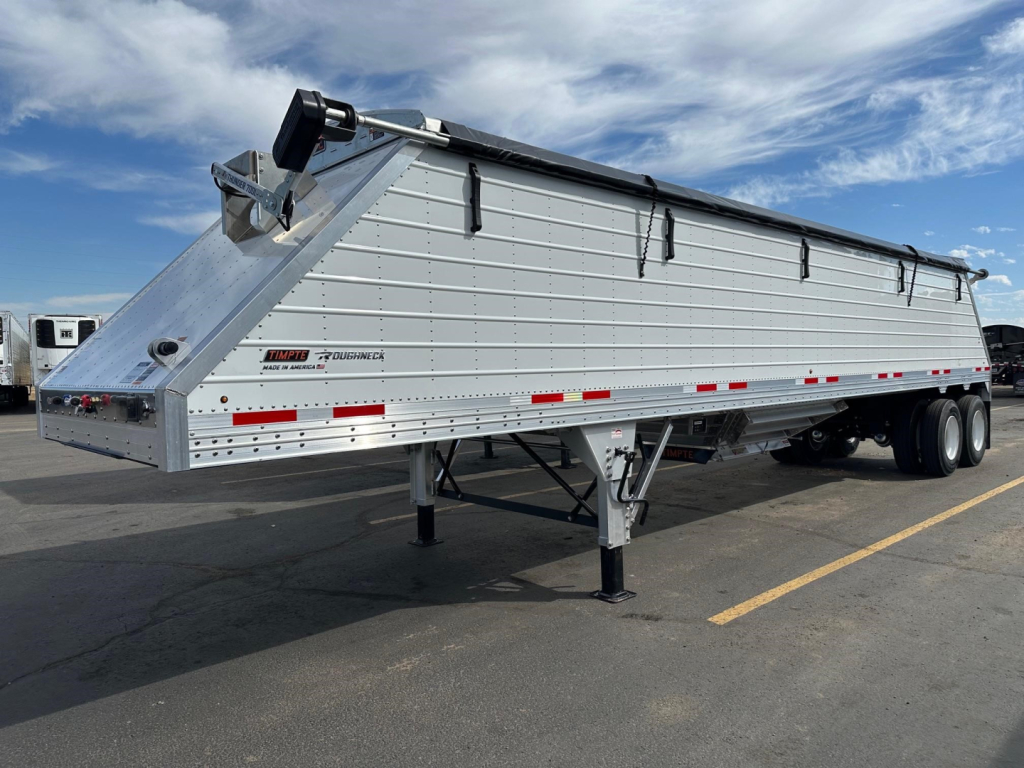
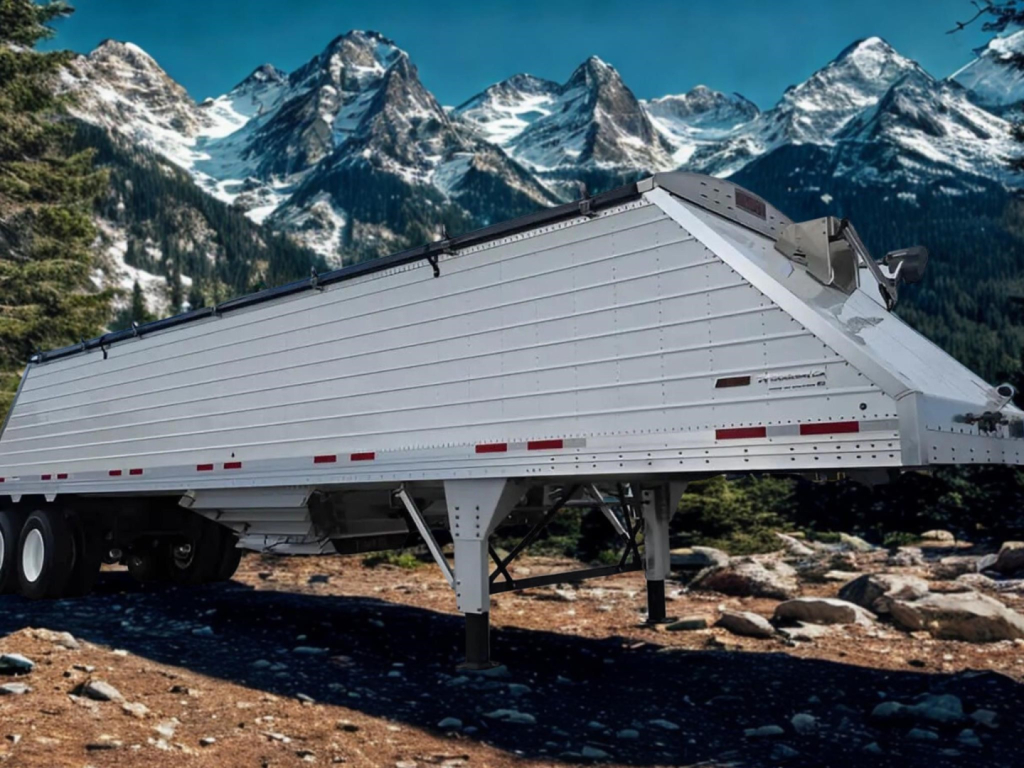
Selling a new timpte hopper trailer? List your new timpte hopper trailer for sale and reach thousands of commercial buyers.
New Timpte Hopper Trailers
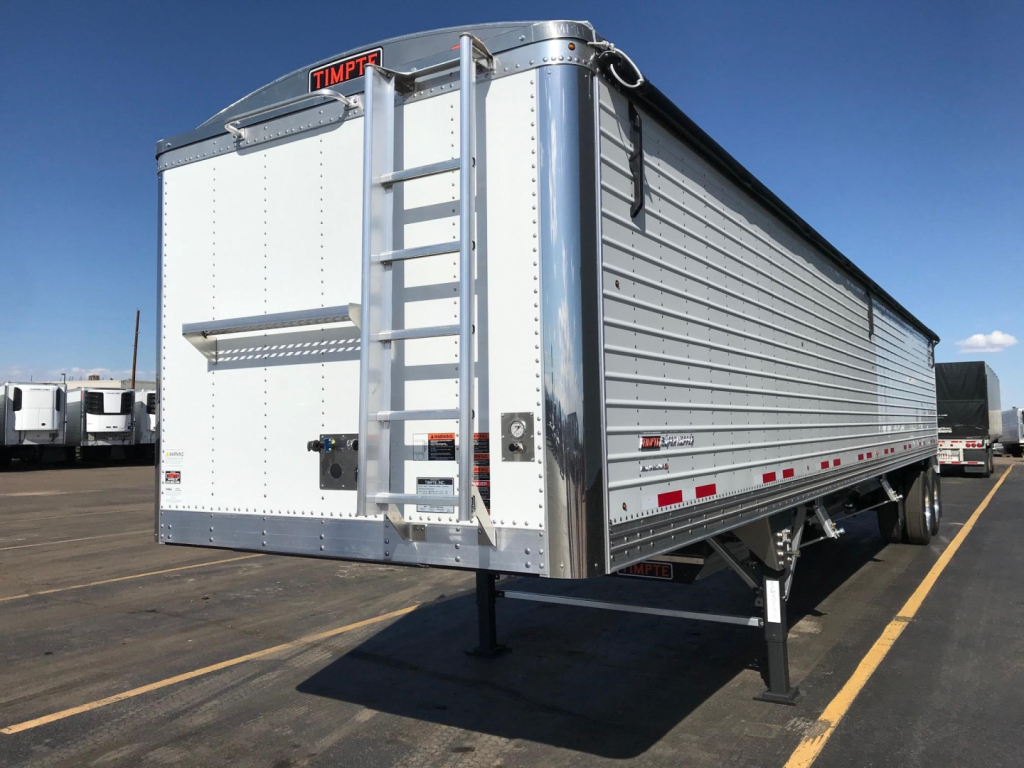
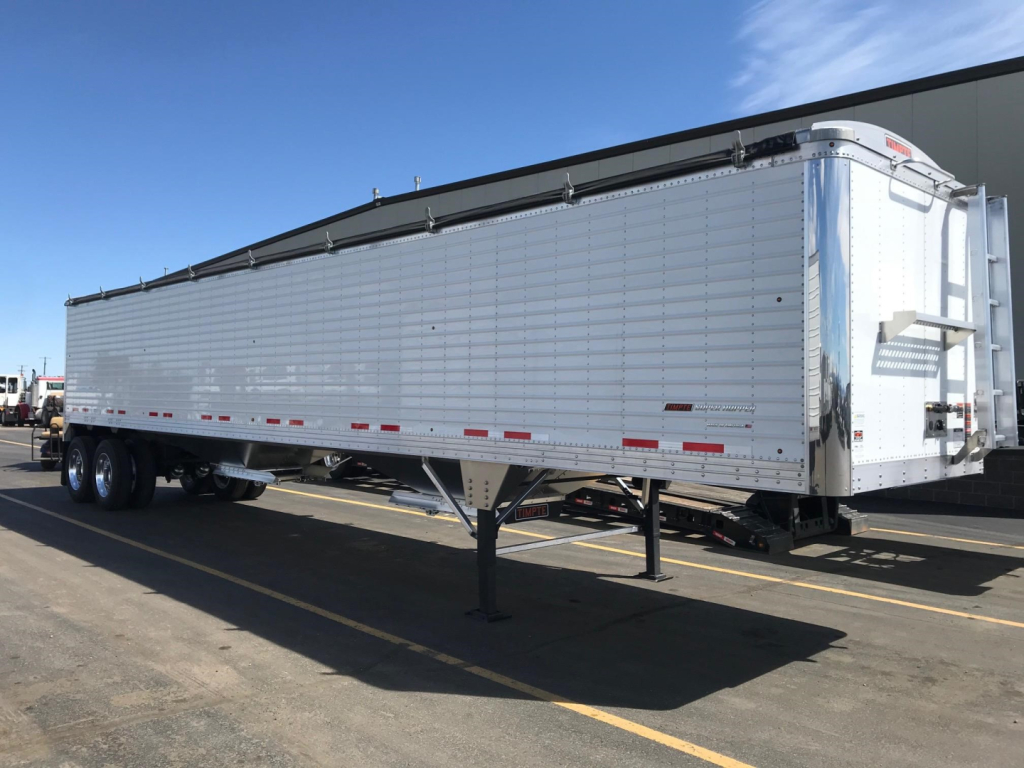
Common specifications in this category include 42-foot to 48-foot lengths, 96-inch width, and side heights such as 66-inch or 78-inch depending on target cubic capacity. Tandem axle setups remain the standard for grain and general ag hauling, while tri-axle layouts can make sense where state weights, short-haul routes, or seasonal over-the-road flexibility justify the extra axle. Air ride suspension is popular for ride quality and cargo protection, and wheel choices often mix aluminum outer wheels with steel inner wheels to balance appearance, weight, and cost. Many buyers also look for practical operating features such as electric or manual roll tarps, liquid-filled scale gauges, dump valves, ladders with catwalk access, and LED lighting packages that hold up better in field conditions.
Discharge design deserves close attention because it affects unload speed, cleanout, and product versatility. Two-hopper ag configurations are the standard choice for grain, corn, soybeans, and similar commodities, while single-hopper layouts with specialty trap systems are more common in frac sand or other concentrated bulk applications. Corrugated side panels add rigidity without excessive weight, and stainless front corners or full stainless rear panels can help in high-wear areas exposed to product abrasion and weather. If the trailer will handle fertilizer or other corrosive materials, buyers should pay close attention to gate seals, trap hardware, coatings, and washout access so the trailer stays serviceable over the long term.
A good Timpte hopper trailer spec matches the trailer to the scale house, the elevator pit, and the roads it will run most. Side height affects cube, but it also changes center of gravity and loading profile. Tire size, closed tandem position, and kingpin setting matter when axle weights are tight or the trailer must balance well with multiple tractors. For operators focused on uptime, simple mechanical systems, durable tarp assemblies, and readily serviceable suspension and brake components often matter as much as capacity. The best buying decision usually comes down to matching commodity type, legal payload targets, and unloading method rather than simply choosing the biggest trailer on the page.
Frequently Asked Questions about New Timpte Hopper Trailers
What are the most common uses for a new Timpte hopper trailer?
A new Timpte hopper trailer is most commonly used for hauling grain, corn, soybeans, feed, seed, and fertilizer in agricultural service. Some configurations are also used for specialty bulk products such as frac sand. The exact use depends on body size, side height, hopper layout, trap design, and tarp system. Two-hopper grain configurations are the standard choice for general farm and elevator work, while specialty single-hopper designs are better suited to certain industrial bulk materials.
How do I choose between 66-inch sides and 78-inch sides on a hopper trailer?
The main difference is cubic capacity. A 78-inch side trailer carries more volume than a 66-inch side trailer, which can be useful for lighter commodities or routes where cube is reached before legal weight. A 66-inch side trailer may be a better fit when commodities are heavier, loading facilities are height-sensitive, or a lower center of gravity is preferred. Buyers should compare commodity density, legal weight limits, and loading conditions before deciding on side height.
Is a tandem axle or tri-axle hopper trailer better?
A tandem axle hopper trailer is the most common choice because it is lighter, simpler, and well suited to general grain hauling. A tri-axle trailer can be the better option in states or applications where axle distribution, bridge laws, or higher allowable gross weights support the added axle. The tradeoff is extra tare weight, more tires and brakes to maintain, and tighter maneuvering in some environments. The right answer depends on local regulations, haul length, and payload strategy.
What options matter most on a new hopper trailer for daily use?
The options that usually matter most are the tarp system, scale setup, suspension, gate operation, and access features. Electric roll tarps reduce labor and speed up loading and unloading cycles. Liquid-filled scale gauges can help with loading consistency when working away from certified scales. Air ride suspension improves ride quality, and well-designed ladders and catwalks improve safety at the elevator or on the farm. Stainless wear areas and quality LED lighting also add value in hard seasonal service.
Can a grain hopper trailer also haul fertilizer or sand?
It can, but only if the trailer is spec'd for the product and cleaned appropriately between loads. Fertilizer is harder on metal, seals, and hardware than grain, so corrosion resistance and washout practices matter. Sand service can require a different hopper and trap arrangement because flow characteristics and discharge demands are not the same as grain. Buyers planning to haul multiple commodities should focus on gate design, material compatibility, cleanout, and the effect each commodity has on long-term trailer wear.