
New 2026 Timpte Hopper Trailers For Sale
Shop new 2026 Timpte hopper trailers built for grain, feed, and sand hauling with ag hoppers, air ride, tarp options, and durable aluminum construction.
Selling a new 2026 timpte hopper trailer? List your new 2026 timpte hopper trailer for sale and reach thousands of commercial buyers.
New 2026 Timpte Hopper Trailers
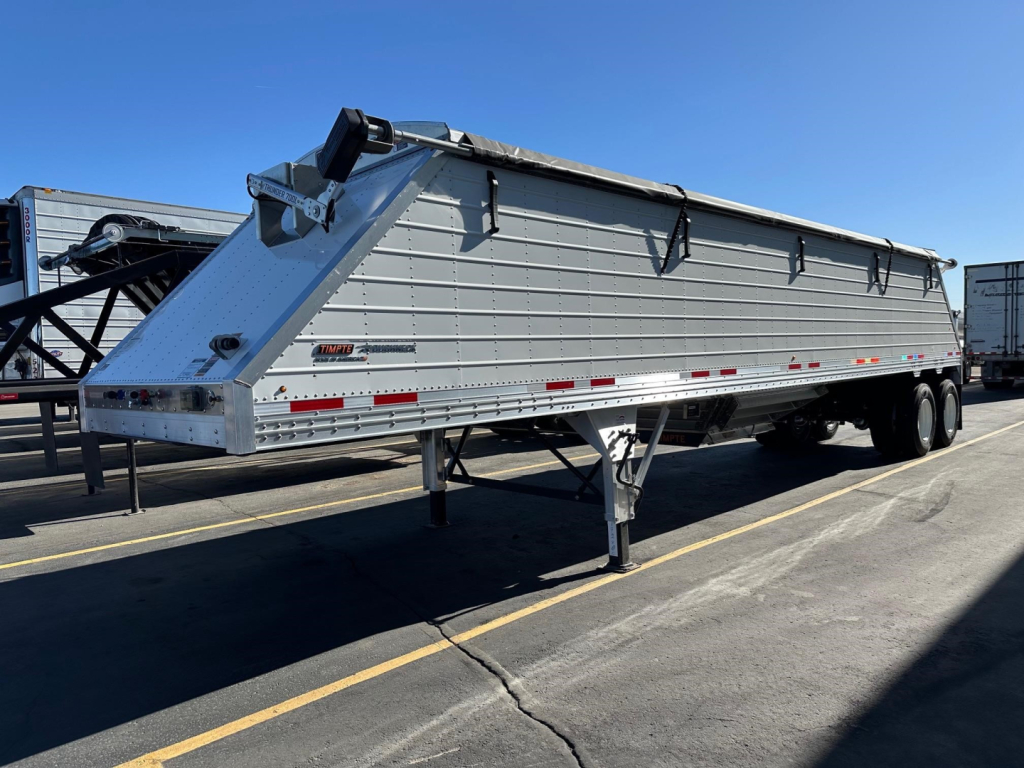
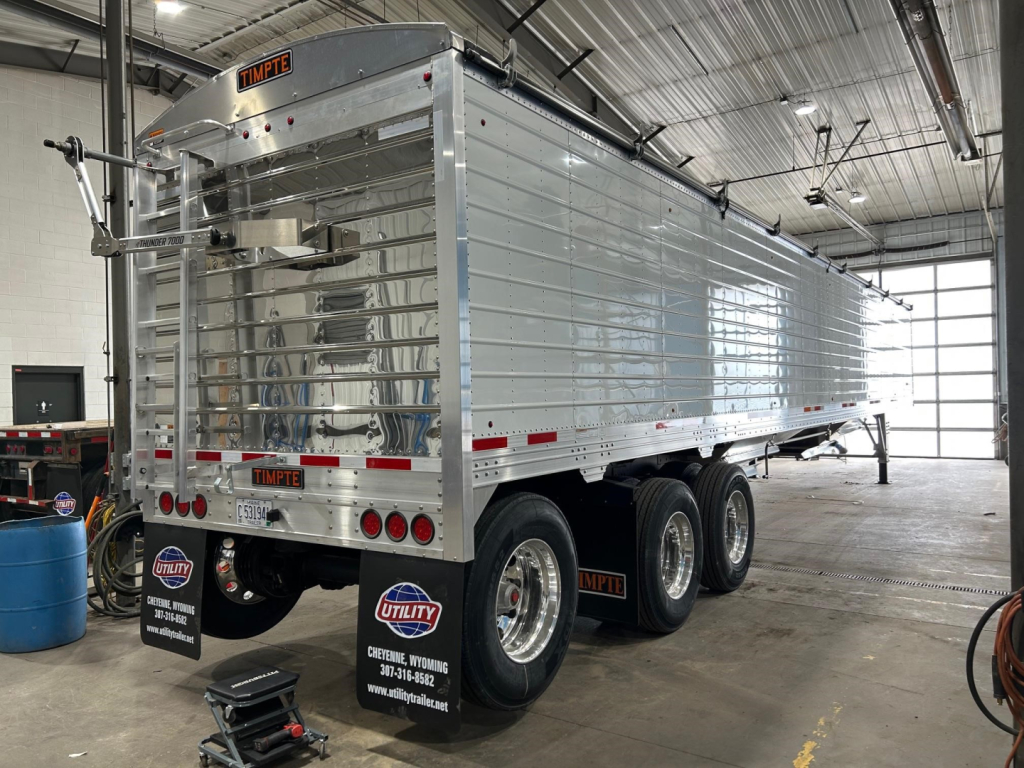
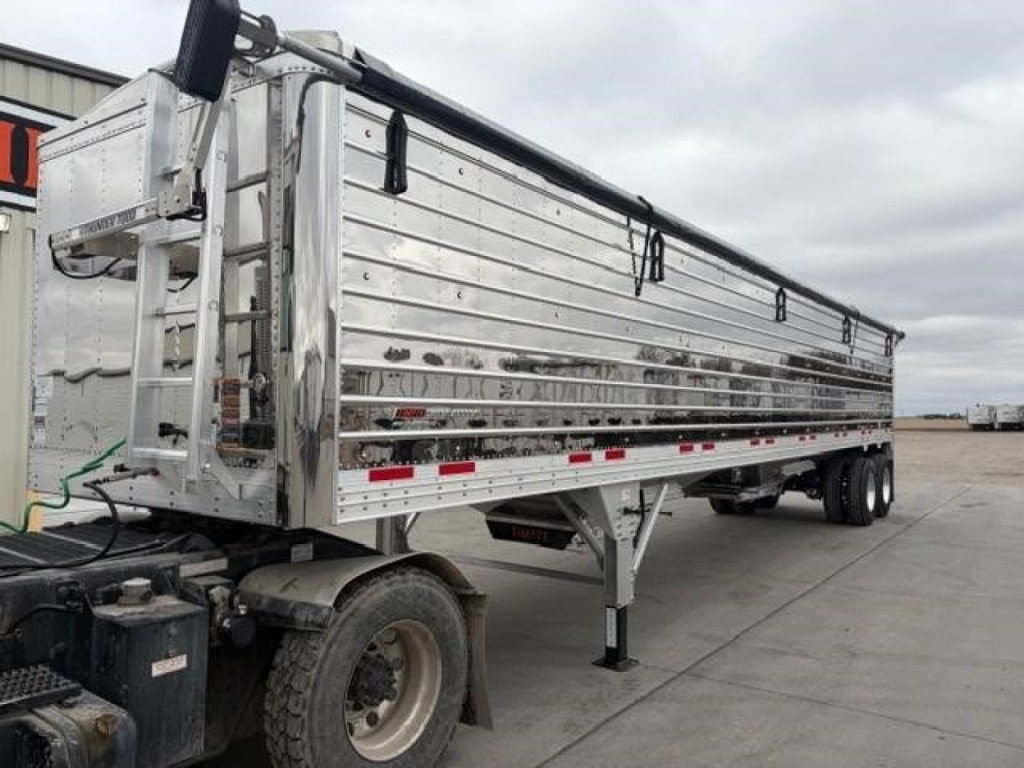
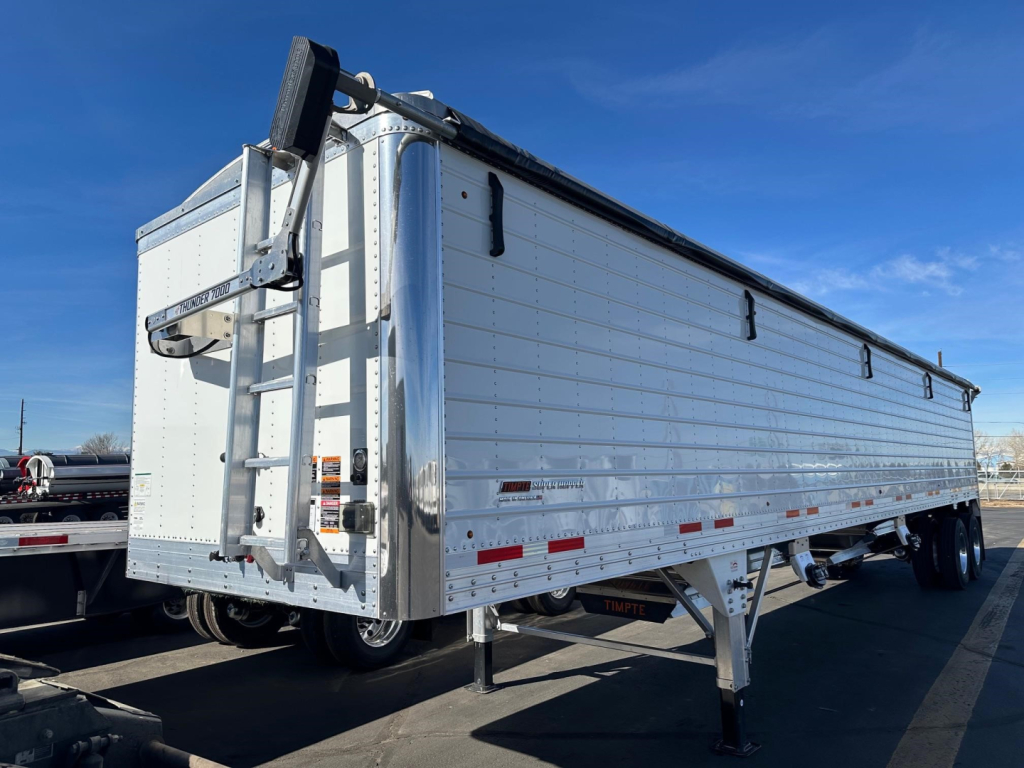
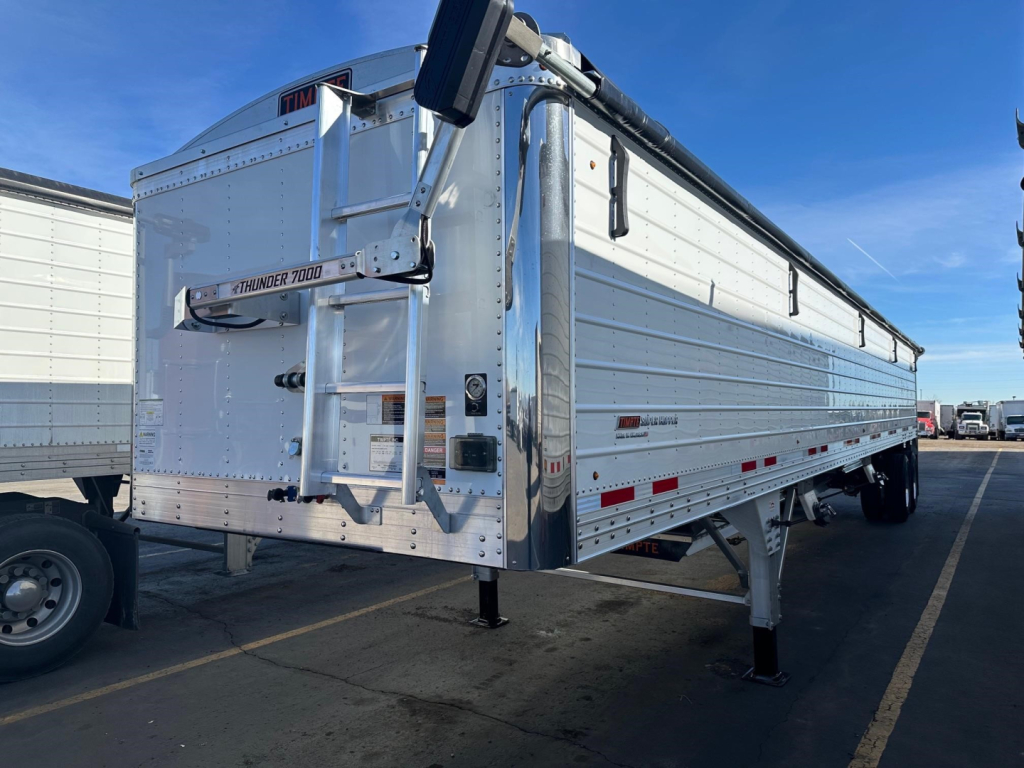
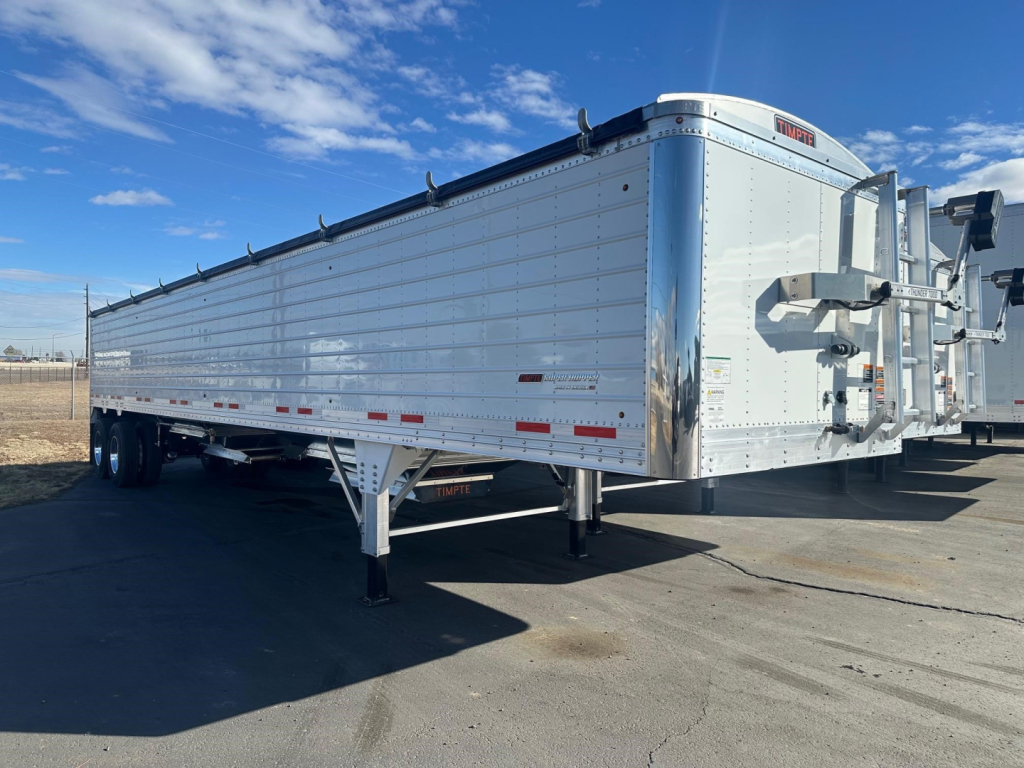
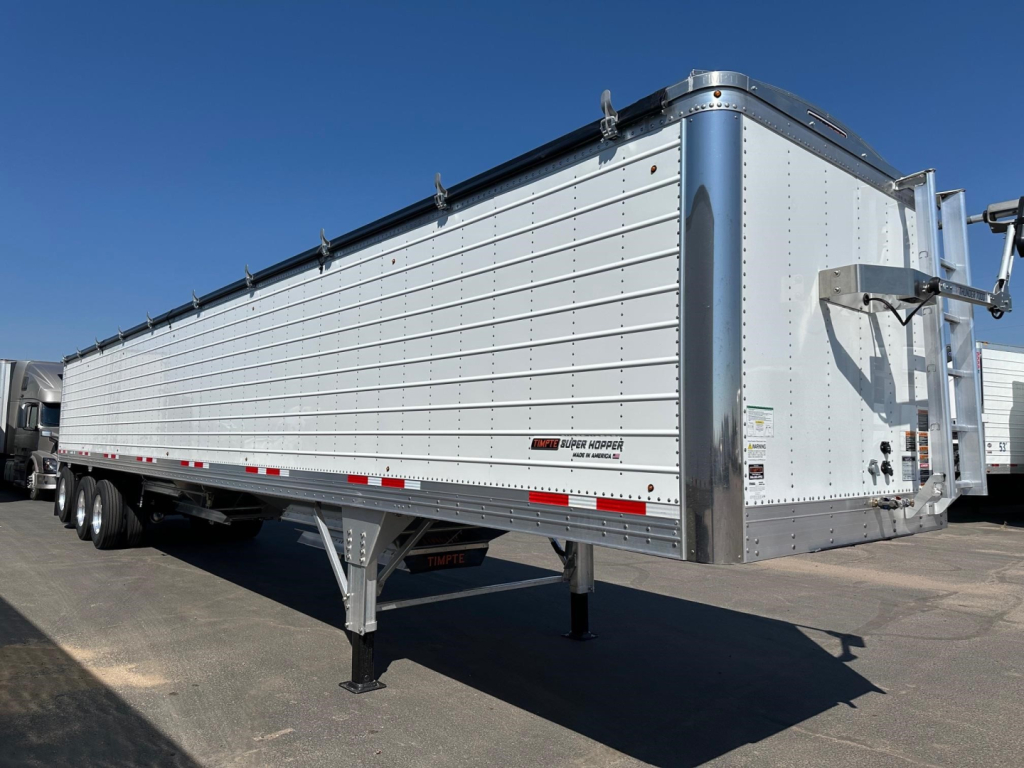
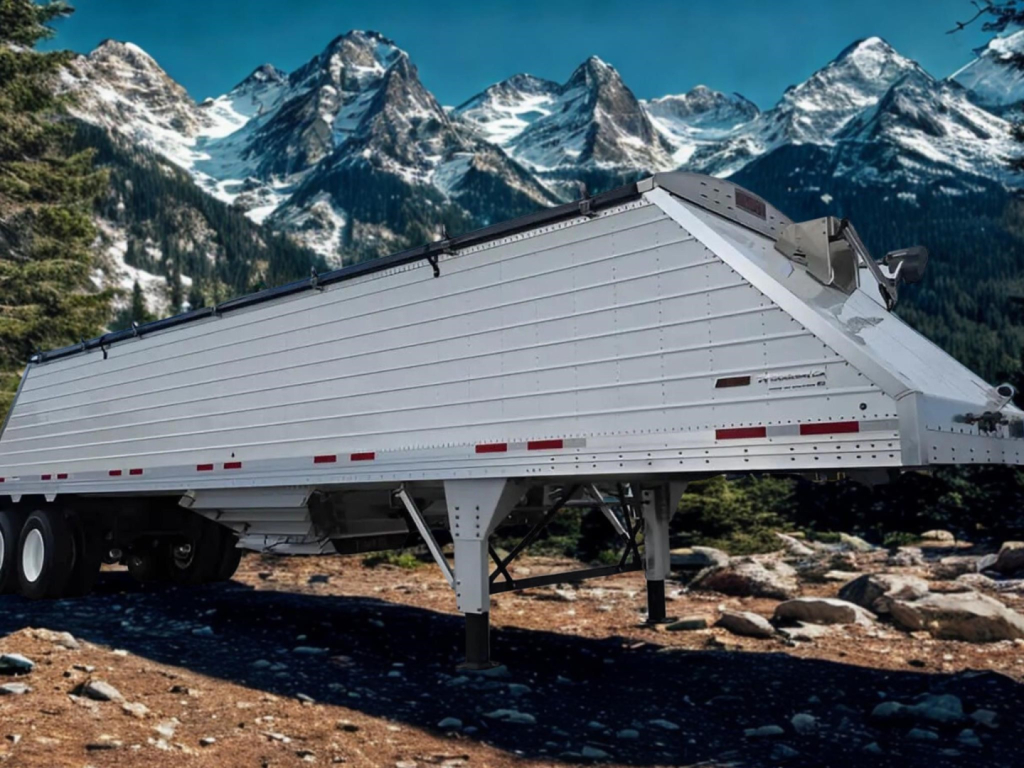
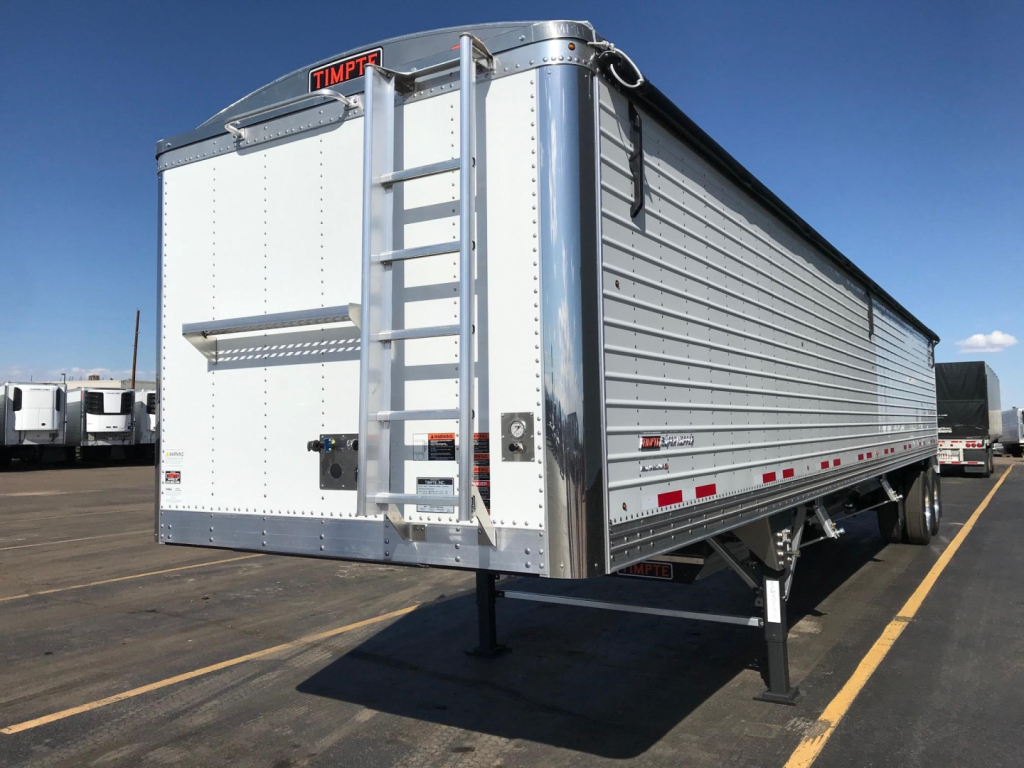
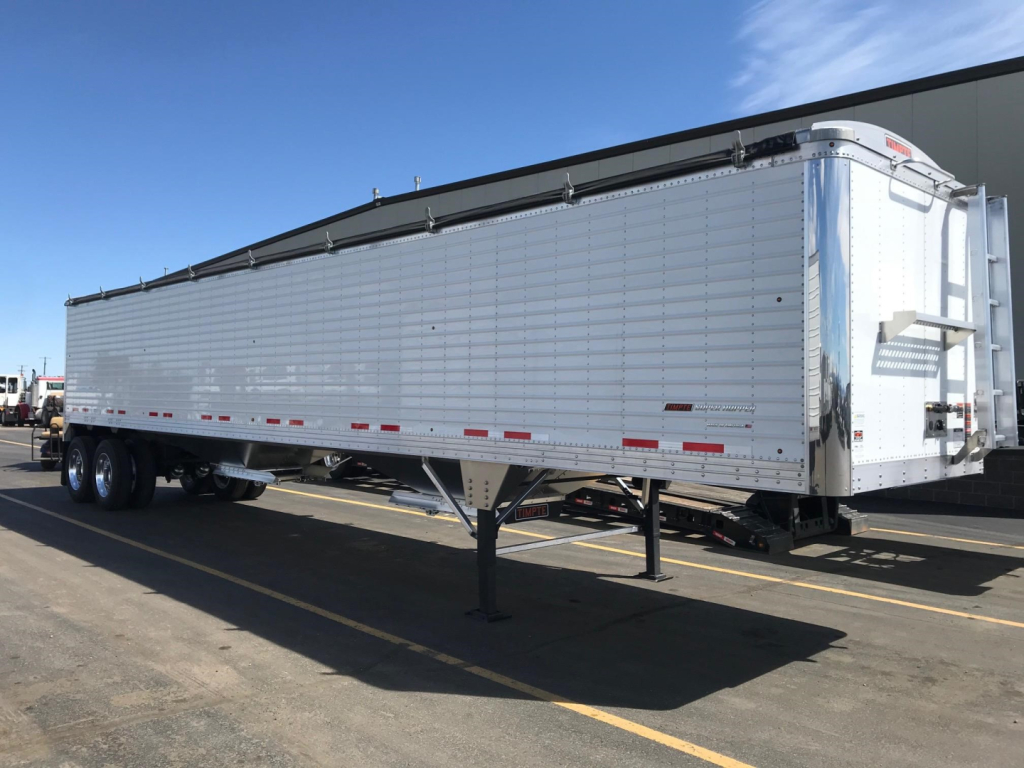
For farm, feed, fertilizer, and general bulk agricultural hauling, the typical choice is a tandem or tri-axle Timpte Super Hopper with two ag hoppers, corrugated side panels, and aluminum construction with stainless front corners or full stainless front and rear panels in higher-wear areas. Key spec decisions include manual versus electric roll tarp, air ride versus spring or other suspension preferences, and whether onboard scales are needed for legal payload management. Liquid-filled load scales and axle scales are especially useful for operators loading in the field or at facilities where exact ticket weights affect margin. Electric hopper doors and vibrators can speed unloads and reduce bridging with certain commodities, while knock rails, ladders, catwalks, and upgraded LED lighting improve day-to-day usability and safety.
Axle configuration matters more than many first-time hopper buyers expect. A closed tandem remains common for straightforward grain work and easier maintenance, while a tri-axle with a lift axle can help spread weight and improve flexibility under state bridge laws and seasonal road restrictions. Tire size, wheel material, and suspension spec also deserve close attention because they affect tare weight, service intervals, and ride quality on rough rural roads. Outside aluminum wheels are often chosen to trim weight and improve appearance, while inside steel wheels can control replacement cost. On any new hopper trailer, buyers should verify kingpin setting, overall length, axle spacing, and discharge gate style against the states and facilities they run most often.
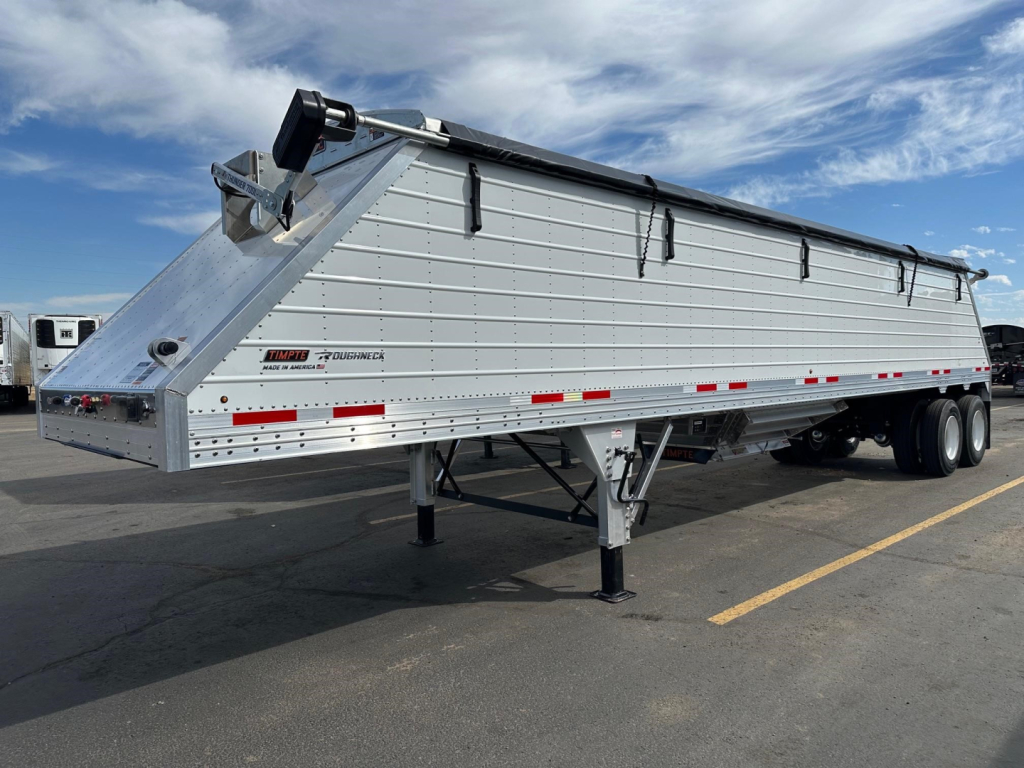
Timpte also builds hopper trailers for more specialized applications such as frac sand service. These trailers are usually spec'd heavier, often with a single hopper, hydraulic or EZFLOW-style trap door operation, steel wheel packages, and dimensions suited to dense material and off-pavement jobsite conditions. That is a very different duty cycle than grain hauling, even though both fall under the hopper trailer category. The best 2026 Timpte hopper trailer spec is the one matched to material density, unload method, legal weight target, and the reality of your loading and delivery points. A buyer who pays attention to door design, tarp system, scale package, and axle layout will usually end up with a trailer that works harder and creates fewer delays during harvest or peak hauling season.
Frequently Asked Questions about New 2026 Timpte Hopper Trailers
What is the difference between a grain hopper trailer and a sand-spec hopper trailer?
A grain hopper trailer is typically built for lighter bulk commodities such as corn, soybeans, wheat, feed, or fertilizer, and it usually uses a two-hopper layout with high cubic capacity and low tare weight. A sand-spec hopper trailer is built for denser material and harsher operating conditions, so it often has a shorter body, lower side height, heavier-duty components, and a single hopper or specialized trap door system. The right choice depends on commodity density, discharge method, and whether the trailer will spend most of its time on paved roads or in jobsite environments.
What size Timpte hopper trailer is most common for agricultural hauling?
For agricultural hauling, 42-foot and 48-foot hopper trailers are among the most common sizes because they balance cubic capacity, legal weight distribution, and maneuverability. Side heights around 78 inches are common on grain trailers because they provide strong volume without making the trailer impractical for typical loading and unloading points. Buyers should match trailer length and side height to the crop mix they haul, since corn, beans, feed ingredients, and fertilizer all load and scale differently.
Are electric hopper doors and electric tarps worth it on a new hopper trailer?
For many operators, electric hopper doors and electric rollover tarps are worth the added cost because they reduce physical effort, save time at each stop, and improve consistency during repetitive loading and unloading. They are especially useful during harvest, in bad weather, or on routes with multiple unloads in a day. The tradeoff is added system complexity, so buyers should consider service access, battery setup, and how often the trailer will be used hard enough to justify the convenience.
Should I choose a tandem axle or tri-axle hopper trailer?
A tandem axle hopper trailer is usually the simpler and lighter option, which makes it attractive for general grain hauling and for operators focused on tare weight and maintenance cost. A tri-axle trailer, especially one with a lift axle, can offer better flexibility for bridge laws and weight distribution in certain states, and it may help operators maximize legal payload on specific routes. The correct choice depends on where the trailer runs, how often it crosses state lines, and the gross weights common to the operation.
What options matter most when comparing new Timpte hopper trailers?
The most important options are usually hopper door style, tarp system, scale package, axle configuration, suspension, and material protection in high-wear areas such as front corners and rear panels. Ladders, catwalks, lighting packages, wheel choices, and vibrators also affect daily use and long-term durability. Buyers should prioritize the options that improve loading speed, discharge reliability, legal weight control, and corrosion resistance for their specific commodity rather than focusing only on body size.