
New Timpte Hopper Trailers For Sale in Colorado
Shop new Timpte hopper trailers for grain, feed, and bulk commodities. Compare lengths, side heights, axle setups, tarp systems, and hopper options.
Selling a new timpte hopper trailer? List your new timpte hopper trailer for sale and reach thousands of commercial buyers.
New Timpte Hopper Trailers in Colorado
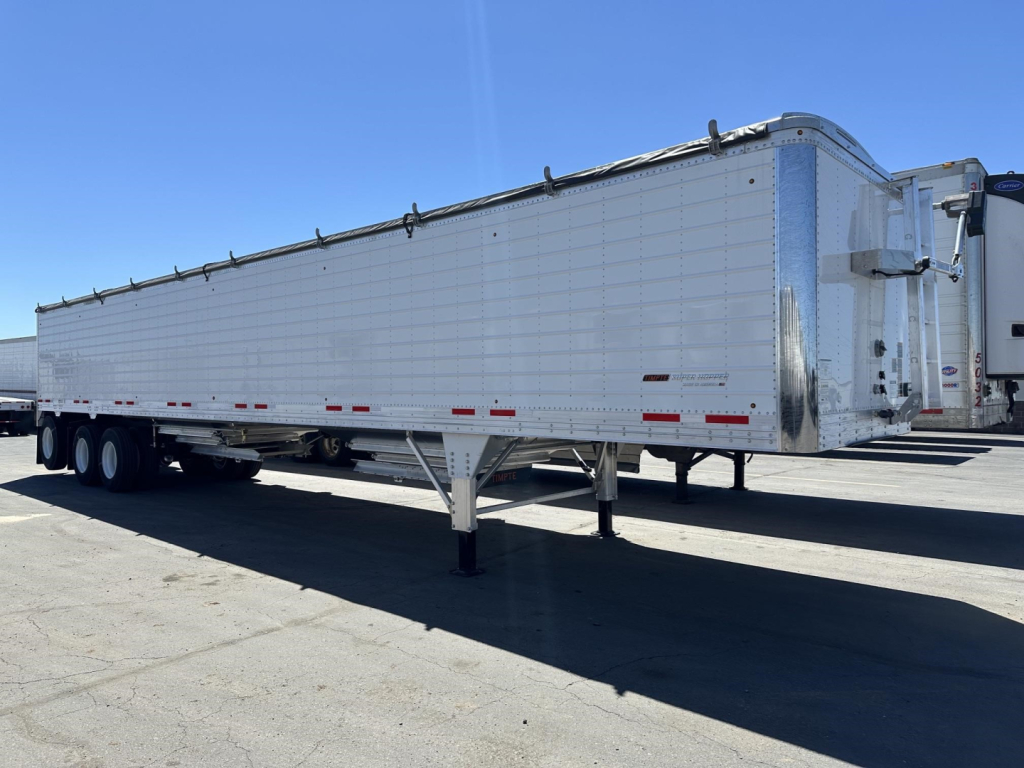
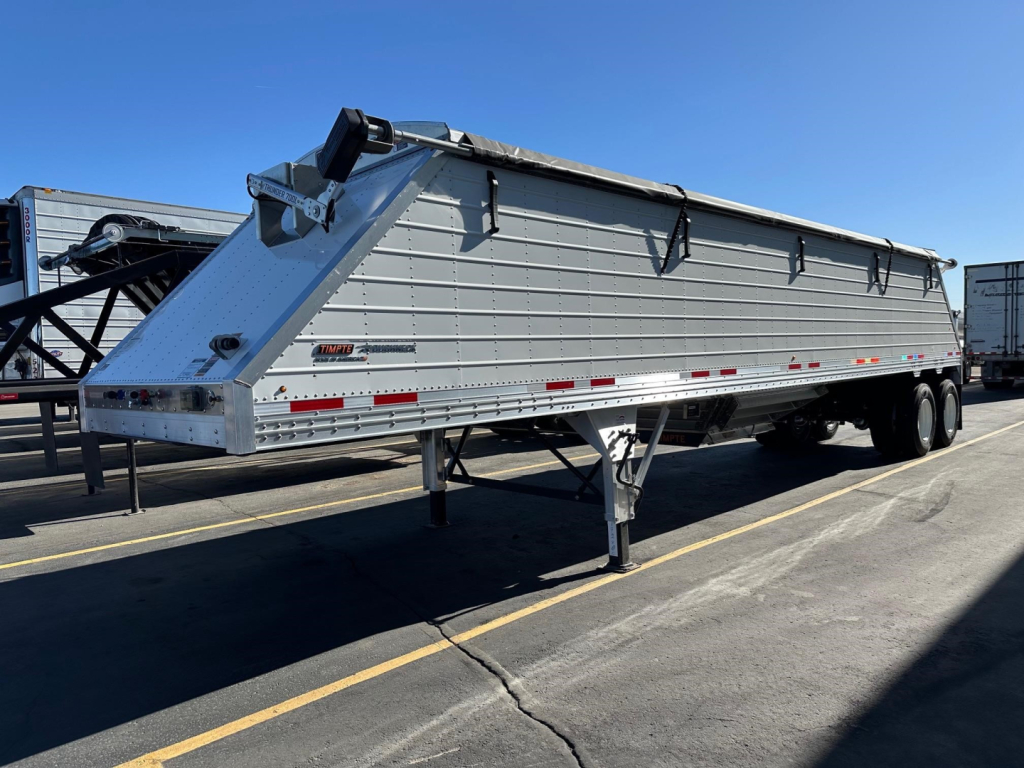
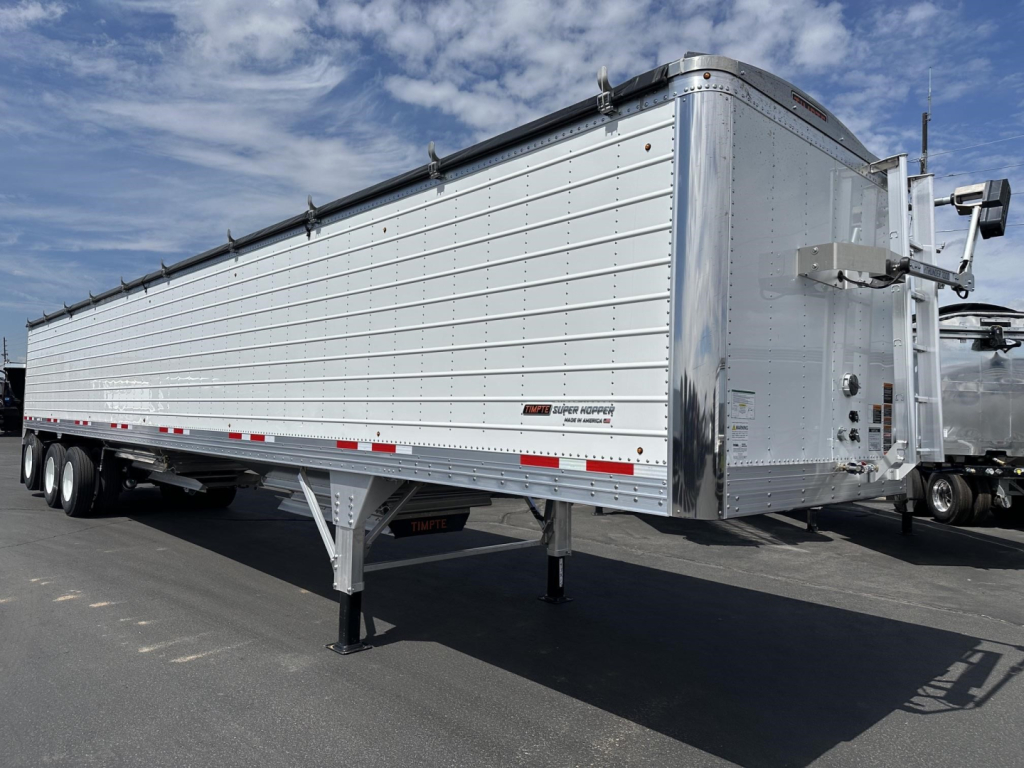
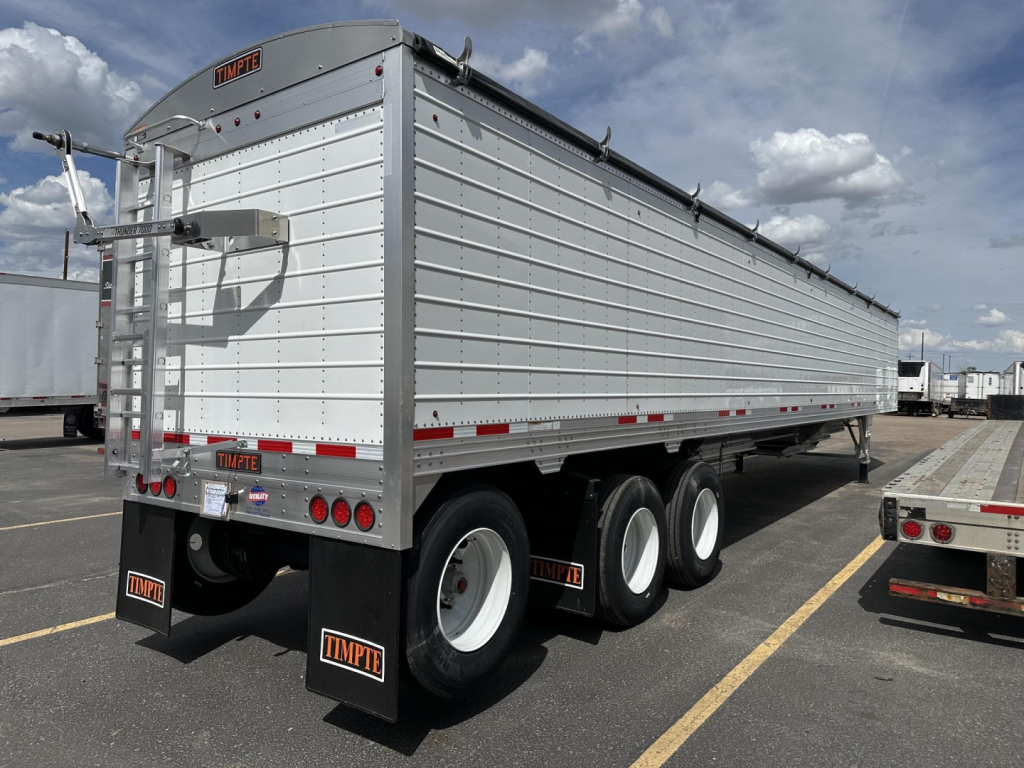
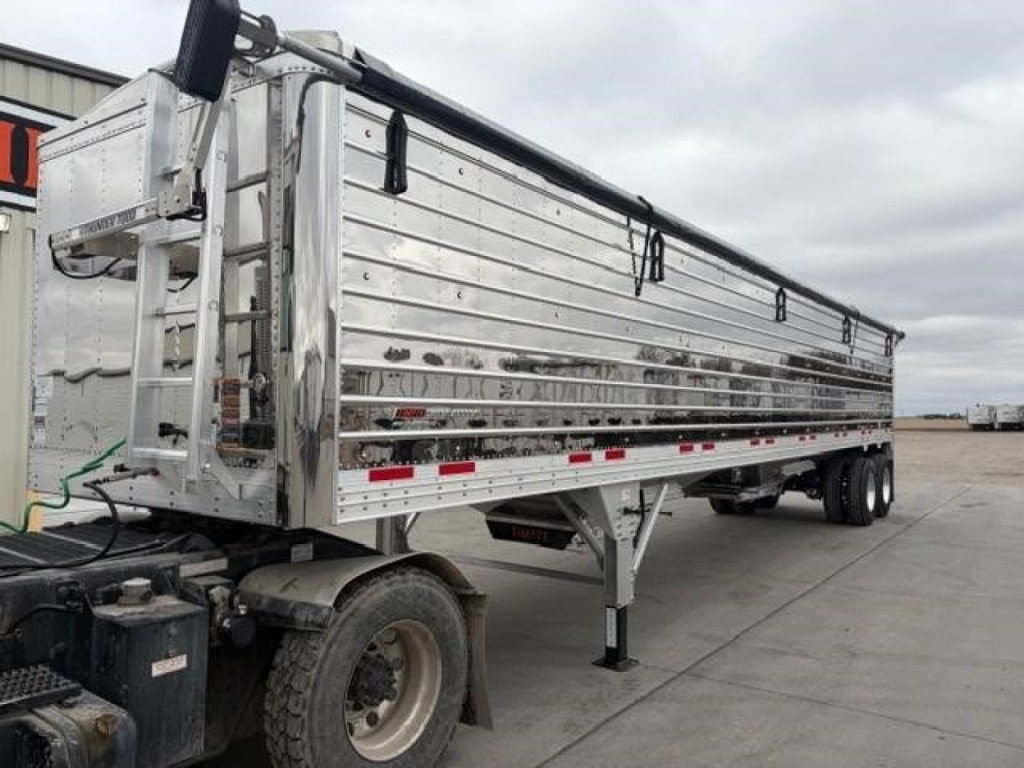
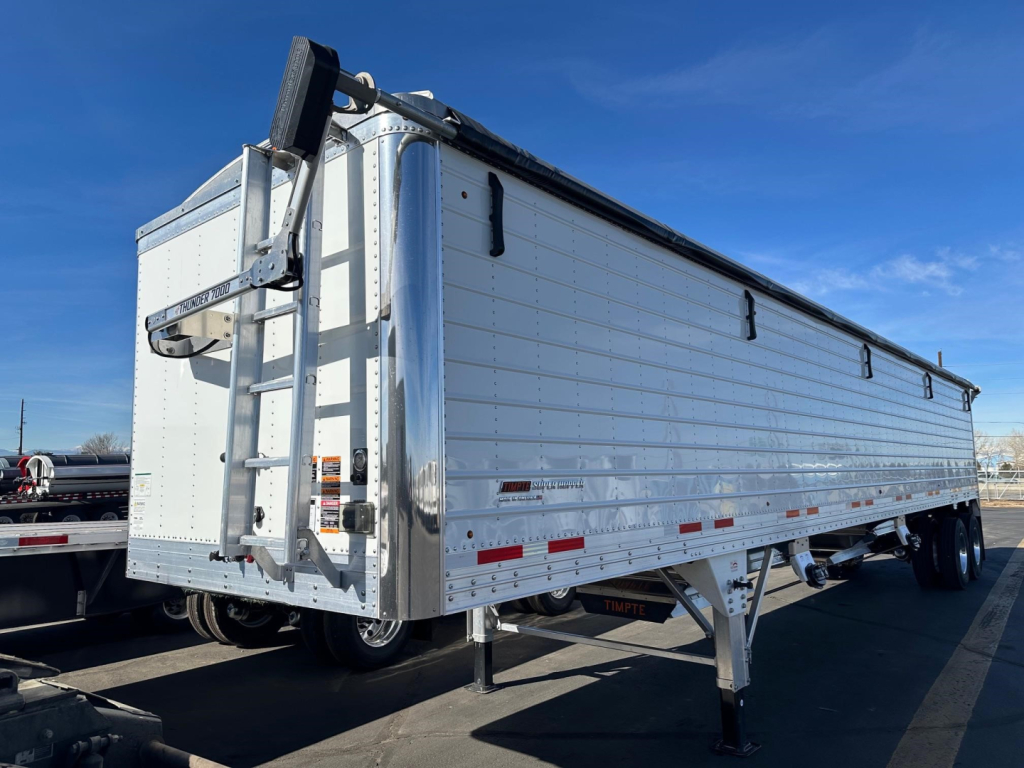
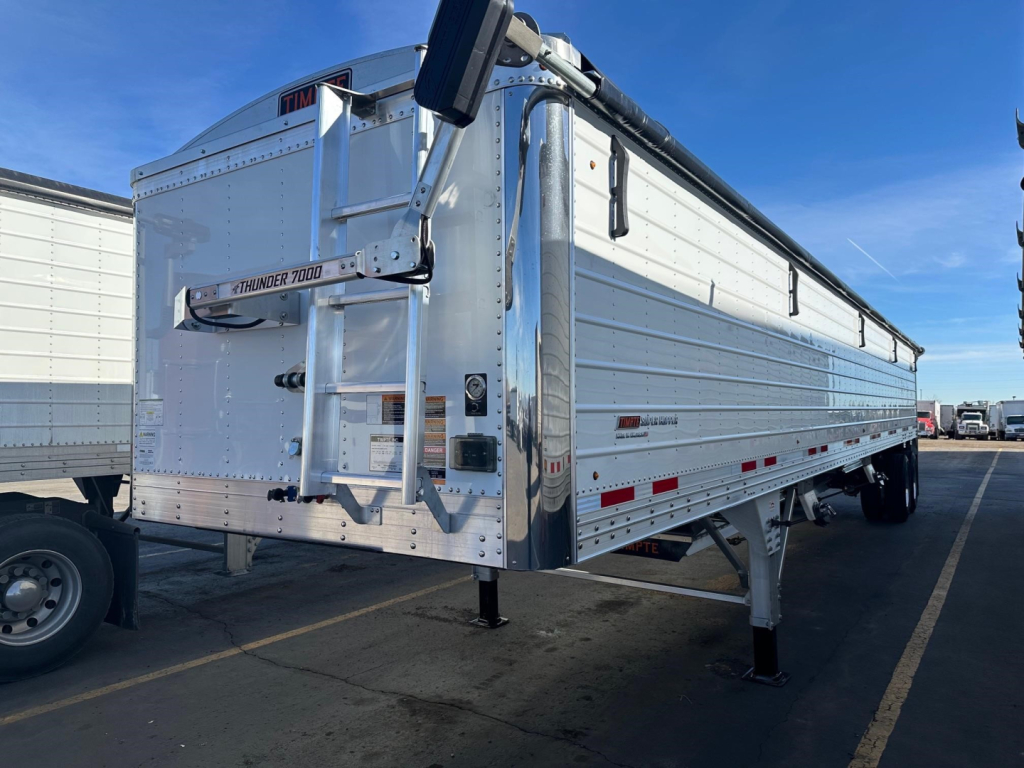
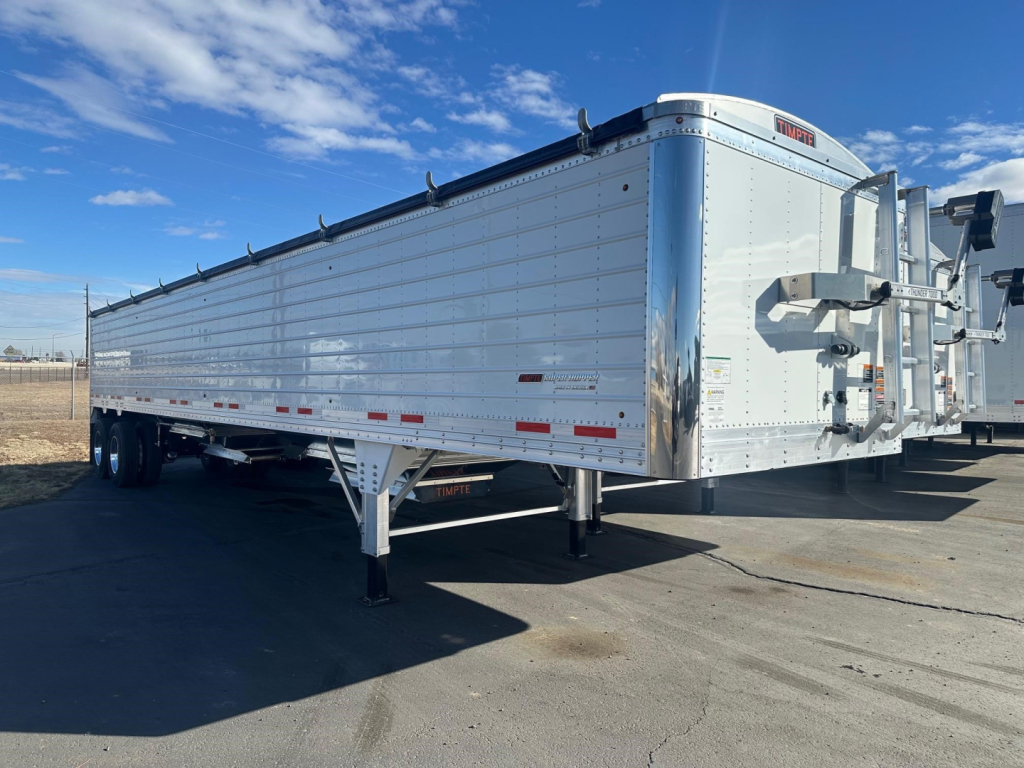
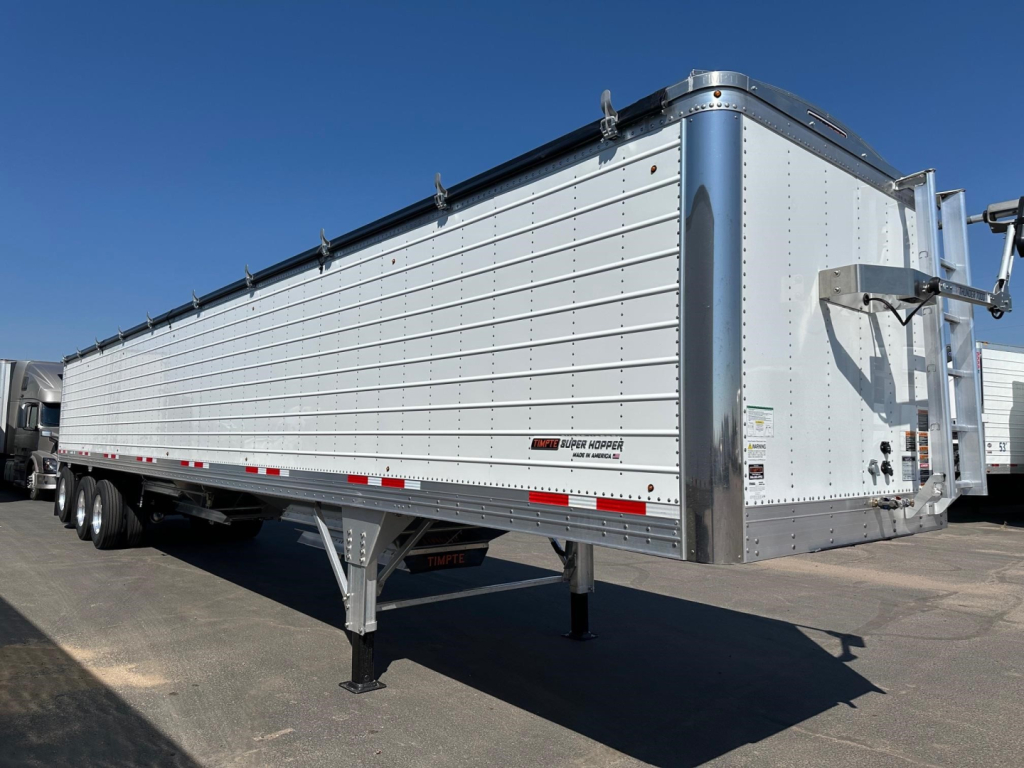
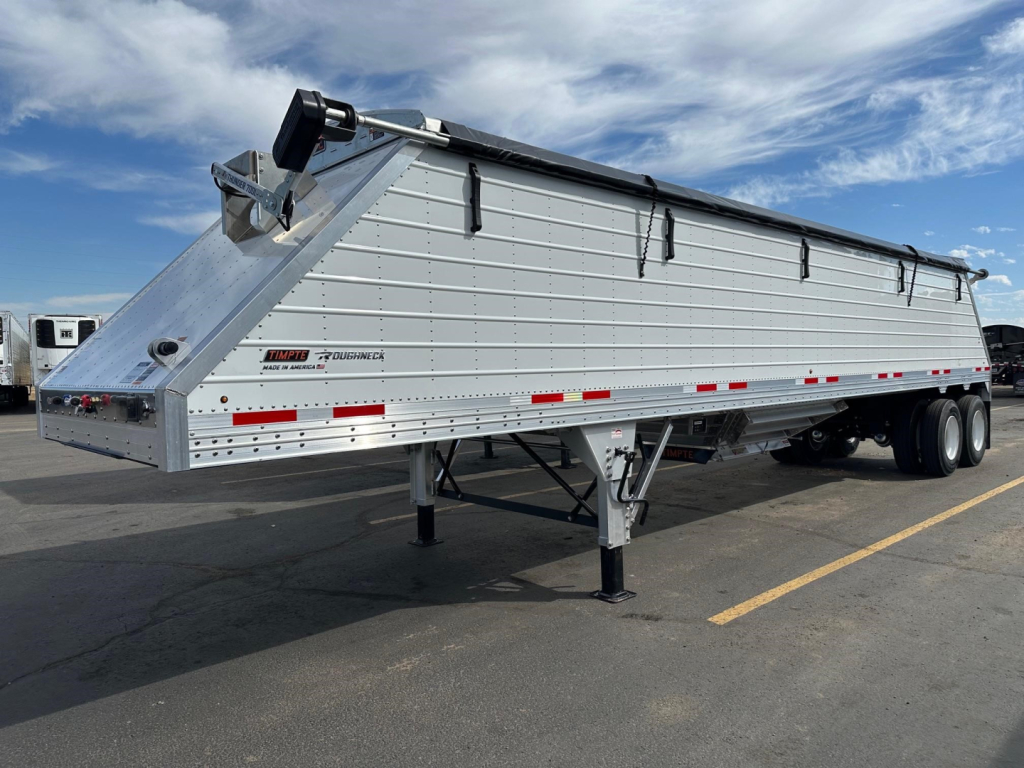
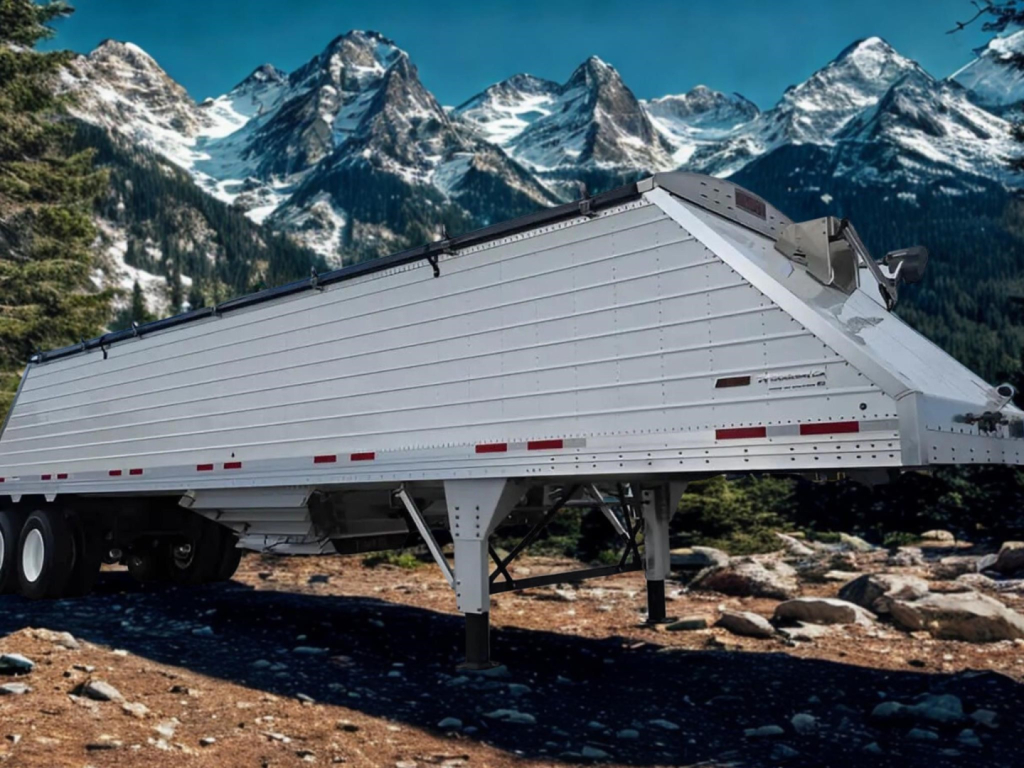
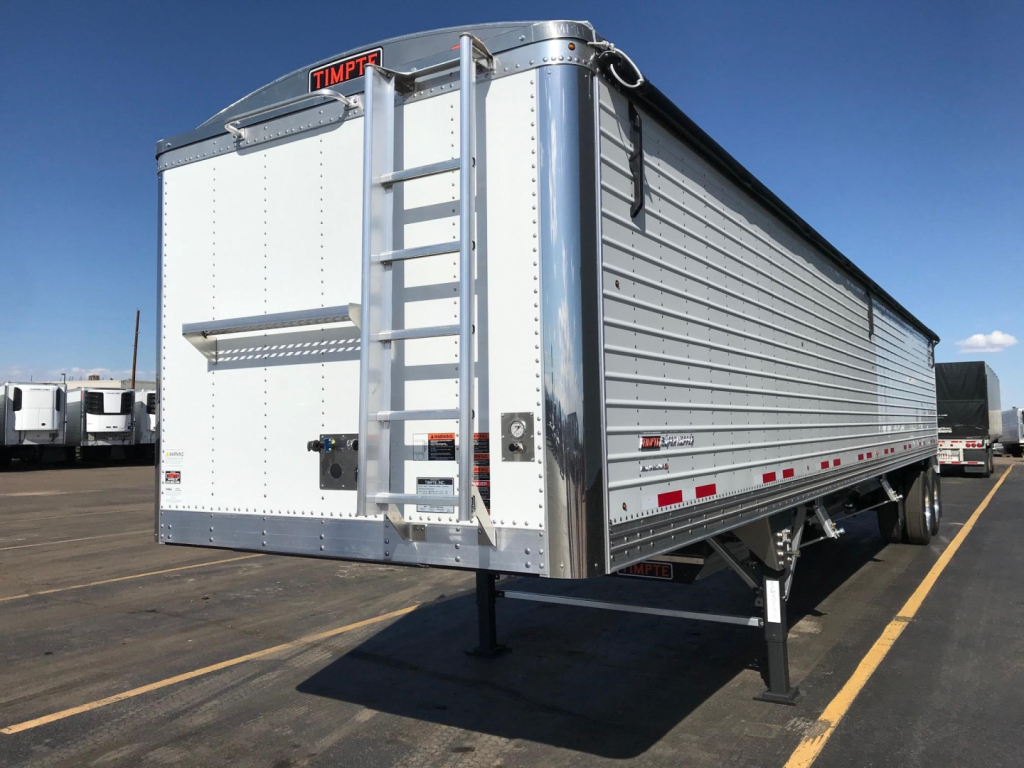
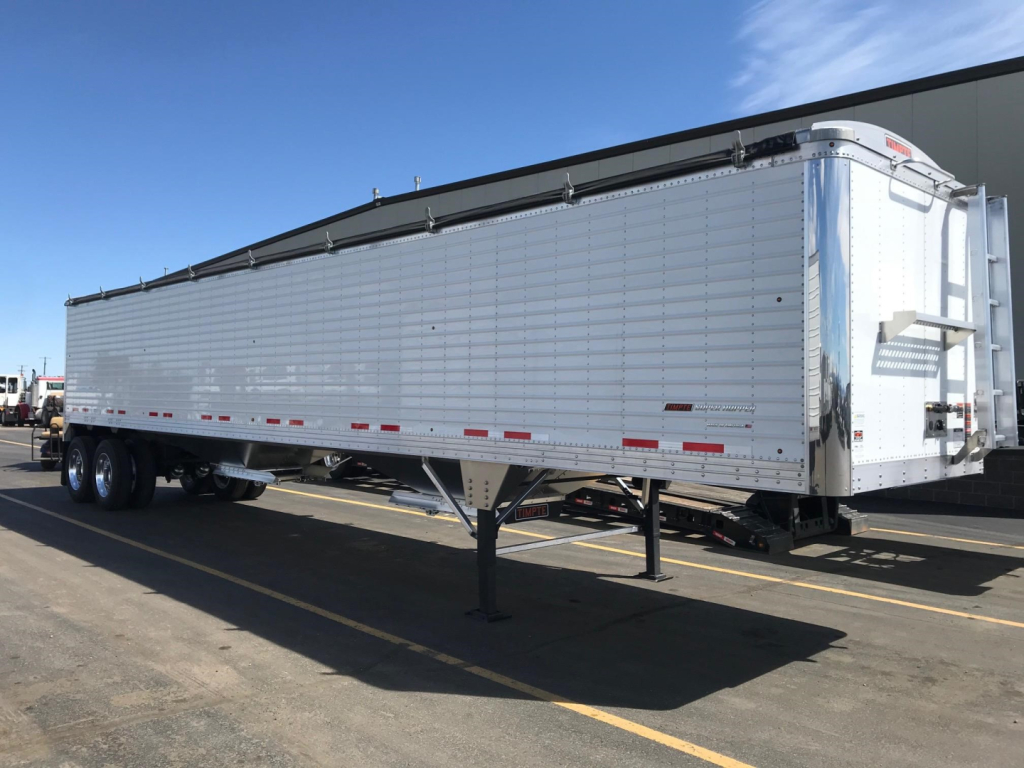
The main buying decisions usually start with body length, side height, and hopper configuration. Common setups include 42-foot and 48-foot bodies at 96 inches wide, with side heights around 66 inches to 78 inches depending on the commodity and target cubic capacity. A traditional ag specification often uses dual hoppers with trap doors for grain and similar free-flowing products. A frac sand or heavier bulk setup may use a single hopper and a heavier-duty gate arrangement designed for controlled discharge. Corrugated side panels, stainless front corners, full stainless rear panels, ladders, catwalks, and knock rails are all common features because they improve durability and day-to-day usability without adding unnecessary complexity.
Running gear and operating equipment deserve close attention because they affect both legal payload and how the trailer fits your routes. Tandem and tri-axle configurations are both common in this category. A closed tandem air ride setup is a straightforward choice for many ag operations, while a tri-axle with a lift axle can help spread weight for bridge laws or state-specific requirements. Buyers should also compare wheel material, tire size, suspension brand, scale systems, and dump valve configuration. Electric roll tarp systems are popular for frequent loading cycles and windy conditions, while manual tarps can still make sense for simpler, lower-cost applications. LED lighting, especially multi-row rear lighting, is another practical feature for visibility and reduced maintenance.
A new Timpte hopper trailer is often judged by how well its spec matches the commodity, the loading equipment, and the unloading environment. Grain haulers may prioritize cubic capacity, dual ag hoppers, and easy cleanout. Sand or dense material operators may lean toward a shorter, more specialized body with a single hopper and heavier discharge system. It also pays to think about gate style, trap opening control, ladder and catwalk access, and onboard scales if you load close to target weight. The best spec is not just the lightest trailer on paper. It is the one that balances payload, discharge speed, legal axle distribution, and durability for the exact work the trailer will do.
Frequently Asked Questions about New Timpte Hopper Trailers in Colorado
What is the difference between a tandem and tri-axle Timpte hopper trailer?
A tandem hopper trailer is the more common general-purpose setup for grain and bulk ag commodities because it is lighter, simpler, and easy to maintain. A tri-axle hopper trailer adds carrying flexibility by spreading weight across more axles, and a rear lift axle can help with bridge compliance or state weight rules when loaded while reducing tire scrub when empty or lightly loaded. The tradeoff is added complexity, more components to maintain, and a potential tare weight increase.
What side height should I choose on a new Timpte hopper trailer?
Side height affects cubic capacity and should match the commodity more than the route alone. Taller sides such as 78 inches are common for lighter, bulkier products like grain where volume fills before legal weight. Shorter side heights such as 66 inches can be a better fit for denser materials where weight comes on quickly and excess cube is less useful. Buyers should compare commodity density, loader capability, and state weight limits before deciding.
Are dual ag hoppers or a single hopper better?
Dual ag hoppers are the standard choice for grain and other free-flowing agricultural products because they allow efficient unloading and good versatility across elevators and farm setups. A single hopper configuration is more specialized and often used where the discharge system is designed around one outlet, such as certain sand applications. The right choice depends on commodity flow characteristics, unload point compatibility, and how much control you need over discharge rate.
Is an electric roll tarp worth it on a hopper trailer?
An electric roll tarp is a strong option for operations with frequent loading cycles, solo drivers, or windy conditions where speed and ease of use matter. It reduces the effort required to cover loads and can improve consistency in daily use. A manual tarp is still a practical choice for buyers who want fewer electrical components and lower upfront cost, but it usually gives up some convenience and efficiency over time.
What makes Timpte hopper trailers popular in the resale market?
Timpte has a strong reputation for lightweight aluminum hopper construction, practical specs, and wide acceptance in agricultural hauling. Features like corrugated panels, stainless wear areas, air ride suspension, and clean gate designs help support long service life and broad buyer interest. Resale value is also helped by the fact that Timpte trailers are familiar to fleets, lenders, and owner-operators across many grain-producing regions.