
New 2027 Hopper Trailers For Sale in Texas
Shop new 2027 hopper trailers for sale in Texas. Compare grain hopper specs, capacities, trap options, suspensions, and lightweight builds.
Selling a new 2027 hopper trailer? List your new 2027 hopper trailer for sale and reach thousands of commercial buyers.
New 2027 Hopper Trailers in Texas
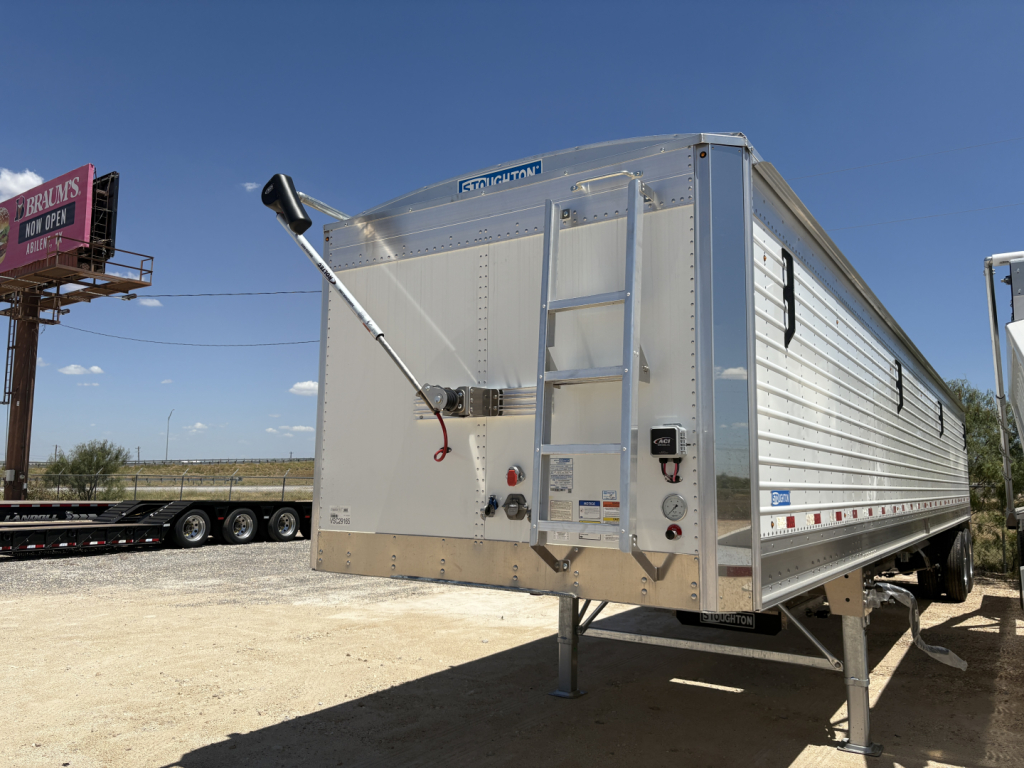
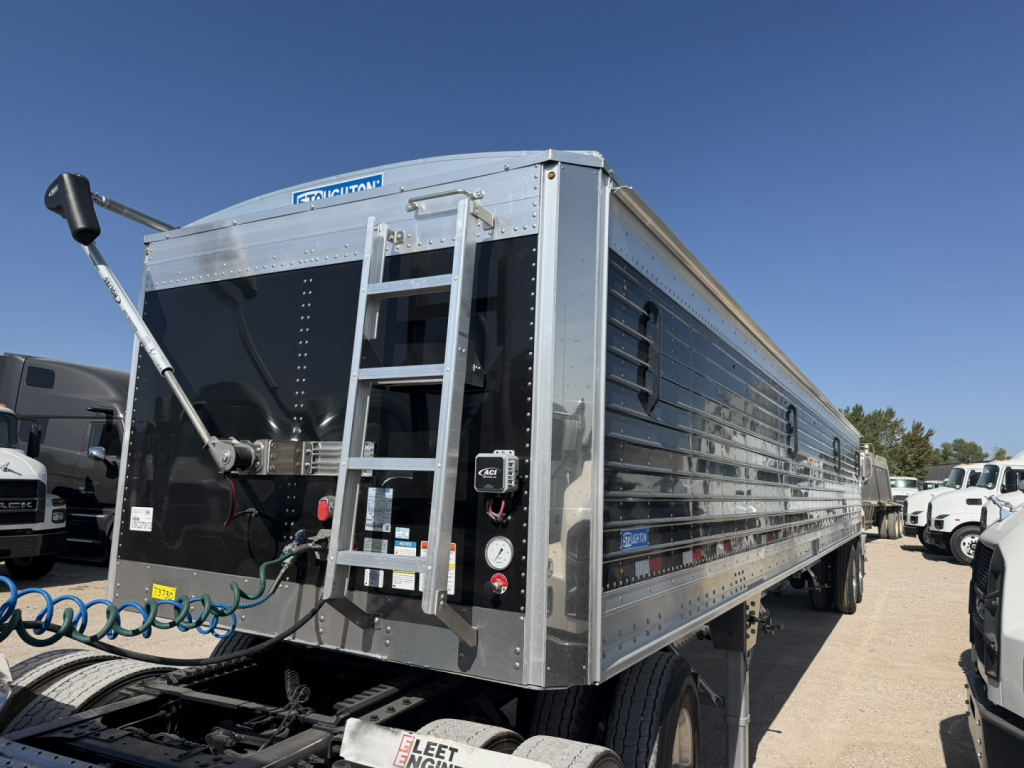
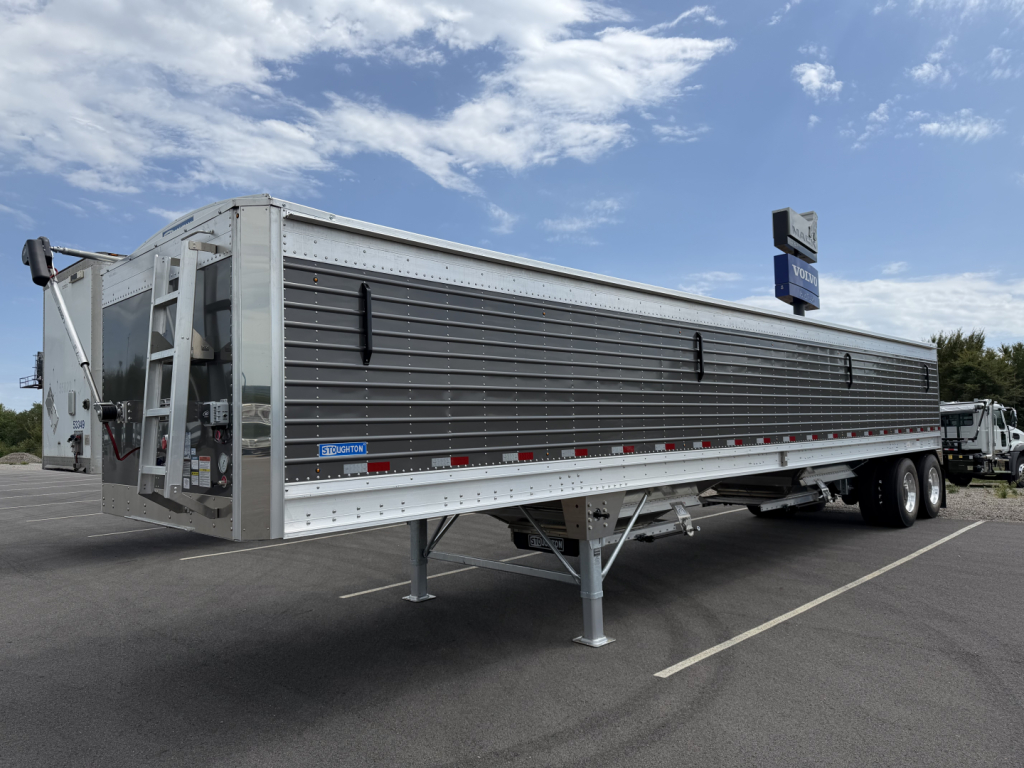
Material choice drives long-term ownership cost. Aluminum sidewalls and panels help reduce weight and resist corrosion, while a galvanized steel subframe can add durability in high-stress areas. Stainless steel rear walls, corner inserts, and hardware are common on higher-spec units because they stand up well to abrasion and weather. For Texas operators running harvest routes, feed mills, grain elevators, or fertilizer lanes, details like removable liners, reinforced corner construction, and quality tarp systems can make a noticeable difference in turnaround time and maintenance. Electric tarps with remote operation are especially useful when loads and weather change quickly.
Discharge design deserves close attention before comparing price alone. Trapdoor size, opening style, and ground clearance affect how efficiently the trailer unloads and how well it matches your pits, augers, and receiving facilities. Manual two-stage trapdoors are still common and dependable, but buyers should also consider ease of adjustment, seal quality, and how the doors handle fine commodities versus larger grain. Ladder placement, front and rear access, lighting layout, and splash guards may seem secondary, yet these features matter on daily farm-to-elevator and regional bulk runs where visibility, safety, and quick inspections are part of the routine.
Running gear specs should match the route and commodity, not just the brochure. Tandem axles with a spread around 49 inches, 11R22.5 tires, ABS, drum brakes, and aluminum wheels are common on new hopper trailers in this class. Kingpin setting, fifth wheel height, and overall trailer height need to line up with your tractor spec and legal height requirements, especially when you are crossing uneven farm entrances, county roads, and elevator approaches. If the trailer will spend most of its life in Texas, it pays to prioritize lightweight construction, dependable tarp coverage, strong trap hardware, and suspension components that hold up under repetitive seasonal loading cycles.
Frequently Asked Questions about New 2027 Hopper Trailers in Texas
What is the typical capacity of a new grain hopper trailer?
A new grain hopper trailer in this size class commonly offers about 1,300 to 1,400 cubic feet of capacity, which often translates to roughly 1,000 to 1,100 bushels depending on the commodity. Actual payload depends on product density, trailer tare weight, axle configuration, and state weight laws. Buyers should match cubic capacity to the crops or bulk materials they haul most often rather than assuming bigger volume always means better productivity.
Why do many hopper trailers use aluminum bodies with steel subframes?
Aluminum helps keep empty weight down and resists corrosion, which is important for maximizing payload and extending trailer life. A steel or galvanized steel subframe is often used in key structural areas because it provides strength where landing gear, suspension, and high-load stress points need extra durability. This combination is popular because it balances payload efficiency with structural integrity.
What should I look for in hopper trapdoors?
Trapdoors should be evaluated for opening size, seal quality, ease of operation, and compatibility with the commodities and unloading facilities you use. Larger openings can improve flow rate, but fine materials also require tight sealing and reliable adjustment. Two-stage manual traps remain common because they are simple and proven, but the best choice depends on how often the trailer unloads, what products it carries, and how precise discharge control needs to be.
Are air ride suspensions common on new hopper trailers?
Yes. Air ride suspension is common on new hopper trailers because it helps protect the trailer structure and cargo from road shock, and it generally improves ride quality on mixed highway and rural routes. For grain and agricultural bulk hauling, air ride can also help reduce vibration-related wear over time. Buyers should still compare suspension brand, serviceability, and how the setup fits their axle spread and maintenance preferences.
What Texas buyers should check before choosing a hopper trailer?
Texas buyers should pay close attention to overall height, ground clearance, kingpin setting, fifth wheel height, and tare weight. Those specs affect how the trailer handles farm access roads, loading locations, elevator pits, and legal road operation. Tarp reliability, corrosion-resistant materials, lighting, ladder access, and durable trap hardware are also important because many Texas hopper trailers see heavy seasonal use, variable weather, and frequent loading cycles.