
New 2027 Stoughton Hopper Trailers For Sale
Shop new 2027 Stoughton hopper trailers with aluminum grain bodies, high-capacity specs, air ride suspension, and farm-ready unload features.
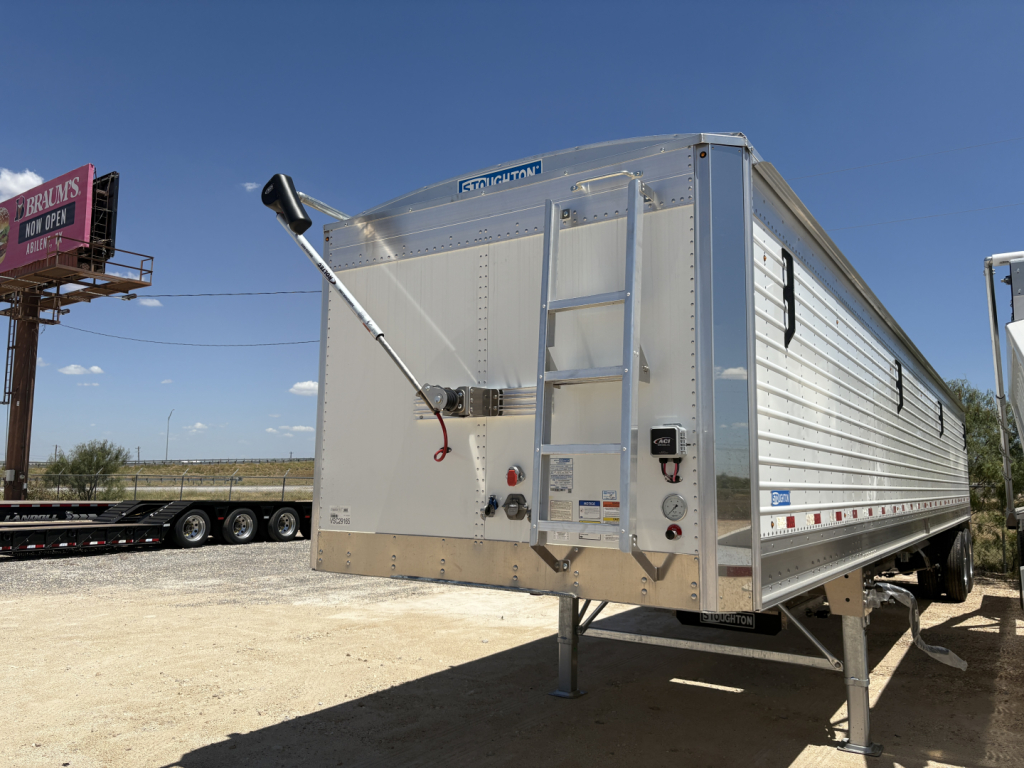
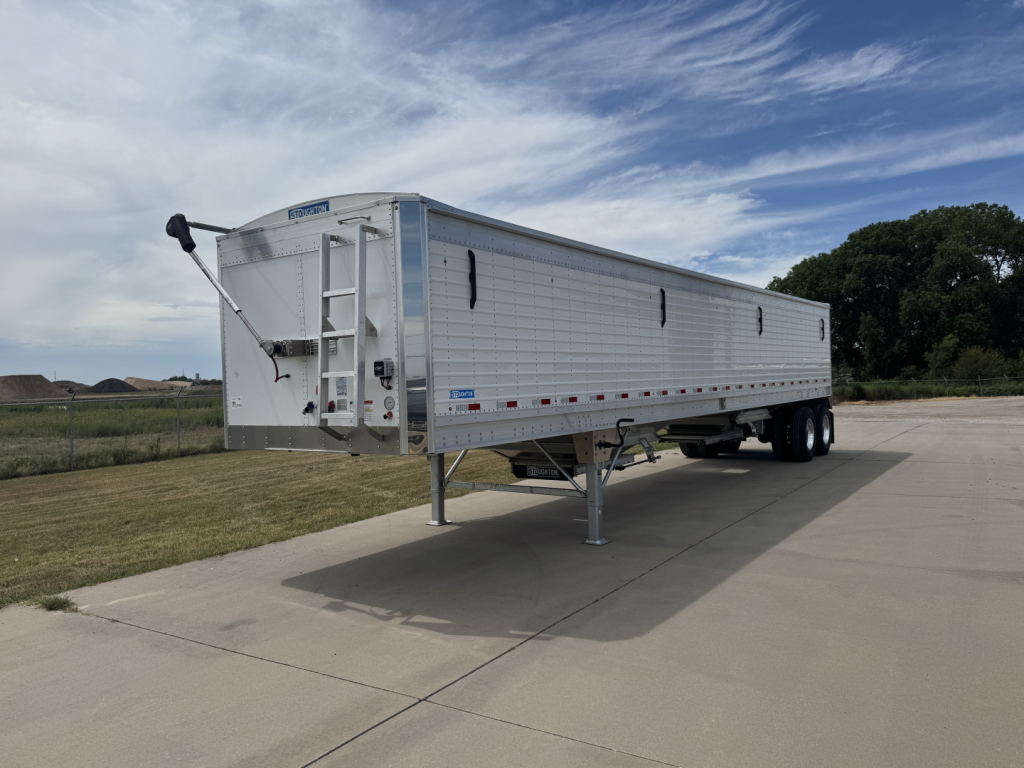
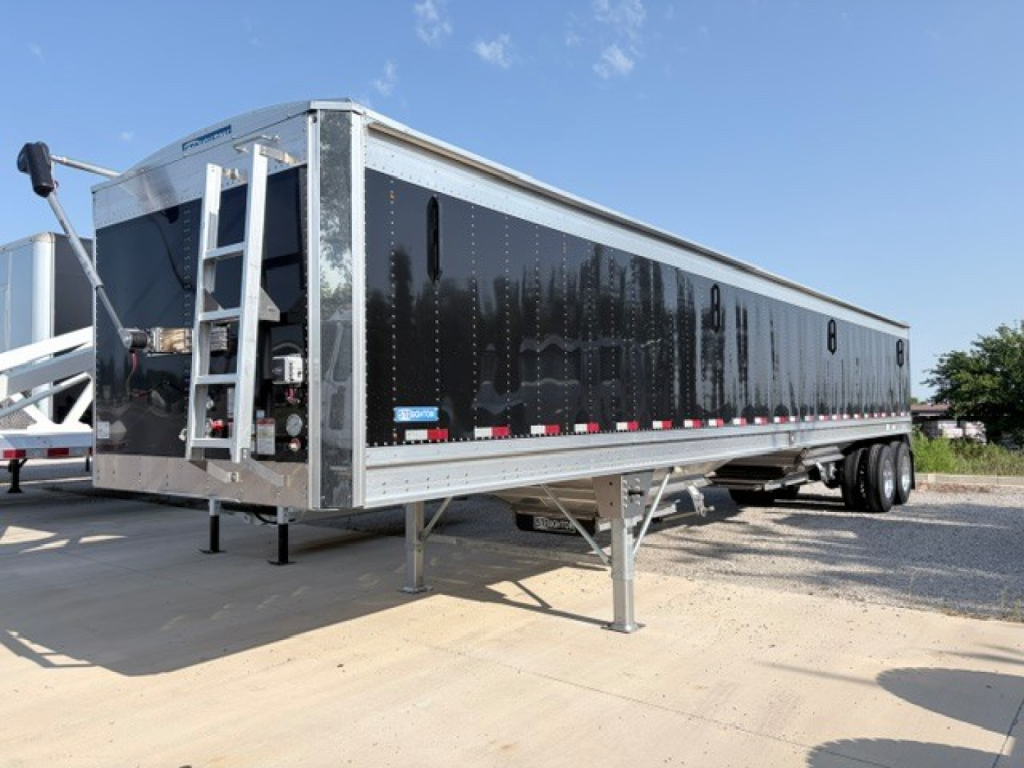
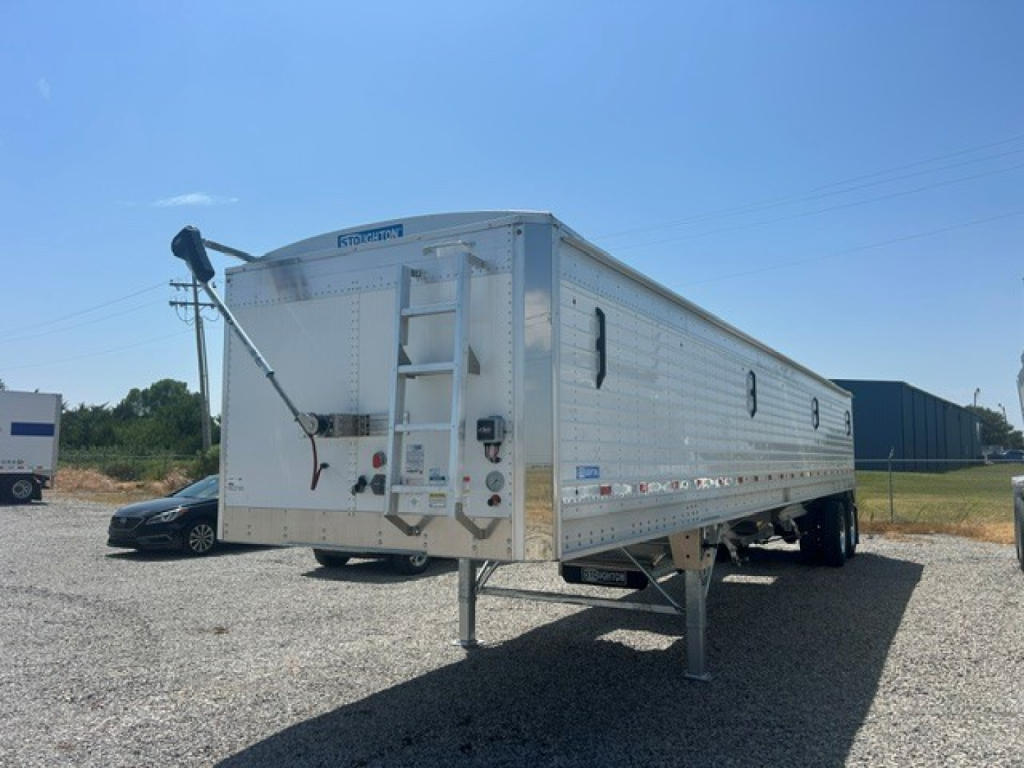
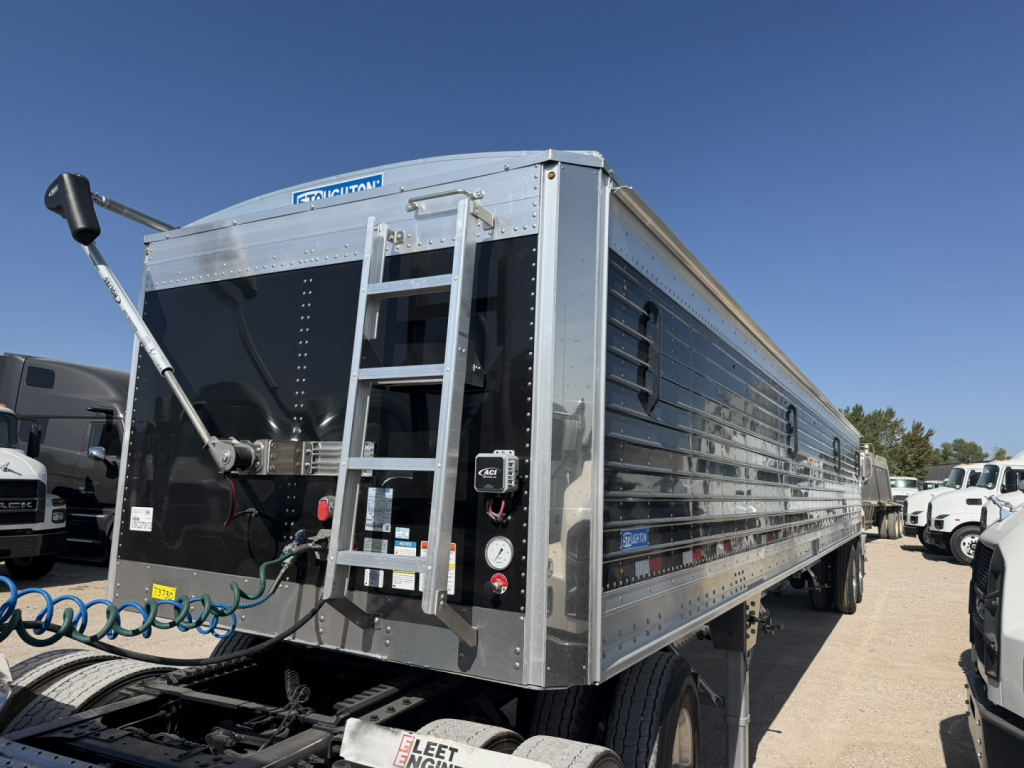
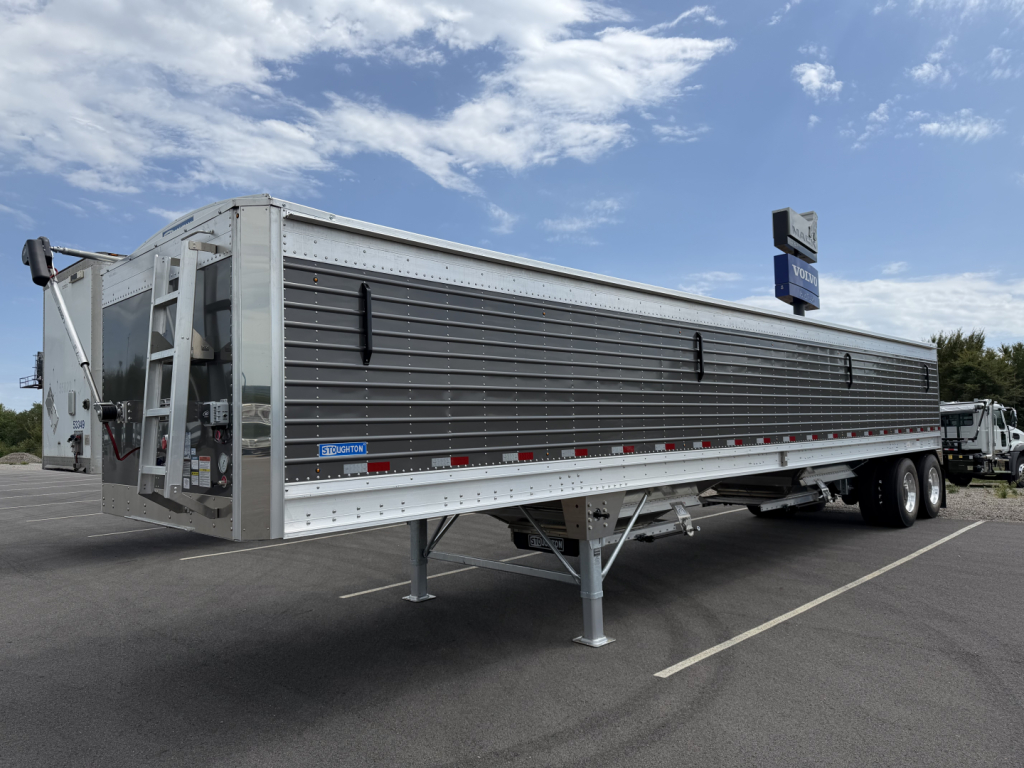
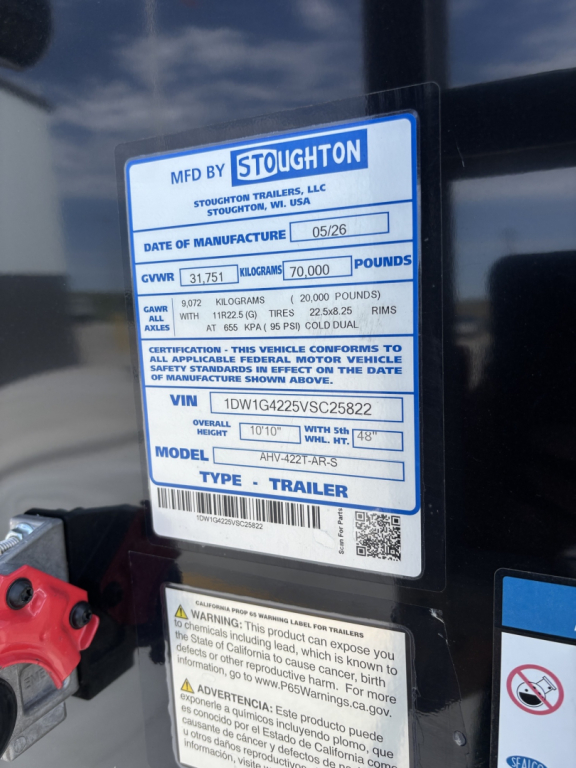
Selling a new 2027 stoughton hopper trailer? List your new 2027 stoughton hopper trailer for sale and reach thousands of commercial buyers.
New 2027 Stoughton Hopper Trailers
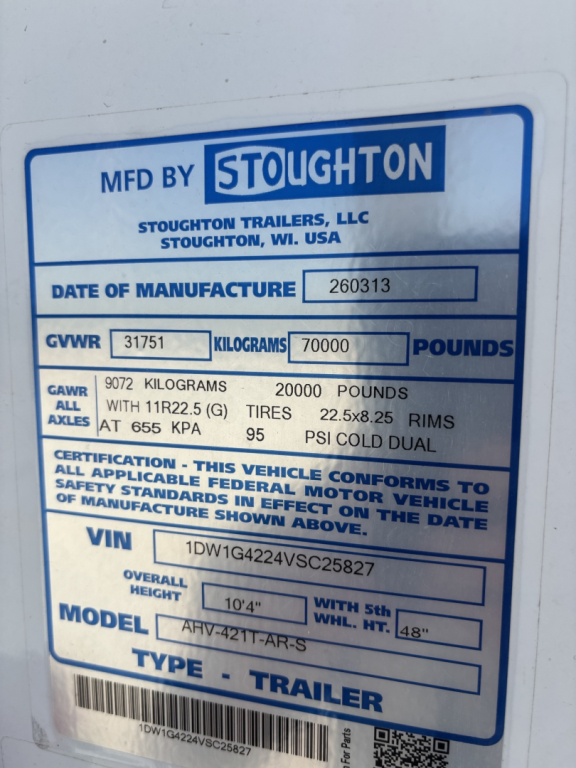
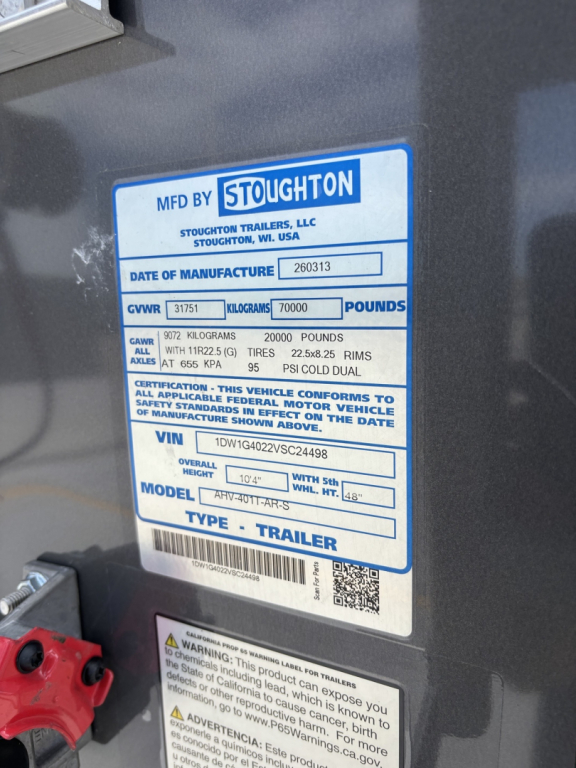
A lot of the decision comes down to matching trailer volume to your lanes and commodities. A 40-foot or 42-foot grain hopper with 68-inch or 74-inch sides is a strong fit for corn, soybeans, wheat, and other farm loads where you need a balance of capacity and manageable overall height. Taller 80-inch side trailers push cubic capacity higher, but buyers should confirm elevator clearance, auger setups, and route restrictions before stepping up in side height. Typical specs in this class include tandem axles, a 49-inch axle spread, air ride suspension, drum brakes, 11R22.5 tires, 2S1M ABS, and 20-inch kingpin settings. Fifth wheel height, trap opening dimensions, and ground clearance also matter if the trailer will cycle through different pits, scales, and unload facilities.
Stoughton hopper trailers are also known for practical agricultural details that affect daily use more than brochure numbers do. Electric tarp systems with remote operation save time in the field and at the elevator. Front and rear ladders, catwalk access, removable inner liners, anti-spray splash guards, LED light packages, and security-ring lighting setups all add value for operators running early mornings, harvest traffic, or poor-weather lanes. Manual two-stage trapdoors remain common because they are simple, durable, and easy to service. If fertilizer or more abrasive materials are part of the mix, pay close attention to liner condition, trap seal design, rear wall material, and corrosion protection around the subframe, landing gear, and hardware.
For buyers comparing new Stoughton hoppers, the main question is not just how many bushels the trailer holds. It is how well the trailer's tare weight, structure, unload setup, and overall height fit the work. A lighter aluminum grain hopper can improve legal payload and fuel efficiency, but structural details like post spacing, panel thickness, corner reinforcement, and suspension configuration still determine long-term durability. If the trailer will stay in regional grain service, a straightforward spec with air ride, manual traps, and an electric tarp often makes the most sense. If it will cover high-mileage lanes or mixed seasonal commodities, features like tire inflation systems, upgraded lighting, and carefully chosen sidewall and liner specs can pay back over time in uptime and lower maintenance.
Frequently Asked Questions about New 2027 Stoughton Hopper Trailers
What size Stoughton hopper trailer is best for grain hauling?
The best size depends on your commodity, legal payload targets, and unload locations. Many buyers settle on 40-foot to 42-foot Stoughton grain hoppers because they offer a strong balance of bushel capacity, low tare weight, and manageable overall height. A 68-inch or 74-inch side trailer is common for corn, beans, and wheat, while an 80-inch side trailer increases cubic volume for lighter commodities or lanes where extra height is not a problem.
Are Stoughton hopper trailers aluminum or steel?
Most Stoughton ag hoppers in this category use aluminum bodies to reduce empty weight and improve corrosion resistance, with steel or galvanized steel used in key structural areas such as the subframe and landing gear. Stainless steel is also commonly used on rear wall sections, corners, or high-wear components. This mixed-material design helps preserve payload while improving durability in agricultural service.
What should I look for in a new hopper trailer besides bushel capacity?
Capacity is only one part of the buying decision. Buyers should also check overall height, empty weight, sidewall construction, post spacing, kingpin setting, suspension type, trapdoor size, ground clearance, and tarp system. Those specs affect legal payload, ease of unloading, compatibility with your tractors, and how well the trailer fits the elevators, pits, and routes you run every day.
Are manual trapdoors still a good choice on grain hopper trailers?
Yes. Manual two-stage trapdoors are still widely used because they are simple, reliable, and easier to maintain than more complex systems. They work well for many grain operations where dependable operation and low service cost matter more than automation. The key is to evaluate trap opening size, seal condition, and how the door design handles the specific commodities you plan to haul.
How important is suspension choice on a hopper trailer?
Suspension choice has a direct effect on ride quality, trailer stability, and long-term maintenance. Air ride suspension is common on new Stoughton hopper trailers because it helps protect the trailer structure and commodity while improving ride over uneven rural roads and highway miles. It is a strong fit for grain hauling where load protection, axle compliance, and driver comfort all matter.