
New Stoughton Hopper Trailers For Sale
Shop new Stoughton hopper trailers built for grain and bulk commodity hauling, with lightweight specs, durable construction, and ag-focused options.
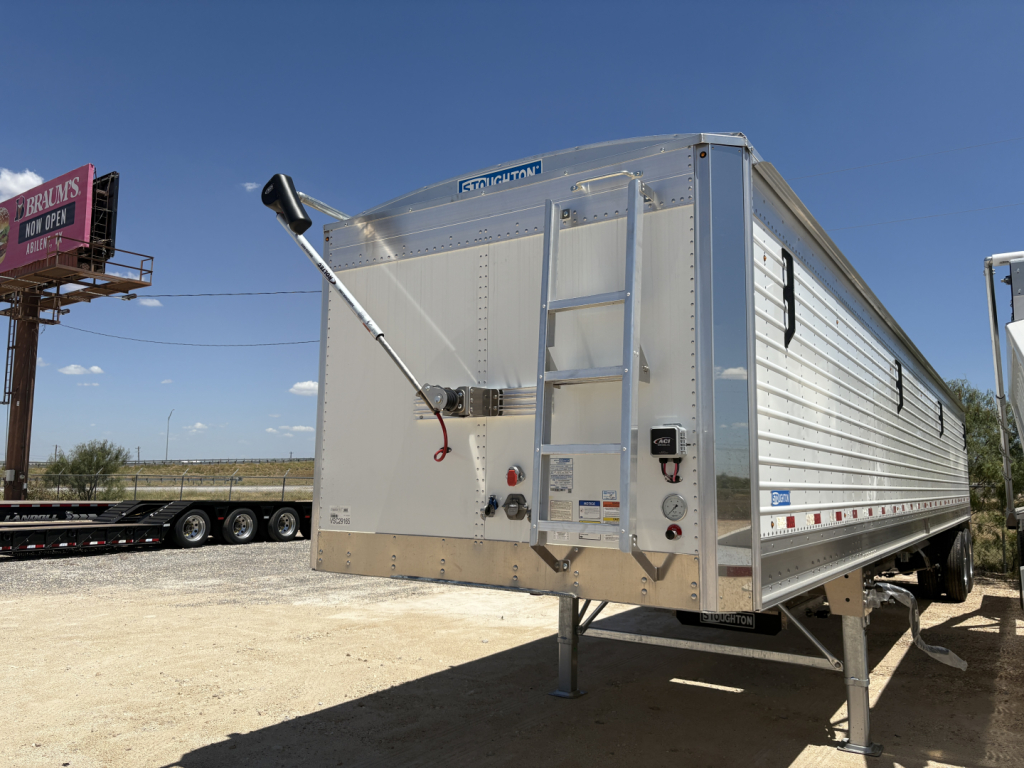
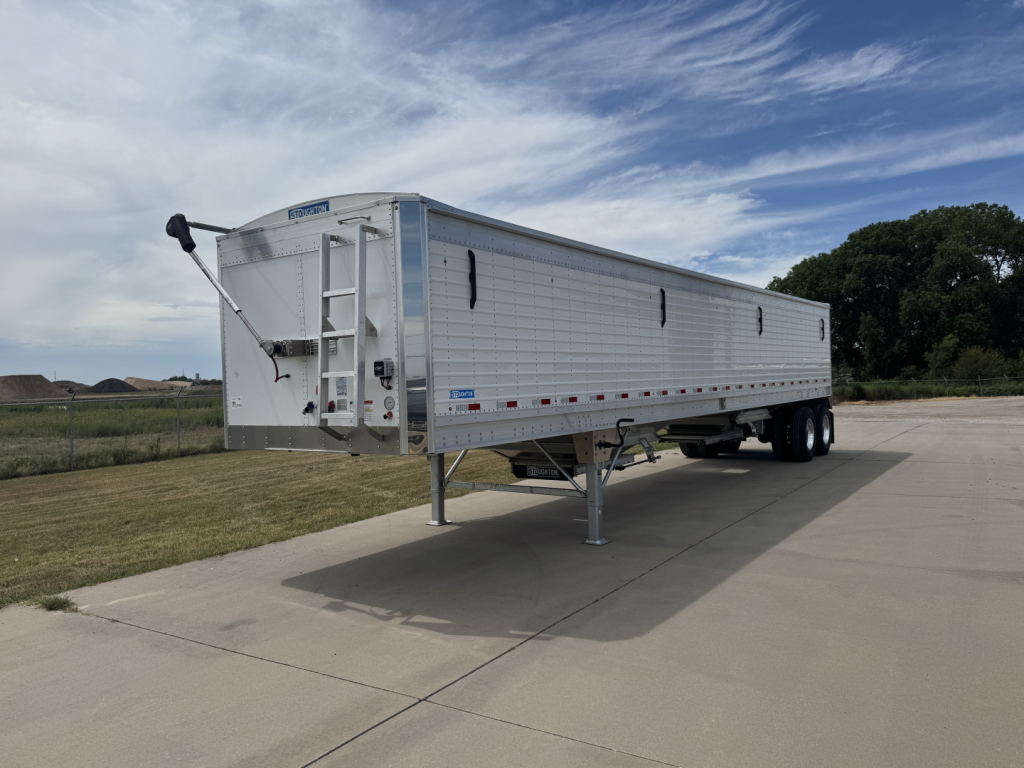
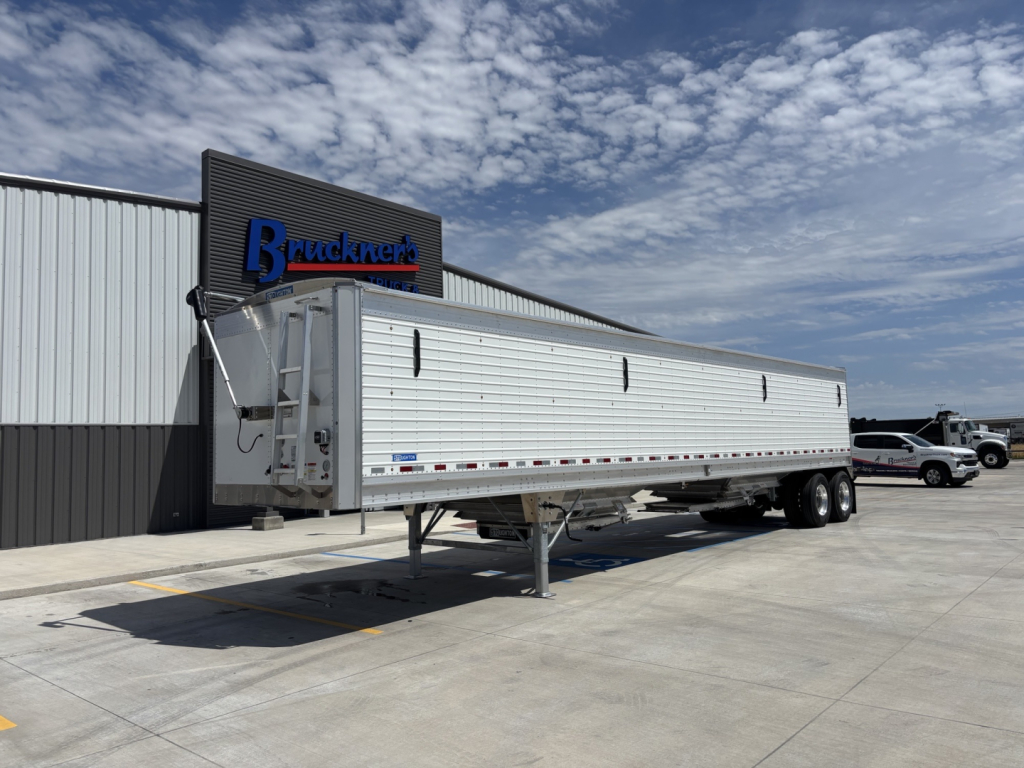
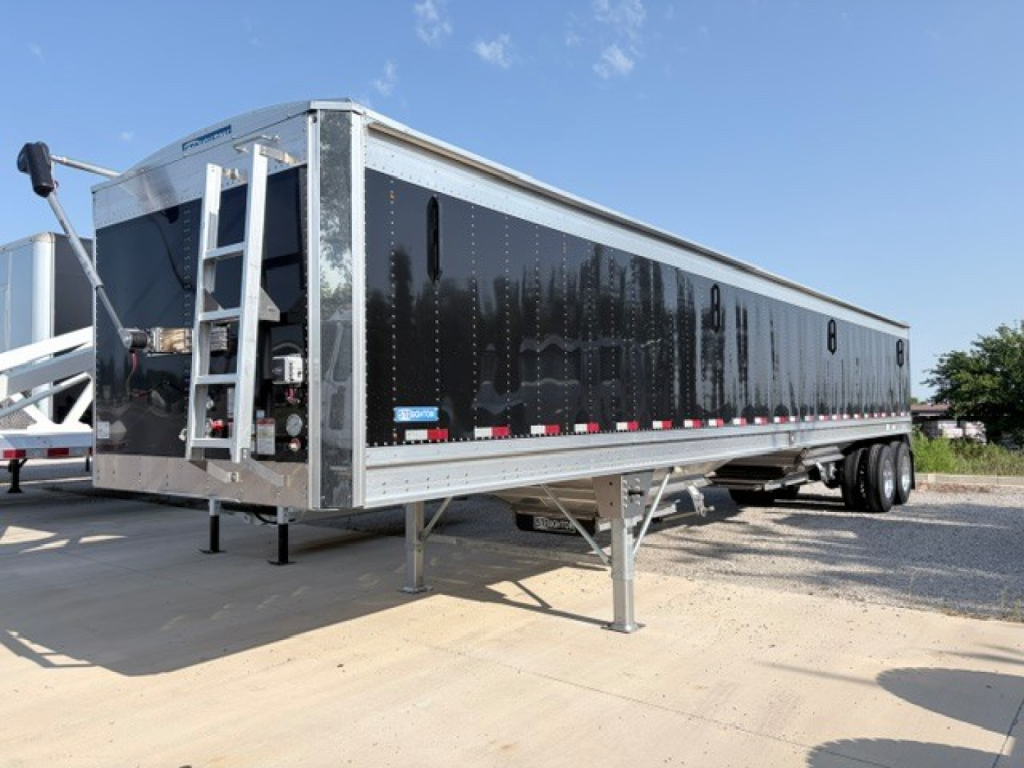
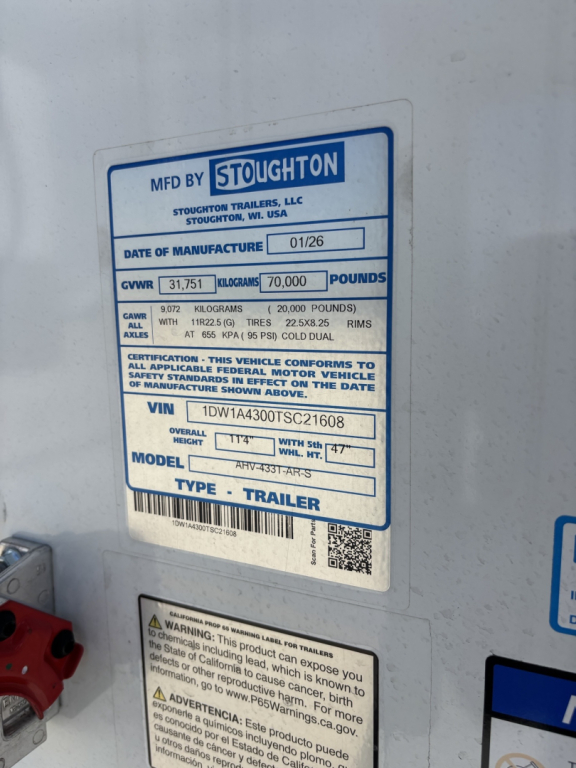
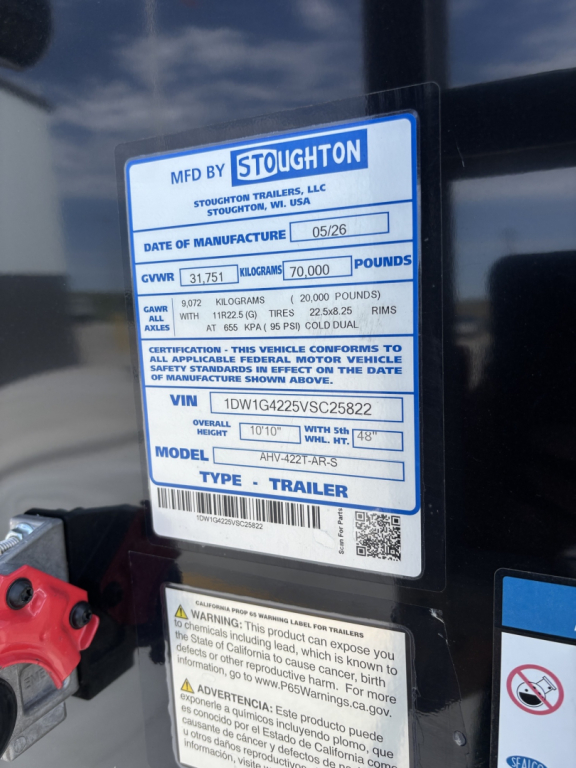
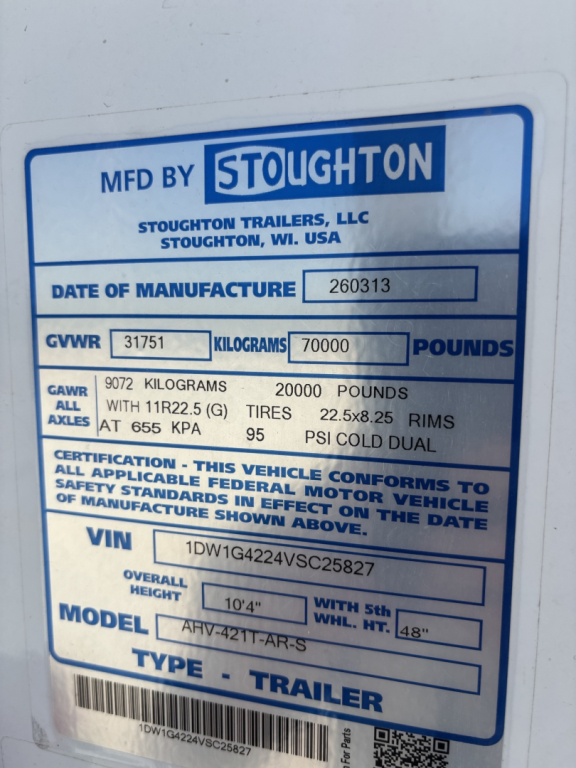
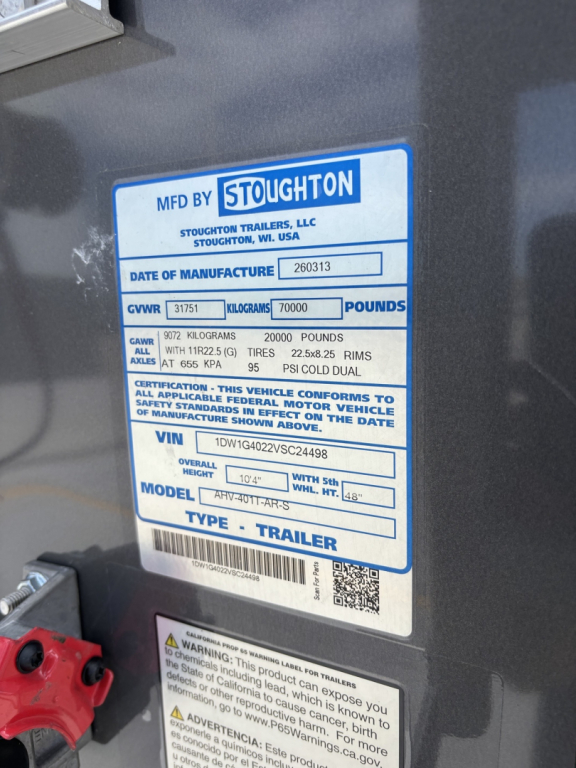
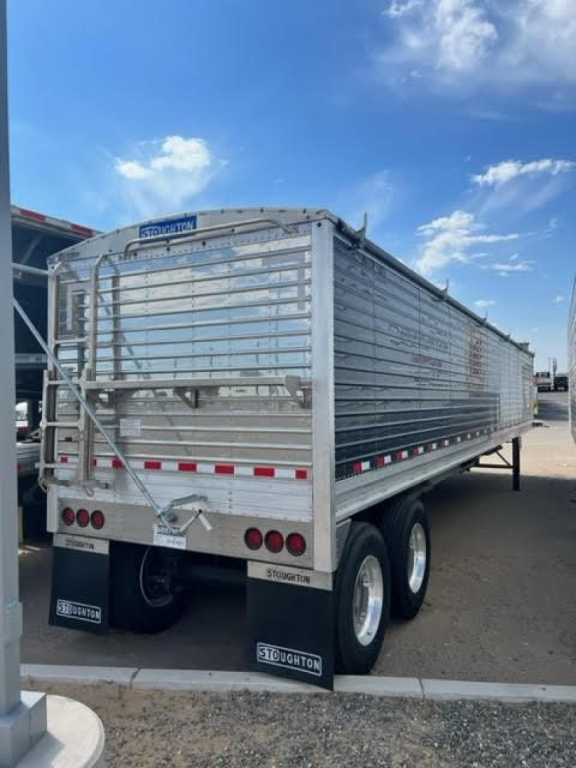
Selling a new stoughton hopper trailer? List your new stoughton hopper trailer for sale and reach thousands of commercial buyers.
New Stoughton Hopper Trailers
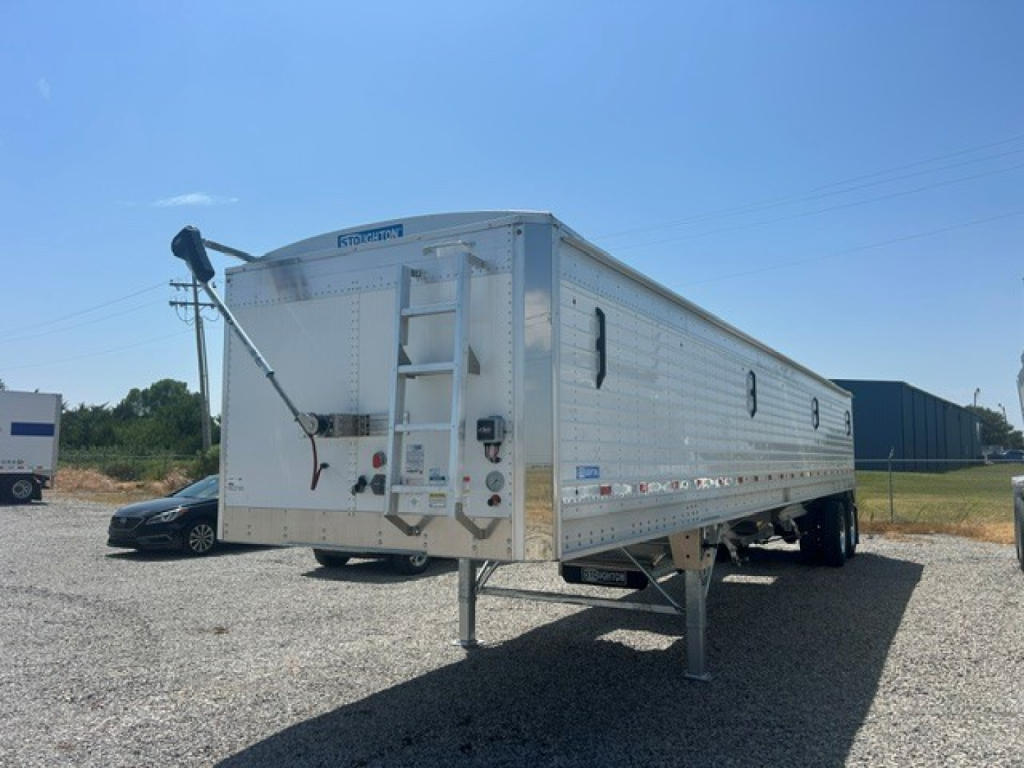
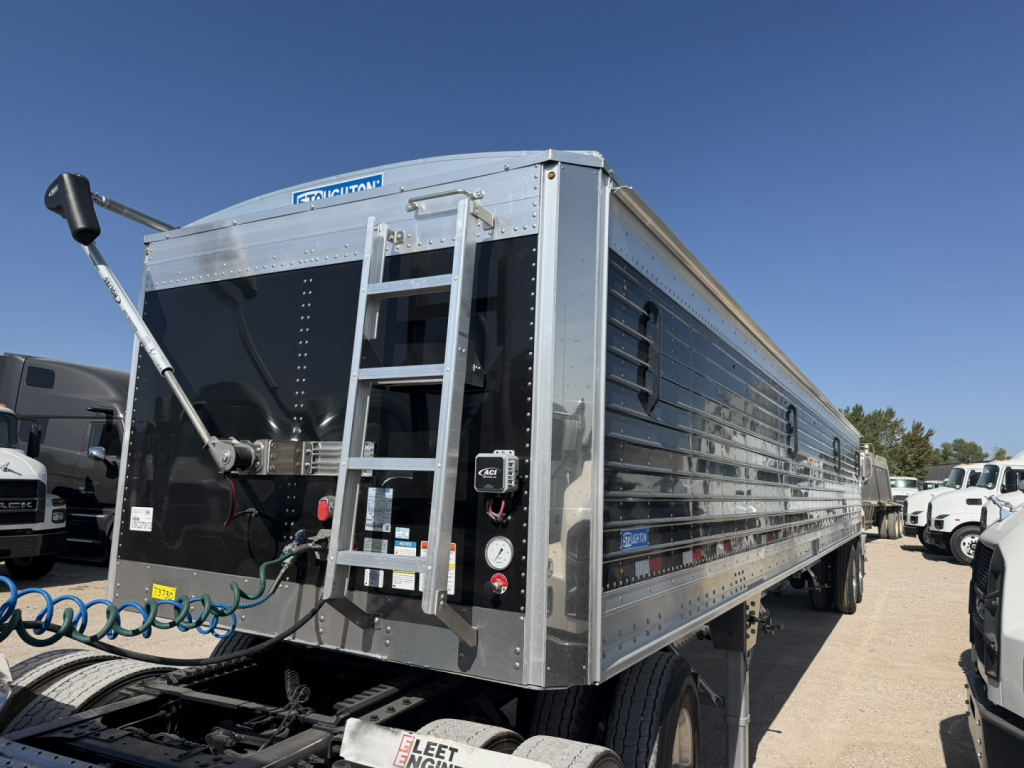
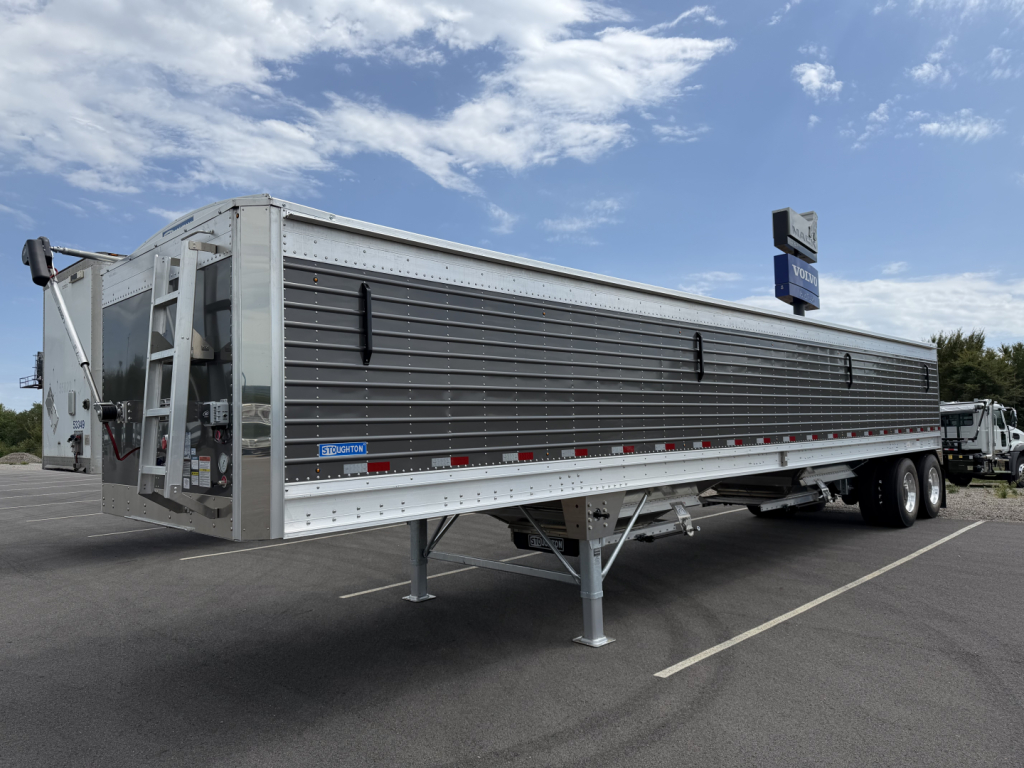
A hopper trailer, also known as a grain hopper or hopper bottom trailer, is designed to move free-flowing commodities such as corn, soybeans, wheat, feed ingredients, fertilizer, and other dry bulk products. The key advantage is gravity discharge through bottom traps, which reduces unloading time compared with dump-style equipment and allows use in tighter facilities. On a new Stoughton hopper, buyers should pay close attention to trap door design, gate actuation, ground clearance, and the ease of controlling flow at the chute. Those details matter if the trailer will be used across farm bins, elevators, mills, or ingredient plants where discharge precision and cleanout are part of the daily routine.
Construction and running gear are just as important as capacity. Many new Stoughton hopper trailers are spec'd with air ride suspension for better load protection and improved ride quality over rough rural roads. Wheel and tire setups often mix aluminum outer wheels with steel inners to balance appearance, corrosion resistance, and replacement cost. LED lighting, load gauges, dump valves, and practical access equipment are worth comparing because they affect everyday usability more than brochure numbers do. Sidewall height, panel design, and material thickness also deserve a close look, especially for fleets hauling dense commodities one day and lighter-volume products the next.
For buyers comparing new Stoughton hopper trailers, the real question is how the trailer fits the lane, commodity, and unloading environment. A 42-foot ag hopper with 74-inch sides may be a strong fit for grain routes that need cubic capacity without giving up maneuverability. Closed tandem axle placement can influence bridge compliance and weight distribution, while tarp style and ladder layout affect driver efficiency during harvest and shuttle work. Stoughton has long been a recognized name in trailer manufacturing, and in the hopper category the value is usually found in a clean, practical spec that delivers low empty weight, dependable trap performance, and straightforward serviceability over years of seasonal use.
Frequently Asked Questions about New Stoughton Hopper Trailers
What are new Stoughton hopper trailers typically used for?
New Stoughton hopper trailers are typically used for hauling grain and other free-flowing dry bulk commodities such as corn, soybeans, wheat, feed, and some fertilizer products. Their hopper bottom design allows gravity unloading through bottom traps, which makes them well suited for farm, elevator, mill, and processing plant operations where fast discharge and consistent flow control are important.
What size and configuration should I look for in a Stoughton grain hopper?
The right size depends on commodity density, legal weight limits, and where the trailer will operate. Many buyers focus on 40-foot to 42-foot tandem axle trailers because they offer a practical balance of cubic capacity, maneuverability, and axle compliance. Side height, trap layout, and axle spacing all affect payload and usability, so the best configuration is the one that matches the typical load and the unloading sites on the route.
Why do many buyers choose air ride on a hopper trailer?
Air ride suspension is popular on hopper trailers because it improves ride quality and helps reduce shock to the trailer structure and the commodity being hauled. It can also help with driver comfort and trailer stability on uneven roads commonly found in agricultural service. For operations that run mixed road conditions and seasonal lanes, air ride is often viewed as a strong long-term value.
What features matter most on a new hopper trailer for grain work?
The most important features are usually low empty weight, durable aluminum construction, reliable trap doors, a well-designed tarp system, and practical access points like ladders and catwalks. Buyers also pay close attention to lighting, wheel configuration, stainless wear areas, and options such as load gauges or dump valves. These details affect daily loading, unloading, maintenance, and long-term durability more than a simple capacity number.
How is a hopper trailer different from a dump trailer for bulk commodities?
A hopper trailer unloads by gravity through bottom gates, while a dump trailer raises the body to discharge material from the rear. For grain and similar products, a hopper trailer is often faster and more controlled at fixed unload points and does not require overhead clearance for a raised body. That makes hopper trailers a strong choice for many agricultural and dry bulk applications where clean, efficient unloading is the priority.