
New Stoughton Hopper Trailers For Sale in Oklahoma

Have new stoughton hopper trailer to sell? List it here to reach thousands of buyers.
New Stoughton Hopper Trailers in Oklahoma
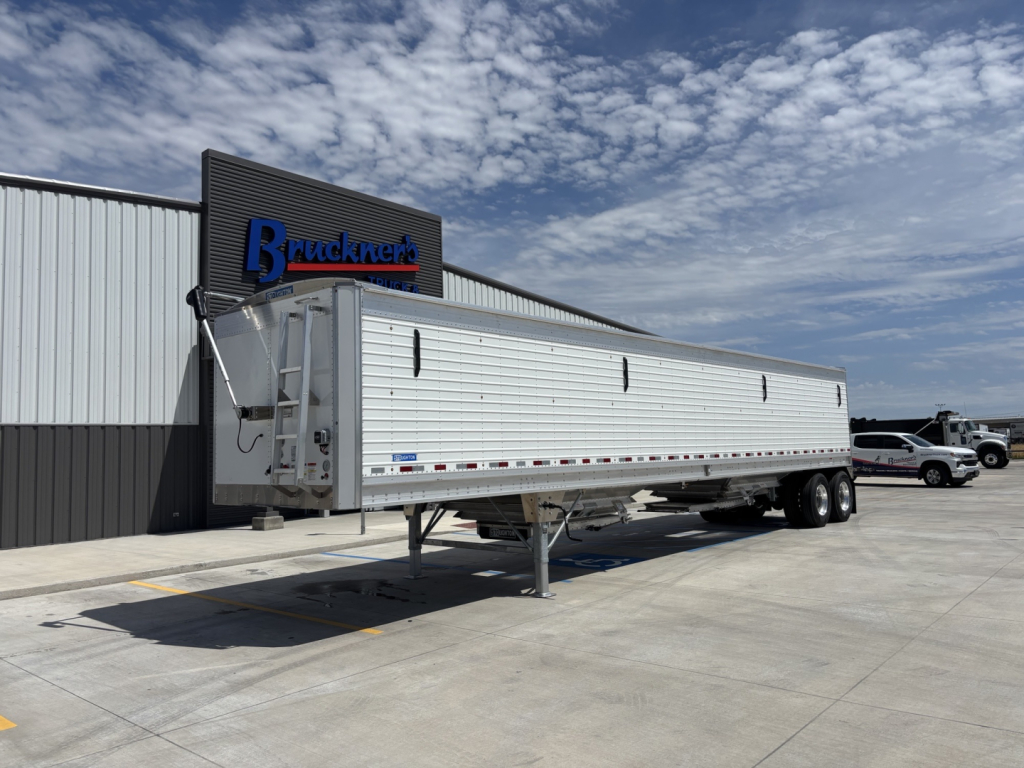
Capacity is only part of the buying decision. Sidewall height, overall trailer height, empty weight, and trapdoor opening size all affect how the trailer performs in real use. A 40-foot hopper with 68-inch sides can be a good fit when route flexibility and lower overall height matter, while 42-foot and 43-foot models with 74-inch to 80-inch corrugated sidewalls give more cube for high-volume grain work. Many Stoughton hopper trailers in this class use .050 aluminum corrugated sidewalls, aluminum front panels, stainless rear wall components, and galvanized steel subframes and landing gear. That combination gives buyers a balance of lighter weight, structural durability, and resistance to corrosion in agricultural service.
Discharge and unloading details deserve close attention. Two-stage manual trapdoors remain a common choice because they are simple, durable, and easy to service. Trap opening dimensions, ground clearance, and liner design can make a real difference at the pit or auger. Removable inner liners help with cleanup and can reduce hang-up when switching between products. Buyers should also compare 5th wheel height, kingpin setting, and axle spread to make sure the trailer matches the tractor and stays compliant on bridge law and state weight distribution requirements. In Oklahoma, where trailers may see a mix of highway miles, farm access roads, and elevator traffic, practical items like splash guards, ladder placement, and tarp reliability matter more than cosmetic options.
Running gear on new Stoughton hopper trailers typically follows the standard regional grain-haul formula: tandem axle, 49-inch spread, air ride suspension, drum brakes, 2S1M ABS, 11R22.5 tires, and aluminum wheels. Tire inflation systems are a worthwhile feature for fleets trying to control tire cost and reduce roadside downtime. LED lighting with protected housings is another valuable spec for agricultural use, where dust, vibration, and repeated washdowns can shorten component life. A buyer comparing hopper trailers should look beyond bushel rating and focus on empty weight, structural materials, suspension spec, trap function, tarp system, and how well the trailer fits the commodity, route, and unload setup.
Frequently Asked Questions about New Stoughton Hopper Trailers in Oklahoma
What size Stoughton hopper trailer is best for grain hauling?
The right size depends on the commodity, legal payload target, and route. A 40-foot grain hopper is often chosen for lower overall height and a lighter empty weight, while 42-foot and 43-foot Stoughton hopper trailers provide more cubic capacity for corn, wheat, soybeans, and similar commodities. Buyers should compare cubic feet, bushel rating, sidewall height, and trailer tare weight instead of judging by length alone.
Why do many new Stoughton hopper trailers use aluminum bodies with galvanized steel subframes?
This combination is common because it balances payload and durability. Aluminum sidewalls and panels help keep empty weight down and improve corrosion resistance, which is important in grain and fertilizer service. A galvanized steel subframe and landing gear add structural strength in high-stress areas and hold up well against moisture, road spray, and agricultural operating conditions.
What features matter most on a hopper trailer unload system?
Trapdoor design, opening size, ground clearance, and liner configuration are key. A two-stage manual trapdoor is popular because it is straightforward and dependable, but the real performance difference often comes from how cleanly the commodity flows through the opening. Buyers should also consider whether a removable inner liner is needed for easier cleanup and reduced material hang-up between loads.
Are air ride suspension and tire inflation systems worth it on a grain hopper?
For many buyers, yes. Air ride suspension helps protect the trailer structure and can improve ride quality for both trailer and commodity over rough farm approaches and secondary roads. A tire inflation system can reduce irregular wear, improve tire life, and cut downtime caused by underinflation. Those benefits become more noticeable in regional operations with frequent loading cycles and seasonal peaks.
What should Oklahoma buyers check before choosing a hopper trailer spec?
Oklahoma buyers should verify overall height, axle spacing, kingpin setting, and 5th wheel height against their tractors, commodity lanes, and typical unload points. Local work can include elevator traffic, rural access roads, and highway runs, so the best specification is one that balances capacity with maneuverability, bridge compliance, and dependable unloading. Tarp quality, splash protection, ladder access, and durable lighting are also important in daily agricultural service.