
New 2027 Flatbed Trailers For Sale
Shop new 2027 flatbed trailers with aluminum or combo construction, air ride, sliding tandems, coil packages, and securement options.
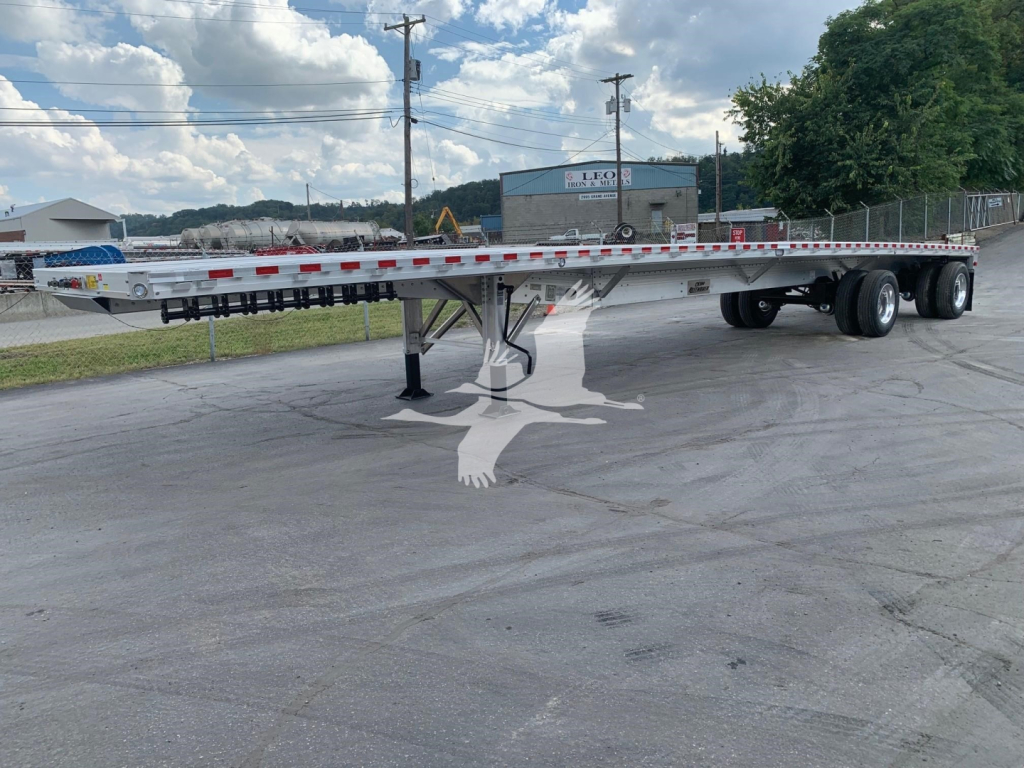
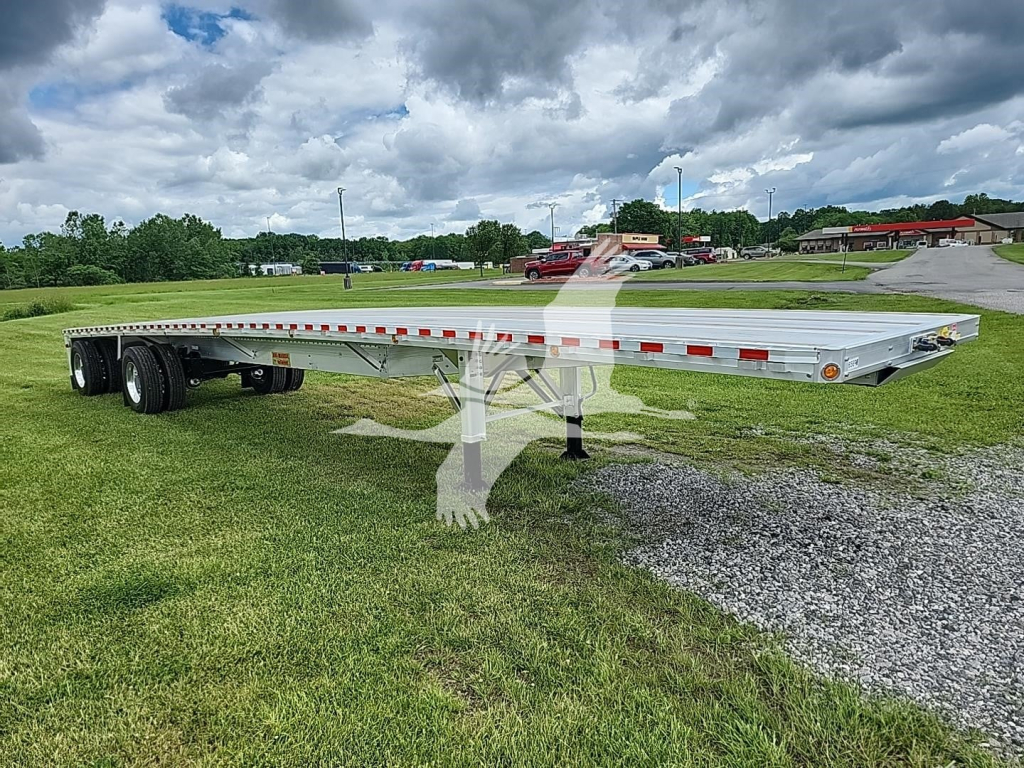
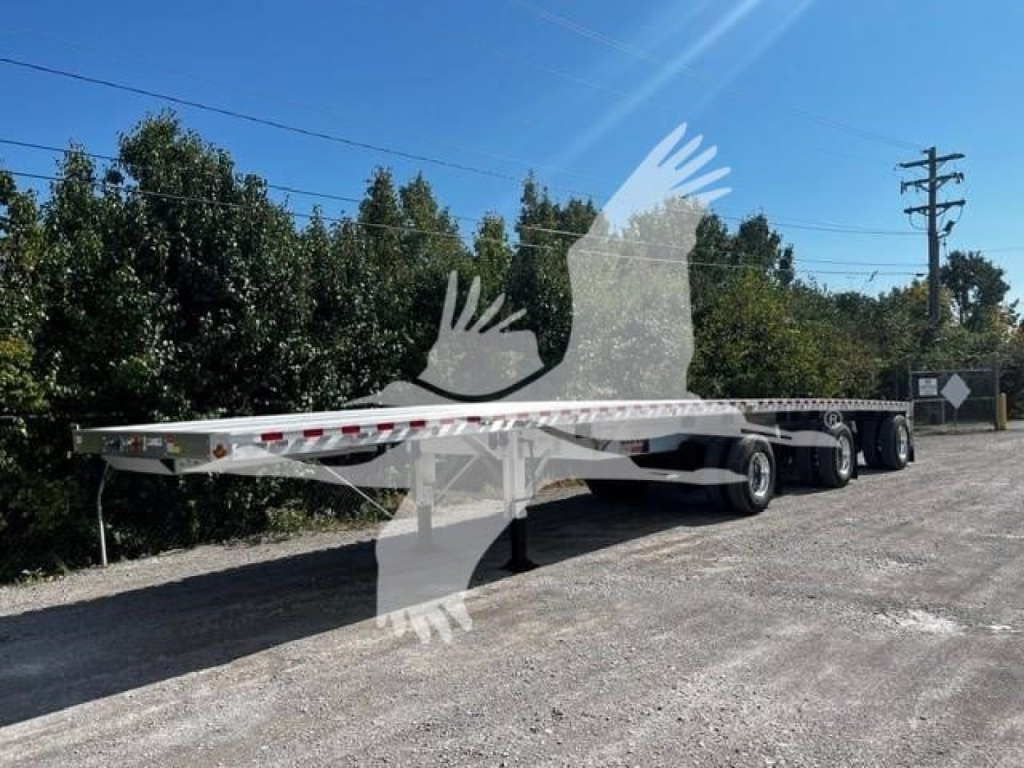
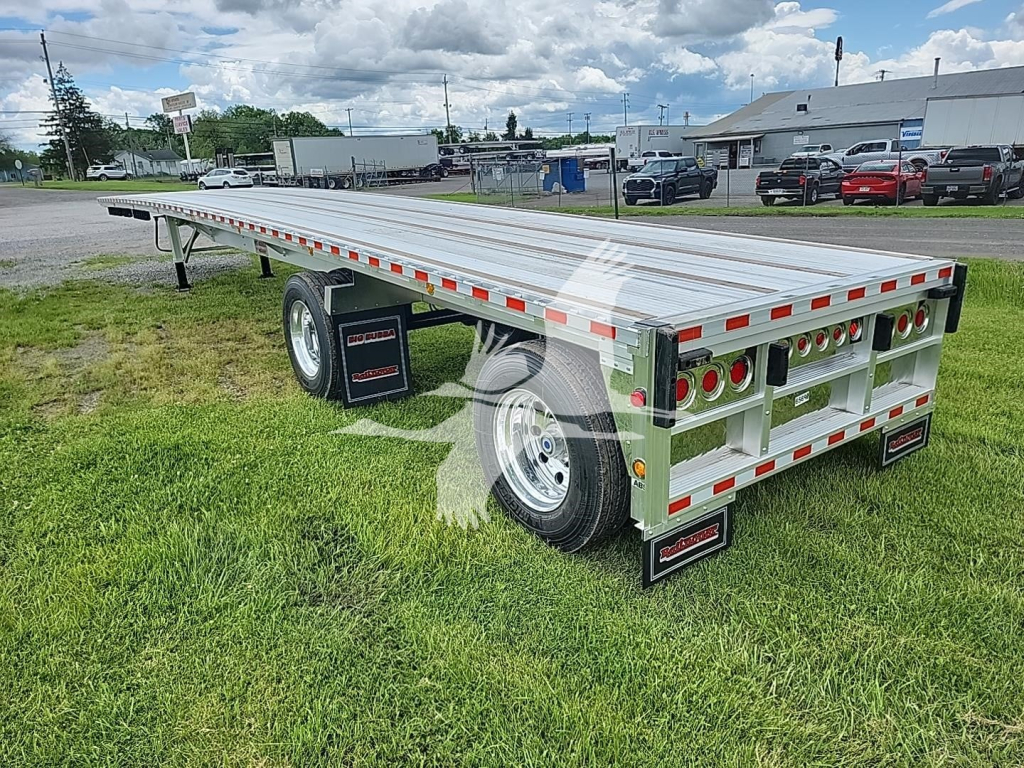
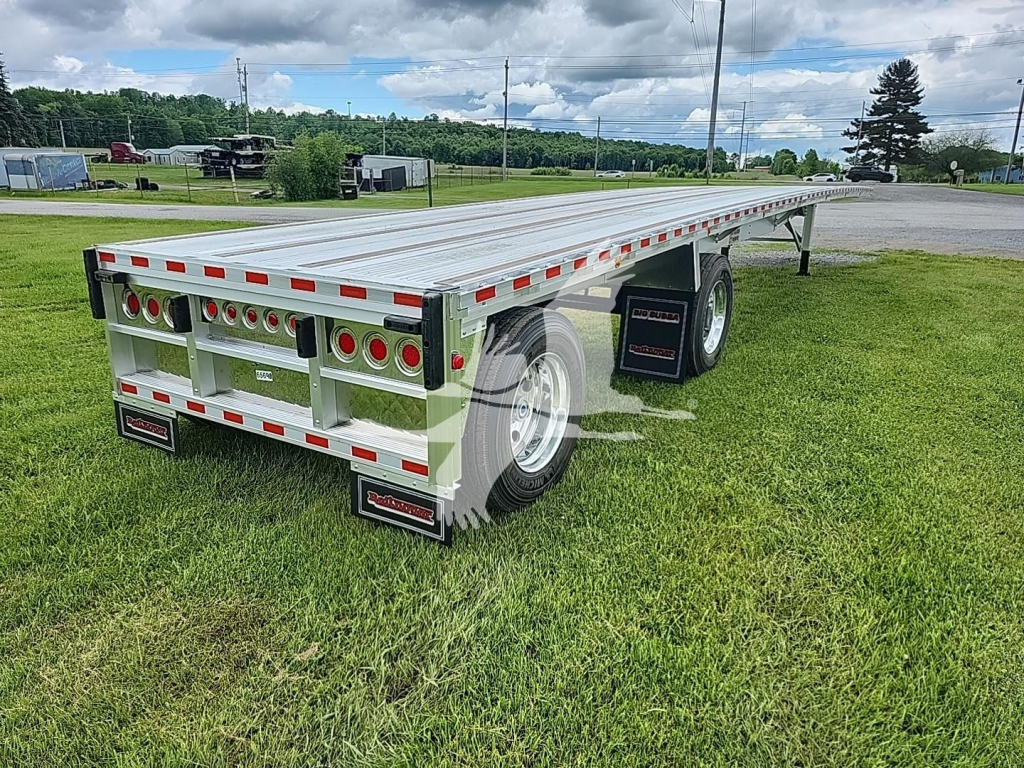

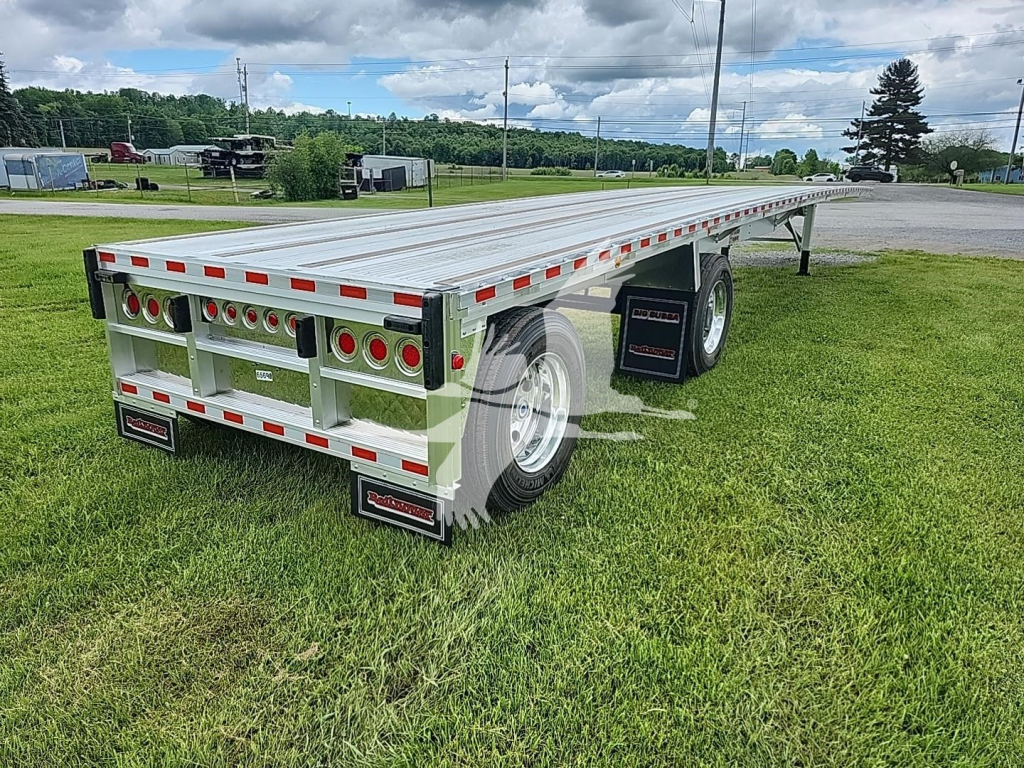
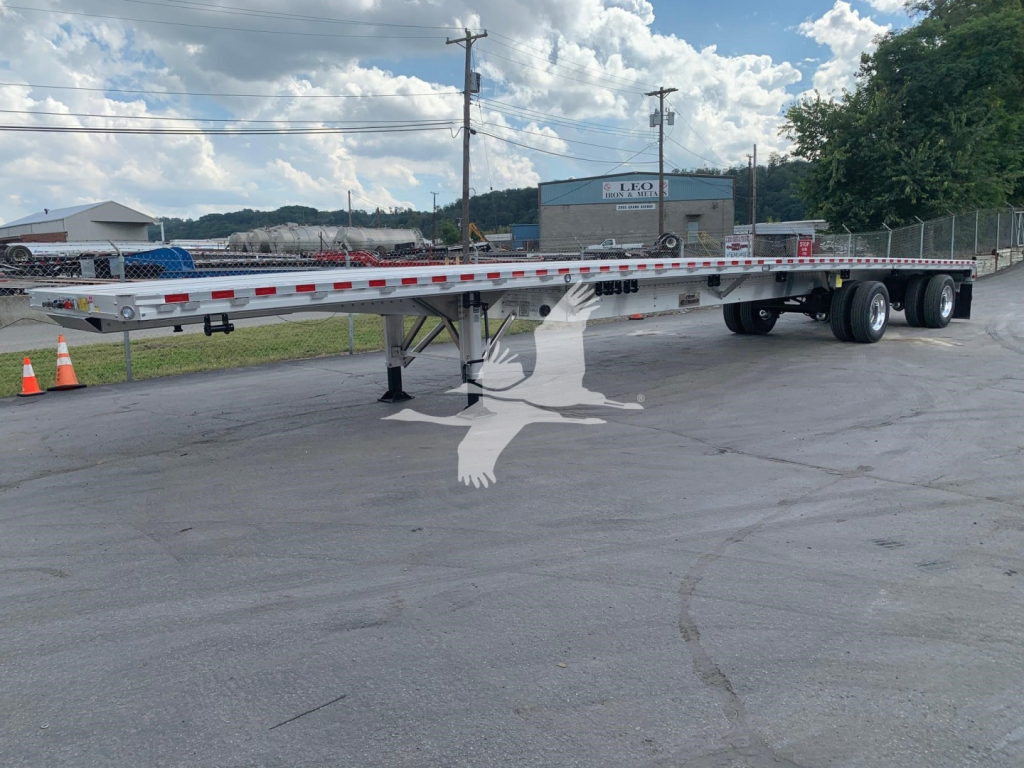
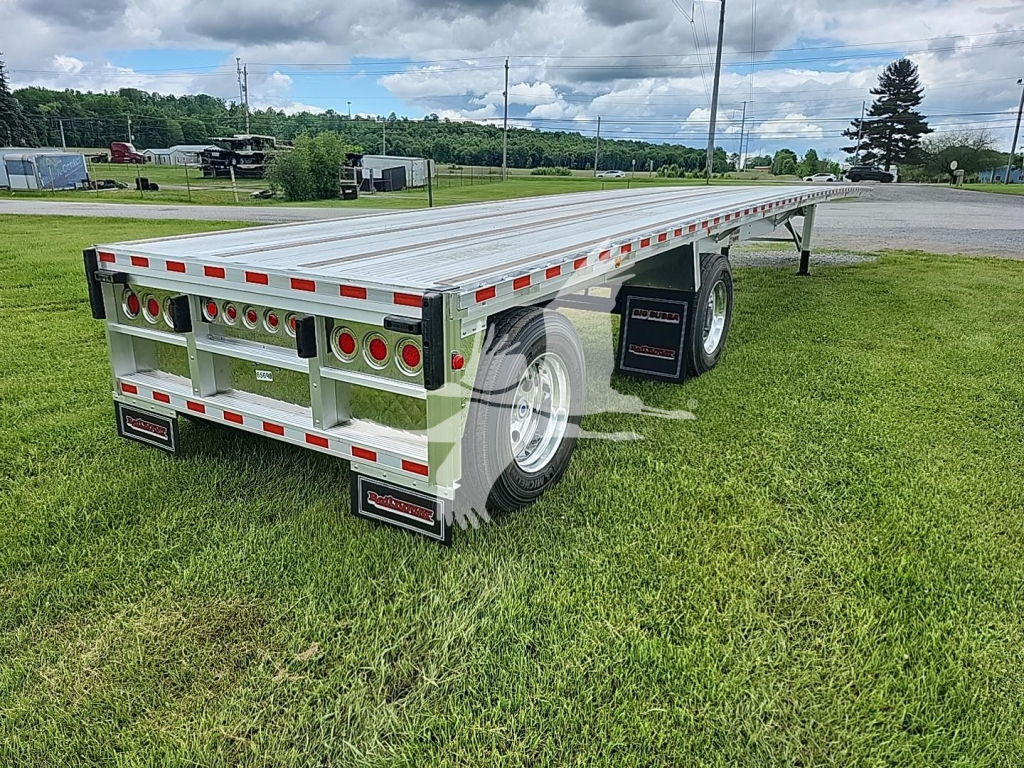
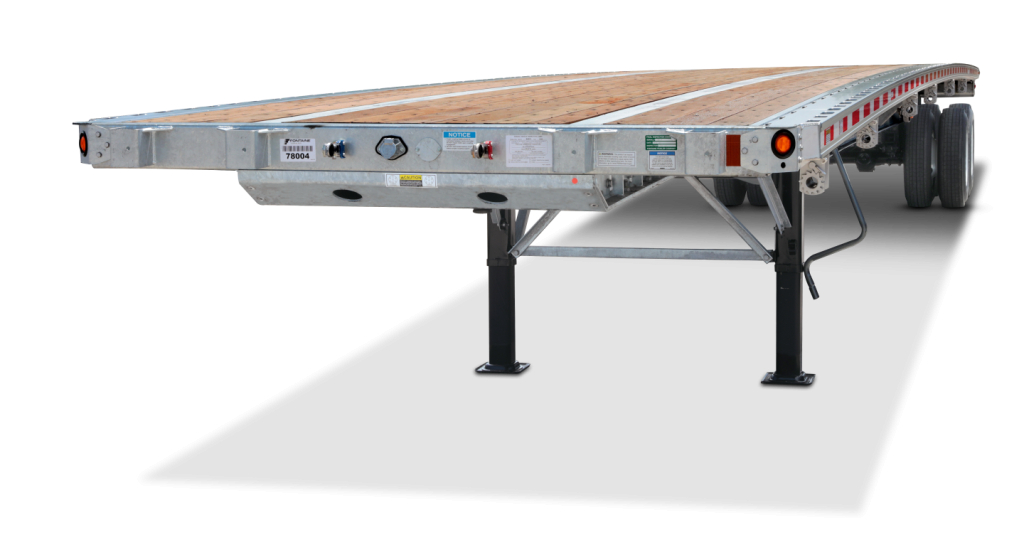
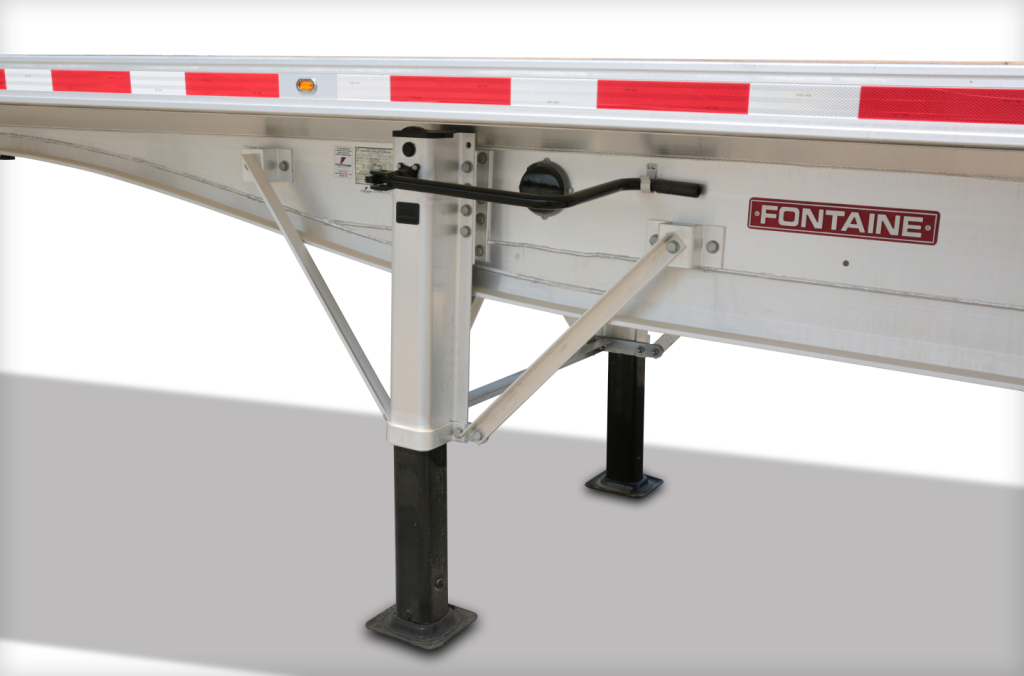
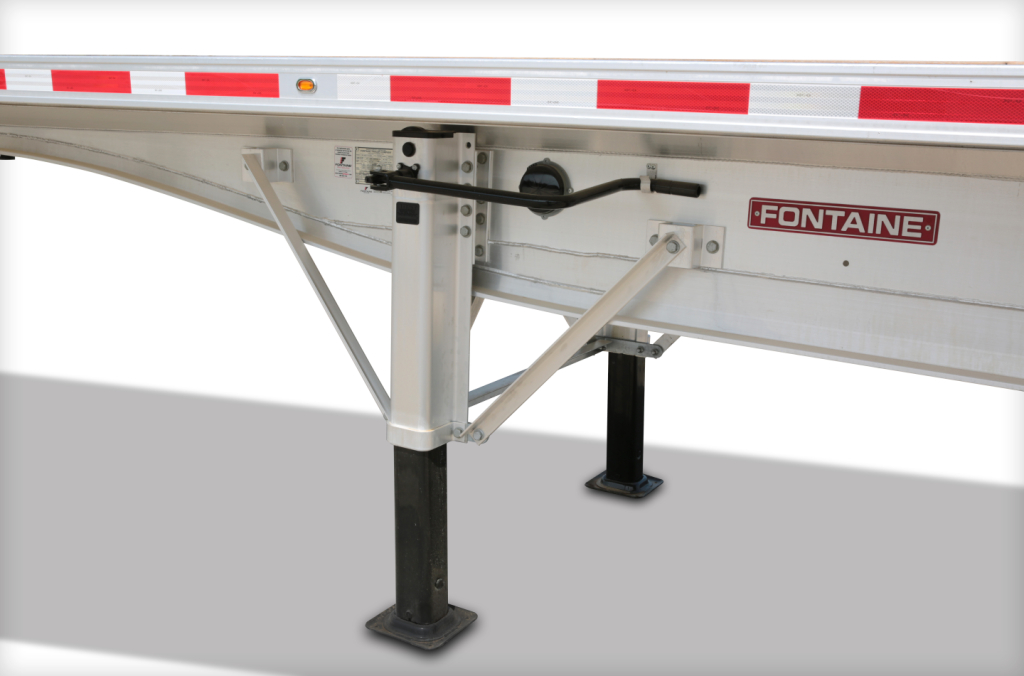
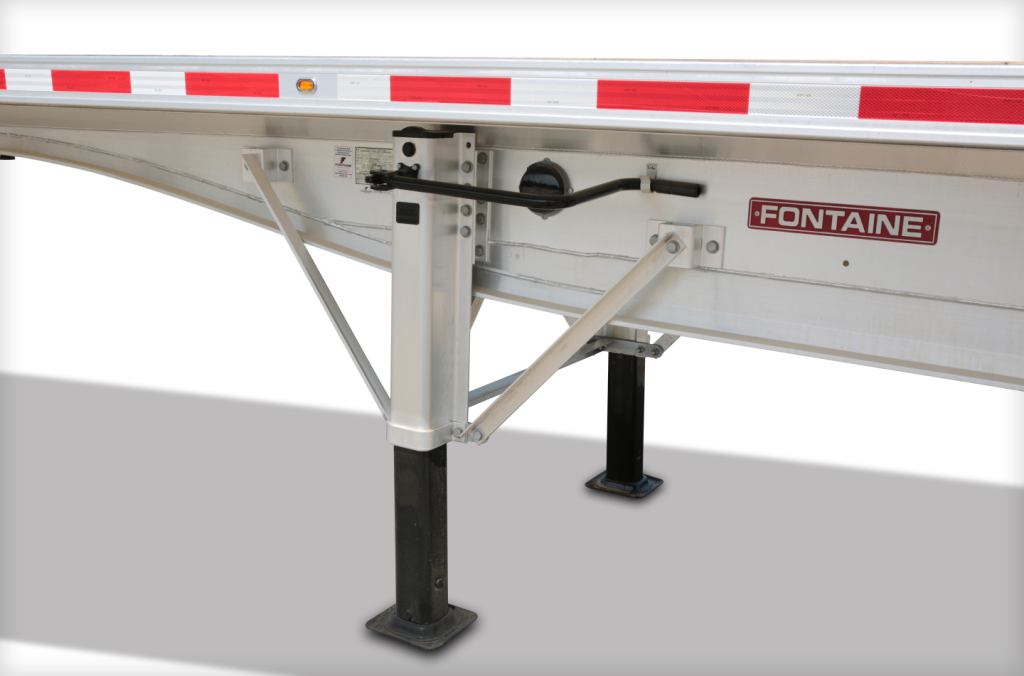
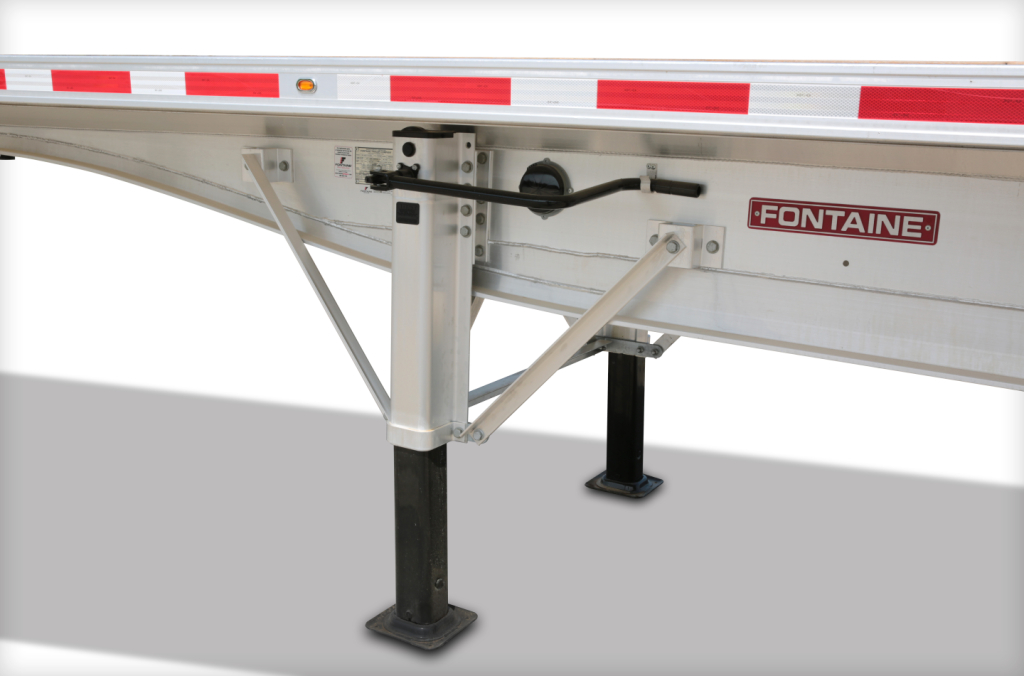
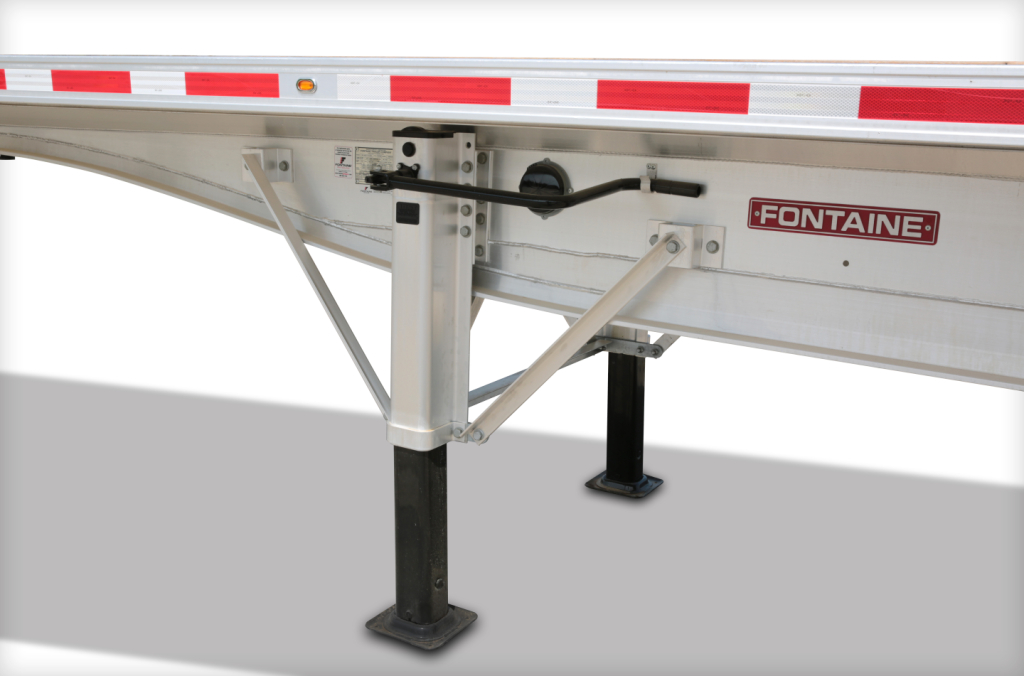
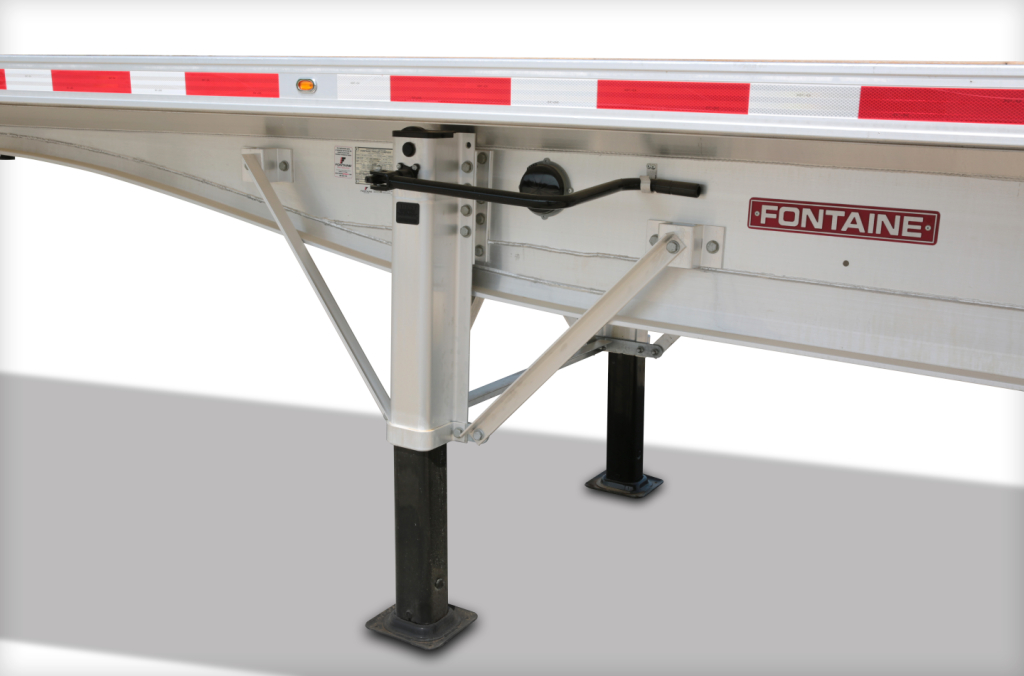
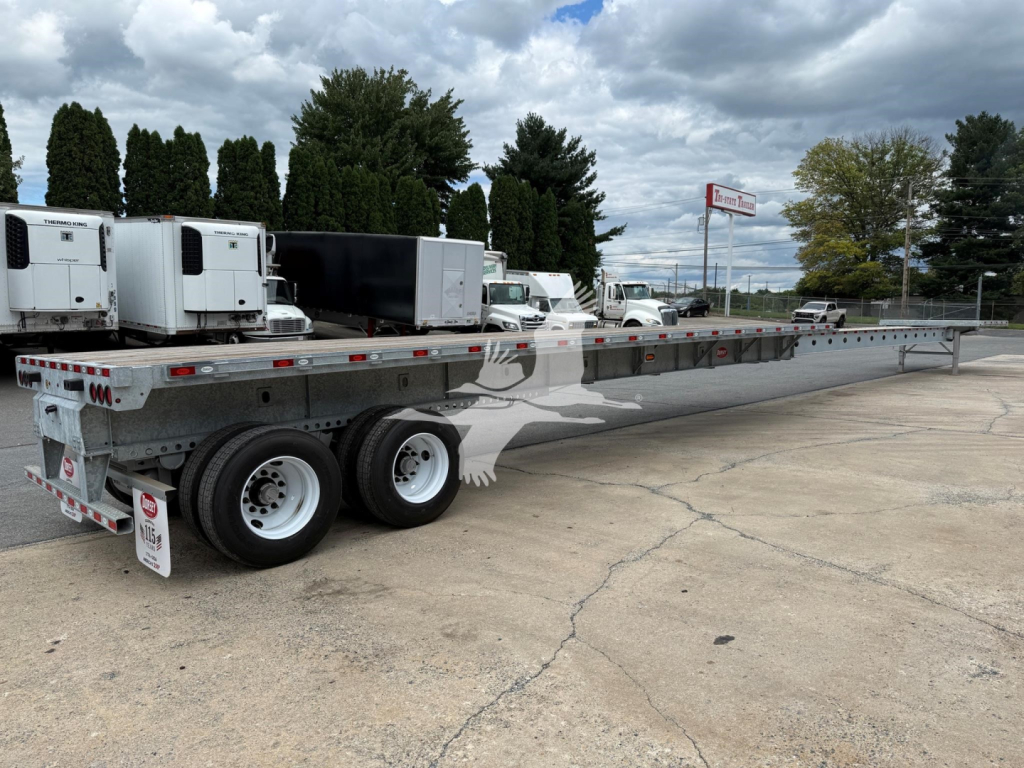
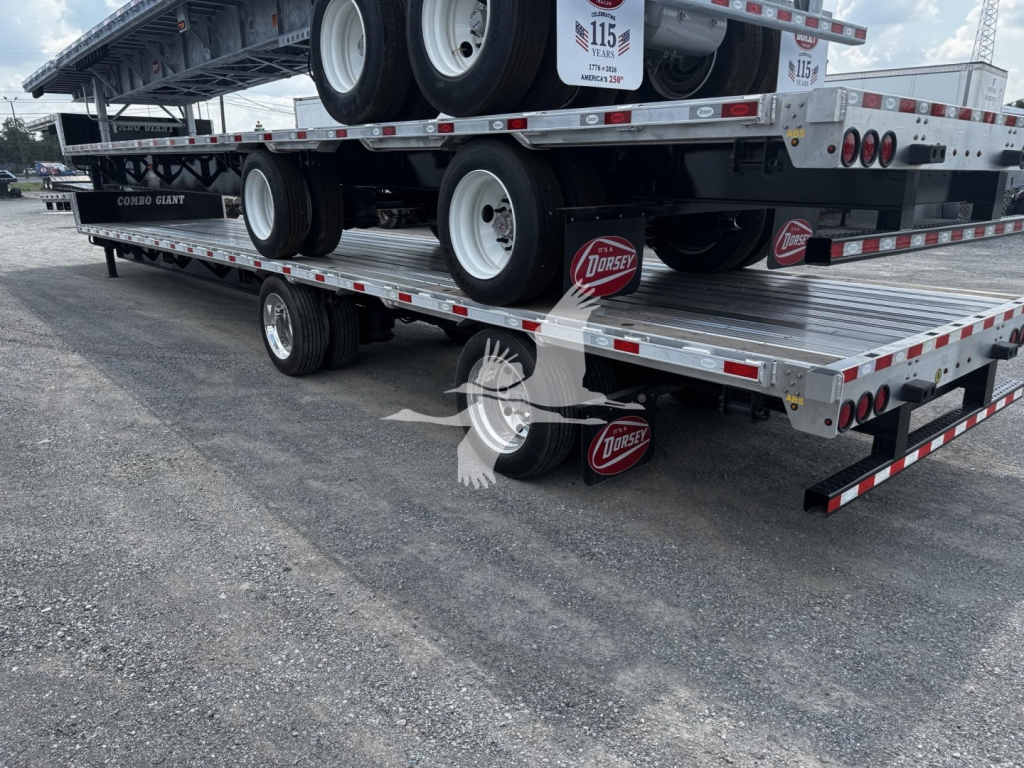
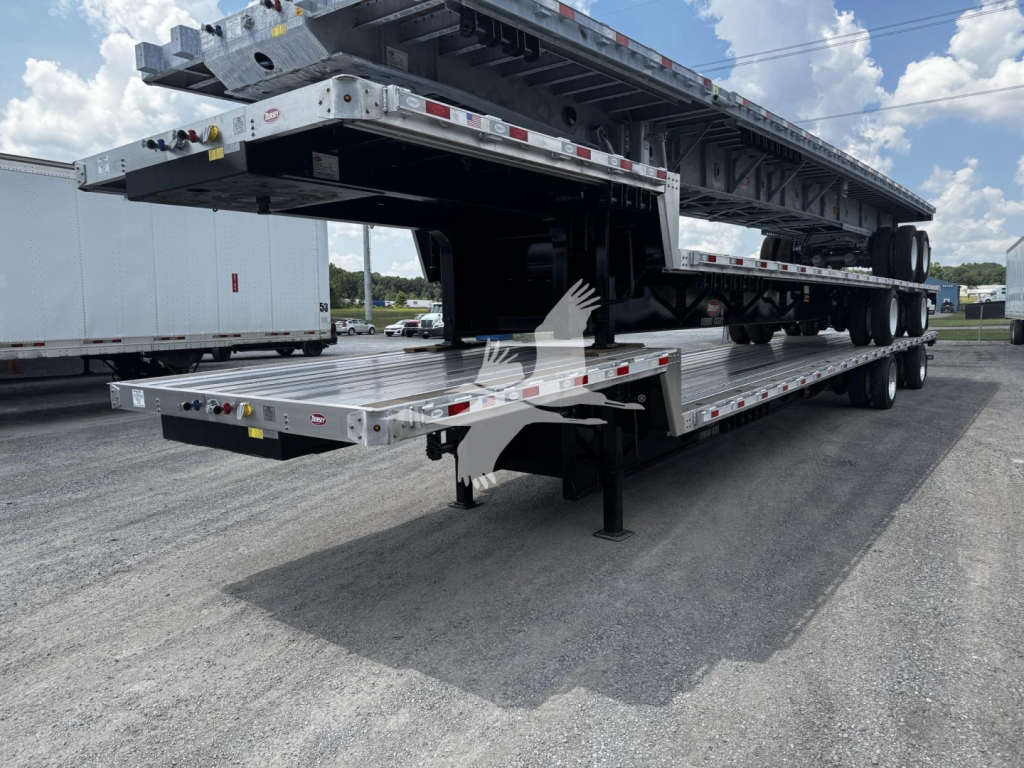
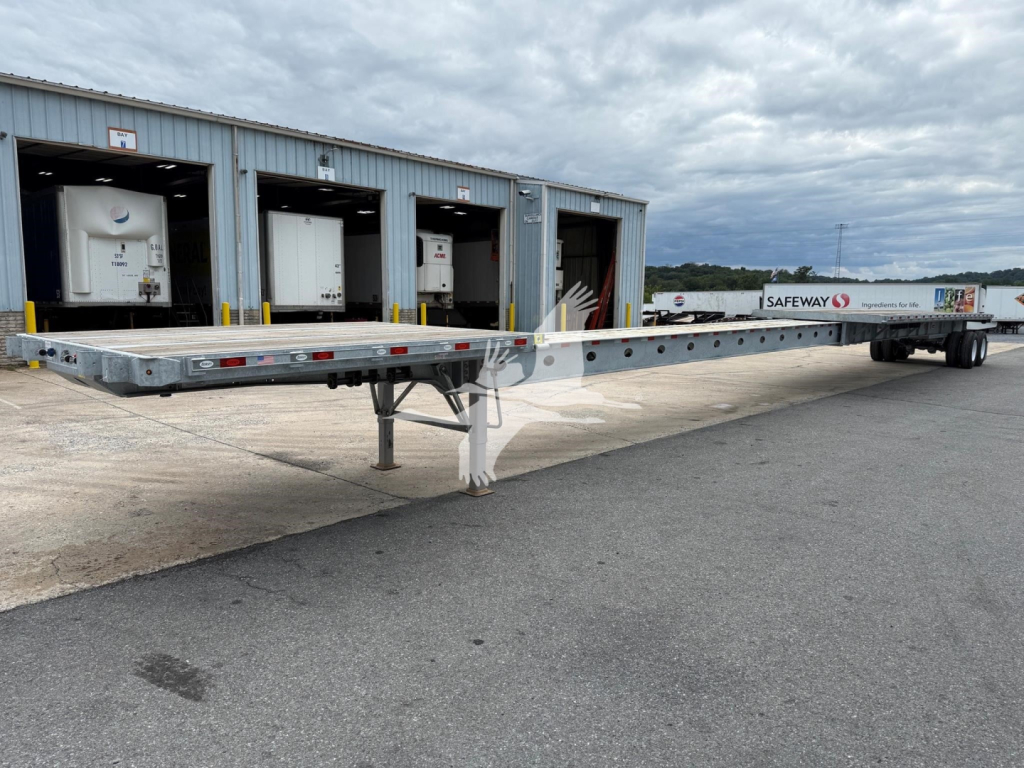
Showing 1 to 28 of 66 results
Selling a new 2027 flatbed trailer? List your new 2027 flatbed trailer for sale and reach thousands of commercial buyers.
New 2027 Flatbed Trailers
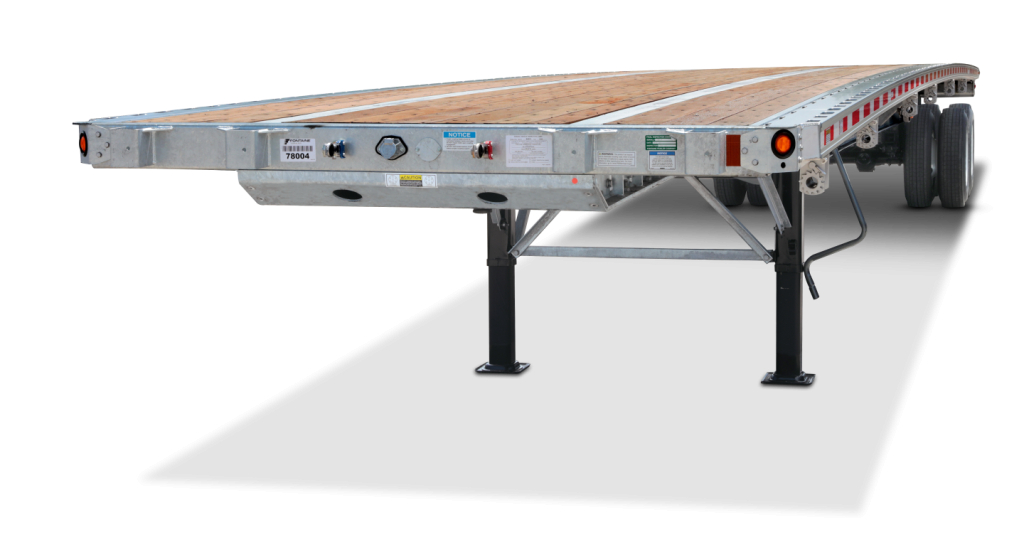
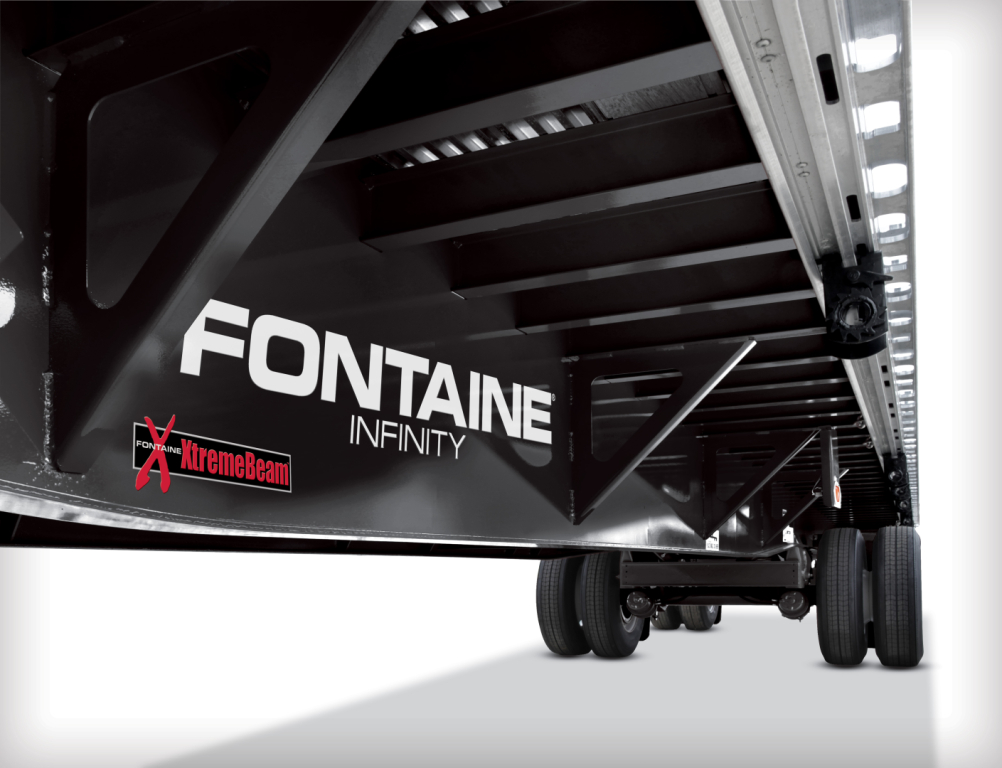
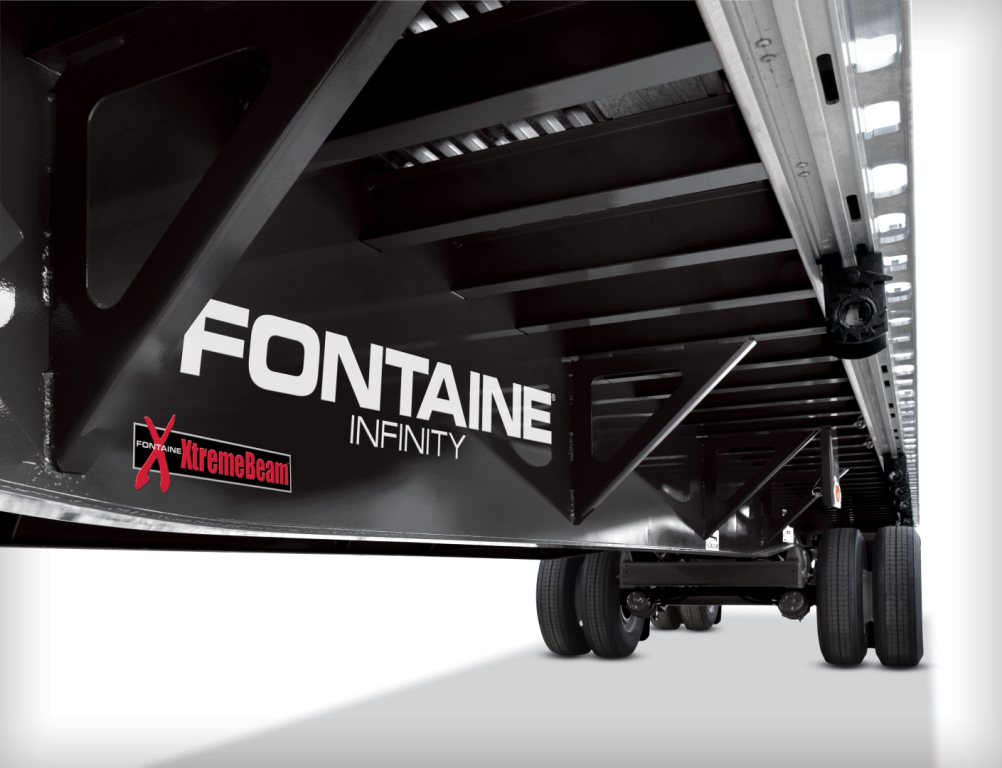
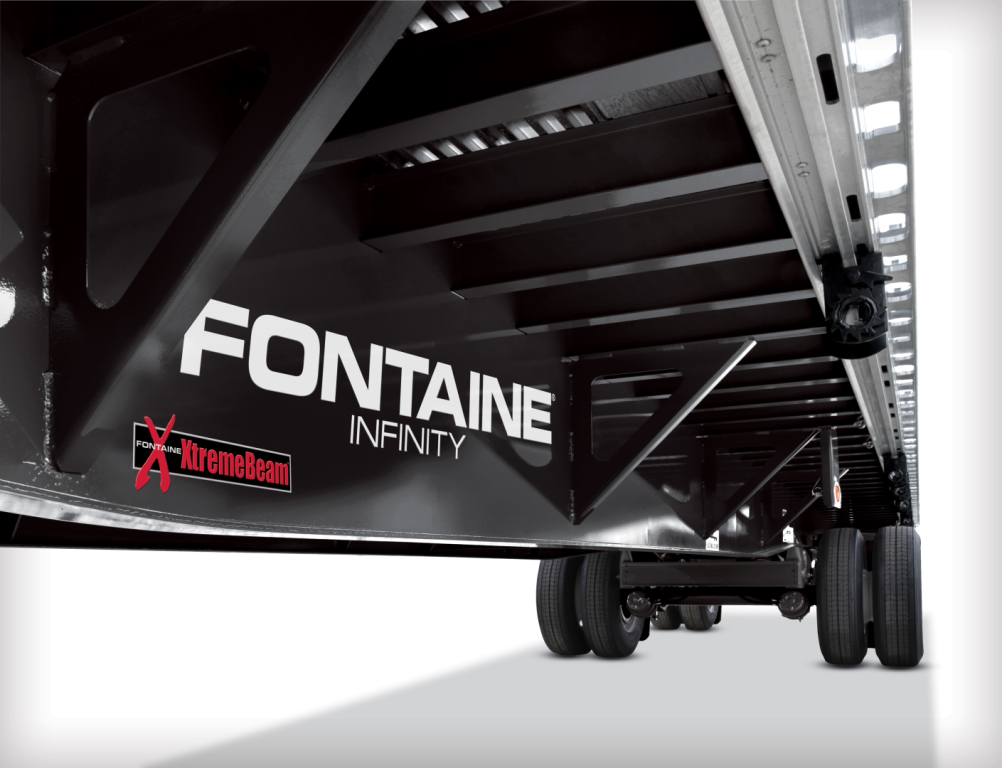
A buyer comparing new flatbed trailers should pay close attention to concentrated load rating, not just gross distributed capacity. A 53-foot flat may be rated around 80,000 pounds distributed but carry a much lower rating in a 4-foot concentrated area, which matters for steel, machinery, and coil freight. Coil packages, bulkhead pockets, routed side rails, stake pockets on 24-inch centers, chain tie-down slots, rub rails, and full-length winch tracks are all common spec points that affect daily usability. Decking also matters. Aluminum floors with wood nailer strips are common on highway freight trailers because they support flexible securement while keeping weight down. Buyers hauling rough freight or frequent point loads may lean toward heavier-duty deck and beam specs.
Suspension and axle configuration will influence both bridge compliance and operating flexibility. Air ride remains a preferred spec for many over-the-road applications because it helps protect cargo and improves ride quality, while spring ride is more common on some vocational or equipment-focused trailers. Tandem axle spreads, sliding tandems, and rear axle slide configurations are important if the trailer will run across multiple states with different bridge laws or California legal requirements. Tire and wheel packages usually include 22.5 low-profile rubber, with aluminum wheels often selected to reduce weight and improve corrosion resistance. Features such as front axle lift, dump valves, LED lighting, toolboxes, dock bumpers, and forklift mounting kits can make a major difference in specialized operations.
For most fleets and owner-operators, the best 2027 flatbed trailer is the one that matches freight mix first and tare weight second. Lighter aluminum platforms can improve payload on general building materials, palletized freight, and dimensional loads. Heavier combo trailers may be the better long-term choice for concentrated freight, chain work, and tougher loading environments. It is also worth checking the number and placement of sliding winches, stake pockets, bulkhead design, main beam flange ratings, and whether the trailer is prepped for common accessories like moffett kits or additional securement hardware. A flatbed trailer earns its value through versatility, but the right spec package is what separates a general-purpose deck from one that fits your lanes, commodity mix, and securement routine.
Frequently Asked Questions about New 2027 Flatbed Trailers
What is the difference between an aluminum flatbed and a combo flatbed trailer?
An aluminum flatbed trailer is designed to minimize tare weight, which can increase legal payload and improve fuel efficiency. A combo flatbed uses a mix of steel and aluminum, usually with steel main beams and aluminum crossmembers, decking, or side components. Combo construction generally adds durability in high-stress areas while still saving weight compared with a full steel trailer. Buyers hauling building materials, machinery, steel, or other dense freight often compare these two designs closely because the right choice depends on payload goals and how severe the loading environment is.
What specs matter most when buying a new 2027 flatbed trailer?
The most important specs are trailer length, deck construction, concentrated load rating, axle configuration, suspension type, kingpin setting, and securement layout. Concentrated load rating is especially important for steel, coil, and equipment freight because it measures how much weight the trailer can support in a shorter section of the deck. Buyers should also review stake pocket spacing, winch track placement, number of sliding winches, chain tie-downs, floor type, and fifth wheel height. These details have a direct effect on legal loading, day-to-day securement, and how many freight types the trailer can realistically handle.
Is a sliding tandem flatbed better than a fixed spread axle flatbed?
A sliding tandem flatbed offers more flexibility for bridge law compliance and weight distribution across different states and freight types. It can be easier to scale and adjust, especially for fleets running irregular loads over long distances. A fixed spread axle flatbed can offer stability and legal advantages in some applications, but it is less adjustable and may limit flexibility in certain states or dock situations. The better choice depends on operating region, commodity mix, and how often the trailer needs axle repositioning to stay legal.
What is a coil package on a flatbed trailer?
A coil package is a reinforcement and securement arrangement that allows the trailer to safely handle concentrated steel coil loads. It usually includes a coil well or a dedicated reinforced deck section, plus related structural support designed for high point loading. Even when a flatbed is rated for strong distributed capacity, that does not automatically mean it is suited for coil freight. Buyers planning to haul steel should confirm the trailer's concentrated load rating, deck design, and securement provisions instead of relying only on overall gross capacity.
What kind of freight is a flatbed trailer best suited for?
Flatbed trailers are commonly used for lumber, steel, pipe, machinery, palletized materials, precast products, agricultural equipment, and oversized freight that cannot be loaded through van doors. Their open-deck design allows loading from the side, rear, or overhead by crane or forklift, which makes them one of the most versatile trailer types in commercial trucking. The tradeoff is that cargo securement is more demanding, so the trailer's rub rail, stake pockets, chain slots, winch track, and deck layout are just as important as its capacity rating.