
New 2027 Flatbed Trailers For Sale in Colorado
Shop new 2027 flatbed trailers for sale in Colorado. Compare 48' and 53' specs, aluminum or combo construction, axle setups, and securement options.
Selling a new 2027 flatbed trailer? List your new 2027 flatbed trailer for sale and reach thousands of commercial buyers.
New 2027 Flatbed Trailers in Colorado
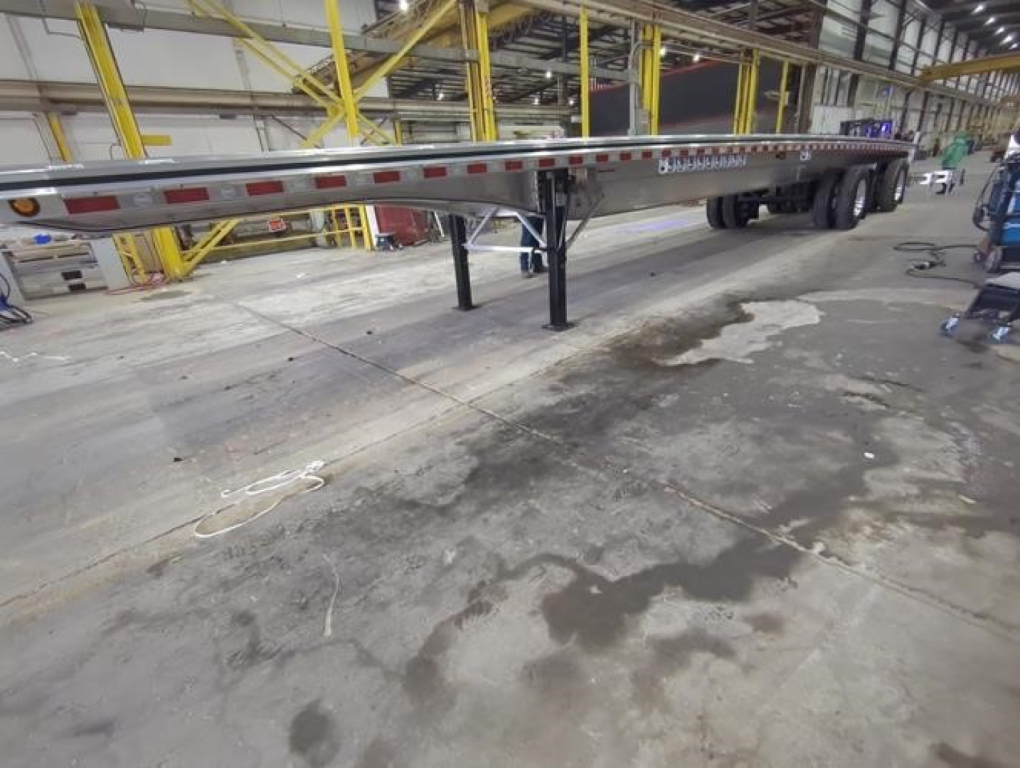
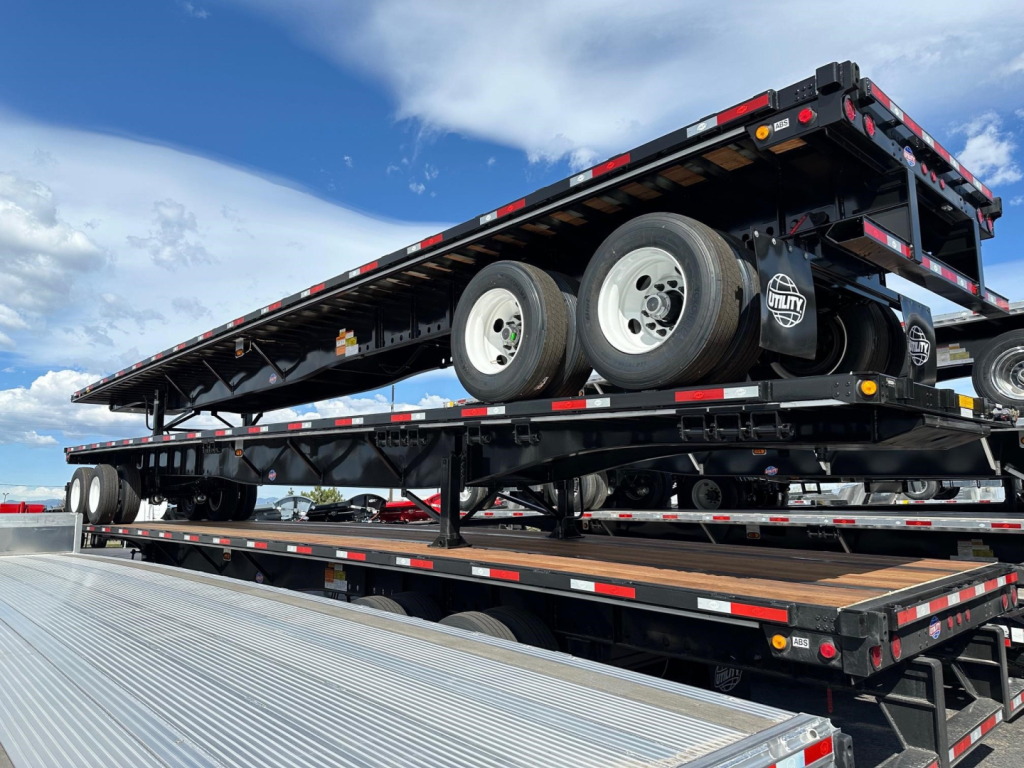
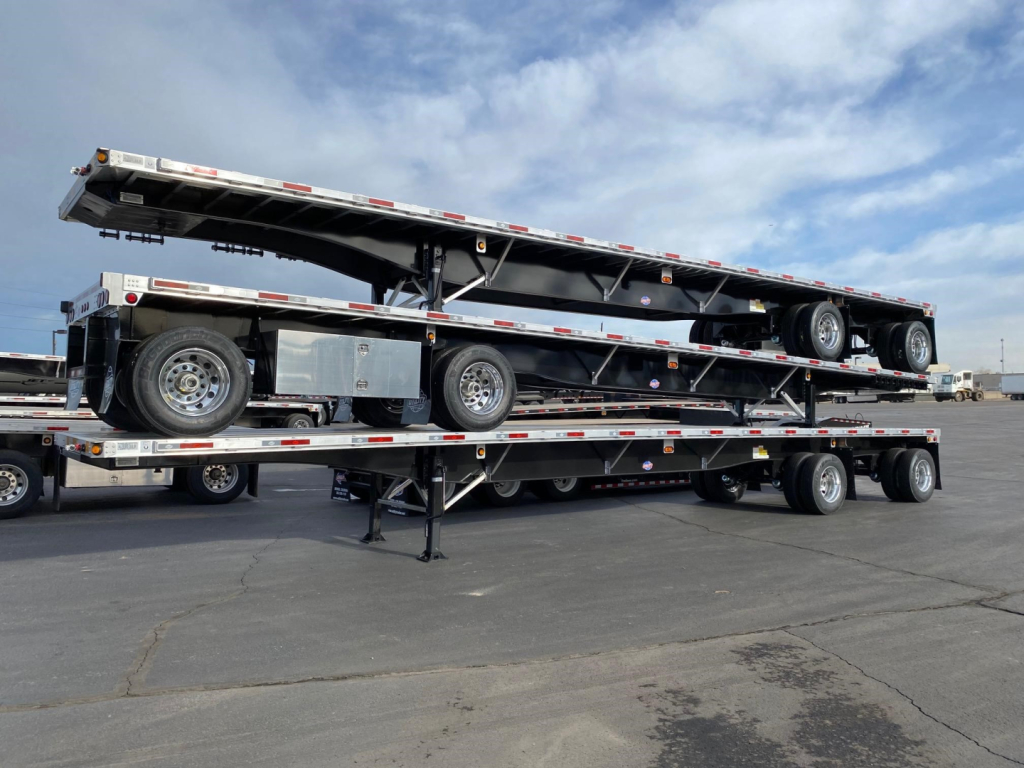
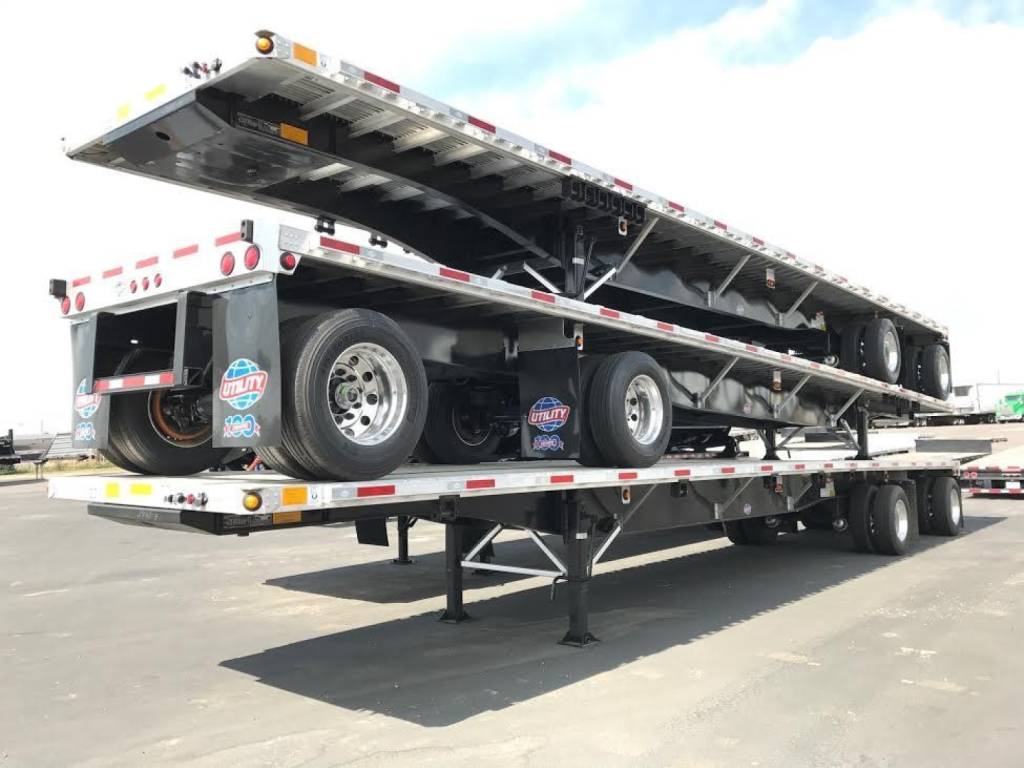
Construction matters because it directly affects tare weight, durability, and repair cost. All-aluminum flatbeds usually deliver the lightest empty weight and the highest payload potential, which is a major advantage for operators hauling dense freight. Combo flatbeds, with steel main beams and aluminum crossmembers, deck, and rails, are popular because they balance payload with beam strength and long-term durability. Full steel flatbeds still make sense in harsher applications where impact resistance and lower upfront cost matter more than weight savings. On many new 2027 trailers, buyers will also see practical deck and securement features such as apitong wood or aluminum decking, stake pockets, double pipe spools, sliding winches, winch tracks on both sides, nail strips, and coil packages rated for concentrated loads.
Colorado buyers should pay close attention to suspension and axle configuration because terrain, weather, and route restrictions can change what works best. Air ride suspensions are common on higher-spec flatbeds because they help protect freight and improve ride quality, while spring ride remains a simpler option with fewer components and lower repair complexity. Fixed spread axles can improve weight distribution and help in certain applications, while sliding tandems give more flexibility for bridge law compliance and dock positioning. Tire size, wheel material, and overall empty weight also deserve a close look, especially for operations running I-70 corridors, mountain grades, or mixed regional and over-the-road freight where every pound and every maintenance interval counts.
The strongest flatbed spec is the one that matches the freight, not the one with the longest option sheet. Buyers comparing new 2027 flatbed trailers should confirm GVWR, coil package capacity, deck height, loaded kingpin setting, crossmember spacing, and the exact securement package included from the factory. It is also worth checking for details like tool boxes, dump valves, low-profile 22.5 tires, rear slide axle setups, and California-legal configurations if the trailer may work outside Colorado. A well-matched flatbed trailer will carry legal weight efficiently, secure freight without workarounds, and hold up under repeated loading from forklifts, cranes, and jobsite conditions.
Frequently Asked Questions about New 2027 Flatbed Trailers in Colorado
What length flatbed trailer is most common, 48 foot or 53 foot?
Both are common, but they serve slightly different needs. A 48-foot flatbed is a very versatile size for steel, machinery, and general building products, and it often helps keep tare weight lower. A 53-foot flatbed adds more deck space for longer freight and certain dedicated contracts, but it can bring more axle and bridge-law considerations depending on the lanes. The right choice depends on commodity length, target payload, and the states where the trailer will operate.
What is the difference between aluminum, combo, and steel flatbed trailers?
An all-aluminum flatbed is usually the lightest option, which helps maximize payload. A combo flatbed typically uses steel main beams with aluminum crossmembers, deck, and rails, giving a good balance of structural strength and lower empty weight. A full steel flatbed is generally heavier, but it can be attractive for demanding applications where ruggedness, repair familiarity, and purchase price are priorities. Buyers should compare tare weight, beam design, corrosion resistance, and expected repair environment before choosing a construction type.
What is a coil package on a flatbed trailer?
A coil package is a reinforced section of the trailer designed to handle concentrated weight from steel coils. It typically includes added structural support in the deck area and is rated for a specific coil capacity, such as 47,000 pounds. This matters because coil freight puts intense point loading on the trailer, and a standard deck without the proper reinforcement may not be suitable. If steel coils are part of the freight mix, the rating and location of the coil package should be confirmed before purchase.
Should I choose a spread axle flatbed or a tandem slider?
A spread axle flatbed can improve weight distribution and is common in operations focused on stable, legal loading of specific freight types. A tandem slider offers more flexibility because the axle position can be adjusted for bridge compliance and load placement, which is useful across varied freight and multi-state routes. The tradeoff is that spread axles can limit maneuverability in tighter areas, while sliders add moving components and some weight. The better setup depends on route density, shipper requirements, and how often load dimensions and weight distribution change.
What securement features should a new flatbed trailer have from the factory?
Most buyers look for stake pockets, pipe spools, sliding winches, winch tracks, nail strips, and a deck surface suited to the freight being hauled. A strong factory securement package reduces the need for aftermarket modifications and helps drivers handle a wider range of loads safely. The exact mix should match the cargo, since steel, lumber, machinery, and palletized freight do not secure the same way. It is smart to verify the number and placement of winches, spool capacity, and whether the trailer has features on both road and curb sides.