
New 2027 Utility Flatbed Trailers For Sale in Colorado
Shop new 2027 Utility flatbed trailers with 48-foot and 53-foot configurations, combo or steel construction, coil packages, winch tracks, and air ride.
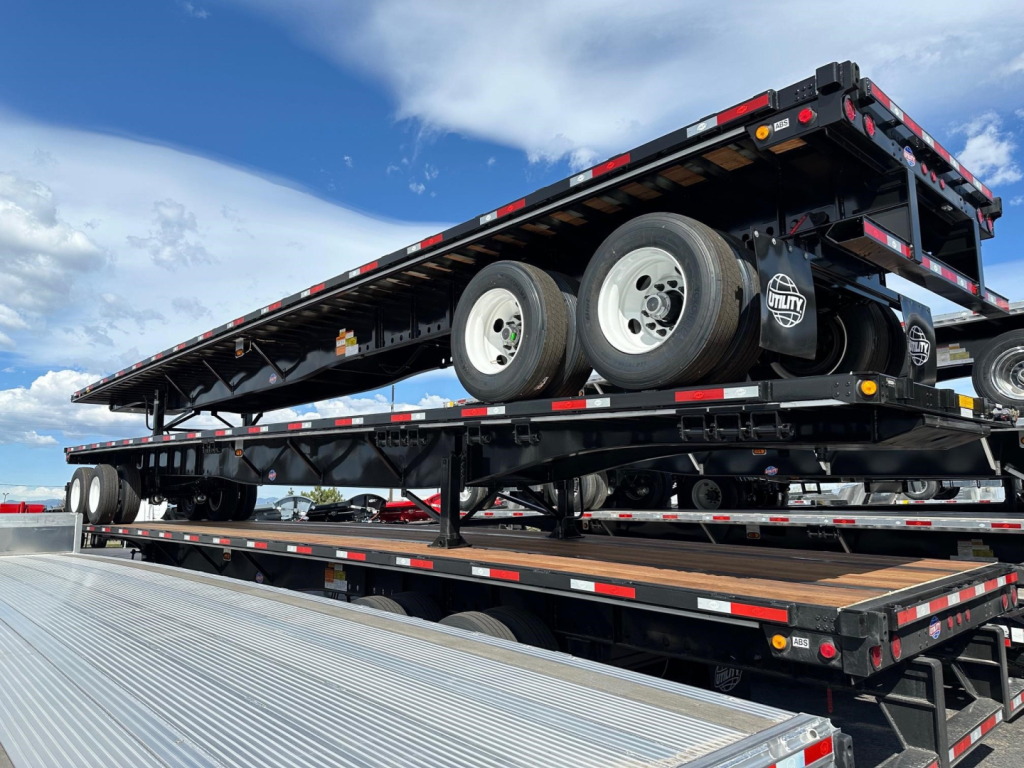
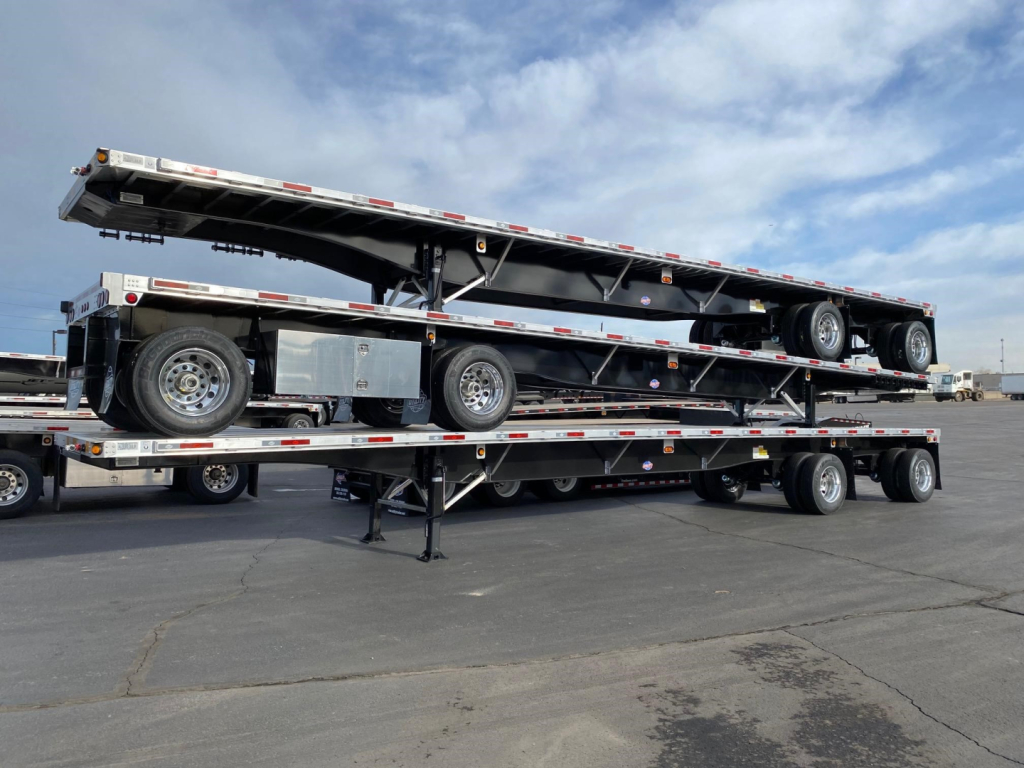
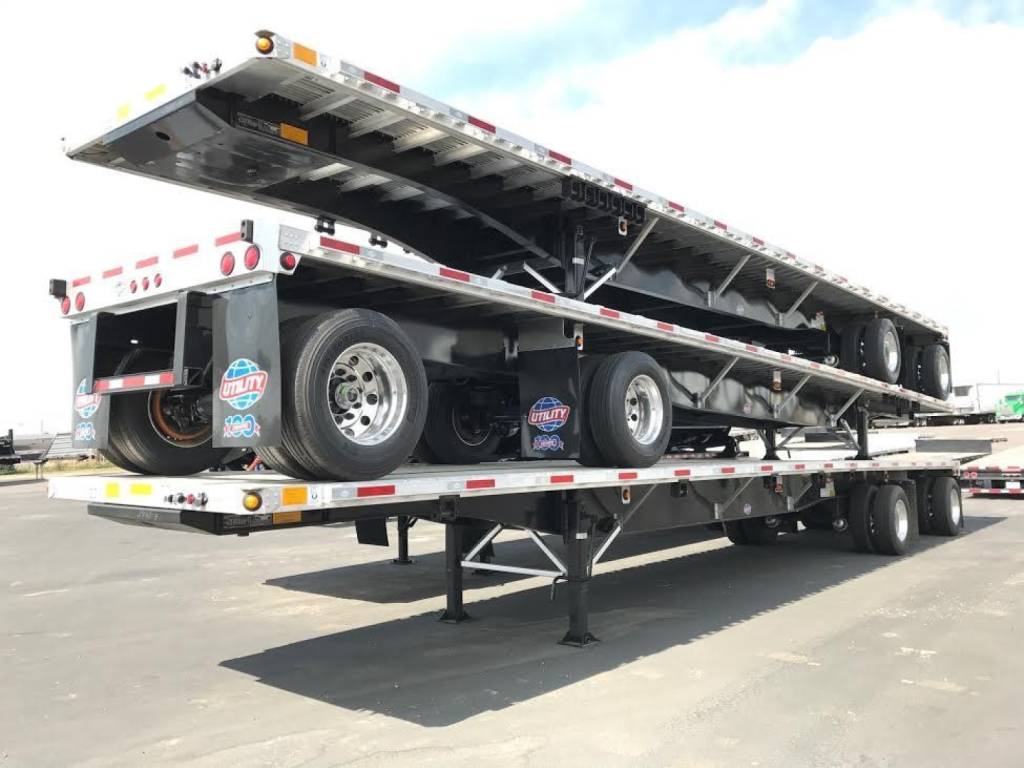
Selling a new 2027 utility flatbed trailer? List your new 2027 utility flatbed trailer for sale and reach thousands of commercial buyers.
New 2027 Utility Flatbed Trailers in Colorado
The first major buying decision is usually steel versus combo construction. A steel flatbed can be attractive for hard-use applications where deck repairs, concentrated loading, and long-term ruggedness matter more than every pound of payload. A combo flatbed is often preferred when payload efficiency is a priority, especially in regional and long-haul freight where shaving empty weight helps maximize legal cargo. Common deck setups include apitong wood or aluminum, and buyers should match the deck to their freight mix. Wood remains popular for traction, repairability, and versatility with securement, while aluminum can cut weight and simplify maintenance.
Securement and axle configuration deserve close attention because they affect daily usability as much as the base trailer structure. Many Utility flatbeds are spec'd with stake pockets, double pipe spools, sliding winches, and winch tracks on one or both sides. A coil package is important for operators hauling steel coil, and nail strips can matter for protecting deck life in repetitive loading. On the running gear side, buyers may find closed tandem, fixed spread, or sliding axle arrangements, along with spring ride or air ride suspensions. In Colorado and across the Mountain West, suspension choice can matter on rougher secondary roads, while axle spread and slider position matter for bridge law compliance, load distribution, and state-specific legal requirements, including California-legal setups for fleets that run wider regional lanes.
New Utility flatbed trailers are often spec'd with 22.5 low-profile tires, mixed aluminum and steel wheel packages, ICC bumpers, toolboxes, and dump valves that improve day-to-day operation. The most practical way to compare listings is by tare weight, axle placement, deck material, winch track layout, and whether the trailer is built for general freight or more specialized work like coil hauling. A buyer looking at this category should focus less on cosmetic differences and more on freight profile, maintenance priorities, and legal load flexibility. The right Utility flatbed is the one that fits the lanes, commodity mix, and securement routine it will see every week.
Frequently Asked Questions about New 2027 Utility Flatbed Trailers in Colorado
What is the difference between a steel Utility flatbed and a combo Utility flatbed?
A steel Utility flatbed generally uses steel for the main structural components and more of the trailer body, which can make it appealing for severe-duty use and repeated concentrated loading. A combo Utility flatbed typically keeps steel main beams but uses aluminum in areas like the deck, crossmembers, or rails to reduce tare weight. The tradeoff is usually durability emphasis versus payload efficiency, so the better choice depends on the cargo, loading environment, and how closely payload margins affect revenue.
What trailer length is most common for a Utility flatbed trailer?
The most common lengths in this category are 48 feet and 53 feet, usually with a 102-inch width. A 48-foot flatbed remains common in certain operations and regional work, while 53-foot flatbeds are widely used for general freight because they offer more deck space and flexibility. Buyers should confirm how trailer length interacts with state bridge laws, customer dock access, and the type of freight they plan to secure.
Why does a coil package matter on a flatbed trailer?
A coil package is important when the trailer will haul steel coils because it provides the trailer configuration needed to secure that type of concentrated load more safely and effectively. Coil-haul specifications can include coil wells or reinforced securement-related features depending on the trailer design. If steel coil is part of the freight mix, a dedicated coil-ready specification is usually more practical than trying to adapt a general-purpose flatbed after purchase.
Is air ride or spring ride better on a Utility flatbed trailer?
Air ride is often preferred for ride quality, freight protection, and versatility across mixed highway conditions, which is why it is common on many modern flatbeds. Spring ride can still be a solid option for simpler maintenance and certain applications where cost control is a priority. The better suspension depends on the cargo, route quality, expected maintenance program, and whether the operation values ride refinement over mechanical simplicity.
What securement features should buyers look for on a new flatbed trailer?
The most useful securement features depend on the freight, but common priorities include stake pockets, sliding winches, winch tracks, pipe spools, and adequate deck protection such as nail strips. Buyers hauling a variety of freight often benefit from winch tracks on both sides for more flexible strap placement. It is smart to evaluate securement layout based on the loads actually hauled each week, because a trailer that matches the freight pattern will load faster and reduce securement workarounds.