
New Utility Flatbed Trailers For Sale
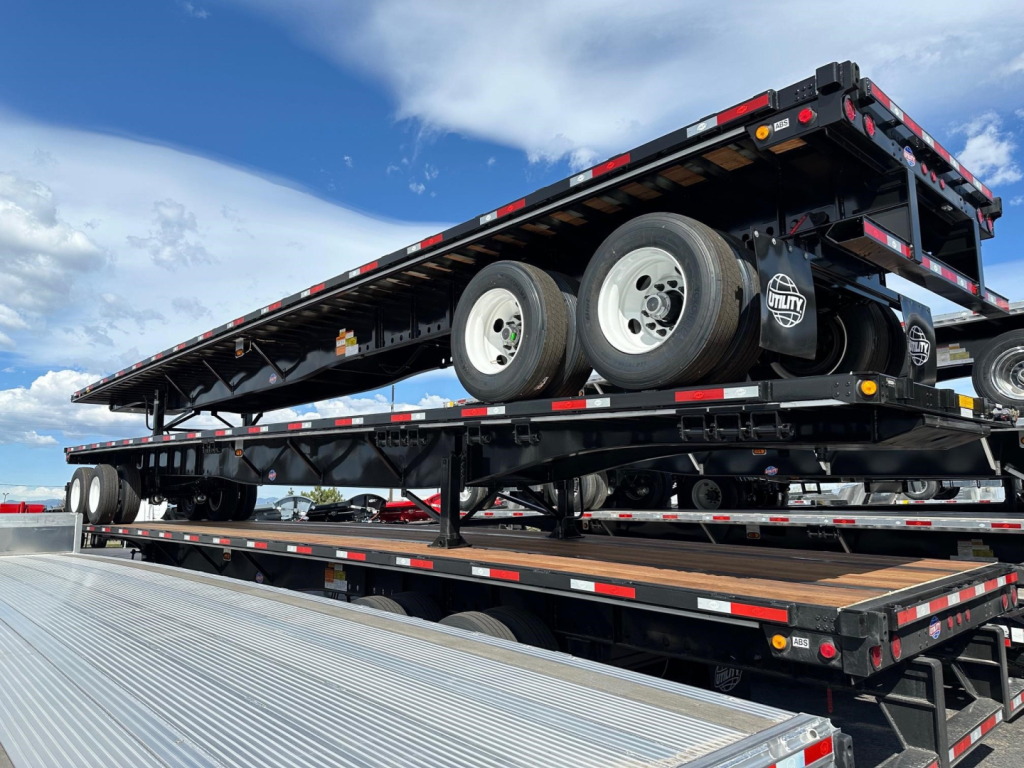
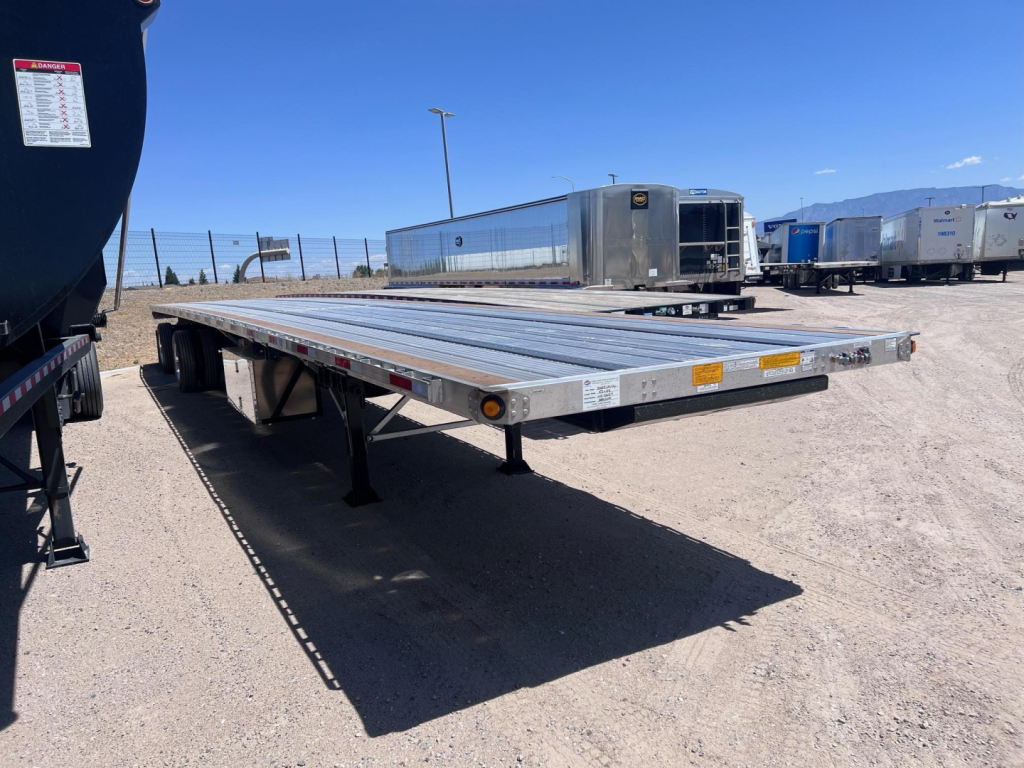
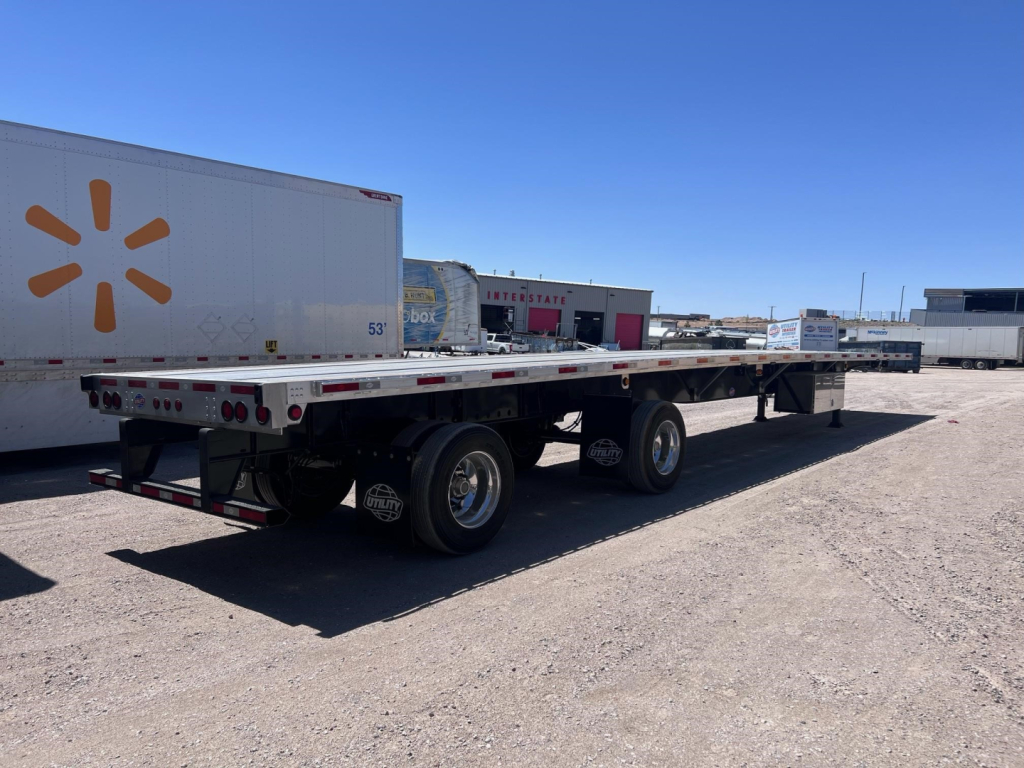
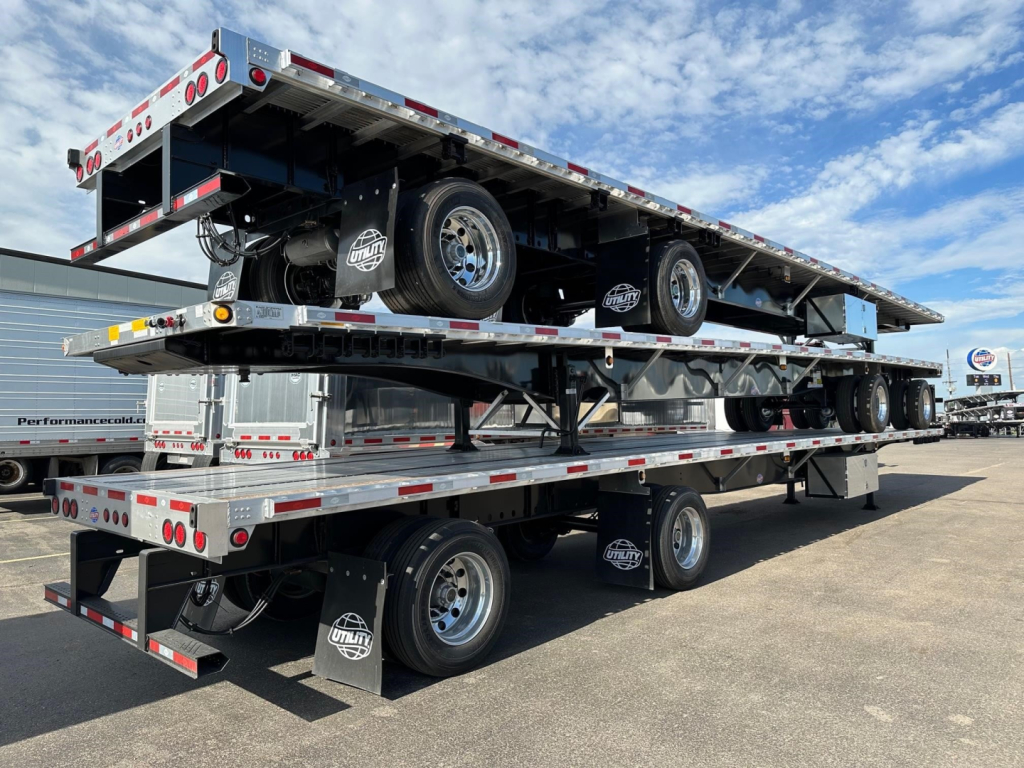
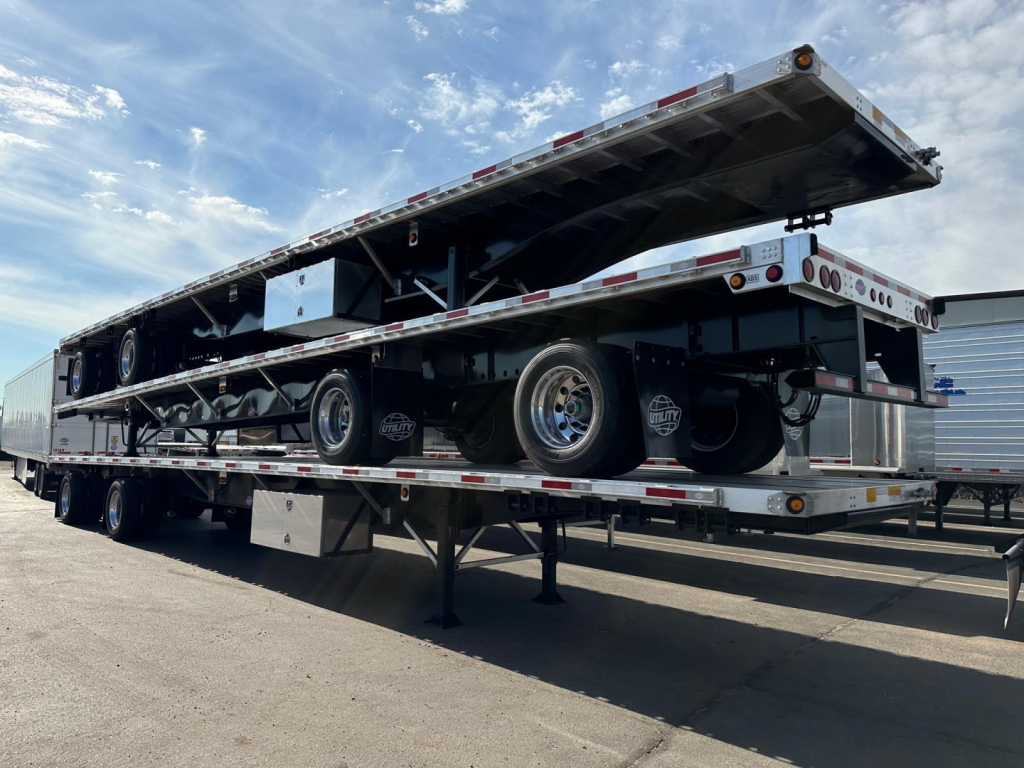
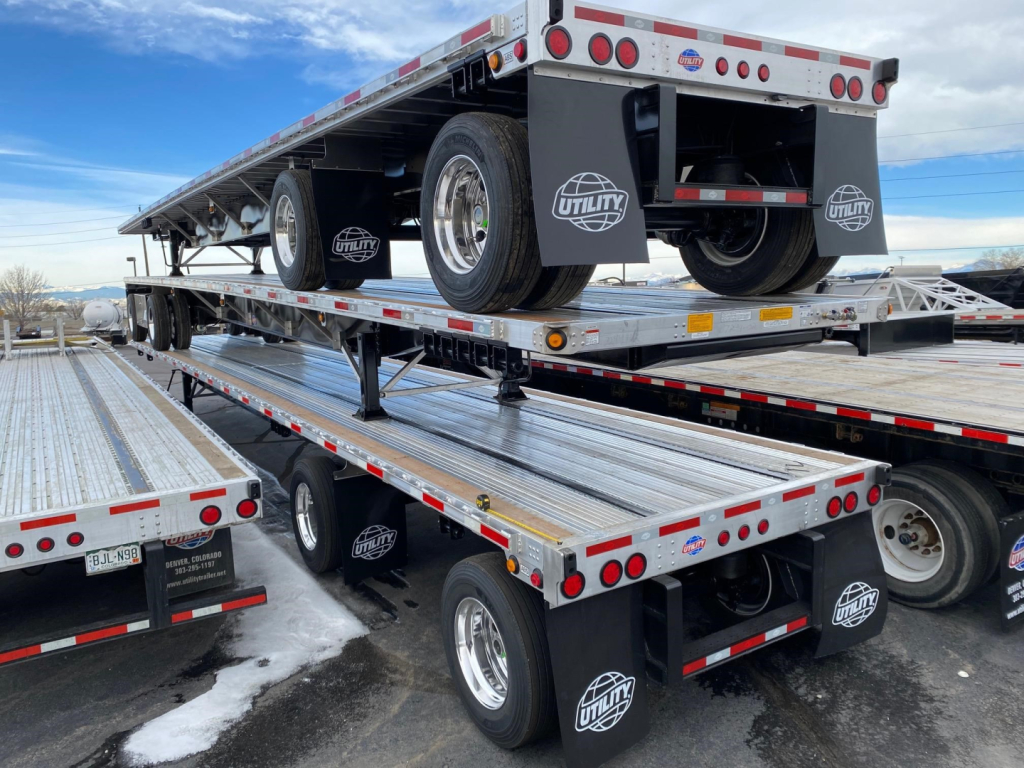
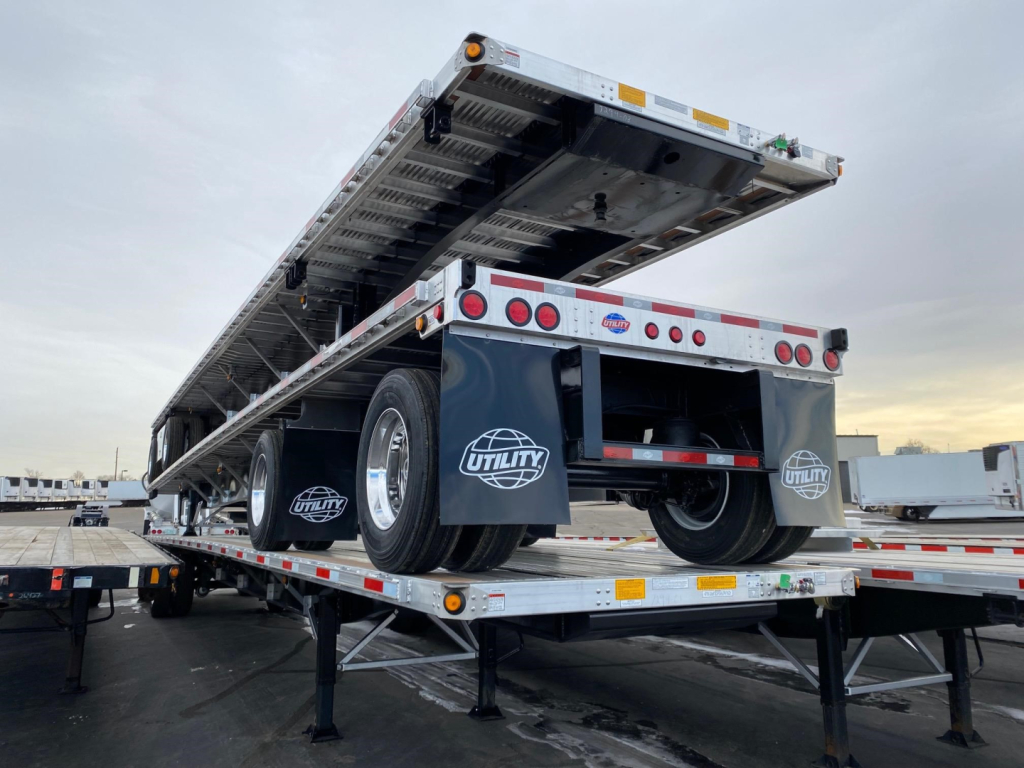
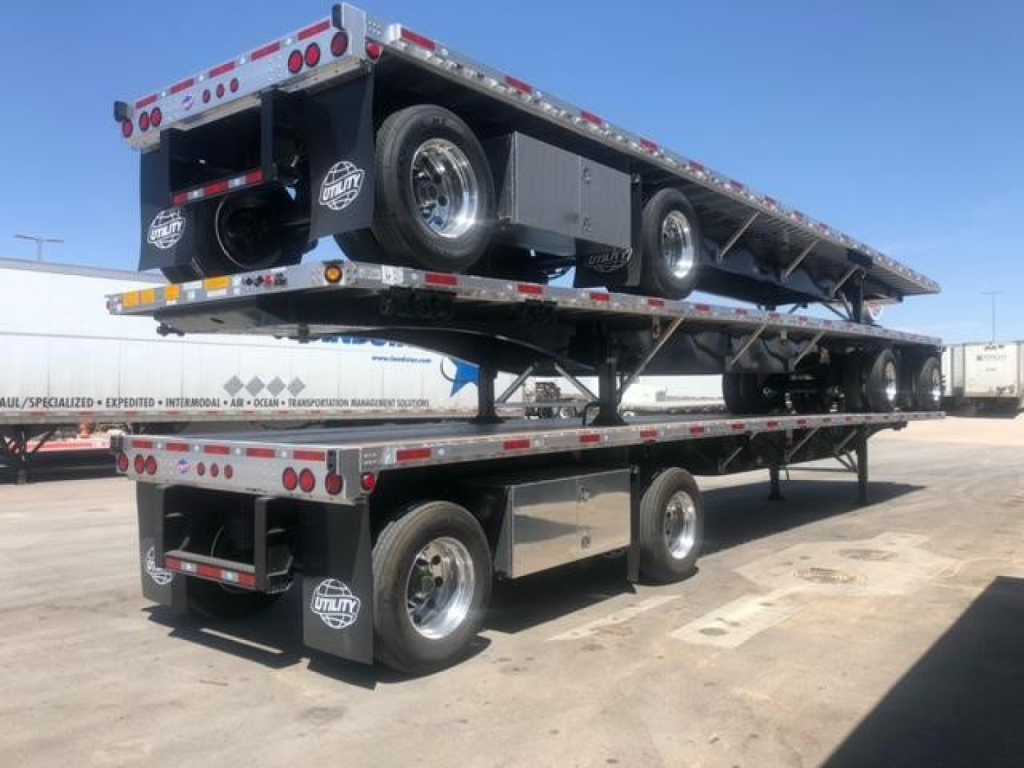
Shop new Utility flatbed trailers, including combo flatbeds with coil packages, air ride suspensions, sliding winches, and 48-53 ft lengths.
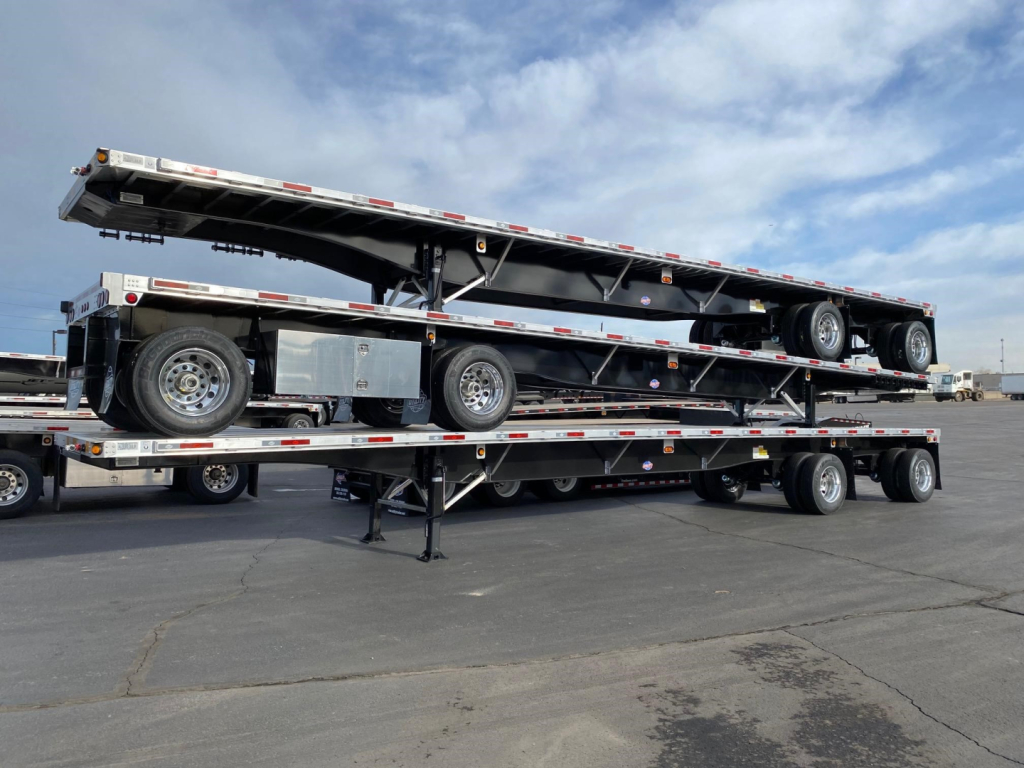
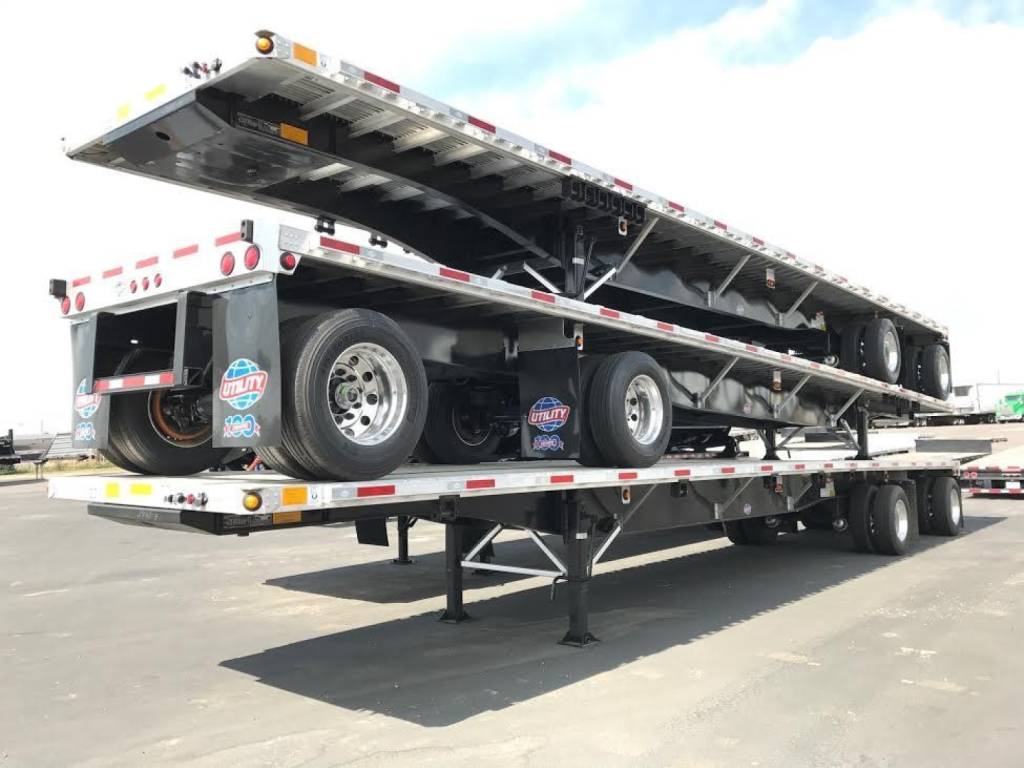

Selling a new utility flatbed trailer? List your new utility flatbed trailer for sale and reach thousands of commercial buyers.
New Utility Flatbed Trailers
Length, axle layout, and legal bridge requirements should be at the top of the buying decision. Utility flatbeds are commonly found in 48-foot and 53-foot lengths at 102 inches wide, with tandem or spread axle setups depending on the freight mix and operating region. A 53-foot California-legal configuration can be important for fleets running West Coast lanes, while a 48-foot spread axle can be a practical fit for operations focused on steel, pipe, or dense freight where weight distribution and axle spacing affect loading options. Air ride suspension is common in this category and helps protect freight while improving ride quality, and features like rear slide axles or air pin sliders give added flexibility for bridge law compliance and dock or load positioning.
Securement equipment is where one flatbed specification starts to separate from another. Utility combo flatbeds often include stake pockets, sliding winches, winch tracks on both road and curb sides, double pipe spools, and nail strips for mixed cargo securement. Coil packages are especially important for operators hauling steel coils, since they provide the reinforced load area needed for concentrated weight, often in the 47,000-pound range on trailers spec'd for heavy coil work. Buyers should also pay attention to deck material, number and placement of winches, toolbox provision, dump valves, wheel construction, and tire size such as 22.5 low-profile rubber. These details affect load versatility, driver efficiency, and long-term maintenance costs.
A new Utility flatbed trailer makes the most sense when uptime, standardization, and lower near-term maintenance are part of the plan. New-spec trailers can be matched more closely to freight lanes, tractor wheelbase, and customer loading practices than many used options. For a buyer comparing listings, the important questions are not just trailer length and price, but whether the suspension type, axle spread, coil rating, securement layout, and tare weight align with the loads the trailer will actually see. Utility has long been a recognized name in the trailer market, and in the flatbed segment its combo designs are aimed at fleets and owner-operators who need a straightforward open-deck trailer with practical specs and broad freight compatibility.
Frequently Asked Questions about New Utility Flatbed Trailers
What is a Utility combo flatbed trailer?
A Utility combo flatbed trailer is a flatbed built with steel main beams and aluminum components such as crossmembers, side rails, and decking. This design is used to reduce trailer weight without giving up the main structural strength needed for open-deck freight. In practical terms, a combo flatbed is a common choice for fleets that want a good balance of payload capacity, durability, and corrosion resistance.
What length is better for a new Utility flatbed, 48 feet or 53 feet?
The better length depends on freight type and operating area. A 53-foot flatbed offers more deck space for lighter or longer freight and is often preferred for broad general freight use, while a 48-foot flatbed can be a strong choice for dense loads, steel, and operations where axle spacing or regional legal requirements influence loading. Buyers should match trailer length to typical load dimensions, bridge law concerns, and the states where the trailer will run most often.
Why does a coil package matter on a flatbed trailer?
A coil package is important because steel coils create a concentrated load in a small section of the deck. A properly spec'd coil package reinforces that load area so the trailer can handle heavy coil freight safely and legally. Even for buyers who do not haul coils every day, a trailer with a substantial coil rating can add flexibility for dense commodity work and may improve resale appeal in the open-deck market.
What securement features should buyers look for on a Utility flatbed trailer?
The most useful securement features depend on the freight, but common priorities include sliding winches, winch tracks on both sides, stake pockets, double pipe spools, nail strips, and a well-laid-out deck for straps and chains. These features affect how quickly drivers can secure loads and how many different freight types the trailer can handle. A trailer with a flexible securement setup is generally easier to keep loaded across changing freight demands.
Is air ride suspension important on a new flatbed trailer?
Air ride suspension is important for many flatbed operations because it helps reduce shock to both freight and trailer structure. It is especially useful for higher-value cargo, building products, machinery, and any load where ride quality matters. Air ride can also improve overall trailer handling and may work well with sliding or spread axle configurations when weight distribution and bridge compliance are part of the job.