
New 2027 Utility Flatbed Trailers For Sale
Shop new 2027 Utility flatbed trailers with combo or steel construction, coil packages, air ride options, and specs built for freight flexibility.

Selling a new 2027 utility flatbed trailer? List your new 2027 utility flatbed trailer for sale and reach thousands of commercial buyers.
New 2027 Utility Flatbed Trailers
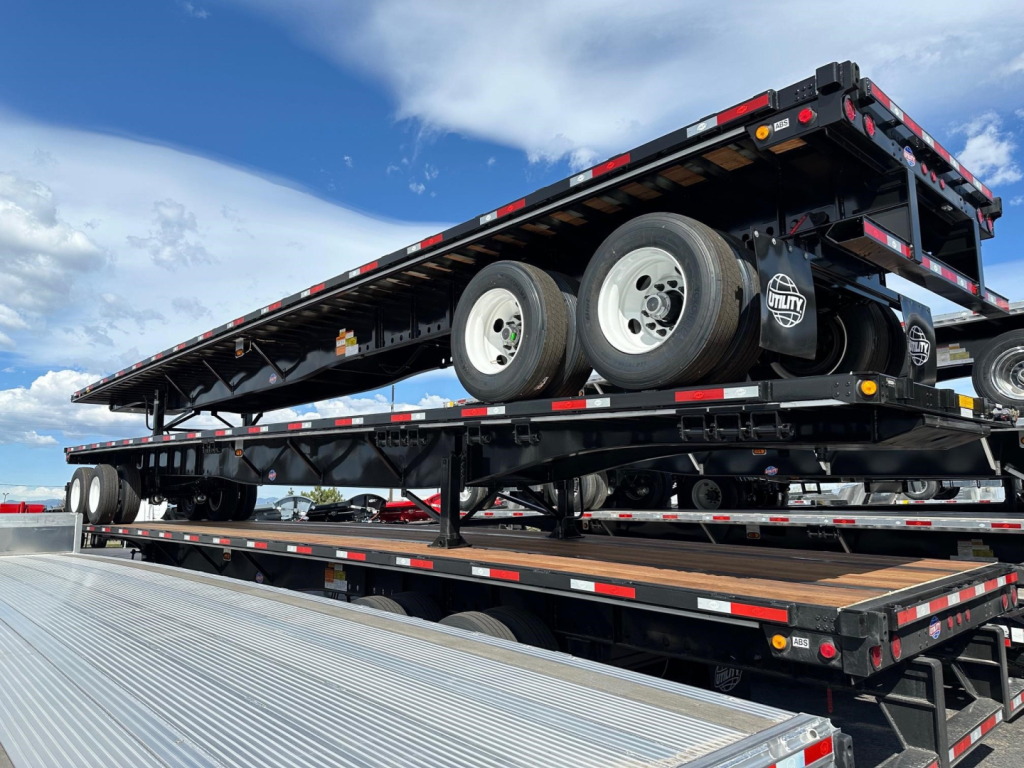
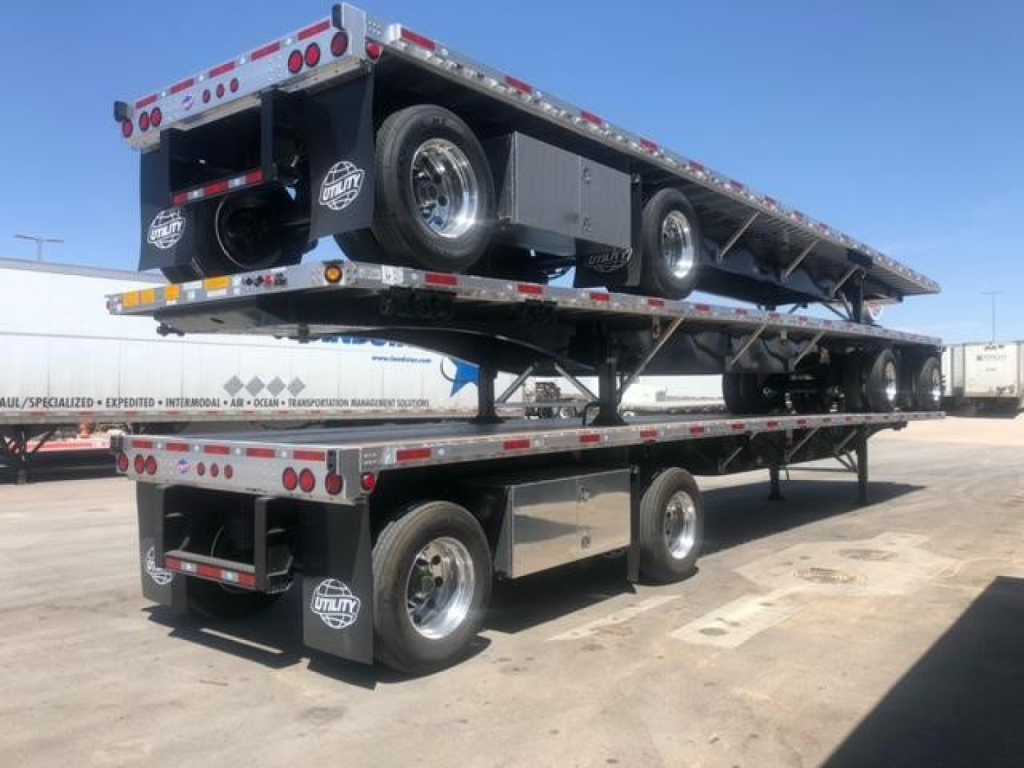
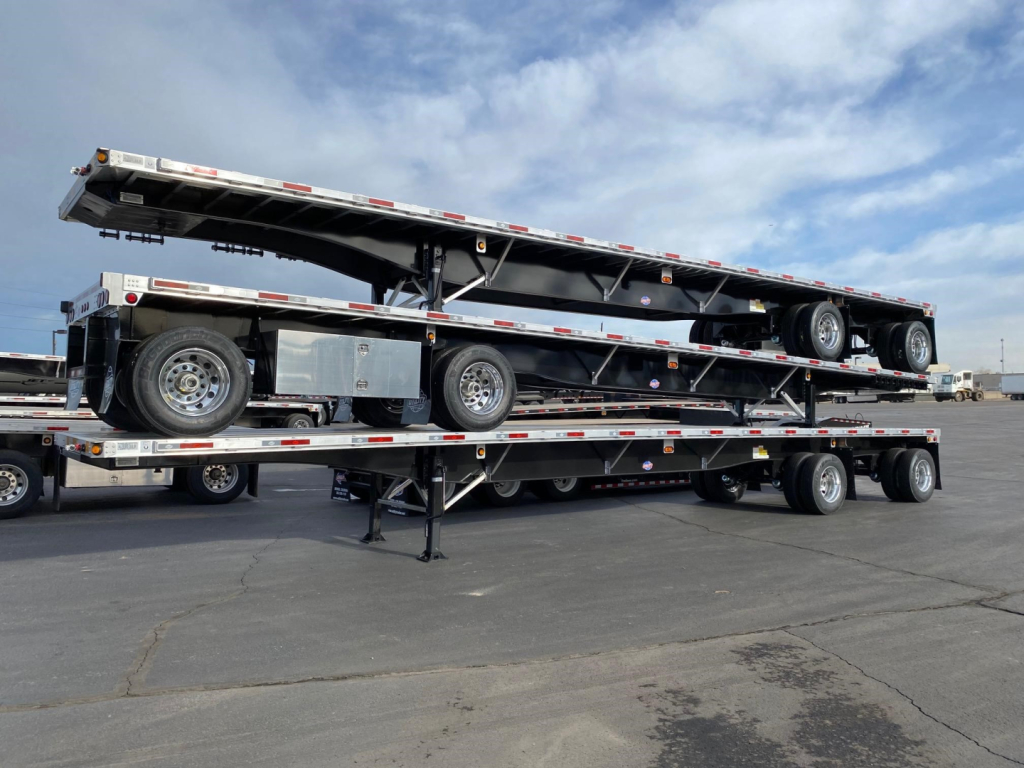
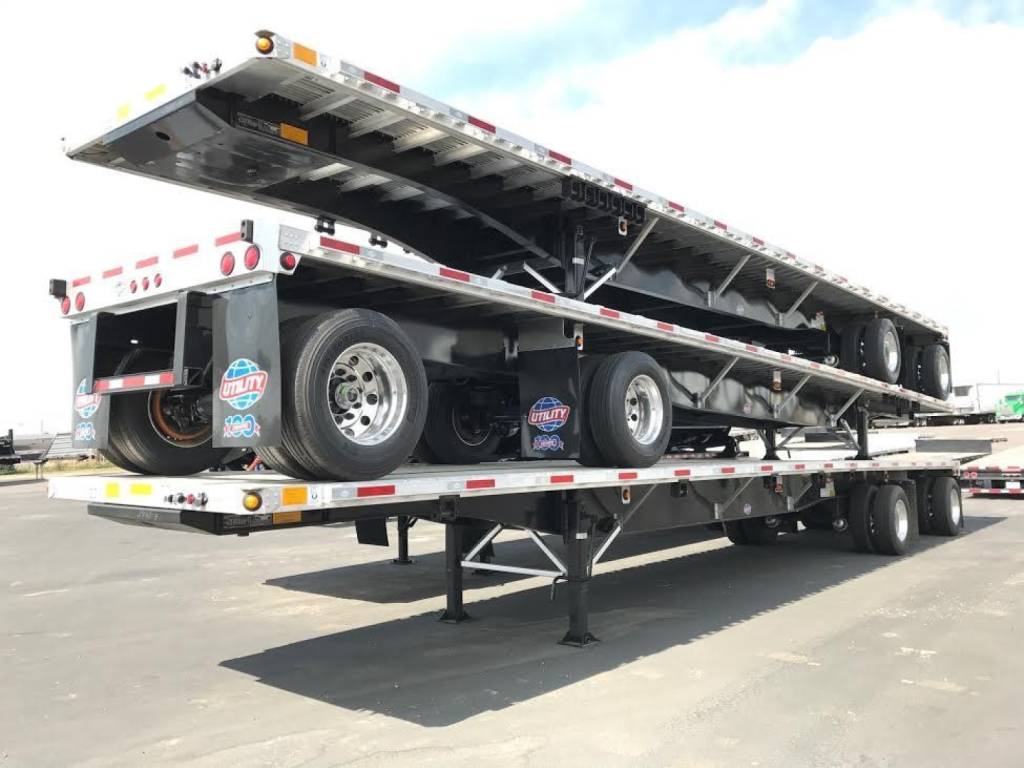
One of the biggest spec decisions is combo construction versus full steel. Utility 4000AE combo flatbeds typically use steel main beams with aluminum crossmembers, deck, and side rails to keep tare weight down while maintaining structural strength where it matters most. That makes them attractive for carriers chasing payload on legal-weight freight. Utility 4000S steel flatbeds trade some weight savings for a simpler heavy-duty structure that can be a good fit for tougher vocational use, concentrated loading, or fleets that prefer wood decks and steel rails for repair familiarity. Common deck setups include aluminum flooring or Apitong wood, usually with nail strips, stake pockets, double pipe spools, and sliding winches with winch tracks on both road and curb side.
Freight type should drive the suspension and axle choice. Spread air ride is common on higher-spec Utility flatbeds because it improves ride quality for sensitive loads and helps with certain bridge and weight-distribution needs. Sliding tandems remain important for operators working varied state laws, dock positions, and kingpin-to-rear axle settings, while fixed spread configurations are straightforward for dedicated lanes. Coil packages are a major consideration in this category, with many Utility flatbeds equipped for 47,000-lb class coil hauling. Buyers should also look closely at tire size such as 22.5 low-pros, wheel material inside and out, dump valves, tool box provisions, ICC bumper setup, and whether the trailer is California legal if West Coast compliance matters.
The practical value of a Utility flatbed is in how easily it can be put to work across multiple commodities. A well-specced trailer in this class should offer clean securement access, durable deck material, and a tare weight that matches the revenue model. For buyers comparing listings, the details that move the needle are usually trailer length, empty weight, coil capability, axle spread, suspension type, and the amount of factory-installed securement hardware. Those specs affect payload, loading speed, maintenance cost, and how broadly the trailer can be dispatched.
Frequently Asked Questions about New 2027 Utility Flatbed Trailers
What is the difference between a Utility 4000AE combo flatbed and a Utility 4000S steel flatbed?
The 4000AE is generally a combo flatbed that uses steel main beams with aluminum components such as the crossmembers, deck, and rails to reduce trailer weight. That lower tare can help maximize payload on legal freight. The 4000S is a steel flatbed with a heavier all-steel structure that some buyers prefer for hard use, repair simplicity, and deck configurations like Apitong wood. The better choice depends on whether payload savings or a traditional steel build matters more in your operation.
Is a coil package important on a new Utility flatbed trailer?
A coil package matters if the trailer will haul steel coils or other concentrated loads. It reinforces the trailer for high point loading and usually includes the structural setup needed for a coil well or coil-hauling application. Even if coil freight is not your primary business today, a 47,000-lb class coil package can improve resale appeal and broaden the trailer’s usefulness. Buyers who only haul lighter or evenly distributed freight may not need the extra specification.
Should I choose spread axle air ride or tandem spring ride on a flatbed trailer?
Spread axle air ride is often preferred for ride quality, load protection, and weight distribution, especially on higher-value or more sensitive freight. It can also be advantageous in operations where bridge law and axle loading flexibility matter. Tandem spring ride is simpler and can be lower cost, with fewer air-system components to maintain. The tradeoff is a rougher ride and less flexibility in some applications. Your freight, route states, and maintenance philosophy should drive this decision.
What securement features should I look for on a Utility flatbed?
Stake pockets, sliding winches, double pipe spools, nail strips, and full winch tracks on both sides are among the most useful factory specs in this category. These features improve strap and chain placement, speed up loading, and make the trailer more adaptable across different freight types. Buyers hauling mixed commodities should also pay attention to deck material, toolbox space, and how easy the trailer is to access from the side for securement work.
How do 48-foot and 53-foot Utility flatbeds compare for buying decisions?
A 48-foot flatbed can be a strong fit for regional operations, heavier commodities, and applications where maneuverability or bridge compliance is a bigger concern. A 53-foot flatbed offers more deck space and can be more versatile for general freight and longer dimensional loads. The choice depends on the freight mix, customer requirements, state regulations, and whether the trailer needs to prioritize payload, deck length, or operating flexibility.