
New 2025 Utility Flatbed Trailers For Sale
Shop new 2025 Utility flatbed trailers with combo construction, coil packages, air ride suspensions, and freight-ready spec options.
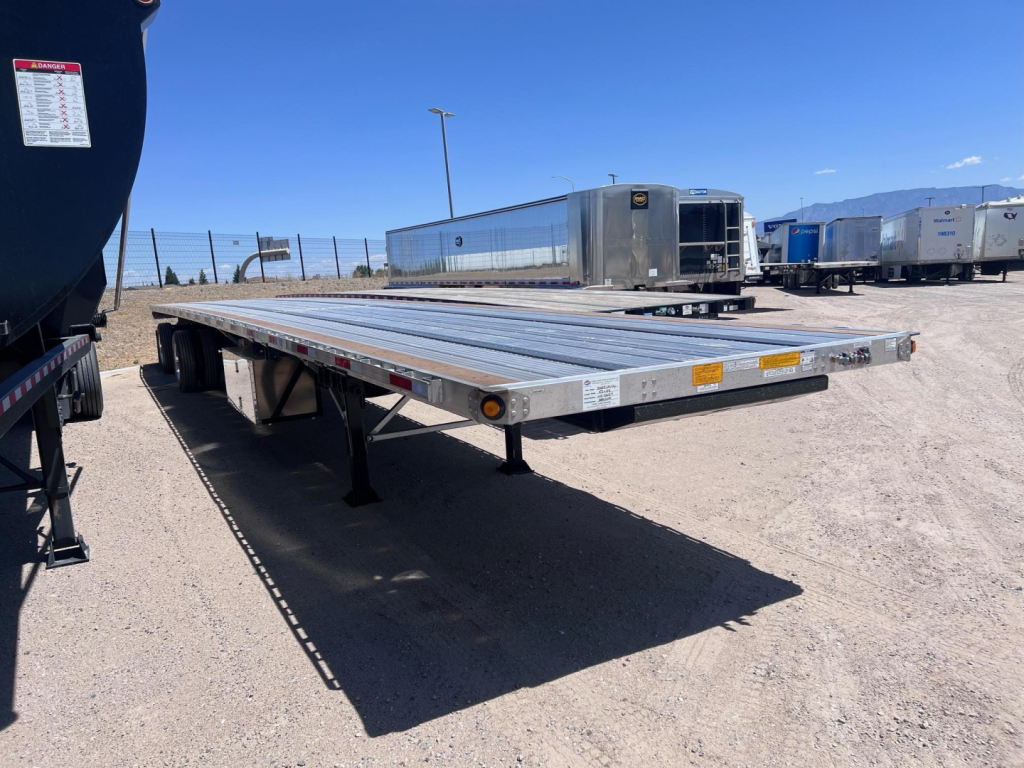
2025 Utility Combo Flatbed
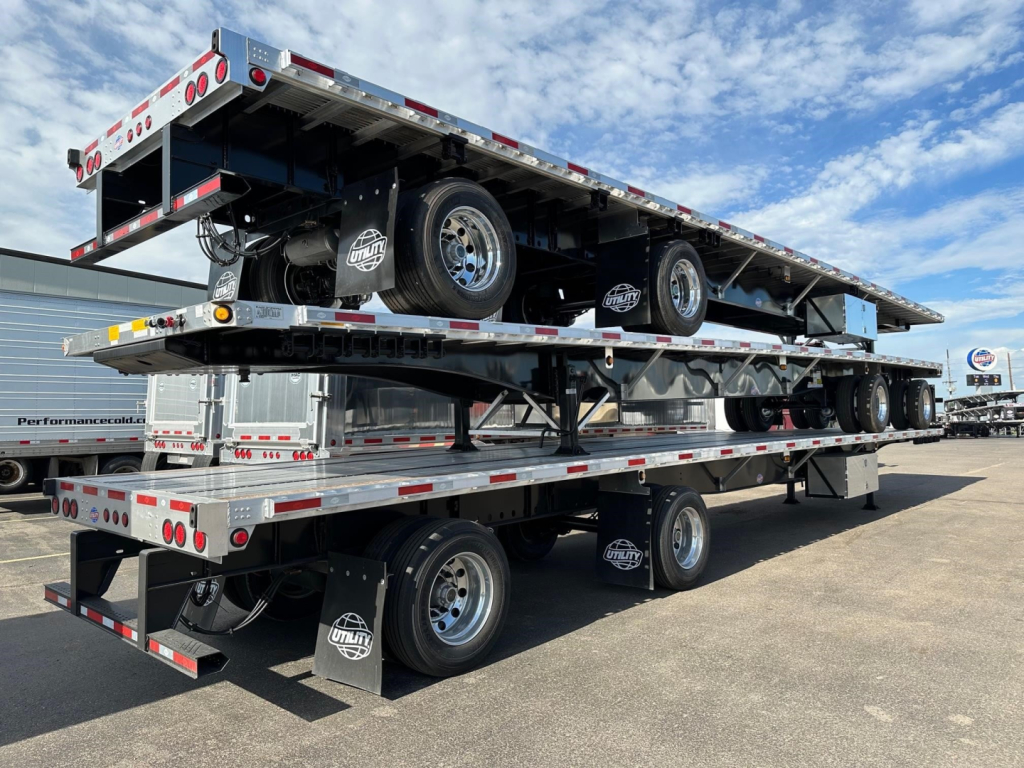
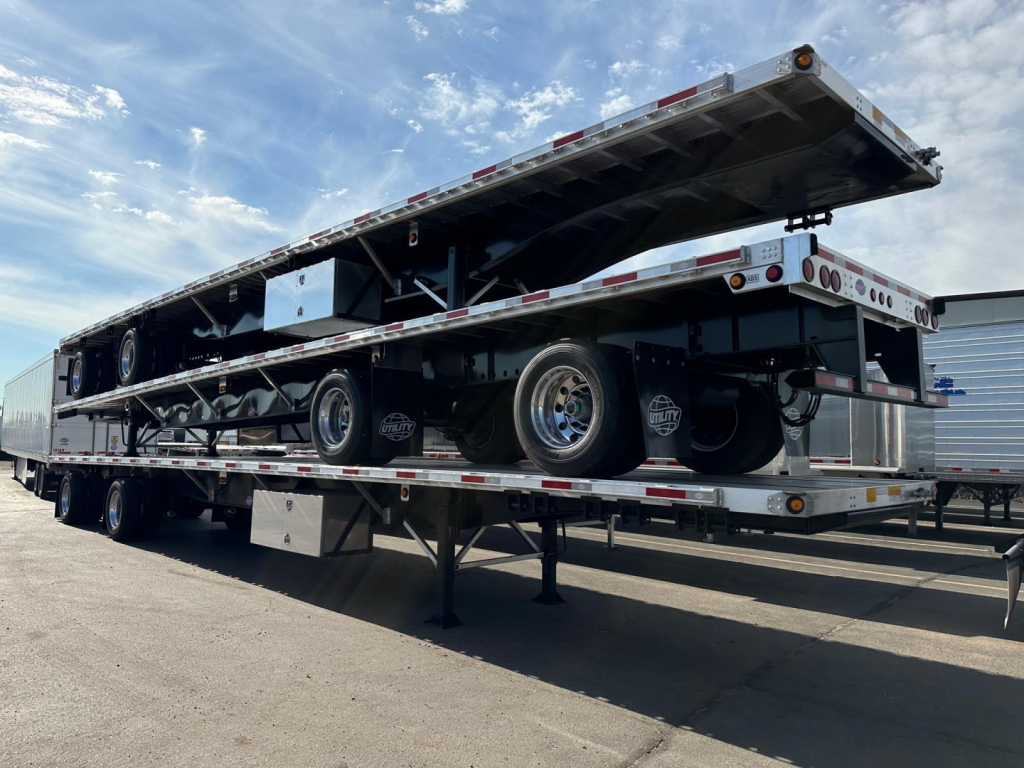
Selling a new 2025 utility flatbed trailer? List your new 2025 utility flatbed trailer for sale and reach thousands of commercial buyers.
New 2025 Utility Flatbed Trailers
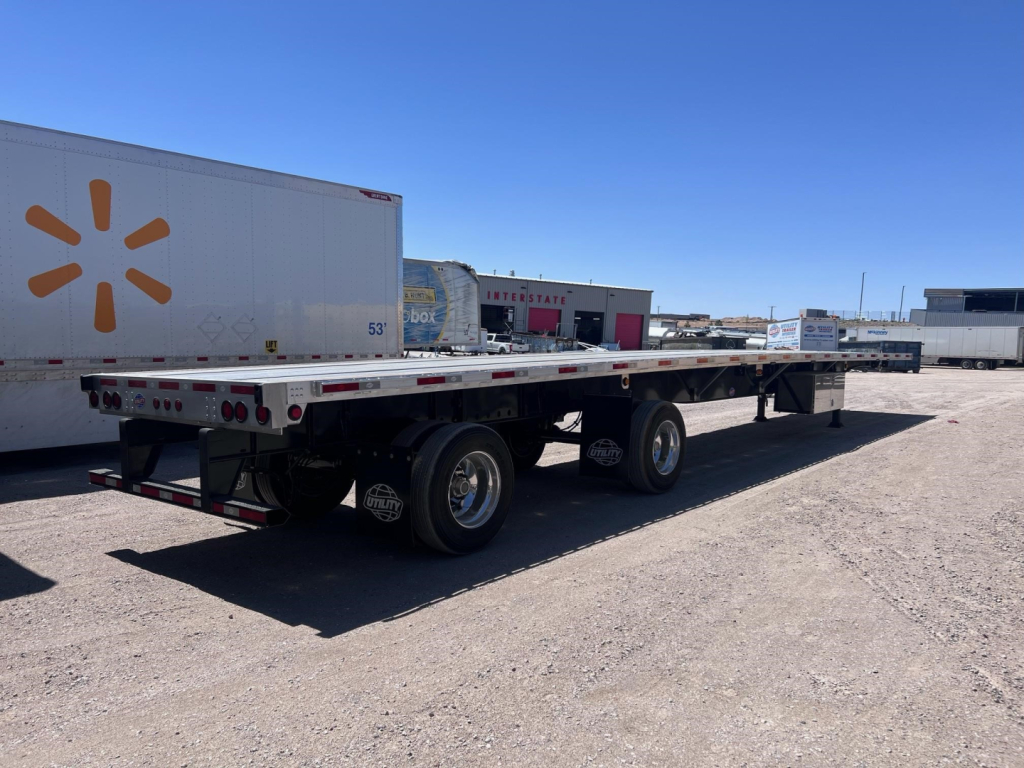
The spec decisions that matter most on a Utility flatbed usually start with axle layout, legal bridge compliance, and cargo mix. Buyers should pay close attention to tandem axle versus spread axle setups, along with rear slide axle or air pin slider configurations if California legality or variable load positioning is part of the job. Air ride suspension is a common choice because it protects freight better than spring ride and helps on rougher lanes. Tire size, wheel material, and overall empty weight also deserve attention, especially for operators trying to maximize payload on dense commodities without giving up structural durability.
Load securement equipment is a major reason many buyers look at Utility combo flatbeds. Common features include stake pockets, winch tracks on both road and curb side, sliding winches, double pipe spools, nail strips, and coil packages. Those details directly affect how easily the trailer handles lumber, machinery, building products, steel, palletized freight, and rolled coils. A 47,000-pound coil package, for example, is important for operations that regularly haul concentrated loads and need a reinforced coil well area. Toolboxes, ICC bumpers, and electric dump valves can also improve daily usability and maintenance efficiency, especially in mixed regional and over-the-road service.
A buyer comparing new Utility flatbed trailers should look beyond brand and model name and focus on how the trailer is actually spec'd for the work. Deck length, main beam construction, axle spacing, low-profile 22.5 tires, and side-by-side securement hardware all change how the trailer loads, rides, and scales. Utility flatbeds have a strong reputation in the open-deck market because they are straightforward to spec, widely recognized by fleets and owner-operators, and adaptable across many freight types. The right trailer is the one that matches your freight density, route legality, customer loading practices, and long-term maintenance priorities.
Frequently Asked Questions about New 2025 Utility Flatbed Trailers
What is a Utility combo flatbed trailer?
A Utility combo flatbed is an open-deck trailer built with a combination of steel and aluminum components. In most common specs, the main beams are steel for structural strength, while the crossmembers, deck, and side rails are aluminum to reduce tare weight and improve corrosion resistance. This type of construction is popular because it gives buyers a practical mix of durability and payload capacity.
What freight is a new Utility flatbed trailer typically used for?
Utility flatbed trailers are commonly used for lumber, steel, machinery, building materials, palletized products, pipe, and other freight that can be loaded from the side, rear, or overhead. A trailer equipped with stake pockets, sliding winches, pipe spools, and a coil package can handle a wider range of cargo and securement methods. The exact fit depends on deck length, axle layout, and how concentrated the freight weight is.
Why does a coil package matter on a flatbed trailer?
A coil package is important if the trailer will haul steel coils or other dense, concentrated loads. It reinforces the trailer in the load area and is designed to handle higher point loading than a standard flatbed deck alone. Even for buyers not hauling coils every day, a coil package can add versatility when freight weight is heavy and compact.
What should buyers look for in axle and suspension specs on a 2025 Utility flatbed?
The most important considerations are legal bridge compliance, maneuverability, tire wear, and how the trailer will be loaded. Tandem axle trailers with a rear slide axle or air pin slider can help with state compliance and load placement flexibility, while spread axle setups may offer different weight distribution advantages depending on the operation. Air ride suspension is a common preference because it improves ride quality and helps protect freight.
Are 53-foot Utility flatbeds better than 48-foot models?
A 53-foot Utility flatbed offers more deck space and is the standard choice for many over-the-road and general freight applications. A 48-foot model can still be the better fit for regional work, customer dock constraints, or specialized freight that does not require the extra length. The better choice depends on lane requirements, freight dimensions, and state or customer-specific operating conditions.