
New Utility Flatbed Trailers For Sale in Colorado
Shop new Utility flatbed trailers with 48' and 53' configurations, combo or steel construction, air ride options, and freight-ready securement features.
Selling a new utility flatbed trailer? List your new utility flatbed trailer for sale and reach thousands of commercial buyers.
New Utility Flatbed Trailers in Colorado
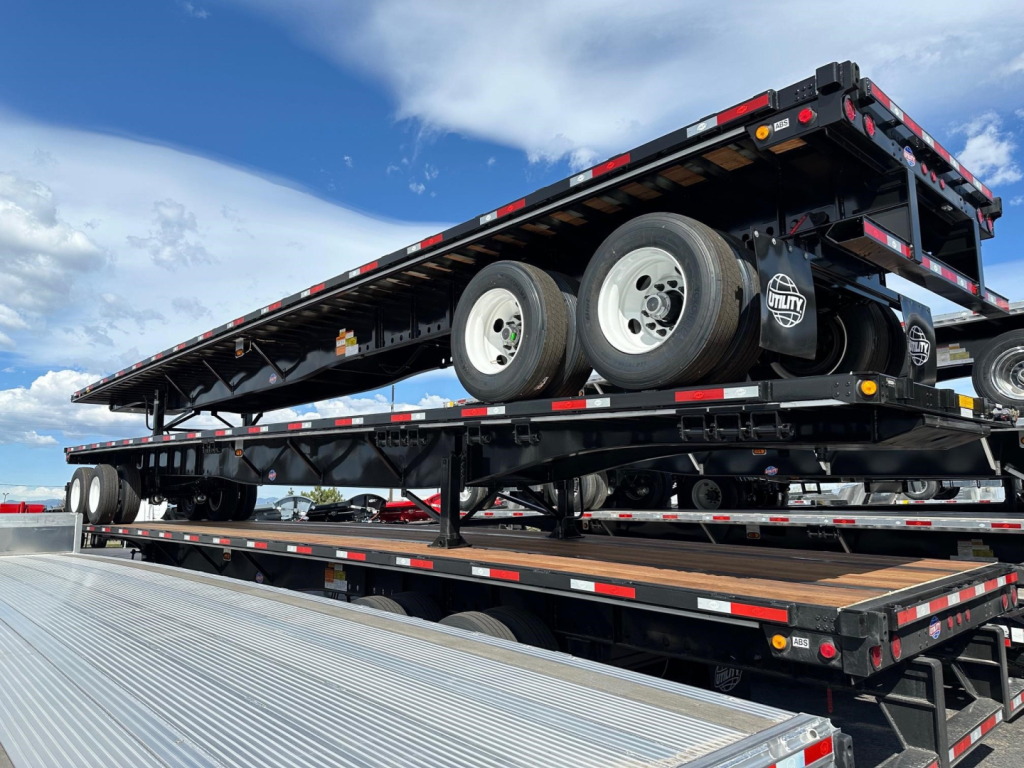
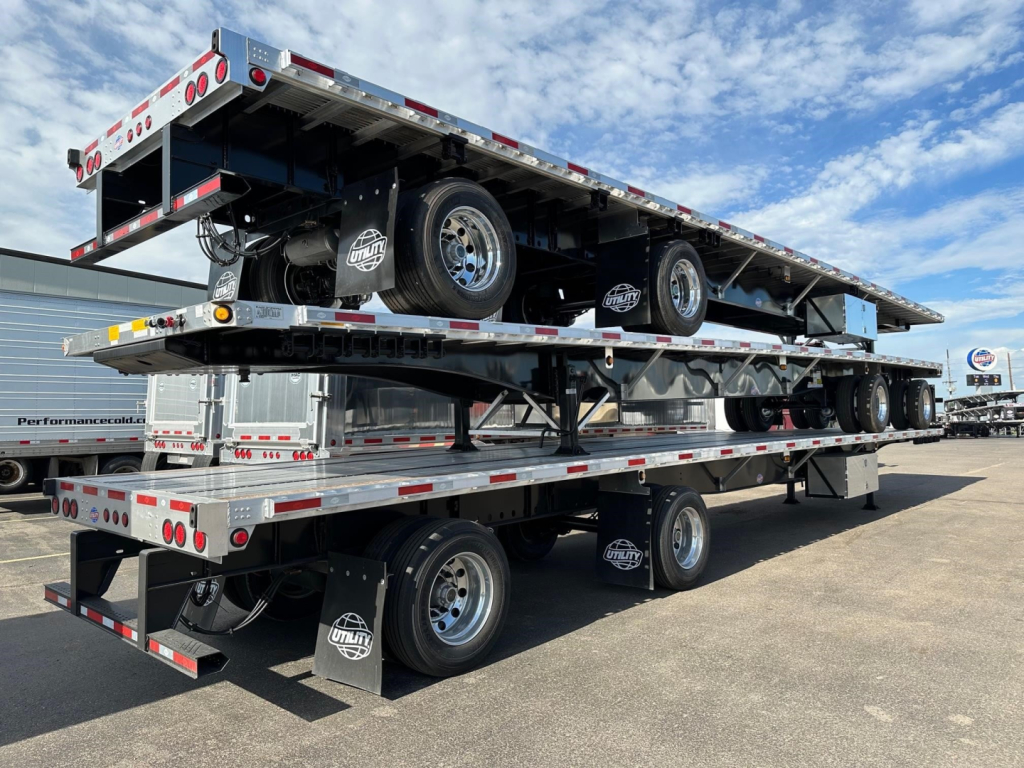
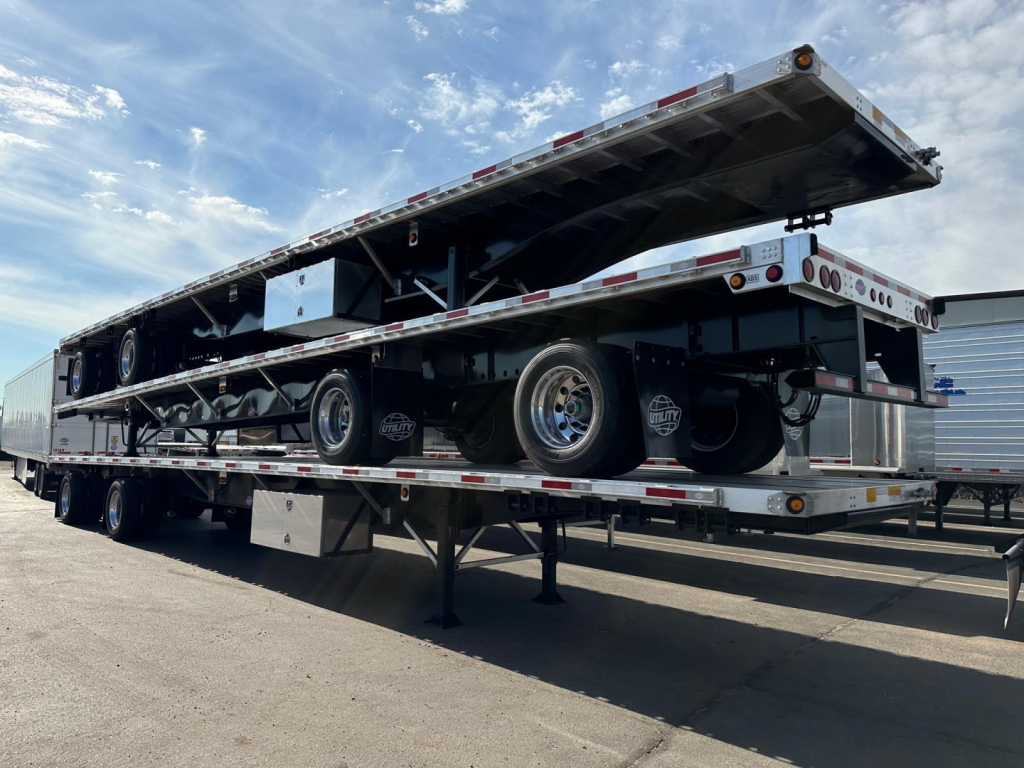
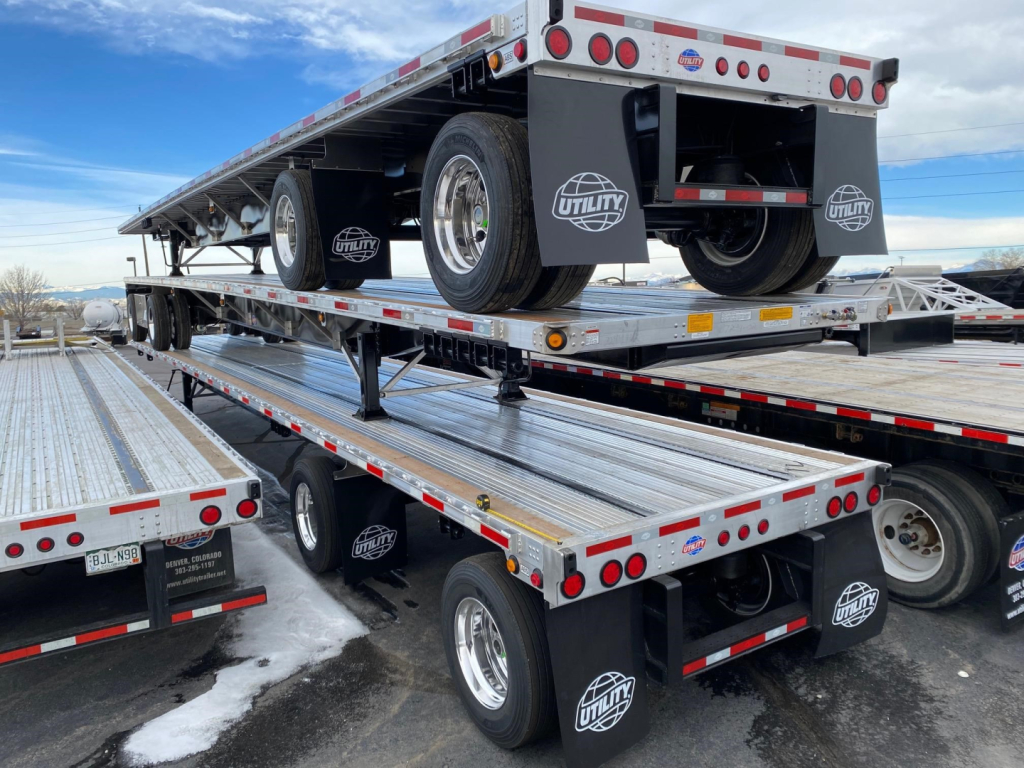
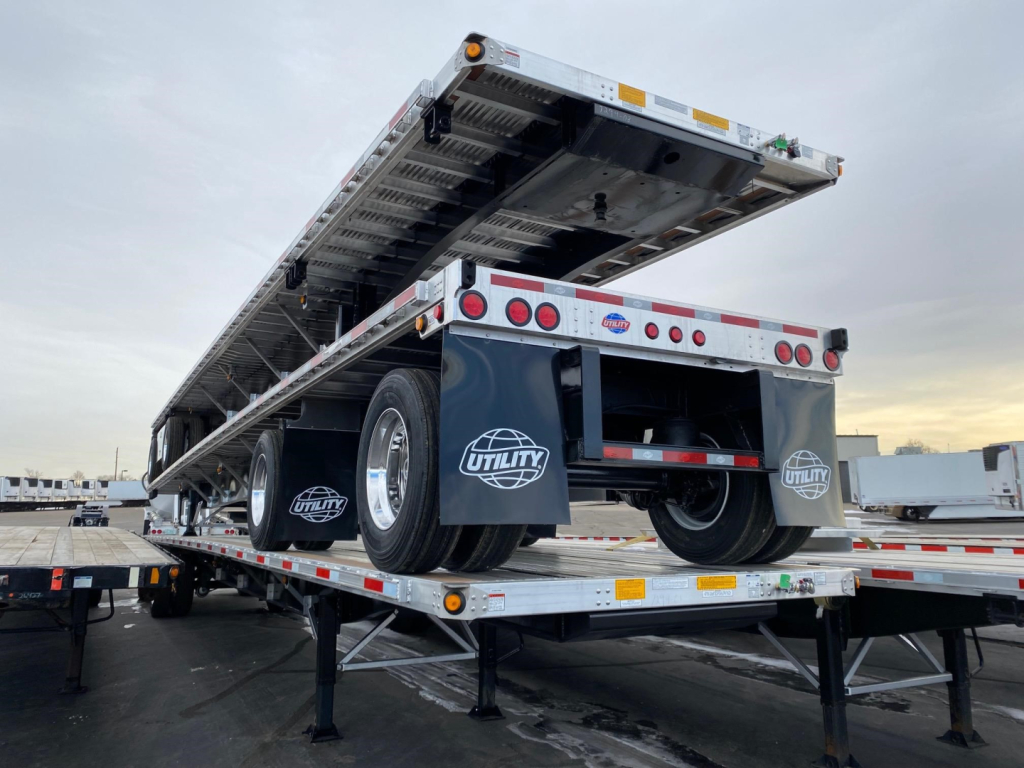
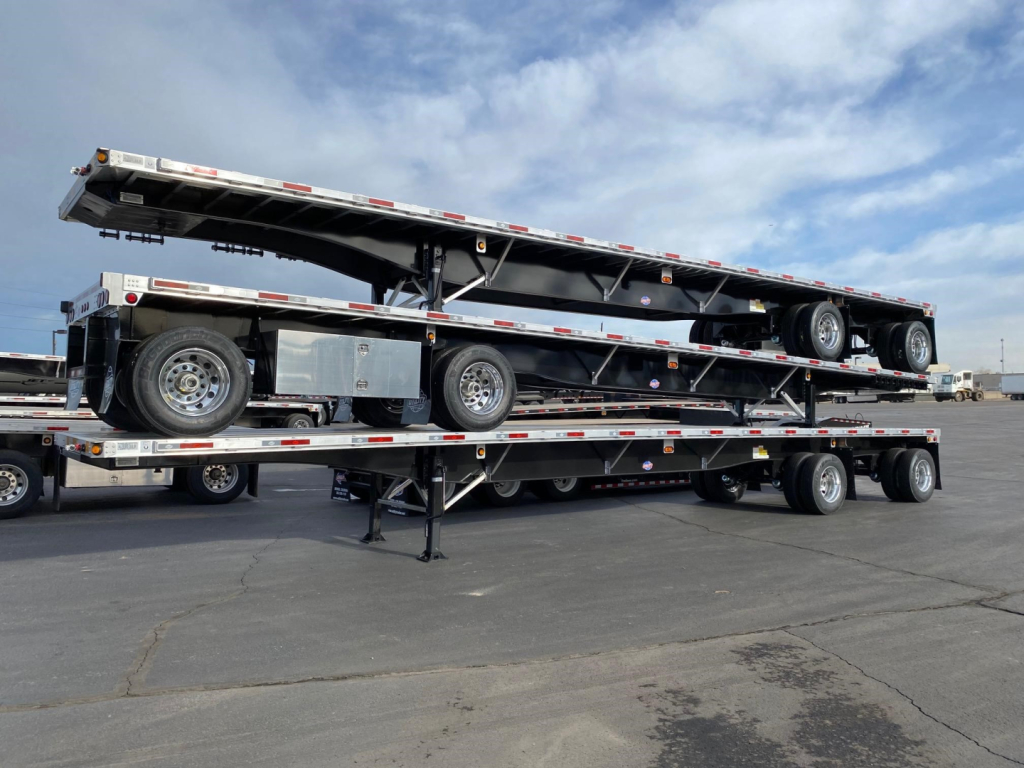
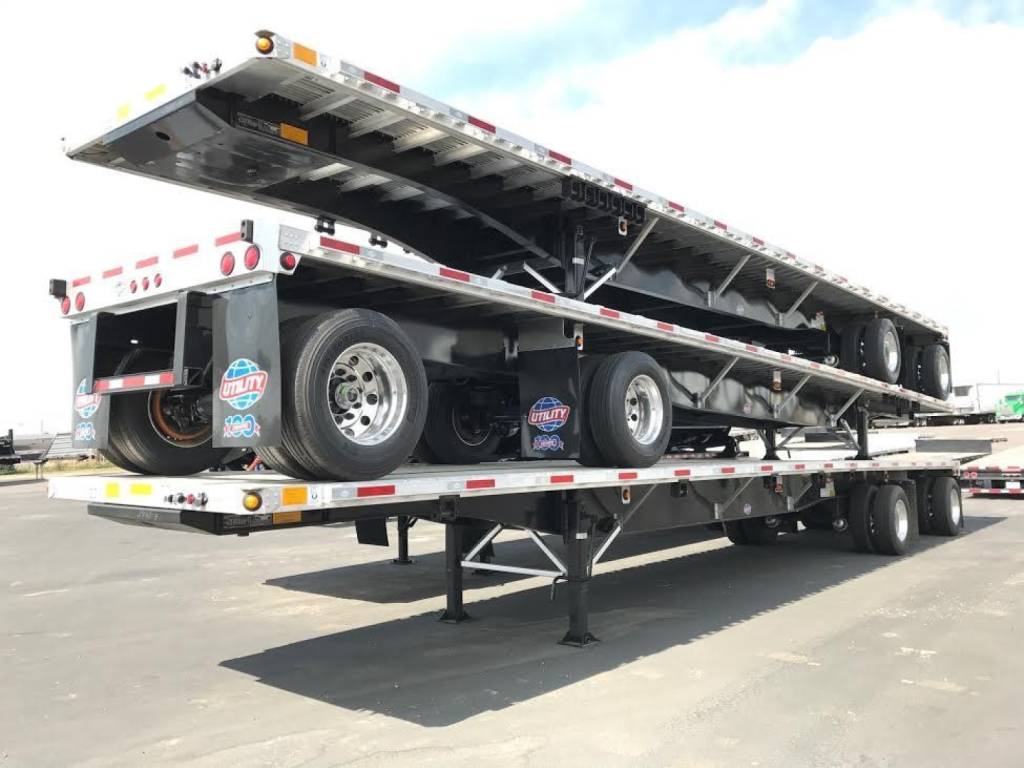
The most common spec decisions affect payload, loading flexibility, and route compliance. New Utility flatbeds are often equipped with stake pockets, double pipe spools, sliding winches, and winch tracks on one or both sides, which are core features for drivers hauling lumber, palletized products, pipe, and machinery. Coil packages are important for carriers moving steel coils because they provide the securement layout needed for concentrated weight. Deck material also matters. Aluminum decking helps keep empty weight down, while Apitong wood remains popular for traction, durability, and ease of replacement. Nail strips, tool boxes, ICC bumpers, and lighting layouts are small details that can make a trailer more practical in daily use.
Suspension and axle layout should match the lanes the trailer will actually run. Air ride is common on new Utility flatbeds for better ride quality and cargo protection, especially on higher-value freight or uneven regional routes. Slide axle and slider setups add flexibility for bridge laws and load placement, while fixed spread or closed tandem configurations may suit fleets that already know their freight profile. Some specs are ordered Cal Legal for operations that need California compliance, and low-profile 22.5 tires are often selected to help manage deck height and legal dimensions. Wheel choice also affects weight and maintenance, with aluminum outside wheels and steel inside wheels being a common balance of appearance, cost, and durability.
A buyer comparing new Utility flatbed trailers should focus on tare weight, suspension type, axle spacing, deck material, and securement package before looking at cosmetic differences. The right flatbed should fit the freight first, then the region, then the maintenance strategy. Utility has a strong reputation in trailer fleets for straightforward specs and broad service familiarity, which matters when a trailer is expected to stay productive across heavy mileage and mixed freight cycles. For buyers searching new Utility flatbed trailers for sale in Colorado, it also makes sense to consider weather exposure, mountain grades, and the type of outbound freight common in the region, since those factors can influence the best combination of deck, suspension, and axle configuration.
Frequently Asked Questions about New Utility Flatbed Trailers in Colorado
What is the difference between a Utility combo flatbed and a full steel flatbed?
A Utility combo flatbed usually combines steel main beams with aluminum components such as the deck, crossmembers, or side rails. This reduces tare weight and can improve payload capacity without giving up core structural strength. A full steel flatbed is typically heavier but may be preferred in severe-duty applications where buyers value repair familiarity, lower material cost, and a traditional heavy-duty build.
What length is most common for a new Utility flatbed trailer?
The most common lengths are 48 feet and 53 feet, both typically built at 102 inches wide. A 53-foot flatbed is popular for general freight and maximizing deck space, while a 48-foot trailer can still be a strong fit for specialized operations, regional freight, or applications where a shorter deck matches the freight mix better. The best choice depends on legal requirements, freight dimensions, and how often the trailer needs axle adjustment for bridge compliance.
Why does a coil package matter on a flatbed trailer?
A coil package is important when hauling steel coils because it supports securement for concentrated, high-density loads. Coil-ready trailers are set up to better handle the way coil freight sits on the deck and how it must be tied down. If steel service or metal hauling is part of the freight mix, a coil package can save time and expand the range of loads the trailer can legally and safely handle.
Is air ride better than spring ride on a Utility flatbed trailer?
Air ride is often preferred for ride quality, cargo protection, and driver acceptance, especially when hauling finished products, machinery, or other freight that benefits from reduced vibration. Spring ride remains a workable option for simpler, lower-cost specs and can still perform well in rugged service. The right suspension depends on cargo sensitivity, expected road conditions, maintenance priorities, and how much axle adjustability is needed.
What securement features should buyers look for on a new flatbed trailer?
Most buyers should pay close attention to stake pockets, winch tracks, sliding winches, pipe spools, nail strips, and overall deck layout. These features affect how easily the trailer can be adapted to different freight types and how quickly drivers can secure loads. A trailer with securement hardware on both road and curb sides usually offers better day-to-day flexibility, especially in mixed freight operations.