
New 2027 Flatbed Trailers For Sale in Texas
Shop new 2027 flatbed trailers in Texas. Compare 48' and 53' specs, axle setups, weight ratings, securement options, and flooring types.
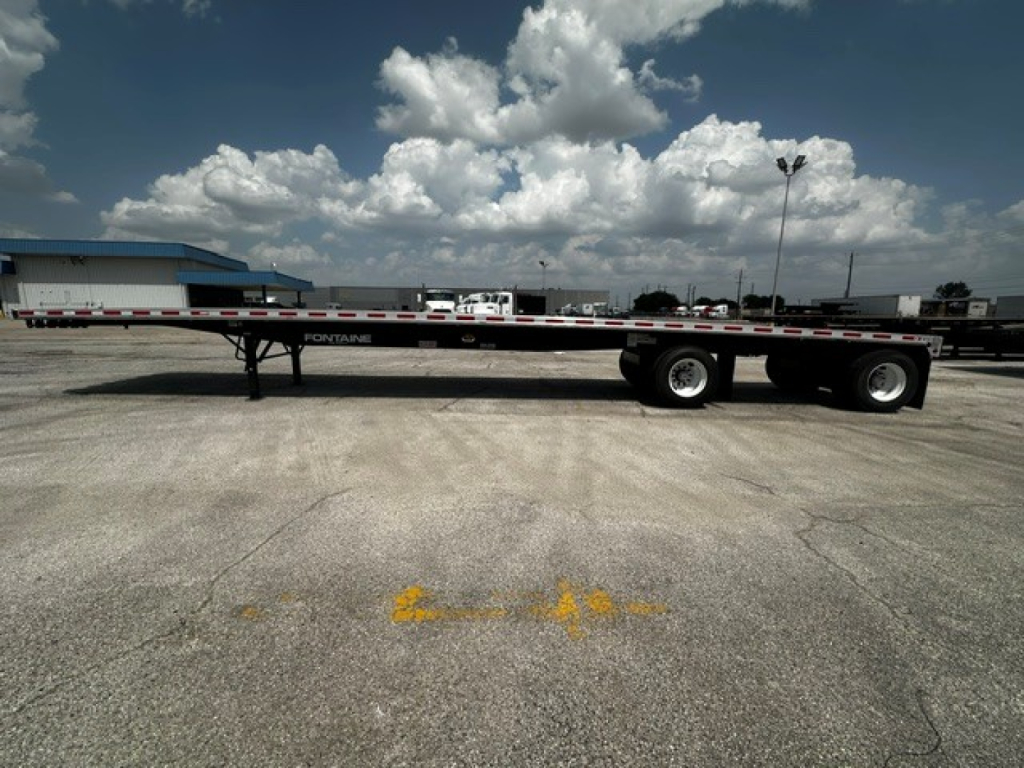
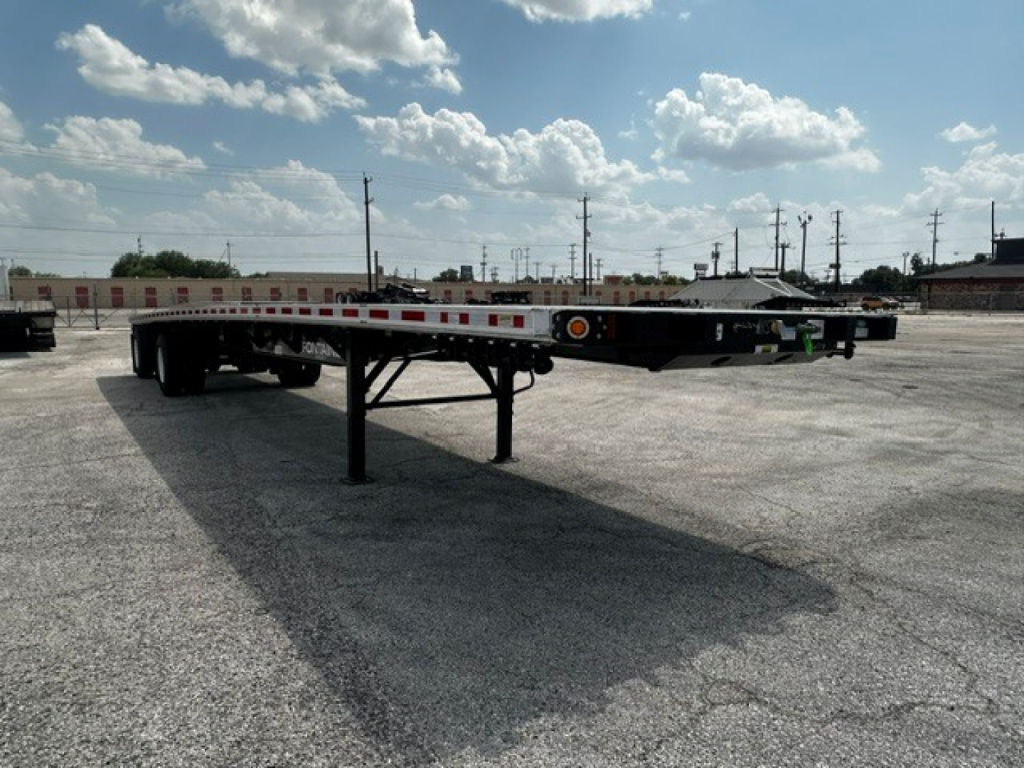
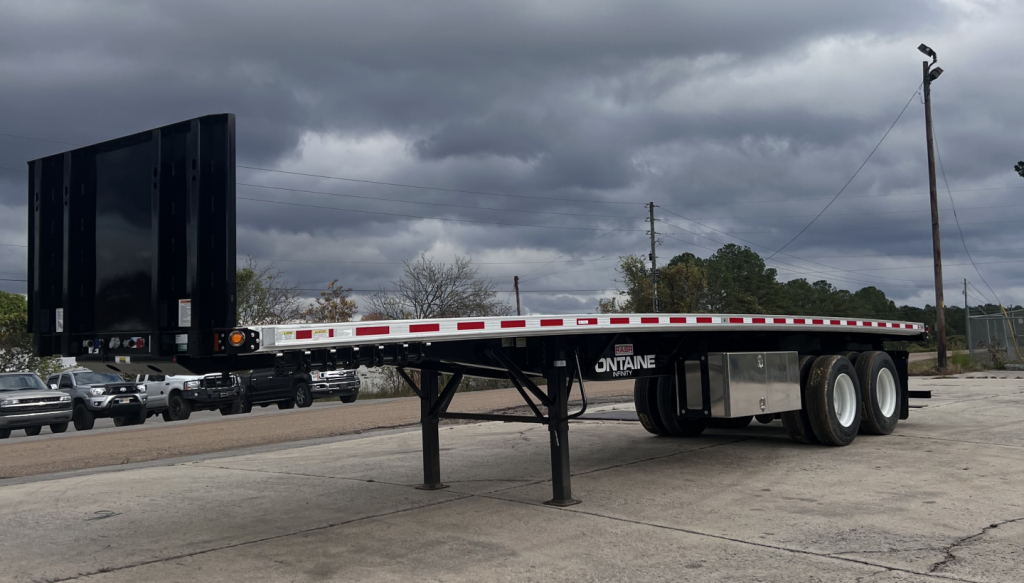
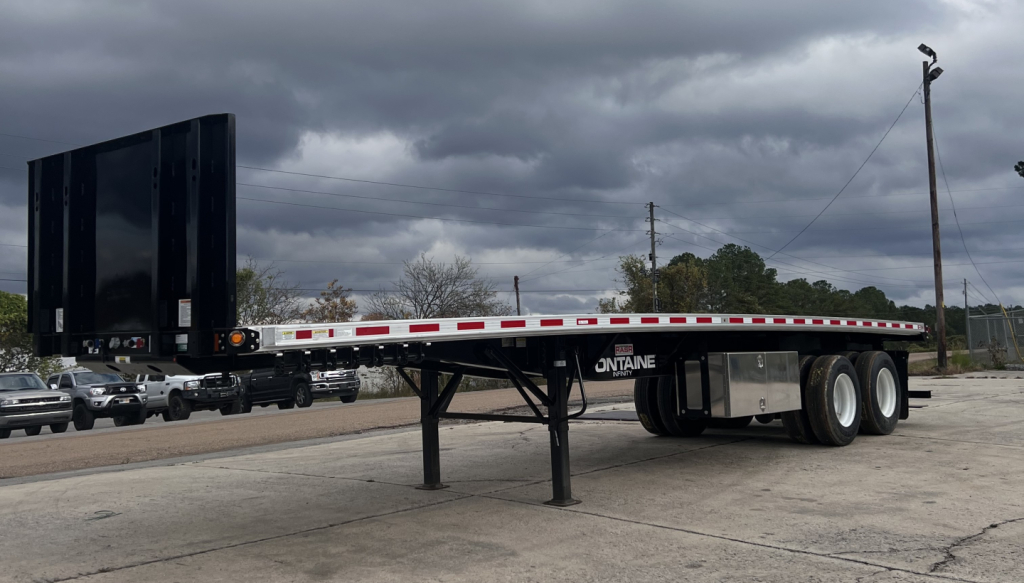
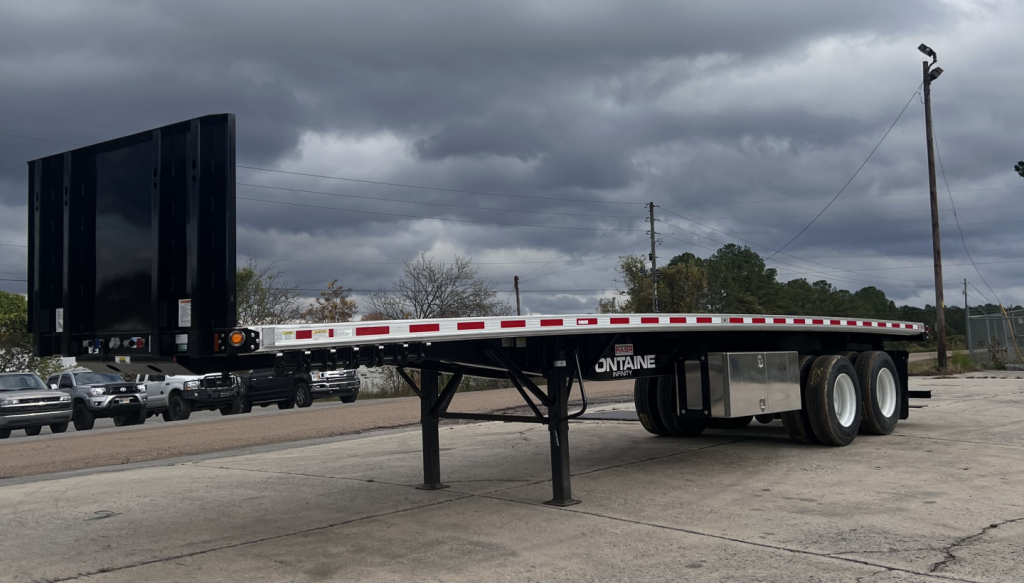
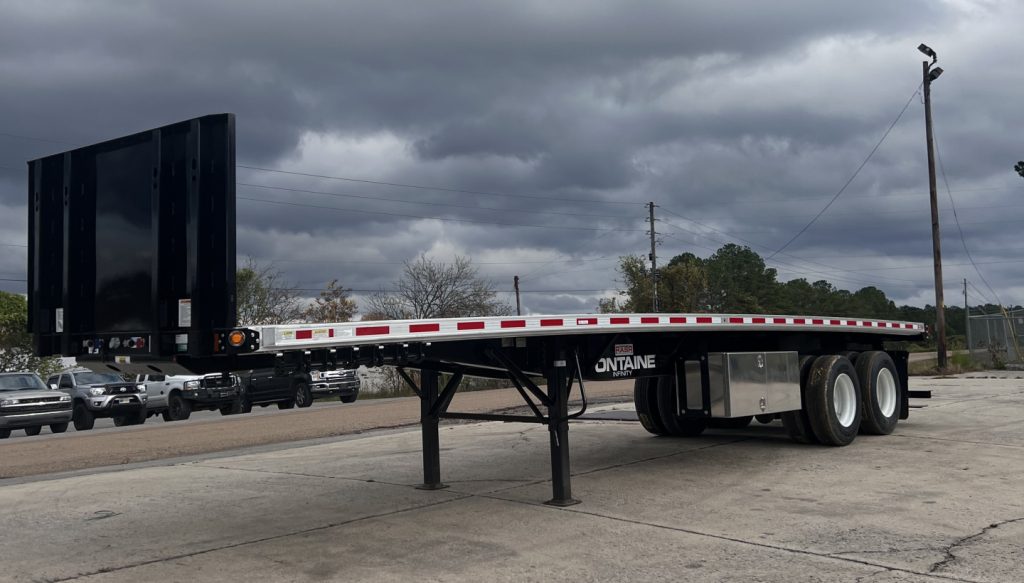
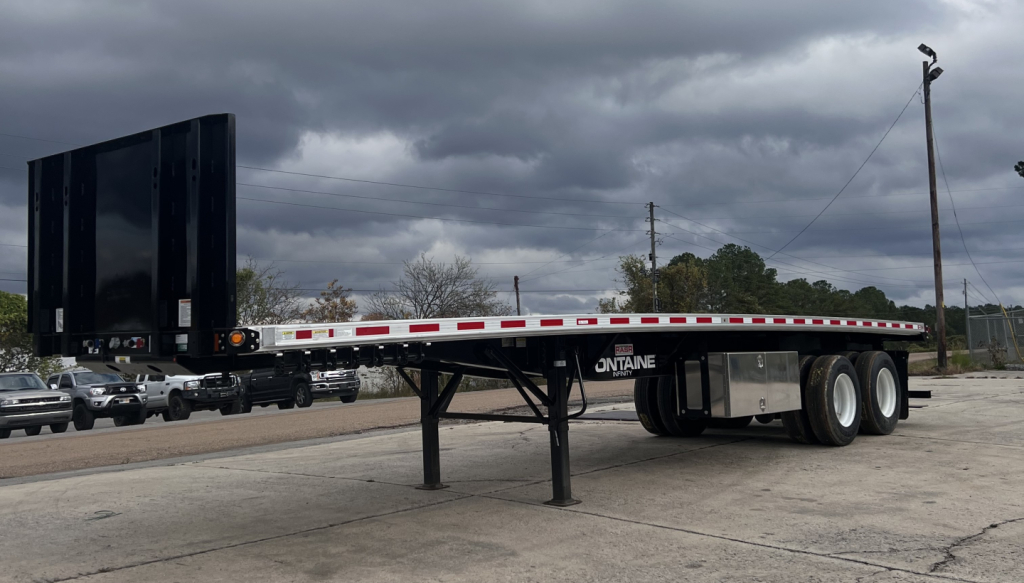
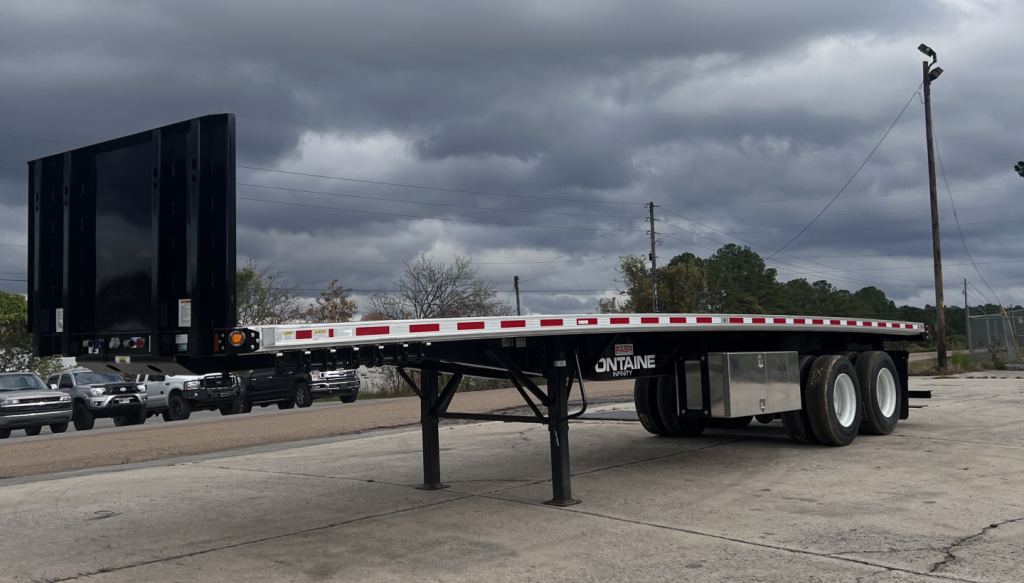
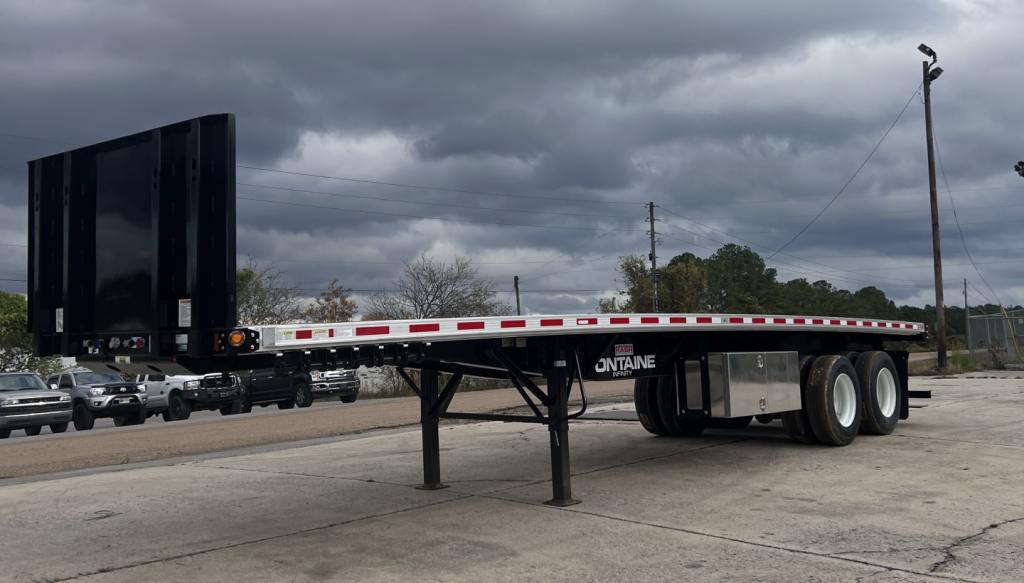
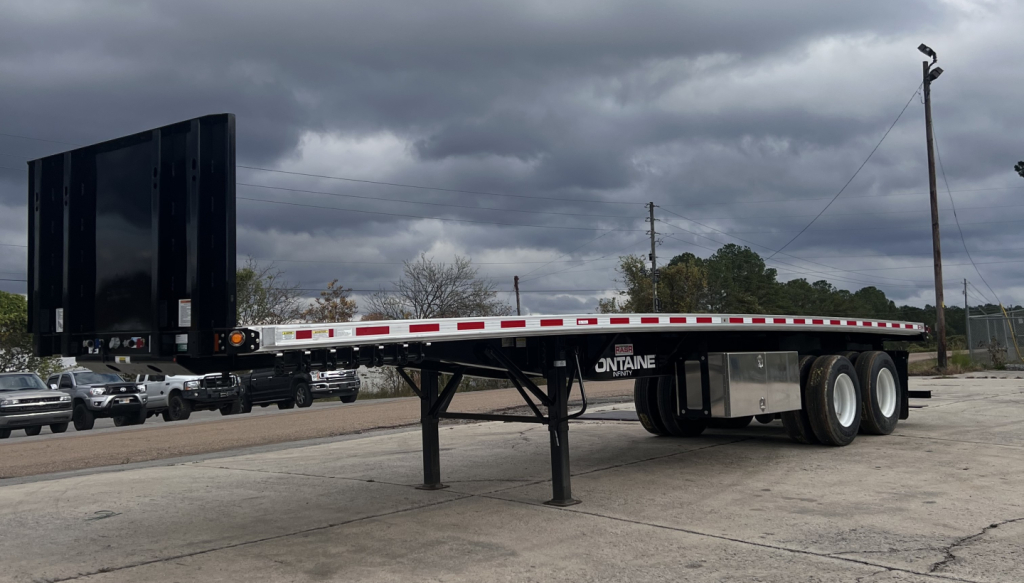
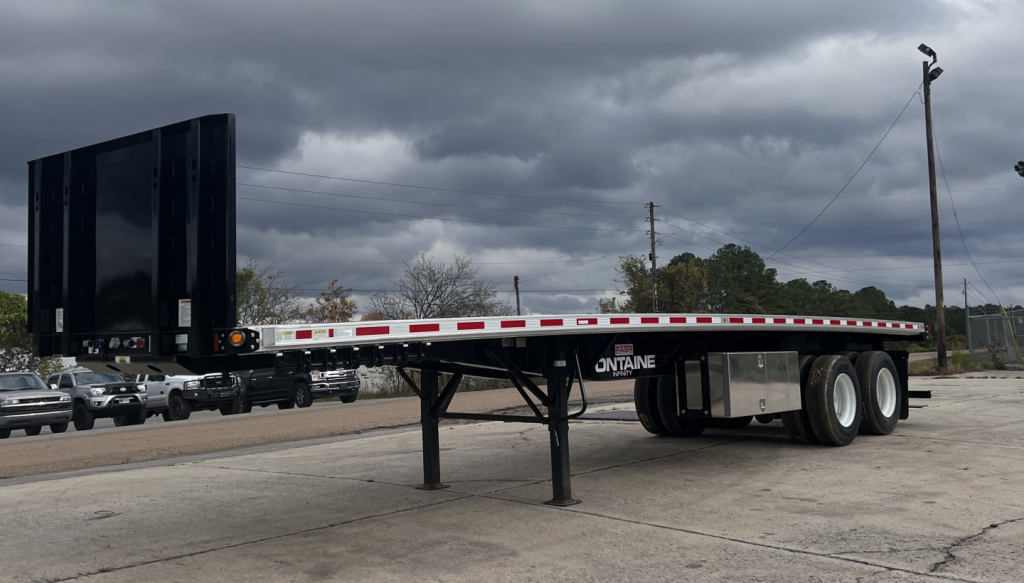
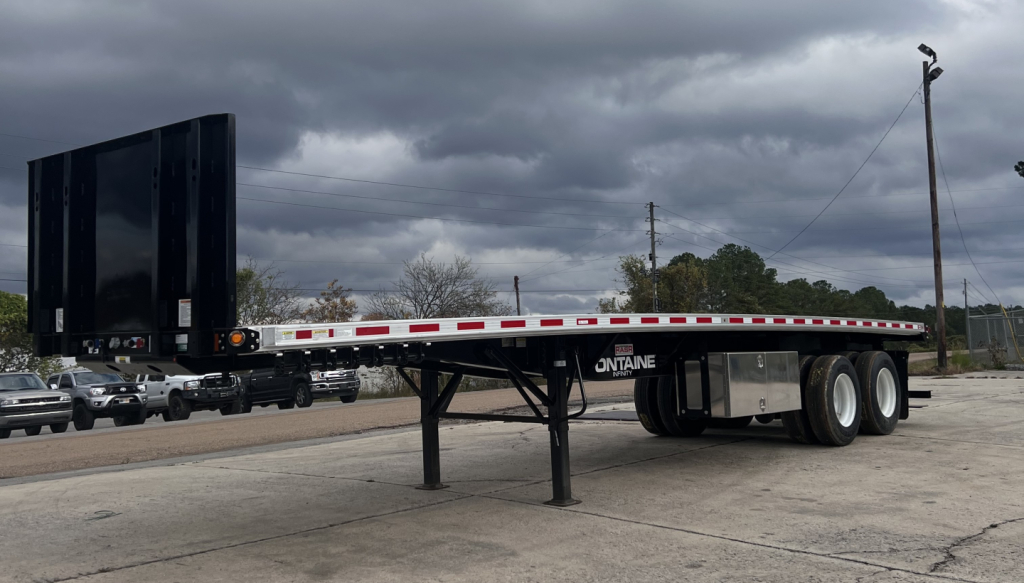
Selling a new 2027 flatbed trailer? List your new 2027 flatbed trailer for sale and reach thousands of commercial buyers.
New 2027 Flatbed Trailers in Texas
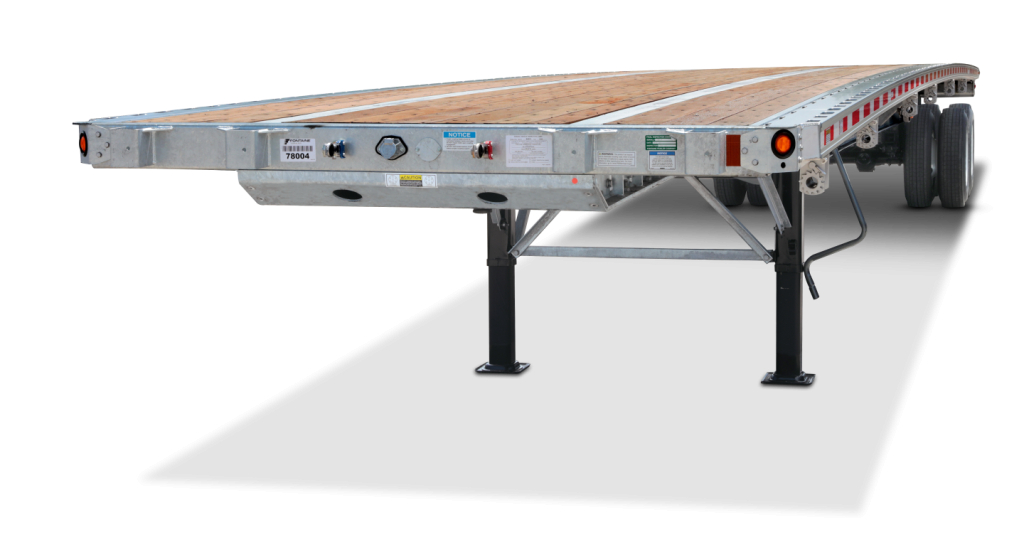
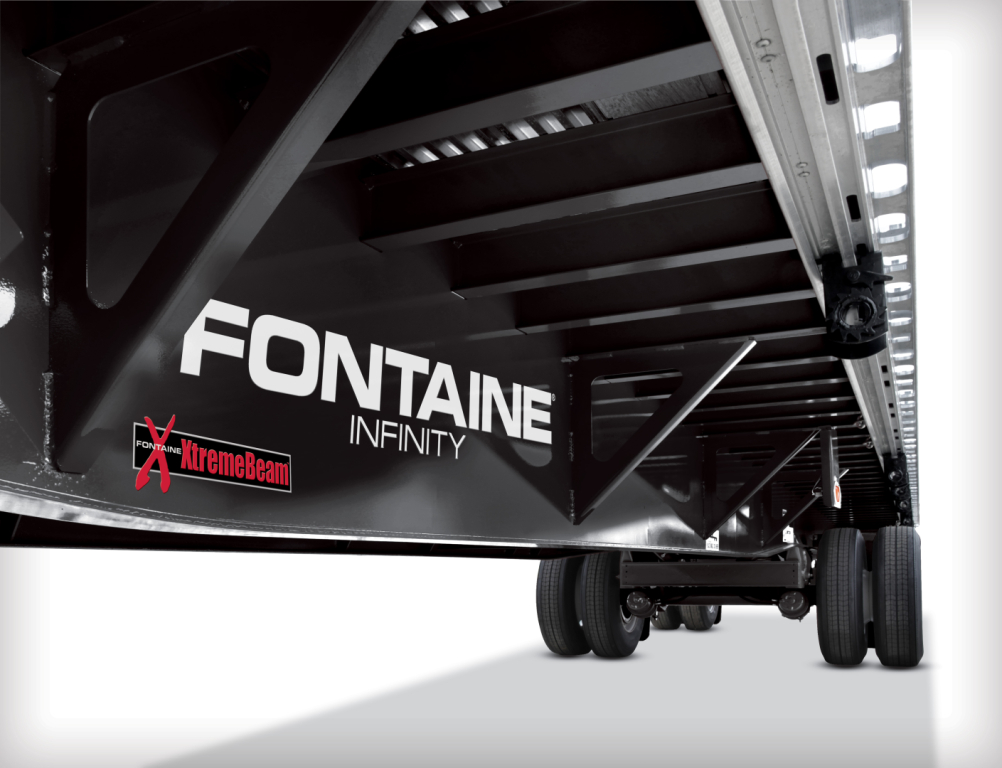
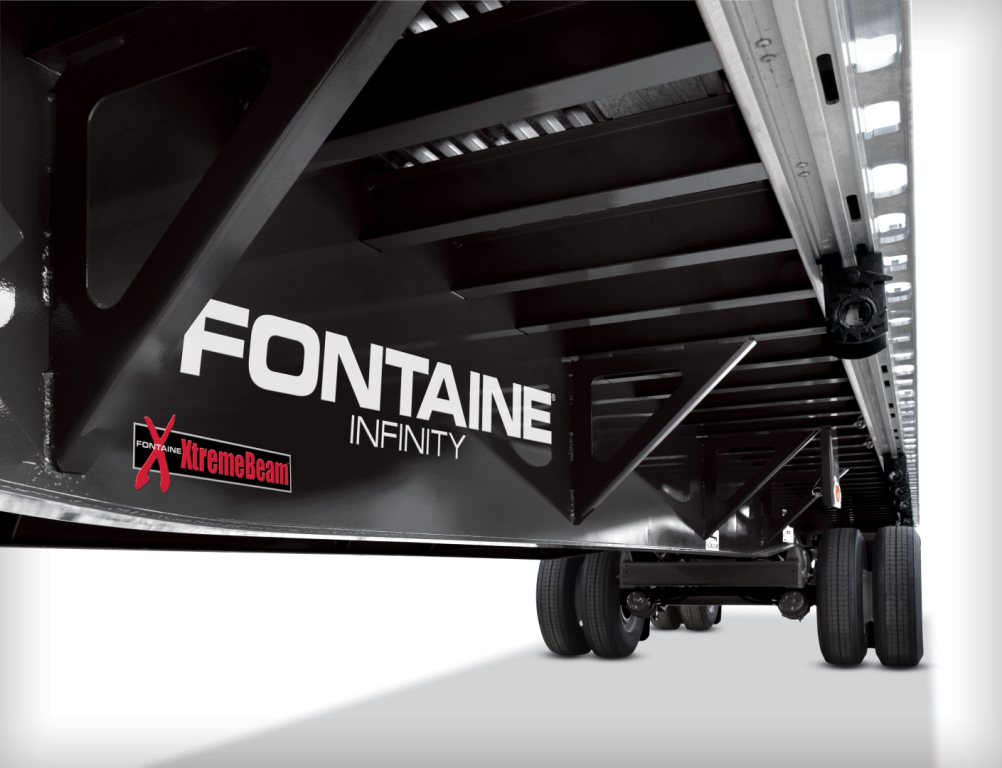
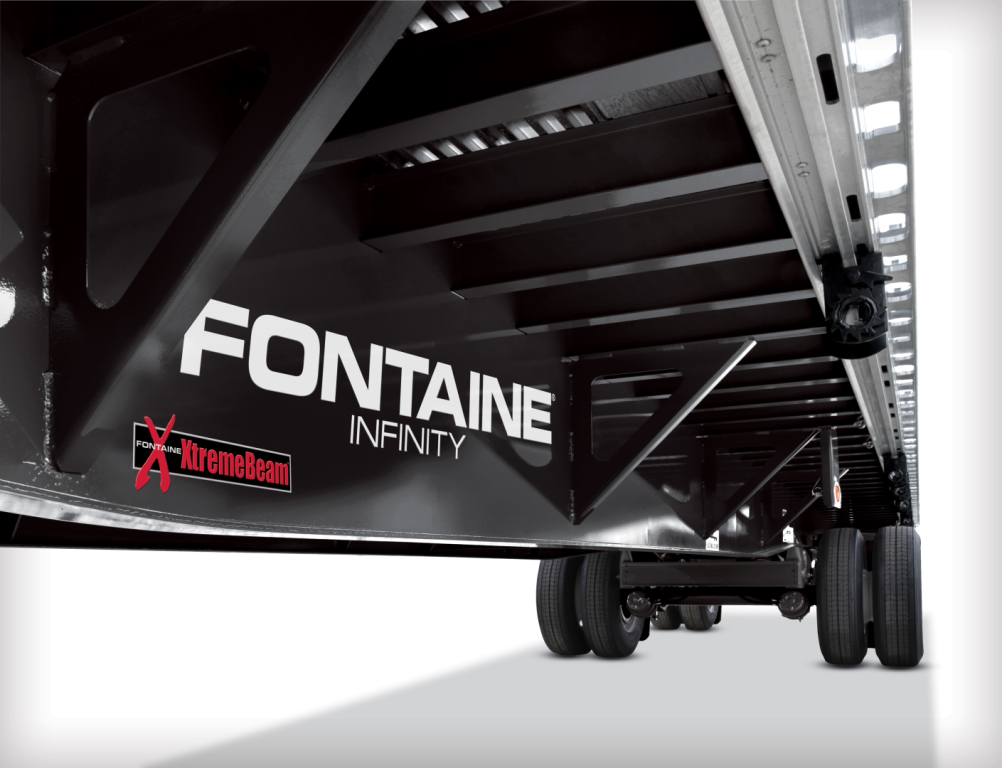
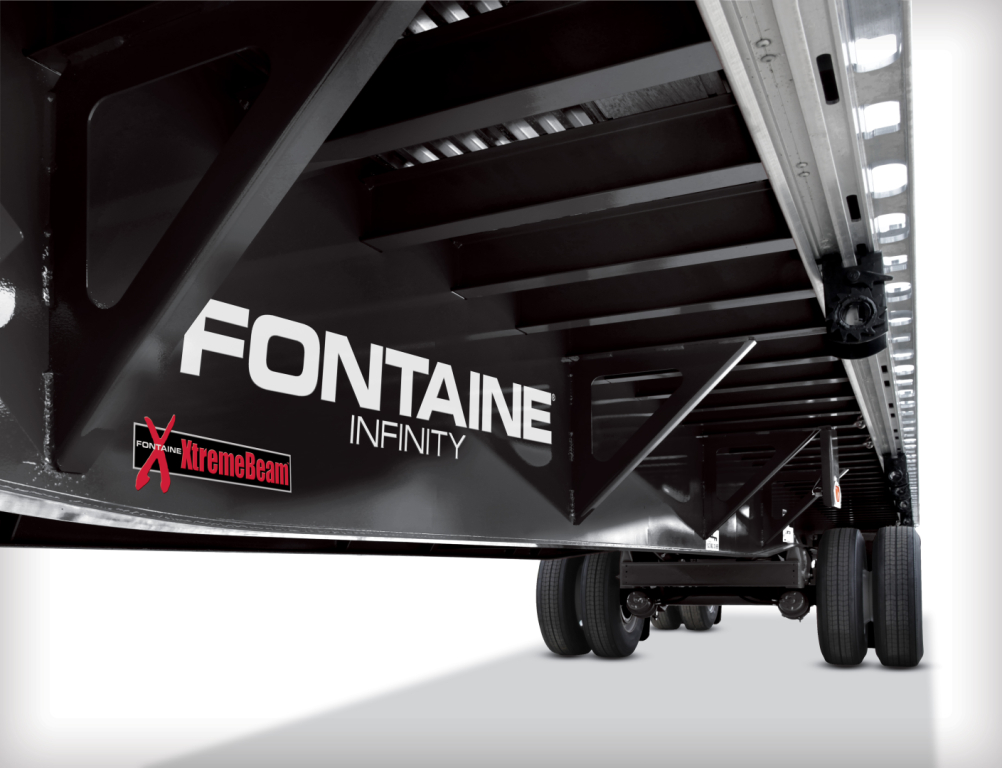
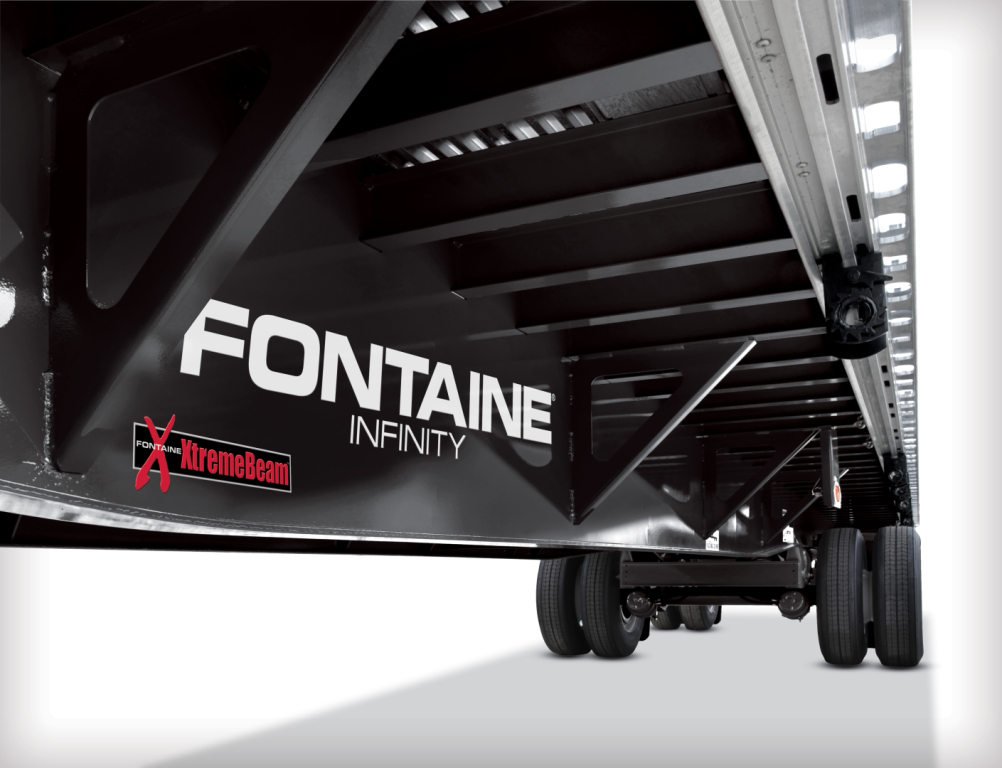
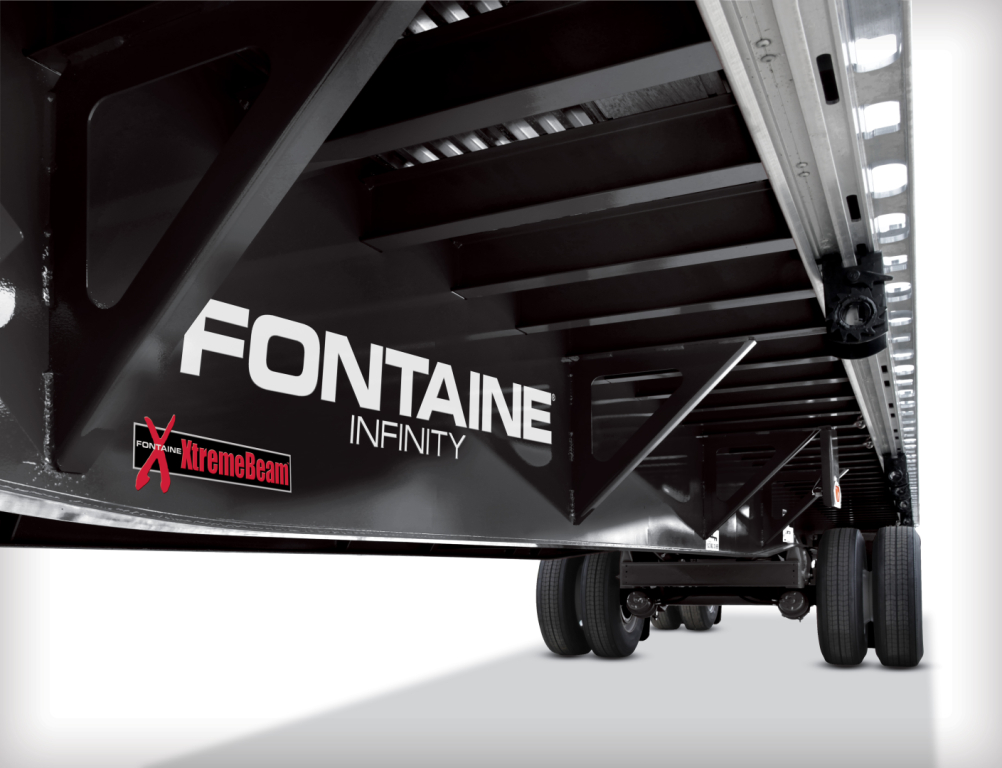
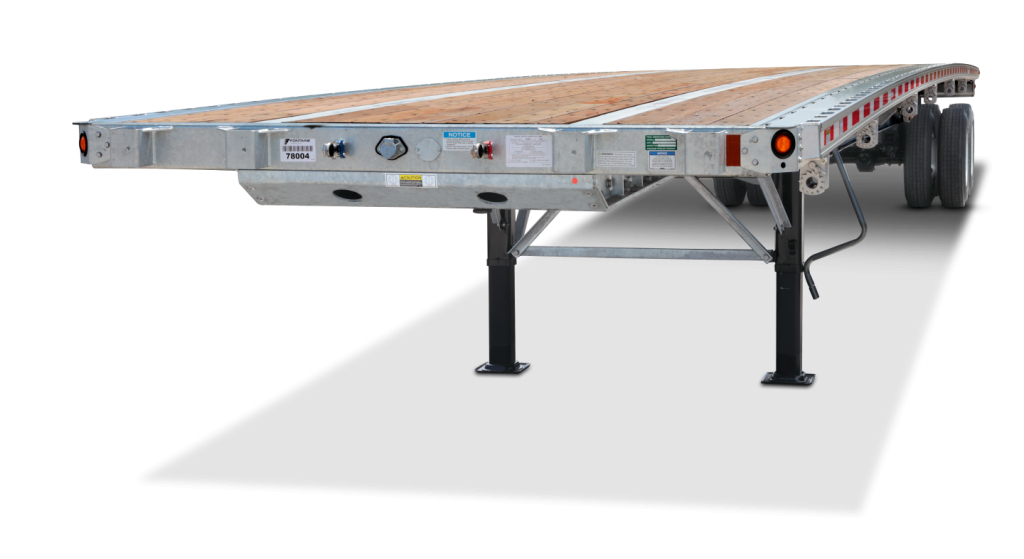
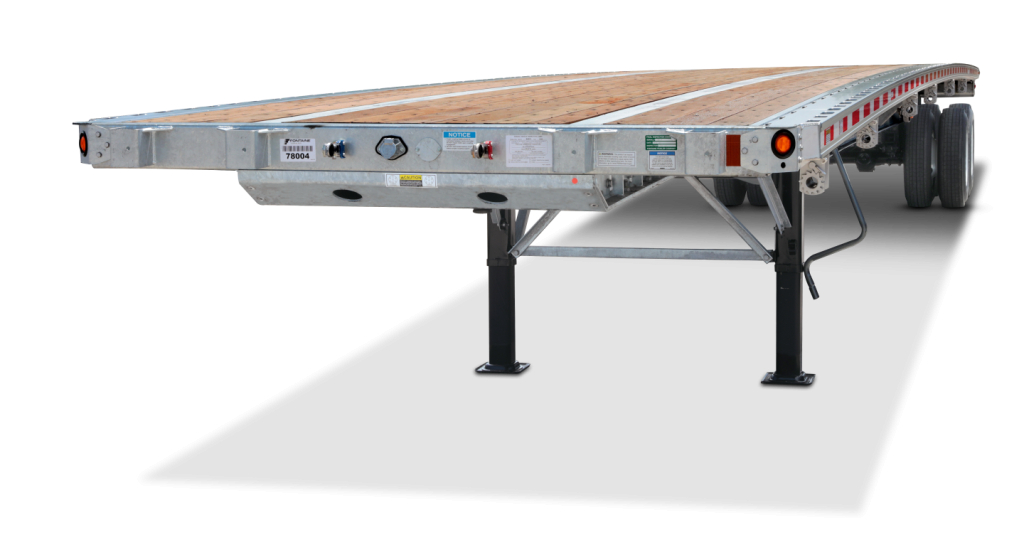
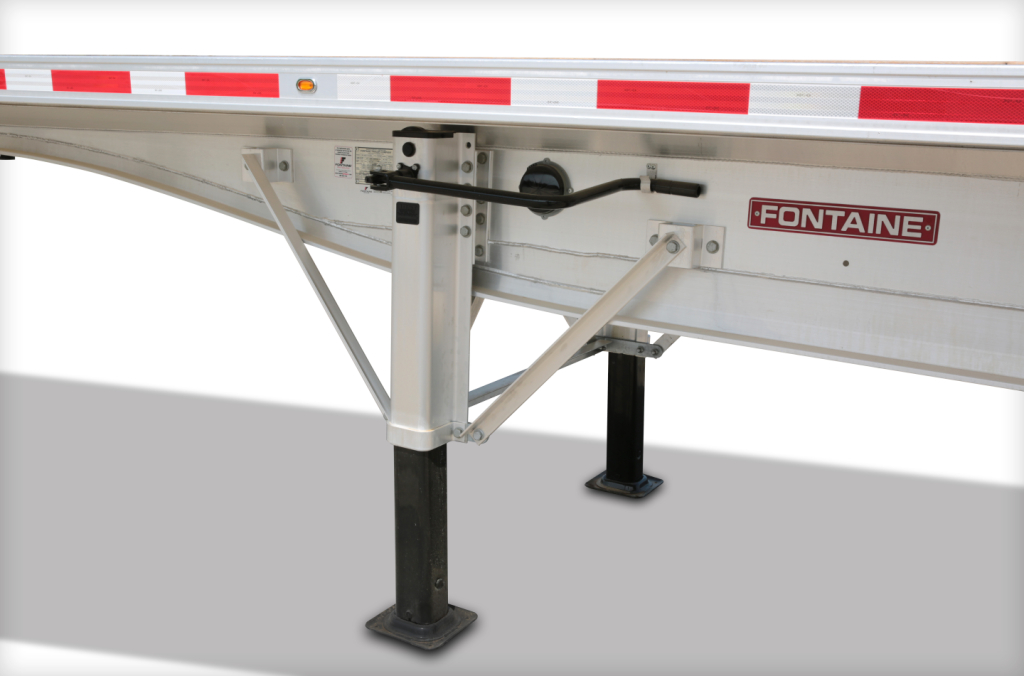
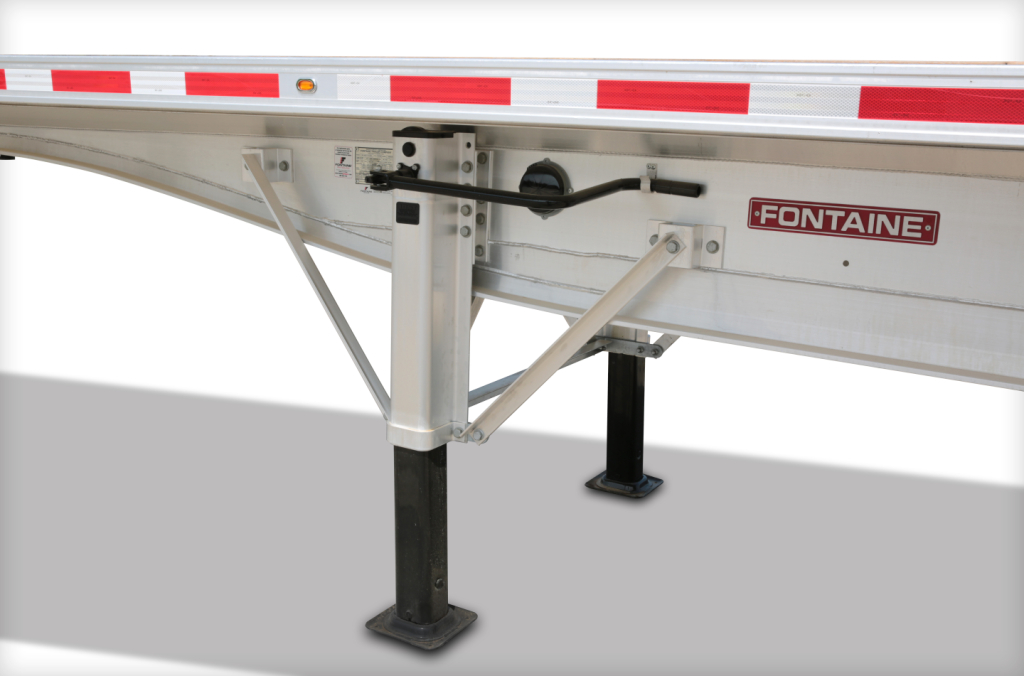
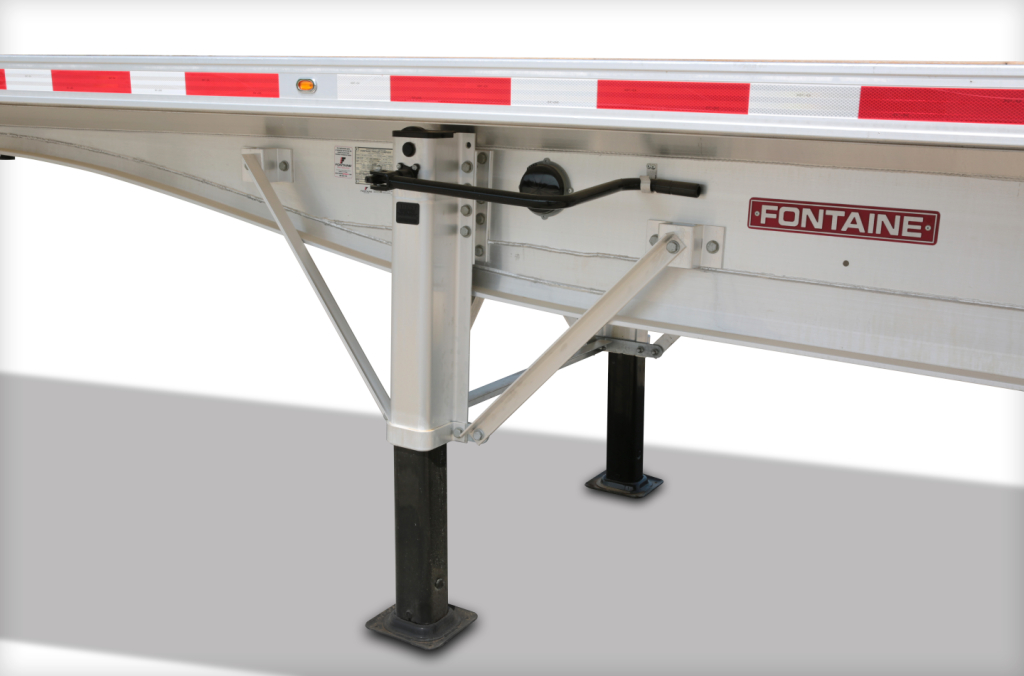
Material choice matters because it affects empty weight, corrosion resistance, and repair cost. Aluminum flatbeds usually deliver the lightest tare weight and the best payload advantage, while combo trailers balance aluminum components with steel structure for durability in tougher service. Galvanized steel or galvanized structural components can make sense for fleets that keep trailers a long time and want better corrosion protection. Flooring is another important spec. Many flatbeds use aluminum floors with wood nailer strips for flexibility in securement and load protection, while knurled aluminum flooring adds traction for forklifts and drivers on the deck. Stake pockets on 24-inch centers, integrated rub rails, full-length winch tracks, and sliding winches are standard features many buyers expect because they improve securement options across mixed freight.
Axle configuration should match the lanes you run and the weight laws you work under. Tandem air ride is common for ride quality and cargo protection, and sliding tandems or rear axle slide setups help with bridge law compliance and dock positioning. Some 53-foot flats are ordered with California-legal rear slide dimensions, while 48-foot models may use a sliding tandem or wide spread axle depending on regional needs and load profile. A 30-inch kingpin setting and roughly 49-inch loaded fifth wheel height are common on general freight flatbeds, but it is still worth checking tractor compatibility, especially if the trailer will be paired with multiple road tractors. Tire size, wheel material, dump valves, ABS configuration, and bumper style are all worth reviewing because they affect maintenance, roadside serviceability, and operating weight.
Securement and daily usability separate a basic platform trailer from one that works efficiently every day. Look closely at the number and placement of chain tie-downs, bulkhead pockets, toolbox size, dock bumpers, lighting layout, and any forklift kit or counterweight package if truck-mounted forklift use is planned. A true work-spec flatbed for Texas freight should give the driver multiple securement choices without forcing workarounds on irregular loads. Buyers comparing new 2027 flatbed trailers should focus less on sticker price alone and more on payload, deck strength, corrosion protection, axle adjustability, and how well the securement package matches the freight they actually haul.
Frequently Asked Questions about New 2027 Flatbed Trailers in Texas
What length flatbed trailer is most common, 48 foot or 53 foot?
Both are common, but they serve slightly different priorities. A 48-foot flatbed remains a strong choice for regional and general commodity work because it is straightforward, widely accepted at shippers, and often available with lighter tare weight. A 53-foot flatbed gives more deck space for longer freight and can improve load flexibility, but axle placement and bridge law compliance become more important. The right choice depends on the freight dimensions, the states traveled, and how often the operation needs maximum deck length versus simpler weight distribution.
What is the difference between an aluminum, combo, and galvanized flatbed trailer?
An aluminum flatbed is typically the lightest option, which helps maximize legal payload and can reduce fuel burn over time. A combo flatbed uses both aluminum and steel to balance lower weight with added structural durability in high-stress areas. A galvanized flatbed or galvanized structural package adds corrosion resistance, which is valuable for long ownership cycles, harsh environments, and fleets focused on appearance and frame preservation. The best material choice depends on payload goals, maintenance philosophy, repair environment, and expected service life.
Why does axle configuration matter on a flatbed trailer?
Axle configuration affects legal weight distribution, ride quality, turning behavior, and how easily the trailer can be adjusted for different loads. Sliding tandems help operators move weight where it needs to be for bridge compliance and dock positioning. Wide spread axles can improve weight carrying characteristics in some applications, but they also change tire scrub and maneuverability. Rear axle slide designs are especially useful when a buyer needs flexibility across different states or wants a California-legal setup. The axle package should be matched to the freight mix and the operating region, not chosen as an afterthought.
What securement features should a buyer look for on a new flatbed trailer?
The most useful securement features are the ones that support different freight types without forcing add-on modifications later. Stake pockets on close spacing, integrated rub rails, chain tie-downs recessed into the siderails, full-length winch tracks, and enough sliding winches on each side are all important. Coil package reinforcement and bulkhead pockets matter for steel and other dense freight. Buyers should also review flooring type and nailer strip layout because they affect how loads can be blocked, protected, and secured. A well-spec'd trailer gives the driver more legal and practical securement options at the dock.
What weight ratings should buyers pay attention to on a flatbed trailer?
Distributed load rating is the starting point, and many highway flatbeds are built around an 80,000-pound distributed capacity. That number alone is not enough for dense freight. Concentrated load rating, often expressed over a four-foot section, is critical for steel, machinery, and coil applications because it reflects how much weight the deck and beams can handle in a smaller footprint. Buyers should also look at main beam flange ratings, flooring construction, suspension capacity, and tare weight. The goal is to match the trailer's structural rating to the actual freight, not just the broadest advertised number.