
New 2027 Fontaine Flatbed Trailers For Sale in Texas
Shop new 2027 Fontaine flatbed trailers in Texas. Compare aluminum and combo flats, axle setups, securement features, and weight-saving specs.
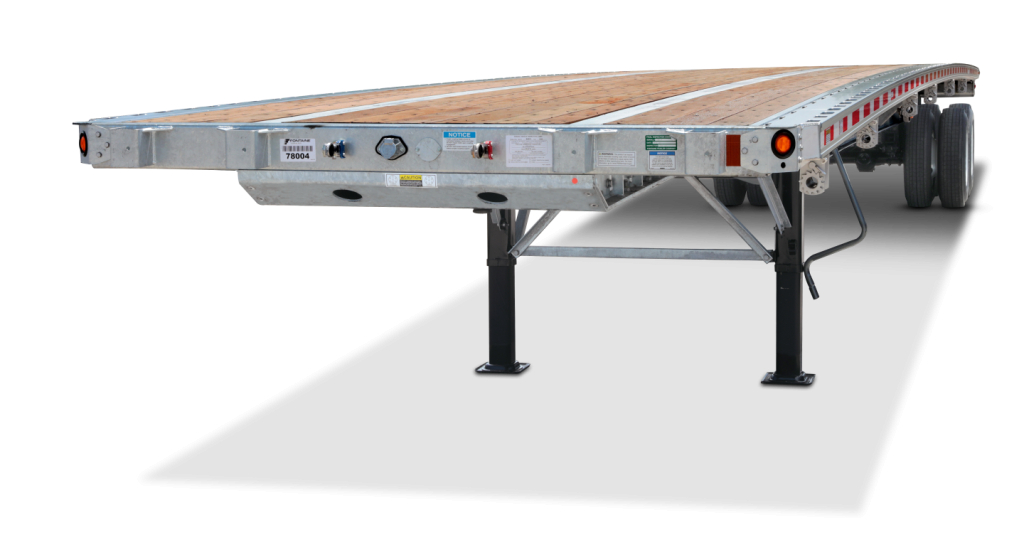
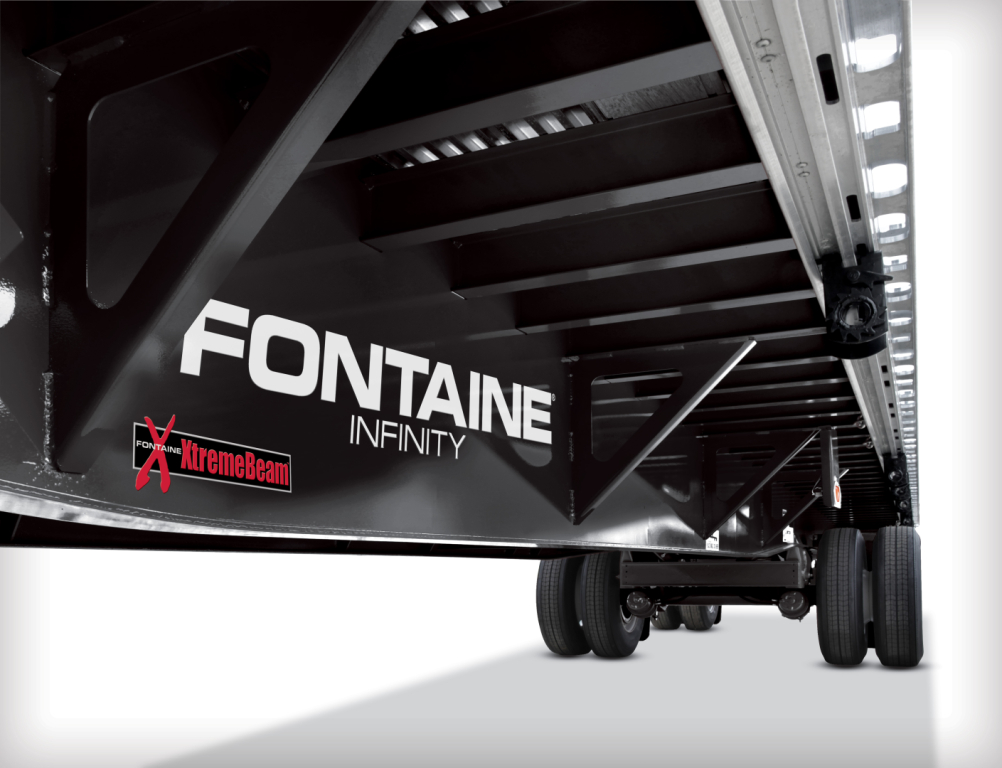
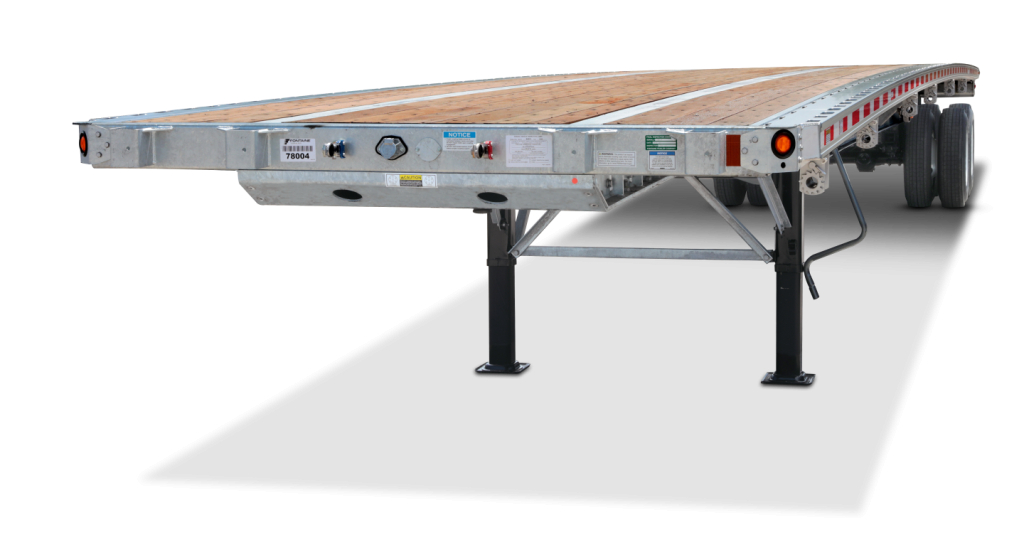
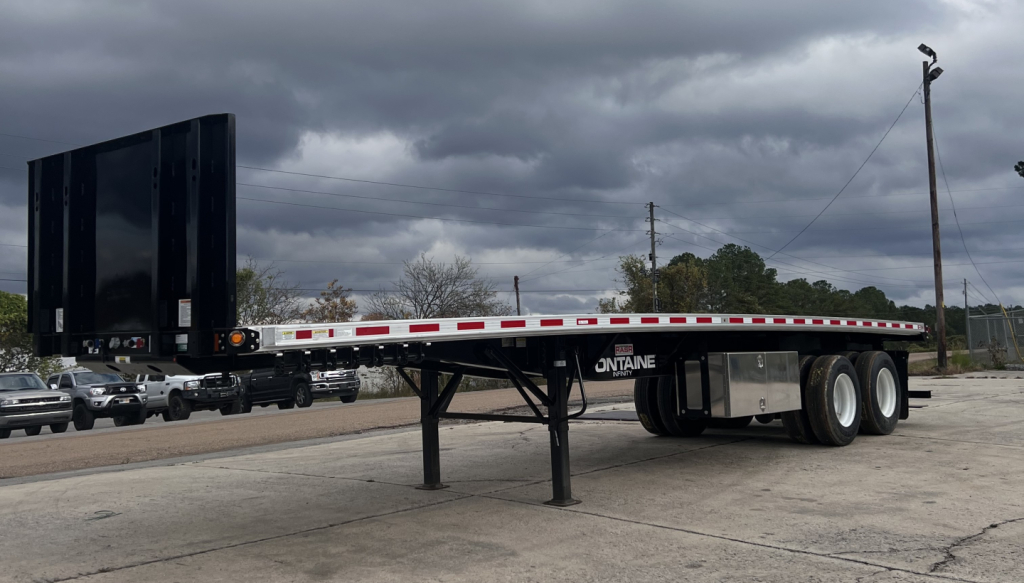
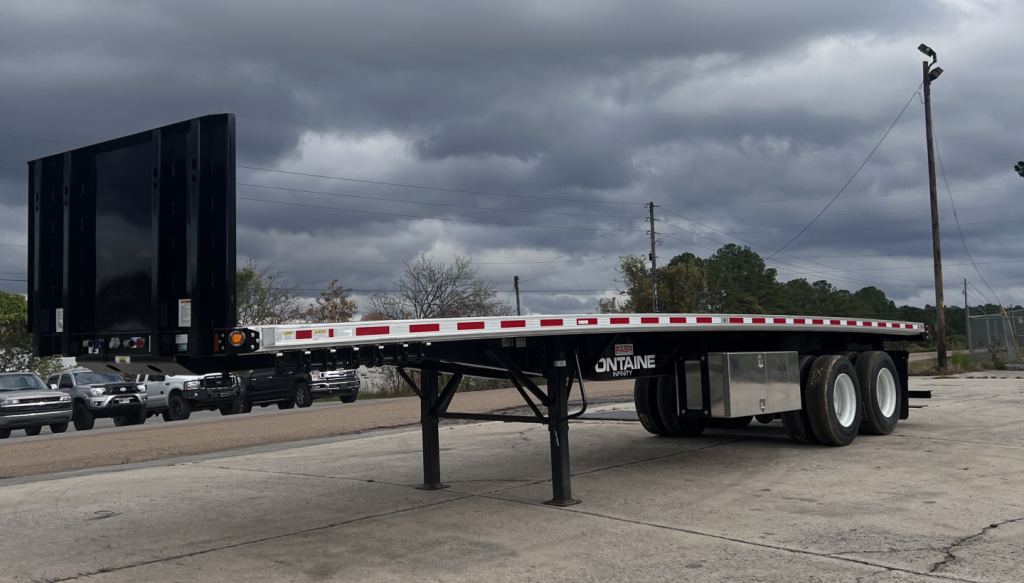
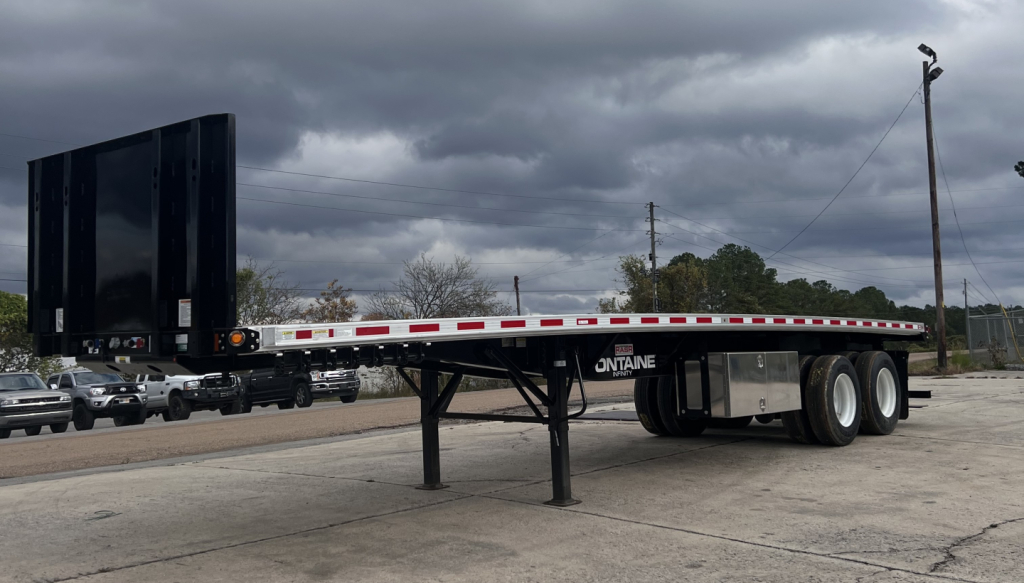
2027 Fontaine 53' Combo Flat - Rear Axle Slide
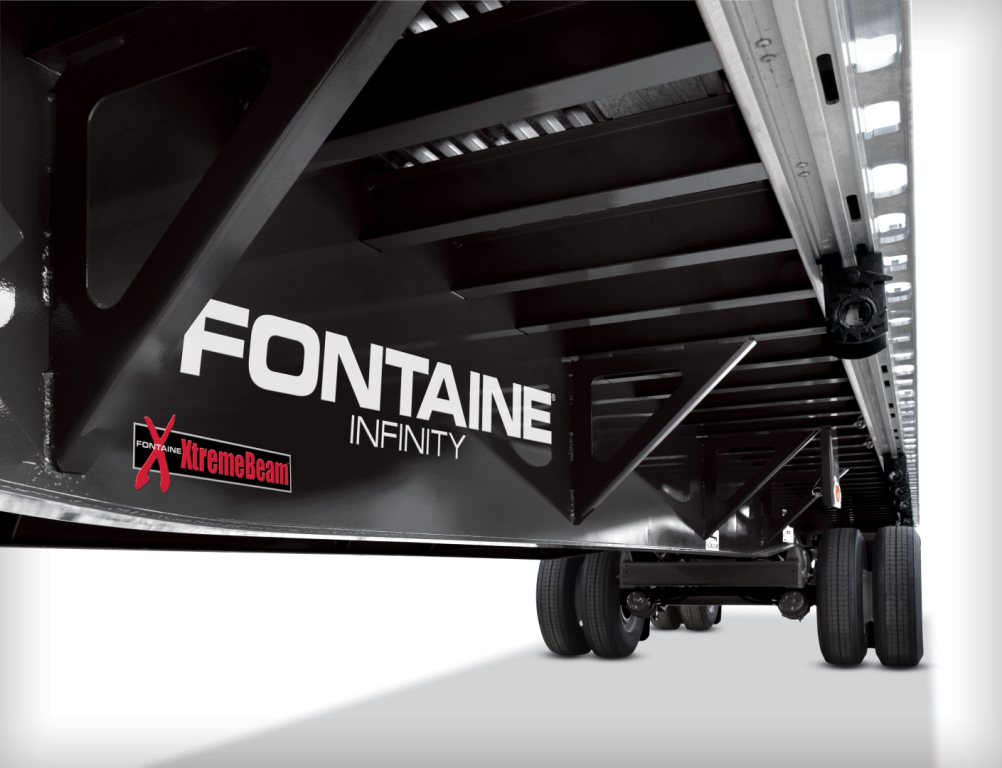
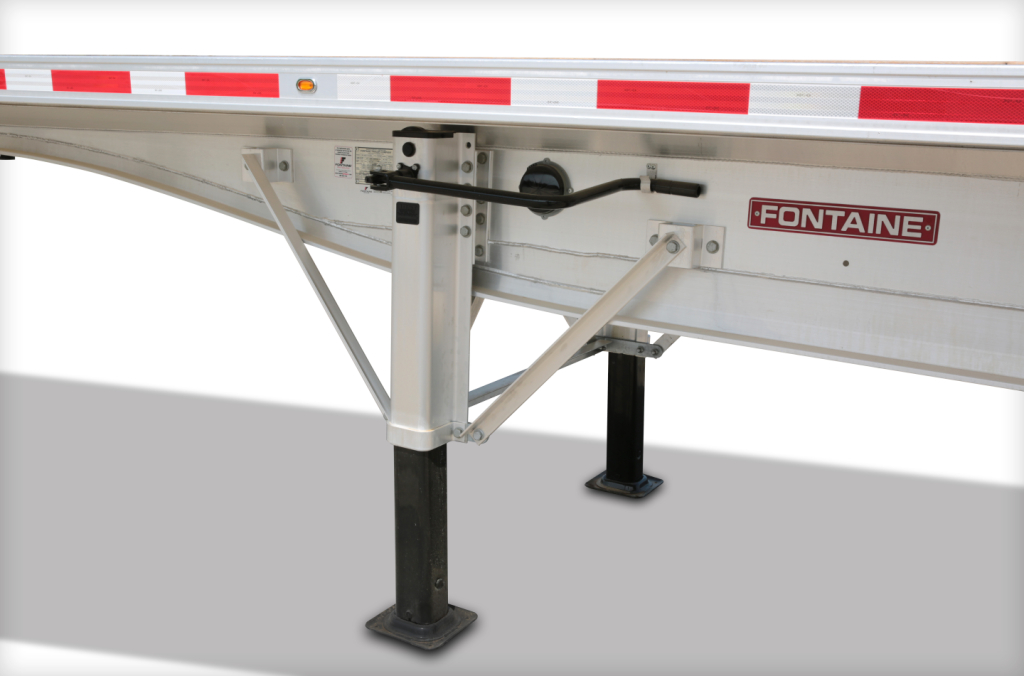
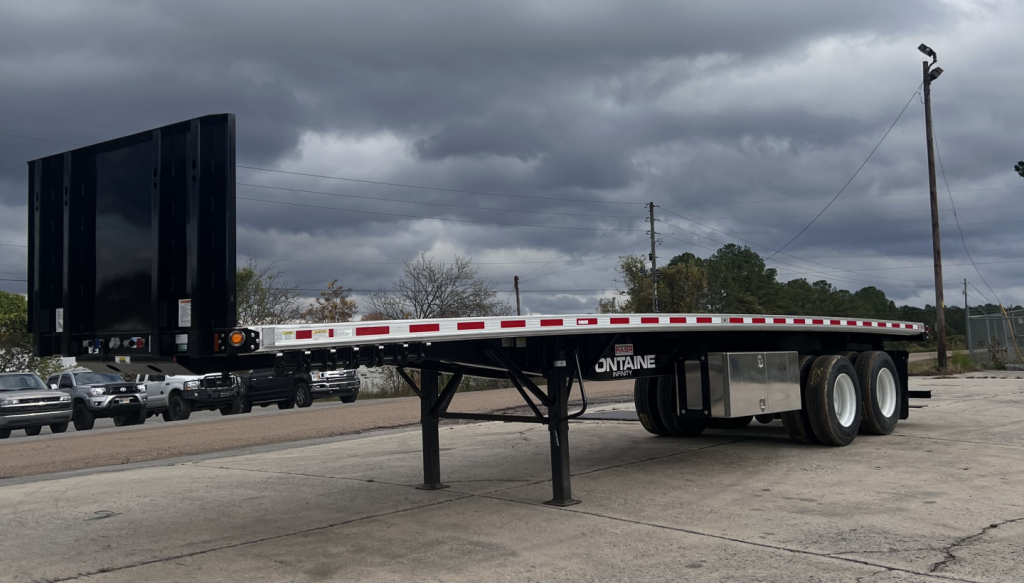
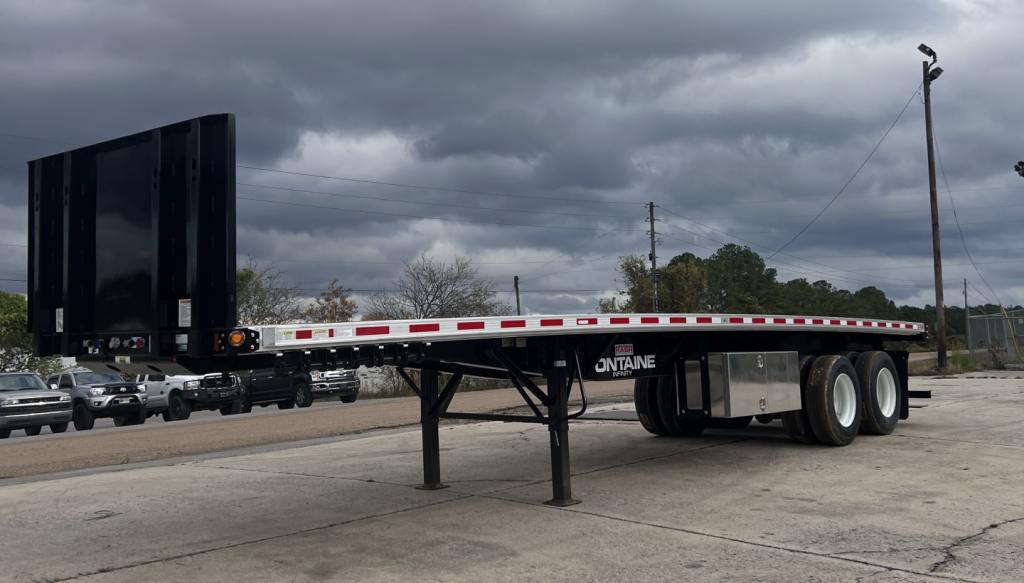
2027 Fontaine 53' Combo Flat - Rear Axle Slide
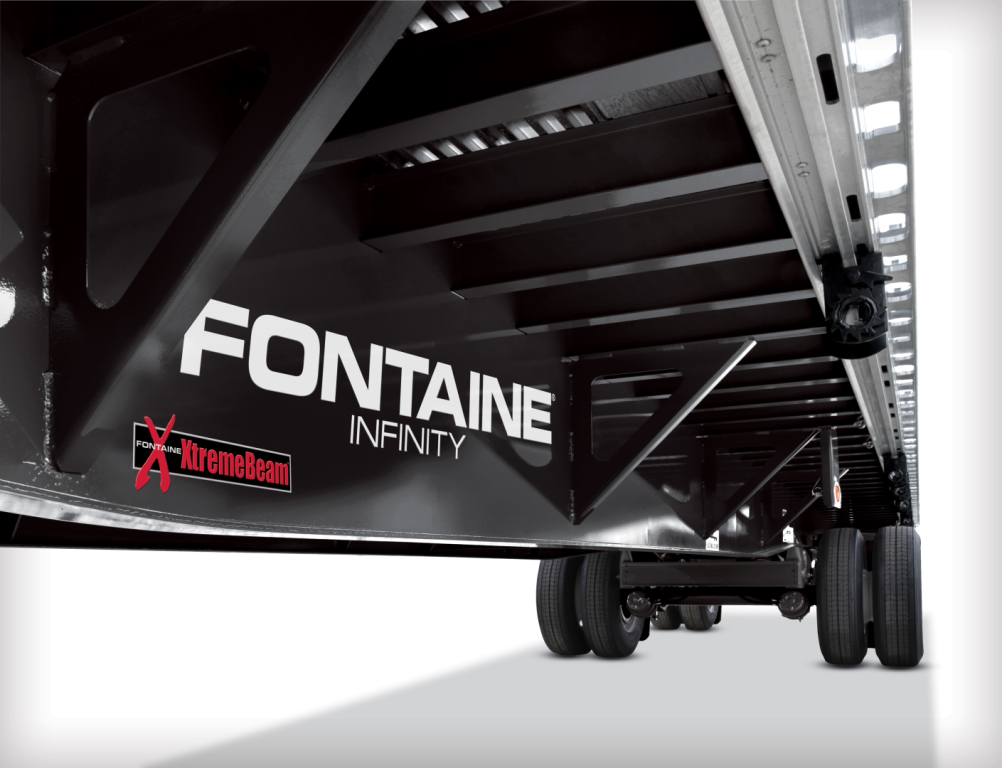
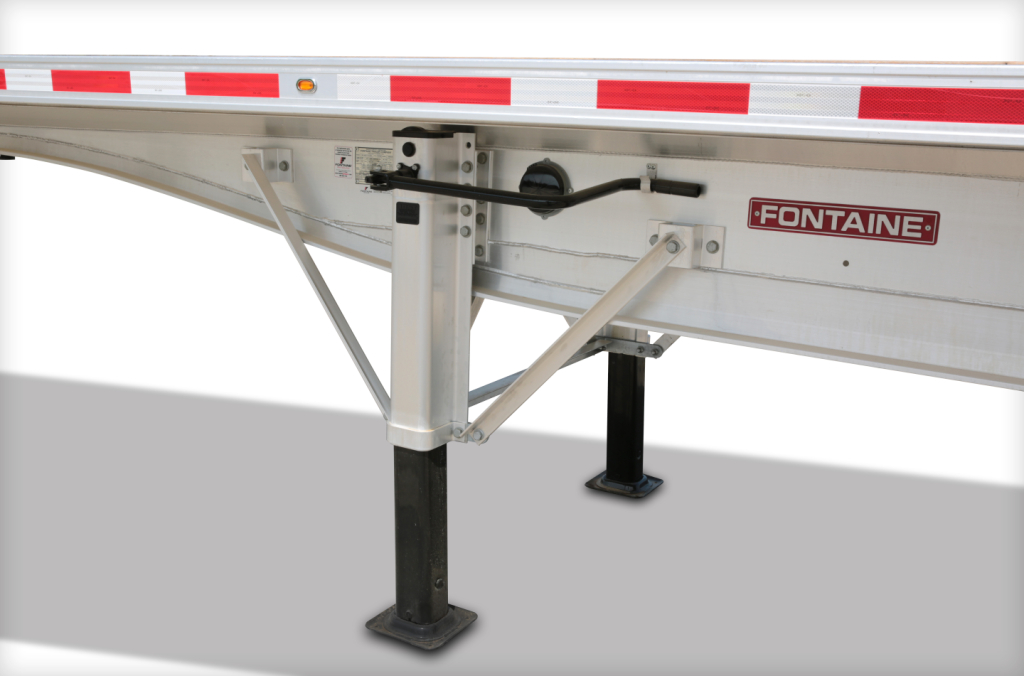
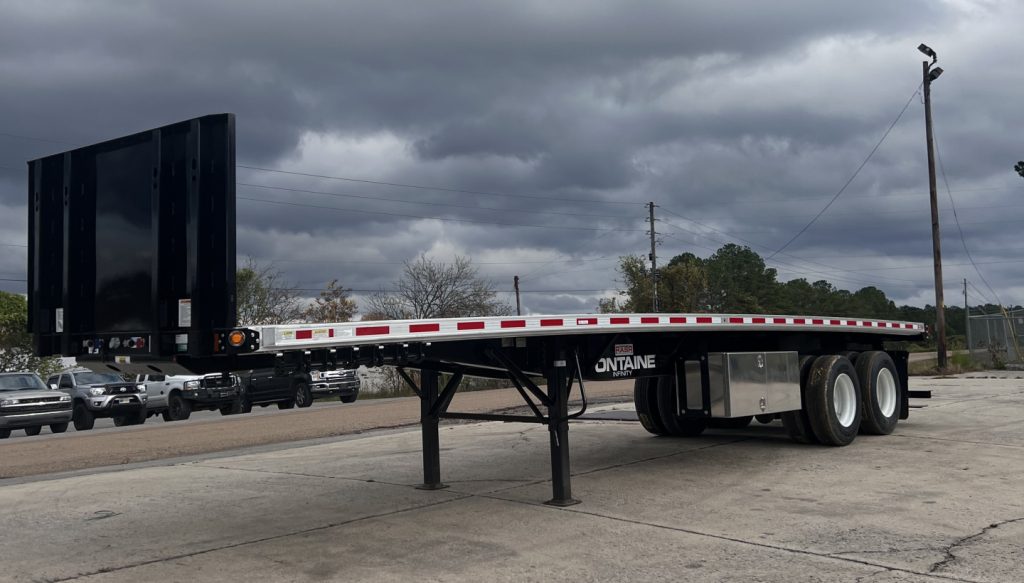
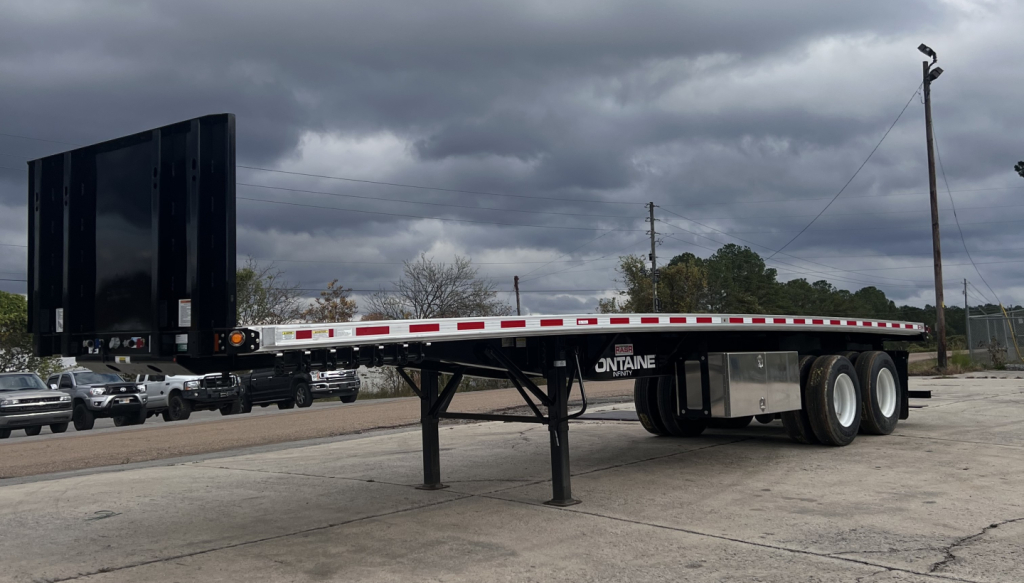
2027 Fontaine 53' Combo Flat - Rear Axle Slide
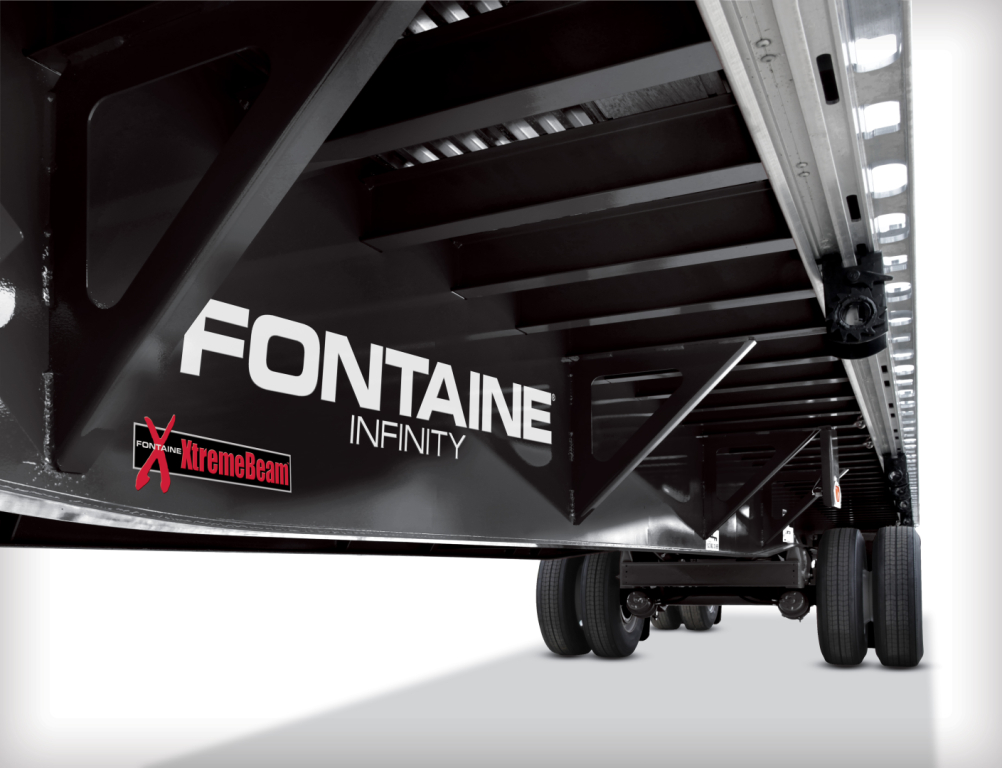
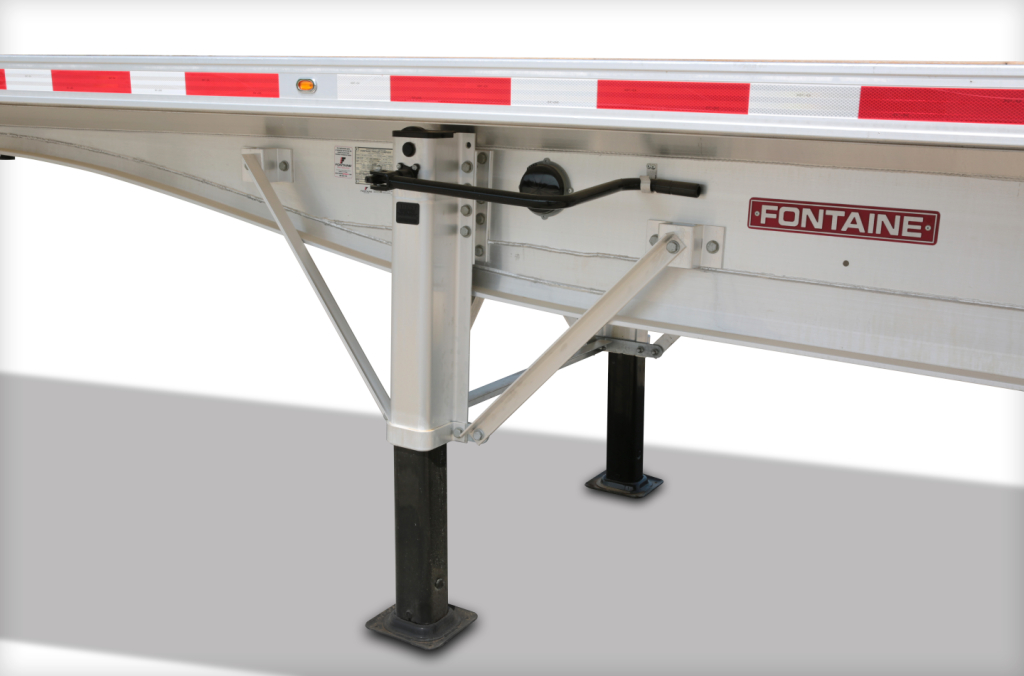
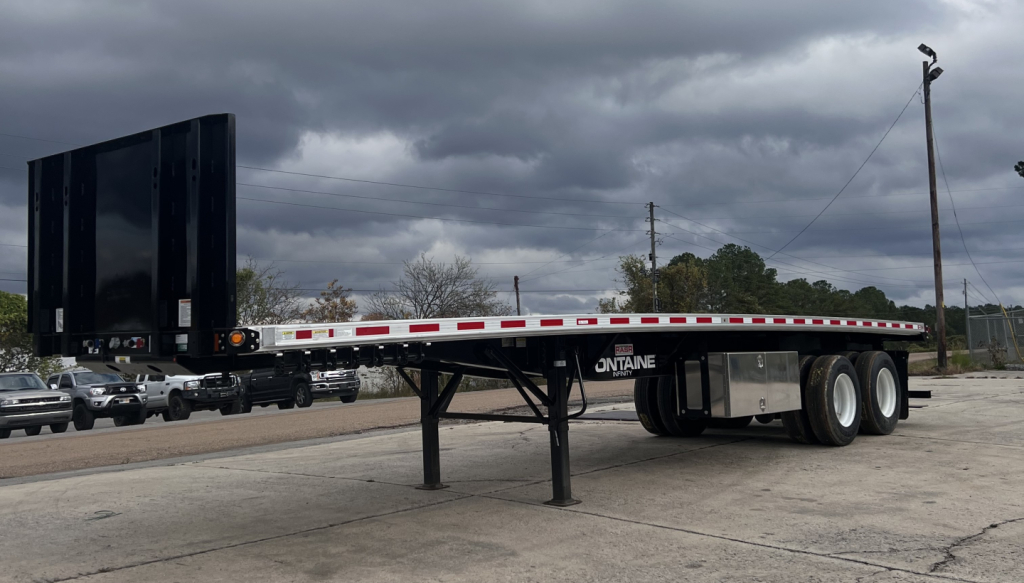
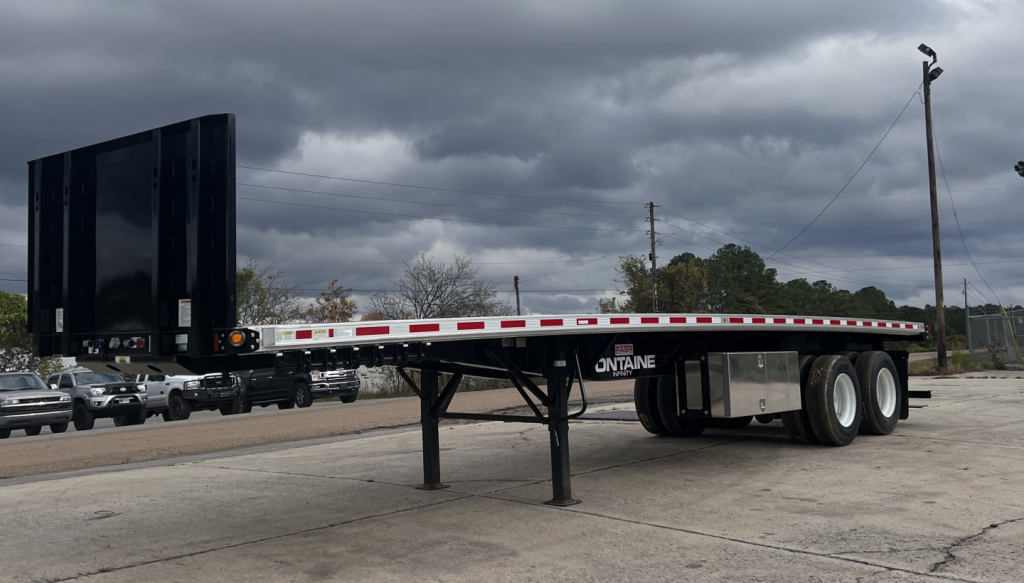
2027 Fontaine 53' Combo Flat - Rear Axle Slide
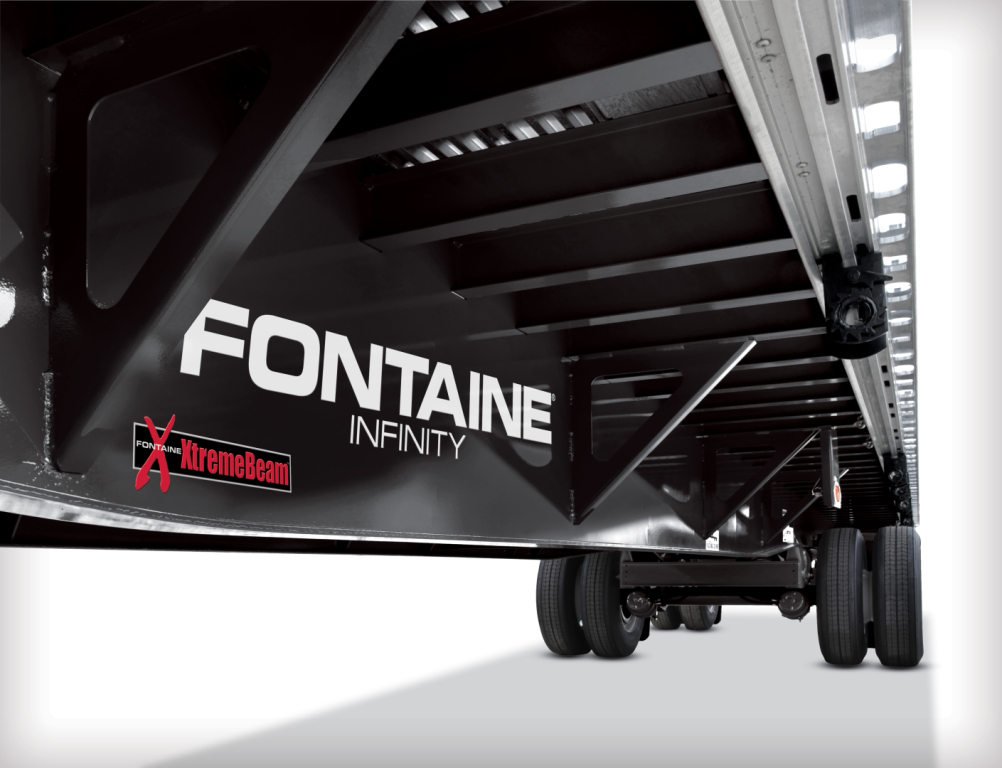
2027 Fontaine 53' Combo Flat - Rear Axle Slide
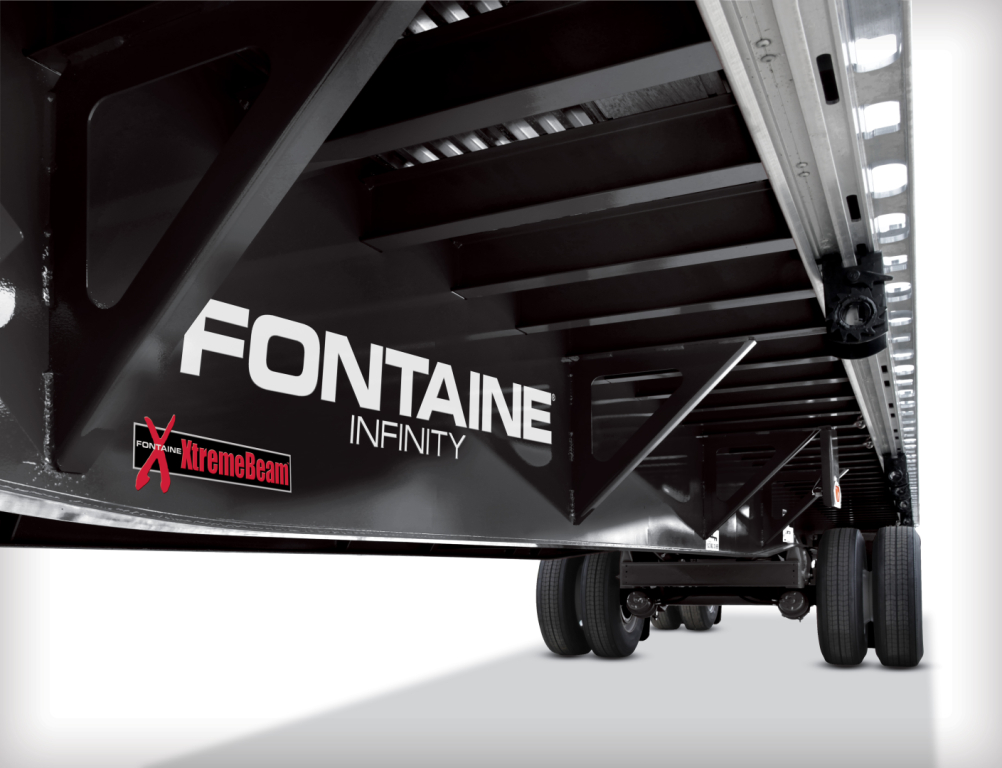
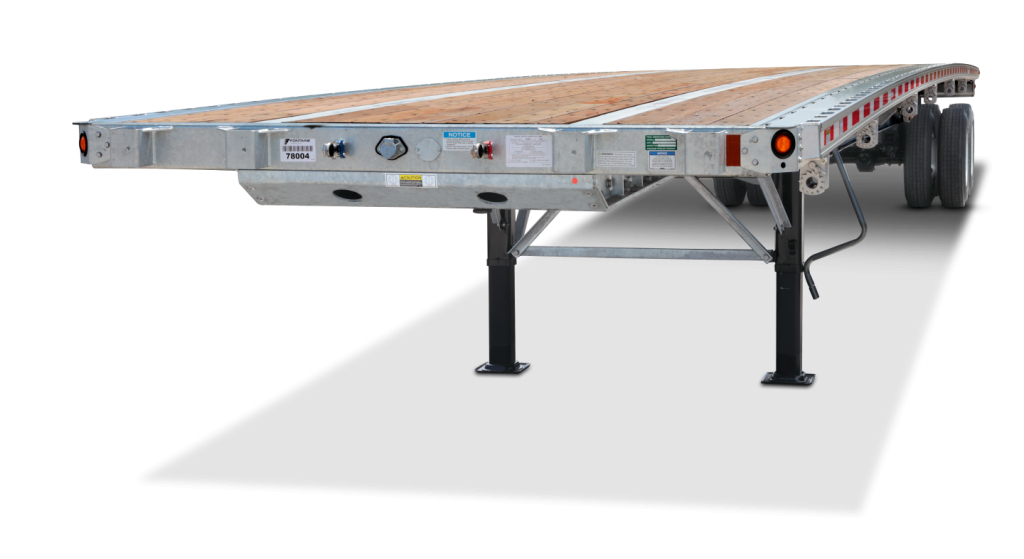
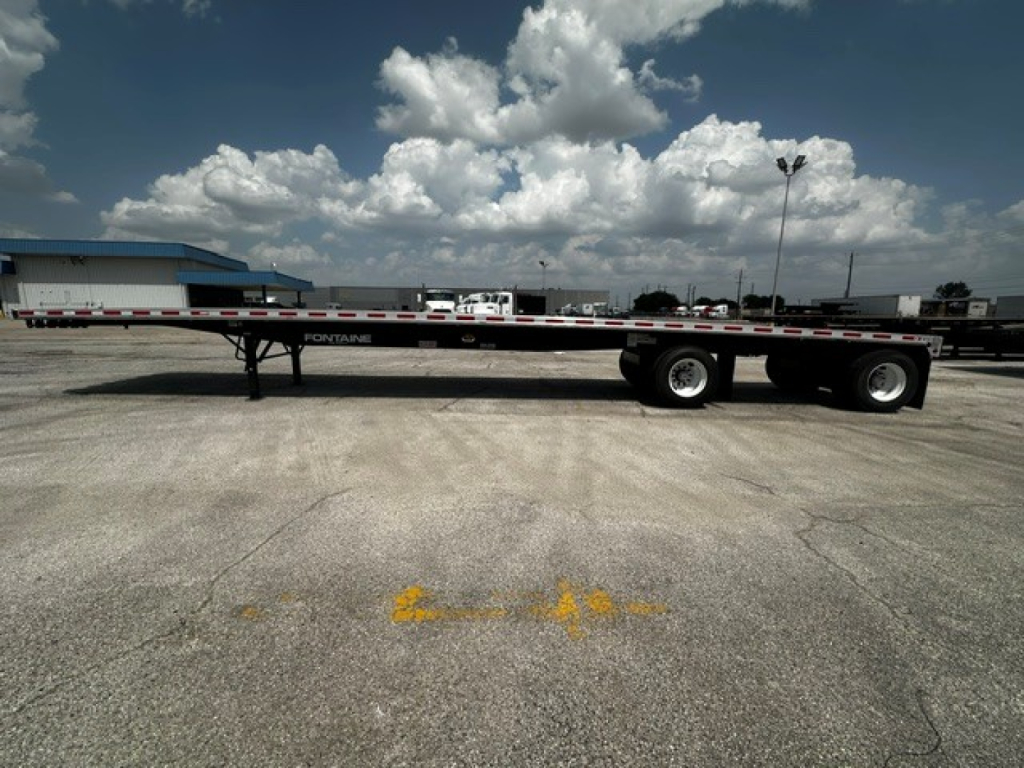
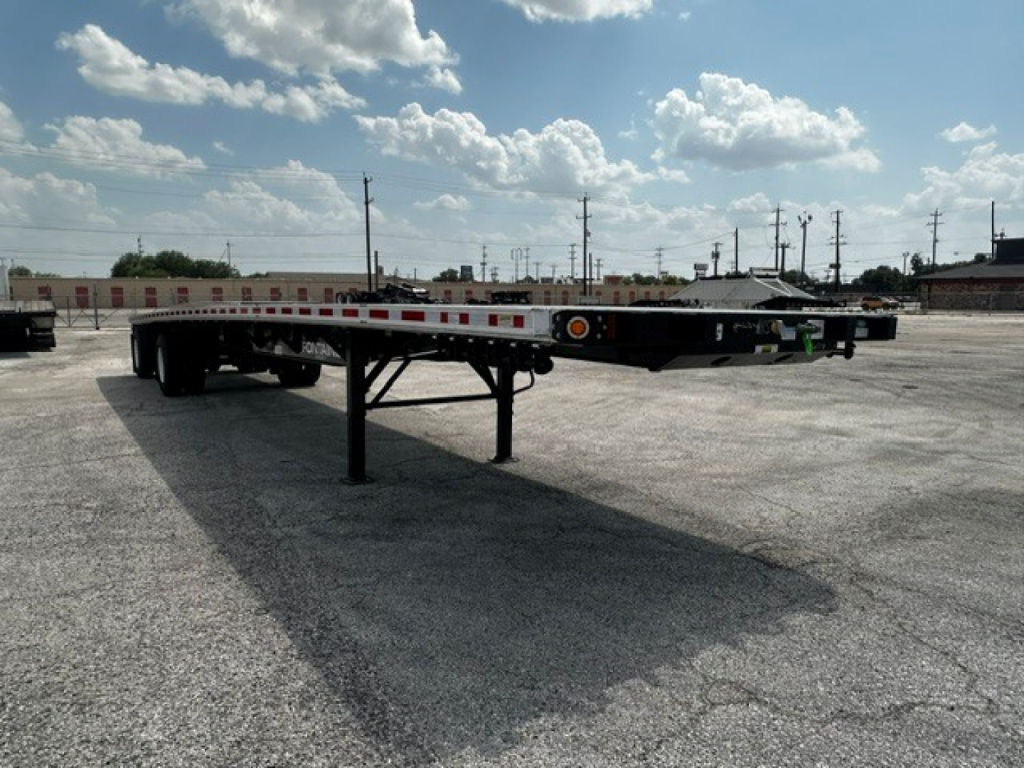
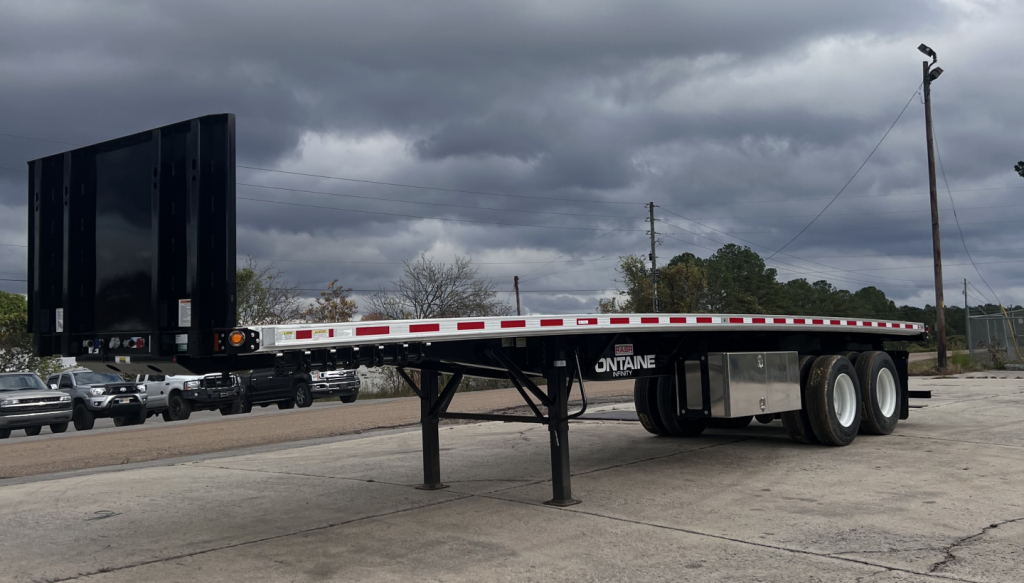
Selling a new 2027 fontaine flatbed trailer? List your new 2027 fontaine flatbed trailer for sale and reach thousands of commercial buyers.
New 2027 Fontaine Flatbed Trailers in Texas
The first buying decision is usually trailer construction. Aluminum flats reduce empty weight and help maximize legal payload, which matters on dense freight and higher-mile applications. Combo trailers, with steel main structural components and aluminum flooring or other aluminum sections, are a common middle ground for fleets that want durability without giving up too much payload. Galvanized components can be attractive for corrosion resistance and long-term appearance, while all-aluminum or aluminum-beam designs are often chosen when every pound counts. Common deck features in this class include knurled aluminum flooring, wood nailer strips, integrated rub rails, stake pockets on 24-inch centers, and recessed chain tie downs for flexible securement.
Securement and axle layout deserve close attention because they affect daily usability more than many buyers expect. Full-length winch tracks, sliding winches, coil package options, bulkhead pockets, and multiple securement openings between stake pockets make it easier to adapt the trailer to lumber, pipe, steel, crated freight, and mixed loads. A 30-inch kingpin setting and around 49-inch loaded fifth wheel height are common specs on this type of trailer, helping with tractor compatibility and bridge compliance. Tandem axle, wide-spread, and sliding tandem air ride setups each serve a different purpose. Wide-spread axles can improve weight distribution and ride quality for certain freight, while sliding tandems add flexibility for bridge laws, dock positioning, and shifting axle weight across varying loads.
Buyers comparing new 2027 Fontaine flatbed trailers should also look at concentrated load ratings, not just the 80,000-pound distributed figure. A trailer rated for higher concentrated weight in 4 feet may be a better fit for steel coils, equipment, or dense palletized freight. Other practical details include axle spread, tire size, wheel material, ABS configuration, dump valves, toolbox placement, forklift kits, and bolt-on versus weld-on bumpers. For operations handling jobsite deliveries or mounted piggyback forklifts, shorter combo flatbeds with forklift prep and counterweight systems can make sense. The right flatbed is the one that matches your freight profile, loading method, and legal weight strategy without adding unnecessary tare weight or limiting securement options.
Frequently Asked Questions about New 2027 Fontaine Flatbed Trailers in Texas
What is the difference between an aluminum flatbed and a combo flatbed trailer?
An aluminum flatbed is designed to minimize trailer weight and maximize payload, making it a strong choice for carriers hauling general freight, building products, or any load where legal payload matters. A combo flatbed uses a mix of steel and aluminum, often with steel in key structural areas and aluminum in the deck or side components. Combo trailers usually trade a bit more tare weight for added durability and impact resistance in demanding applications.
What length and width are most common on Fontaine flatbed trailers?
The most common highway flatbed configuration is 48 feet long by 102 inches wide. That size works well for standard open-deck freight, meets common shipping requirements, and gives fleets broad load compatibility. Shorter lengths, including trailers built for forklift mounting or specialized regional work, are also used when maneuverability or jobsite delivery is a priority.
Why do axle spread and suspension type matter on a flatbed trailer?
Axle configuration affects weight distribution, ride quality, bridge compliance, and how the trailer behaves under different loads. A wide-spread tandem can help distribute weight and is often favored for certain heavy or irregular loads. A sliding tandem offers more flexibility when adjusting axle position for state bridge laws, loading dock access, or balancing weight between tractor and trailer. Air ride suspension is common because it helps protect cargo and improves ride characteristics.
What securement features should buyers look for on a new flatbed trailer?
Important securement features include stake pockets on 24-inch centers, integrated rub rails, chain tie downs, multiple load securement openings, full-length winch tracks, and enough sliding winches to match the freight mix. Coil package provisions and bulkhead pockets can also be important if the trailer will haul steel or loads requiring front-end containment options. The best setup depends on whether the trailer will mainly carry lumber, machinery, steel, palletized freight, or a combination of cargo types.
How important is concentrated load rating on a flatbed trailer?
Concentrated load rating is very important because it tells you how much weight the trailer can handle in a short section of deck, often measured over 4 feet. Many buyers focus on the 80,000-pound distributed rating, but dense freight like coils, equipment, or heavy pallets can put far more stress on a small area. A higher concentrated load rating gives the trailer more versatility and can prevent you from ending up with a trailer that is legal on paper but poorly matched to the freight you actually haul.