
New 2027 Fontaine Flatbed Trailers For Sale
New 2027 Fontaine flatbed trailers for sale. Compare aluminum and combo flats with air ride, winch tracks, spread or sliding tandems.
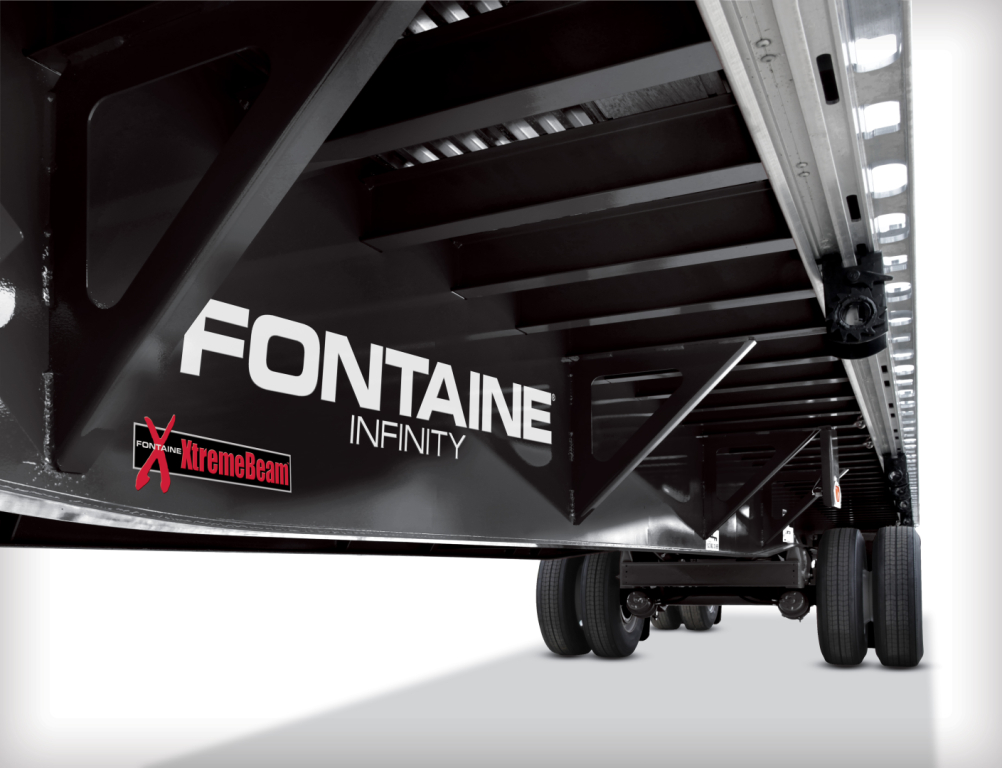
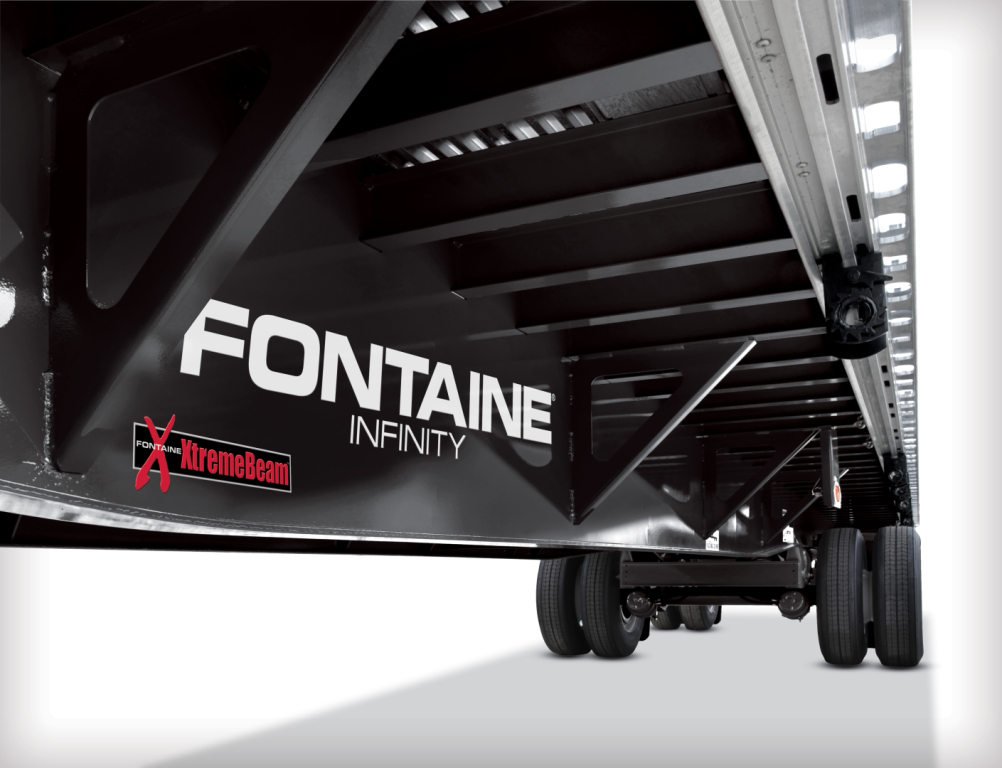
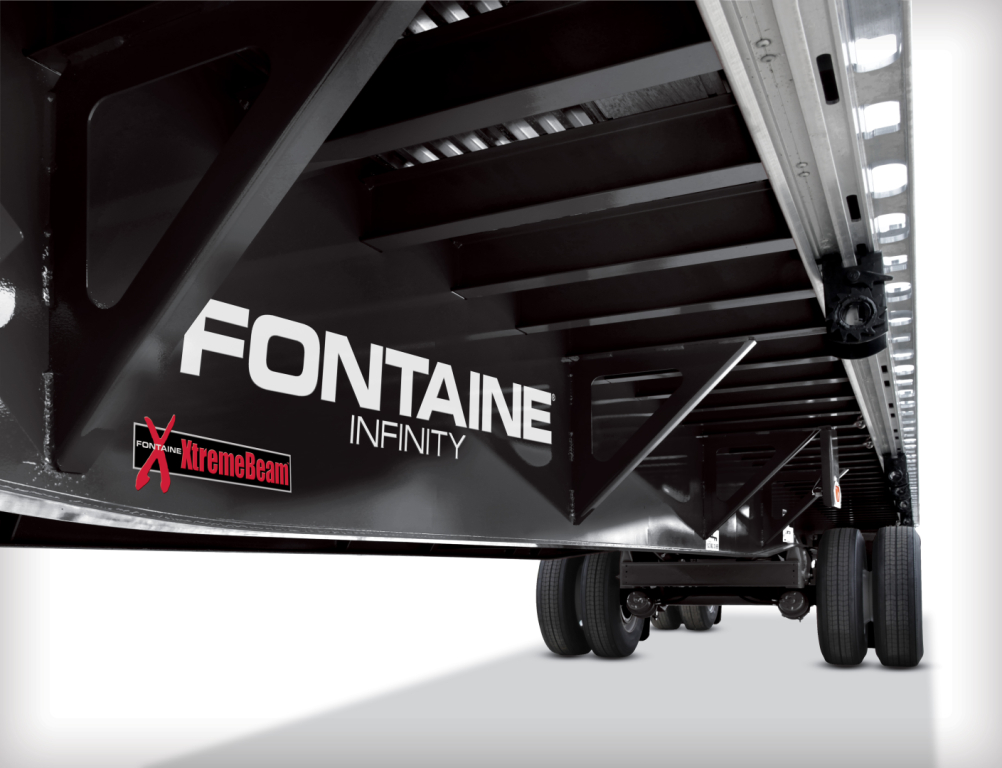
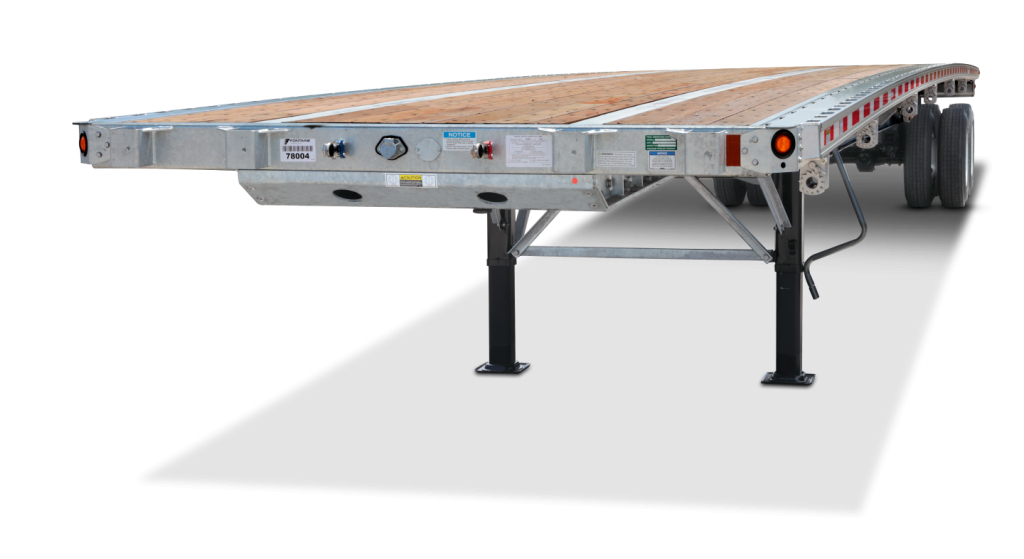
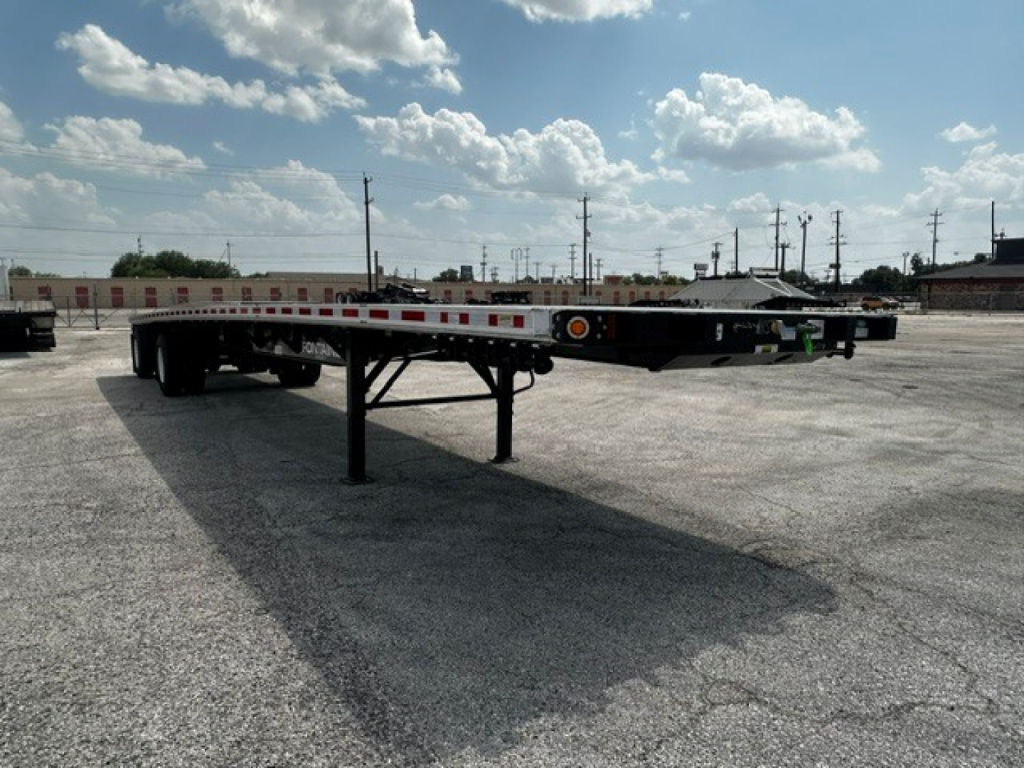
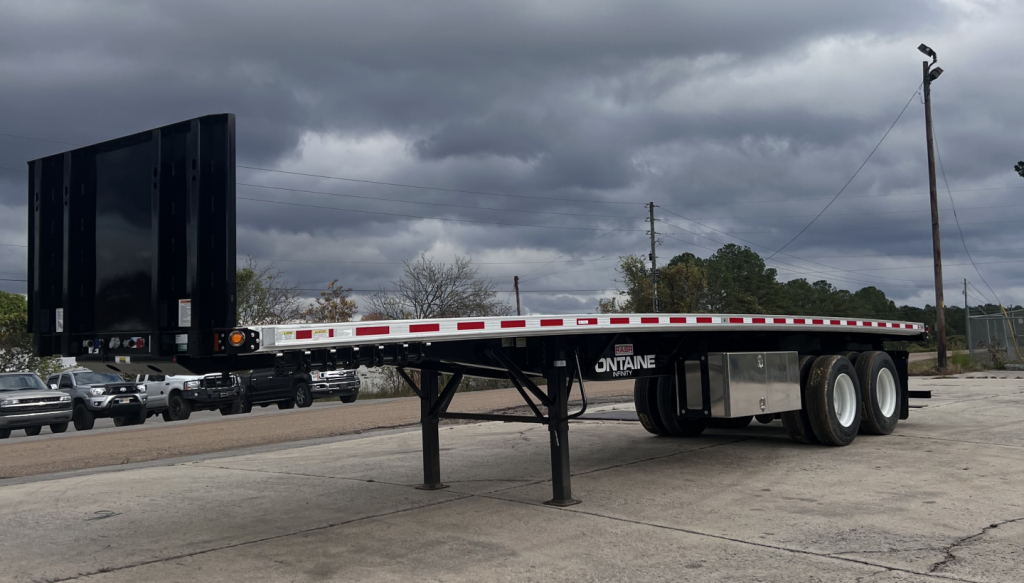
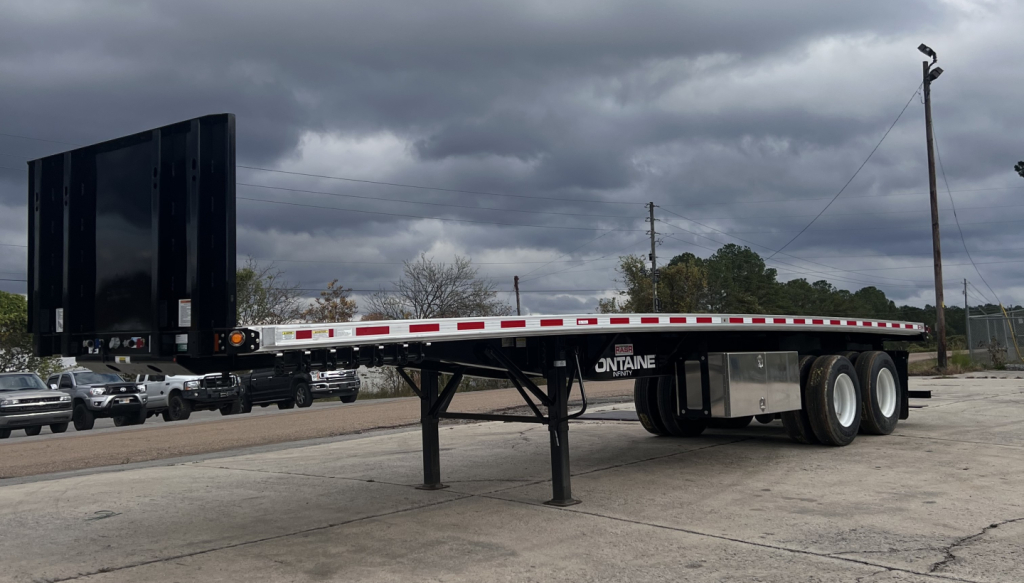
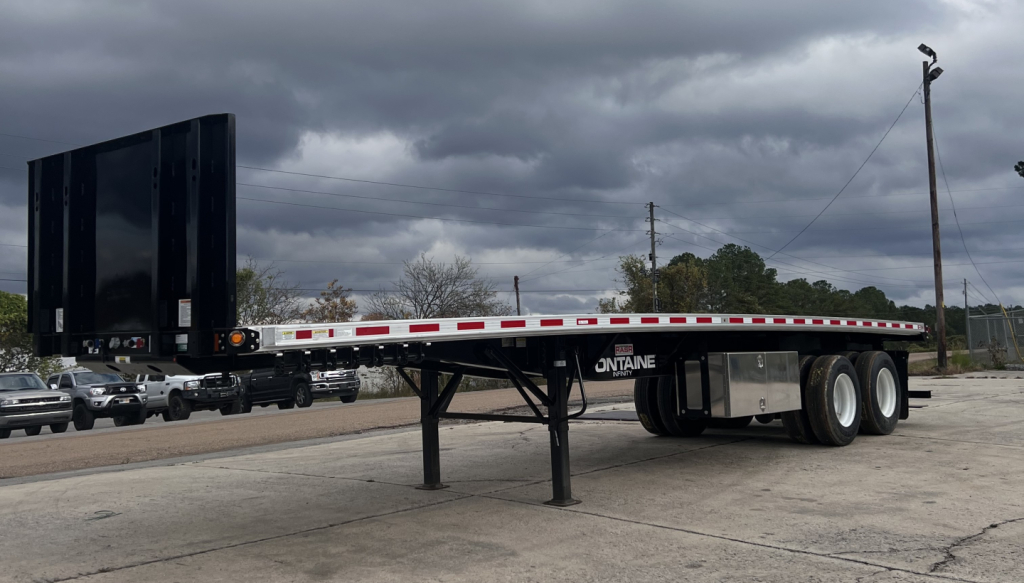
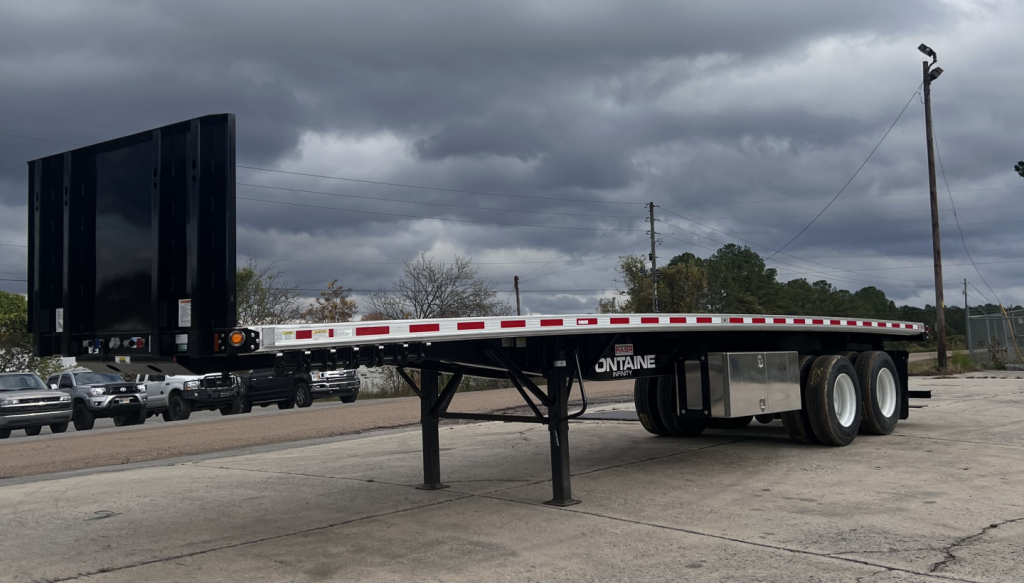
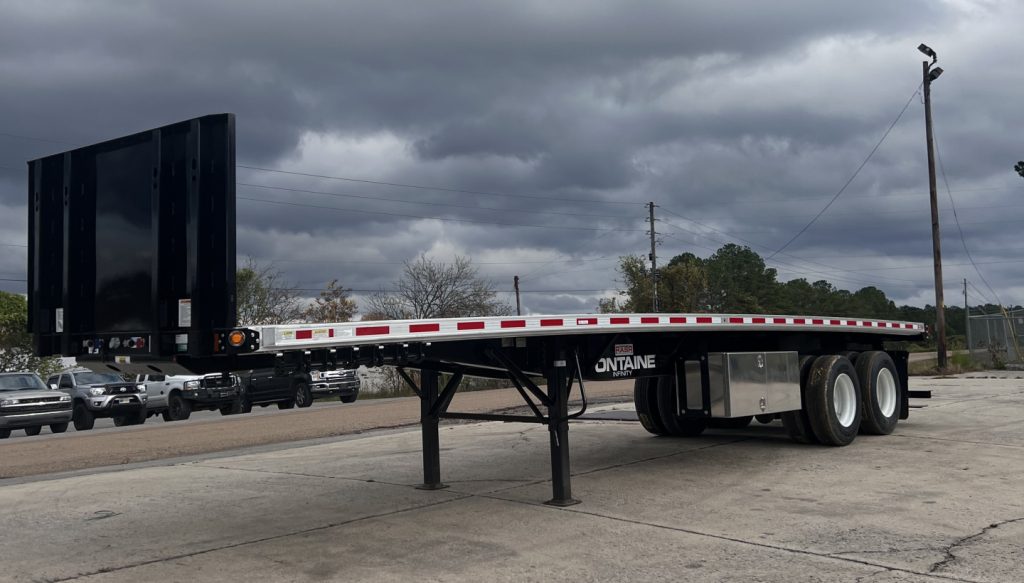
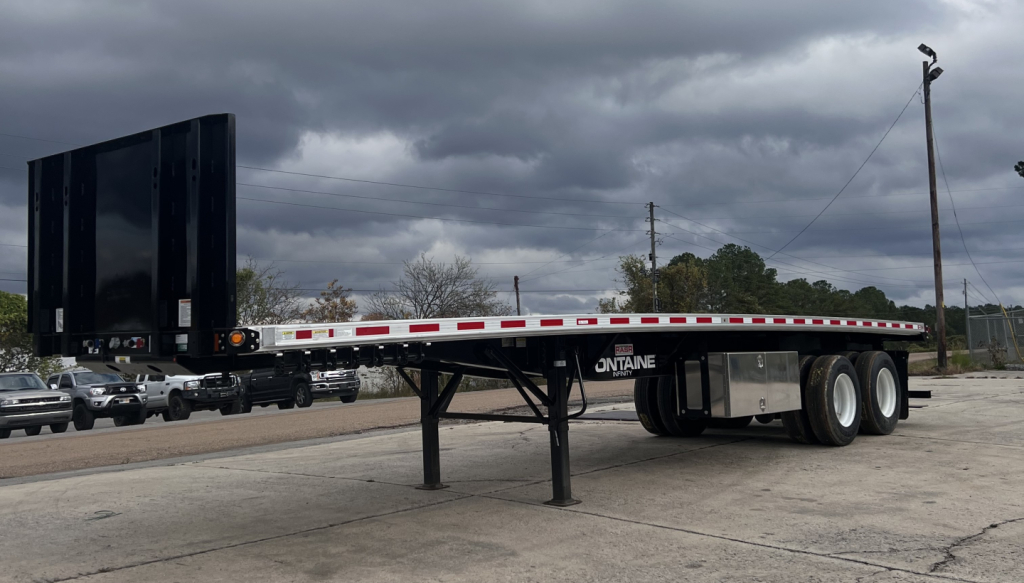
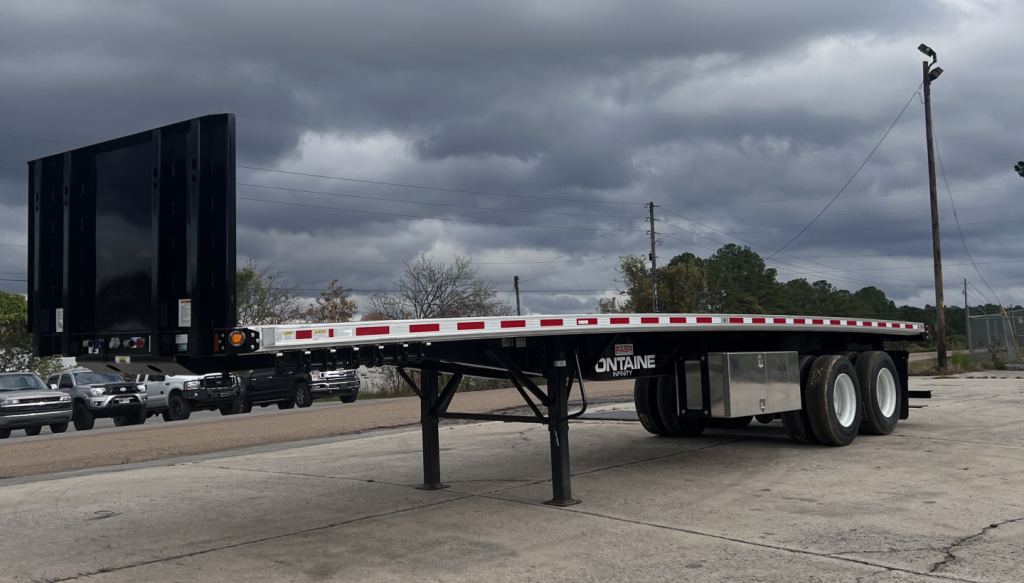
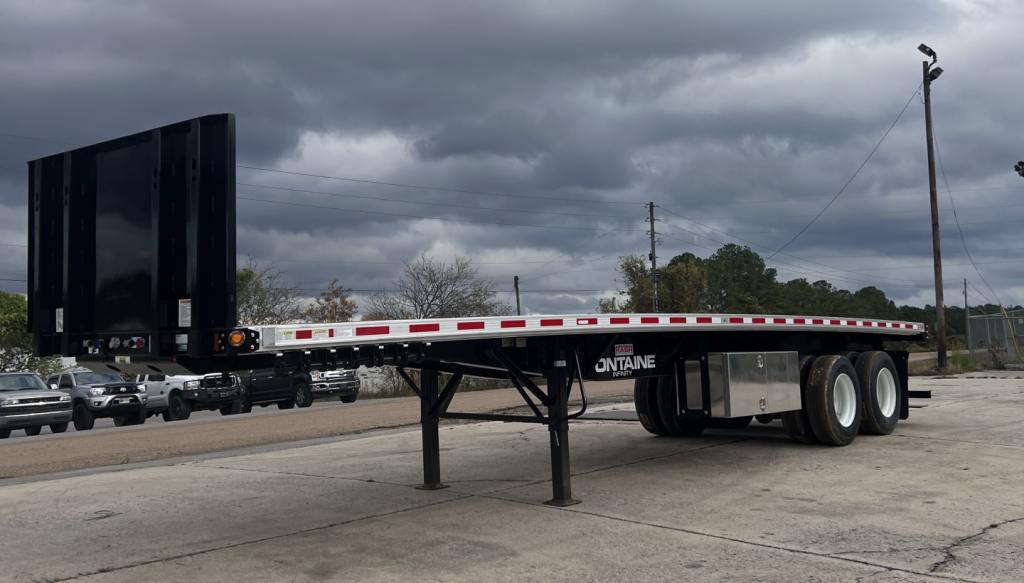
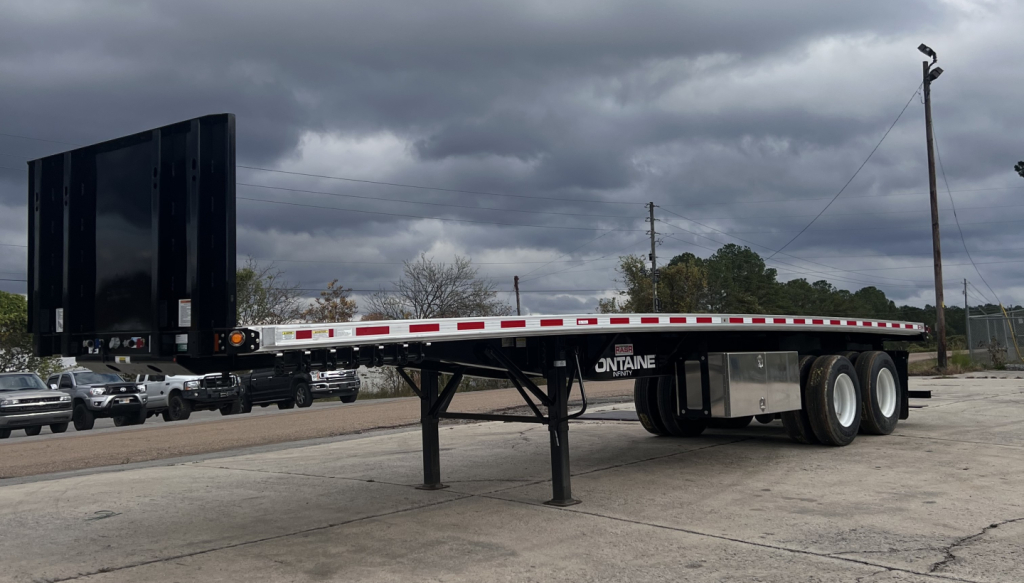
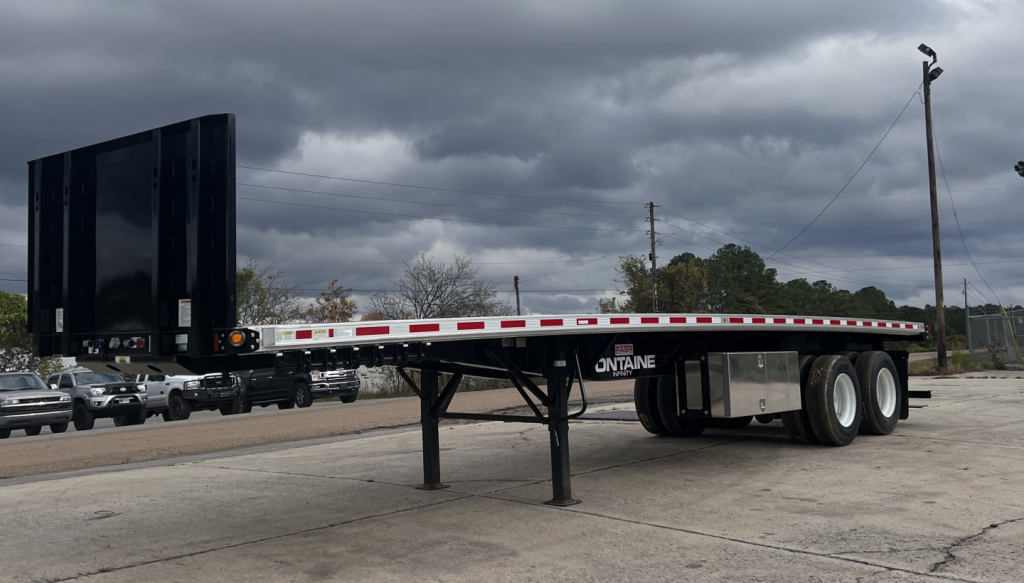
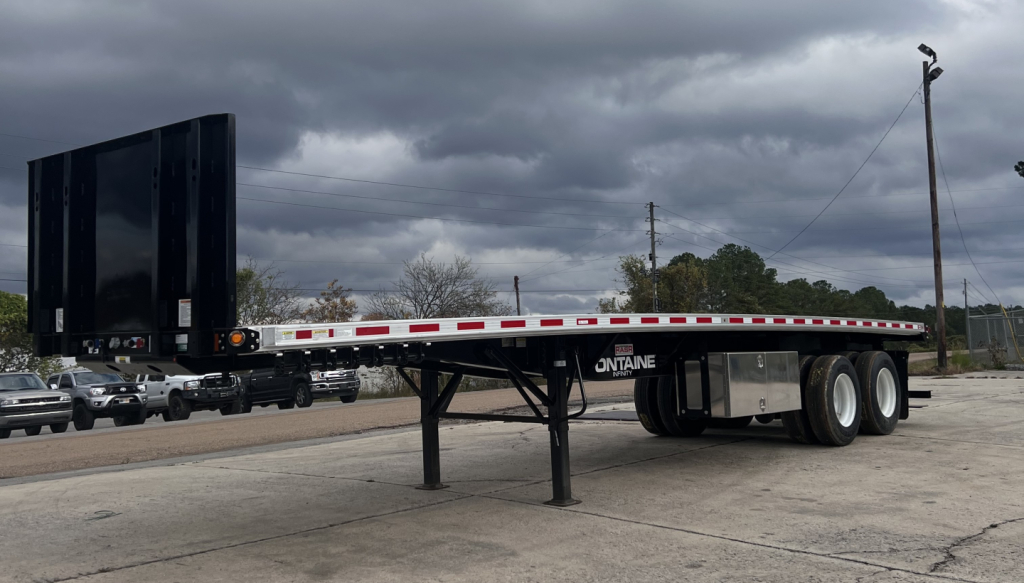
Selling a new 2027 fontaine flatbed trailer? List your new 2027 fontaine flatbed trailer for sale and reach thousands of commercial buyers.
New 2027 Fontaine Flatbed Trailers
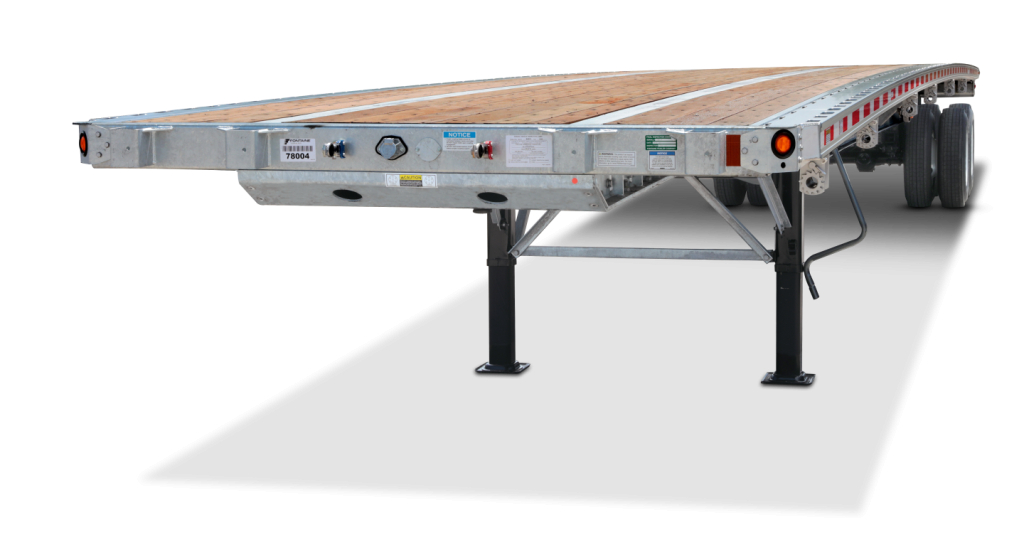
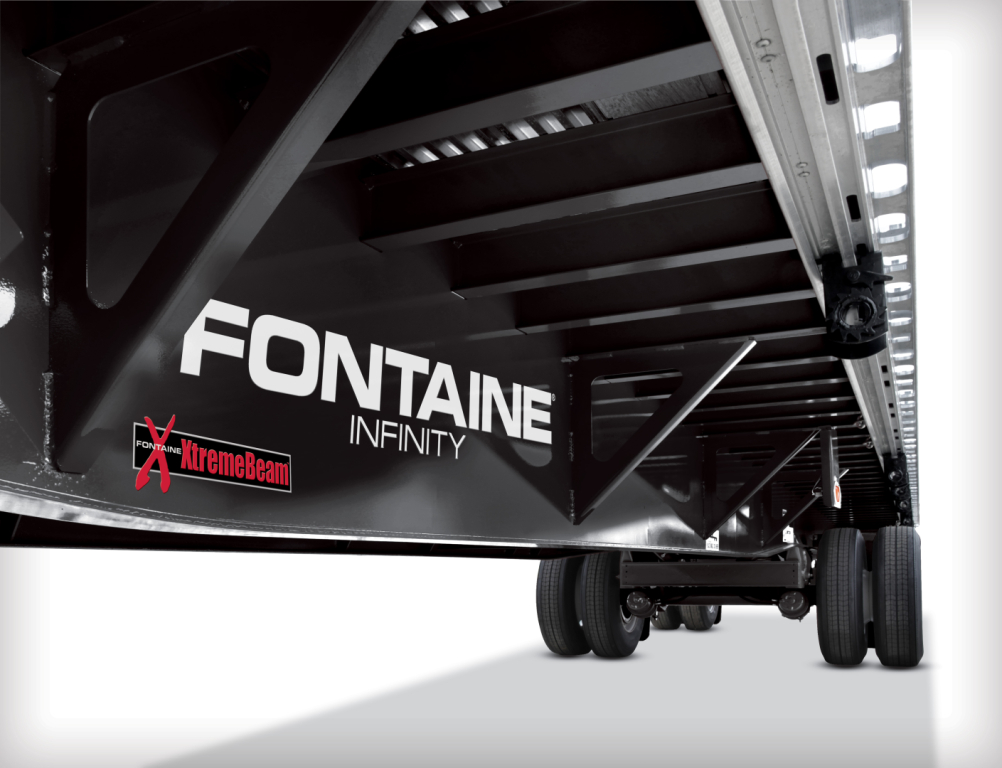
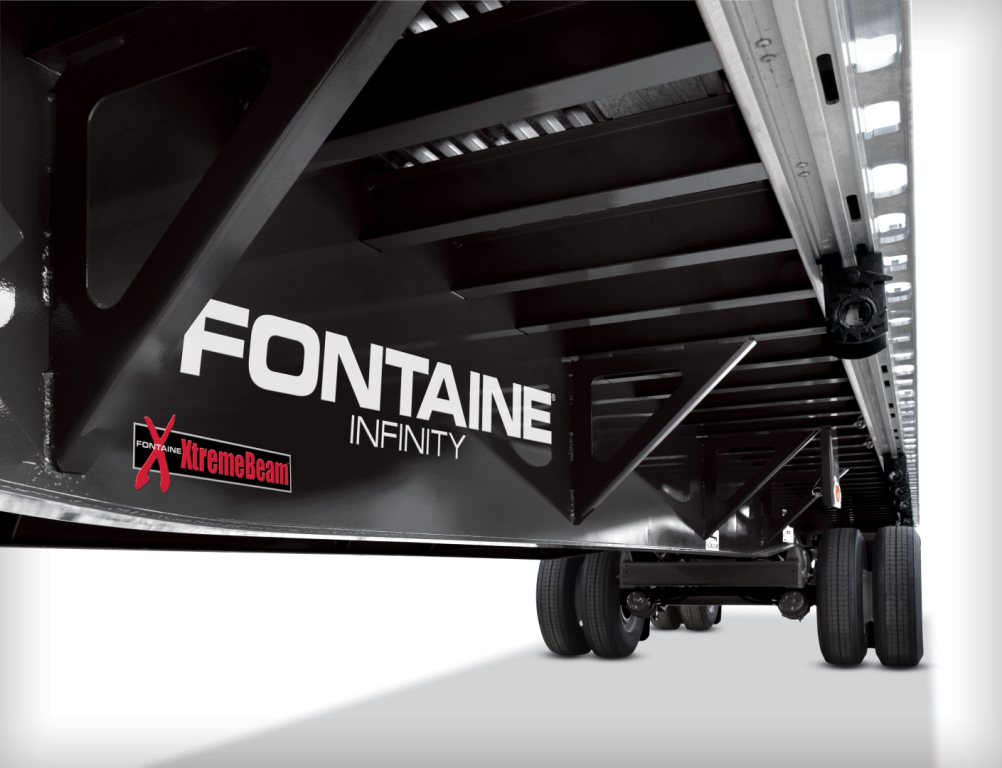
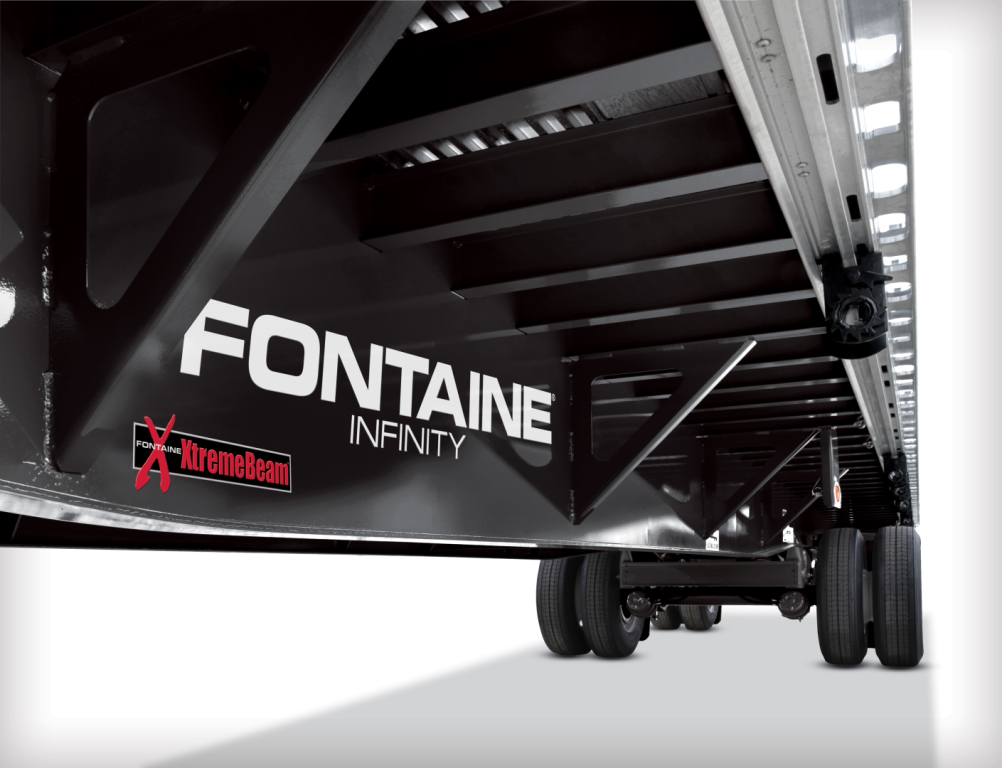
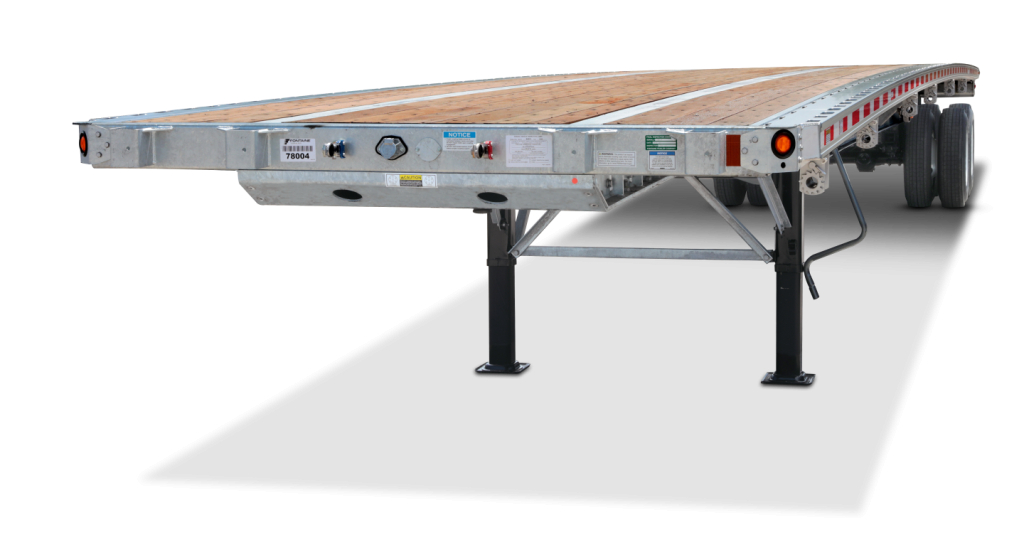
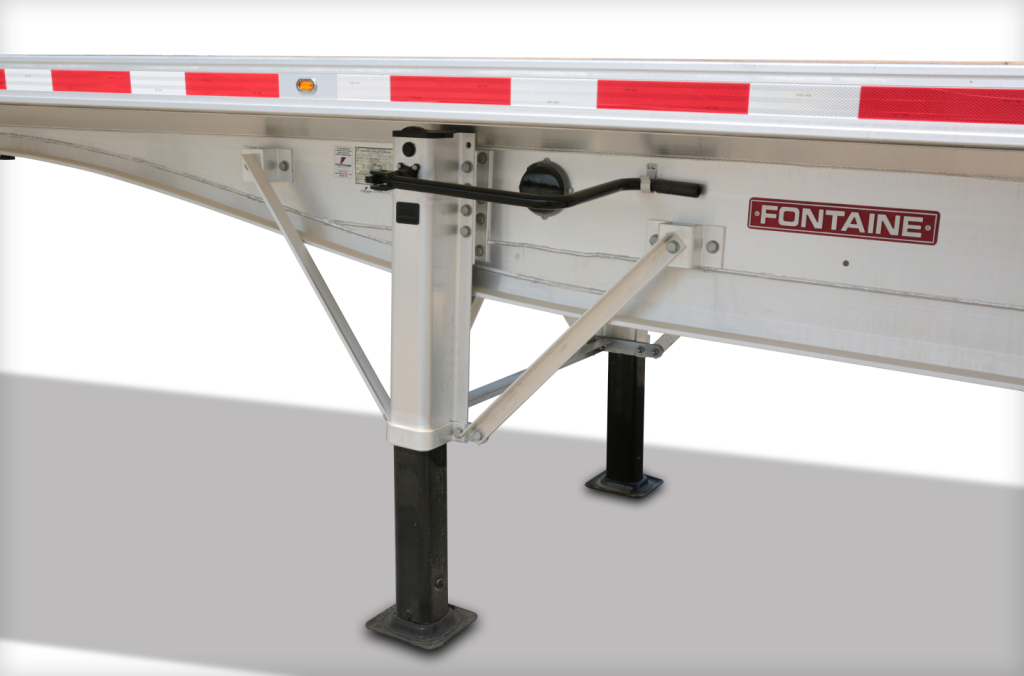
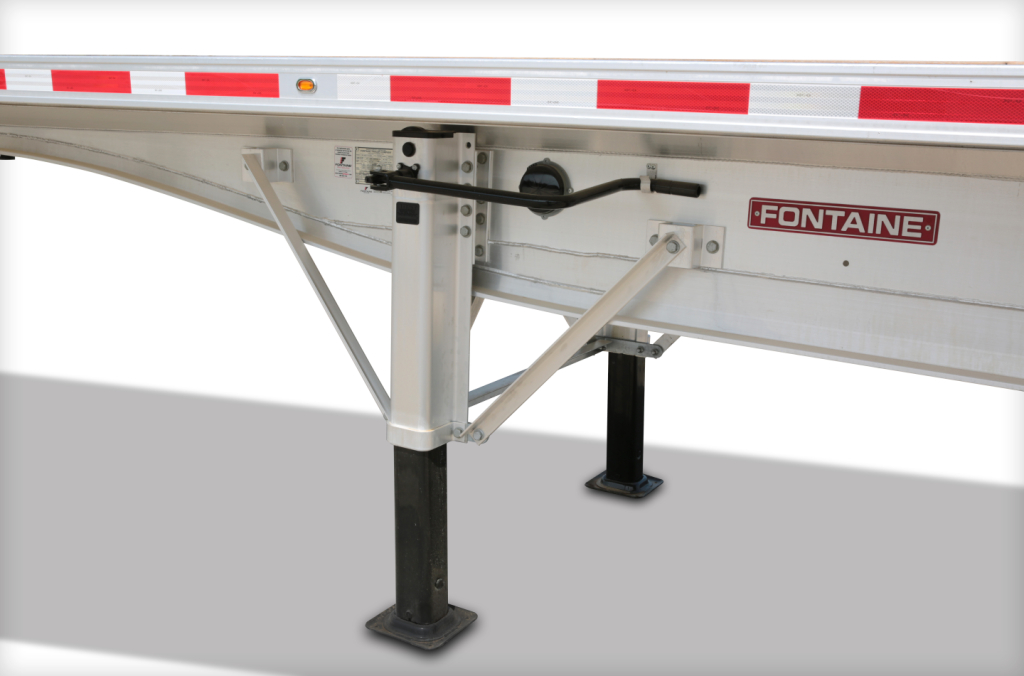
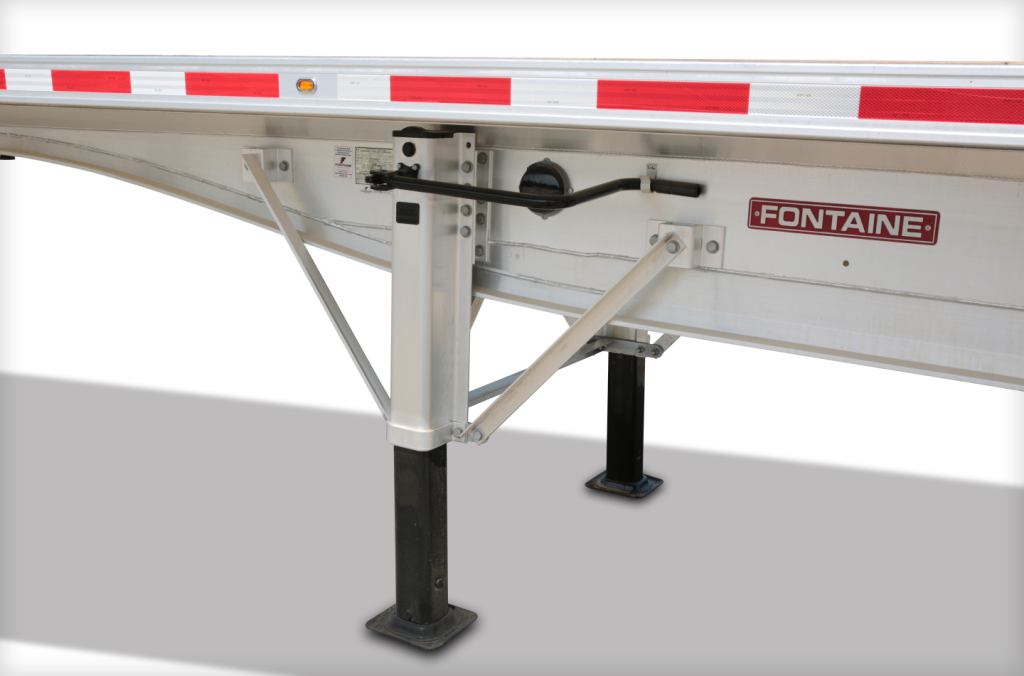
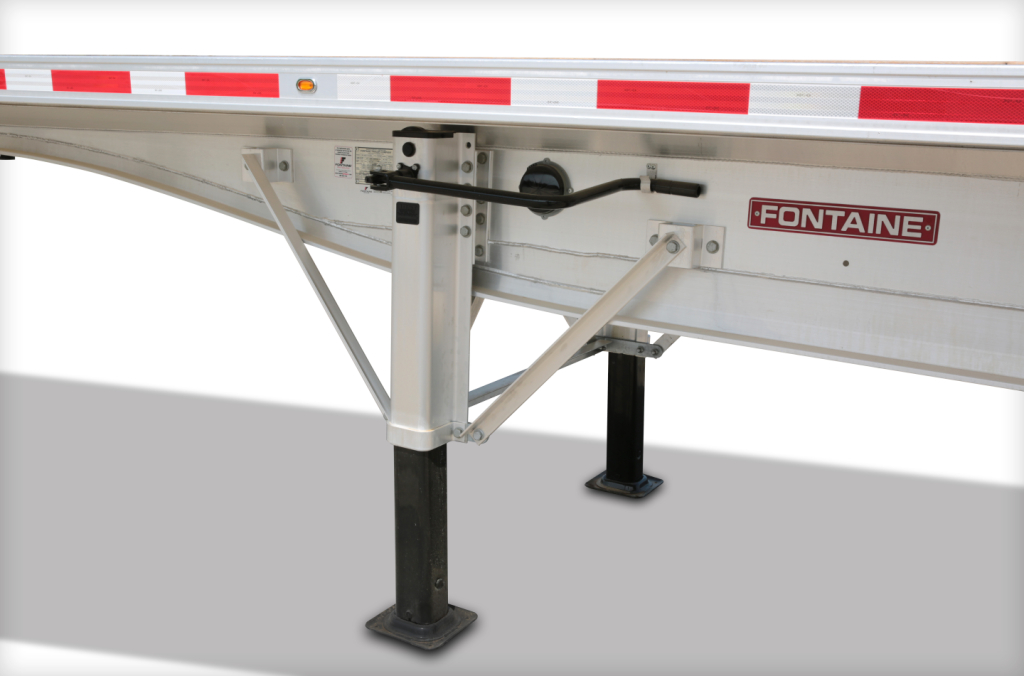
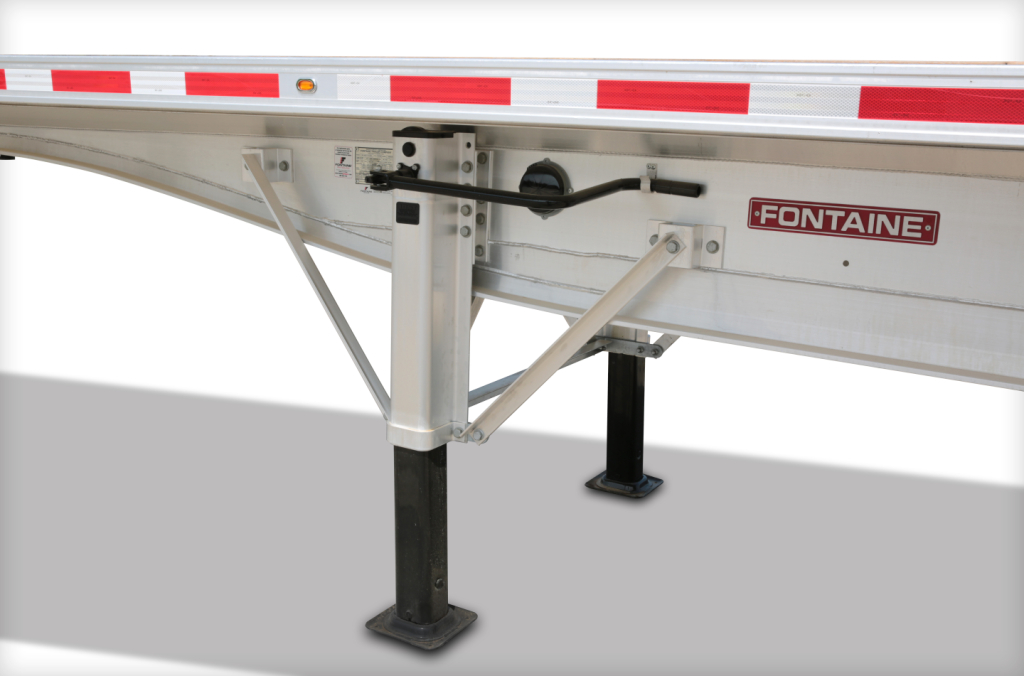
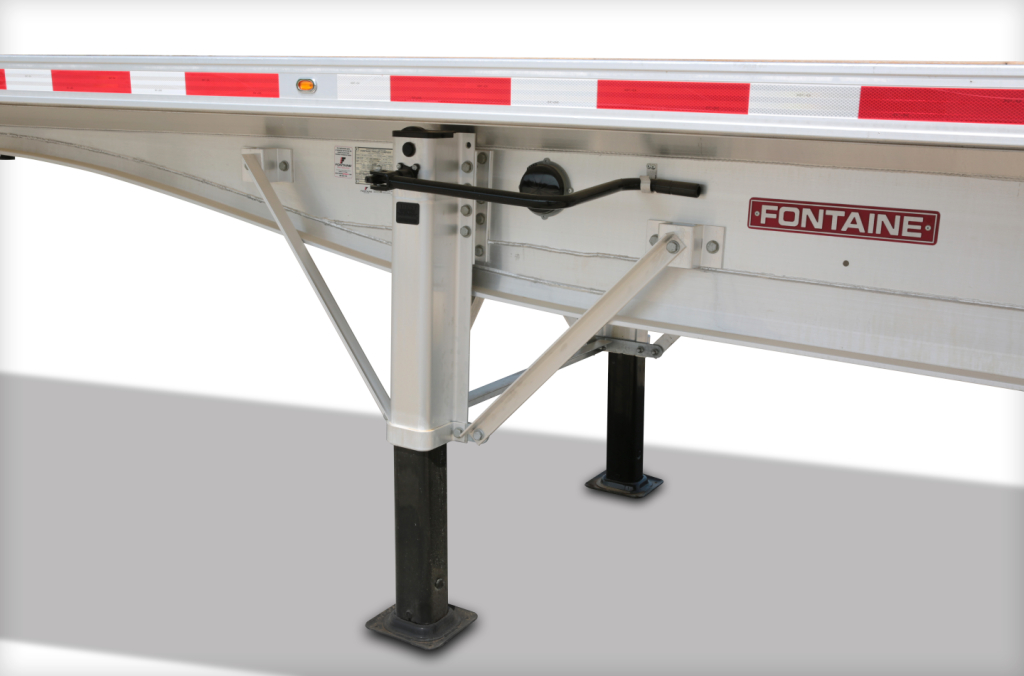
The first major decision is trailer construction. All-aluminum Fontaine flatbeds reduce empty weight and maximize payload, which matters when hauling heavier legal freight on a regular basis. Combo and galvanized combo models use a mix of steel and aluminum to trade a little more weight for durability in high-contact operations, especially where forklifts, rough loading practices, or corrosive environments are part of the job. Buyers should compare main beam material, flange size, floor design, and the number of wood nailer strips. Knurled aluminum flooring, routed aluminum side rails, integrated rub rails, and stake pockets on 24-inch centers are all strong indicators of a deck designed for daily securement work.
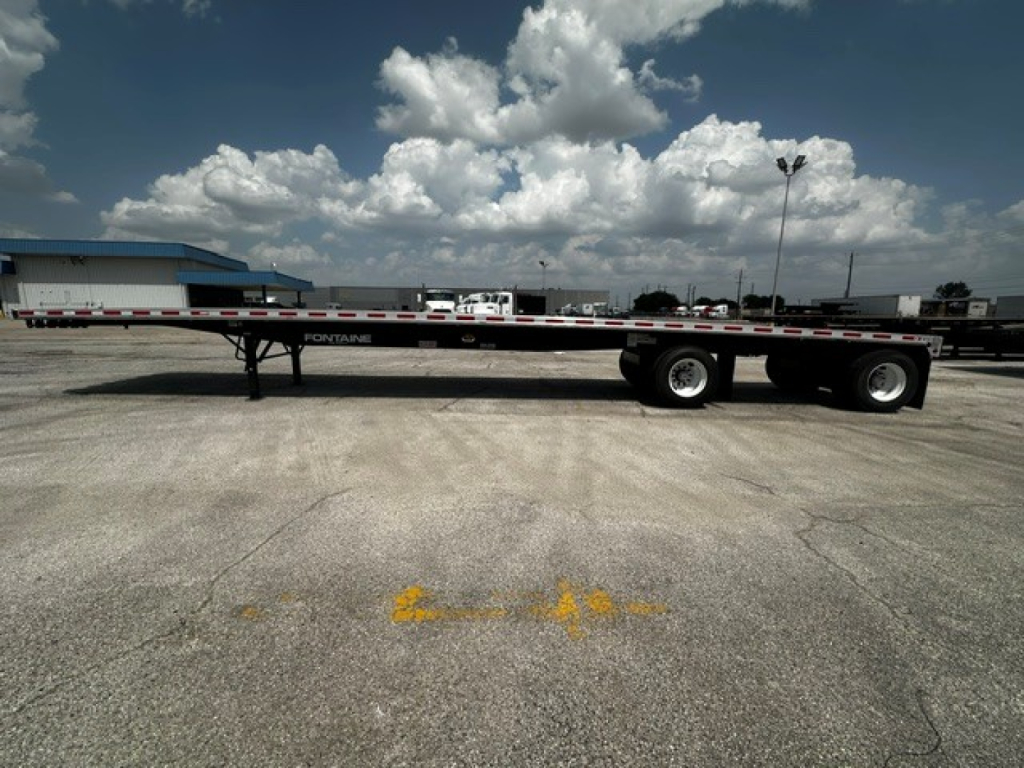
Securement layout matters as much as published capacity. Many Fontaine flats are spec'd with full-length winch tracks, sliding winches, chain tie-downs recessed in the siderails, and multiple load securement openings between stake pockets. That setup gives a driver more flexibility for lumber, pipe, machinery, palletized freight, and coil. Some units are single-coil prepared, while others include bulkhead pockets or forklift kits with counterweight provisions. If your operation runs Moffett or piggyback forklift deliveries, a shorter combo trailer with an auto-sensing lift axle and forklift kit can be the right tool. If the focus is maximizing legal payload across regional or over-the-road lanes, a 48-foot aluminum flat with a wide spread tandem and air ride suspension is often the stronger fit.
Running gear and dimension details should be matched to your lanes and customer base. Common specs in this category include a 30-inch kingpin setting, about 49-inch loaded fifth wheel height, 295/75R22.5 tires, 4S/2M ABS, spring brakes, LED lighting, mudflaps, dock bumpers, and aluminum toolboxes. Tandem air ride, wide spread axles, and sliding tandem configurations each affect bridge compliance, maneuverability, tire wear, and load placement options. A wide spread air suspension can improve weight distribution and ride quality for longer freight, while a sliding tandem adds flexibility for varied commodity loading and state bridge requirements. On any new Fontaine flatbed, pay close attention to empty weight, axle spread, suspension type, concentrated load rating, and securement package, because those specs determine how useful the trailer will be day to day.
Frequently Asked Questions about New 2027 Fontaine Flatbed Trailers
What is the difference between an aluminum Fontaine flatbed and a combo Fontaine flatbed?
An aluminum Fontaine flatbed is built to keep trailer weight down and maximize payload, which is a major advantage for operations hauling dense legal freight. A combo Fontaine flatbed uses both steel and aluminum, usually to add durability in high-wear areas while still controlling tare weight better than an all-steel trailer. Buyers who load with forklifts, haul jobsite freight, or operate in tougher environments often look closely at combo construction, while buyers focused on payload usually lean toward all-aluminum designs.
Is a wide spread axle better than a sliding tandem on a flatbed trailer?
Neither is universally better. A wide spread axle setup can improve weight distribution, deck stability, and ride quality, and it is often preferred for longer freight and certain regional applications. A sliding tandem offers more flexibility when adjusting axle position for bridge laws, dock placement, or varying load lengths. The right choice depends on where the trailer runs, what commodities it hauls, and how often the load pattern changes from one trip to the next.
What capacity should I expect from a new Fontaine flatbed trailer?
Many new Fontaine flatbed trailers are rated around 80,000 pounds distributed, but capacity does not tell the whole story. Buyers should also check concentrated load ratings, especially if the trailer will haul coil, machinery, or other dense freight. Floor construction, beam design, axle configuration, and trailer tare weight all affect real-world usability. A lighter trailer with the right concentrated load spec can be more profitable than a heavier trailer with similar published distributed capacity.
What flatbed features matter most for cargo securement?
The most important securement features are usually stake pocket spacing, rub rail design, the number and placement of chain tie-downs, and whether the trailer has a full-length winch track with enough sliding winches. Buyers should also look at load securement openings between stake pockets, coil package provisions, bulkhead pockets, and floor construction that supports repeated strap and chain use. A strong securement layout saves time, improves load placement options, and makes the trailer more versatile across different freight types.
Are shorter Fontaine flatbeds with forklift kits a specialty trailer?
Yes. Shorter Fontaine combo flats with forklift kits are generally built for operations that need truck-mounted forklift capability, such as building materials, palletized deliveries, and jobsite service. These trailers may include counterweight systems, bulkhead provisions, and lift axle configurations designed around forklift carry requirements. They are highly useful in the right application, but buyers should confirm forklift weight limits, counterweight design, and deck space tradeoffs before choosing one over a standard 48-foot flatbed.