
New 2027 Fontaine Flatbed Trailers For Sale in Oklahoma
Shop new 2027 Fontaine flatbed trailers in Oklahoma. Compare aluminum 48-foot specs, payload capacity, tie-down options, and axle setups.
Selling a new 2027 fontaine flatbed trailer? List your new 2027 fontaine flatbed trailer for sale and reach thousands of commercial buyers.
New 2027 Fontaine Flatbed Trailers in Oklahoma
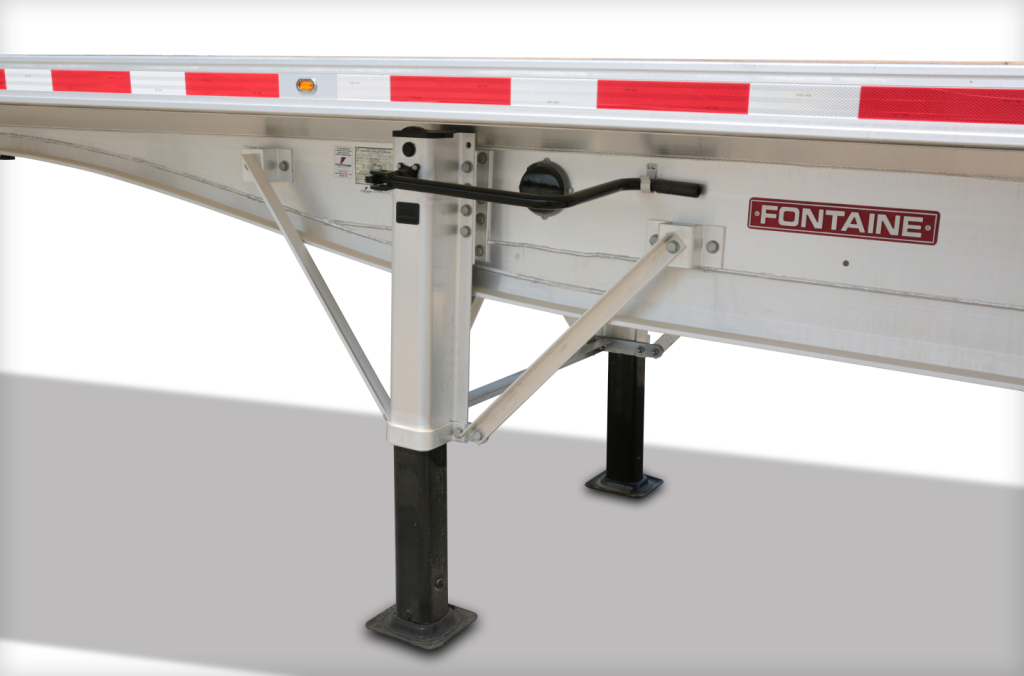
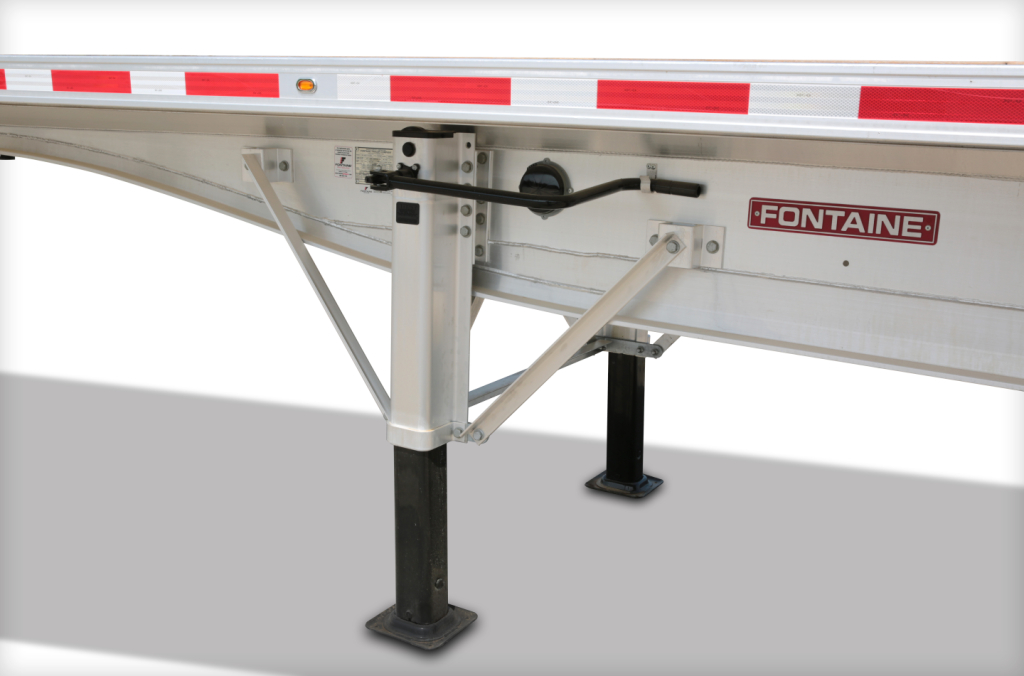
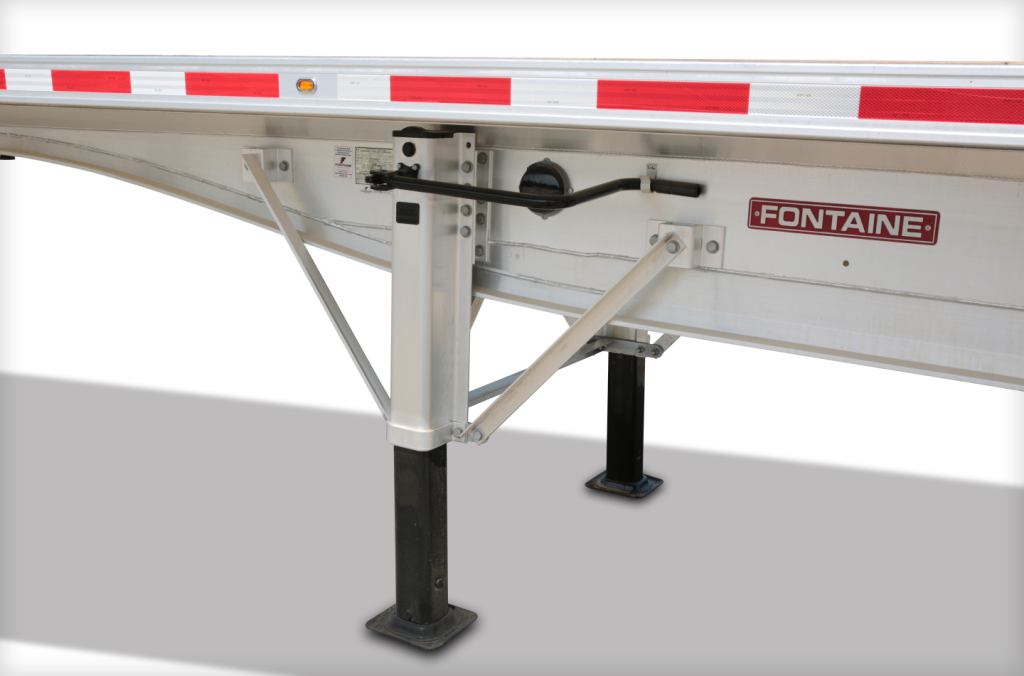
For many buyers, the first decision is deck construction and weight. In this category, a common spec is a 48-foot by 102-inch aluminum flatbed with aluminum main beams, knurled aluminum flooring, and wood nailer strips for added securement flexibility. Lightweight builds can make a real difference when payload matters, especially on high-volume commodity lanes. Typical ratings in this class include 80,000 pounds distributed and a concentrated rating for heavier short-footprint loads such as coil or machinery. If your freight mix includes steel products, coil package details, side rail strength, integrated rub rails, and the number and spacing of chain tie-downs matter as much as the headline GVWR.
Securement and axle layout are where one flatbed listing can separate itself from another. Many Fontaine flatbeds are equipped with stake pockets on 24-inch centers, multiple load securement openings, recessed chain tie-downs, and full-length winch tracks with sliding winches. That combination supports straps, chains, edge protection, and mixed cargo patterns without forcing awkward securement angles. Wide-spread tandem air ride suspension is another key spec to examine, particularly for bridge law compliance, ride quality, and load distribution. Buyers should also confirm kingpin setting, loaded fifth wheel height, axle spread, tire size, ABS configuration, and dump valve setup to make sure the trailer matches the tractor and the lanes it will run.
Oklahoma buyers often need a flatbed that can handle regional building materials one week and longer-haul steel or equipment the next. In that environment, practical details count. Toolboxes, dock bumpers, LED lighting, aluminum wheels, mudflaps, and bolt-on rear components affect daily usability, maintenance time, and damage repair costs. A new 2027 Fontaine flatbed trailer is usually best evaluated as a total operating package: trailer weight, deck strength, securement hardware, suspension spec, and how efficiently it supports your freight profile. The right setup is the one that keeps payload up, securement straightforward, and downtime low.
Frequently Asked Questions about New 2027 Fontaine Flatbed Trailers in Oklahoma
What freight is a Fontaine flatbed trailer commonly used to haul?
A Fontaine flatbed trailer is commonly used for freight that loads from the side, top, or rear and does not require enclosure. Typical loads include steel, lumber, pipe, machinery, palletized building products, precast materials, and crated equipment. The open deck makes loading flexible with forklifts and cranes, but it also means securement points, deck strength, and cargo protection planning are critical.
Why do many buyers choose an aluminum flatbed trailer?
Aluminum flatbed trailers are popular because they reduce tare weight and help maximize legal payload. That matters on freight where every additional pound of cargo improves revenue potential. Aluminum construction can also resist corrosion well, but buyers still need to compare beam design, floor thickness, rail construction, and repair considerations because lightweight spec should not come at the expense of durability for the freight being hauled.
What flatbed specs should I compare first on a new 2027 trailer?
The most important flatbed trailer specs to compare first are overall length and width, distributed and concentrated load ratings, trailer weight, suspension type, axle spread, kingpin setting, deck height, and securement equipment. After that, look closely at side rail design, rub rail strength, stake pocket spacing, chain tie-down count, winch track layout, tire size, brake configuration, and installed accessories like toolboxes. These details directly affect payload, legal compliance, and how easily the trailer fits your freight.
What does a wide-spread tandem axle setup do on a flatbed trailer?
A wide-spread tandem axle setup increases spacing between the trailer axles, which can improve weight distribution and help with bridge law compliance depending on the state and the load. It is a common choice on flatbeds running heavier or more variable freight because it can support load placement flexibility. Buyers should still verify axle spread dimensions, state regulations, and how the setup interacts with the tractor wheelbase and kingpin setting.
How important are tie-down and winch options on a flatbed trailer?
Tie-down and winch options are central to flatbed productivity and safety. A trailer with recessed chain tie-downs, stake pockets on close centers, integrated rub rails, and full-length winch tracks gives the driver more securement choices for different cargo shapes and lengths. Better securement layout can reduce loading delays, improve strap and chain angles, and make it easier to comply with cargo securement rules for steel, machinery, and general commodity freight.