
New 2027 Flatbed Trailers For Sale in Oklahoma
New 2027 flatbed trailers for sale in Oklahoma. Compare aluminum flats, axle spreads, deck specs, tie-down systems, and payload capacity.
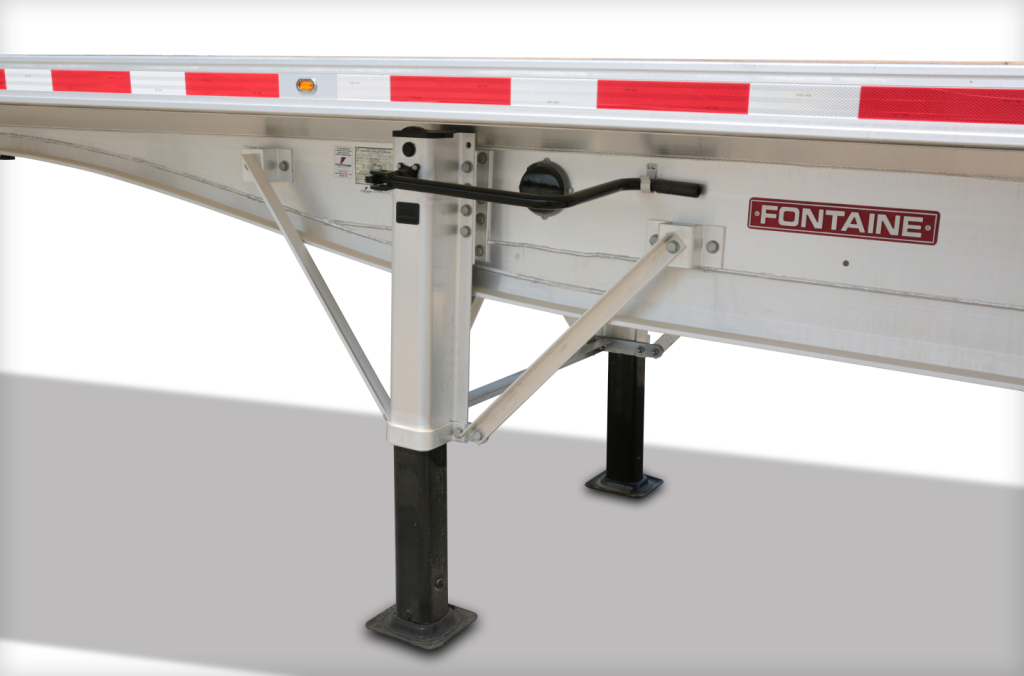
Selling a new 2027 flatbed trailer? List your new 2027 flatbed trailer for sale and reach thousands of commercial buyers.
New 2027 Flatbed Trailers in Oklahoma
For many buyers, the first real decision is aluminum versus steel. Aluminum flatbeds are popular because they cut tare weight and help maximize payload, which is a major advantage on high-volume commodity lanes. A lightweight aluminum trailer in this class can come in around the 9,000-pound range depending on configuration, while still offering strong distributed load ratings. Common specs include 80,000-pound distributed capacity, concentrated load ratings for short heavy sections, air ride suspension, tandem axles, and rear axle spreads around 122 inches on wide spread setups. Kingpin setting and loaded fifth wheel height also matter, especially if the trailer will run behind multiple tractors or operate in states where bridge compliance and weight distribution affect load planning.
Securement features deserve close attention because they directly affect daily usability. Many new flatbed trailers are equipped with integrated rub rails, stake pockets on 24-inch centers, chain tie-downs recessed into the side rails, and full-length winch tracks with sliding winches. That combination gives a carrier flexibility for both chain and strap freight without constant repositioning headaches. Coil package options, wood nailer strips, knurled aluminum flooring, dock bumpers, and toolboxes are also common on higher-spec trailers. Buyers hauling mixed freight should look for a deck and side rail design that supports both routine palletized loads and more specialized cargo that requires precise tie-down angles.
Running gear and maintenance details should be evaluated with the same discipline as capacity. Air ride suspension is common on new flatbeds because it helps protect freight and improves ride quality, while spring brakes, 4S/2M ABS, LED lighting, and 22.5-inch rubber are standard on many road-spec units. Features like electric dump valves, bolt-on bumpers, polished aluminum wheels, and accessible storage can improve day-to-day operation and resale appeal. A well-specced 2027 flatbed trailer should match the freight first, then the route, then the tractor. Buyers who get those three points right usually end up with a trailer that stays productive across a wide range of open-deck work.
Frequently Asked Questions about New 2027 Flatbed Trailers in Oklahoma
What is the most common size for a new flatbed trailer?
The most common size is 48 feet long by 102 inches wide. That configuration works for a broad range of legal open-deck freight, fits standard loading practices, and gives carriers flexibility across regional and over-the-road applications. Some operations move to 53-foot flats for specific freight needs, but the 48-foot tandem flatbed remains the benchmark in much of the market.
Is an aluminum flatbed better than a steel flatbed?
An aluminum flatbed is usually the better choice when payload matters most because it reduces trailer weight and leaves more capacity for revenue-producing cargo. Steel flatbeds can offer durability advantages in certain severe-duty applications, but they generally weigh more. Buyers hauling building materials, machinery, palletized freight, or general open-deck loads often prefer aluminum because lower tare weight helps on every trip.
What securement features should buyers look for on a flatbed trailer?
The most useful securement features include stake pockets, rub rails, recessed chain tie-downs, full-length winch tracks, and sliding winches. These components make it easier to handle different cargo types without adding aftermarket equipment. Buyers hauling steel or machinery may also want a coil package, while mixed-freight operators benefit from flexible tie-down spacing and wood nailer strips that support load protection and accessory mounting.
Why do axle spread and kingpin setting matter on a flatbed trailer?
Axle spread and kingpin setting affect weight distribution, bridge law compliance, turning characteristics, and compatibility with the tractor. A wide spread tandem can help with load placement and legal scaling, especially on heavier freight. Kingpin setting is just as important because it changes how weight transfers to the tractor drives and trailer tandems. Buyers running in multiple states or across varied freight types should confirm these dimensions before purchase.
What suspension is most common on new flatbed trailers?
Air ride suspension is very common on new flatbed trailers because it improves ride quality and helps reduce shock to sensitive freight. It is widely used for general freight, machinery, and higher-value cargo where cargo stability matters. Mechanical suspension still appears in some applications, but air ride is often preferred for driver acceptance, cargo protection, and overall versatility.