
New 2027 Flatbed Trailers For Sale in Pennsylvania
Shop new 2027 flatbed trailers in Pennsylvania. Compare 48' to 53' specs, air ride or spring ride, aluminum or steel, and tandem setups.
Selling a new 2027 flatbed trailer? List your new 2027 flatbed trailer for sale and reach thousands of commercial buyers.
New 2027 Flatbed Trailers in Pennsylvania
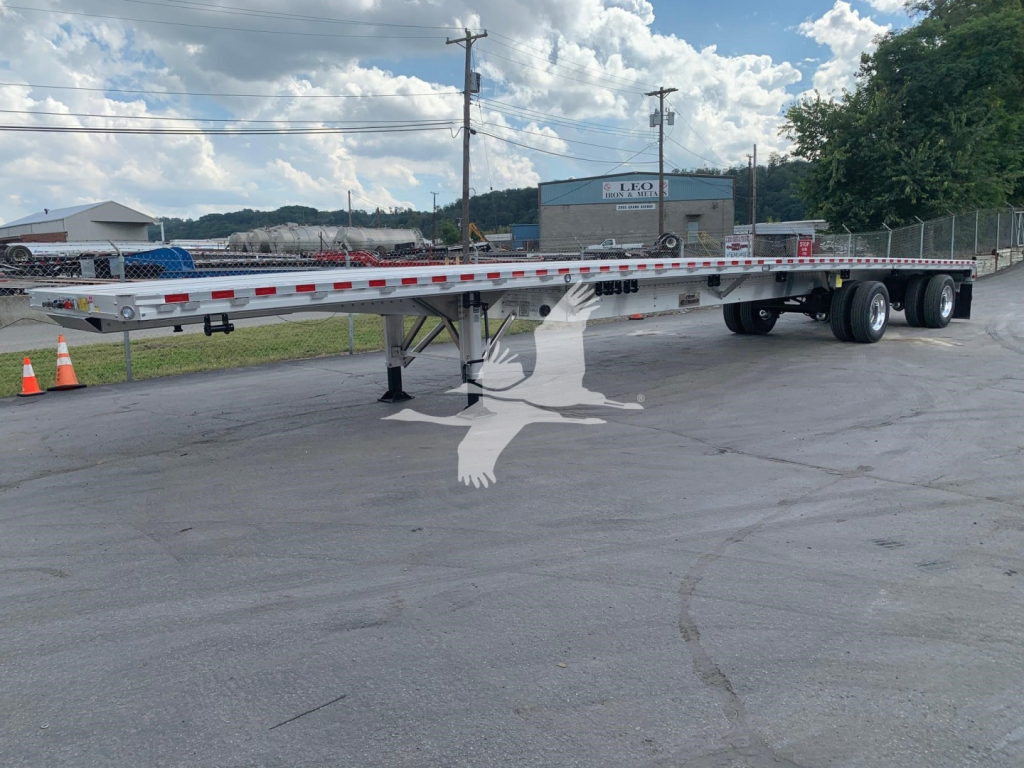
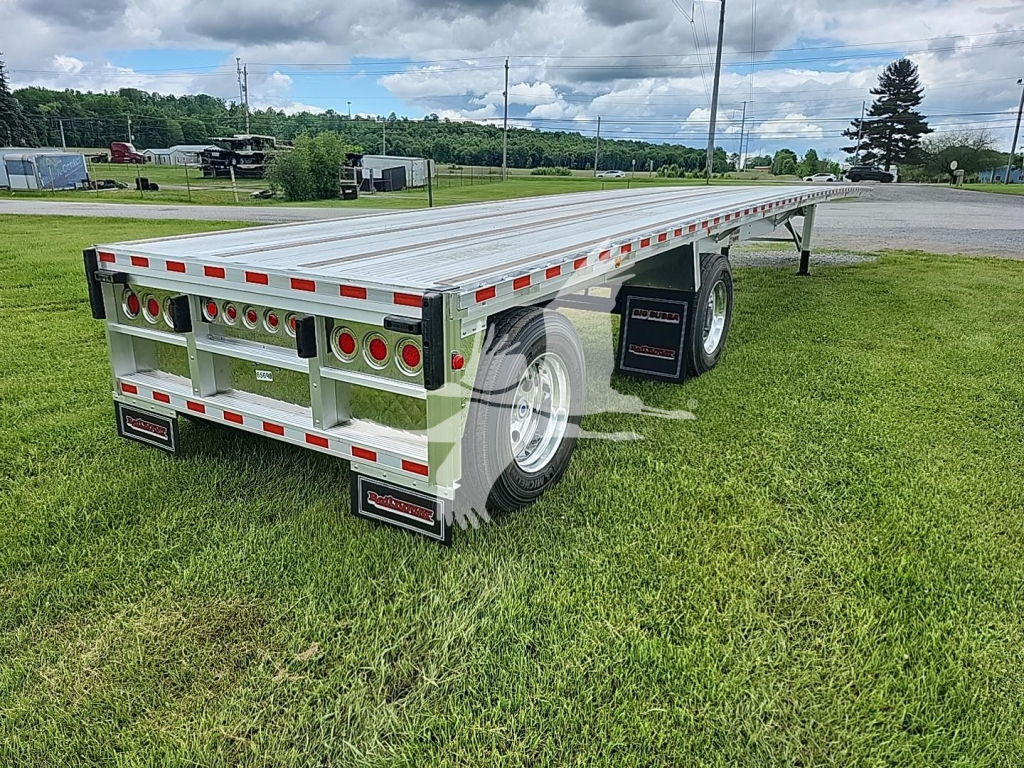
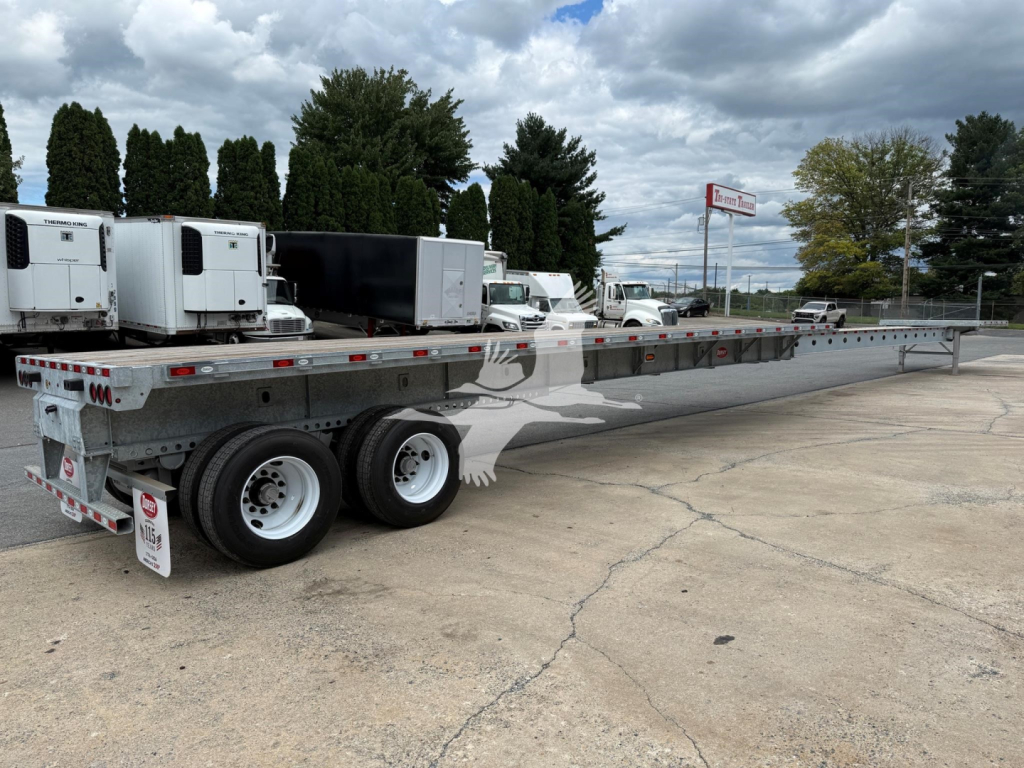
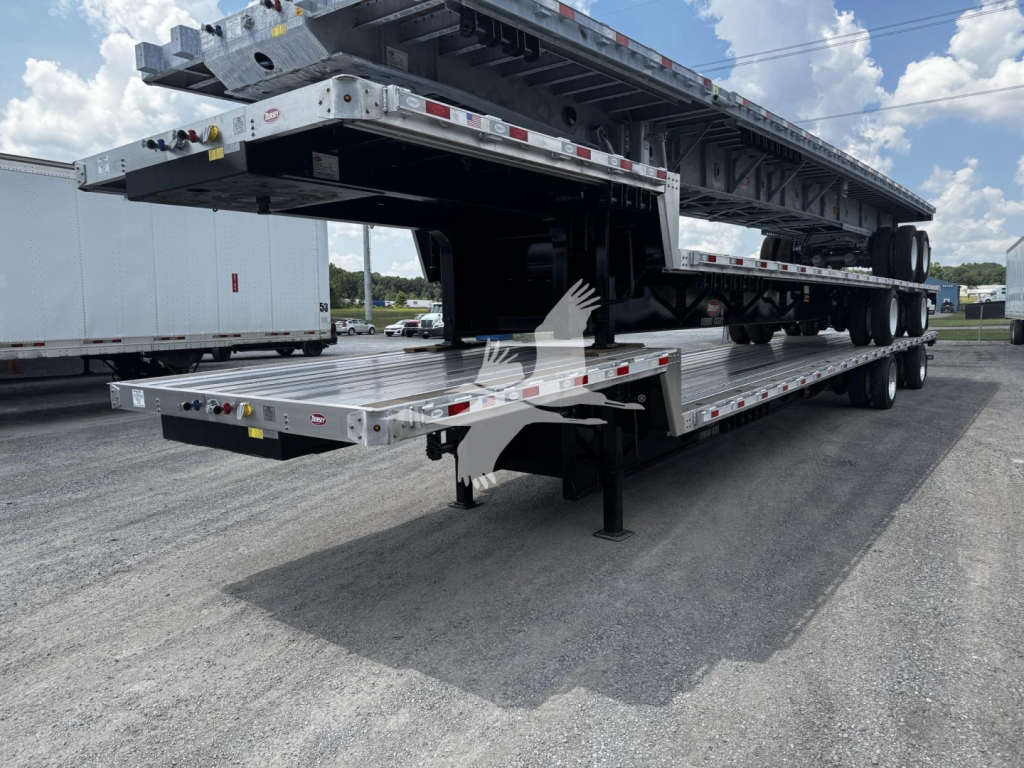
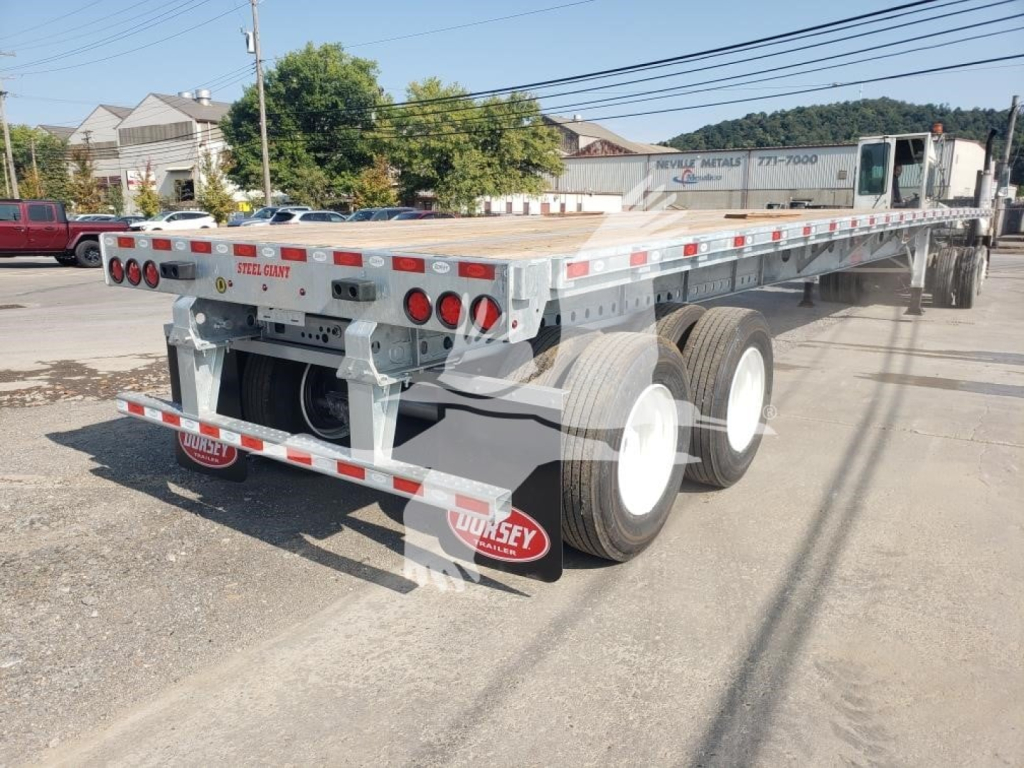
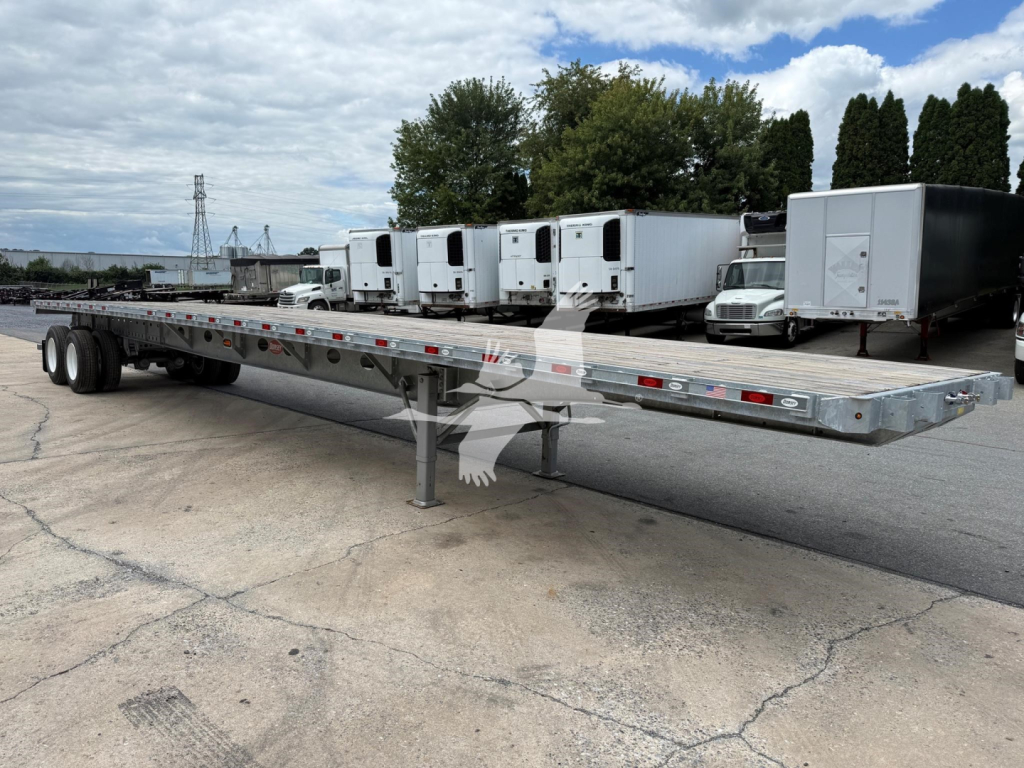
Pennsylvania operators often balance payload, durability, and corrosion resistance because trailers may see year-round exposure to road salt, mixed highway work, and heavy industrial freight. Steel flatbeds usually cost less up front and are well-suited for demanding load securement work, while aluminum and combo designs reduce tare weight and can add payload capacity. Galvanized components can be especially attractive in this market because they help with long-term corrosion control on side rails, crossmembers, and front or rear members. Suspension choice is another major buying point. Air ride is common on higher-spec new flatbed trailers because it improves ride quality for sensitive freight and often pairs with Hendrickson sliding tandems or spread settings. Spring ride still has a place for buyers who want mechanical simplicity and lower initial cost.
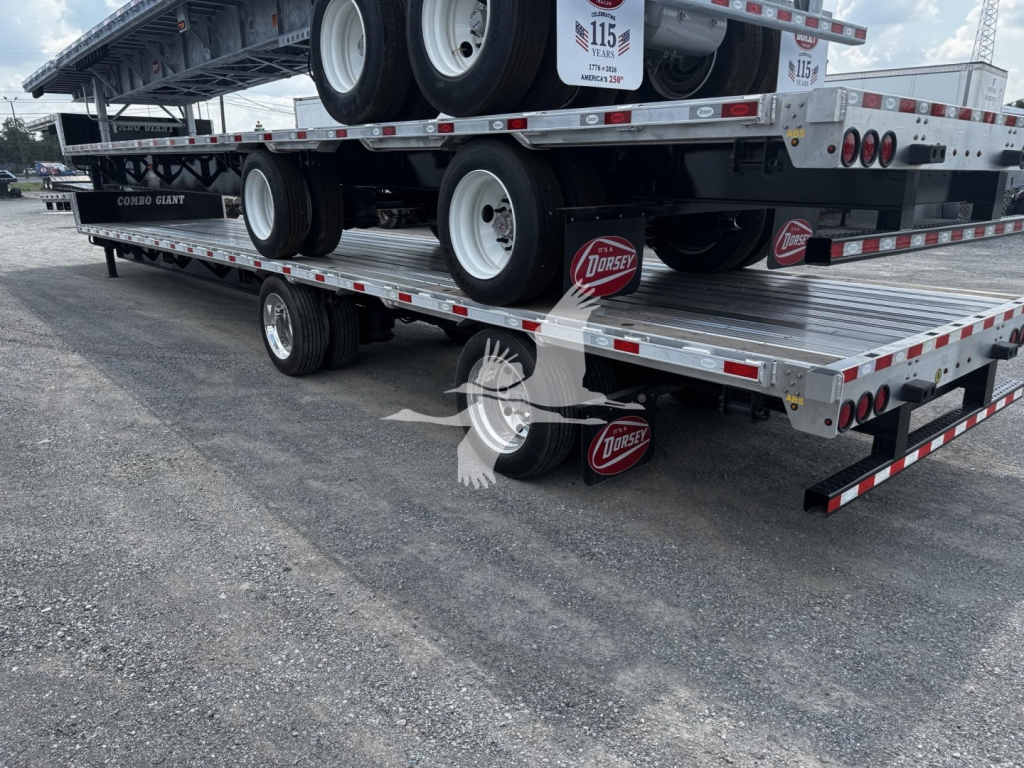
Load securement setup separates a generic flatbed from one that matches the freight mix. Common features include roadside or full winch tracks, 10 to 12 sliding winches, double pipe spools, chain tie-down packages, and coil packages with stub crossmembers for steel hauling. Kingpin setting, landing gear brand, mud flap bracket placement, and tire size also affect day-to-day usability, especially when the trailer needs to work with different tractors, docks, and state bridge laws. A 49-inch sliding tandem is common on standard flats, while some 53-foot combo or drop-deck style flatbeds are spec'd with suspension settings to help with California legal bridge compliance when closed. Buyers hauling taller freight may also compare straight-deck flatbeds to drop decks, which lower deck height and improve legal loaded height.
New flatbed trailers are also known as flat bed trailers, open deck trailers, or standard flats, depending on the fleet and region. The best buying approach is to match the trailer to the freight first, then sort out tare weight, deck height, suspension, and securement details. For steel coils, machinery, or dense building materials, crossmember strength, coil package options, and side rail design should be near the top of the list. For general commodity hauling, a straightforward 48-foot tandem flatbed with Apitong flooring, sliding winches, LED lighting, and a proven air ride suspension remains one of the most flexible trailer specs on the road.
Frequently Asked Questions about New 2027 Flatbed Trailers in Pennsylvania
What size flatbed trailer is most common for general freight?
The most common flatbed trailer sizes are 48 feet and 53 feet, both typically built at 102 inches wide. A 48-foot flatbed is still the standard for a wide range of steel, lumber, machinery, and construction materials because it is simple to route and easy to match with common freight. A 53-foot flatbed can offer more deck space, but axle placement, kingpin setting, and bridge law compliance become more important when operating across multiple states.
Is air ride better than spring ride on a new flatbed trailer?
Air ride is usually preferred for flatbed work because it helps protect freight, improves ride quality, and is widely accepted in commercial fleets hauling finished products, machinery, and other damage-sensitive loads. Spring ride remains a practical option for buyers who prioritize lower acquisition cost and mechanical simplicity. The better choice depends on the cargo, operating lanes, and how much value you place on ride quality versus upfront cost.
What flooring and crossmember specs matter most on a flatbed?
Floor thickness and crossmember spacing directly affect deck durability and load support. Apitong flooring in 1 1/8-inch or 1 5/16-inch thickness is common because it holds up well under repeated forklift traffic and concentrated loads. Crossmembers on 12-inch centers are a common heavy-duty spec on flatbeds used for steel, building materials, and machinery. Buyers hauling dense freight should also review the trailer's concentrated load rating, such as pounds allowed in 10 feet, rather than looking only at GVWR.
What securement features should a buyer look for on a flatbed trailer?
A useful flatbed securement package usually includes a winch track, sliding winches, pipe spools, adequate rub rail strength, and enough tie-down points to match the intended cargo. Steel and machinery haulers may also want chain tie-down packages and coil packages with stub crossmembers. The right setup depends on the freight mix. A trailer spec'd for general building products may not be ideal for coils, plate steel, or specialized machinery unless it has the proper securement hardware.
Are galvanized flatbed trailers worth considering in Pennsylvania?
Galvanized flatbed trailers can make sense in Pennsylvania because they offer added corrosion resistance in a state where winter road treatment and year-round weather exposure can shorten trailer life. Galvanized side rails, crossmembers, and structural components can help reduce long-term rust issues and preserve appearance and resale value. They may cost more initially, but many buyers view that premium as worthwhile when the trailer will stay in service for years in a salt-exposed environment.