
New 2027 Flatbed Trailers For Sale in Ohio
Shop new 2027 flatbed trailers in Ohio with specs on length, decking, suspension, tie-downs, axle settings, and specialized hauling use.
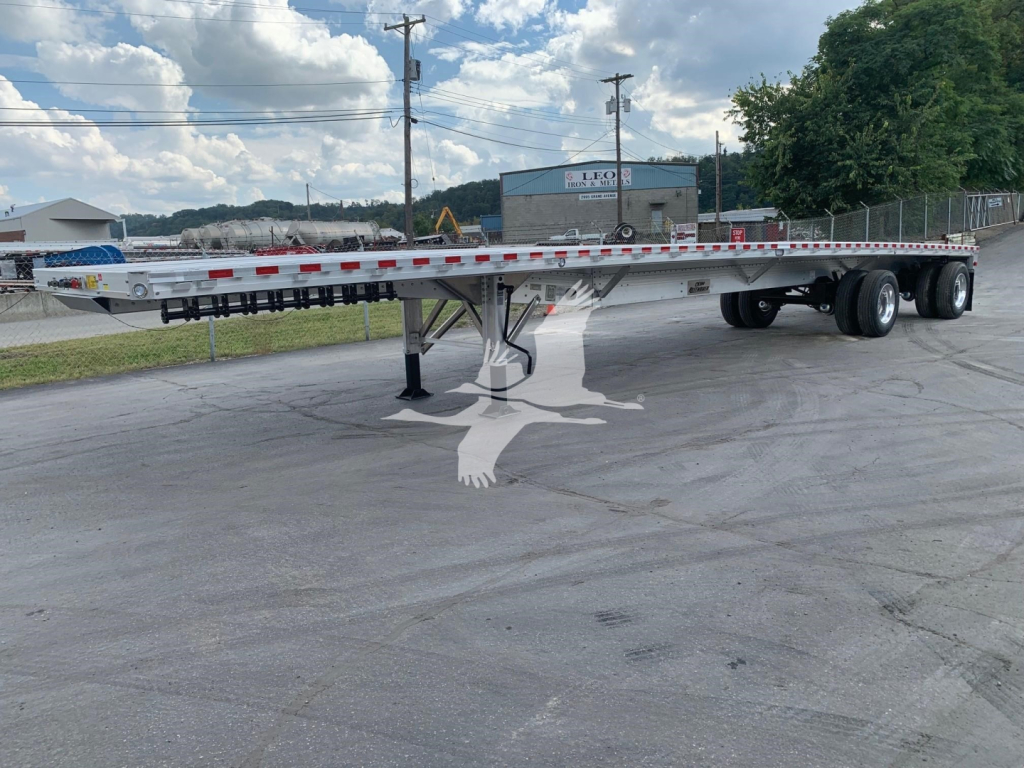
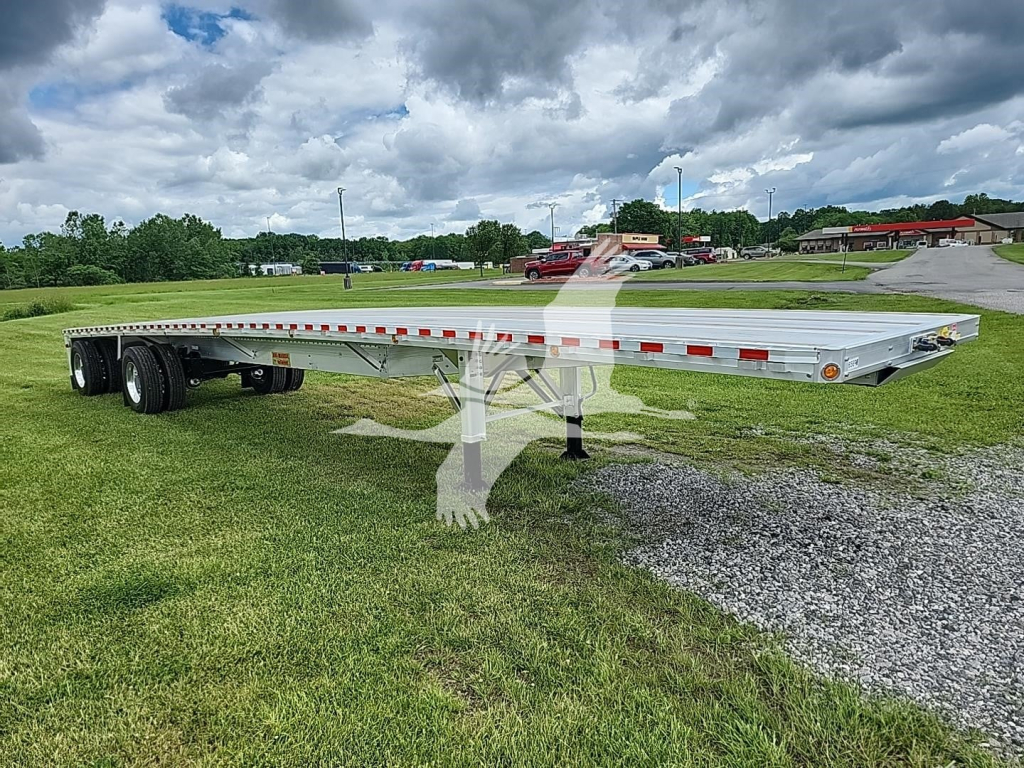
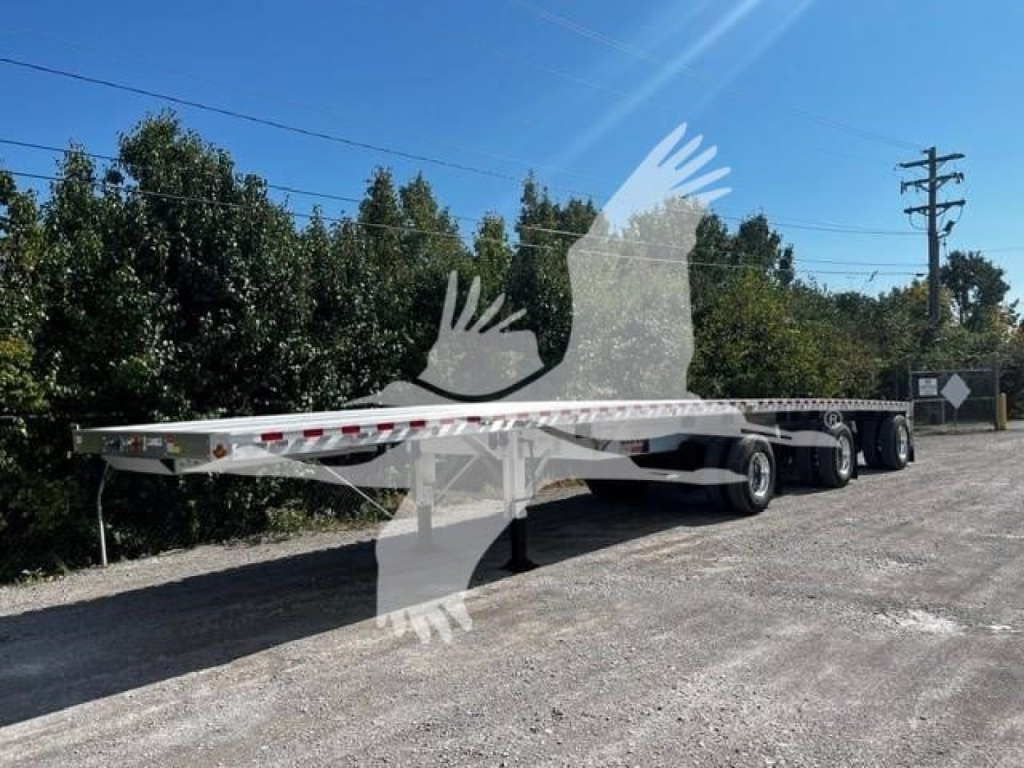
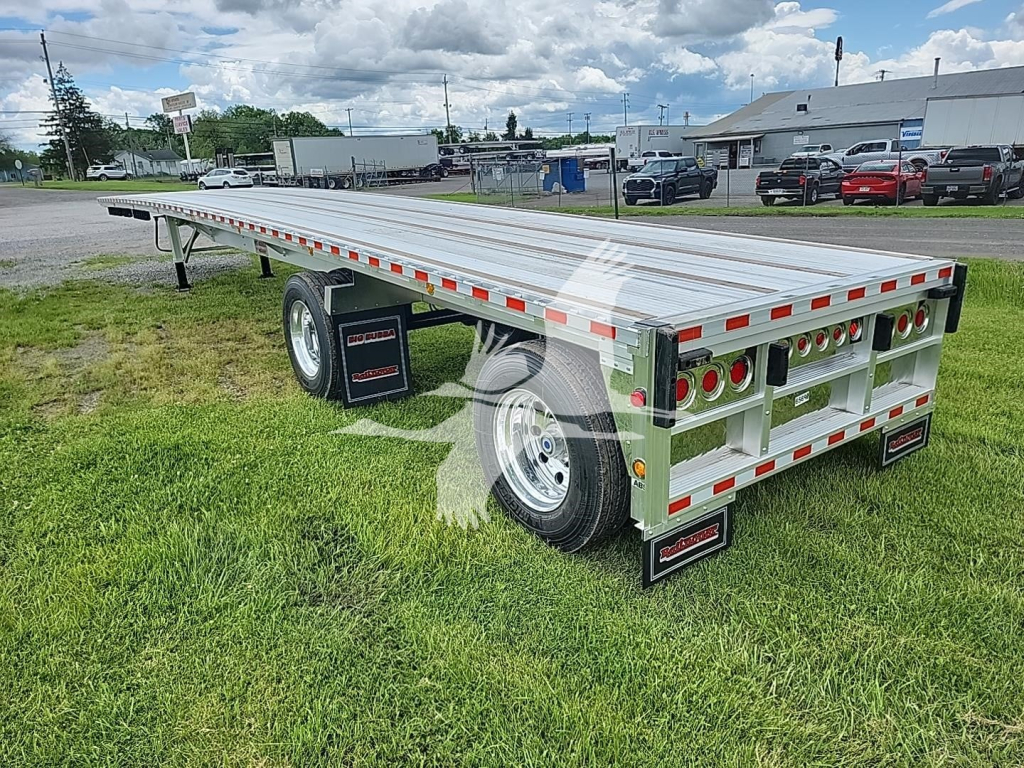
Selling a new 2027 flatbed trailer? List your new 2027 flatbed trailer for sale and reach thousands of commercial buyers.
New 2027 Flatbed Trailers in Ohio
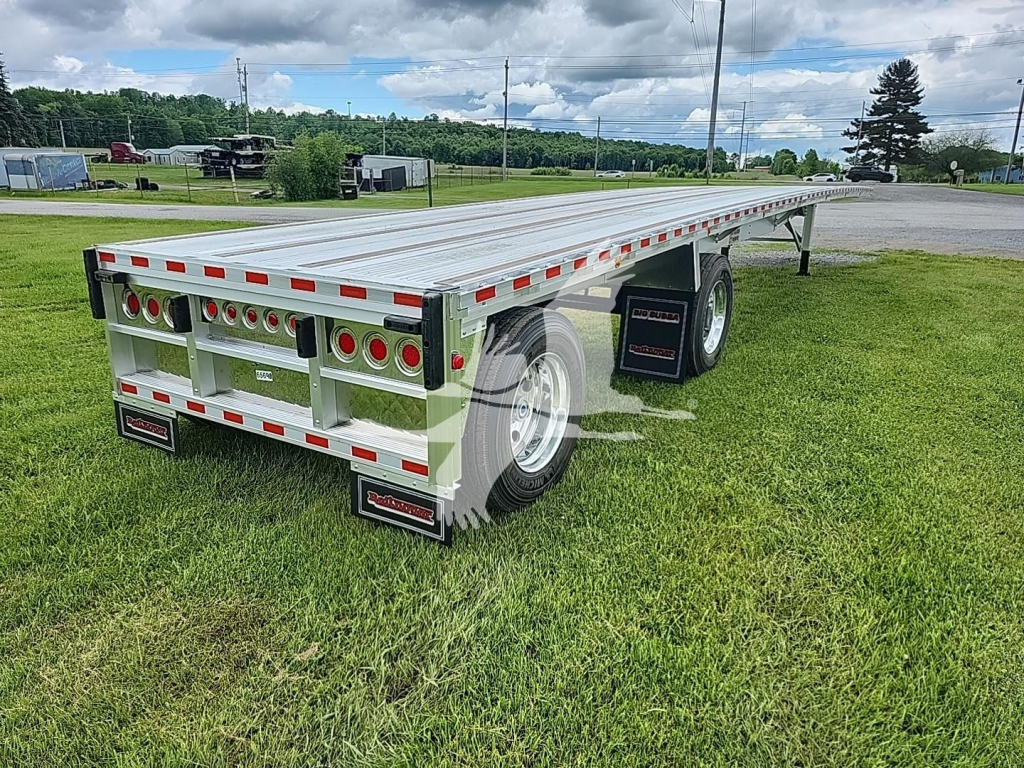
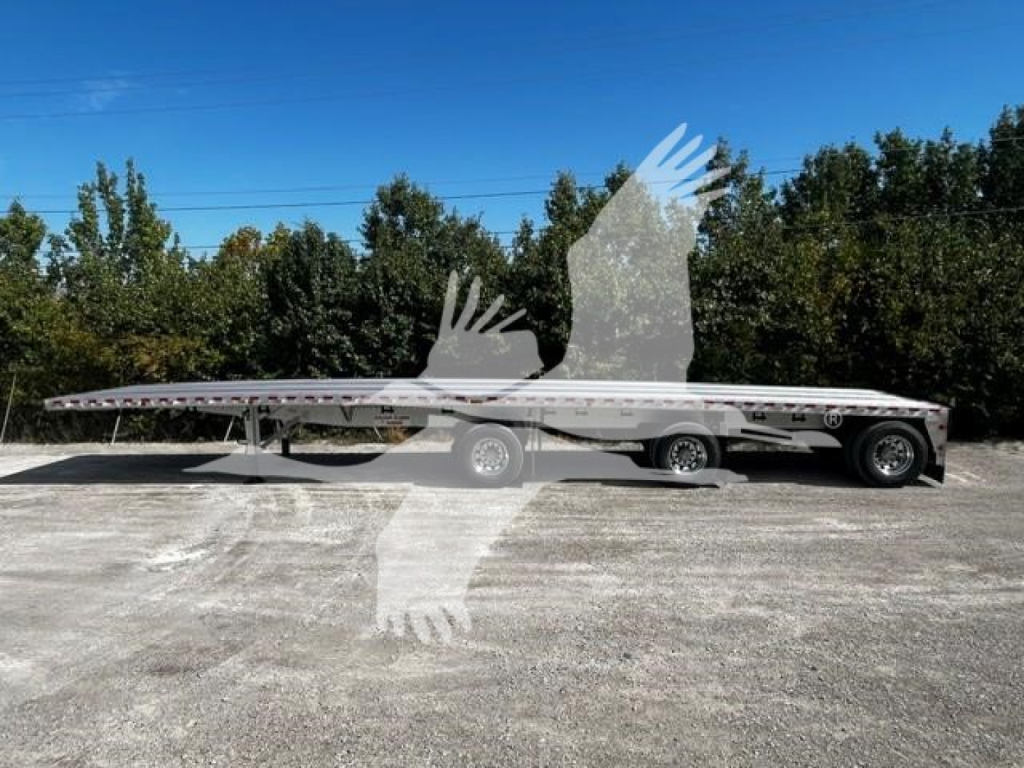
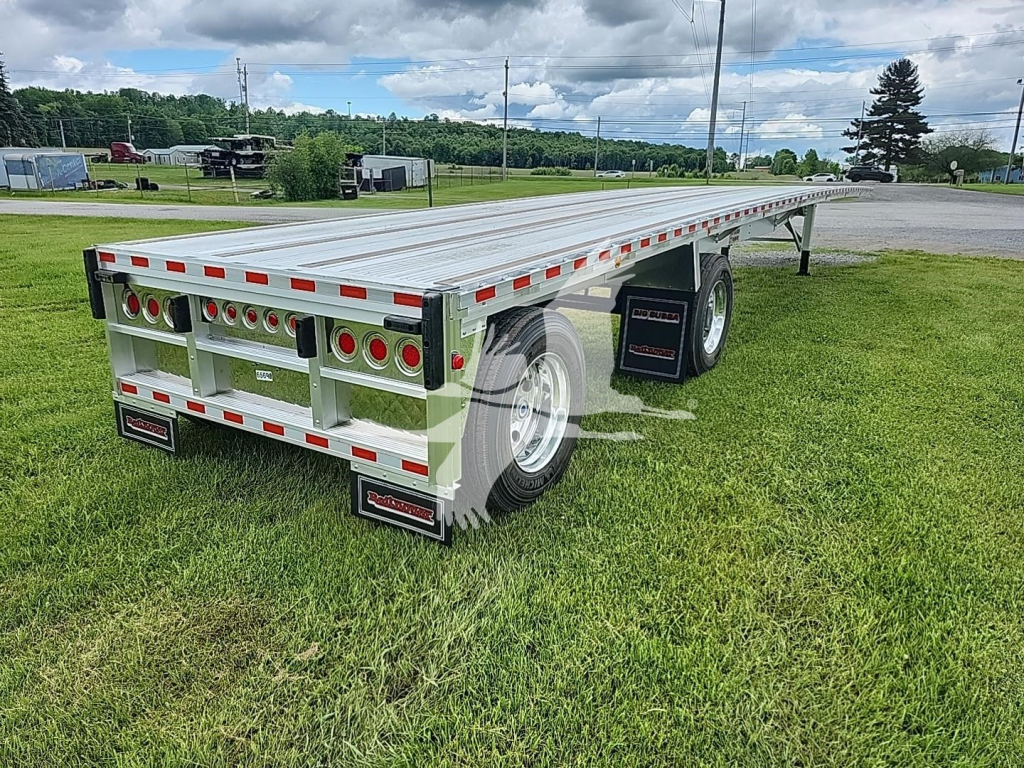
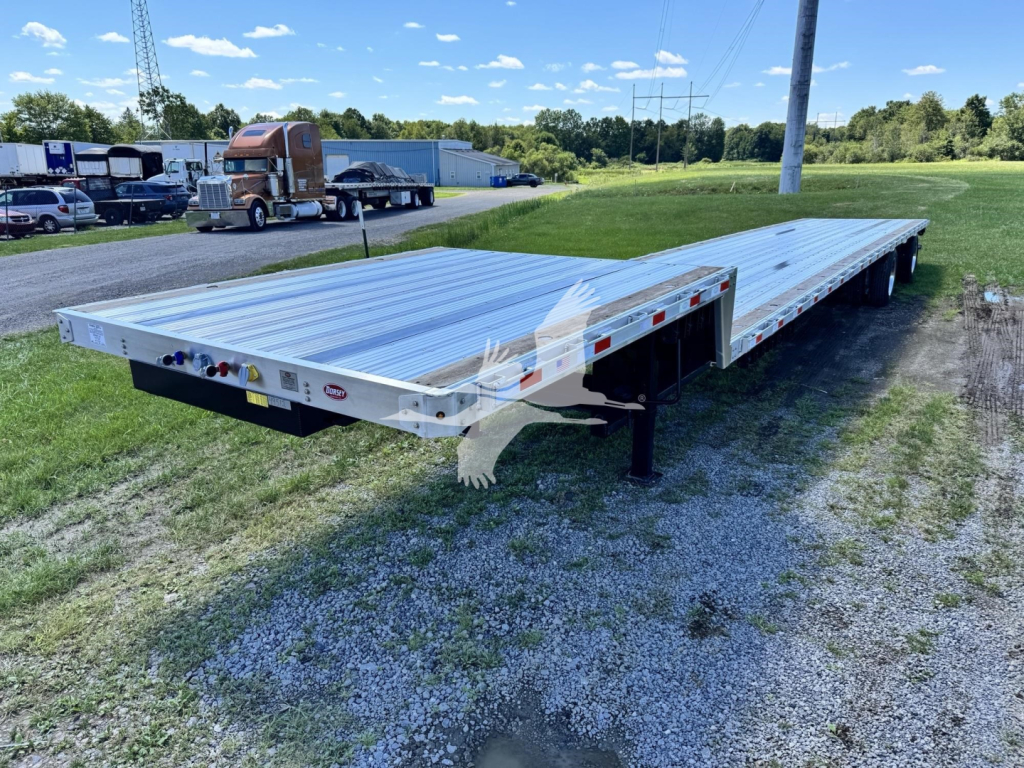
Specs matter more than brand decals in this category. Common details on new flatbeds include 102-inch width, tandem axles, 49-inch sliding tandems, and GVWR ratings around 80,000 pounds, with concentrated load ratings such as 54,000 to 60,000 pounds in 10 feet depending on frame design. Flooring is often apitong on steel trailers for durability and securement bite, while aluminum deck sections help reduce empty weight on combo trailers. Crossmember spacing, usually 12-inch centers on heavy working decks, is a key indicator for buyers hauling coils, machinery, or dense construction freight. Kingpin setting, suspension type, and deck height also affect axle scaling, bridge compliance, and day-to-day versatility.
Securement layout is another major buying point. Many flatbeds in this class are set up with roadside or both-side winch tracks, sliding winches, chain tie-down pairs, pipe spools, and coil package reinforcements. If your freight mix includes steel coils, plate, or short dense loads, look closely at coil package structure, stub crossmembers, and side rail strength. For lumber, palletized products, and mixed building materials, buyers often prioritize durable decking, enough winches for varied load lengths, and clean side rail access for straps and chains. Bulkhead choice, nailing strips, tire carriers, and extra receptacles can also change how practical a trailer is for your lanes and customers.
Ohio buyers should also pay attention to corrosion resistance and suspension spec. Galvanized crossmembers, galvanized bumpers, or an entirely galvanized frame can add long-term value in snow, salt, and wet regional conditions. Air ride suspension is common for freight protection and dock-friendly operation, while spring ride still appeals to some fleets for simplicity and heavy-duty service. Tire size, wheel material, landing gear brand, and dump valve configuration are not small details on a working flatbed. They affect maintenance cost, driver preference, and uptime. The right 2027 flatbed trailer is the one that matches your freight density, securement method, axle spread needs, and operating region without forcing compromises every week.
Frequently Asked Questions about New 2027 Flatbed Trailers in Ohio
What is the difference between a standard flatbed, a drop deck, and an extendable flatbed trailer?
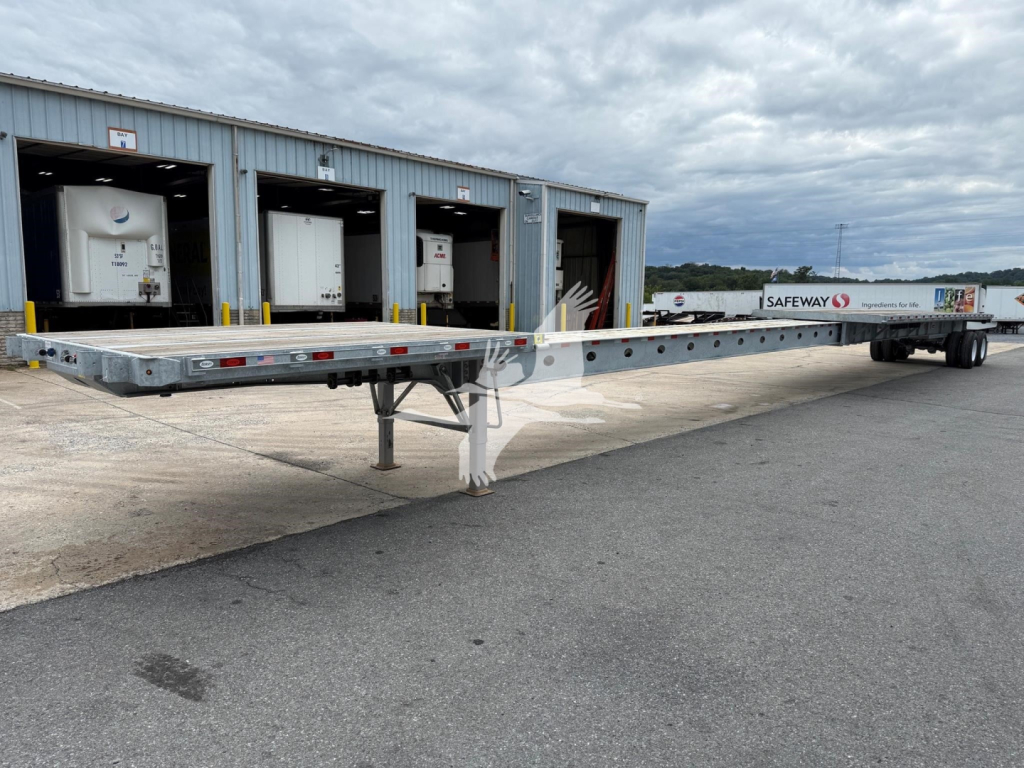
A standard flatbed has a single continuous deck and is the most versatile option for legal-height freight such as lumber, machinery, and palletized materials. A drop deck, also called a step deck, has an upper deck and a lower main deck to carry taller freight while staying within height limits. An extendable flatbed uses a telescoping frame to handle long products like steel beams, pipe, and poles that exceed the length of a fixed 48-foot or 53-foot trailer.
What specs matter most when buying a new 2027 flatbed trailer?
The most important specs are deck length, trailer construction material, concentrated load rating, crossmember spacing, suspension type, tandem setting, and securement layout. Buyers hauling dense freight should pay close attention to frame strength, 12-inch crossmember centers, coil package options, and side rail design. Buyers focused on payload may prefer combo or aluminum construction, while regional fleets in harsh weather often place more value on galvanized components and durable flooring like apitong.
Is air ride or spring ride better on a flatbed trailer?
Air ride is generally preferred for ride quality, freight protection, and overall flexibility across mixed loads. It can be especially useful for shippers that are sensitive to vibration or for operations loading at docks and uneven yards. Spring ride still has a place in severe-duty applications because of its simpler design and reputation for durability, but it typically gives up some ride quality and cargo protection compared with a modern air ride suspension.
Why do kingpin setting and sliding tandem position matter on a flatbed?
Kingpin setting and tandem position directly affect axle weights, bridge law compliance, and how easily the trailer can be balanced with different load lengths. A common sliding tandem setup gives the driver flexibility to shift weight for state scaling requirements and customer loading patterns. Buyers running long-haul or multi-state lanes should treat kingpin and axle geometry as core operating specs, not minor details, because they influence legal payload and ease of use every day.
What features should I look for if I haul steel, coils, or other concentrated loads?
For steel hauling, look for strong main beams, close crossmember spacing, a proper coil package, adequate chain tie-down points, and side rails built for repeated securement stress. Apitong flooring is popular because it stands up well to hard use and helps cargo stay planted during securement. Concentrated load ratings are critical, because a trailer that works well for general freight may not be suitable for heavy short loads unless the frame and deck structure were designed for that service.