
New 2027 Trailers For Sale in Ohio
Shop new 2027 trailers for sale in Ohio, including flatbed and dry bulk trailer types with current specs, axle setups, suspensions, and materials.
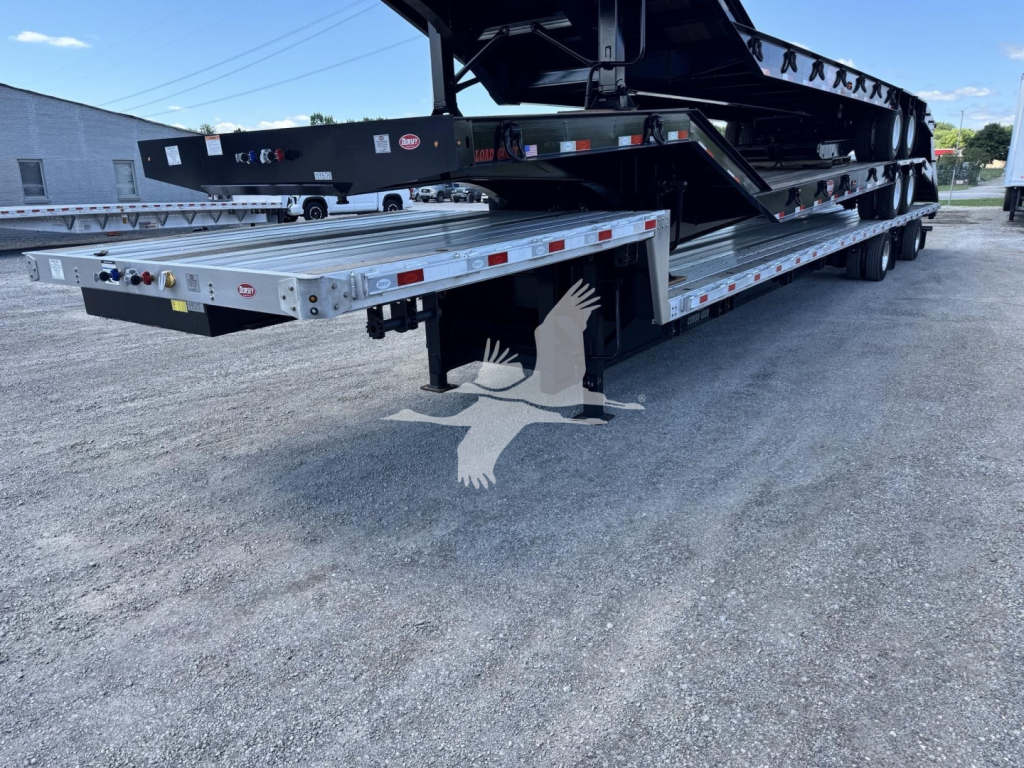
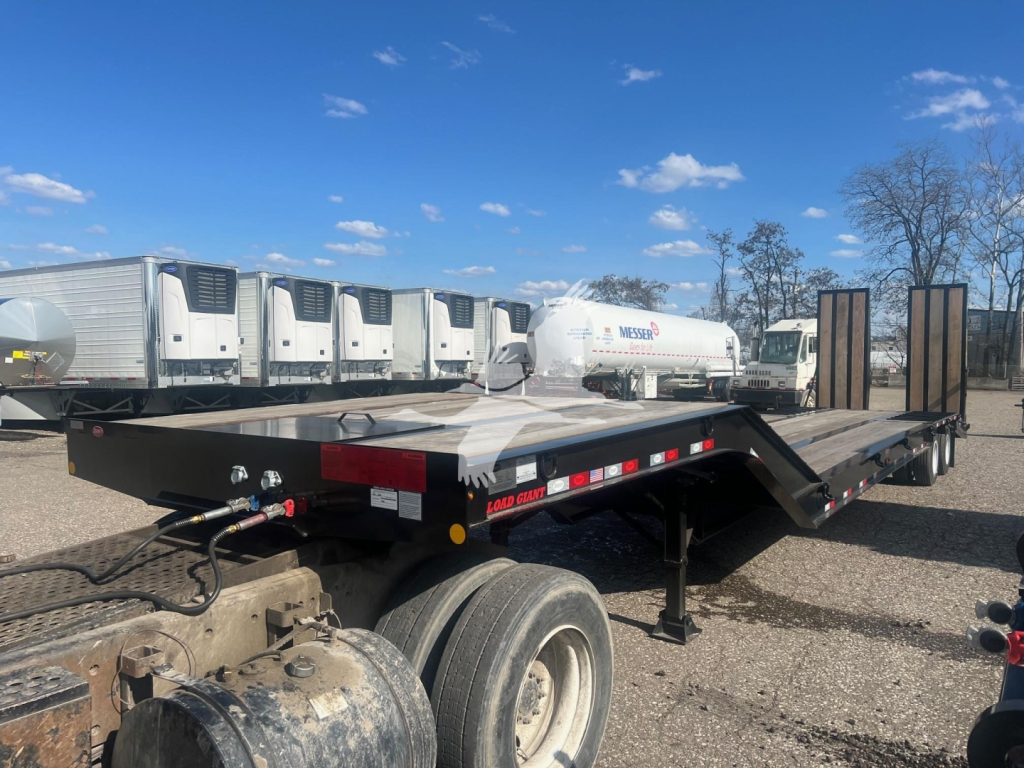
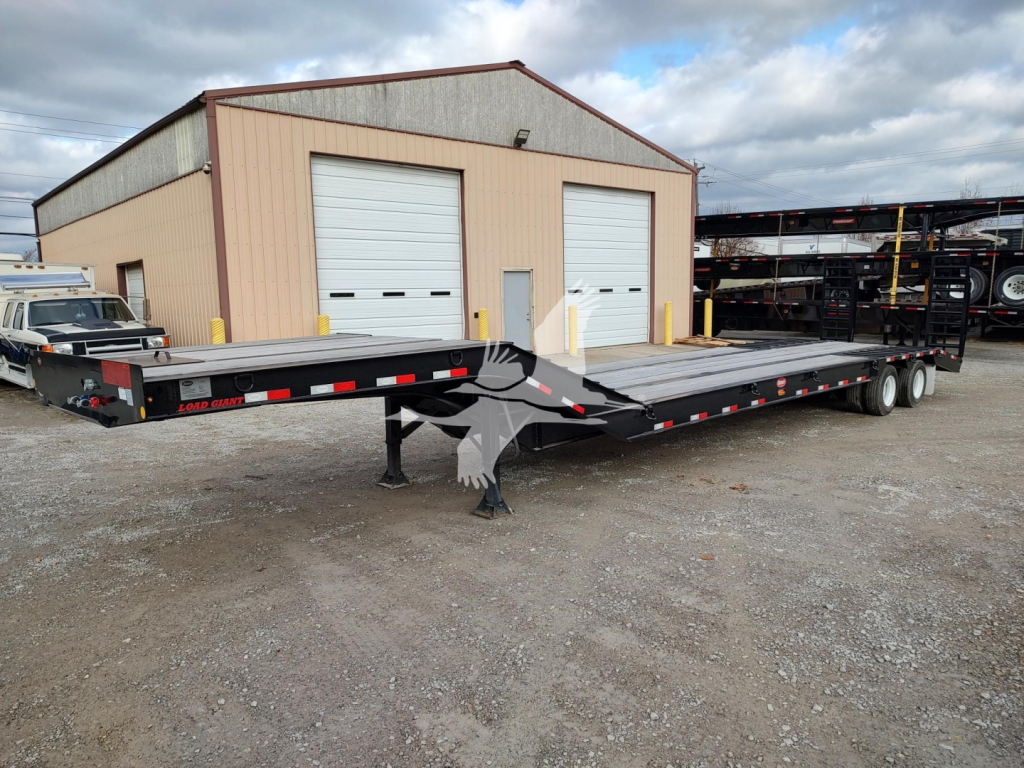
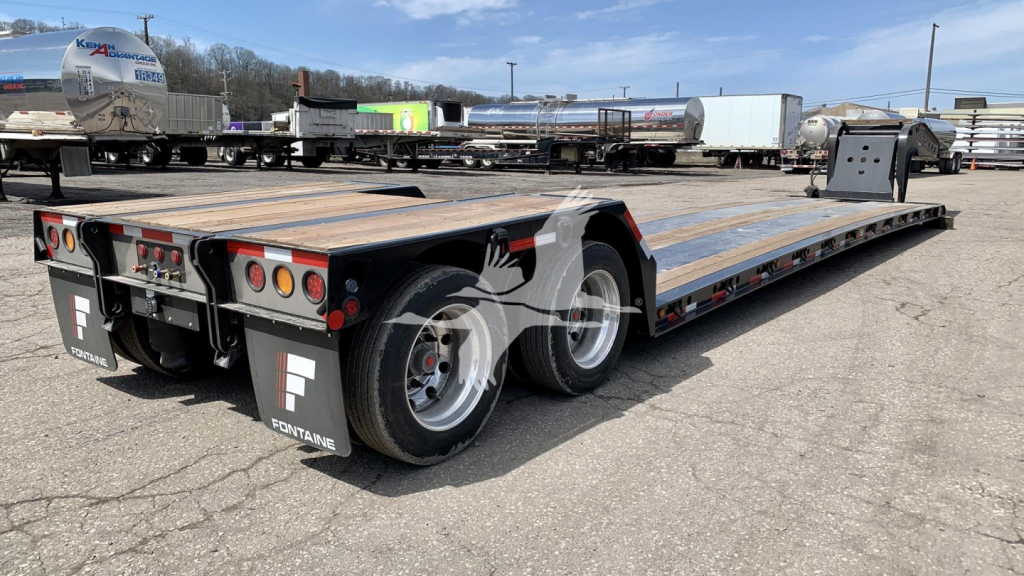
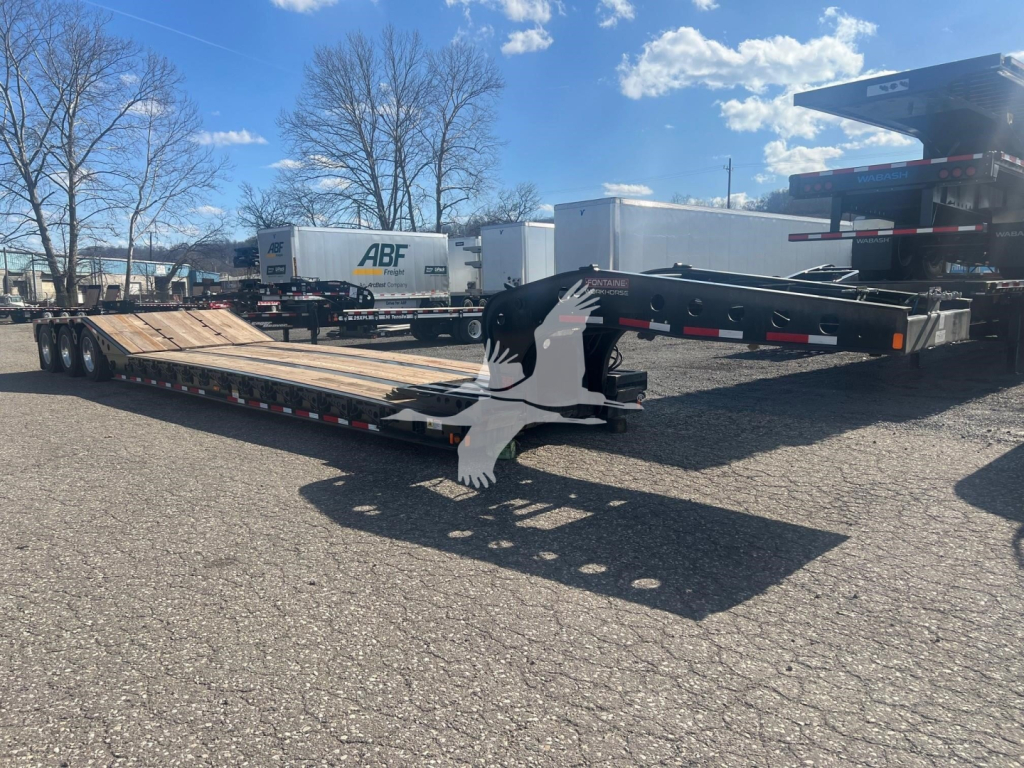
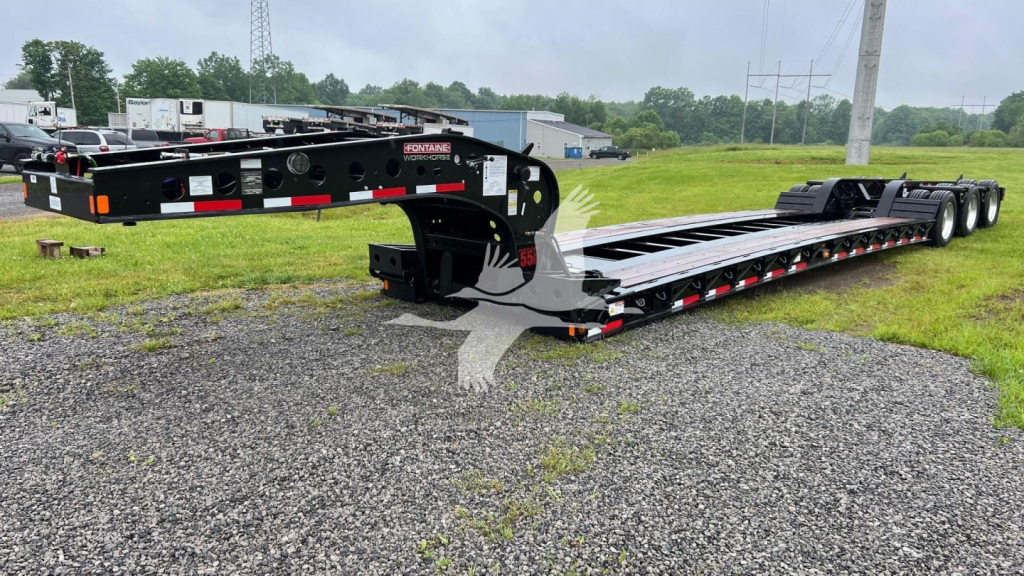
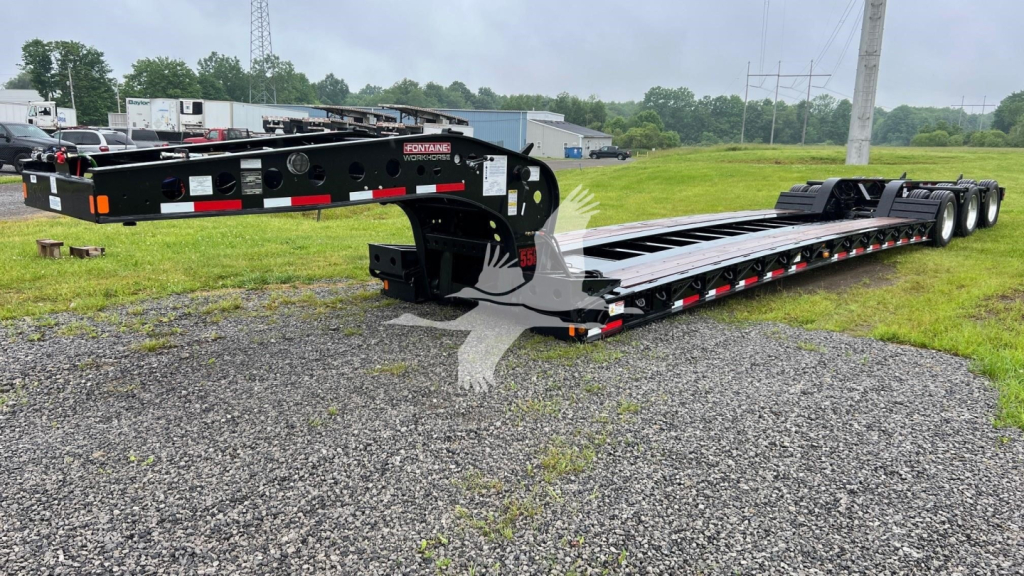
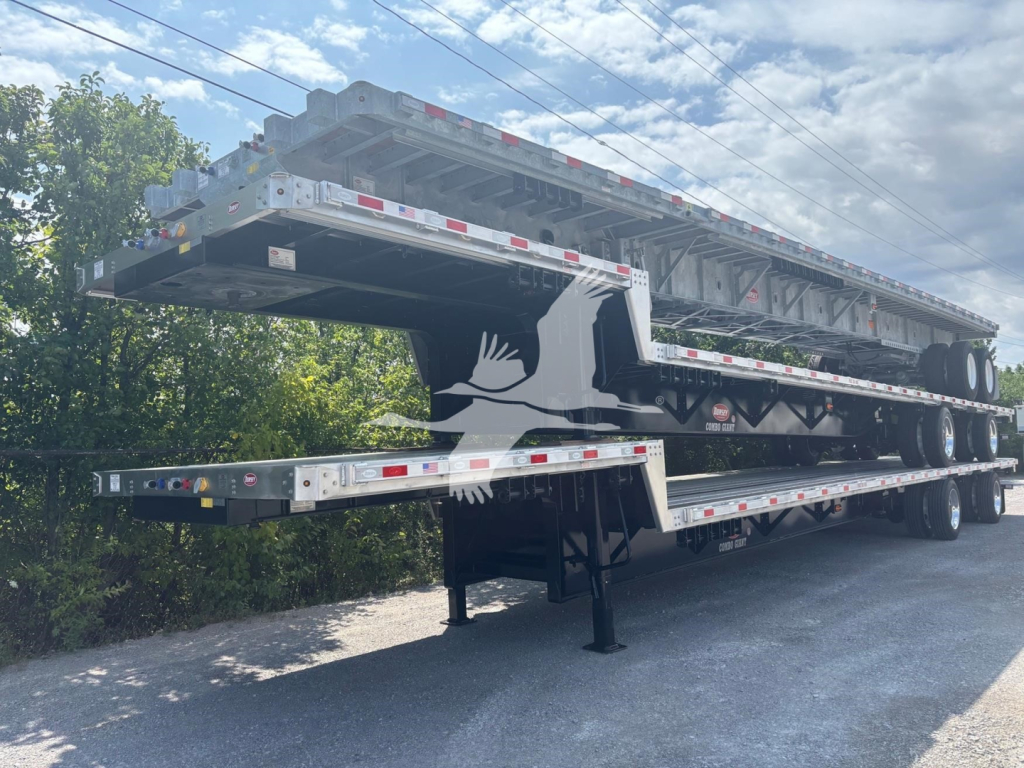
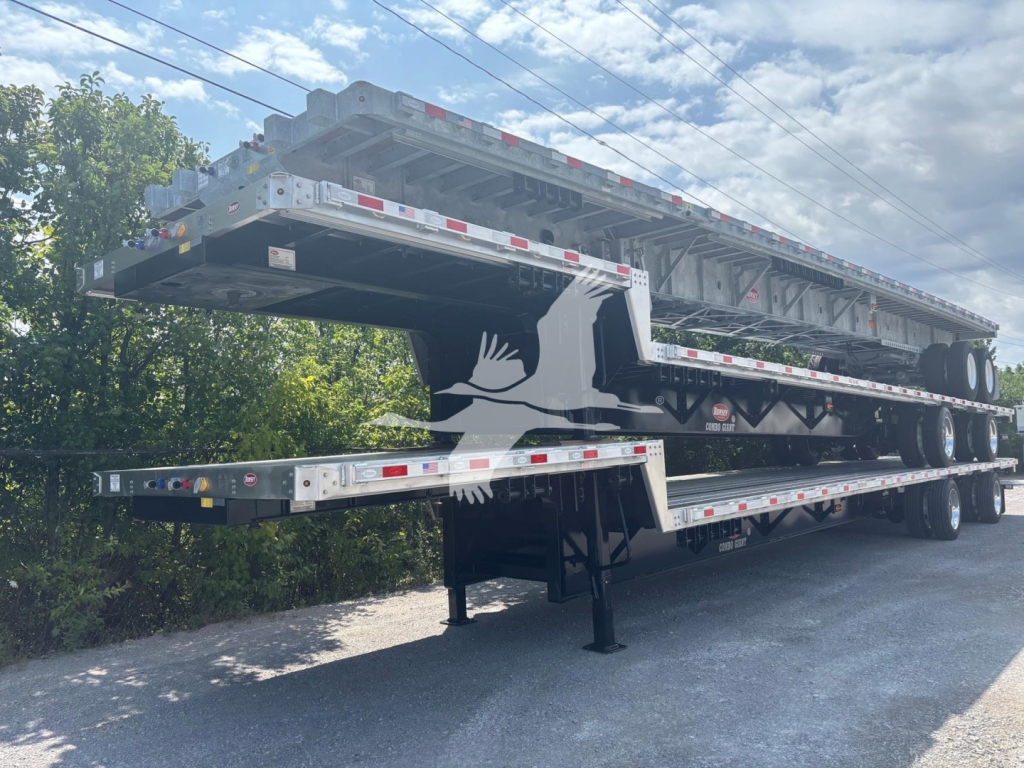
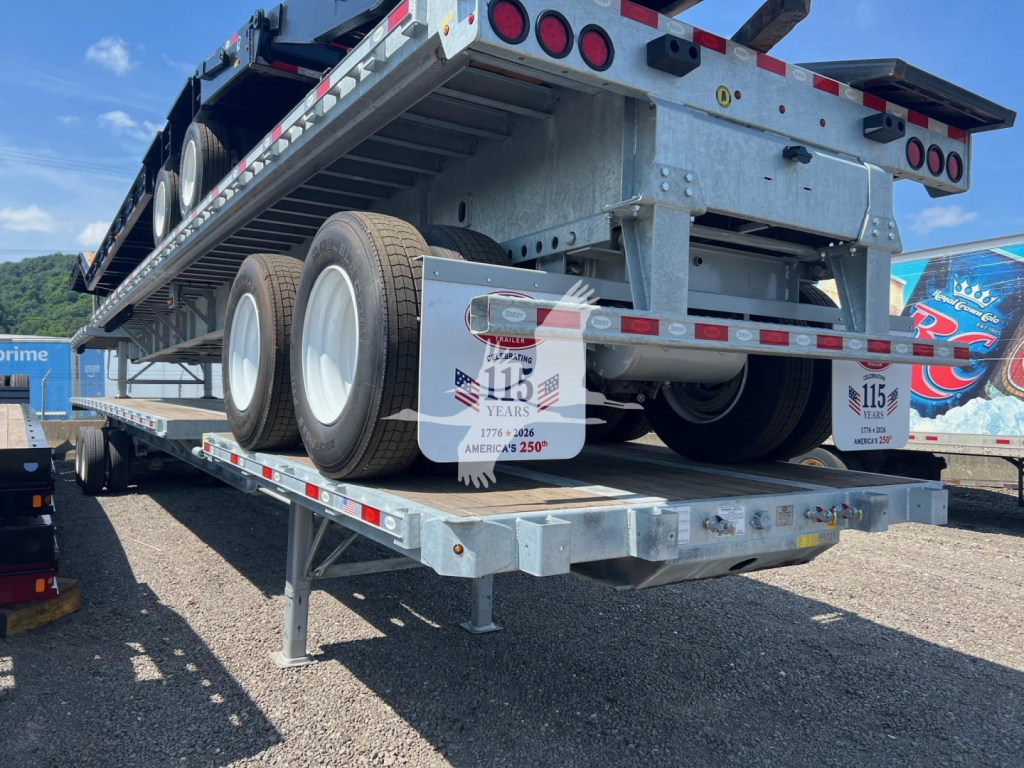
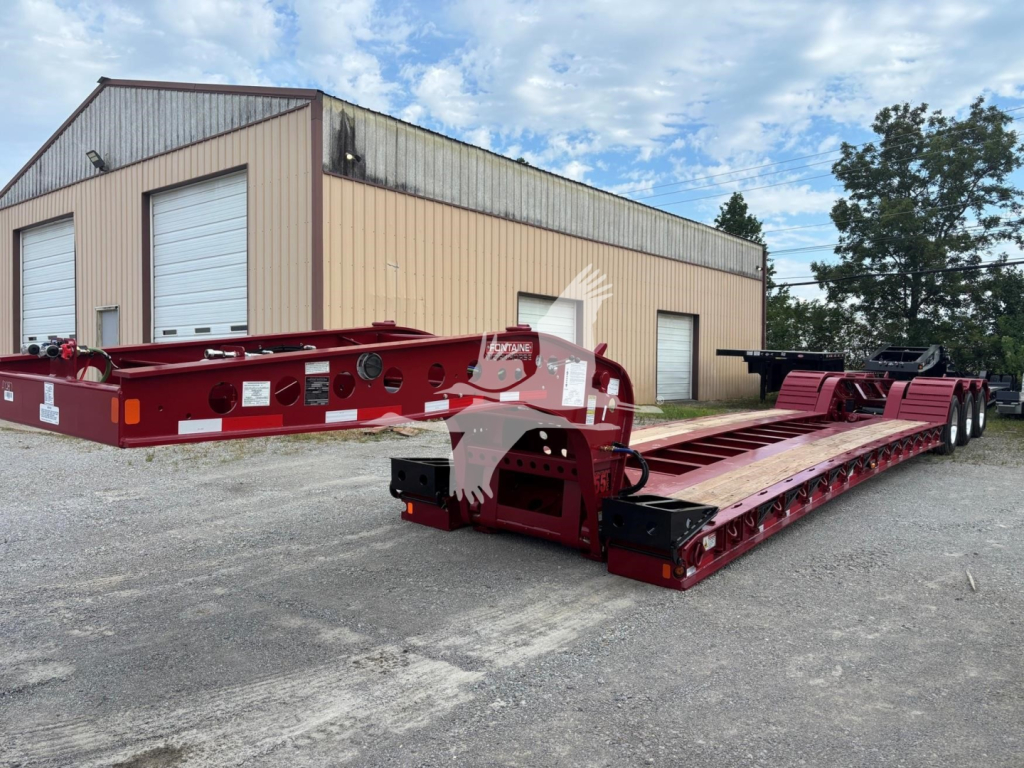
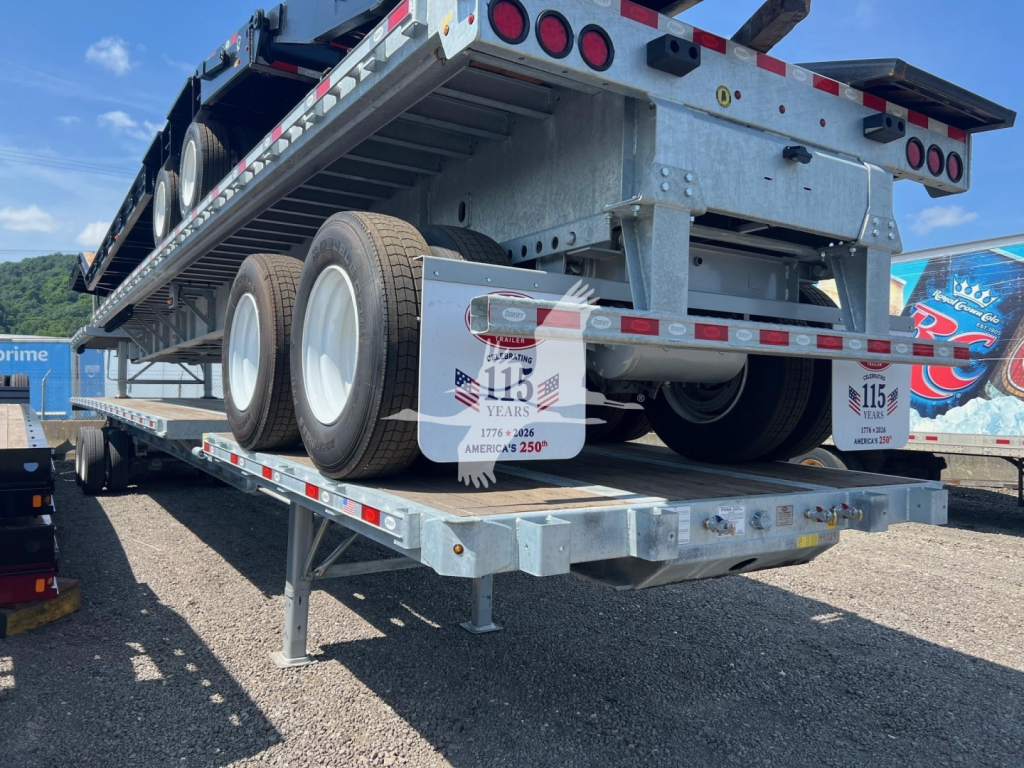
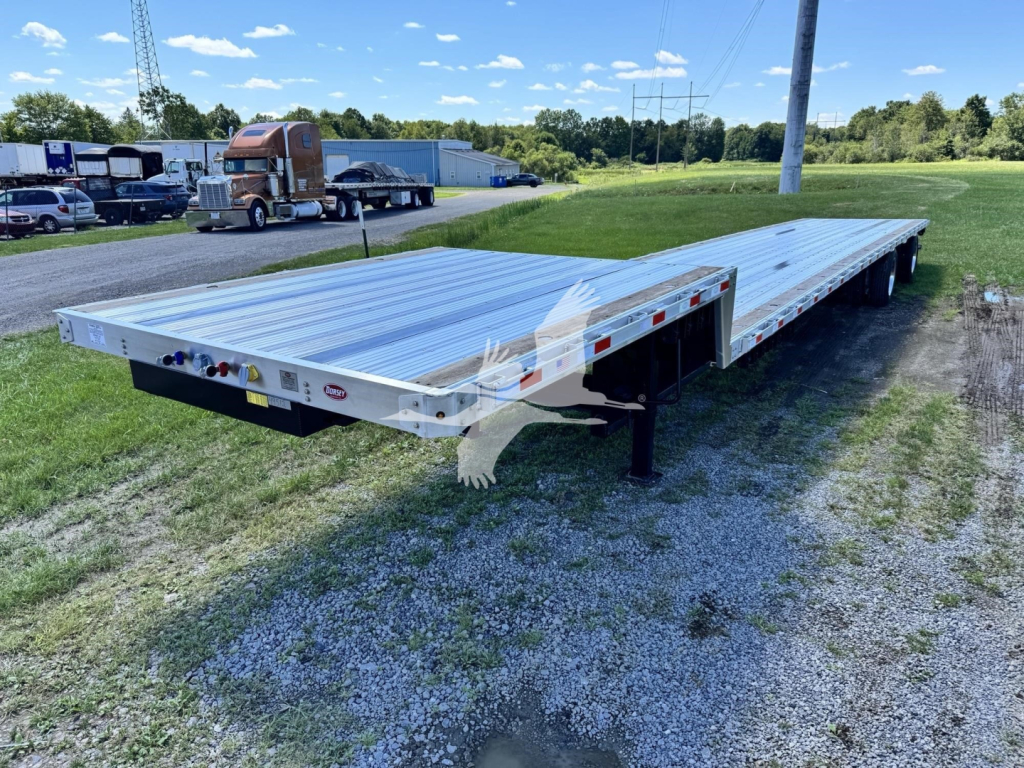
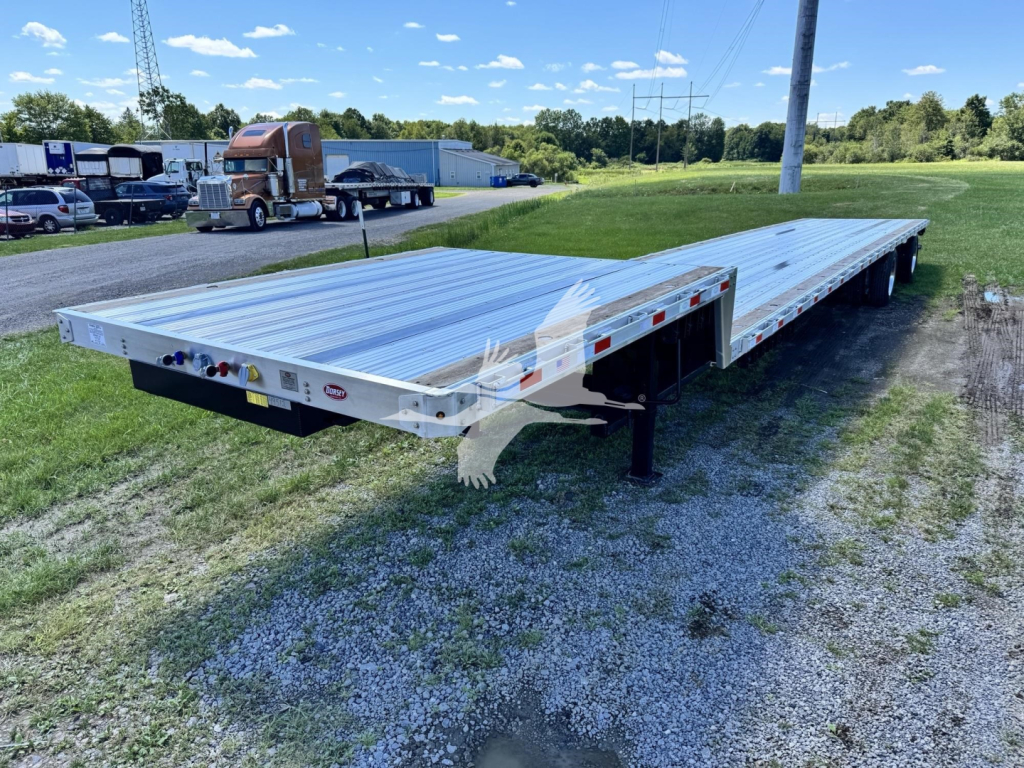
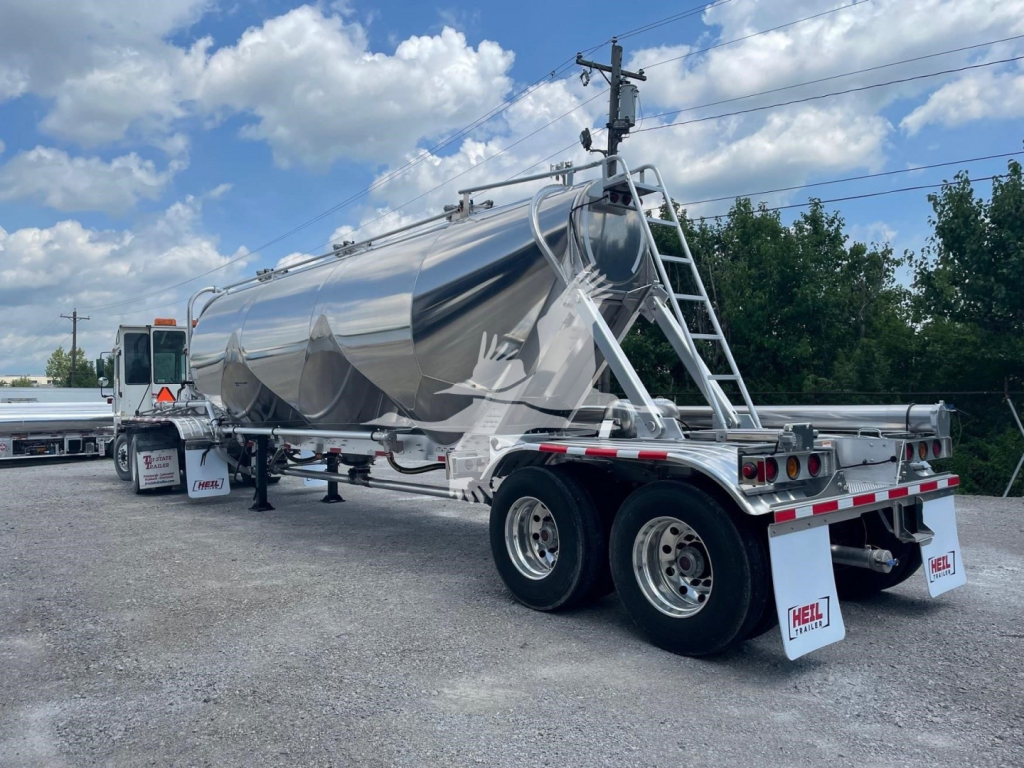
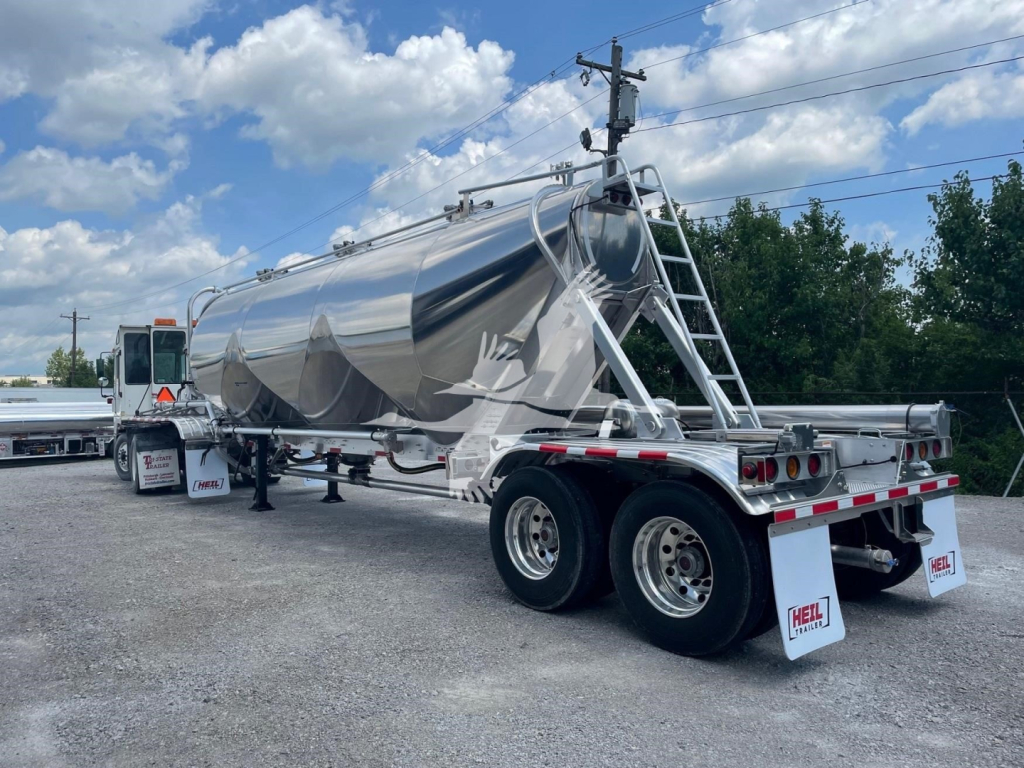
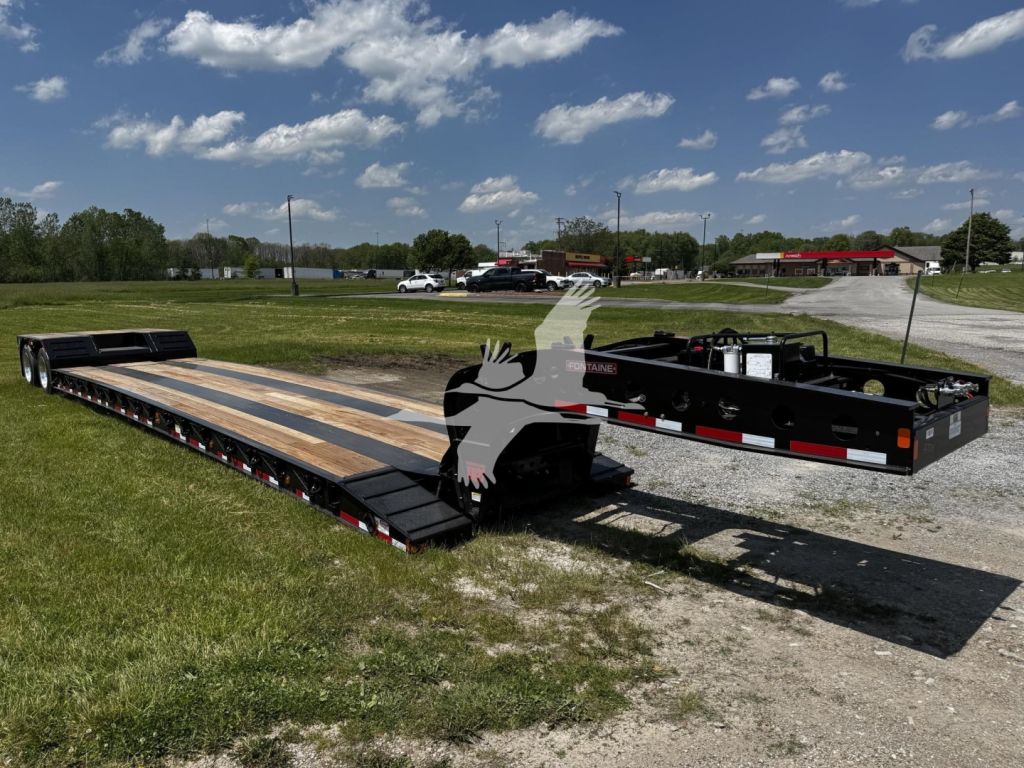
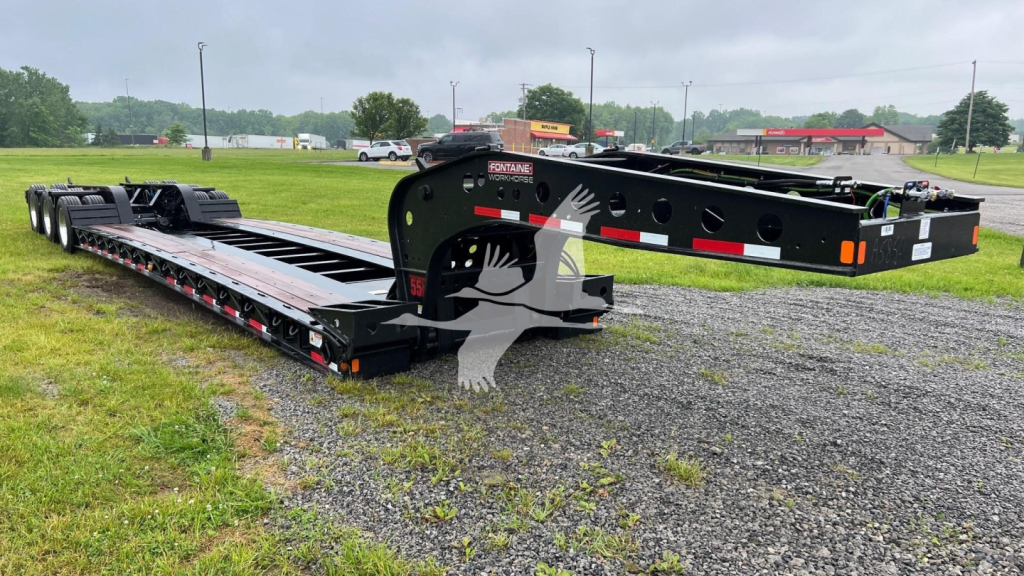
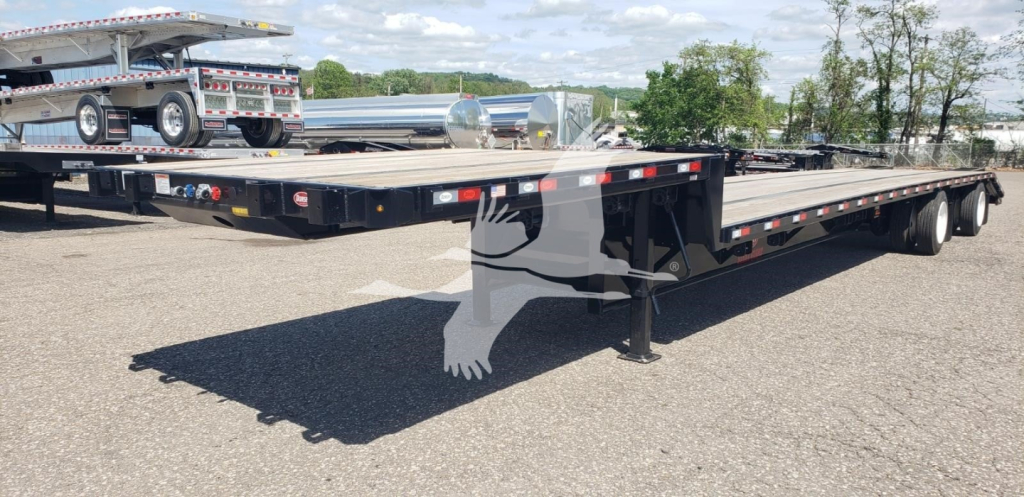
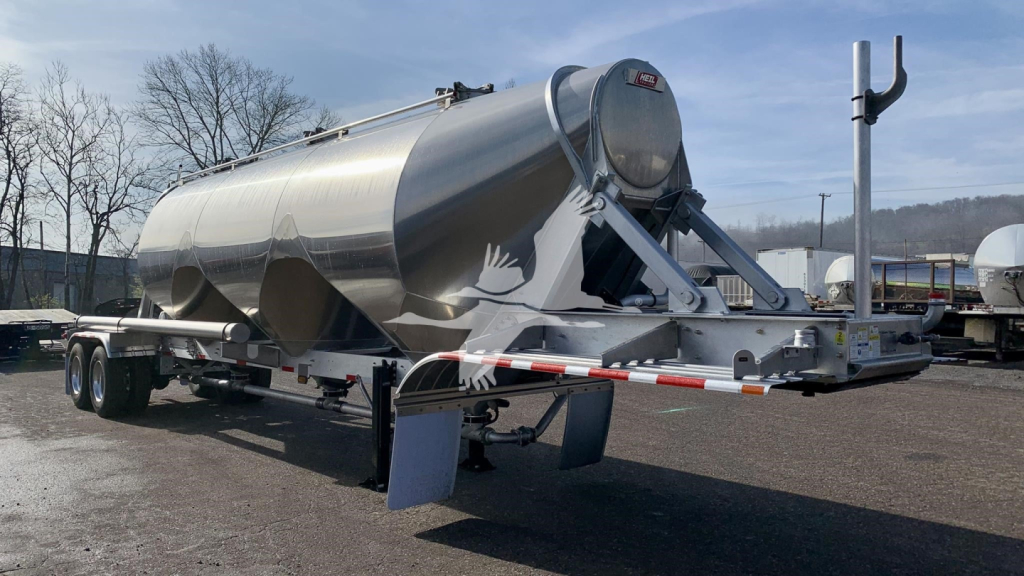
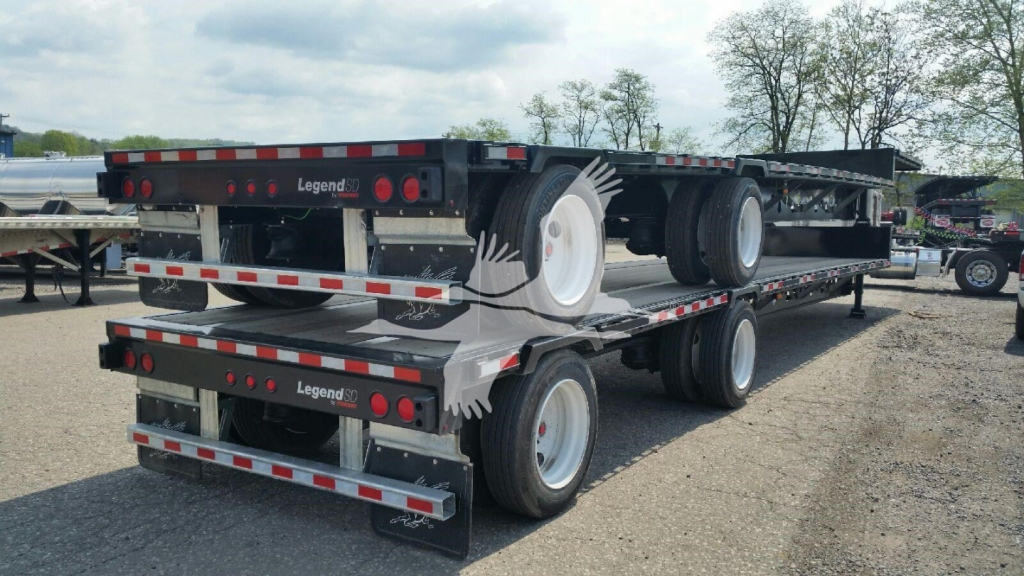
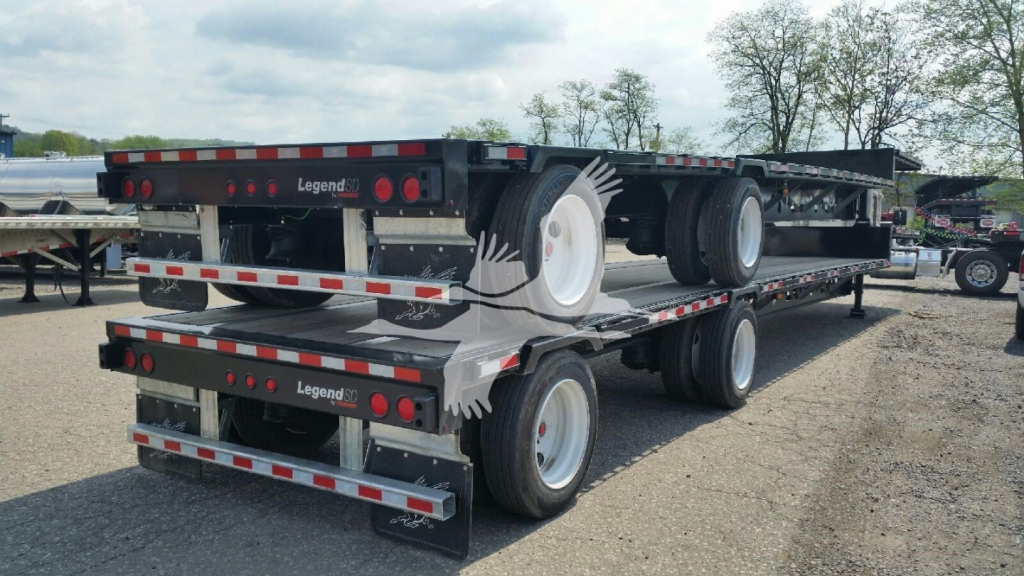
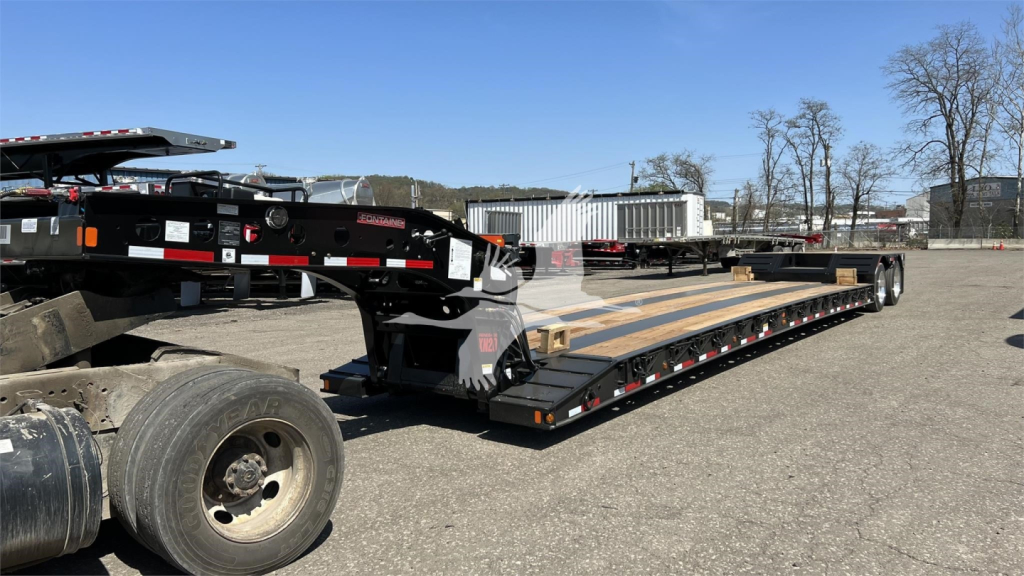
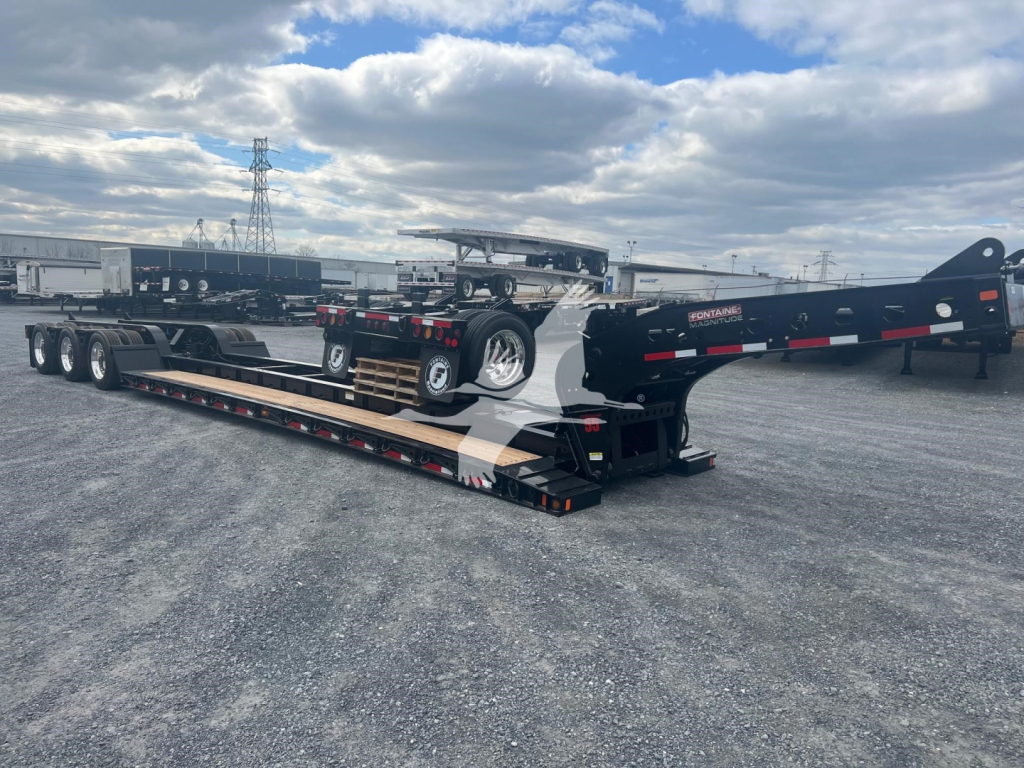
Showing 1 to 28 of 46 results
Selling a new 2027 trailer? List your new 2027 trailer for sale and reach thousands of commercial buyers.
New 2027 Trailers in Ohio
Frequently Asked Questions about New 2027 Trailers in Ohio
What should I look at first when comparing new 2027 trailers for sale?
Start with the application, because trailer design follows freight. For open-deck hauling, focus on deck length, width, floor construction, tiedown equipment, suspension type, kingpin setting, and axle spread or sliding tandem position. For dry bulk work, look at cubic capacity, number of hoppers, barrel material, discharge plumbing, aeration system, and overall empty weight. After that, compare structural materials, brake and wheel-end specifications, and whether the trailer is configured for the states and commodities you run most often.
What is the difference between an aluminum flatbed and a steel flatbed trailer?
An aluminum flatbed trailer usually offers lower tare weight, which helps maximize payload and improve corrosion resistance. Steel flatbed trailers are often chosen for durability, lower upfront cost in some specs, and heavy-duty service where weight is less critical. Buyers should compare floor type, crossmember spacing, side rail strength, winch track design, and repair practices in their region. The right choice depends on how often the trailer sees concentrated loads, harsh weather, and demanding loading equipment.
How do axle configuration and suspension affect trailer performance?
Axle layout has a direct effect on bridge compliance, maneuverability, tire wear, and loading flexibility. Spread axles are common on flatbeds because they can help with weight distribution and eliminate the need to slide tandems, while sliding tandems remain useful for dock approach flexibility and states or lanes where adjustment is important. Air ride suspension is popular for freight protection and ride quality, while spring ride can still make sense for rugged, simpler-service applications. Buyers should also pay attention to suspension brand, ride height, dump valve setup, and whether the axle position matches their typical load profile.
What specs matter most on a pneumatic dry bulk trailer?
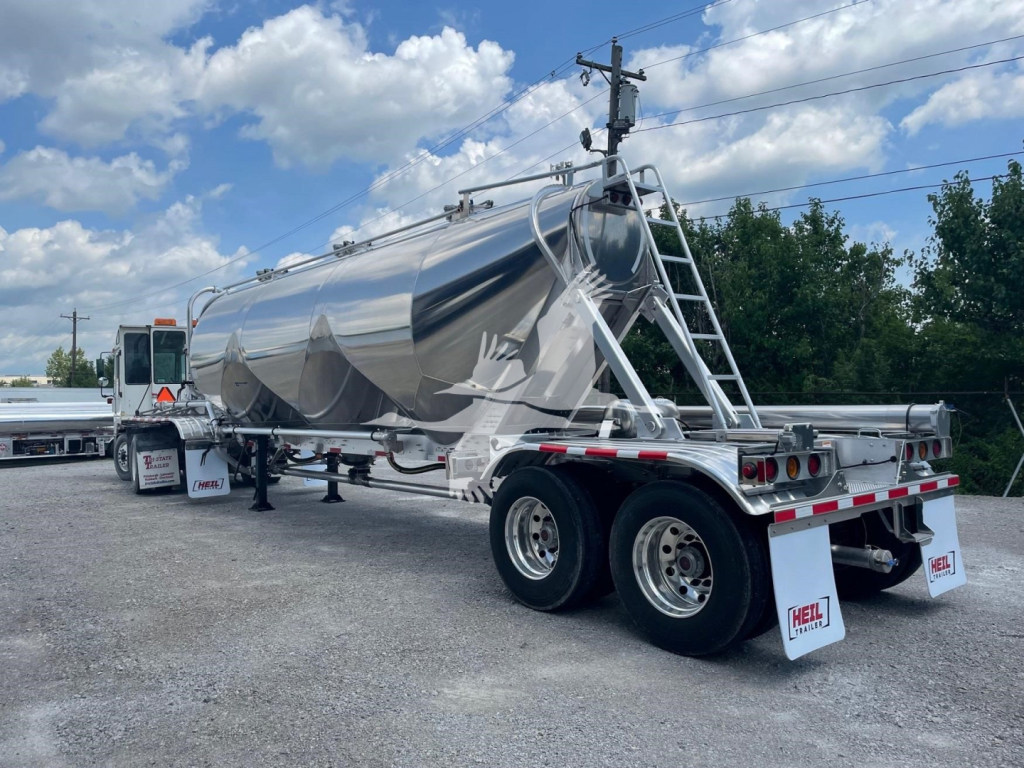
The key numbers are cubic-foot capacity, tare weight, hopper count, discharge size, and barrel construction. Aluminum barrels and components help keep empty weight down, which can improve payload on dense products. Hopper design, aeration layout, product valves, and under-axle or rear discharge configuration all affect unloading speed and product flow. Hose storage, ladder placement, cabinet gauge location, and access to service points also matter because they affect daily use, cleanup, and driver efficiency.
Are new 2027 trailers a good choice for buyers who want long service life?
A new trailer can be a strong long-term value when the specification matches the work from day one. Current builds often include LED lighting, modern air ride options, aluminum wheel choices, galvanized or corrosion-resistant components, and specialized tiedown or plumbing packages that reduce rework later. The main advantage is being able to buy closer to the exact spec needed for payload, securement, and operating region. Long service life comes less from model year alone and more from correct trailer design, preventive maintenance, and matching the trailer to the freight it will carry.