
New 2027 Lowboy Trailers For Sale in Ohio
Shop new 2027 lowboy trailers in Ohio. Compare detachable gooseneck, tonnage, deck height, axle setups, and heavy haul specs.
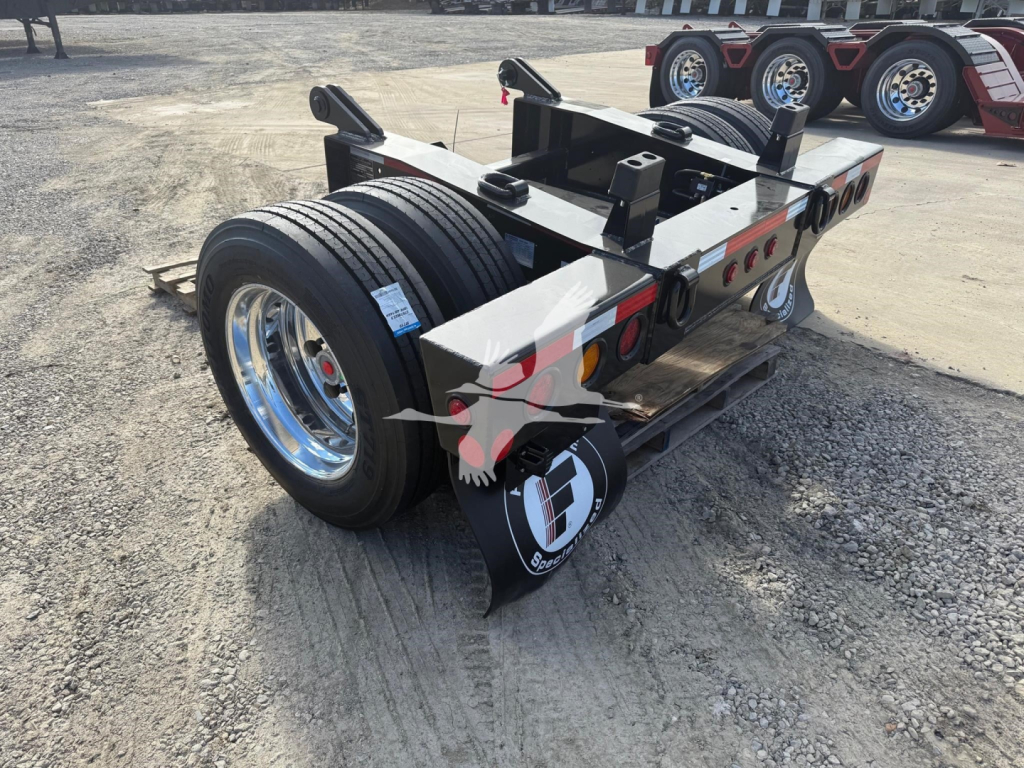
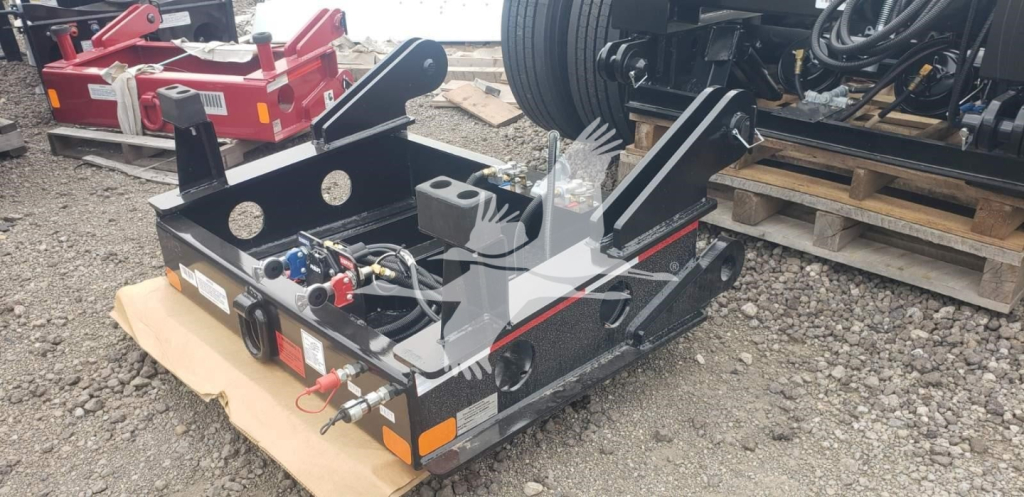
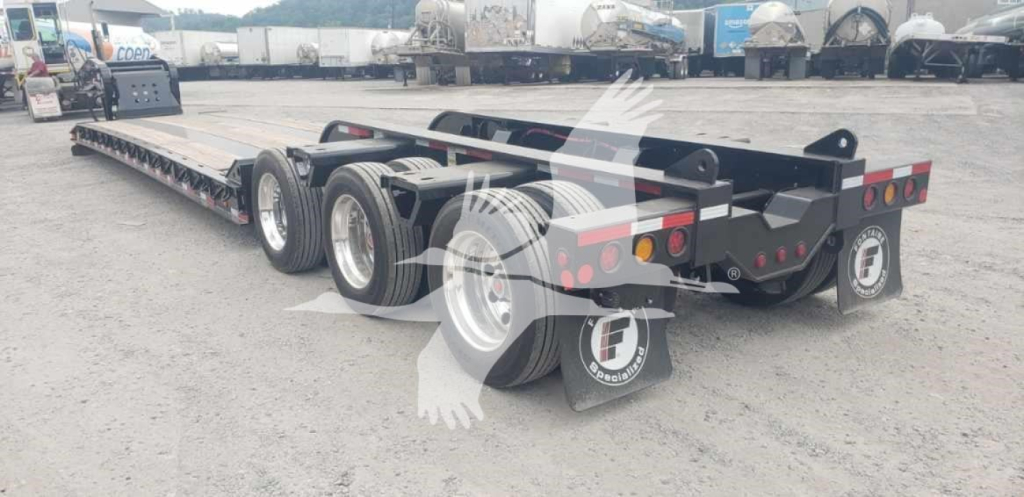
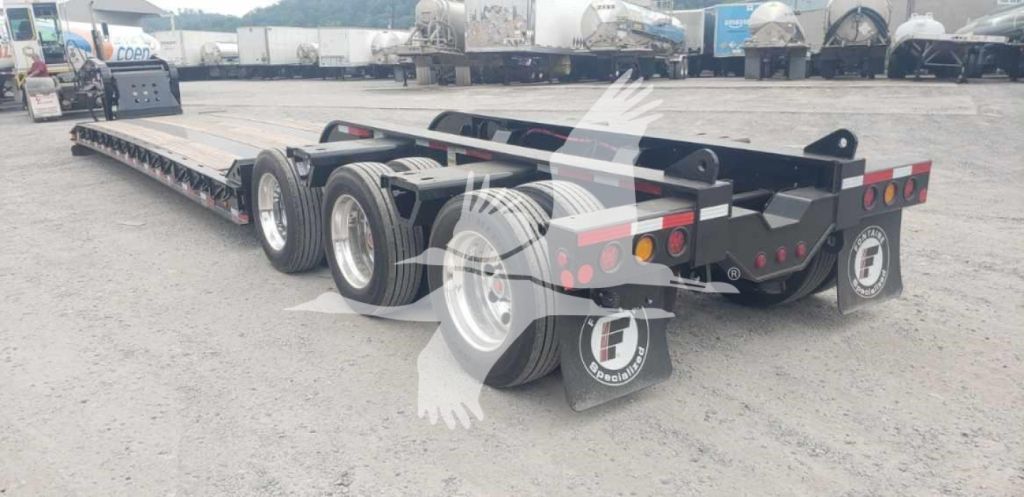
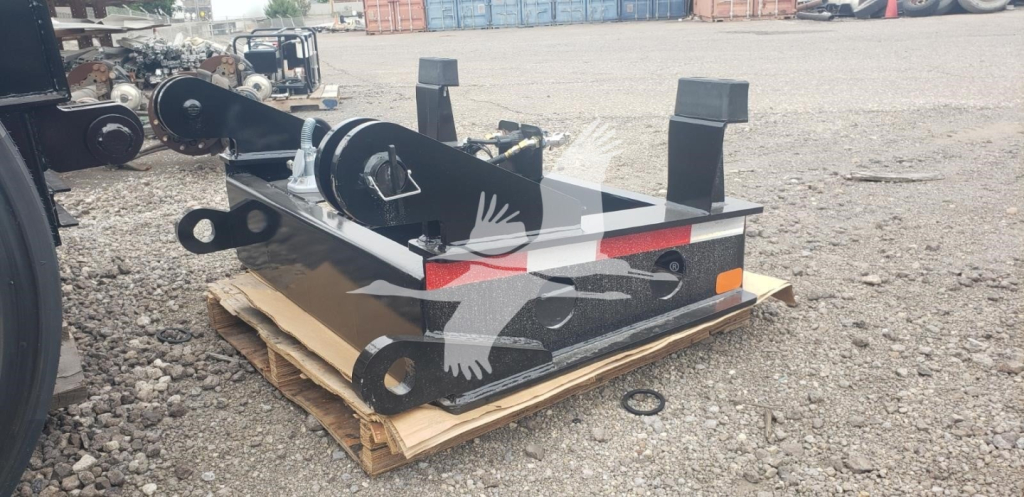
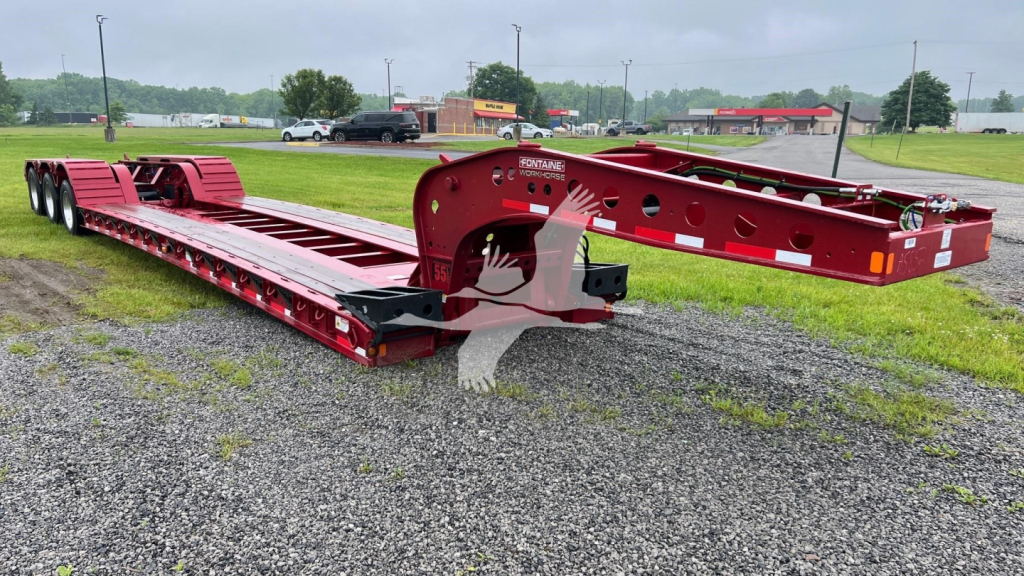
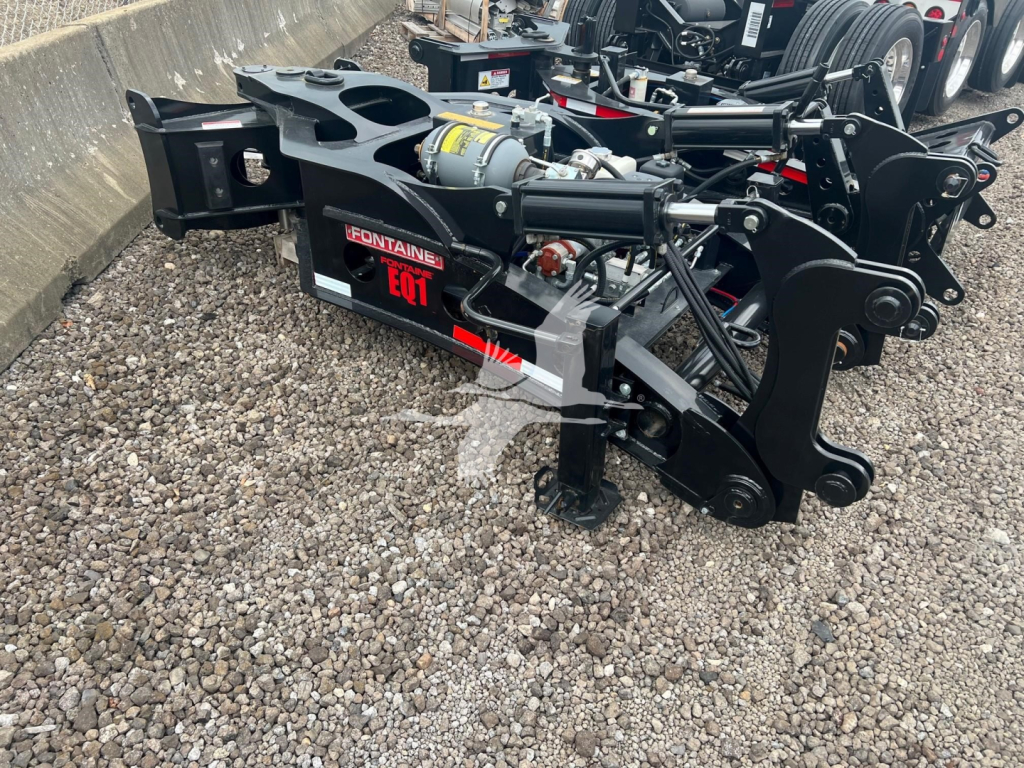
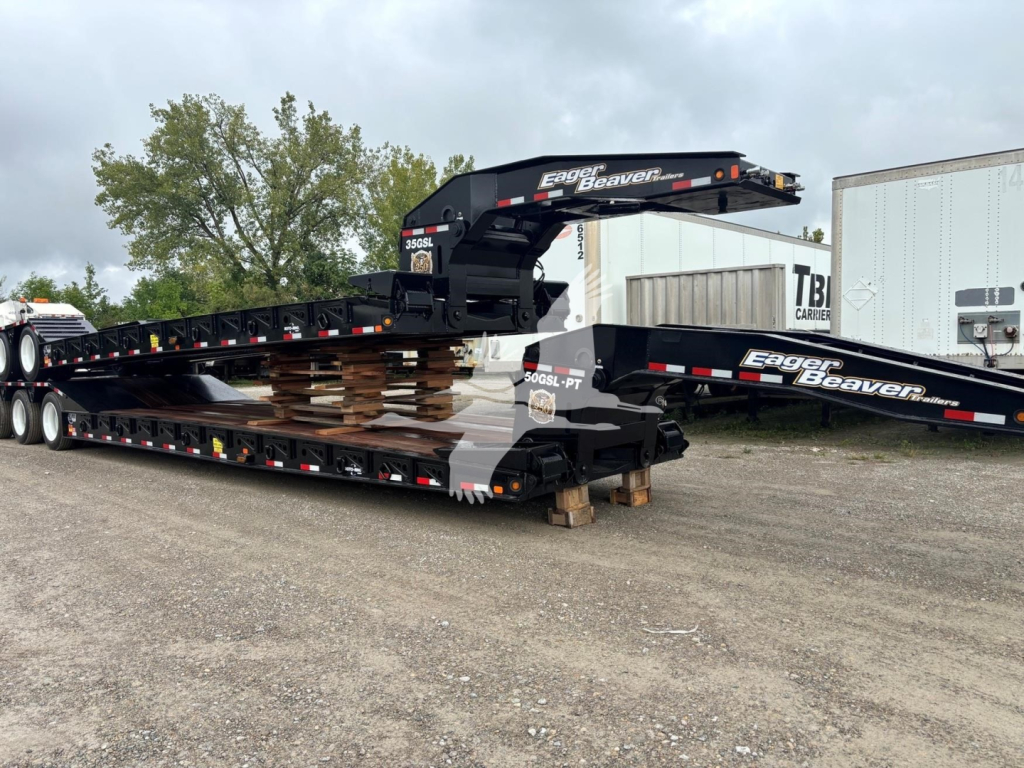
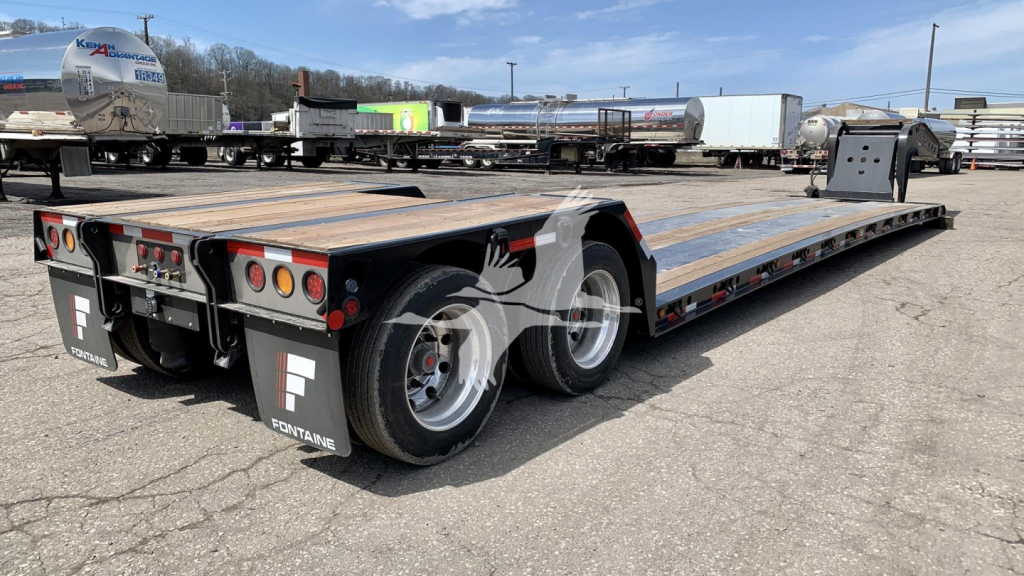
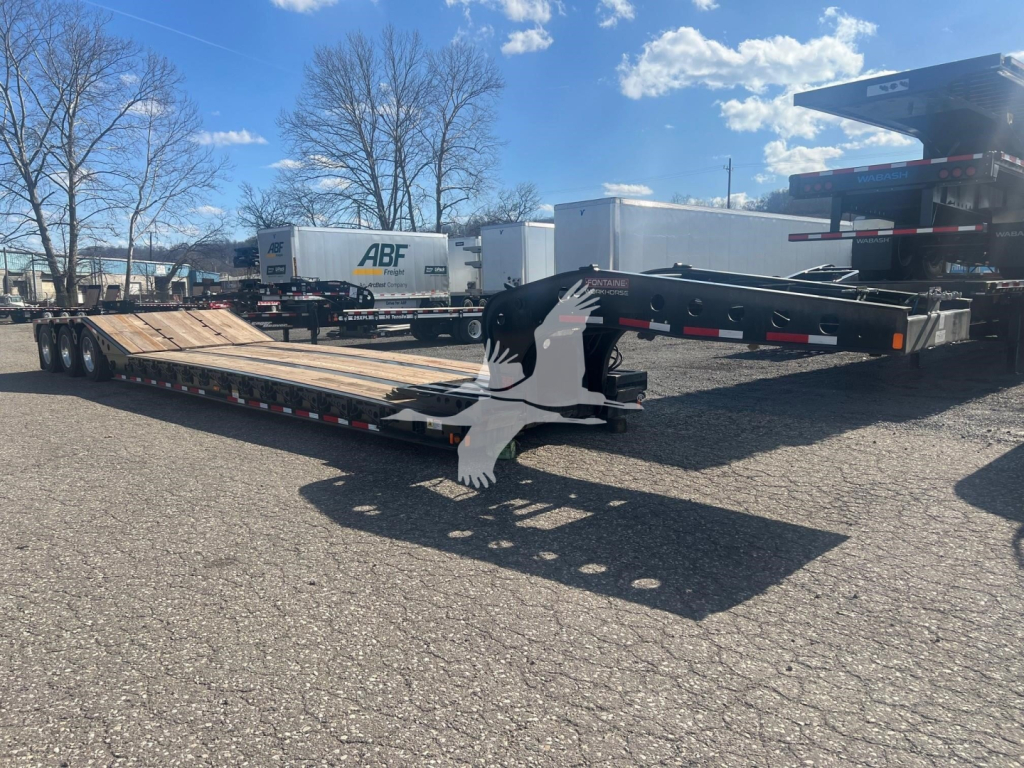
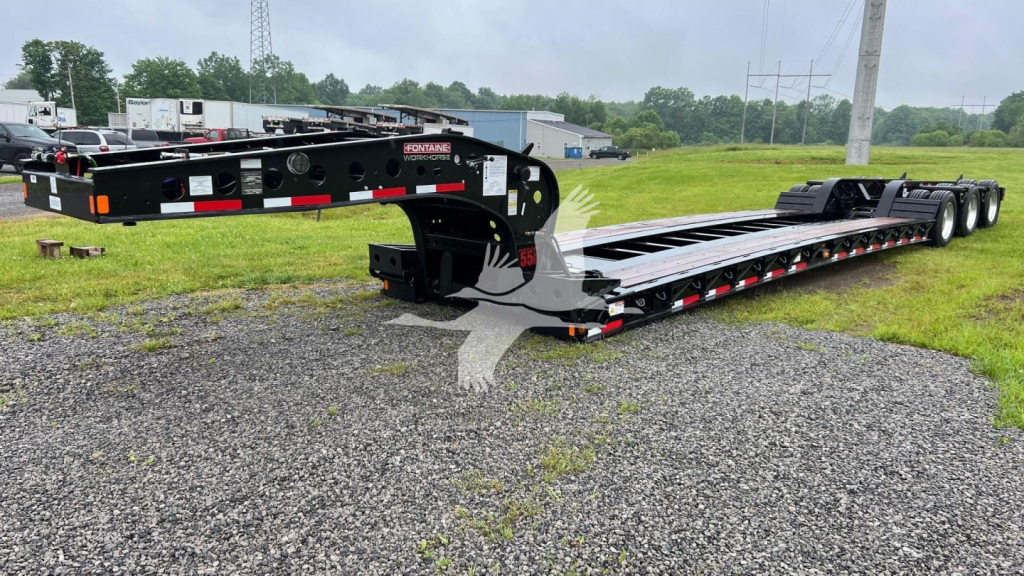
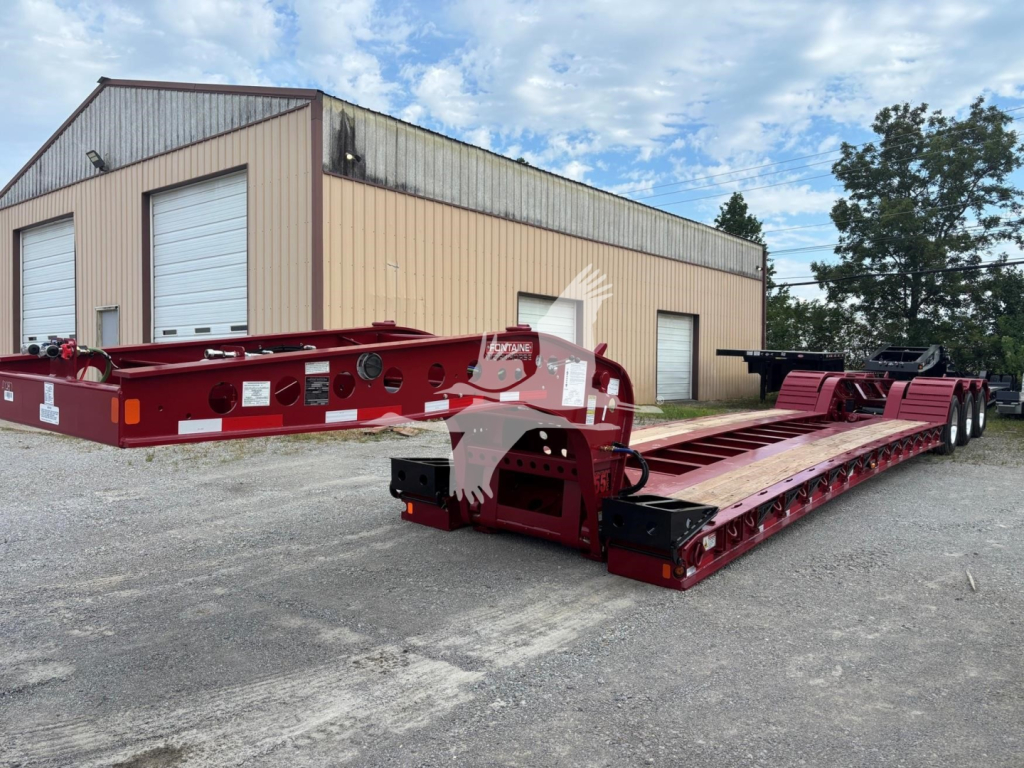
Selling a new 2027 lowboy trailer? List your new 2027 lowboy trailer for sale and reach thousands of commercial buyers.
New 2027 Lowboy Trailers in Ohio
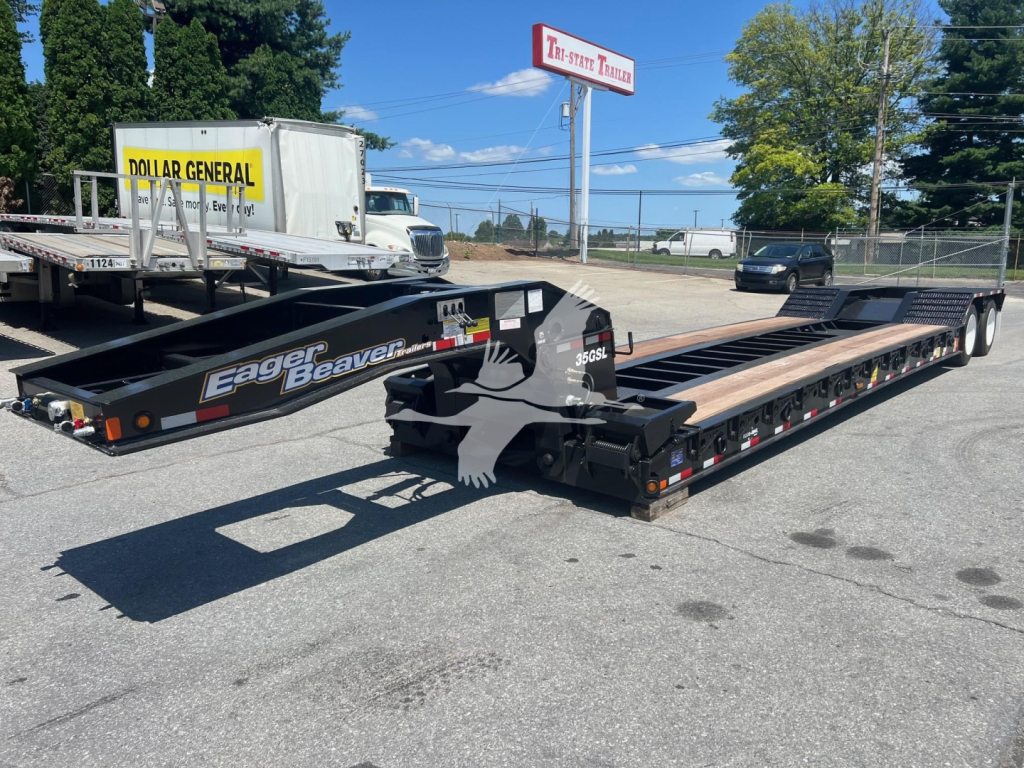
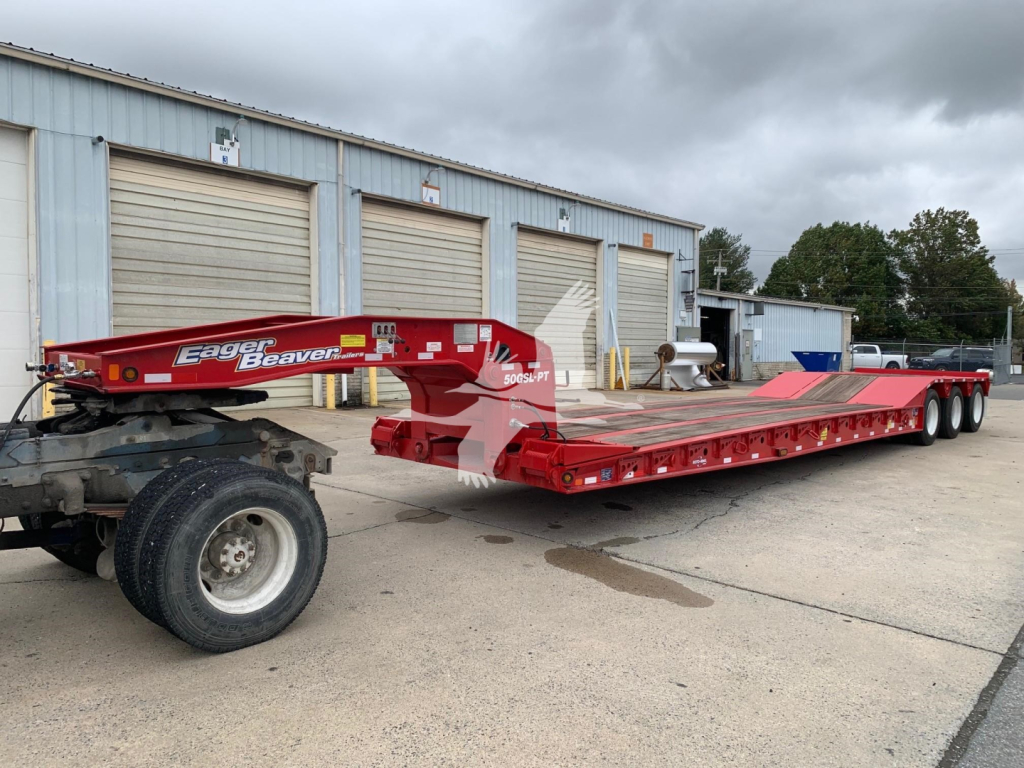
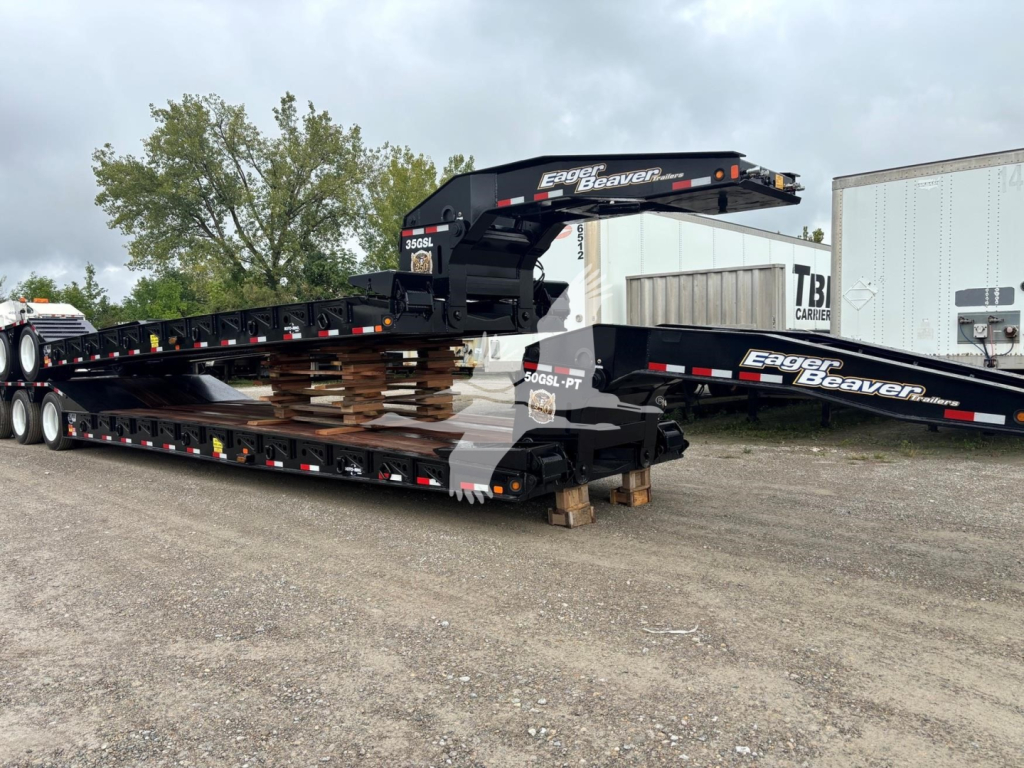
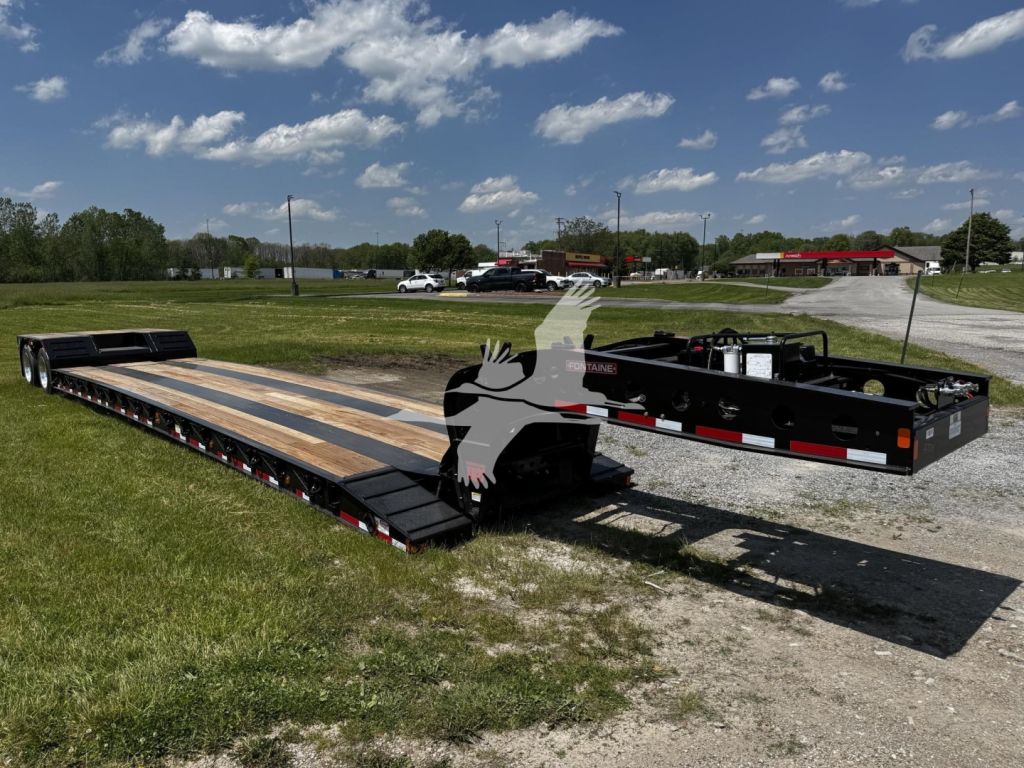
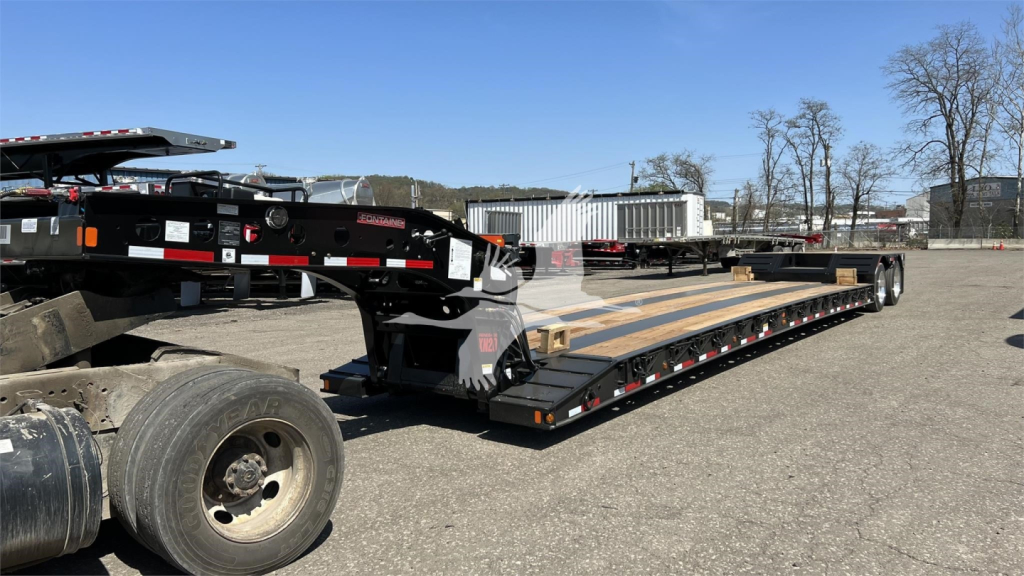
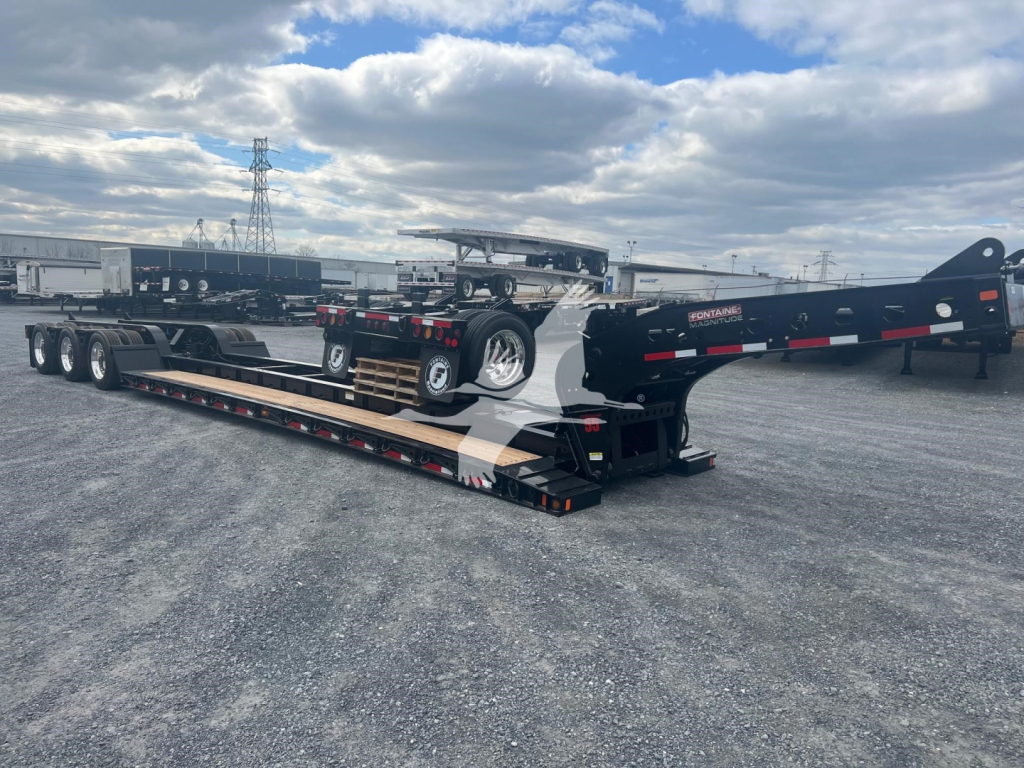
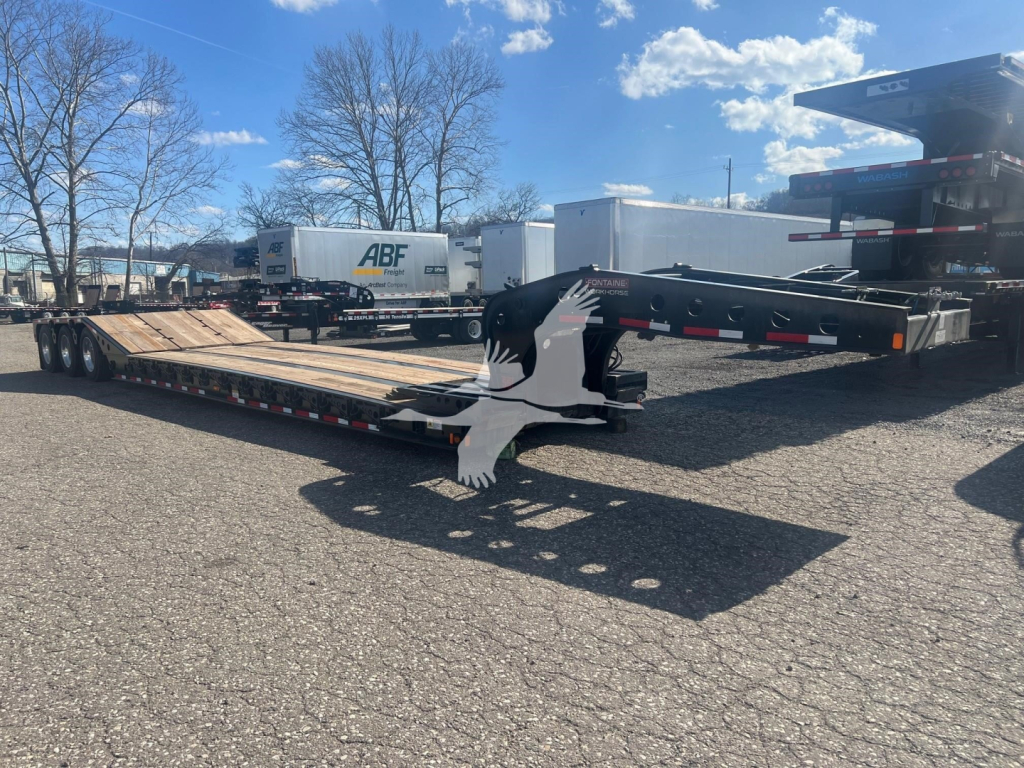
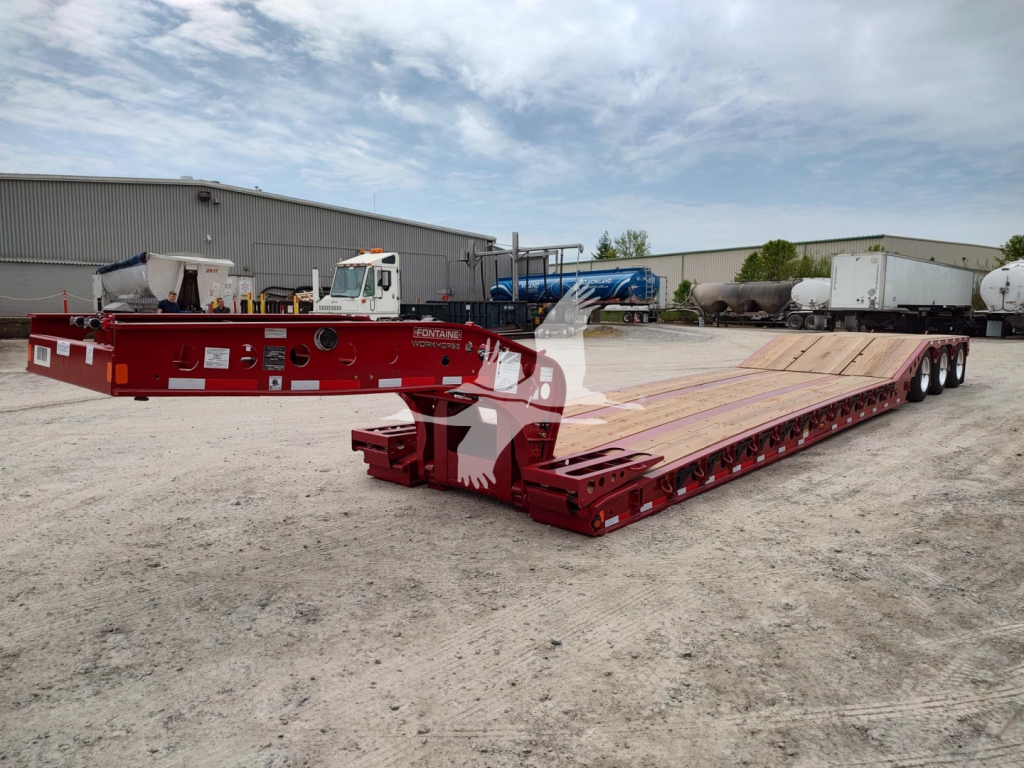
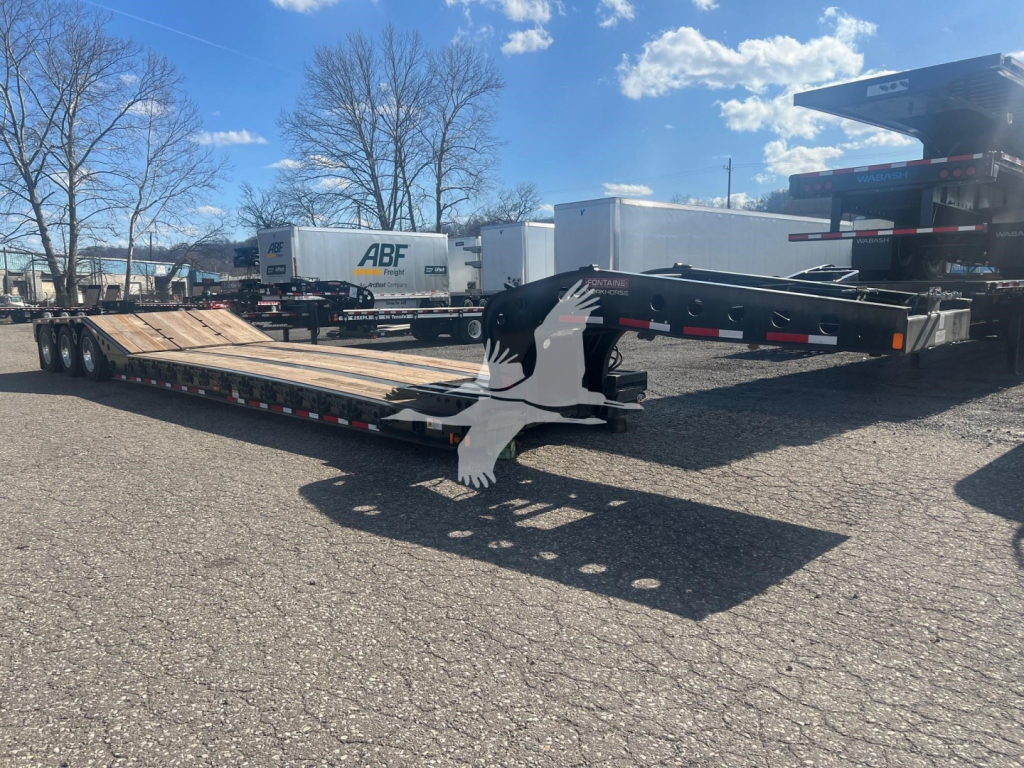
In this category, common ratings range from roughly 30-ton to 55-ton capacity, with heavier configurations available depending on axle count and whether a flip axle or spreader is added. Ohio buyers often pay close attention to overall combination length, axle spacing, and permit practicality, especially for regional heavy haul work that crosses state lines. Two-axle and three-axle lowboys are common, and many new models are spec'd with air ride suspension, mechanical or manual ride height controls, 50-inch to 54-inch axle settings, and future flip axle connections. Hydraulic detachable goosenecks are popular because they speed up loading tracked equipment from the front, while fixed-neck and mini-deck designs can make sense for fleets with a more consistent load profile.
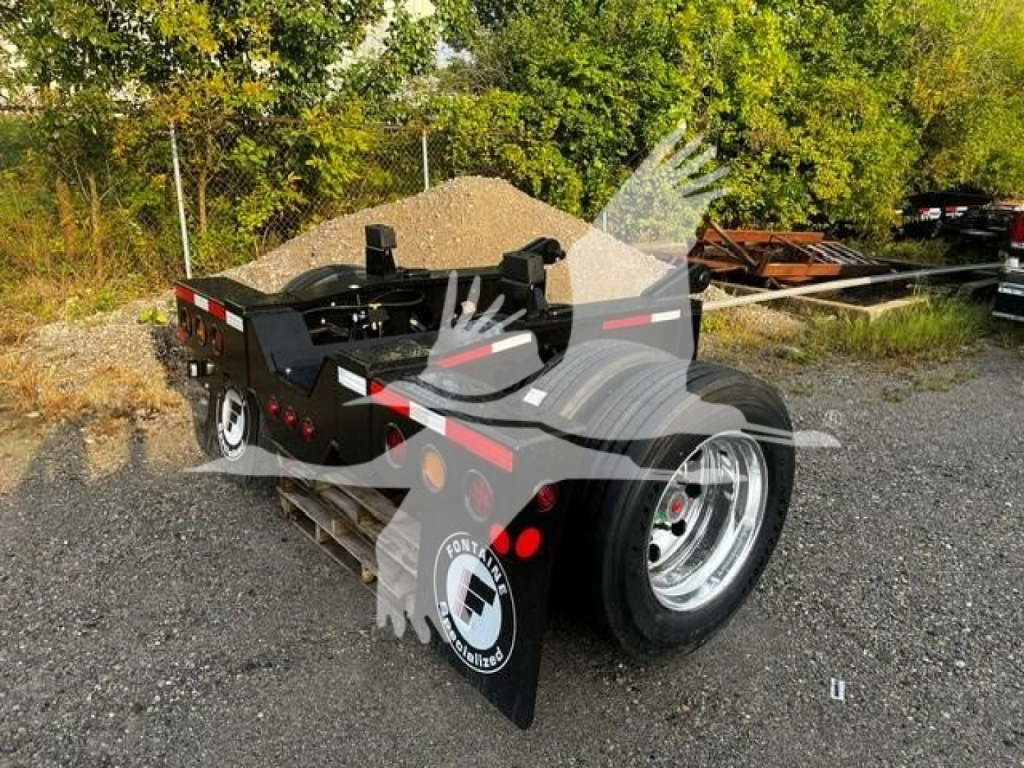
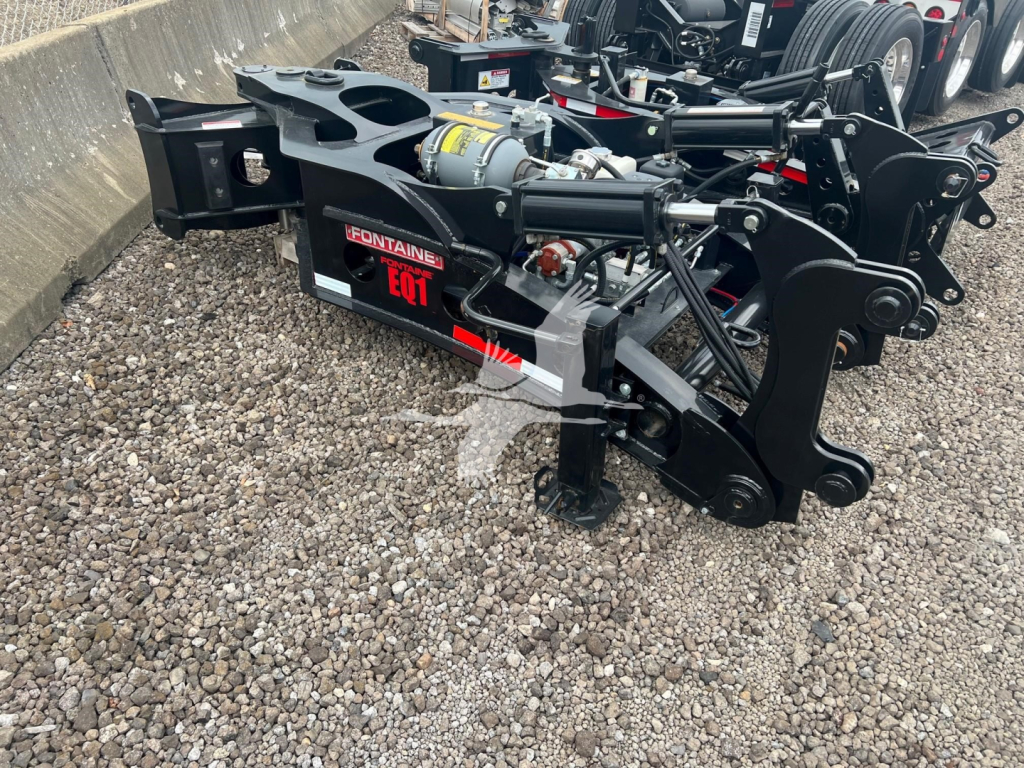
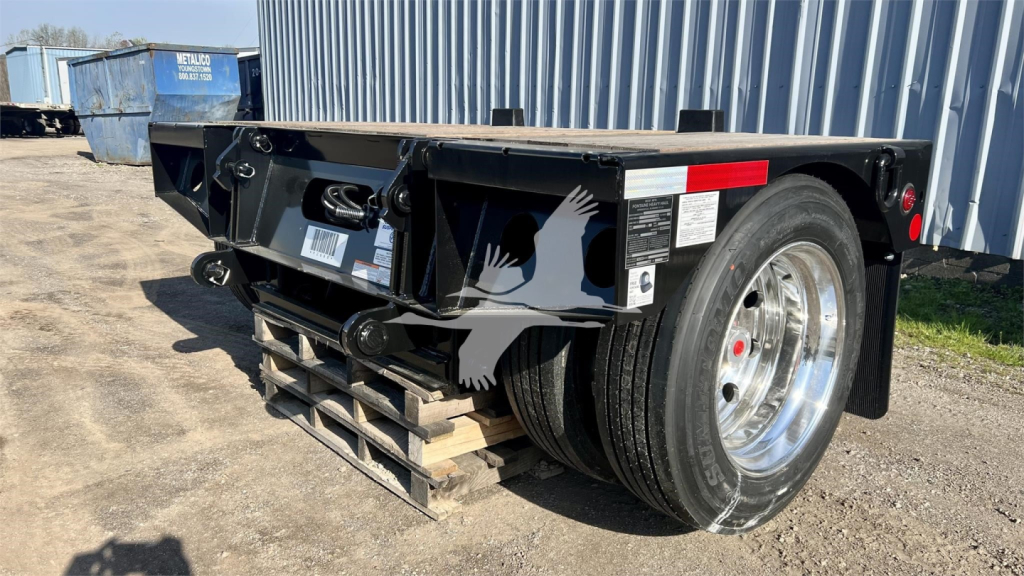
Deck construction and securement details matter as much as the ton rating. Apitong flooring, steel perimeter beams, low boom wells, hammer plates, chain drops, chain slots, bent D-rings, pan-style D-rings, and removable outriggers all affect how versatile the trailer is day to day. A lower loaded deck height can be the difference between hauling legally and needing a route change. Buyers should also compare neck design, kingpin setting, loaded fifth wheel height, ramp style, and whether the trailer has a non-ground-bearing detachable neck, air assist support arm, or adjustable ride height for easier hook-up and loading. On newer heavy haul specs, details like 4S/2M ABS, battery-backed strobes, liquid-filled gauges, polished outer wheels, and integrated toolboxes are not cosmetic extras. They improve serviceability, visibility, and uptime.
For a 2027 lowboy trailer, the best value usually comes from matching the trailer to the actual equipment mix rather than buying only by maximum capacity. A 30-ton mini-deck may be ideal for compact but tall machines, while a 55-ton workhorse with flip axle capability fits fleets that regularly move larger iron and need room to grow. Look closely at weight distribution in a given span, deck length in the well, rear deck design, and compatibility with flip axles or hydraulic spreader systems. Those are the specs that directly affect permits, loading ease, tire wear, and how many different jobs the trailer can cover over its service life.
Frequently Asked Questions about New 2027 Lowboy Trailers in Ohio
What is the difference between a lowboy trailer and a detachable gooseneck trailer?
A lowboy trailer is the equipment category, while a detachable gooseneck trailer is a common lowboy design. Lowboys are built with a very low main deck so taller equipment can be hauled with better legal height compliance. A detachable gooseneck, often called an RGN or hydraulic detachable, allows the front neck to disconnect so machines can be driven onto the deck from the front. Not every lowboy has a detachable neck, but many heavy equipment buyers prefer that setup because it speeds loading and works well with tracked machines.
How do I choose the right tonnage for a new 2027 lowboy trailer?
Start with the actual operating weight of the equipment you haul most often, then compare that to the trailer's rated capacity over the stated load length. A 55-ton rating does not mean every part of the deck carries 55 tons in any position. Manufacturers usually rate capacity in a specific span such as 13 feet or 16 feet, so machine axle placement and center of gravity matter. It is smart to leave margin for attachments, fuel, and future equipment changes rather than buying right at the limit.
Why do deck height and ground clearance matter so much on a lowboy?
Deck height directly affects loaded overall height, and that determines route flexibility, permit requirements, and how many machines can move without special accommodations. Ground clearance matters because a very low trailer still has to survive uneven jobsite entrances, railroad crossings, and pavement transitions. Buyers want the lowest practical loaded deck height without creating constant drag or breakover issues. This is one of the most important tradeoffs in any lowboy spec.
When is a flip axle worth having on a lowboy trailer?
A flip axle is valuable when loads regularly push axle group weights or when permits require more axle capacity and better distribution. Many lowboys are ordered with rear flip axle connections even if the flip axle is not purchased immediately. That gives the trailer room to adapt as hauling needs change. For fleets moving larger excavators, dozers, or specialty construction equipment, flip axle compatibility can improve resale value and expand the trailer's legal operating range.
What specs matter most for securing equipment on a lowboy trailer?
Securement starts with having enough properly placed anchor points for the machines you actually haul. Buyers should compare D-ring count and location, chain drops, chain slots, side rail design, outriggers, and flooring layout. A trailer with strong securement options is easier to load correctly and faster to chain down in the field. For mixed fleets, a versatile deck with multiple anchor styles usually performs better than a bare deck with limited tie-down positions.