
New 2027 Fontaine Lowboy Trailers For Sale in Ohio
Shop new 2027 Fontaine lowboy trailers in Ohio. Compare detachable gooseneck, 30-ton capacity, air ride, deck height, and axle options.
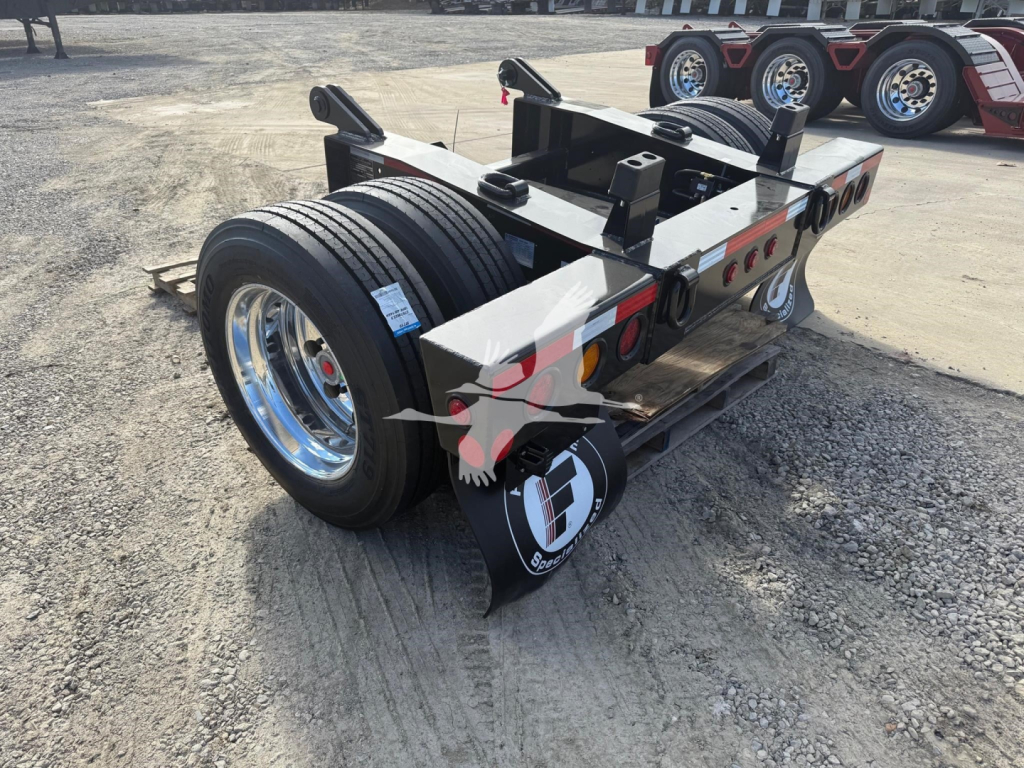
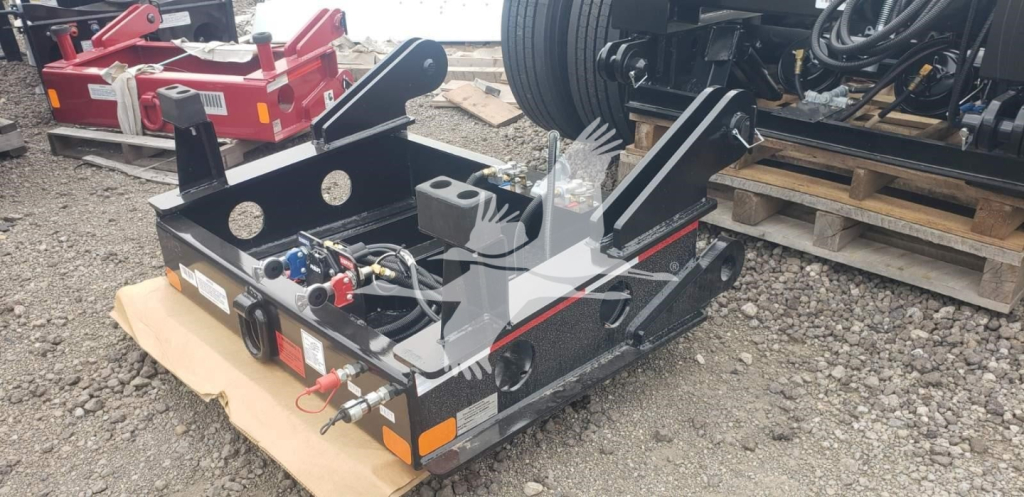
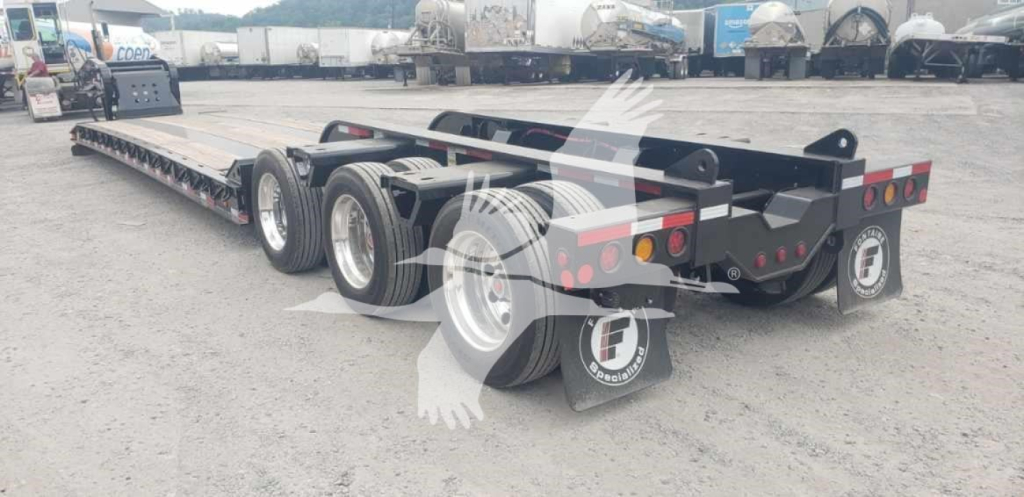
Selling a new 2027 fontaine lowboy trailer? List your new 2027 fontaine lowboy trailer for sale and reach thousands of commercial buyers.
New 2027 Fontaine Lowboy Trailers in Ohio
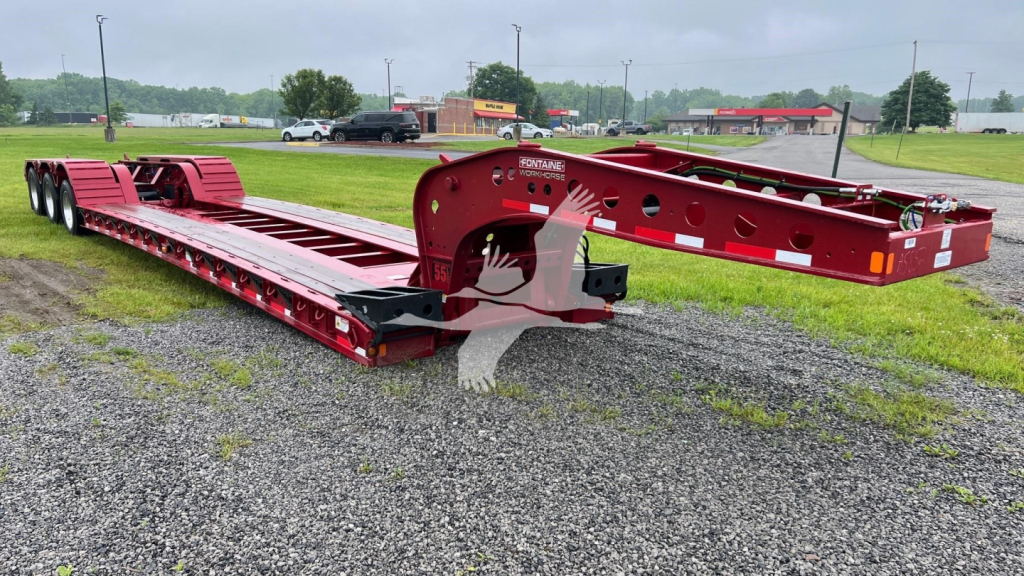
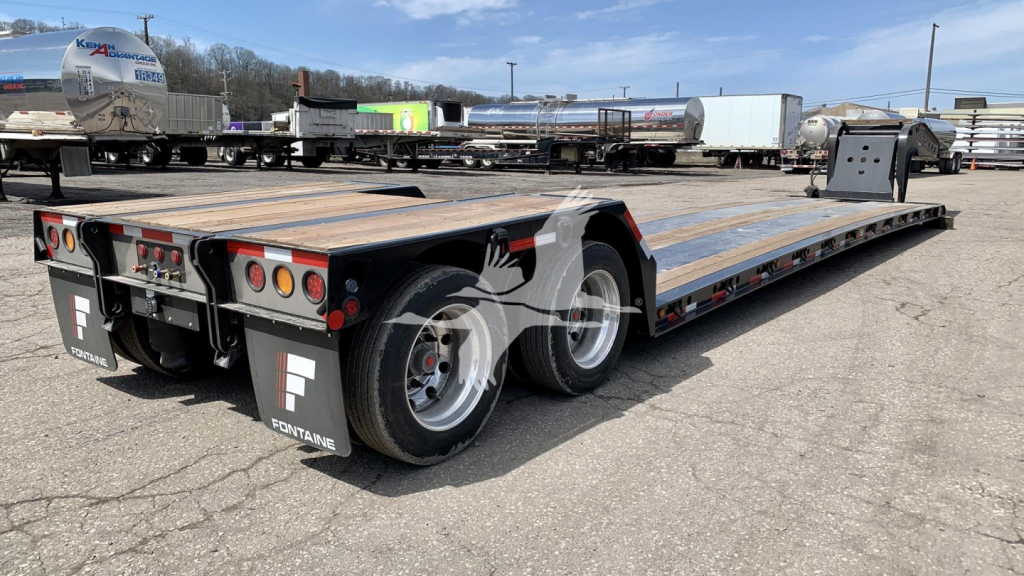
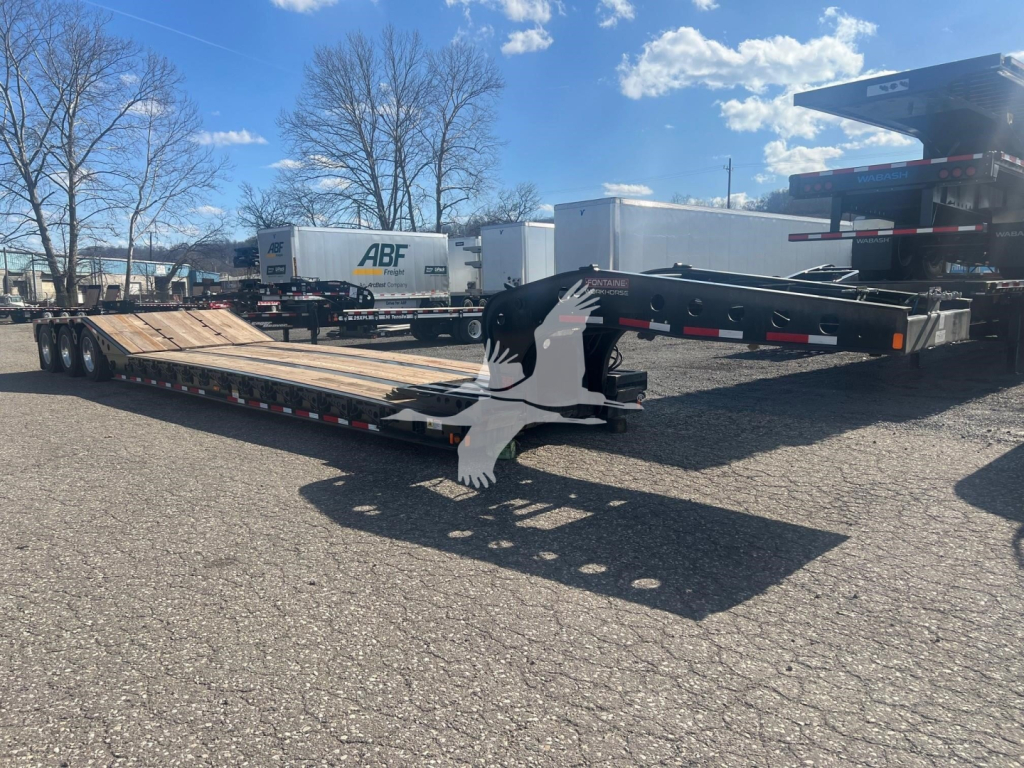
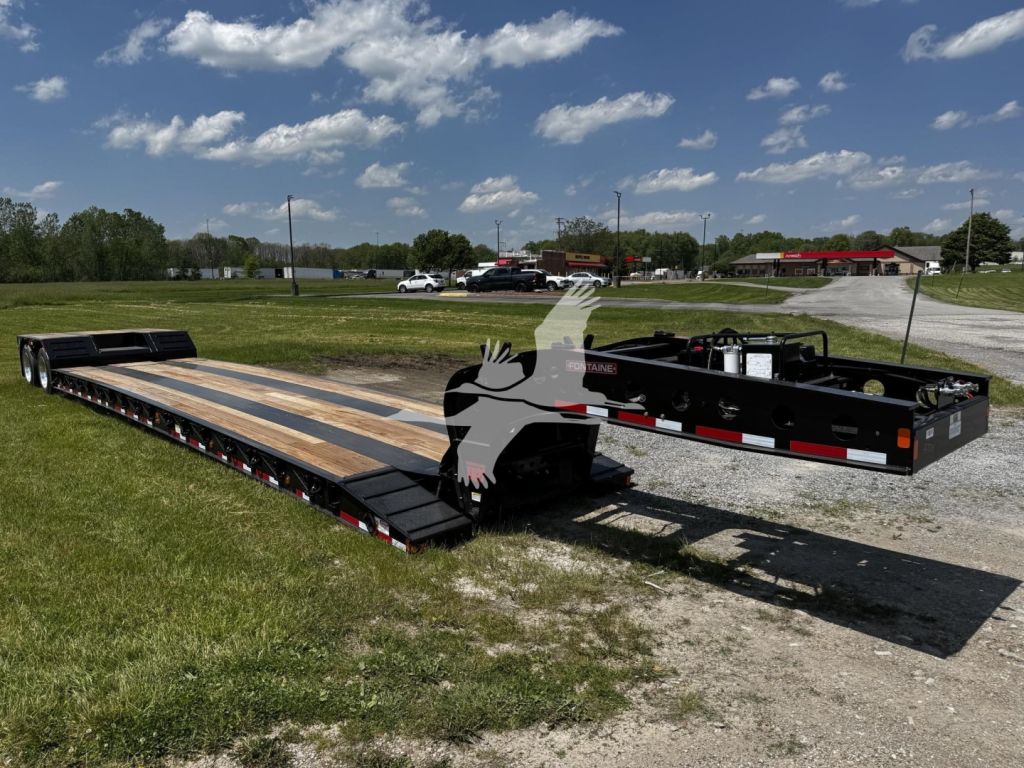
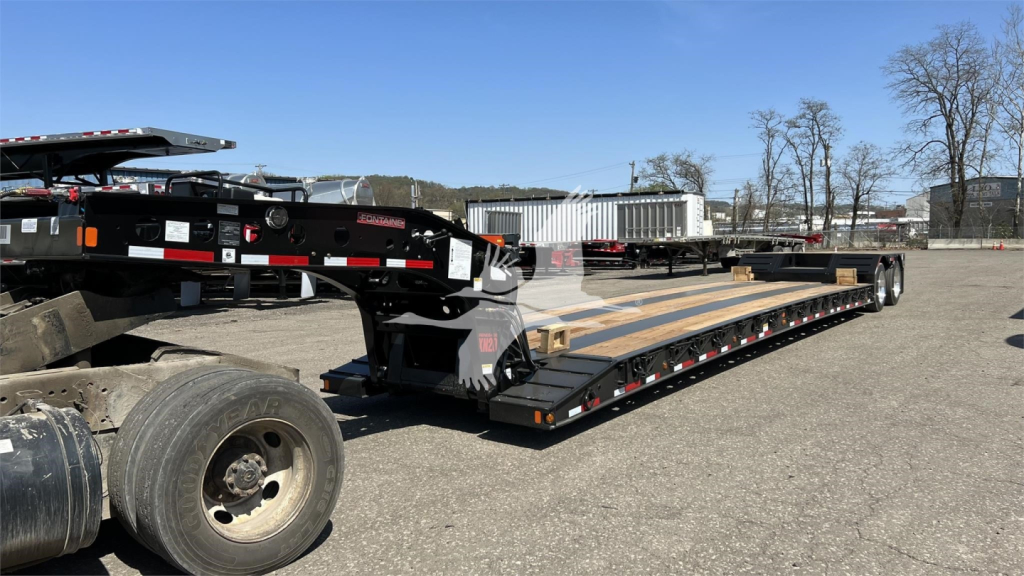
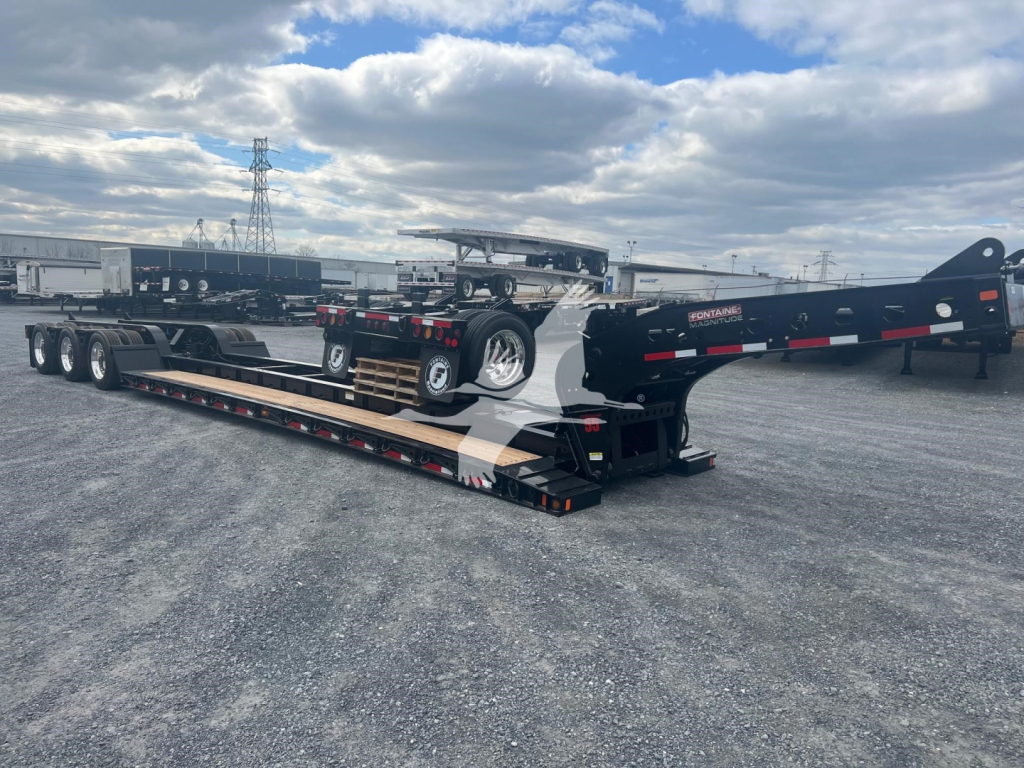
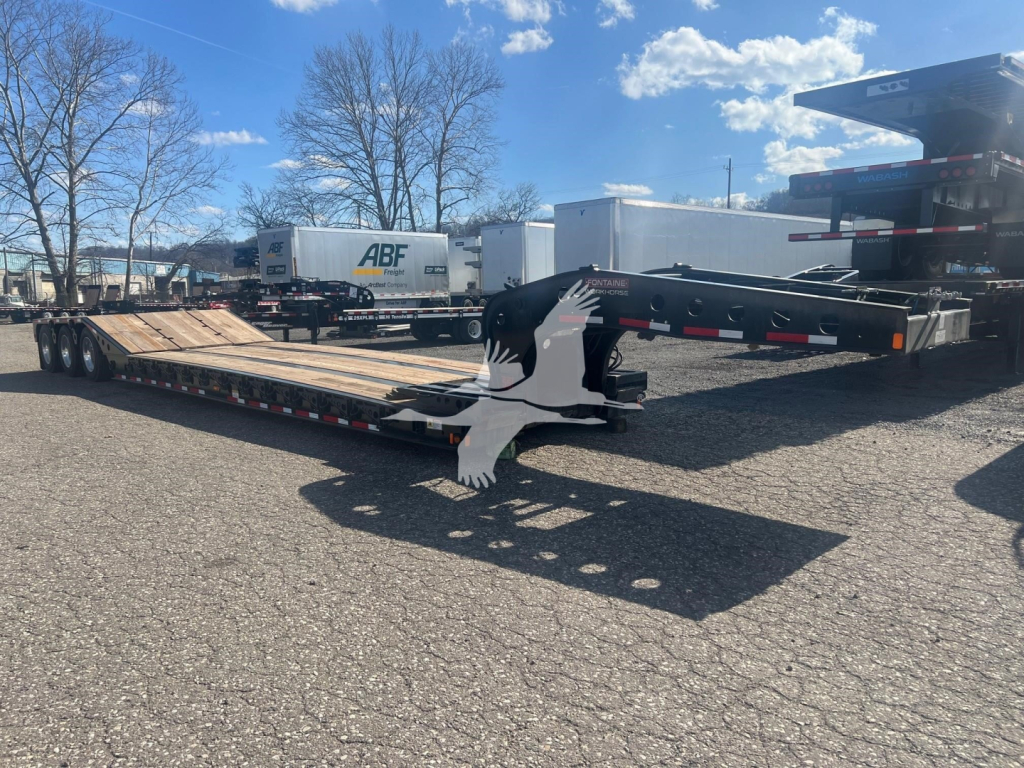
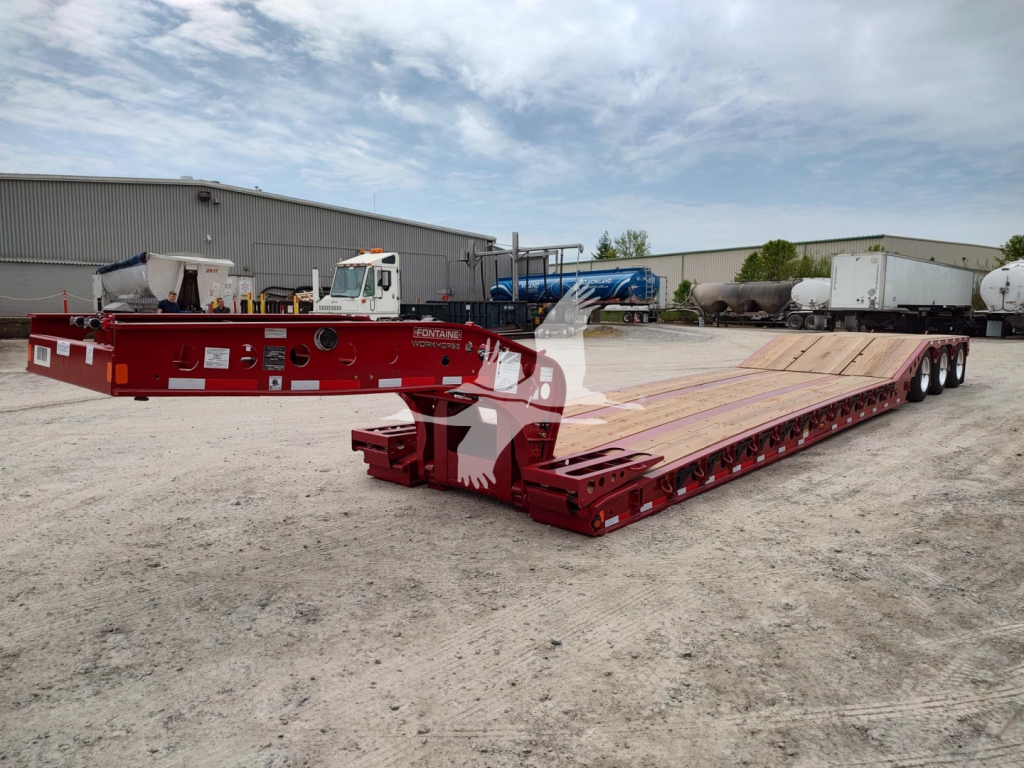
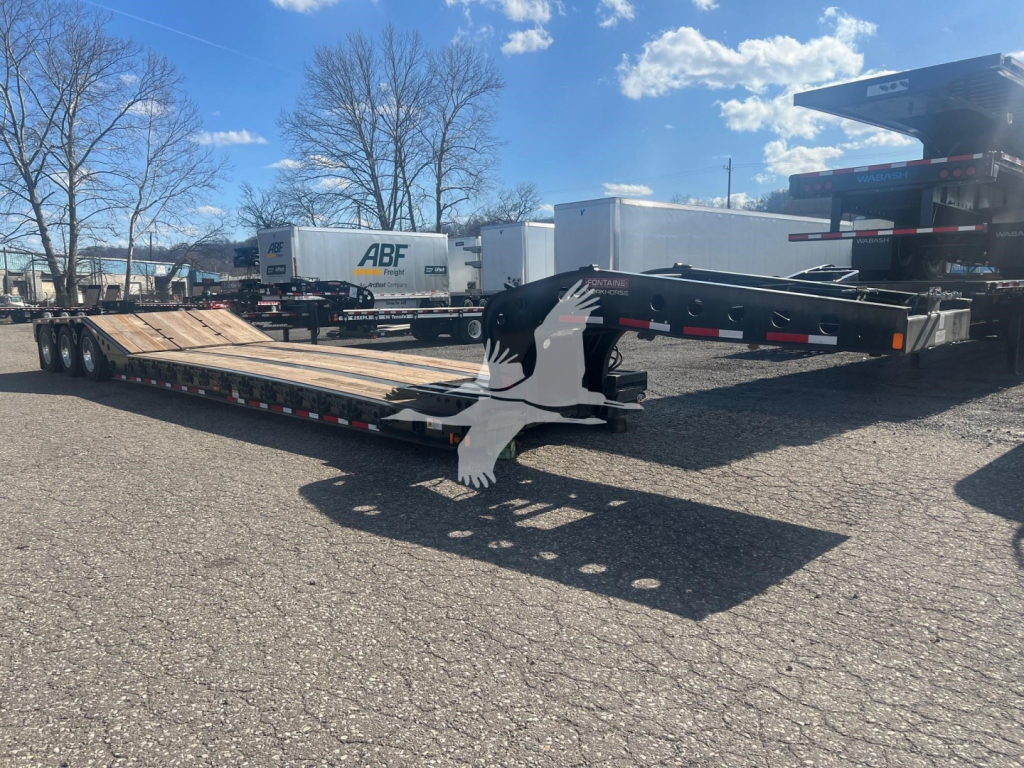
A lot of the buying decision comes down to deck layout and capacity. Common specs in this group include an overall length around 53 feet, 102-inch width, a top deck just over 11 feet, and a main deck in the low-30-foot range. A 30-ton rating in 16 feet is a common benchmark for this class, and it matters because it tells you where the trailer is designed to carry concentrated weight. Main deck height is one of the most important numbers on any lowboy. A deck around 12 inches loaded, with tight ground clearance, helps keep excavators, dozers, and paving equipment legal on overall loaded height. Apitong flooring, steel side rails, multiple D-ring pairs, traction cleats, and boom trough provisions are all features that matter in daily use because they affect securement, loading confidence, and machine fit.
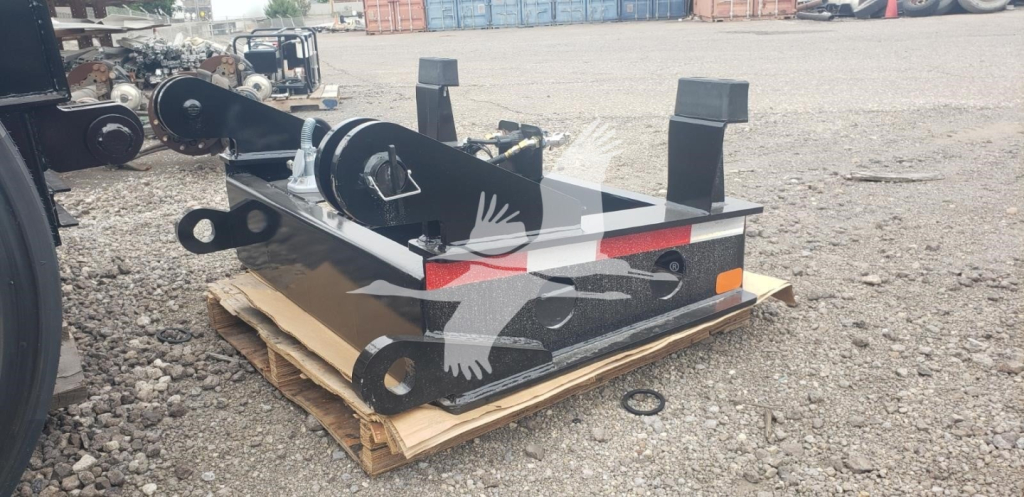
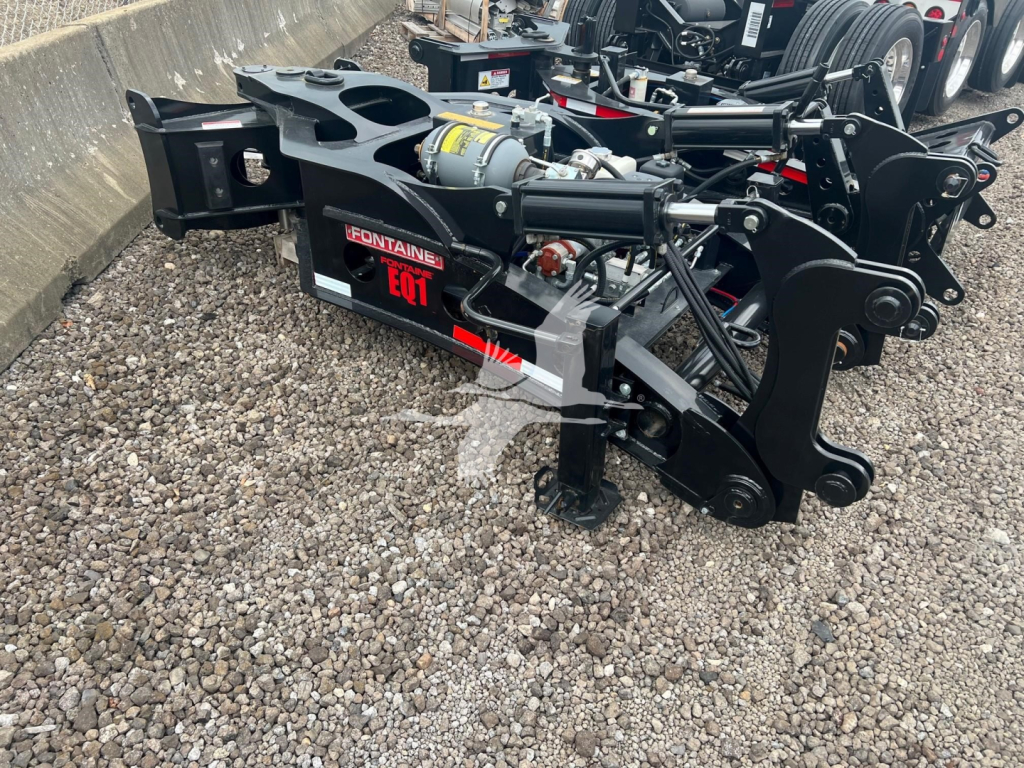
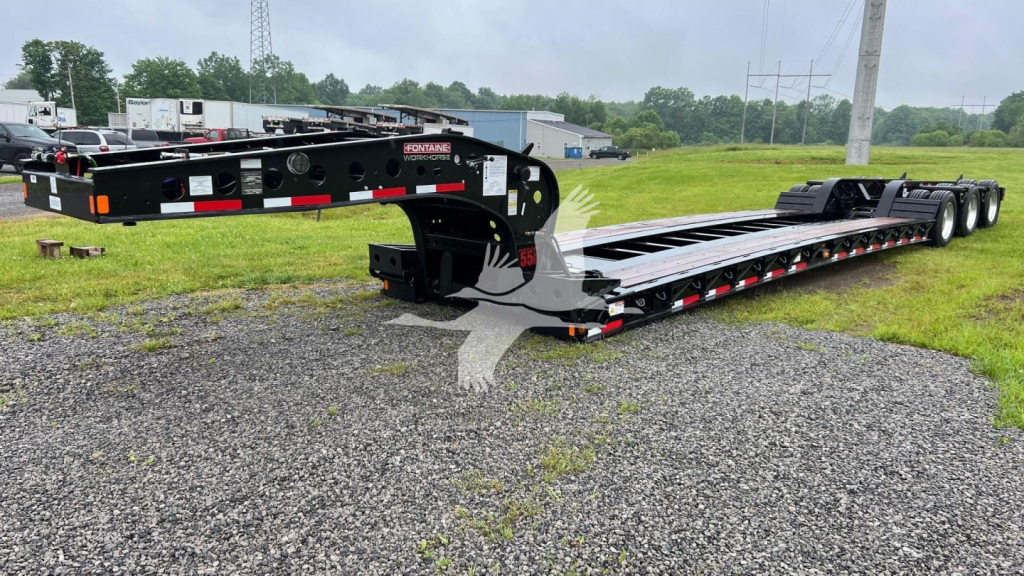
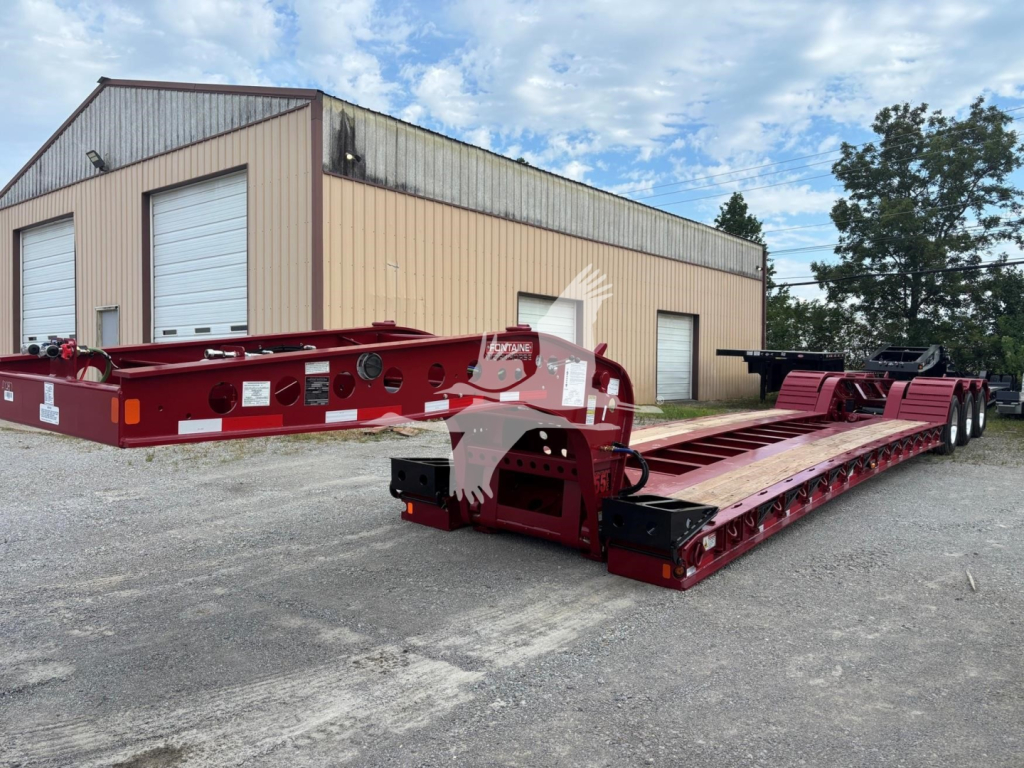
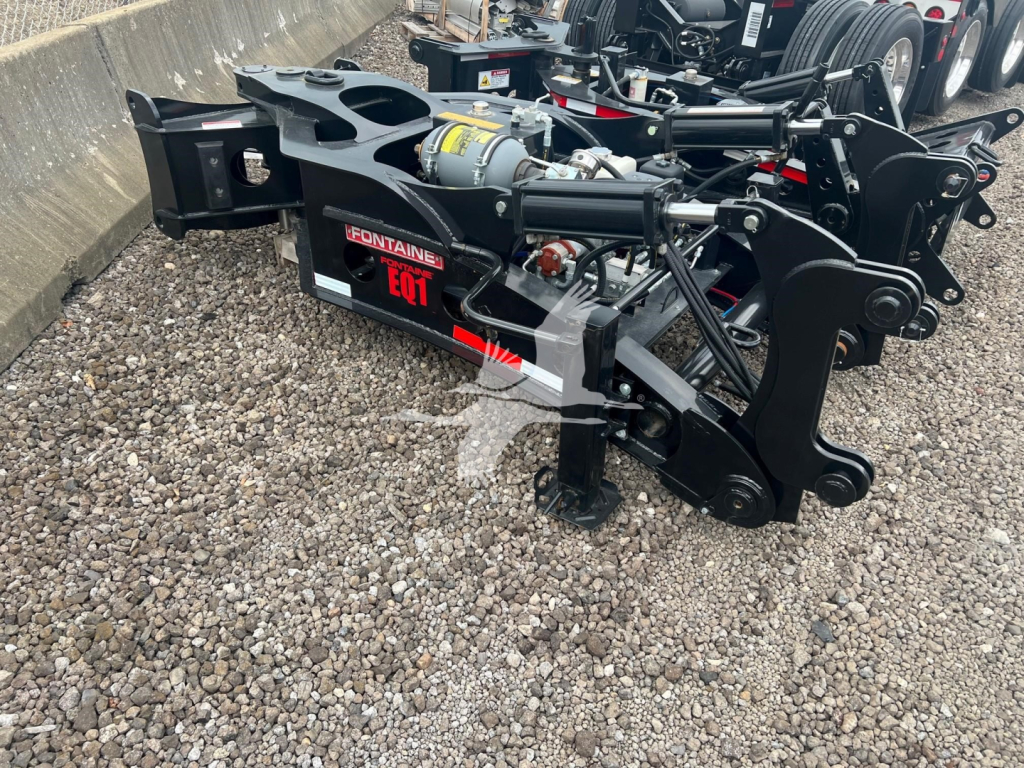
Gooseneck and suspension details separate one lowboy from another. Many new Fontaine lowboys in this class use a hydraulic detachable non-ground-bearing gooseneck, which speeds up loading and keeps the front connection efficient for operators who regularly load self-propelled equipment. Air ride suspension is common on the tandem, often with mechanical ride height control and raise-lower capability to help with loading angle, axle equalization, and deck control. Buyers should also pay attention to 5th wheel loaded height, kingpin compatibility with the tractor, closed tandem settings, and whether the trailer is designed to accept a flip axle or third axle. That modular compatibility can be important if your freight mix changes or if bridge law and permitted loads require more flexibility later.
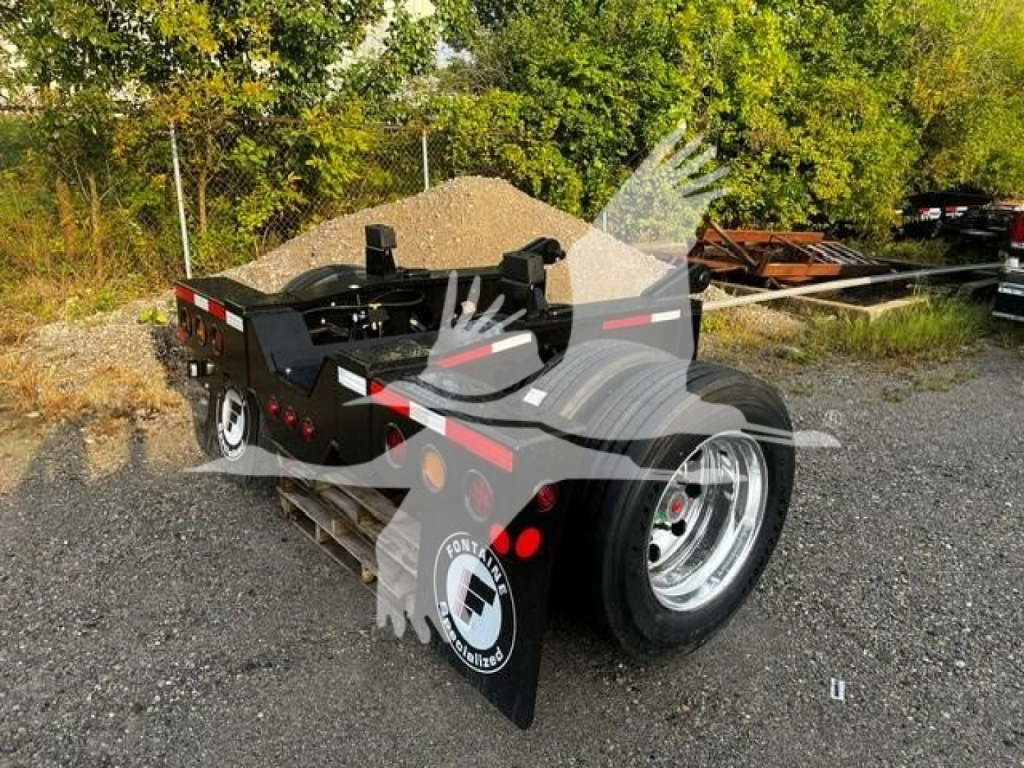
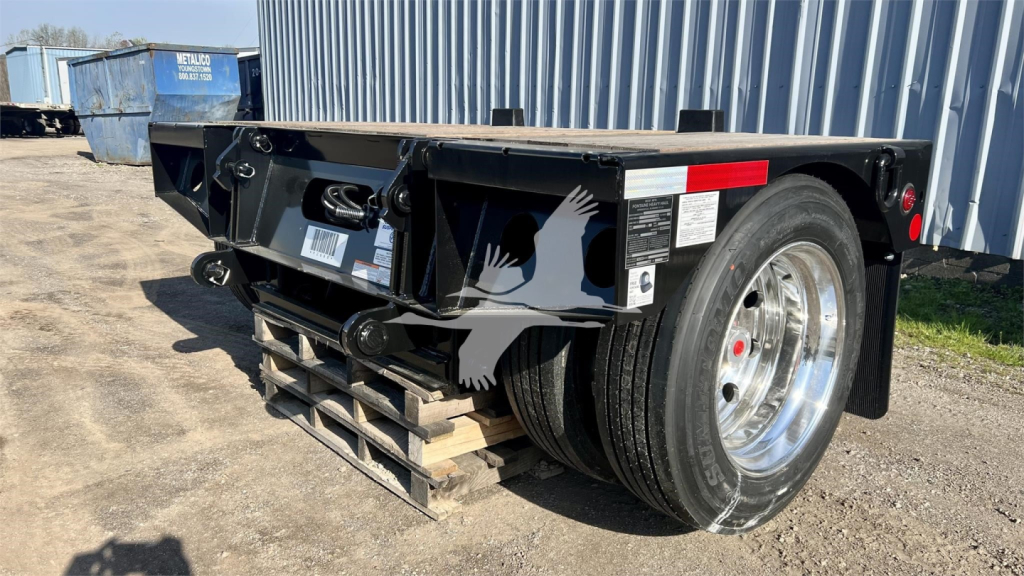
For Ohio buyers, route conditions, permit work, and jobsite access should be part of the spec review. A lowboy that looks right on paper still needs enough rear support, correct axle spacing, and the securement layout to handle the equipment you actually move. Look closely at deck length versus machine track width, loaded ground clearance, rear bogie design, tire size, and lighting package. Features like flag holders, strobes, override chains, polished outer wheels, and durable paint are not just cosmetic. They support compliance, visibility, and resale value. The right Fontaine lowboy is the one whose deck height, detachable neck design, axle setup, and weight rating match your permits, your tractor, and the equipment you haul most often.
Frequently Asked Questions about New 2027 Fontaine Lowboy Trailers in Ohio
What is a Fontaine lowboy trailer used for?
A Fontaine lowboy trailer is used to haul heavy equipment and taller machinery that would sit too high on a standard flatbed. Common freight includes excavators, bulldozers, loaders, compactors, paving machines, and other construction or industrial equipment. The low deck height is the main advantage because it helps keep overall loaded height within legal limits while improving stability during transport.
What should I check first when comparing lowboy trailers?
Start with rated capacity, main deck length, loaded deck height, and gooseneck style. Those four items determine whether the trailer can legally and safely carry your typical machines. After that, review axle configuration, suspension type, ground clearance, securement points, flooring, and whether the trailer is built to accept a flip axle or additional axle. A trailer can have the right ton rating and still be a poor fit if the deck is too short, too high, or not compatible with your tractor setup.
Why does detachable gooseneck design matter on a lowboy?
A detachable gooseneck lets equipment drive directly onto the deck from the front, which is one of the biggest advantages of a lowboy. Hydraulic detachable neck systems reduce loading time and are especially useful for tracked machines and low-clearance equipment. Buyers should verify whether the neck is ground-bearing or non-ground-bearing, along with loaded 5th wheel height and ride height adjustment, because those details affect hookup geometry, loading angle, and day-to-day ease of operation.
Are flip axles important on a Fontaine lowboy?
Flip axles are important if you expect to haul heavier loads or need more flexibility for bridge compliance and permitting. A trailer designed to accept a rear flip axle or third axle gives you room to adapt the setup to specific jobs rather than being locked into one configuration. Even if you do not need the extra axle every day, compatibility can improve the trailer’s usefulness and resale appeal in the heavy haul market.
What deck and flooring features are valuable on a heavy equipment lowboy?
Look for a low main deck, durable hardwood flooring such as Apitong, strong steel side rails, and enough D-rings for proper securement across different machine sizes. Traction cleats, a boom trough, and a well-designed rear bogie area can make a real difference when loading excavators or machines with uneven weight distribution. These features help the trailer handle repeated equipment loading without becoming difficult to secure or maintain.