
New 2027 Fontaine Trailers For Sale in Ohio
Shop new 2027 Fontaine trailers for sale, including lowboy and detachable models built for heavy equipment hauling and demanding jobs.
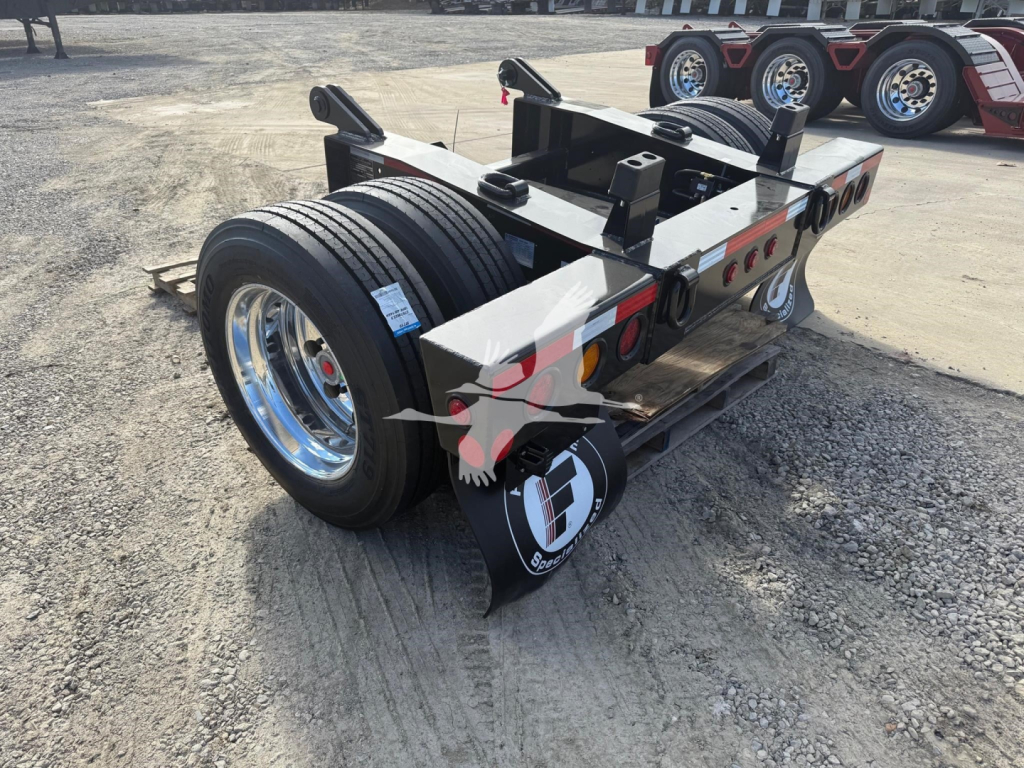
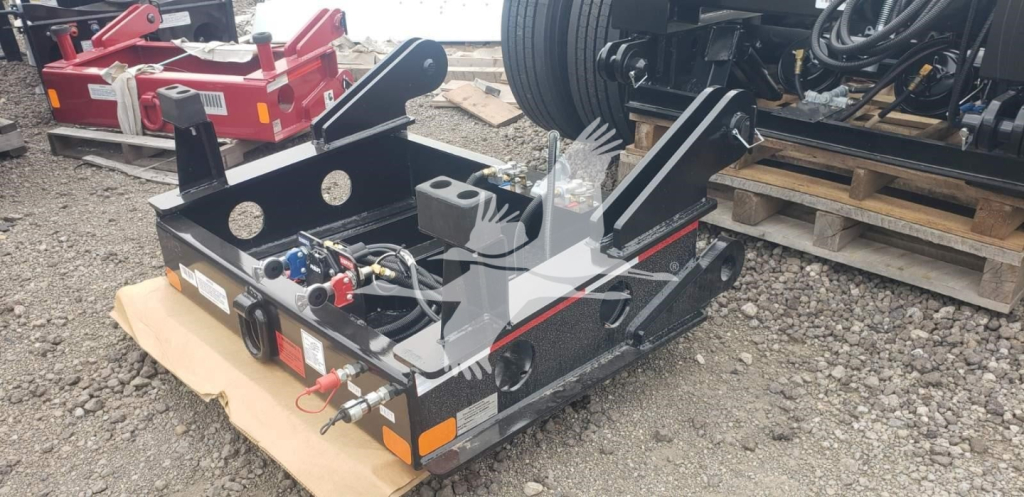
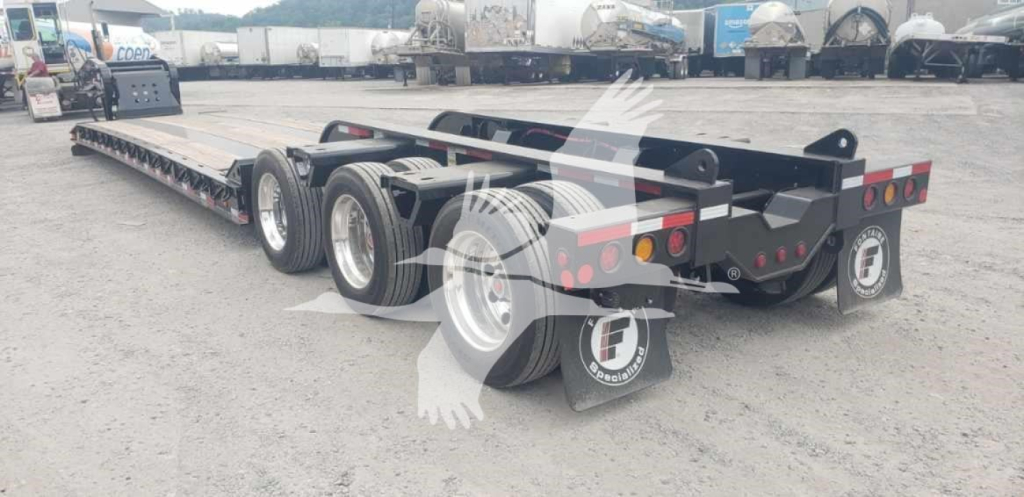
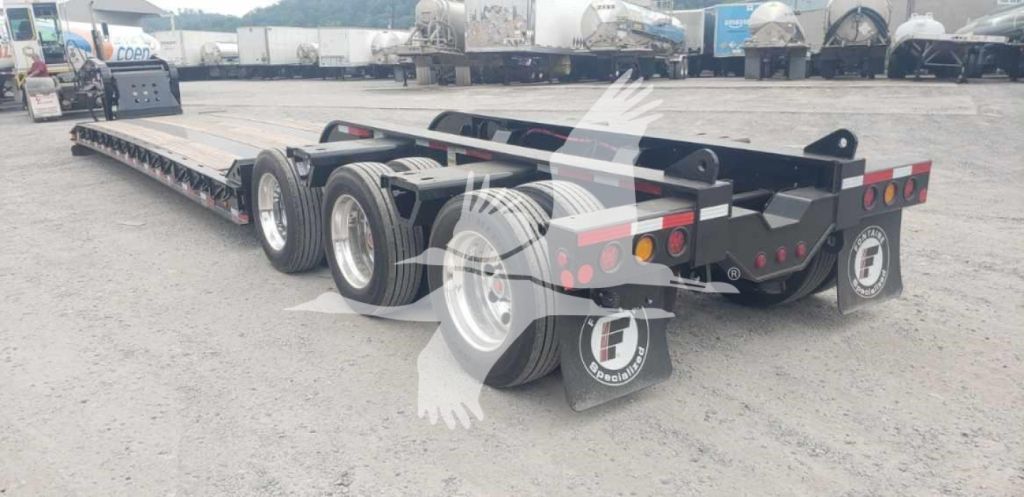
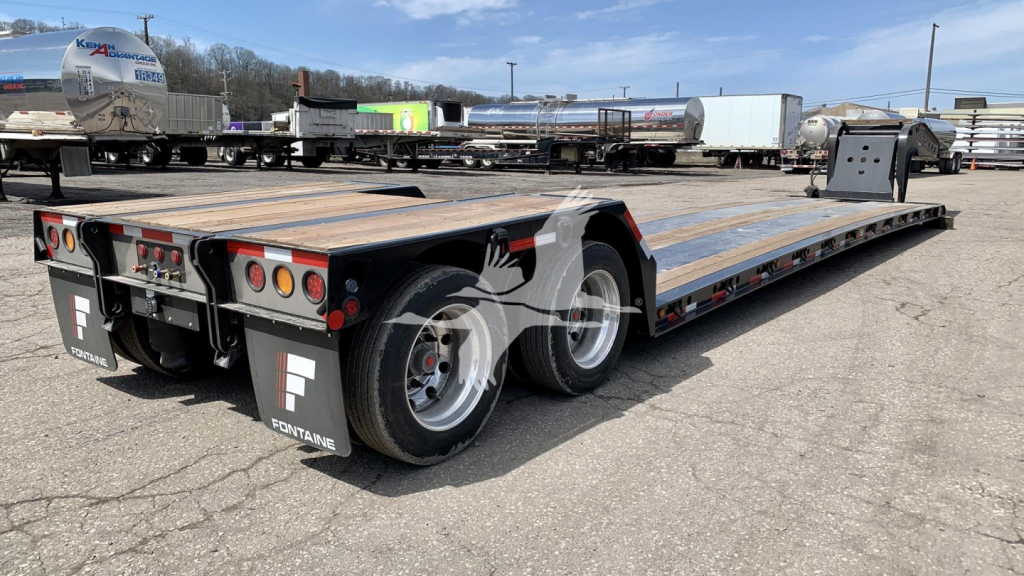
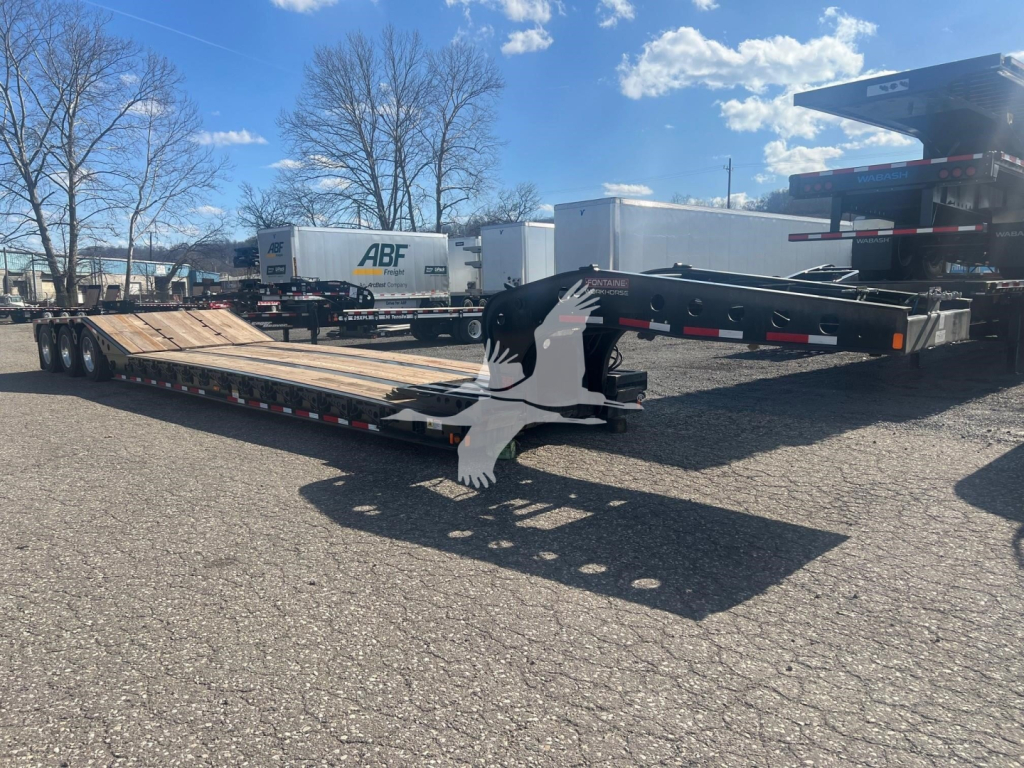
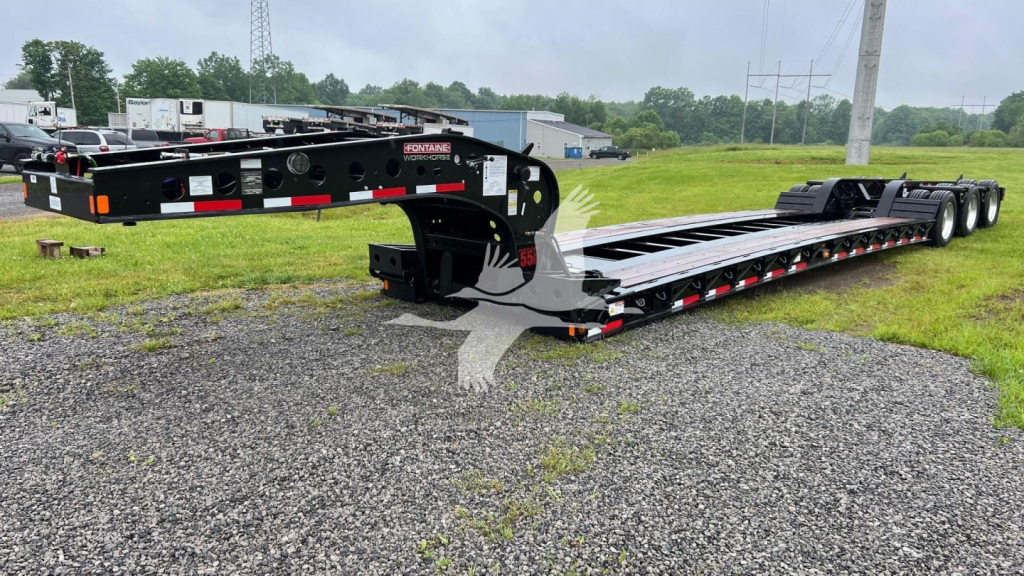
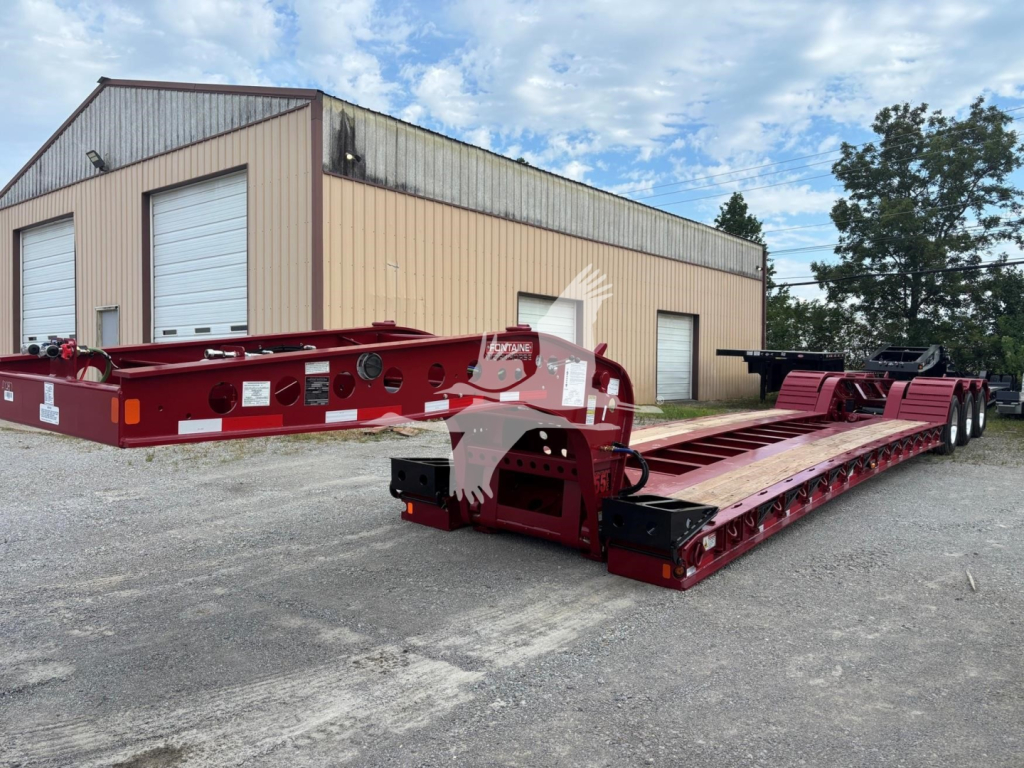
Selling a new 2027 fontaine trailer? List your new 2027 fontaine trailer for sale and reach thousands of commercial buyers.
New 2027 Fontaine Trailers in Ohio
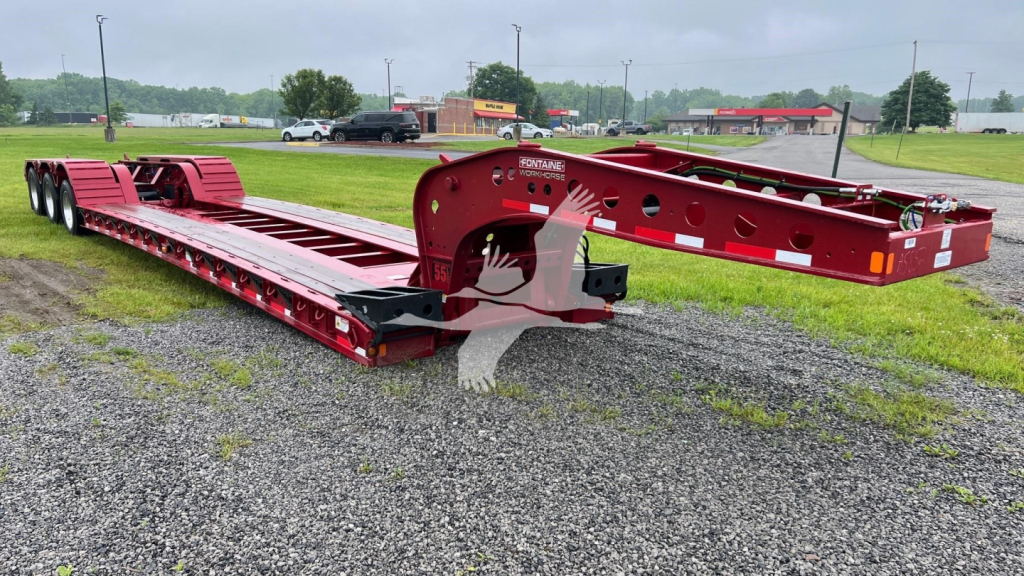
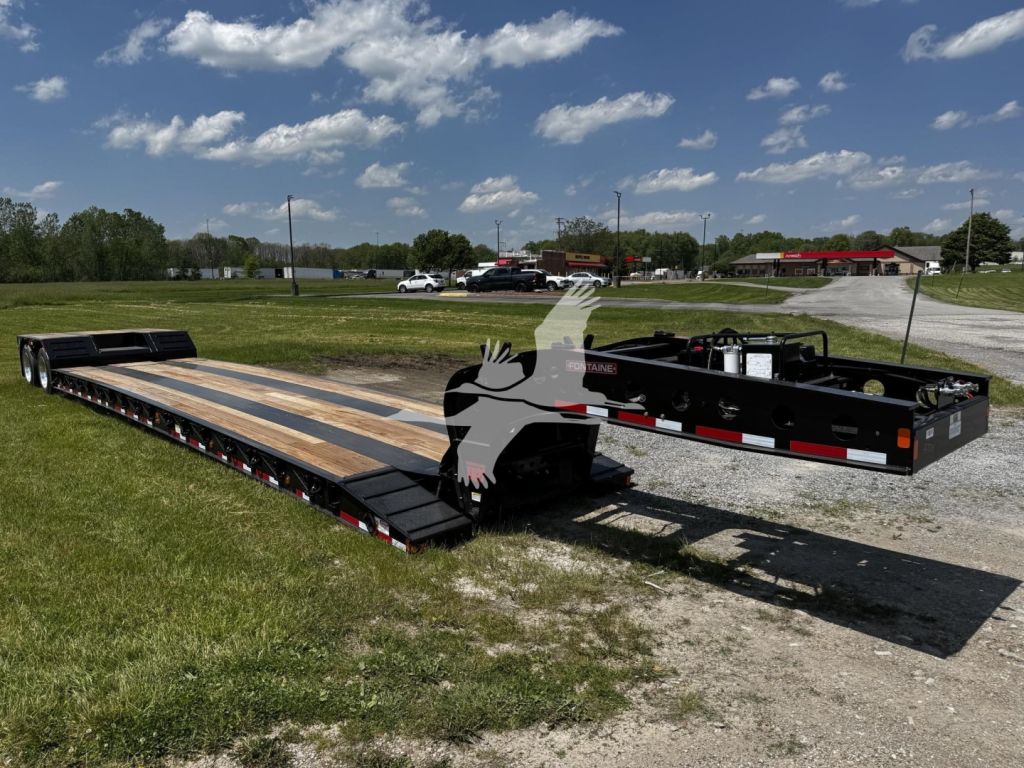
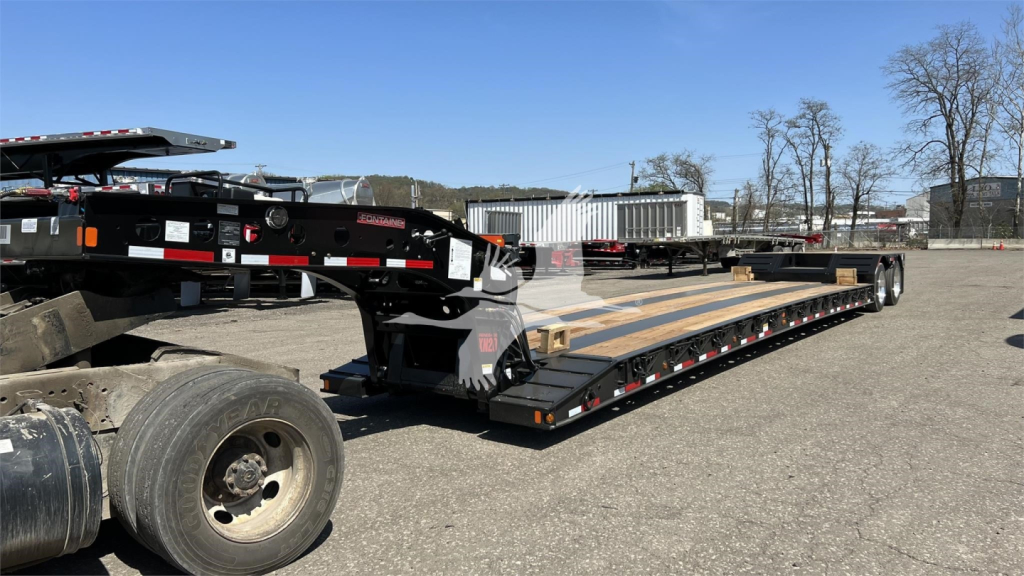
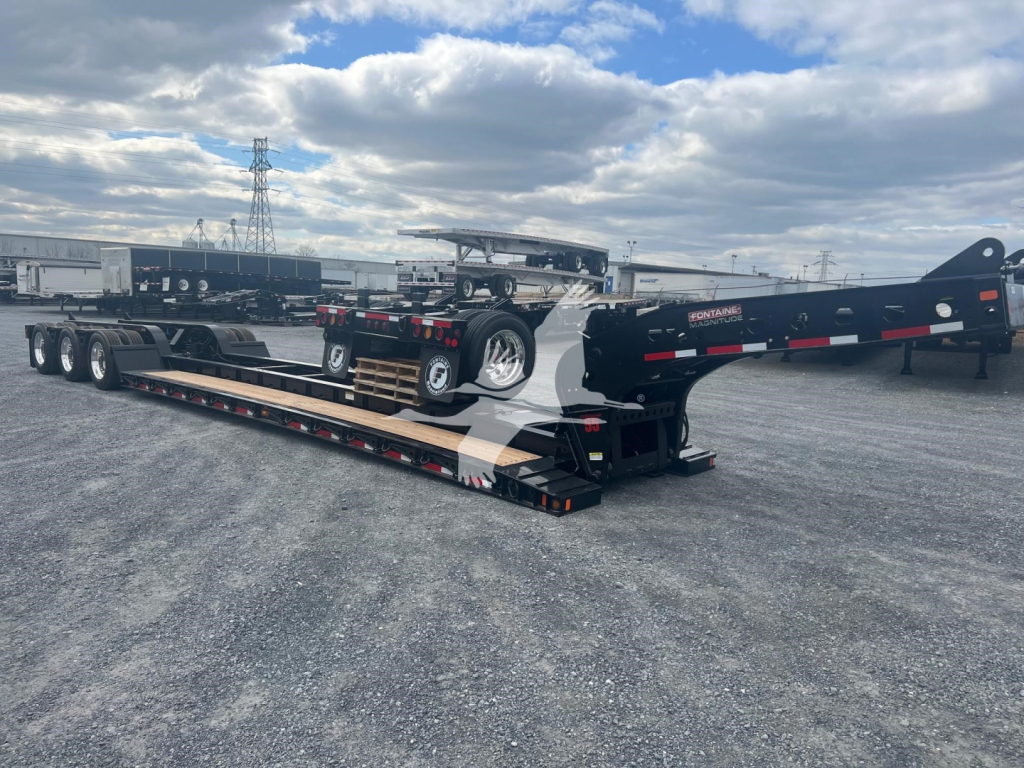
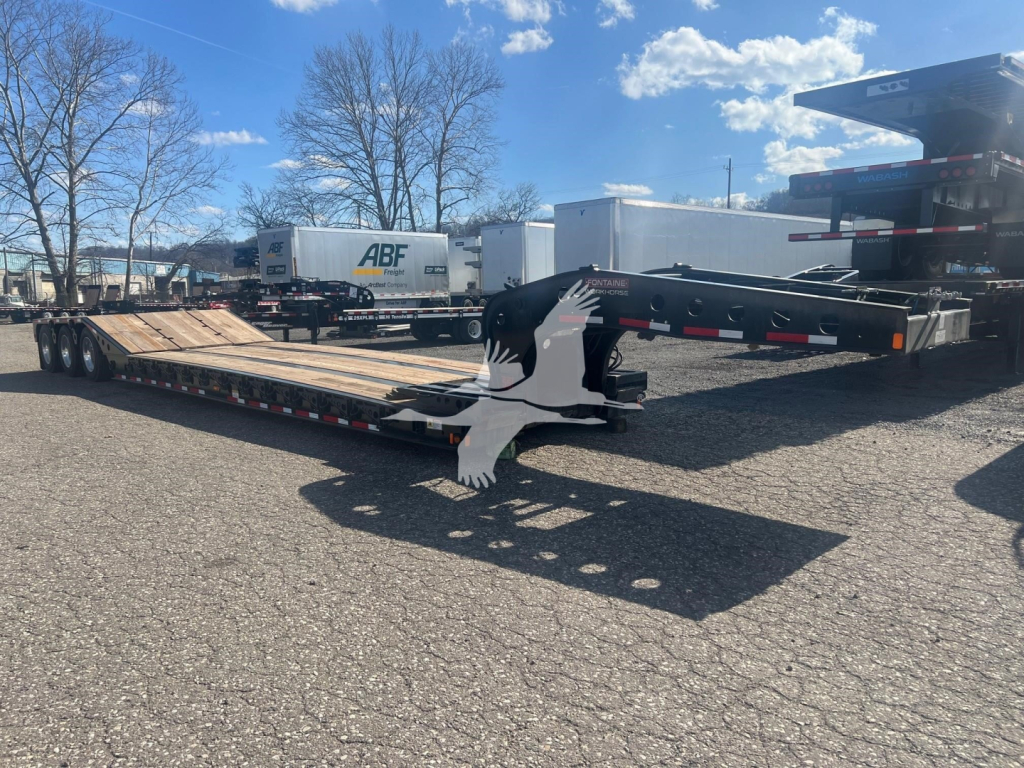
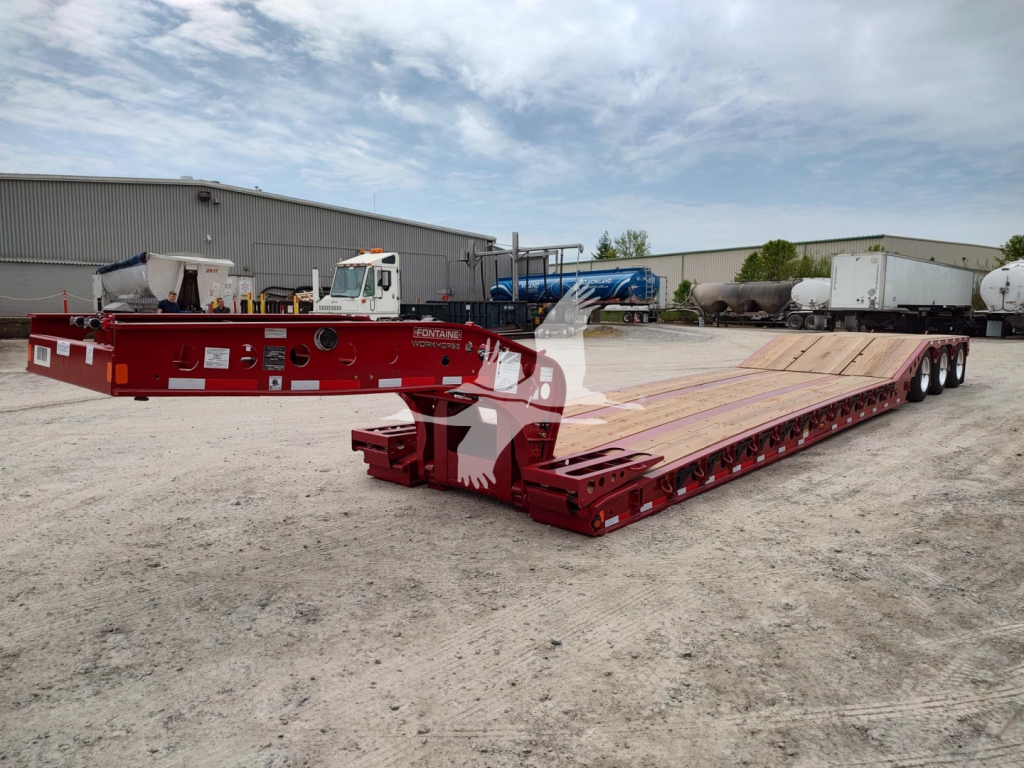
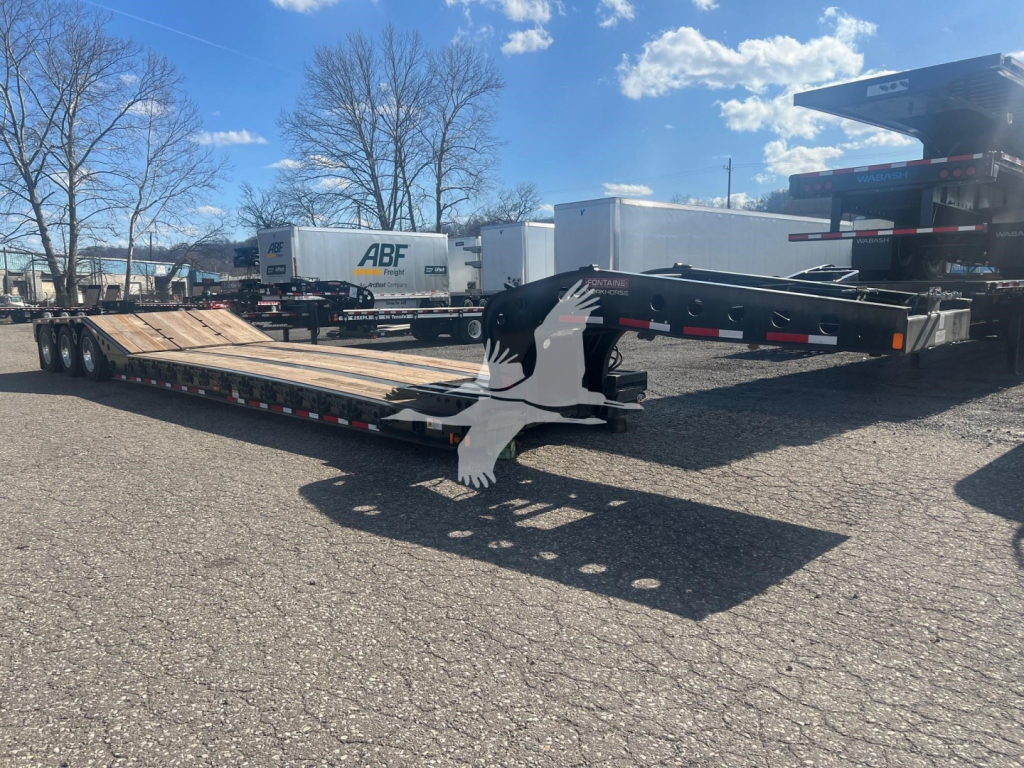
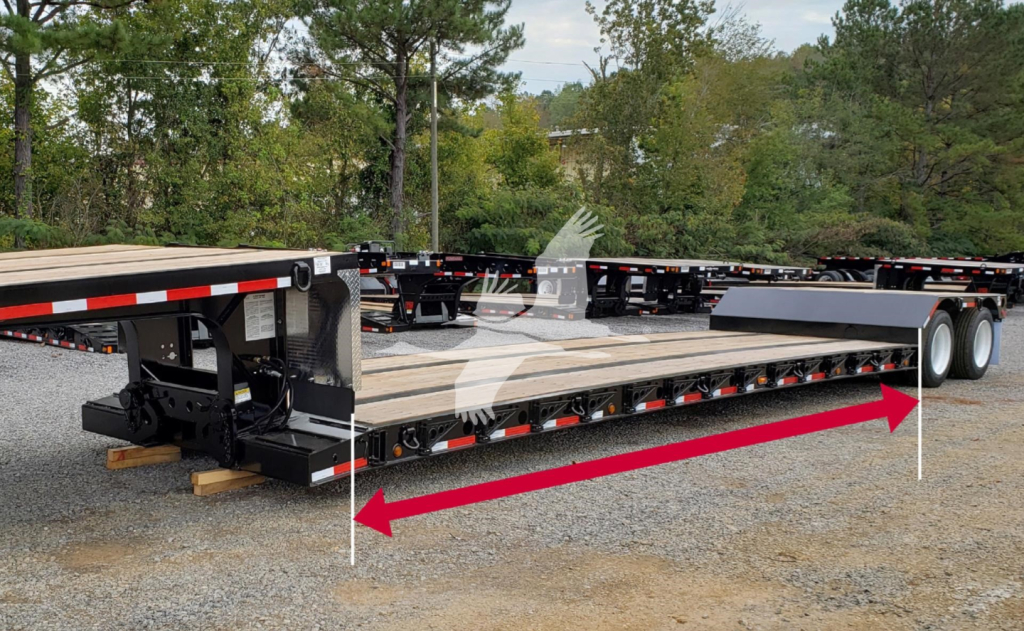
A lot of the decision comes down to application. A 30-ton class detachable lowboy with a mini-deck and low loaded height fits compact excavators, skid steers, smaller dozers, and mixed-equipment fleets that load and unload often. A 55-ton class Fontaine lowboy is a different tool, designed for heavier iron, longer load concentrations, and more demanding permit work. Common specs in this category include 53-foot overall length, 102-inch width, hydraulic detachable non-ground-bearing goosenecks, air ride suspension, and 2- or 3-axle bogies with mechanical ride height control. Many buyers also look closely at deck length, main deck height, swing clearance, axle spacing, and compatibility with a rear flip axle, because those details affect both legal routing and day-to-day usability.
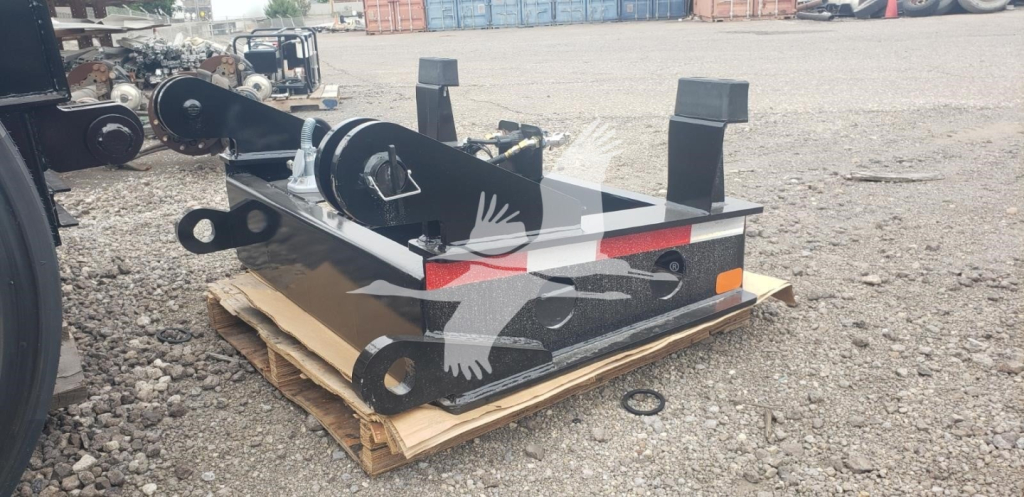
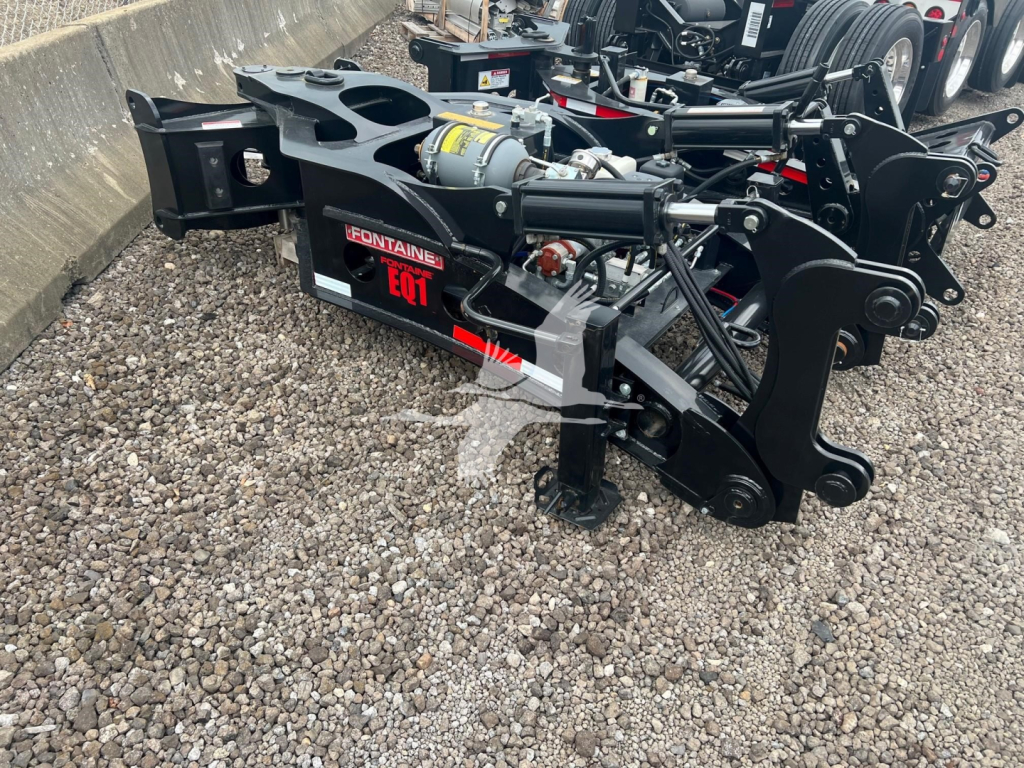
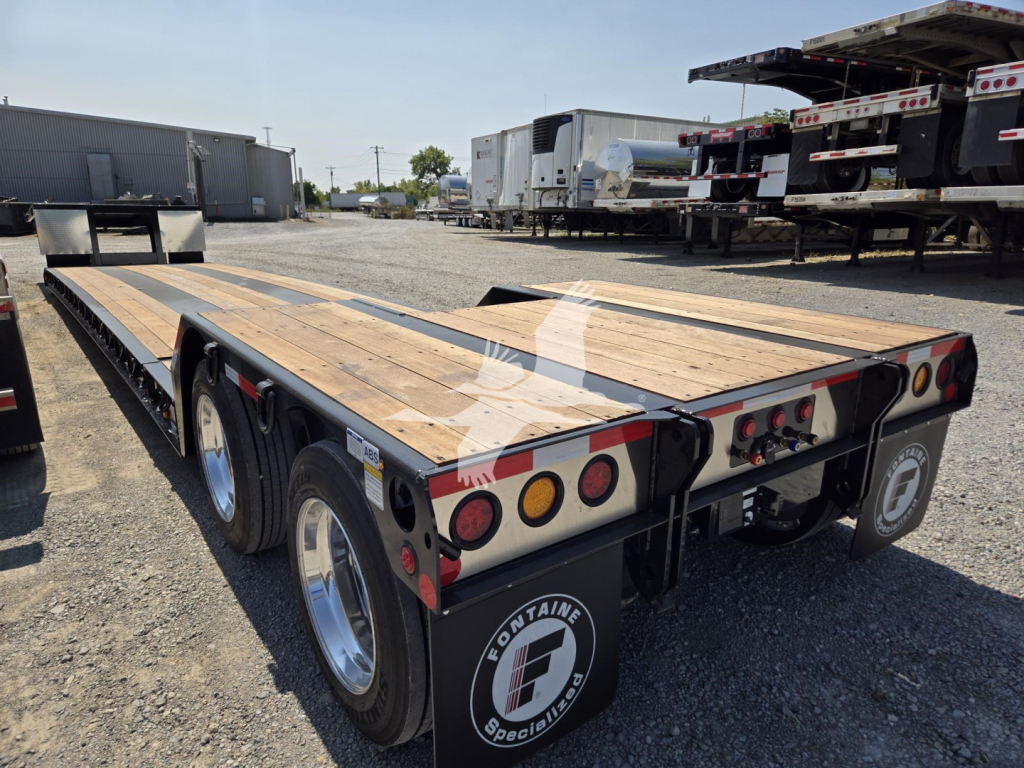
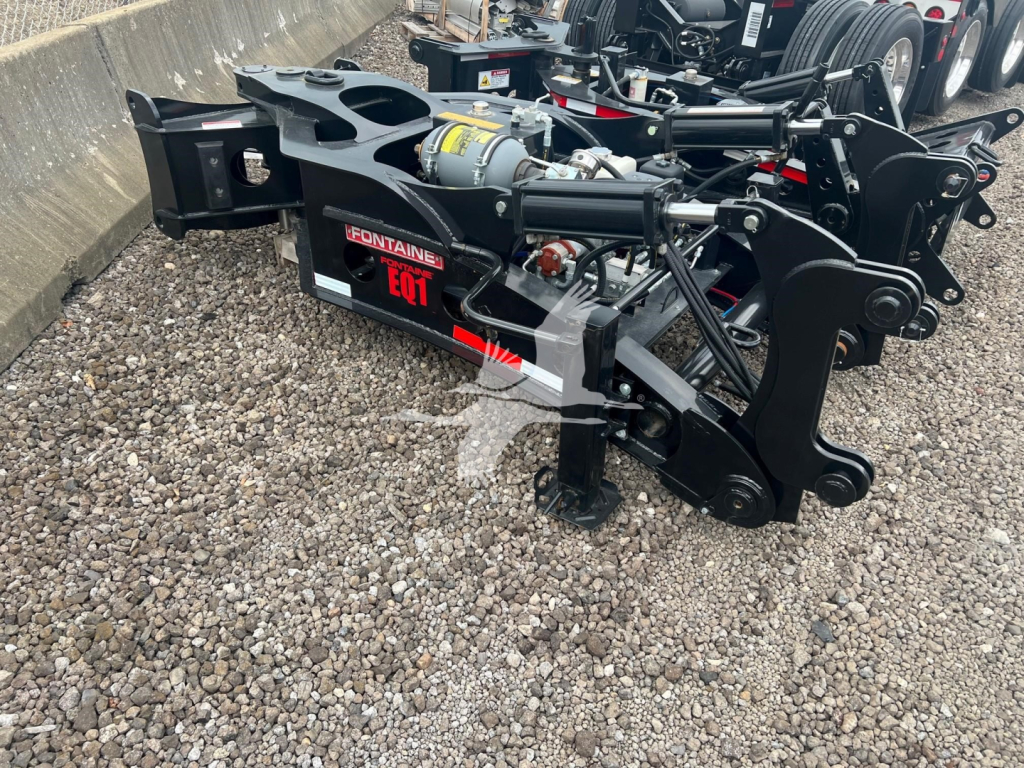
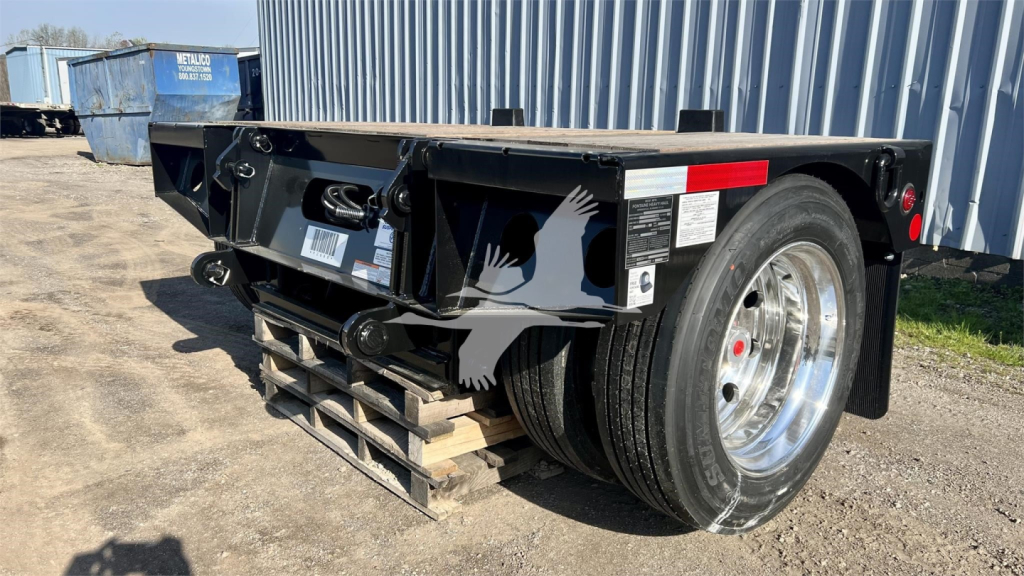
Fontaine trailers in this class are also known for practical heavy-haul details that matter once the trailer is working every day. Apitong flooring, steel side rails, removable swing outriggers, multiple pairs of D-rings, covered tool trays, traction cleats, boom wells, load-bearing wheel covers, and battery-powered rear strobes are all features that improve securement, loading angle, and operator convenience. On detachable models, gooseneck design and loaded fifth wheel height are worth careful review because they affect tractor compatibility and how the trailer sits under load. Suspension setup, lift axles, dump valves, and tire size also deserve attention, especially for fleets running mixed terrain, tight jobsites, or state-by-state heavy-haul permits.
For Ohio buyers, the practical question is how the trailer will perform across highway miles, quarry entrances, paving jobs, and soft or uneven site conditions. New 2027 Fontaine trailers appeal to contractors and specialized haulers that want current-spec equipment with modern lighting, air ride running gear, and configurations designed around today’s machinery dimensions. The best choice is usually the one that matches your heaviest routine load, not the occasional load, while still giving enough deck versatility, securement points, and axle options to stay productive as your hauling mix changes.
Frequently Asked Questions about New 2027 Fontaine Trailers in Ohio
What types of Fontaine trailers are most common in the 2027 model year?
The most common Fontaine trailers in this segment are lowboy trailers and hydraulic detachable gooseneck lowboys, often called detachable lowboys or detach trailers. These are built for hauling construction and paving equipment, including excavators, dozers, rollers, pavers, and other tall or heavy machines that benefit from a low deck height and easy loading. Capacity classes can vary widely, but 30-ton and 55-ton configurations are common comparison points for buyers looking at new heavy-haul equipment.
What should I compare first when shopping for a new Fontaine lowboy trailer?
Start with rated capacity, axle count, deck dimensions, and loaded deck height. Those four items determine what equipment the trailer can legally and practically haul. After that, compare gooseneck style, suspension type, axle spacing, swing clearance, and whether the trailer is prepped for a flip axle or neck extension. Securement layout is also important, especially D-ring count, outriggers, side rail design, and flooring type, because those details affect how versatile the trailer will be across different loads.
Why does flip axle compatibility matter on a Fontaine trailer?
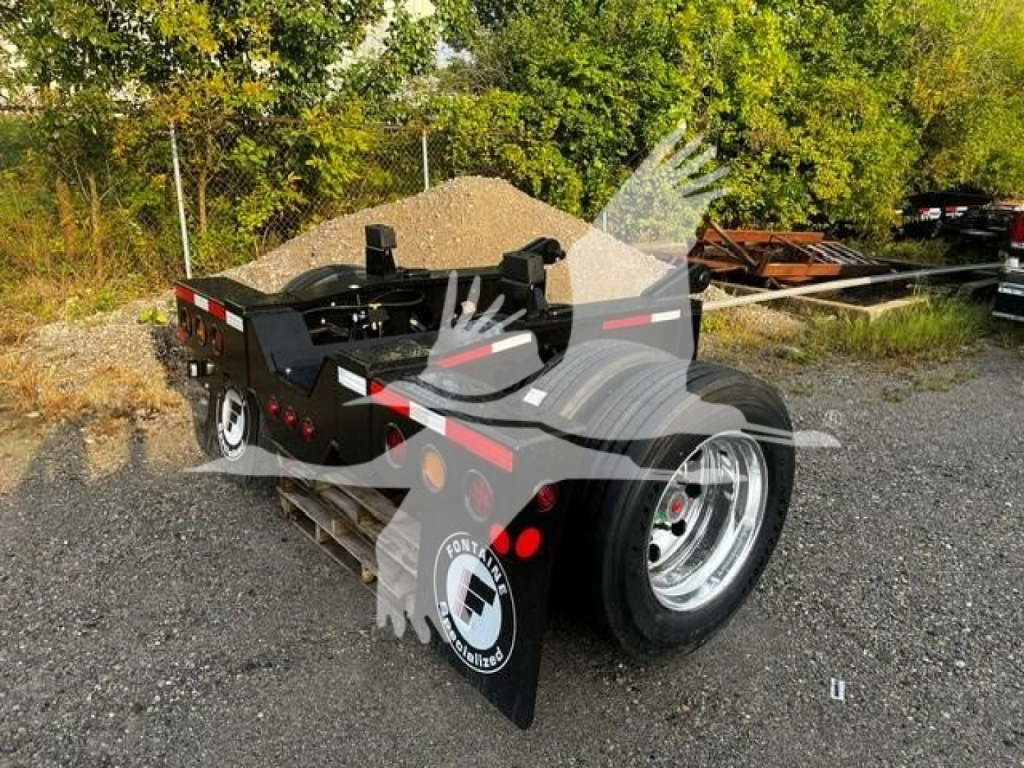
Flip axle compatibility matters because it gives the trailer room to grow into heavier or more regulated loads. A trailer designed to accept a rear flip axle can help distribute weight more effectively and support permit compliance in many heavy-haul applications. Even if a buyer does not need the extra axle immediately, choosing a trailer with that compatibility can improve long-term flexibility and resale value, especially in fleets that occasionally move larger equipment.
Are Fontaine detachable trailers a good fit for paving and construction equipment?
Yes. Fontaine detachable lowboy trailers are widely used in paving, site development, utility, and general construction work because they combine low loading height with straightforward loading and unloading. Features such as hydraulic detachable goosenecks, wood-filled ramps, boom troughs, removable outriggers, and multiple securement points make them especially useful for machines with varying track widths, attachment setups, and weight distribution. The right trailer depends on the machine mix, but this category is built for exactly that kind of work.
What features help a heavy-haul trailer hold value over time?
Strong resale usually comes from a useful capacity rating, a recognized manufacturer, and a configuration that fits common heavy-haul applications. On a Fontaine trailer, buyers often value hydraulic detachable goosenecks, air ride suspension, Apitong flooring, quality lighting, removable outriggers, ample D-rings, and compatibility with flip axles or other modular options. A practical deck layout and mainstream tire and suspension specs also help because they make the trailer easier to maintain, easier to permit, and easier to put back to work with a new owner.