
New 2027 Drop Deck Trailers For Sale in Ohio
Shop new 2027 drop deck trailers for sale in Ohio. Compare deck lengths, ride height, axle specs, ramps, and tie-down options.
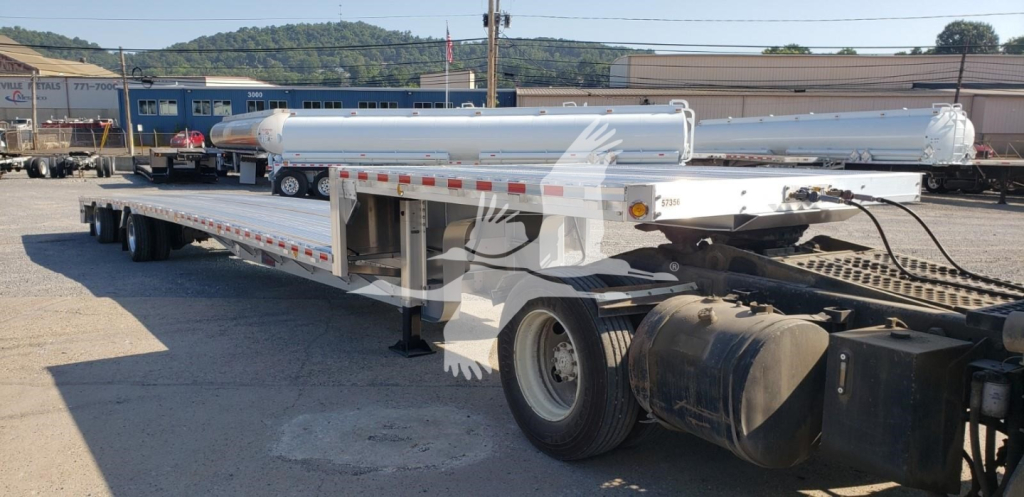
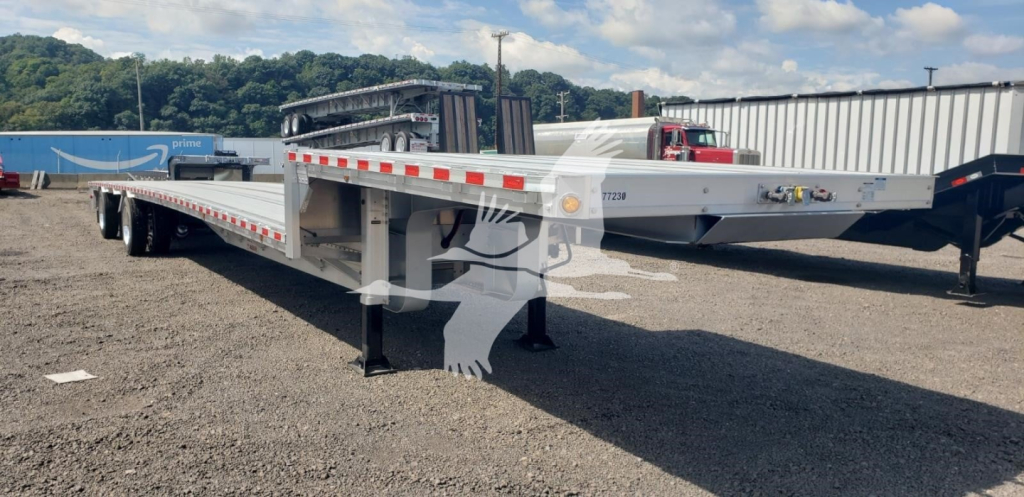
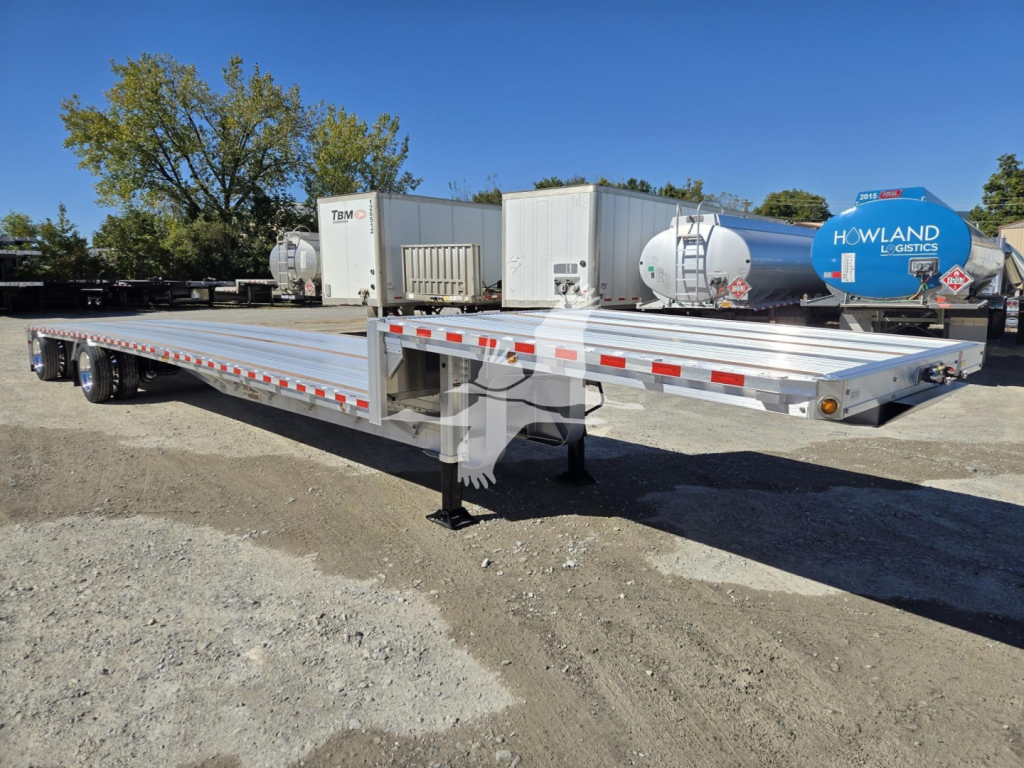
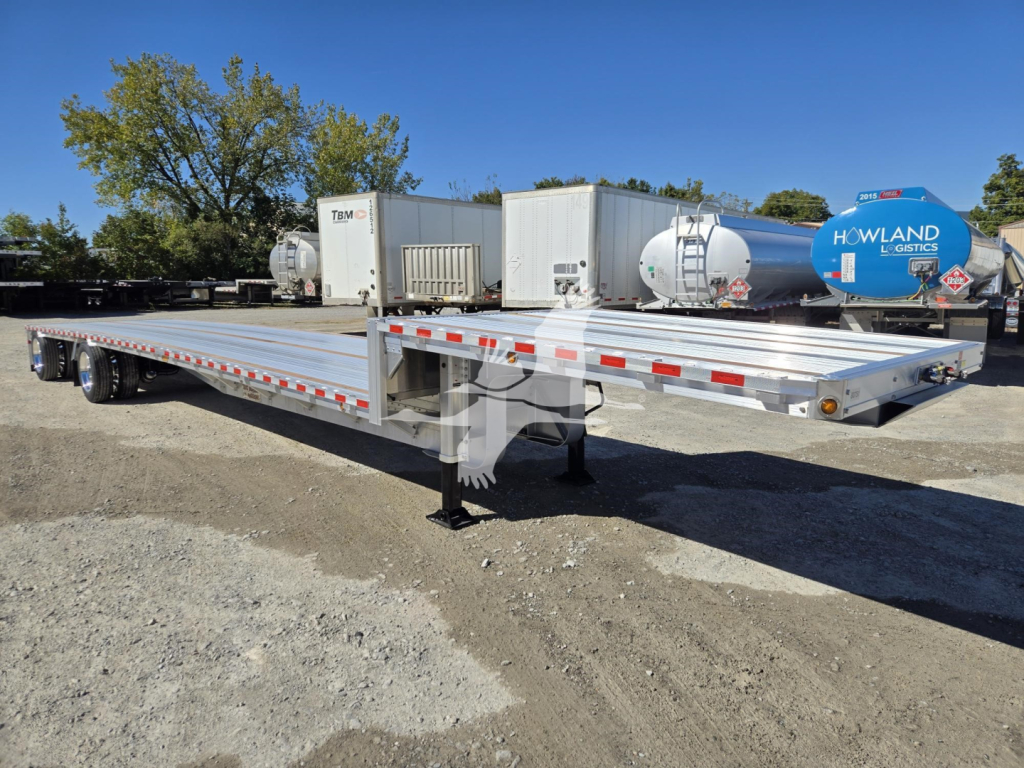
Selling a new 2027 drop deck trailer? List your new 2027 drop deck trailer for sale and reach thousands of commercial buyers.
New 2027 Drop Deck Trailers in Ohio
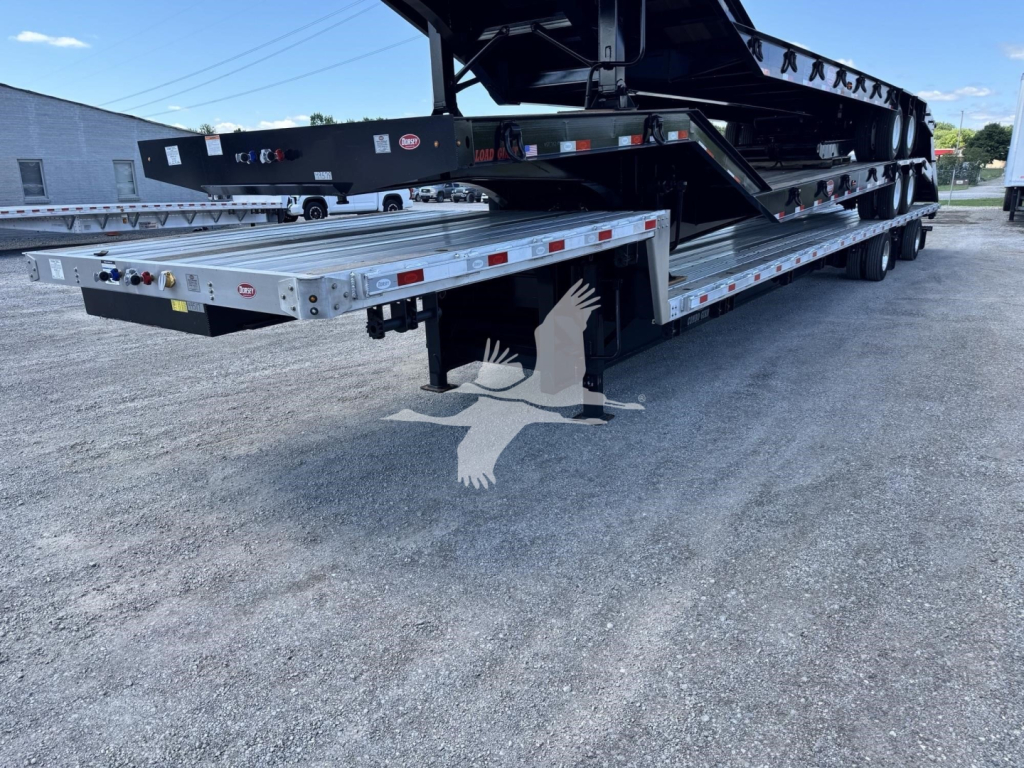
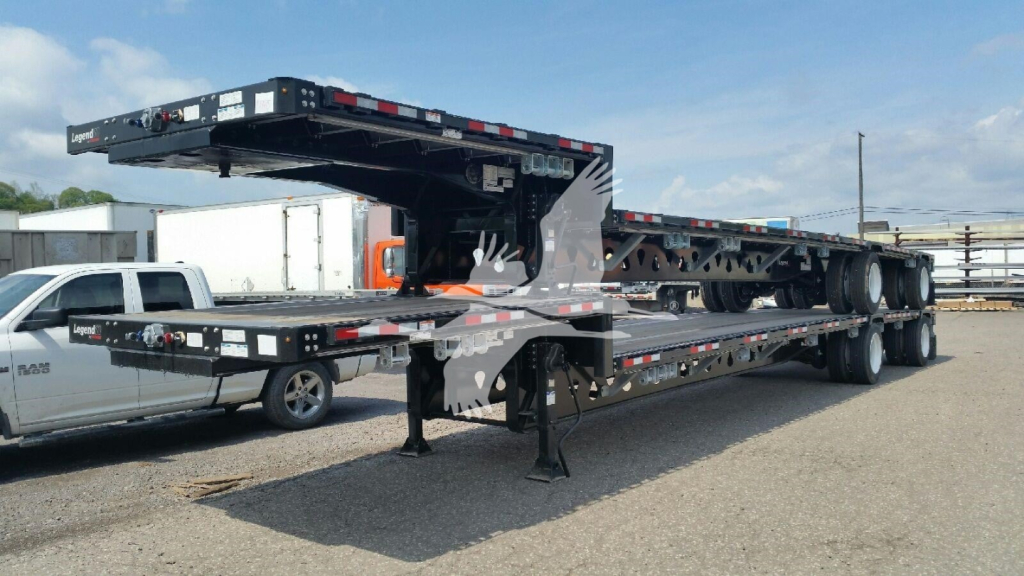
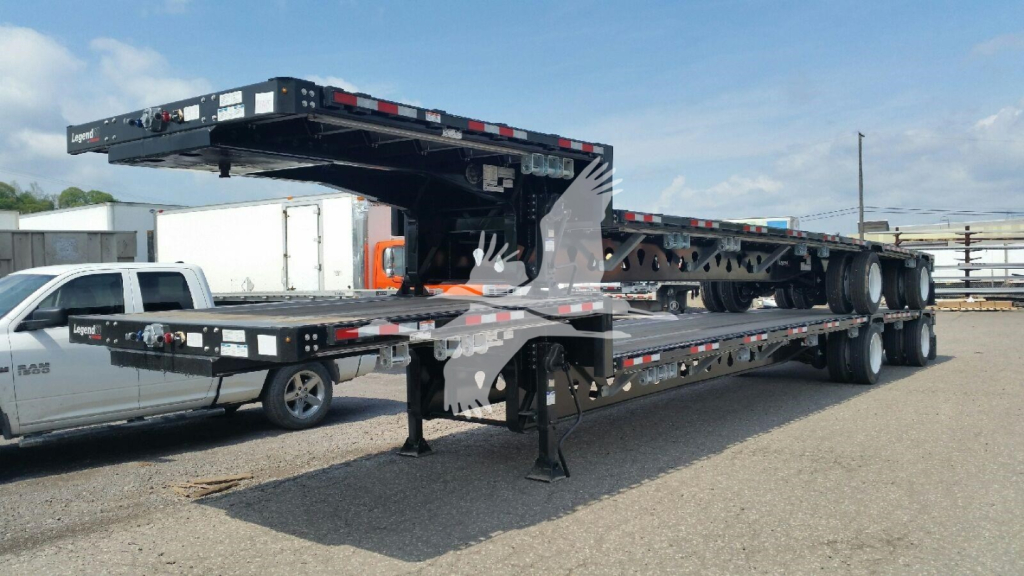
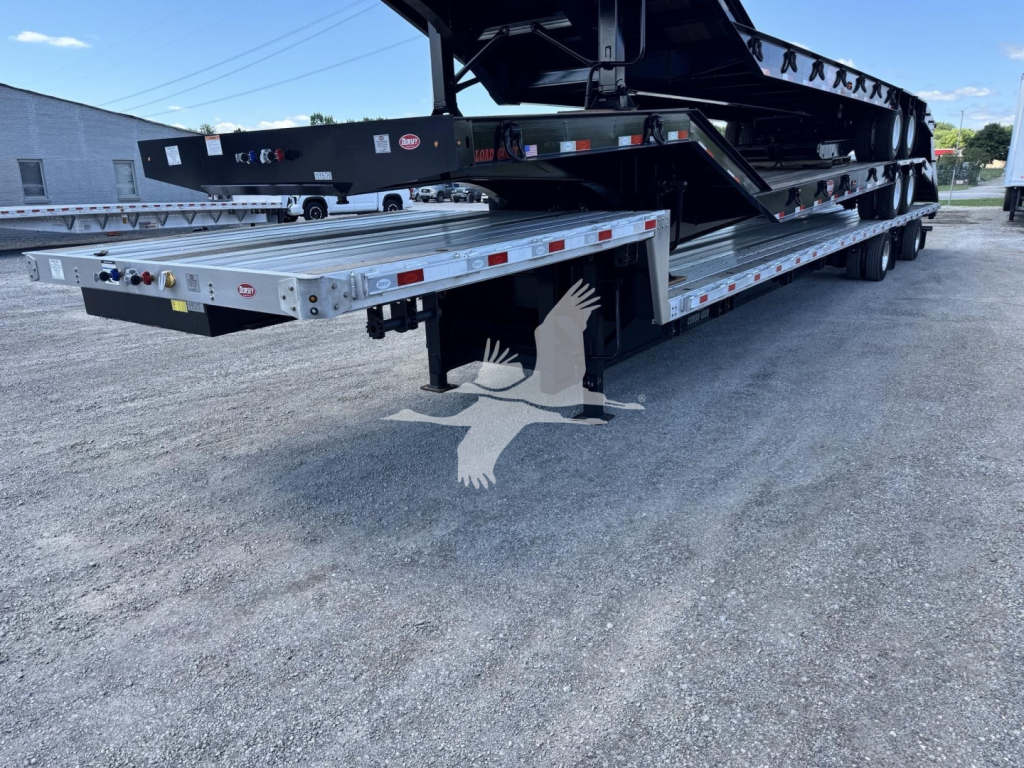
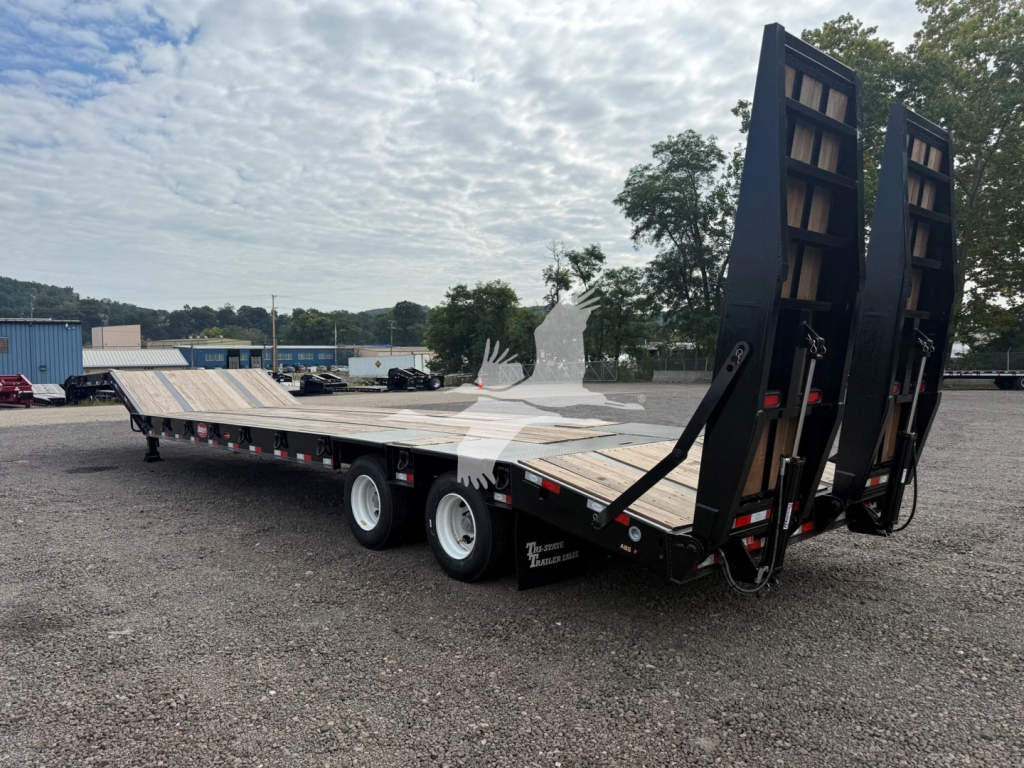
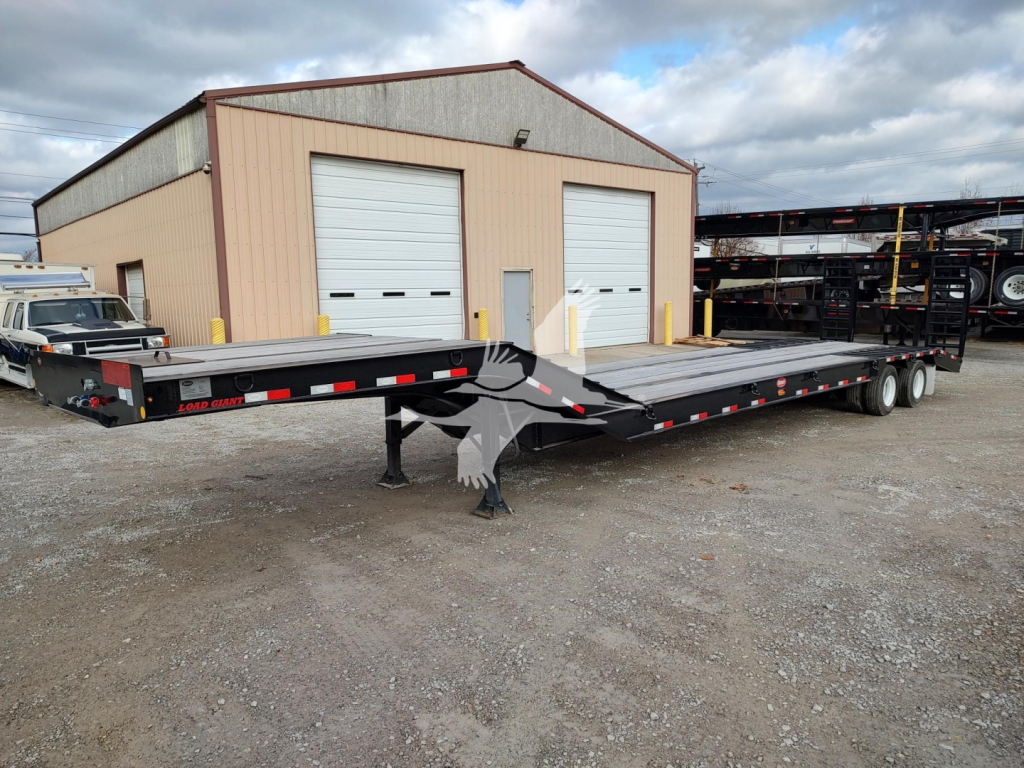
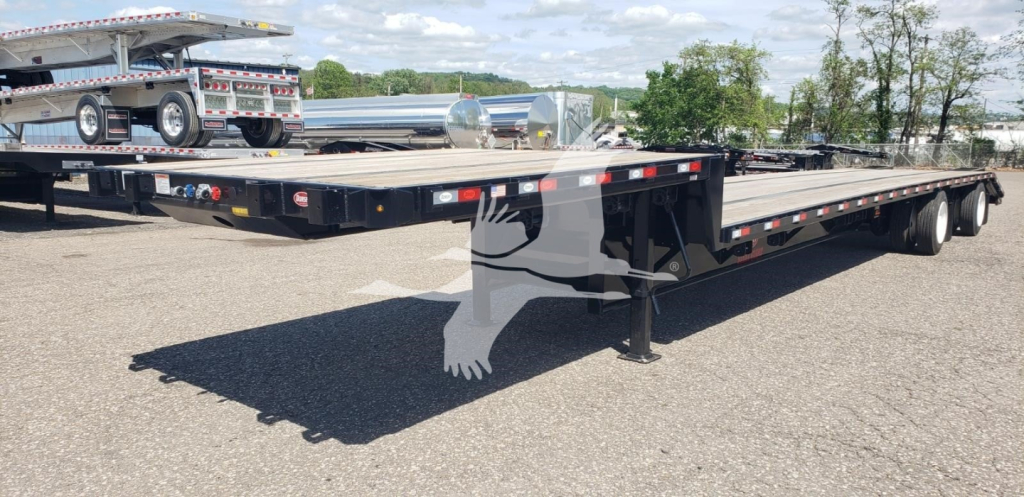
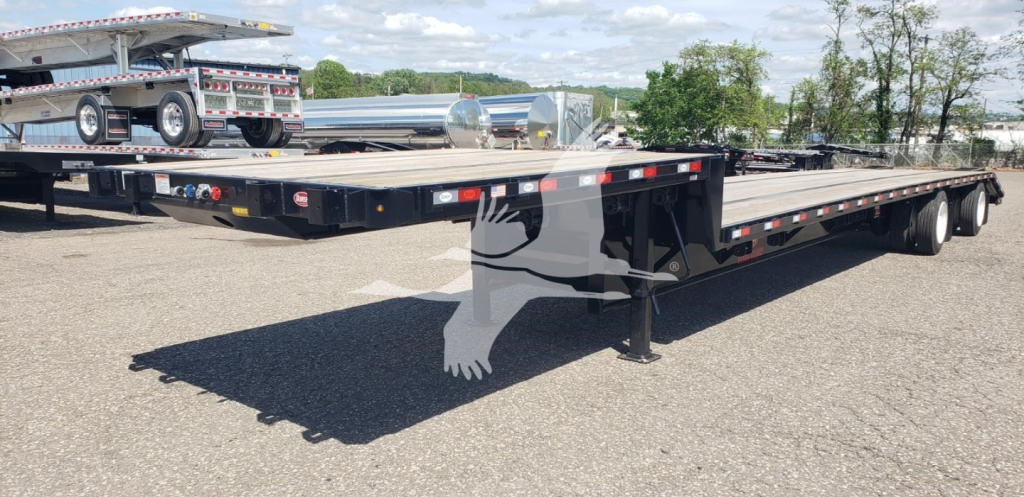
The spec decisions that matter most usually start with deck layout and ride height. Common lengths include 48-foot and 53-foot configurations, typically with an upper deck around 10 feet and a lower deck around 38 feet, plus some models with a beavertail and ramps for self-loading equipment. Main deck height is often around 37 to 41 inches loaded, and that number directly affects what machines or stacked freight you can legally move. Buyers should also look closely at floor construction, with 1 1/8-inch Apitong remaining a popular choice for durability and traction, along with steel front and rear members, crossmember spacing, and side rail design that supports regular securement work.
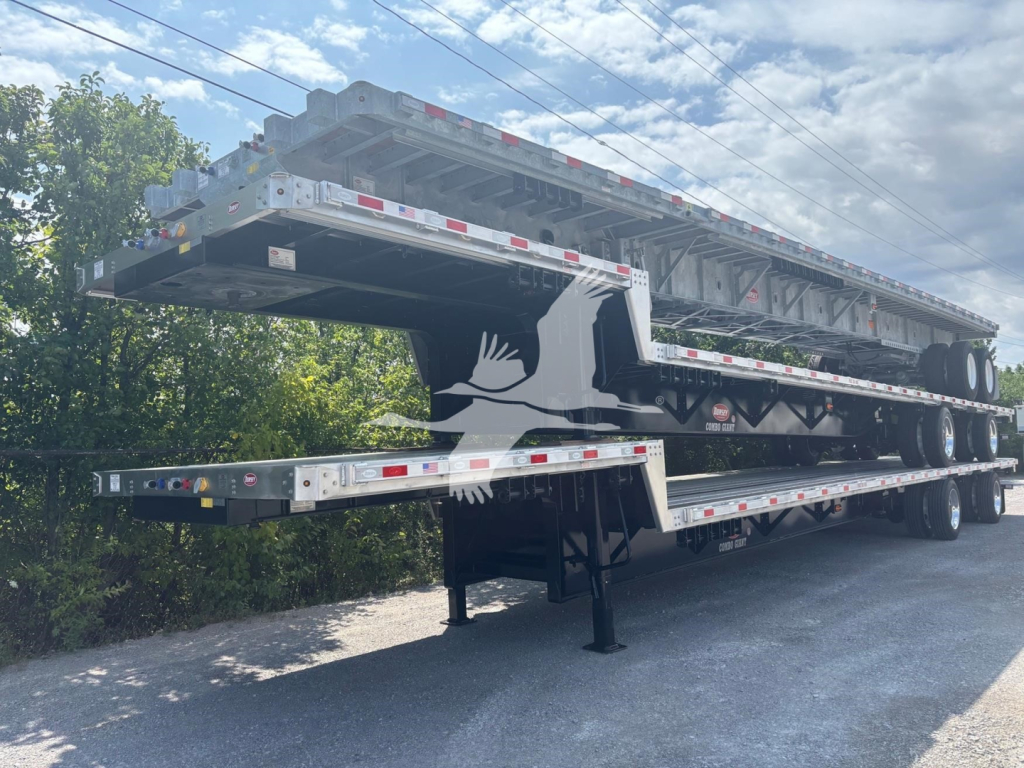
For most general freight applications, tandem axle air ride setups are the standard on new drop decks, often with 10-foot-2 spread settings, 23,000-pound suspensions, dump valves, and 22.5-inch rubber depending on the intended payload and deck height target. Kingpin setting, axle placement, and trailer weight all influence how easily the trailer balances common loads and scales with different tractors. Tie-down equipment deserves the same attention as the running gear. Sliding winches, roadside winch tracks, double pipe spools, chain slots, and side rails deep enough to accept flat hooks make a noticeable difference when the trailer is handling mixed freight instead of one dedicated commodity.
If the trailer will regularly load lifts, compact equipment, or other wheeled cargo, a beavertail with spring-assisted ramps can be more useful than a straight rear. Corrosion protection is another practical point for Ohio service, especially on trailers exposed to winter road treatment. Galvanized crossmembers, galvanized rear bumpers, sealed LED lighting, and durable paint finishes can help reduce long-term maintenance. A well-chosen new 2027 drop deck trailer should match the freight first, then the route pattern, then the securement method, because deck height, weight, and tie-down layout will affect every load long after the purchase price is forgotten.
Frequently Asked Questions about New 2027 Drop Deck Trailers in Ohio
What is the difference between a drop deck trailer and a flatbed trailer?
A drop deck trailer, also called a step deck trailer, has an upper deck over the tractor frame and a lower main deck behind it. That lower deck allows taller freight to be hauled while staying under legal height limits that would be harder to meet on a standard flatbed. The tradeoff is that deck transitions, upper deck length, and rear configuration must be matched to the freight you plan to load most often.
What deck height is typical on a new drop deck trailer?
Many new drop deck trailers are built with a main deck height in roughly the 37-inch to 41-inch range when loaded, although exact height depends on suspension, tire size, and frame design. Lower deck height gives you more legal cargo height, which is important for machinery, crated equipment, and tall palletized loads. Buyers should verify loaded deck height rather than relying only on overall trailer dimensions.
Should I choose a 48-foot or 53-foot drop deck trailer?
A 48-foot drop deck is common for general freight and can be easier to maneuver, while a 53-foot drop deck provides more deck space for longer or more varied loads. Some 53-foot trailers also include a beavertail and ramps, which can improve loading flexibility for equipment. The right choice depends on your customer base, typical lane lengths, and whether cargo length or loading method is the bigger priority.
Are ramps and a beavertail worth it on a drop deck trailer?
They are worth considering if you regularly load forklifts, scissor lifts, compact machines, or other wheeled equipment without relying on a dock or external loading equipment. A beavertail reduces the loading angle, and spring-assisted ramps make loading safer and faster in the field. If the trailer is dedicated mainly to palletized freight, steel, or bundled material, a straight rear may save weight and keep the deck simpler.
What features matter most for securement on a drop deck trailer?
The most useful securement features depend on cargo mix, but common priorities include sliding winches, winch tracks, double pipe spools, chain tie-down points, and side rails designed to accept flat hooks. Crossmember spacing and floor quality also matter because concentrated loads and repeated strap tension put real stress on the deck. Buyers moving mixed freight should pay close attention to how many securement options are built into the trailer rather than focusing only on length and price.