
New 2027 Dorsey Drop Deck Trailers For Sale in Ohio
Shop new 2027 Dorsey drop deck trailers with beavertail, ramps, air ride or spring ride, and heavy-duty deck specs for equipment hauling.
Selling a new 2027 dorsey drop deck trailer? List your new 2027 dorsey drop deck trailer for sale and reach thousands of commercial buyers.
New 2027 Dorsey Drop Deck Trailers in Ohio
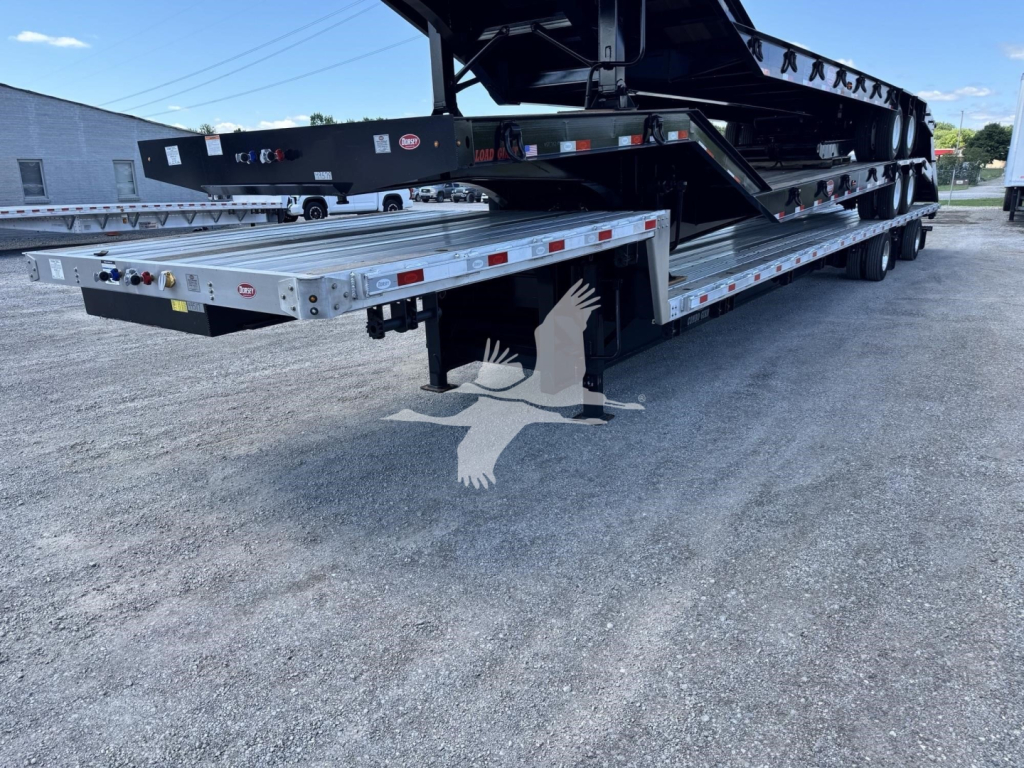
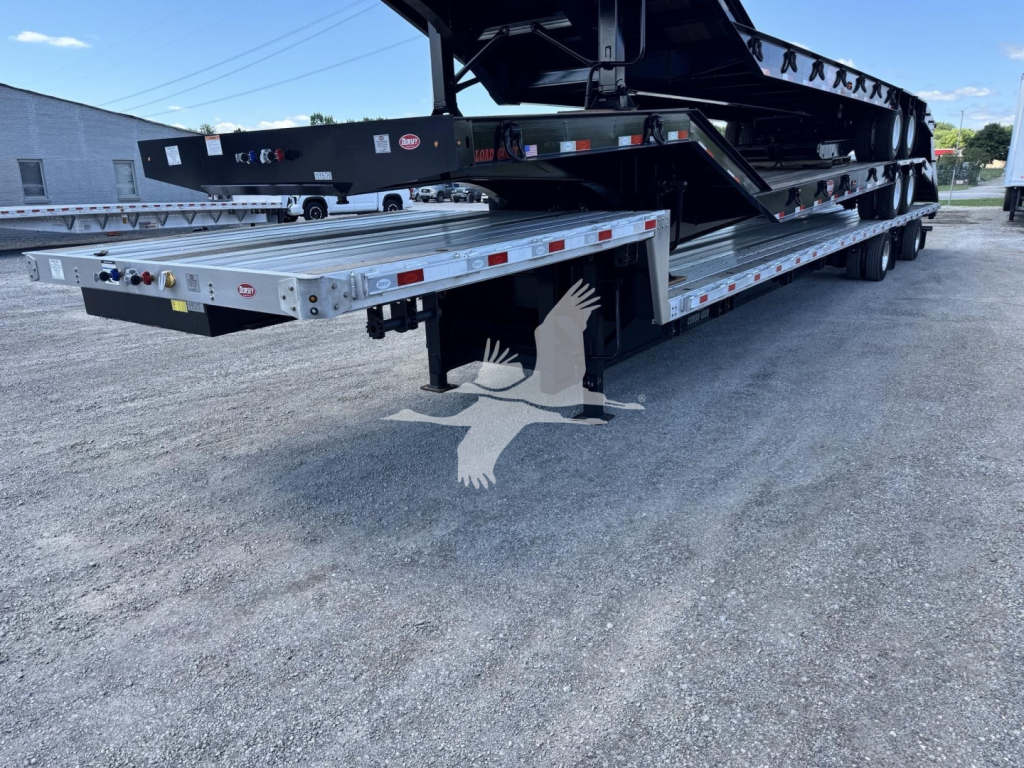
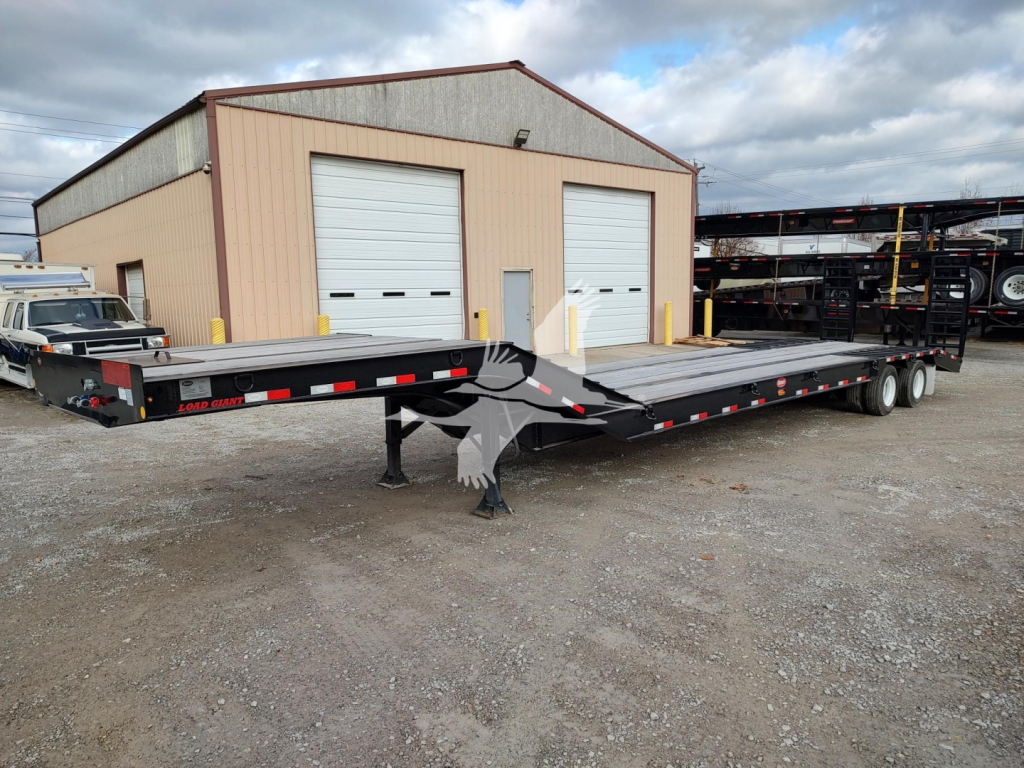
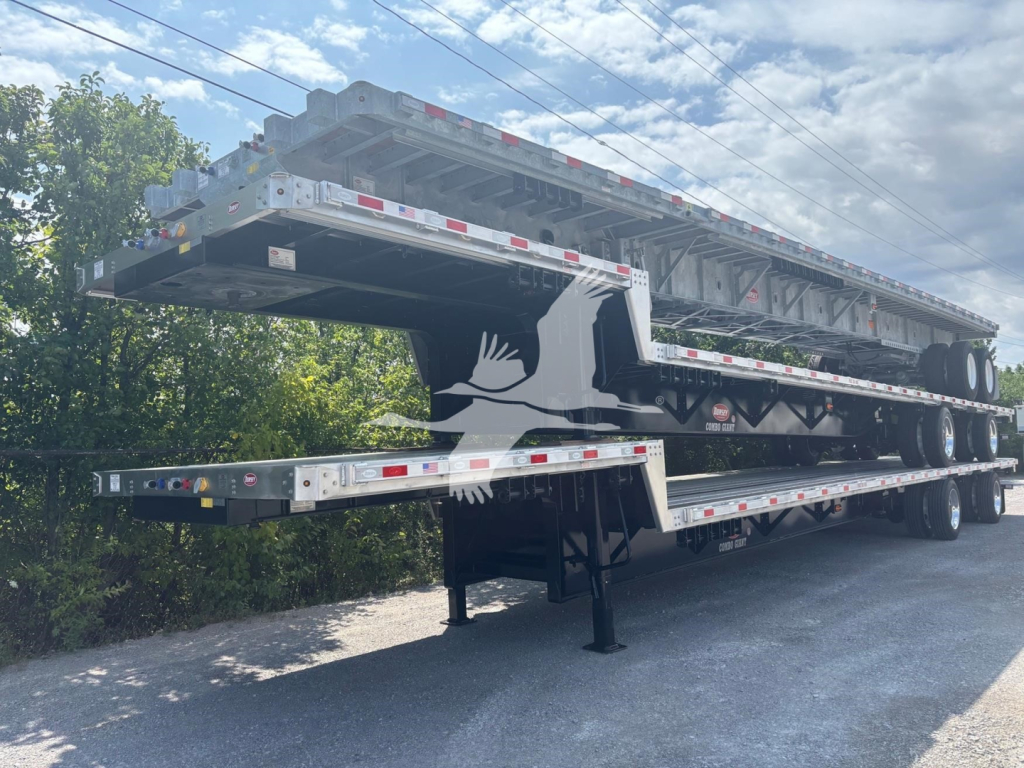
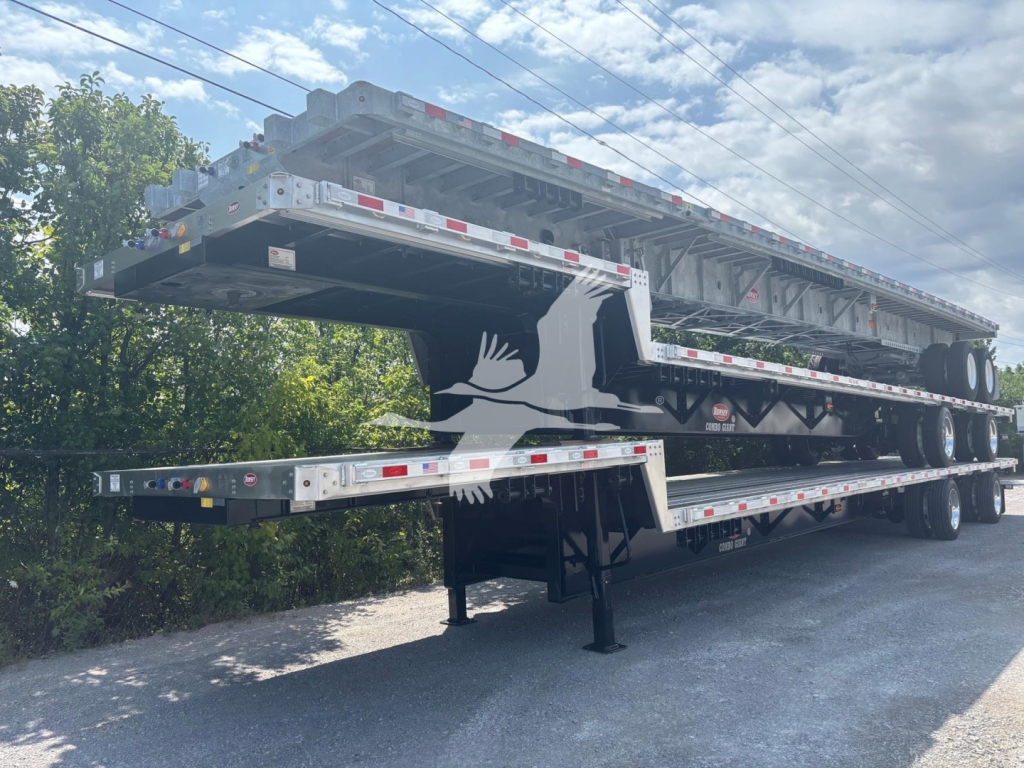
A standard Dorsey drop deck, also known as a step deck trailer, is built to lower cargo height while keeping legal width and workable top deck space ahead of the drop. Common specs in this group include 102-inch width, top decks around 10 to 14 feet, and main decks that range from about 27 feet on heavy equipment configurations to more than 40 feet on freight-oriented trailers. Loaded deck height matters because it directly affects legal load height and loading angle. Freight-focused models may sit around 41 inches loaded, while heavier equipment trailers can be closer to 33 inches loaded for better machine clearance and a flatter approach. Flooring is often Apitong on steel-framed models, while combo trailers may use aluminum flooring with nailer strips to save tare weight.
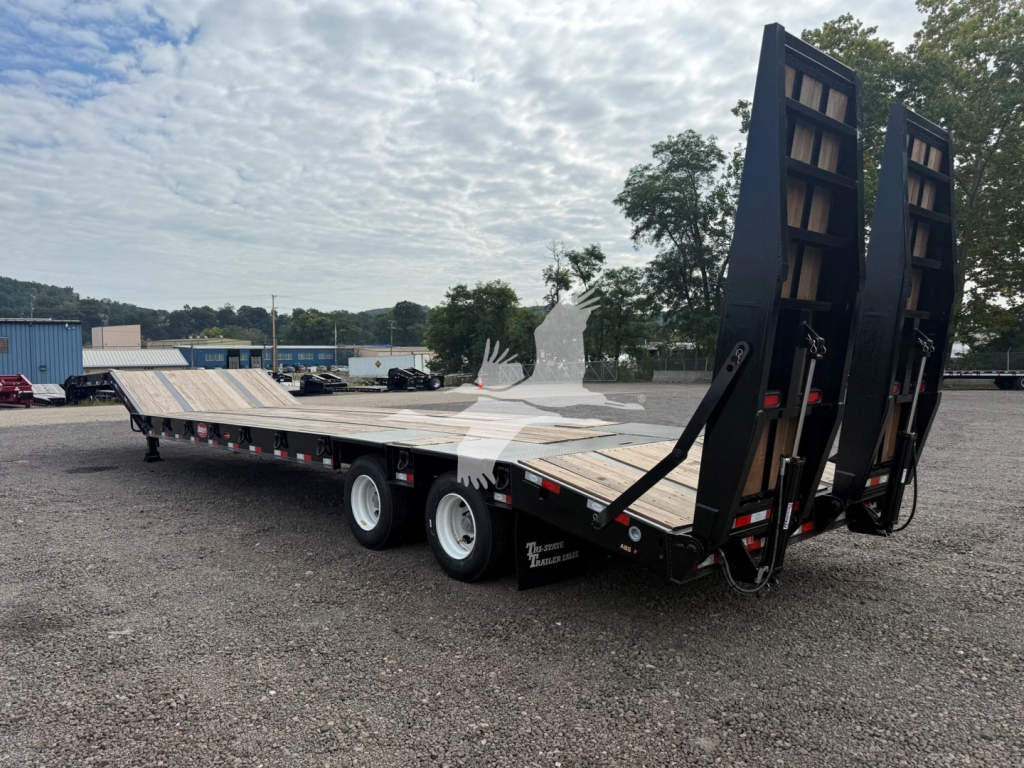
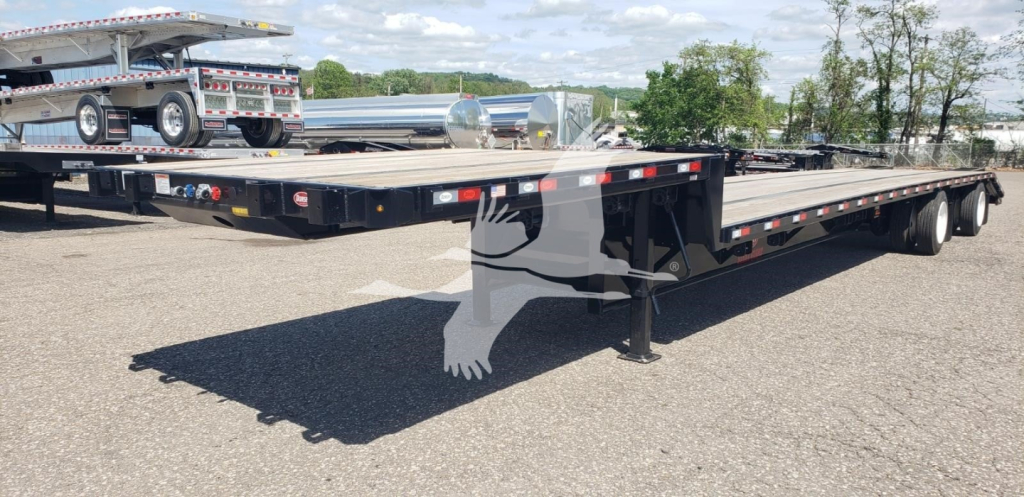
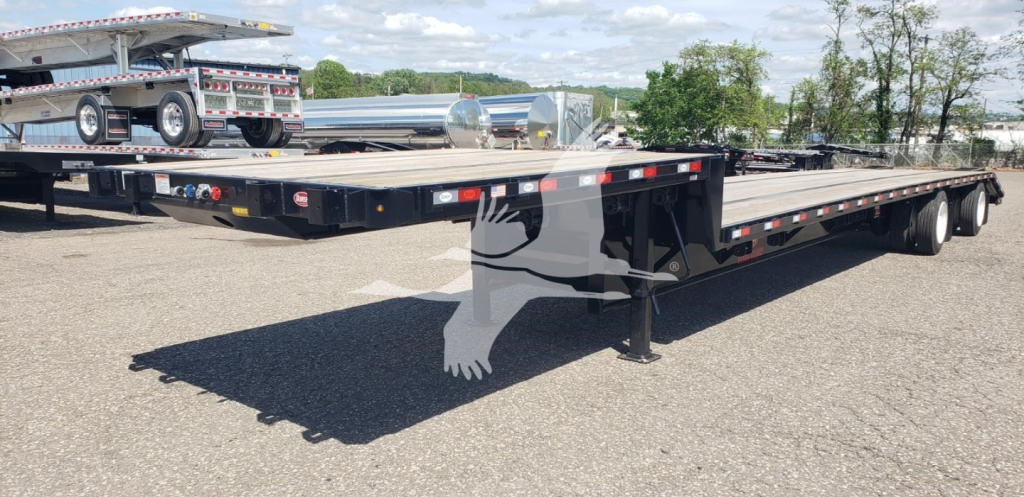
The biggest separator in Dorsey drop deck listings is application. Beavertail models with spring-assisted or hydraulic ramps are set up for skid steers, compact excavators, forklifts, and other self-loading equipment. Look closely at ramp width, ramp length, and whether the beavertail is steel with traction bars or wood-filled, because those details affect traction, approach angle, and durability under tracked machines. Heavy-duty models in the 35-ton class typically add fabricated I-beam construction, tighter crossmember spacing, substantial kingpin plate structure, swing clearance details, and multiple D-ring tie-down points instead of a winch-track freight setup. By contrast, combo drop decks and freight step decks lean toward chain tie-downs, sliding winches, pipe spools, coil package options, and lower empty weight for better payload flexibility.
Suspension, axle setting, and tie-down layout deserve as much attention as deck dimensions. Air ride suspensions such as Hendrickson Intraax or HT-series setups are common on freight and combination trailers where ride quality and cargo protection matter, while spring ride is still a solid fit on dedicated equipment haulers that prioritize simplicity and durability. Check tandem spread or closed settings if bridge laws or California compliance matter to your operation. Also review kingpin setting, crossmember centers, side rail design, dump valve configuration, and wheel-tire package, since these details affect turning clearance, load securement options, serviceability, and how the trailer tracks under varying load positions. For Ohio buyers, year-round weather and mixed highway-jobsite use make traction-bar beavertails, robust lighting, corrosion-conscious material choices, and easy-to-service running gear especially relevant.
Frequently Asked Questions about New 2027 Dorsey Drop Deck Trailers in Ohio
What is the difference between a Dorsey drop deck and a Dorsey beavertail drop deck?
A standard Dorsey drop deck is designed primarily for freight that benefits from lower deck height, longer usable main deck space, and flexible securement options like winch tracks and chain ties. A Dorsey beavertail drop deck adds a sloped rear section and ramps, which makes it better suited for self-loading equipment such as skid steers, scissor lifts, and small construction machines. The beavertail and ramp setup reduce loading angle and improve loading efficiency, but they can slightly change usable deck space and rear cargo placement.
What deck height should I look for in a new 2027 Dorsey drop deck trailer?
Deck height should be chosen based on cargo height and loading method. A lower loaded deck height, such as the low-30-inch range on heavy equipment configurations, helps keep taller machines legal and improves ramp angle during loading. A higher deck height, often around the low-40-inch range on general freight step decks, is common when payload flexibility and a more conventional freight setup matter more than equipment loading geometry. Buyers hauling mixed freight should compare deck height with top deck length, tire size, and suspension type before deciding.
Are air ride or spring ride suspensions better on a Dorsey drop deck?
Air ride is usually preferred for general freight, finished equipment, and operations that want better ride quality and cargo protection. It also helps with dock transitions and can improve trailer behavior over uneven pavement. Spring ride remains a strong choice for dedicated equipment hauling because it is simple, durable, and familiar to maintain. The better option depends on cargo sensitivity, maintenance preferences, and how much time the trailer will spend on rough jobsites versus interstate lanes.
What features matter most on a heavy-haul style Dorsey drop deck?
On a heavier equipment-oriented Dorsey drop deck, the key details are main beam construction, rated capacity, loaded deck height, ramp design, D-ring placement, and crossmember spacing. Buyers should also pay attention to swing clearance, kingpin setting, wheel well coverage, and the type of flooring used on the deck and beavertail. These features affect how safely the trailer handles concentrated loads, how easily machines can be loaded, and how well the trailer stands up to repeated equipment use.
What securement setup is best on a Dorsey drop deck for freight hauling?
For freight-focused hauling, a practical securement package often includes sliding winches, winch track, pipe spools, chain tie-downs, and side rails that accept common hooks and strap hardware. A coil package can be important for steel-hauling applications, while aluminum and combo constructions can help reduce empty weight and preserve payload. The best setup depends on whether the trailer will carry palletized freight, building materials, steel products, machinery, or a mix of cargo types.