
New 2027 Dorsey Drop Deck Trailers For Sale
Shop new 2027 Dorsey drop deck trailers with beavertail options, air ride suspension, Apitong floors, and heavy-duty securement features.
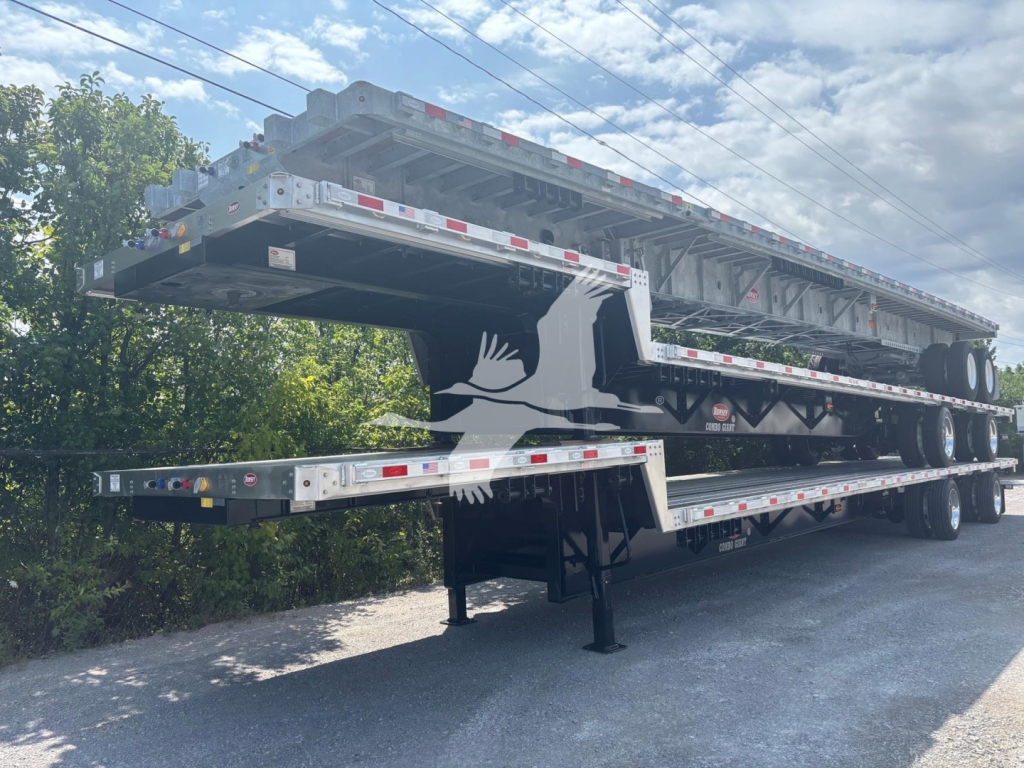
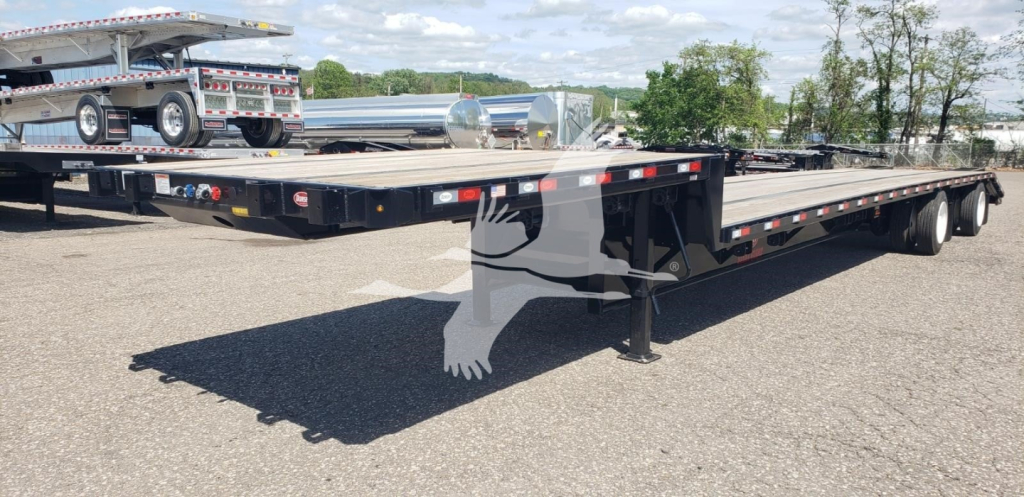
Selling a new 2027 dorsey drop deck trailer? List your new 2027 dorsey drop deck trailer for sale and reach thousands of commercial buyers.
New 2027 Dorsey Drop Deck Trailers
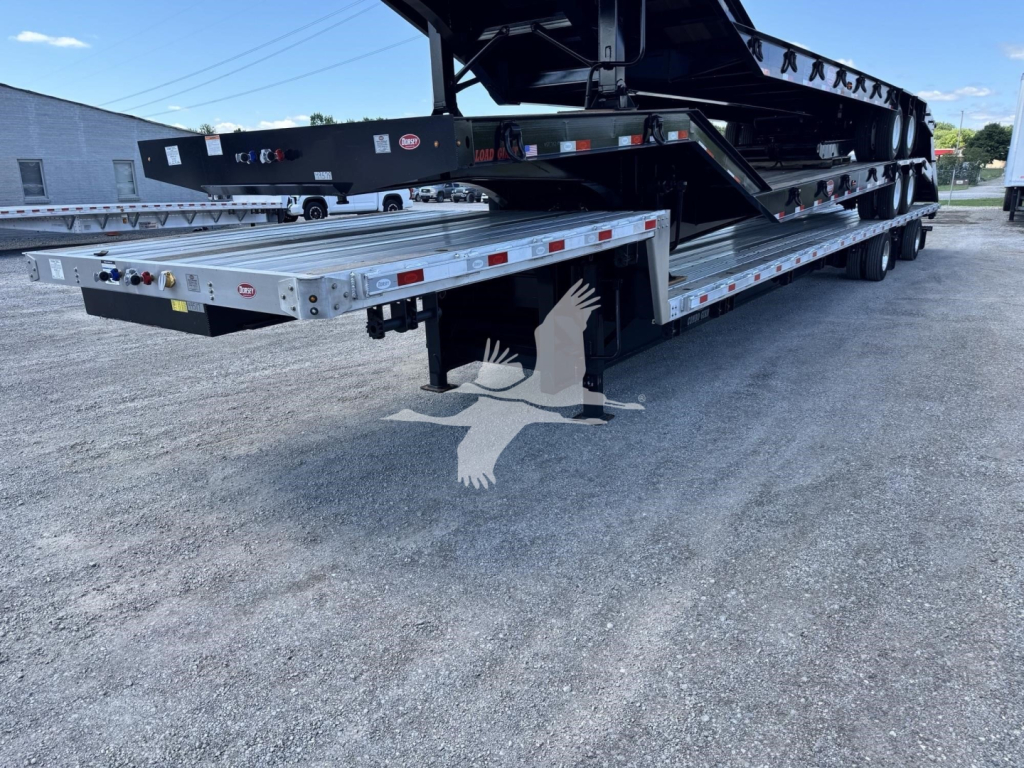
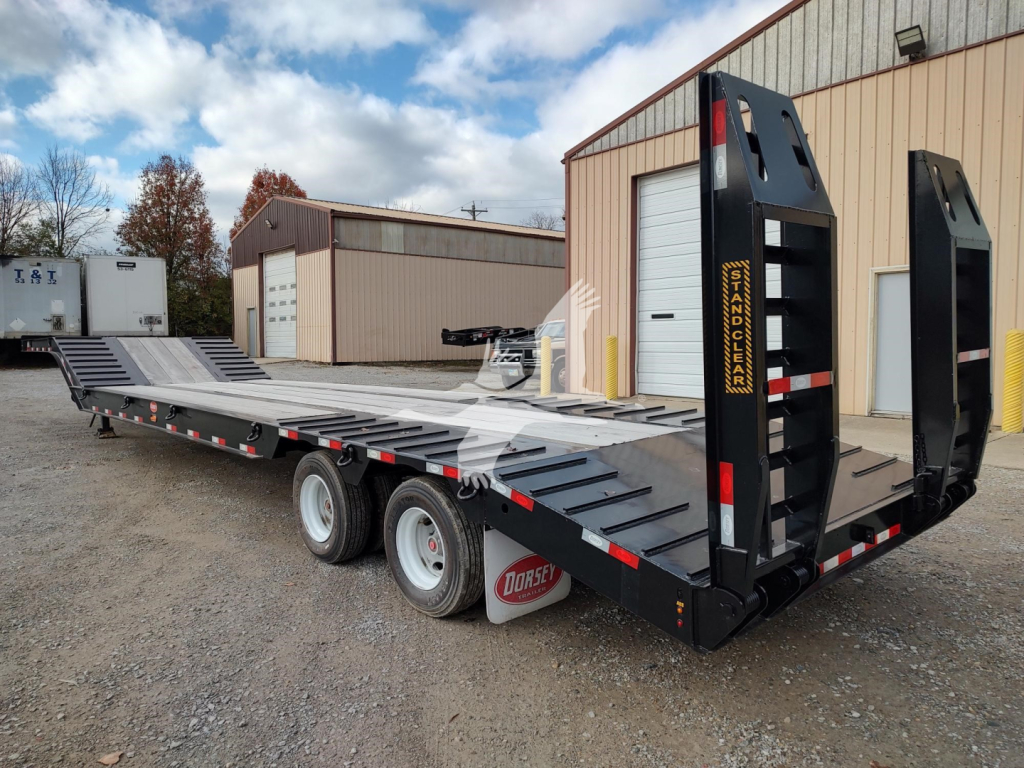
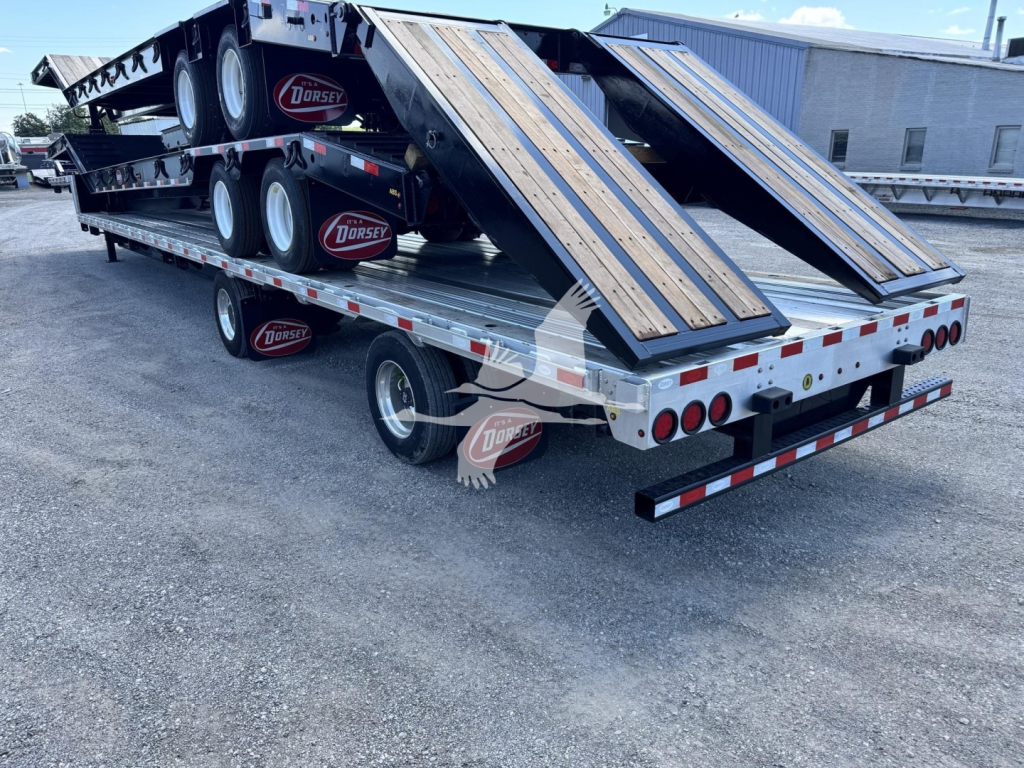
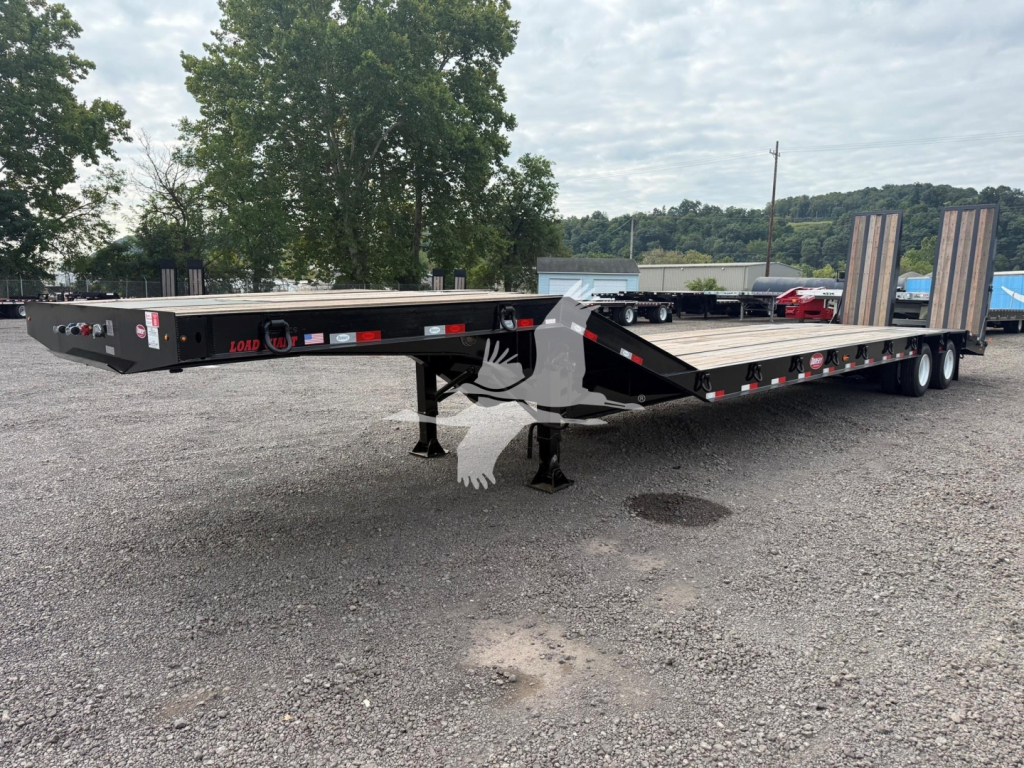
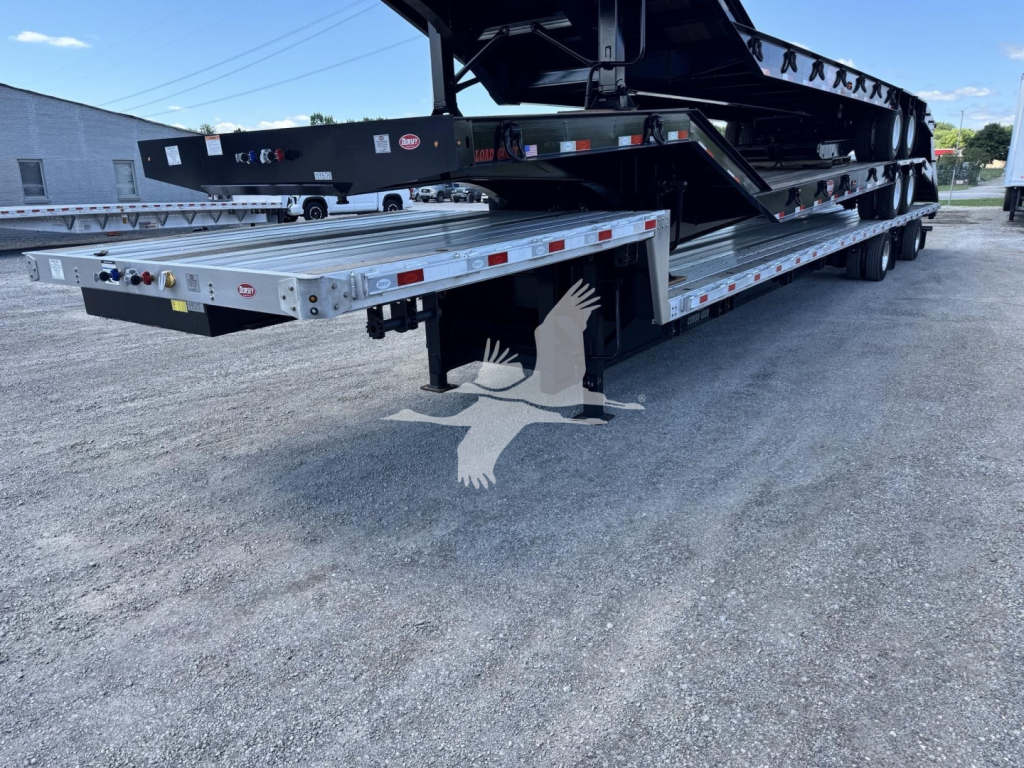
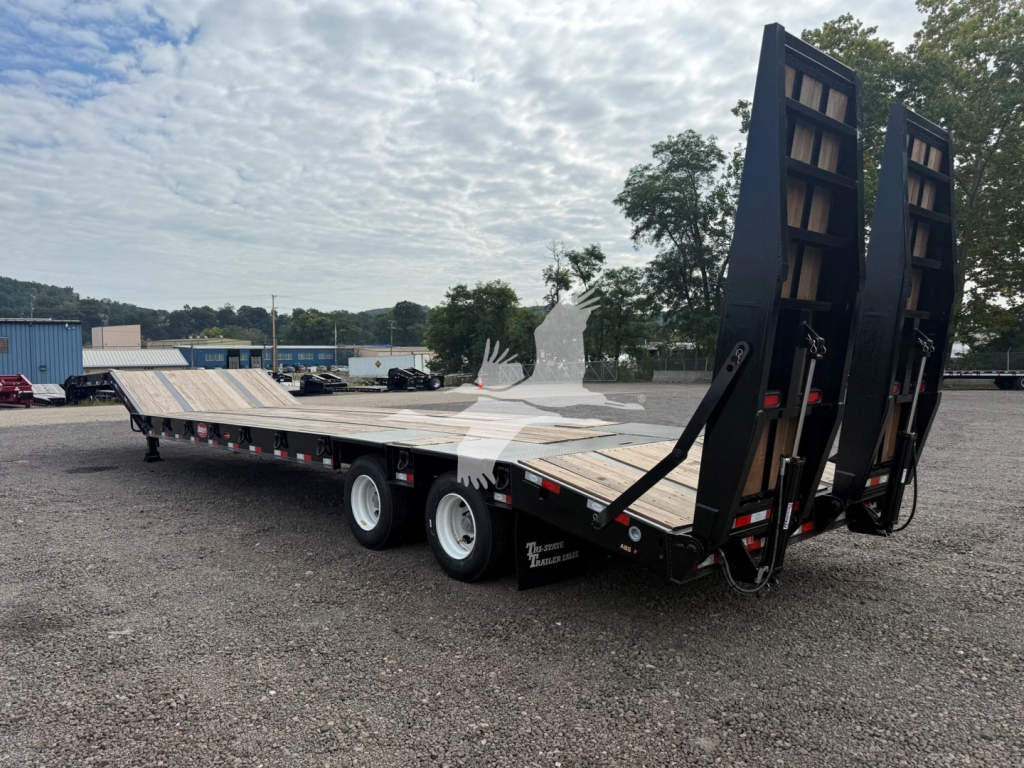
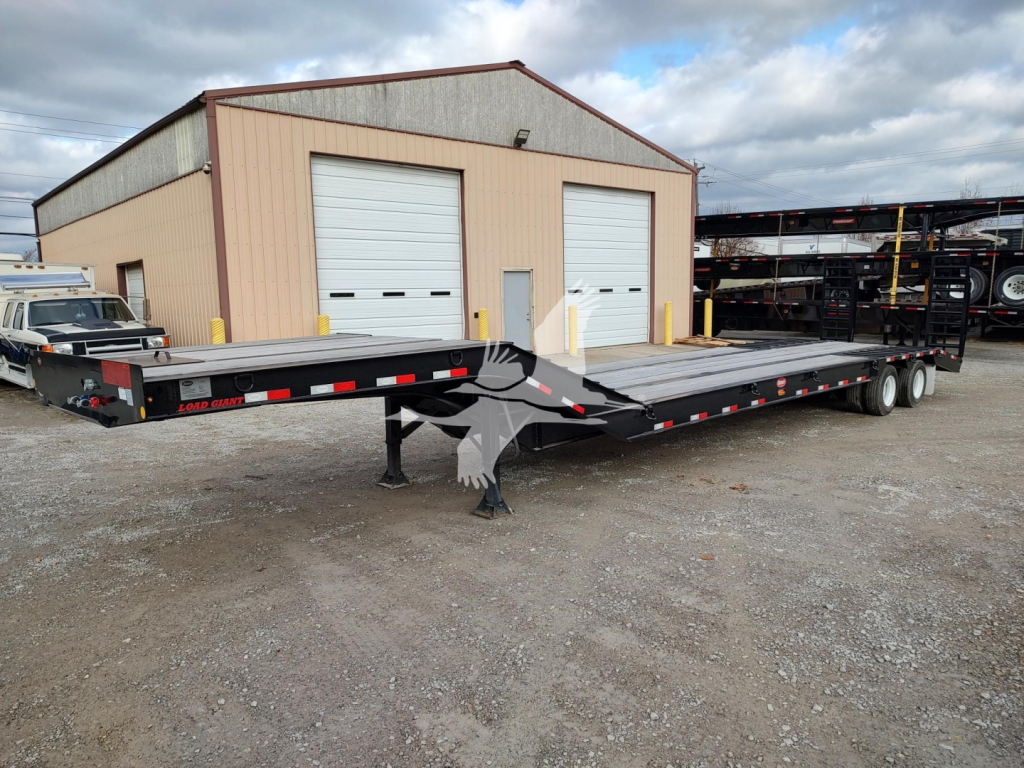
One of the first buying decisions is deck configuration. Many Dorsey units in this class are set up as beavertail drop decks, which adds a tapered rear section and spring-assisted ramps for easier loading of forklifts, skid steers, small construction equipment, and other wheeled machines. A steel beavertail with traction bars improves loading grip, while a wood floor such as 1 1/8-inch Apitong remains a preferred spec for durability, repairability, and securement performance. Main deck height matters because a few inches can change what runs legally without permits, so buyers should compare unloaded and loaded deck height closely if they haul taller equipment or stacked freight.
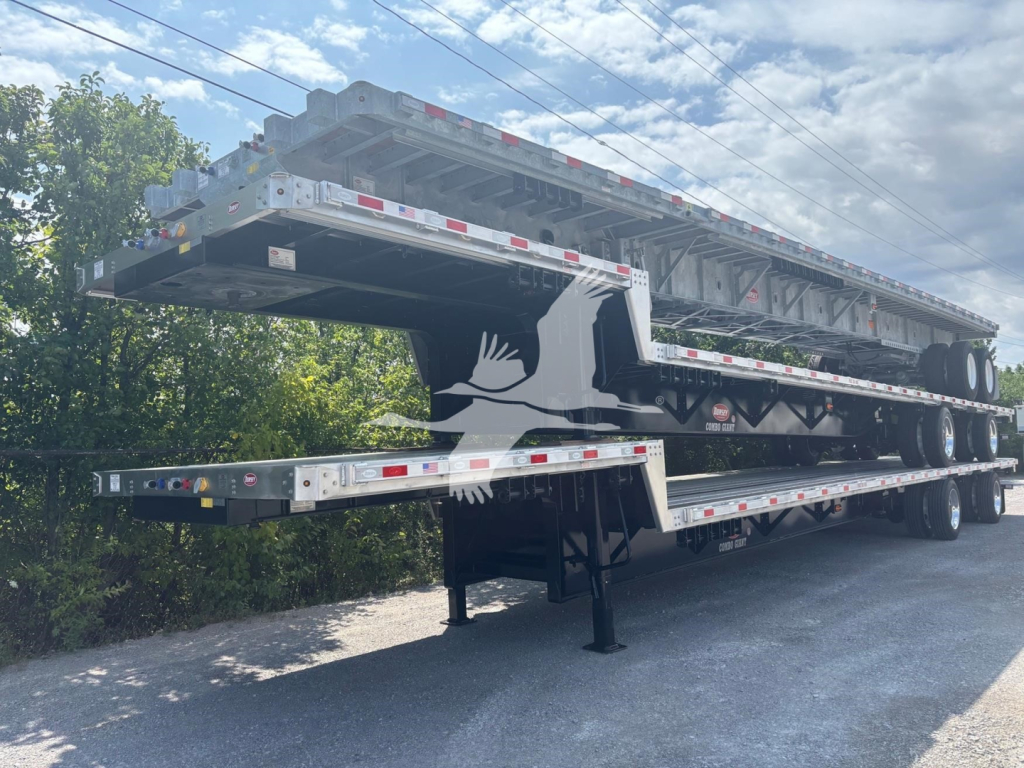
Under the trailer, the details drive long-term usefulness. Common specs in this category include tandem axles, air ride suspension such as Hendrickson Intraax, manual dump valves, two-speed landing gear, and kingpin settings around 24 inches. Crossmember spacing is worth attention, especially on the main deck where tighter centers support concentrated loads better. Securement equipment is equally important. Winch tracks, sliding winches, double pipe spools, deep side rails that accept flat hooks, and a practical number of LED side and rear lights all make a difference for daily operation. Buyers hauling machinery should also look at ramp length, future ramp provisions, and how the rear frame is built if repeated drive-on loading is part of the job.
For buyers comparing new 2027 Dorsey drop deck trailers for sale, the real question is how the trailer matches the freight mix. A lighter trailer around the 14,000-pound range can help preserve payload, but capacity ratings, axle spacing, and deck strength still need to line up with the loads you book most often. Dorsey has long been a recognizable name in platform trailers, and their drop deck designs are typically aimed at operators who want a straightforward steel trailer with practical specs for open-deck work. If the lane mix includes general freight one week and equipment the next, a beavertail drop deck with air ride, solid securement hardware, and a durable wood deck is one of the most versatile trailer types on the road.
Frequently Asked Questions about New 2027 Dorsey Drop Deck Trailers
What is the difference between a drop deck trailer and a flatbed trailer?
A drop deck trailer, also called a step deck trailer, has two deck levels instead of one continuous flat deck. The lower main deck sits below the height of a standard flatbed deck, which allows taller freight to move while staying within legal overall height in many applications. That makes a drop deck a better fit for machinery, crated equipment, and other loads that would ride too tall on a conventional flatbed.
Why choose a beavertail drop deck trailer?
A beavertail drop deck adds a sloped rear section, often paired with loading ramps, so wheeled or tracked equipment can be loaded more easily than on a straight rear deck. This setup is useful for skid steers, forklifts, compact construction equipment, and similar freight. It can reduce loading time and improve loading angles, but buyers should still confirm ramp strength, traction surface, and rear frame durability for the equipment they intend to haul.
What specs matter most on a new Dorsey drop deck trailer?
The most important specs are overall length, upper deck length, main deck length, loaded deck height, axle and suspension rating, trailer weight, and securement equipment. Buyers should also pay close attention to floor material, crossmember spacing, kingpin setting, winch track style, number of sliding winches, and whether the trailer includes ramps or future ramp provisions. These details affect legal load height, payload, loading efficiency, and day-to-day versatility.
Is air ride suspension worth it on a drop deck trailer?
Air ride suspension is a common and valuable spec on a drop deck because it improves ride quality for both freight and trailer structure. It helps protect sensitive cargo, reduces shock transfer, and can improve loading and docking flexibility when paired with a dump valve. For operators hauling machinery, palletized freight, or mixed open-deck loads, air ride is often preferred over mechanical suspension for overall versatility and cargo protection.
How do I know if a 53-foot Dorsey drop deck is the right size for my operation?
A 53-foot drop deck is a strong fit for carriers that need maximum deck space for general open-deck freight while still handling taller cargo than a flatbed allows. It works well for longer loads, multiple partials, and mixed freight that benefits from both an upper deck and a long lower deck. The right size depends on your regular freight profile, route restrictions, weight distribution needs, and whether your operation requires ramps or a beavertail for self-loading equipment.