
New Dorsey Drop Deck Trailers For Sale
Shop new Dorsey drop deck trailers with beavertail options, air ride suspension, Apitong floors, and heavy-duty specs for taller freight.
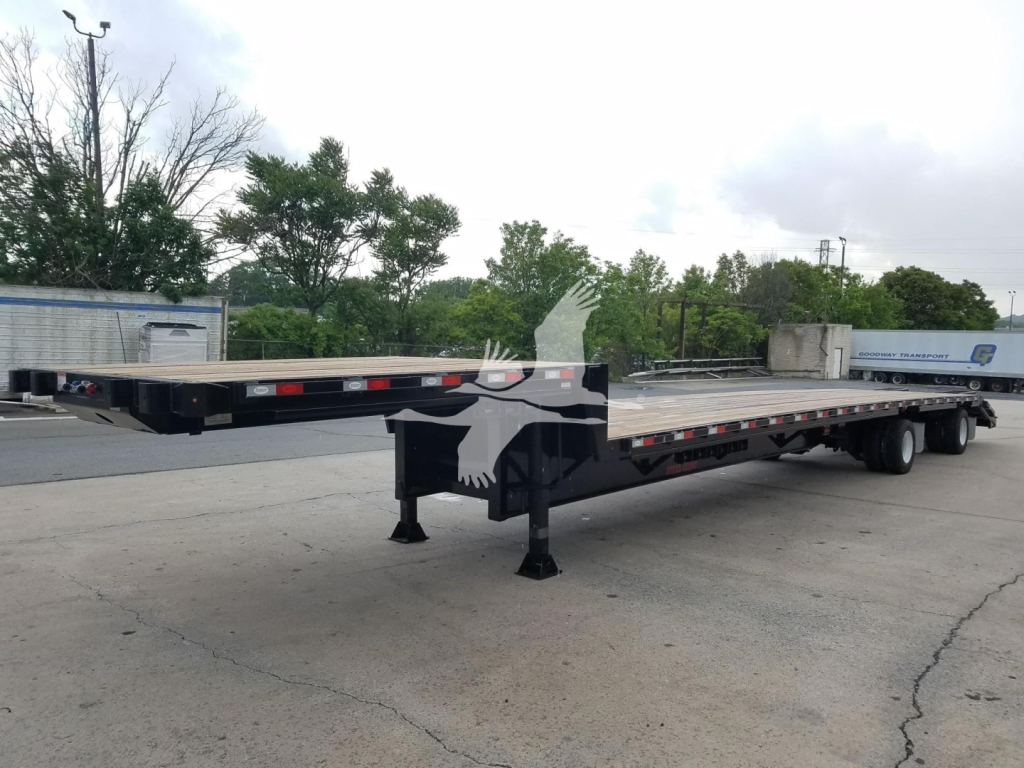
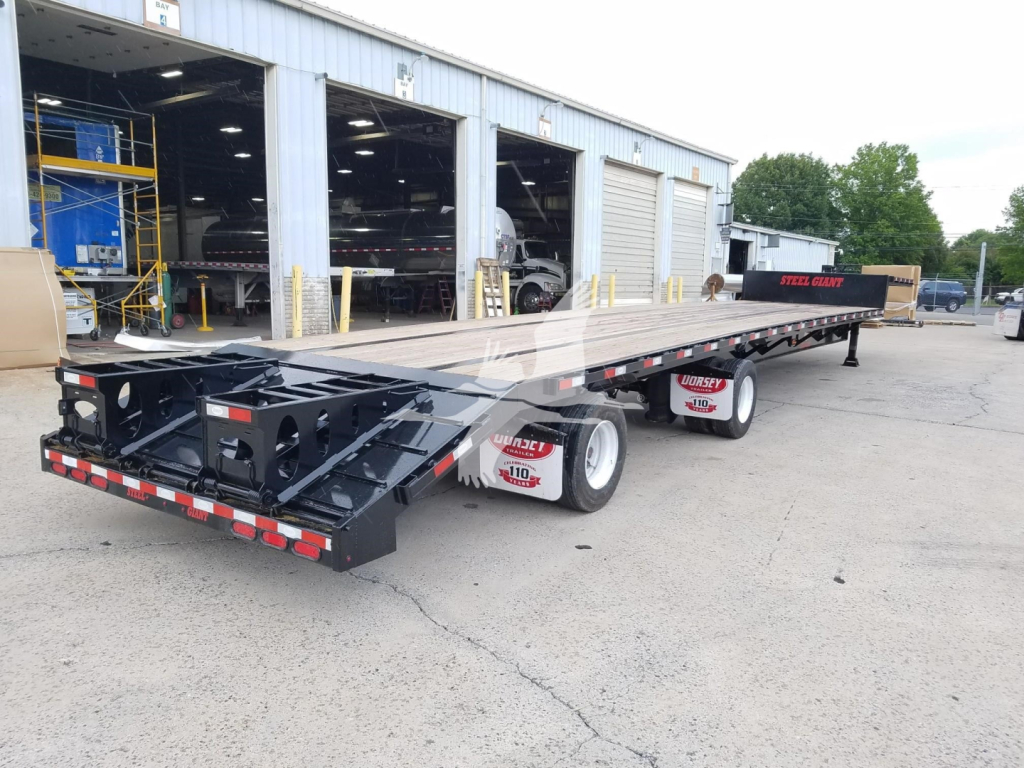
Selling a new dorsey drop deck trailer? List your new dorsey drop deck trailer for sale and reach thousands of commercial buyers.
New Dorsey Drop Deck Trailers
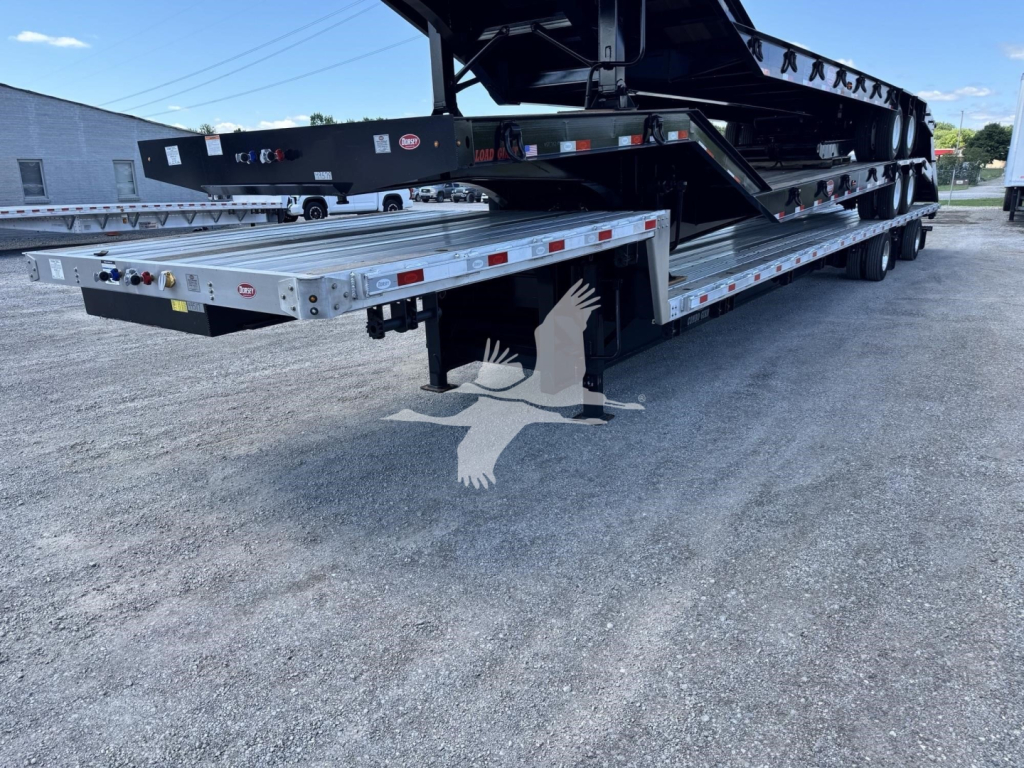
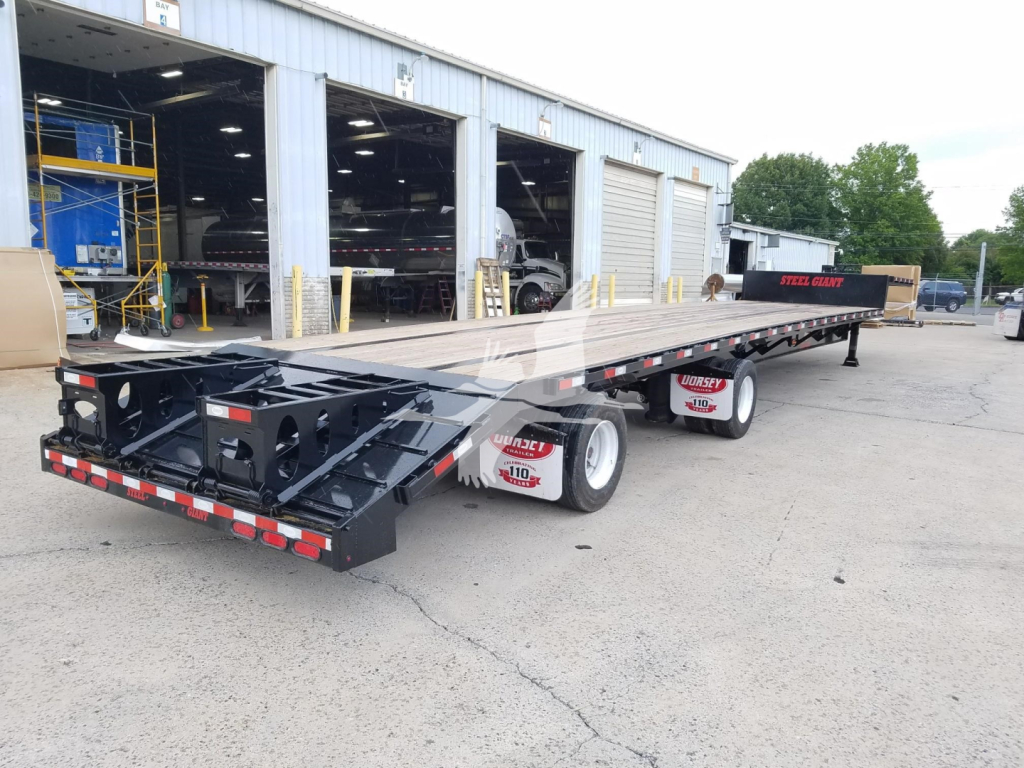
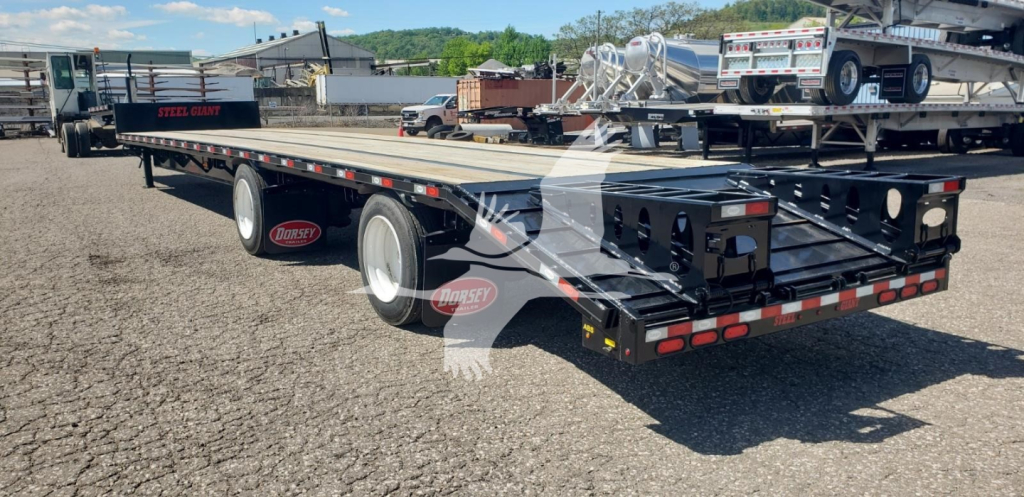
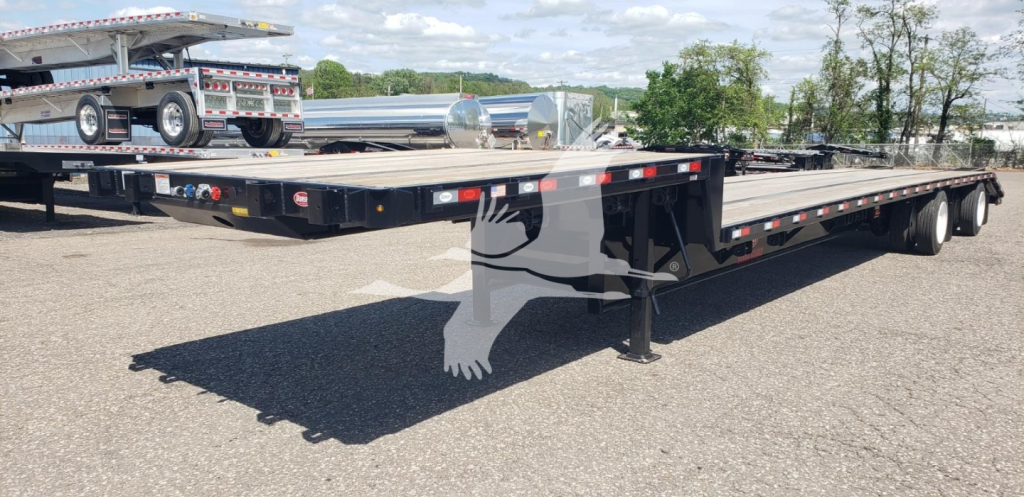
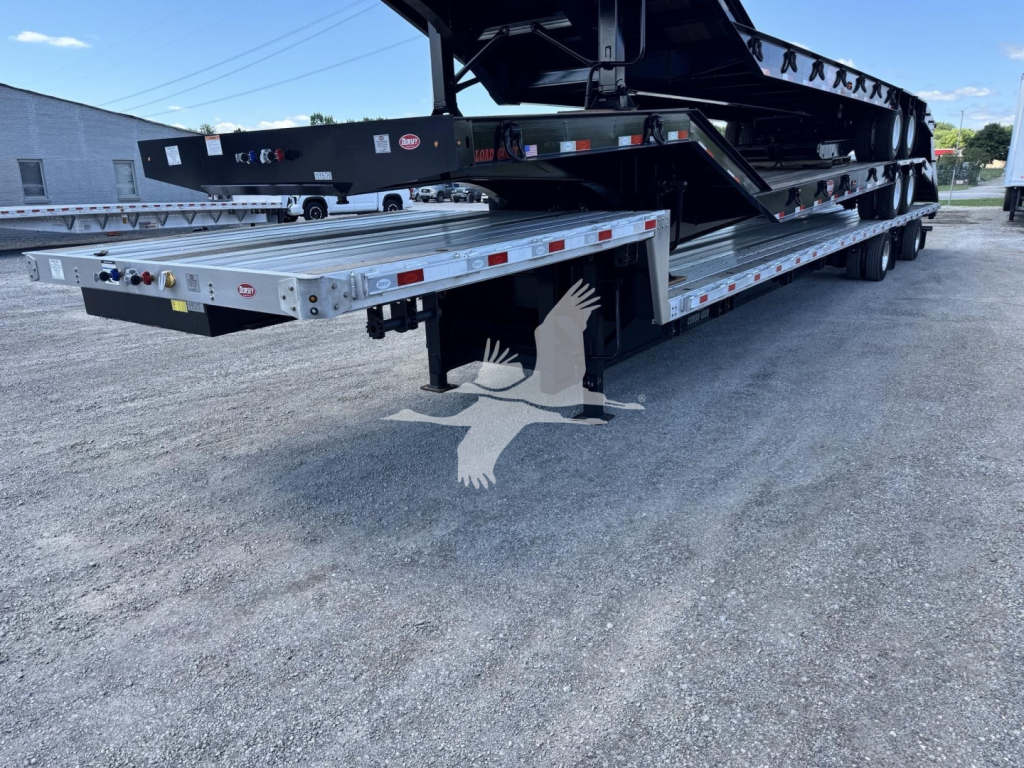
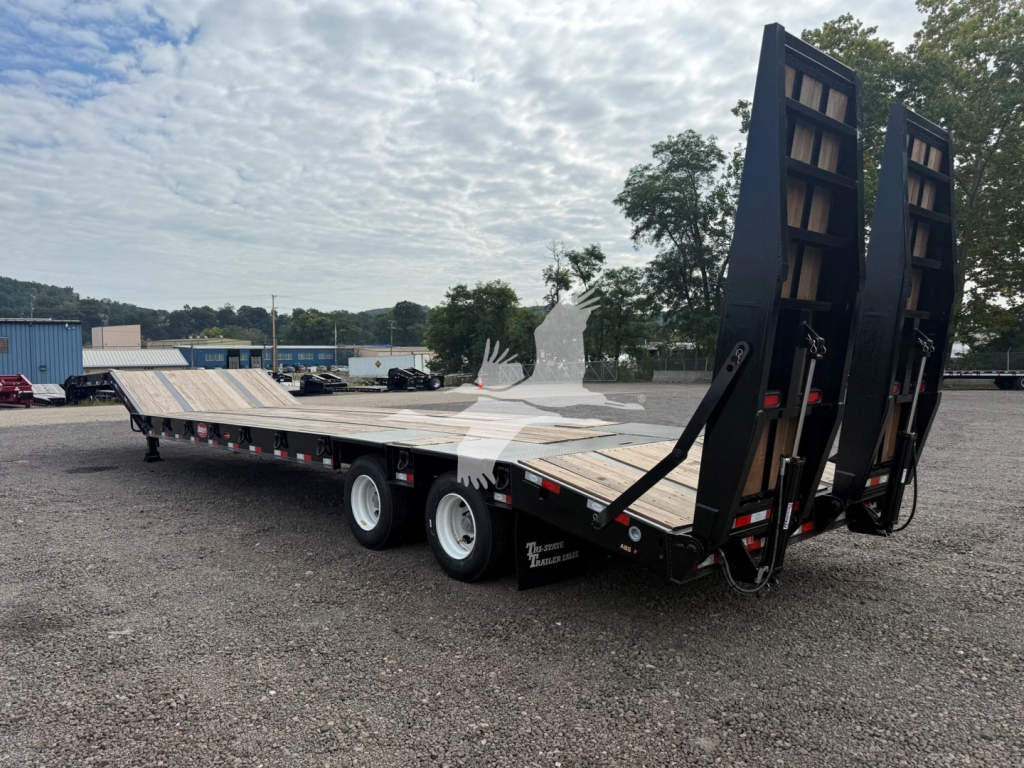
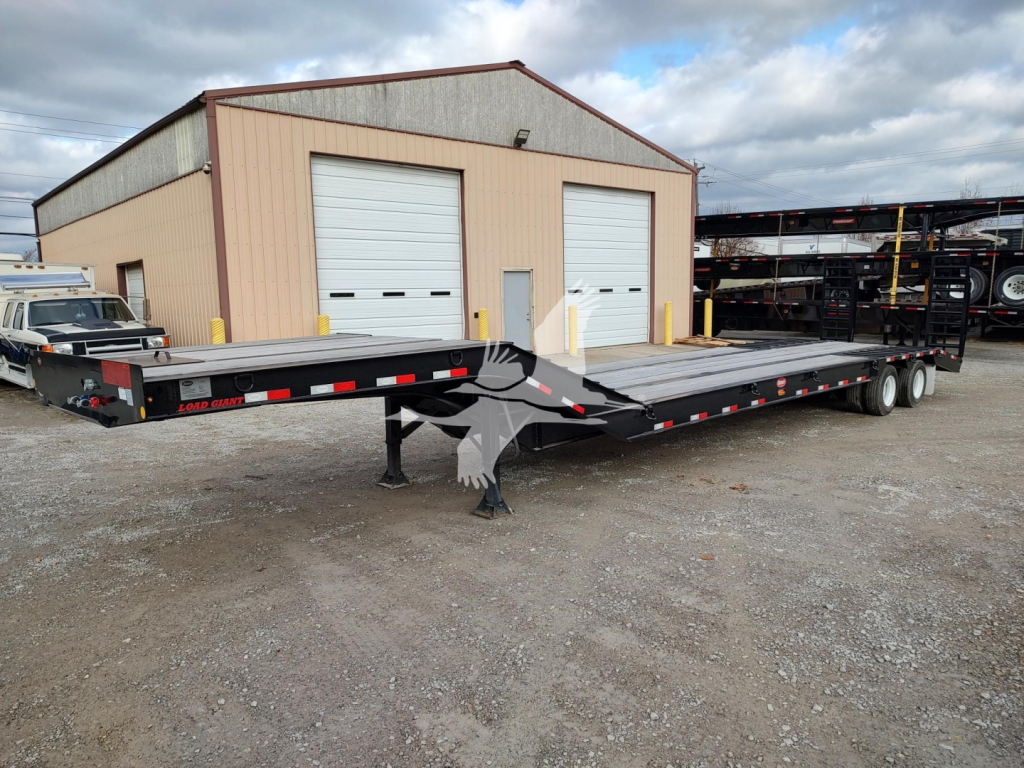
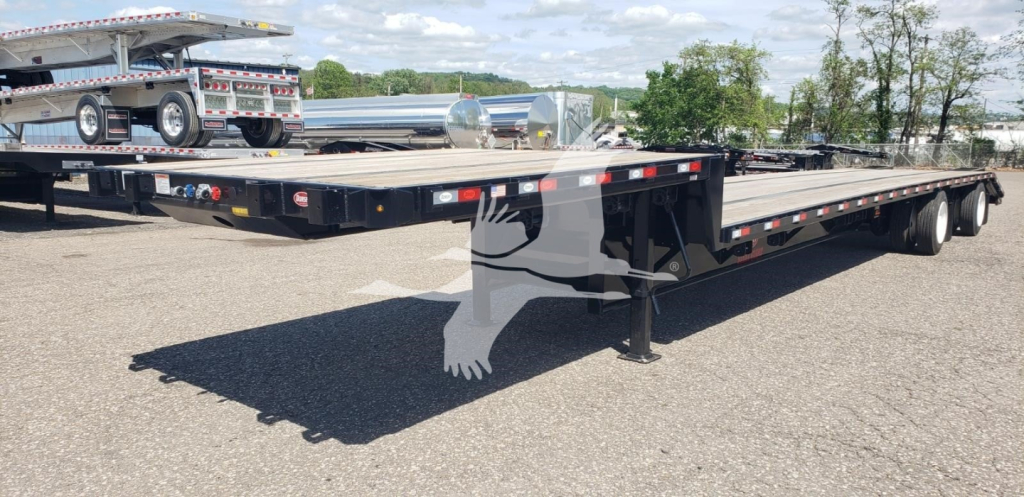
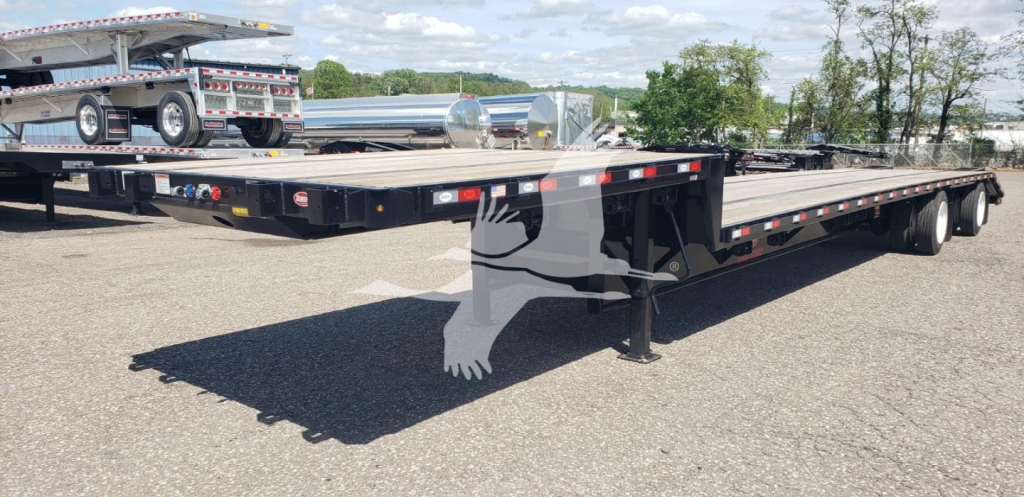
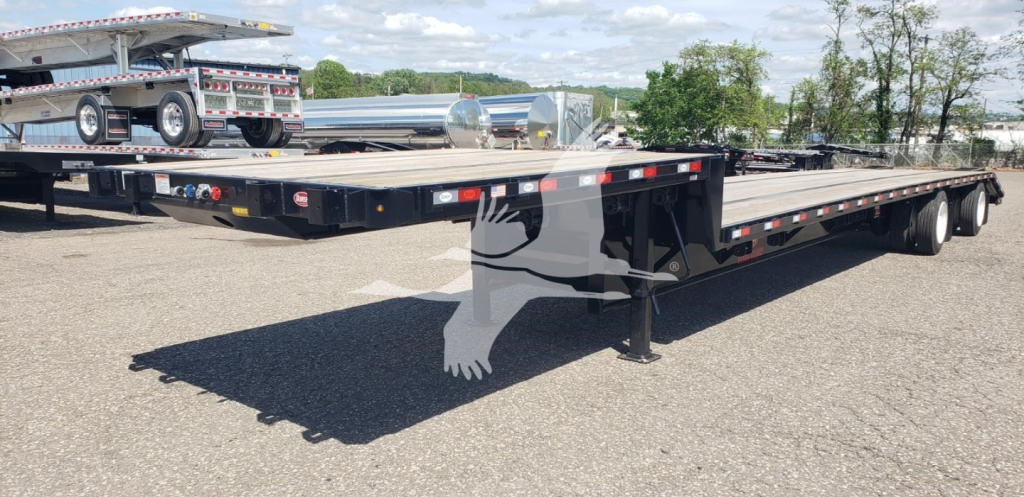
On new Dorsey drop deck trailers, common buyer priorities are loaded deck height, weight, and tie-down layout. The sample units show main deck heights in the 37-inch to 41-inch range, which can make a meaningful difference when you are trying to stay legal on taller loads. Trailer weight around 13,990 pounds is a practical number for operators balancing payload against durability. Features such as 1 1/8-inch Apitong flooring, steel front and rear members, steel side rails, double pipe spools, roadside winch track, and sliding winches are the kind of specifications that matter in daily securement work. A deep side rail that accepts flat hooks can save time and reduce frustration when switching between chain and strap applications.
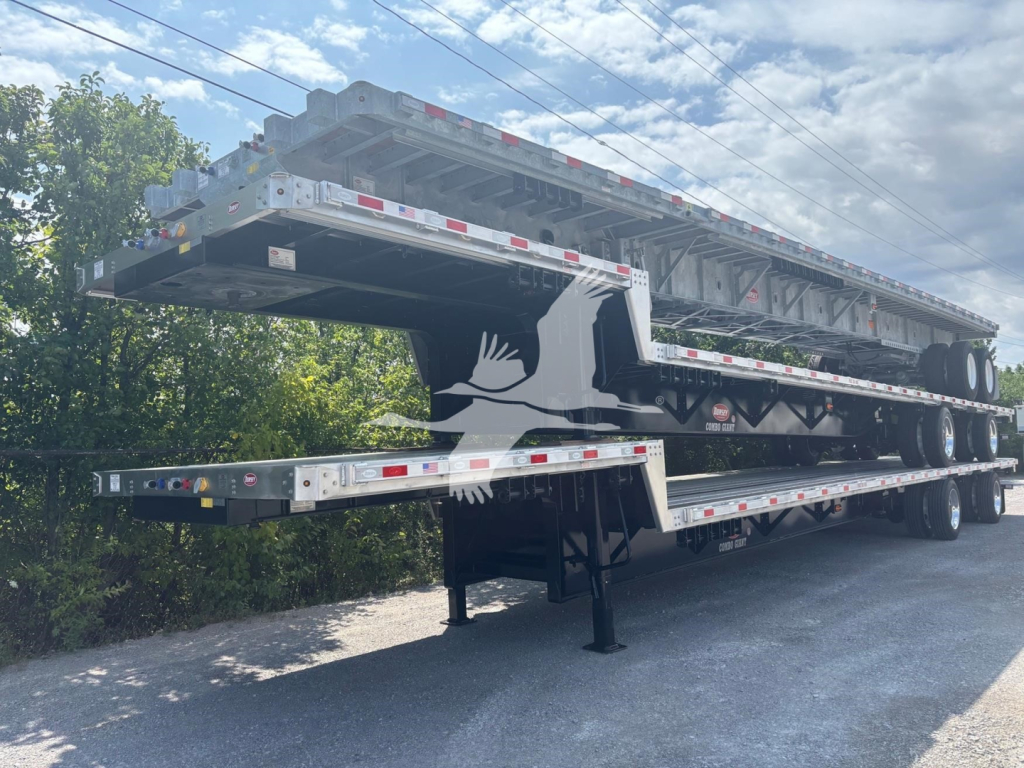
Suspension and axle package are just as important as deck layout. Many new Dorsey step deck trailers are spec'd as tandem axle units with air ride suspension, often using a Hendrickson Intraax setup in the 23,000-pound class per axle. A manual dump valve helps during loading and docking, and a kingpin setting around 24 inches is common for tractor compatibility and bridge law planning. Crossmember spacing is worth checking closely. Tighter spacing on the main deck improves floor support under concentrated loads and pays off for buyers hauling forklifts, compact equipment, or denser freight. Tire size can vary by spec, and smaller wheel-end packages may be used to help control deck height.
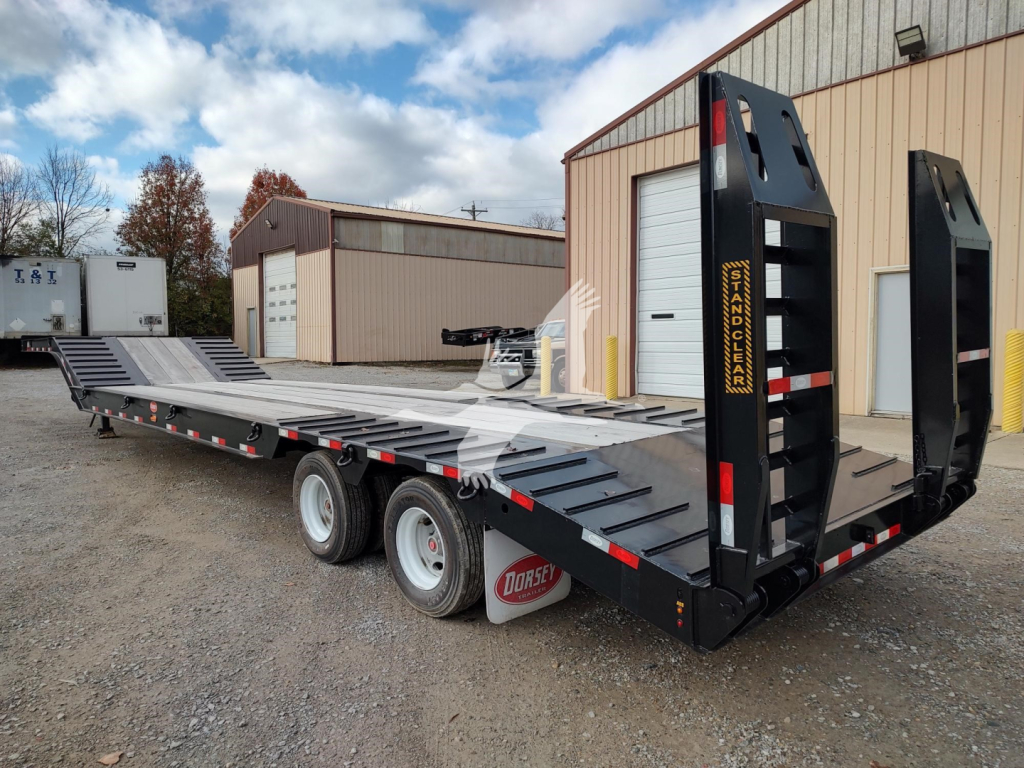
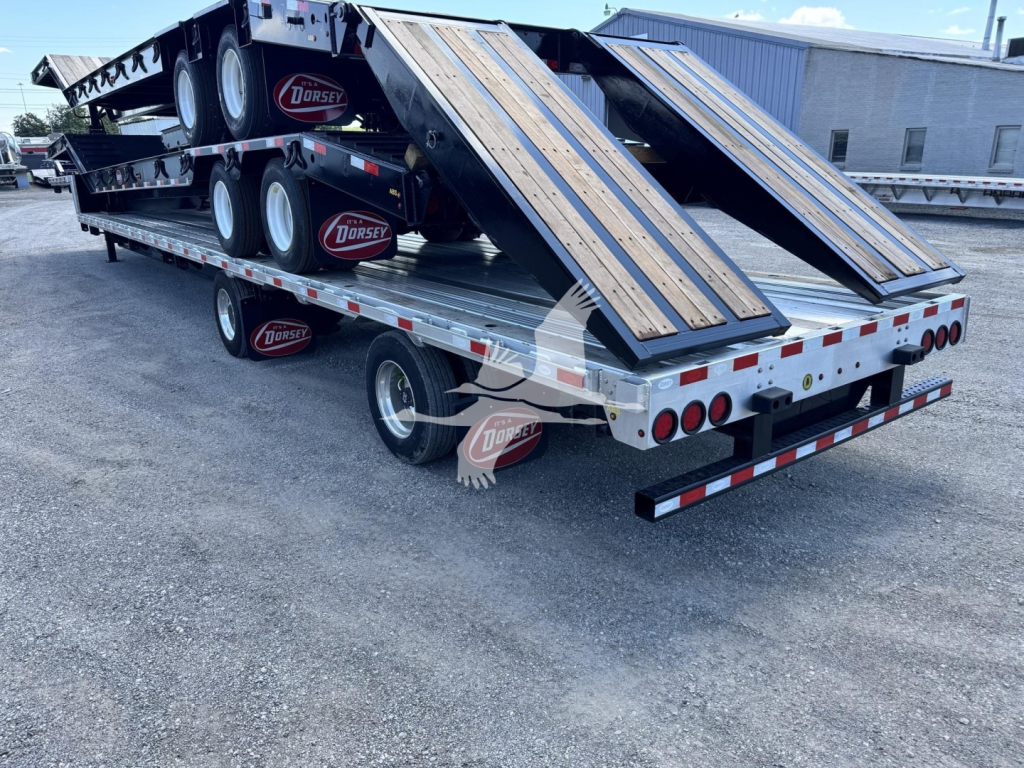
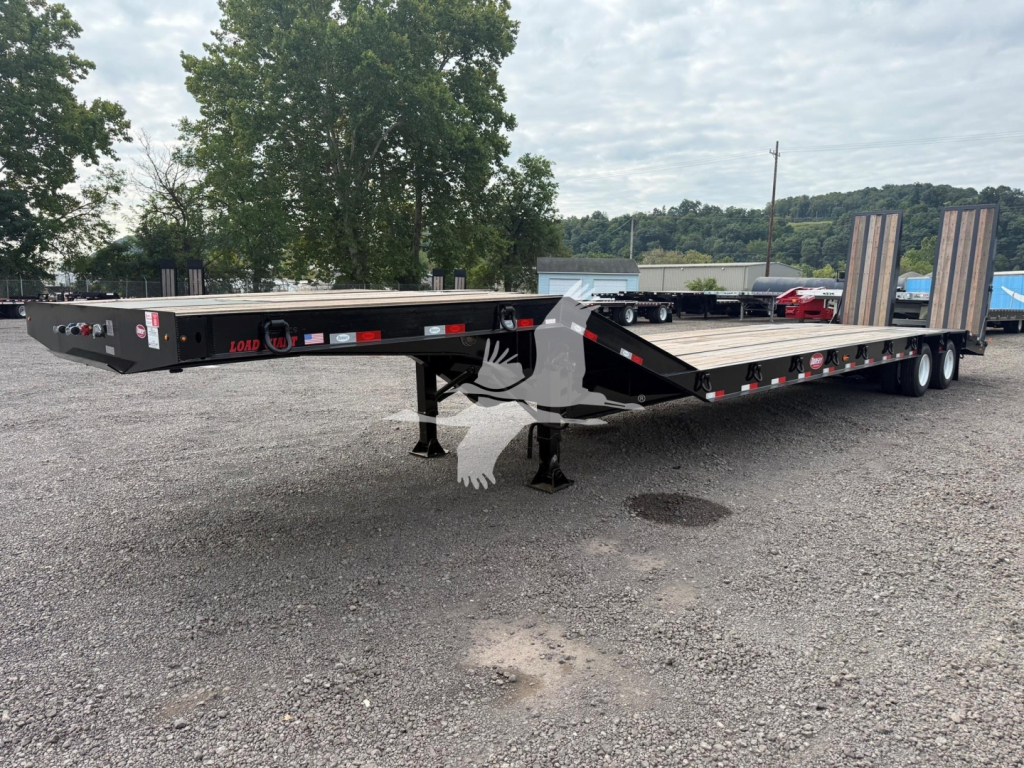
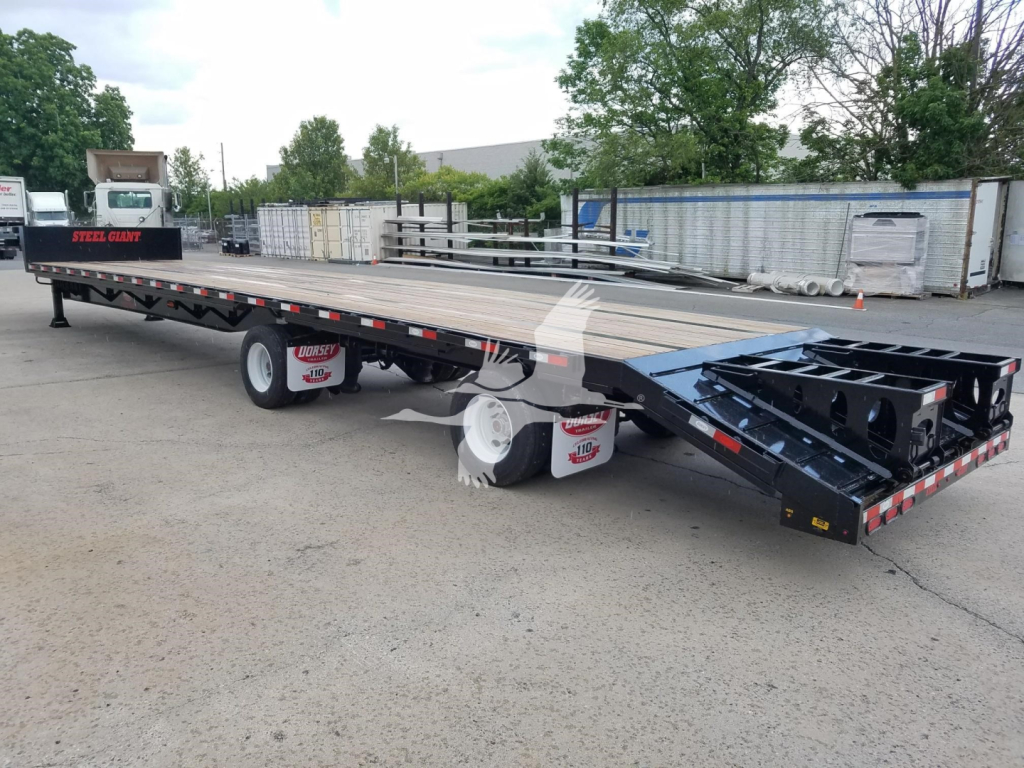
If your work includes self-loading equipment, a Dorsey drop deck beavertail trailer deserves a close look. A steel beavertail with traction bars and spring-assisted ramps is a practical setup for moving skid steers, small lifts, tractors, and other rubber-tire machinery. Buyers should also consider how often they need future flexibility. Details like a center pipe for adding a third ramp later, LED lighting, two-speed landing gear, and a 60,000-pound concentrated rating in 10 feet can have a real effect on long-term usefulness. The right new Dorsey drop deck trailer is usually the one that matches your freight profile first, then balances deck height, securement layout, suspension quality, and empty weight for the lanes you run.
Frequently Asked Questions about New Dorsey Drop Deck Trailers
What is the advantage of a Dorsey drop deck trailer compared with a flatbed?
A Dorsey drop deck trailer gives you a lower main deck height than a standard flatbed, which allows you to haul taller freight while staying within legal height limits more easily. That makes it a strong choice for machinery, crated equipment, building materials, and industrial freight that would be too tall on a conventional flatbed. It also gives more flexibility across mixed freight than a trailer built only for one application.
Why does beavertail design matter on a new drop deck trailer?
A beavertail reduces the loading angle at the rear of the trailer, which is important for equipment with limited ground clearance or shorter wheelbases. On a new Dorsey drop deck, a steel beavertail with traction bars and spring-assisted ramps can make loading safer and faster for skid steers, small tractors, scissor lifts, and similar machinery. Buyers who regularly self-load equipment should treat ramp length, beavertail length, and ramp assist as core specs, not add-ons.
What specs should buyers compare first on a new Dorsey step deck trailer?
Start with main deck height, top deck length, main deck length, trailer weight, and concentrated load rating. After that, compare suspension type, axle rating, crossmember spacing, flooring material, winch track layout, and tie-down hardware. These specs directly affect legal load height, payload capacity, securement options, and how well the trailer handles repeated heavy use. For many operations, deck height and securement layout have more day-to-day impact than cosmetic differences.
Is air ride suspension important on a drop deck trailer?
Air ride suspension is a major benefit for many drop deck applications because it improves ride quality and helps protect sensitive freight from harsh road shock. It also supports better loading control when paired with a dump valve. On equipment trailers and general freight step decks alike, air ride is often preferred over mechanical suspension because it can reduce cargo movement, improve handling, and support a more premium trailer spec for resale.
What kind of freight is a new Dorsey drop deck trailer commonly used for?
Common freight includes construction equipment, forklifts, bundled steel, lumber, pipe, palletized machinery, agricultural equipment, and oversized industrial components. A drop deck trailer is especially useful when the freight is too tall for a flatbed but does not require a lowboy. Units with beavertails and ramps are also well suited for mixed-use operations that alternate between general open-deck freight and drive-on equipment hauling.