
New Dorsey Drop Deck Trailers For Sale in Pennsylvania
Shop new Dorsey drop deck trailers in Pennsylvania. Compare 53-foot steel and combo models, ramp options, deck heights, and securement specs.
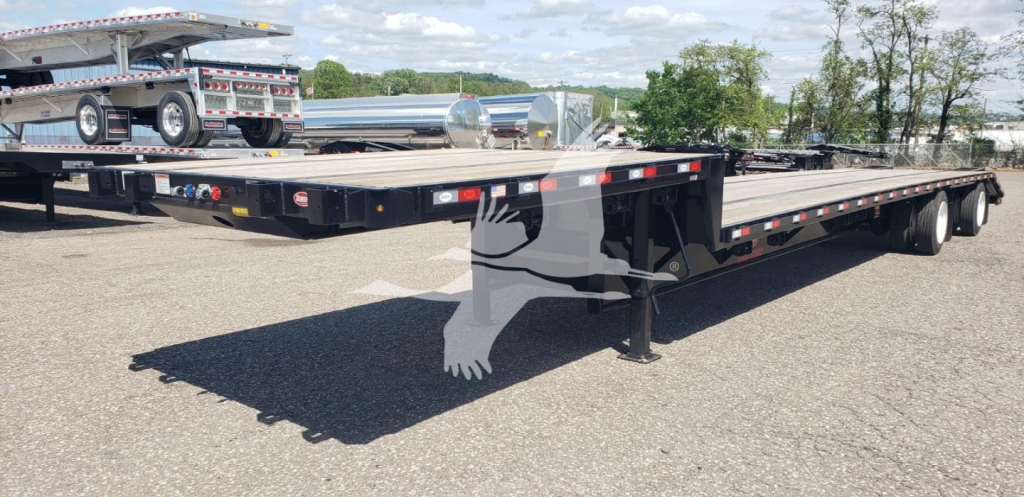
Selling a new dorsey drop deck trailer? List your new dorsey drop deck trailer for sale and reach thousands of commercial buyers.
New Dorsey Drop Deck Trailers in Pennsylvania
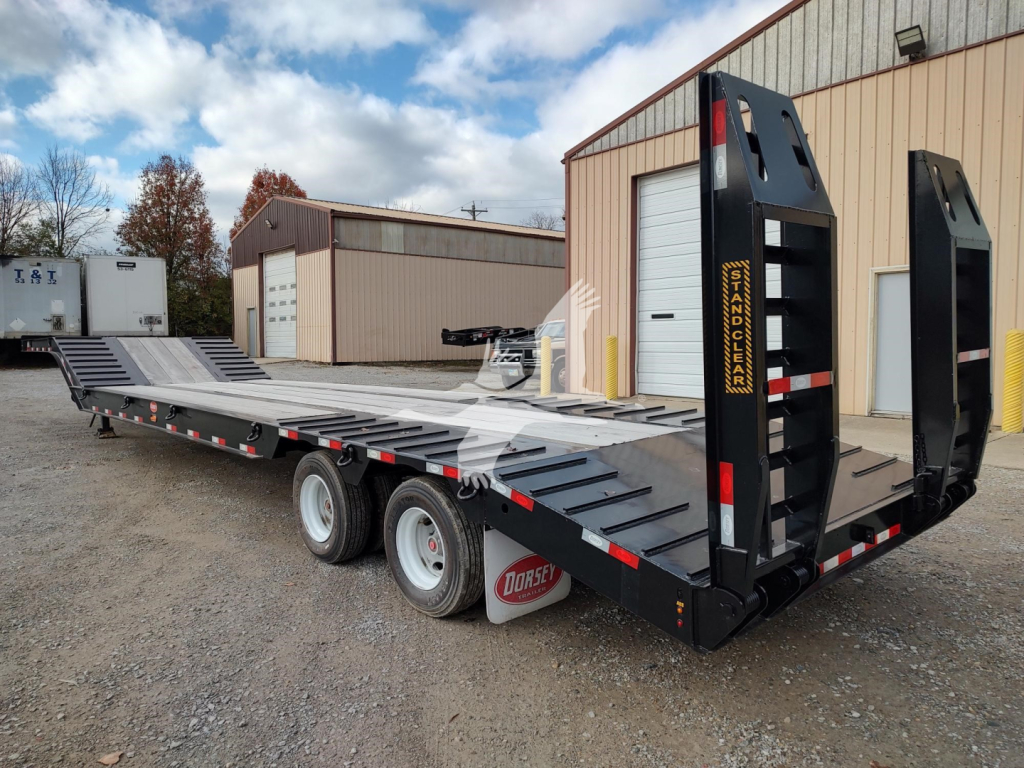
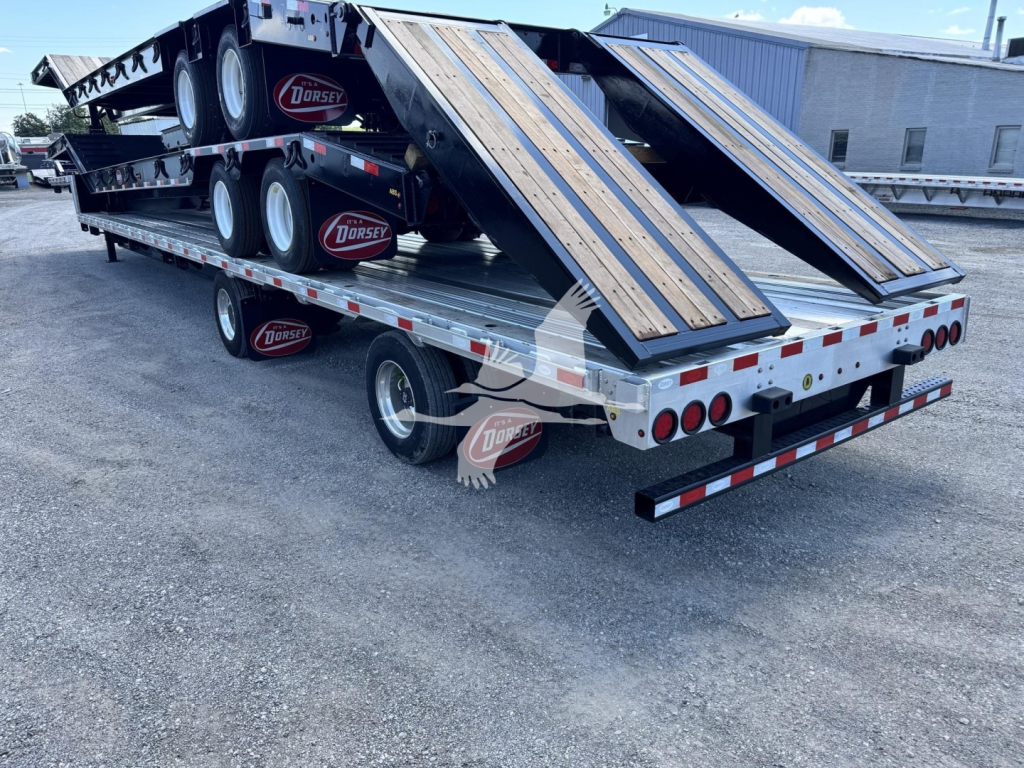
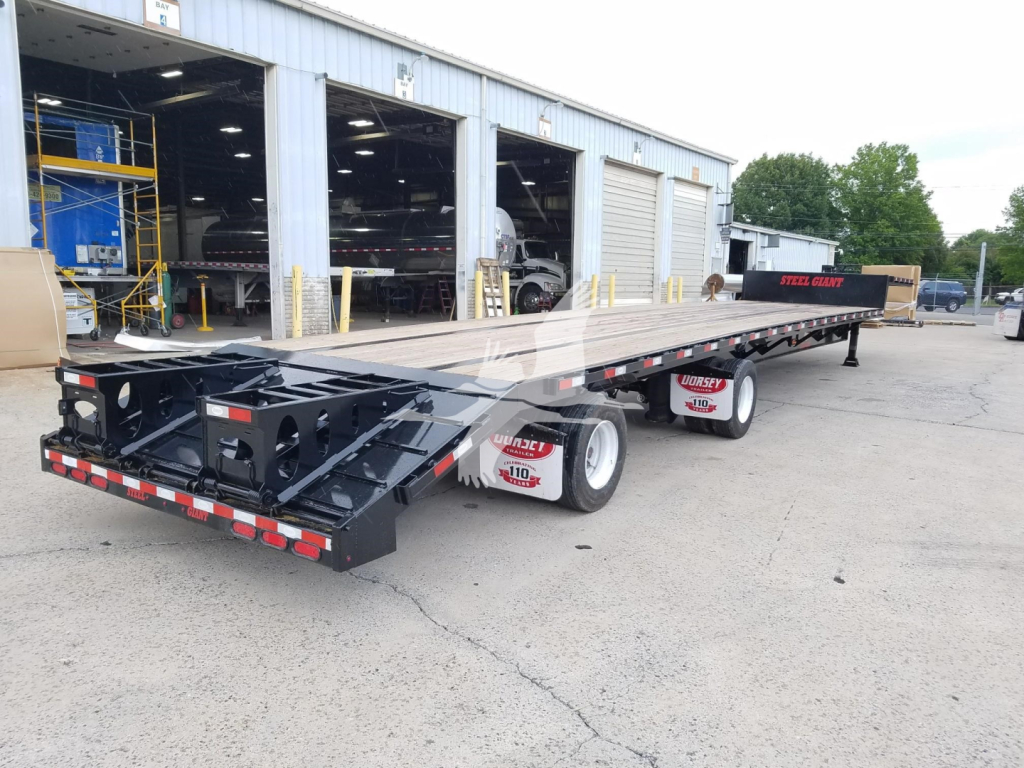
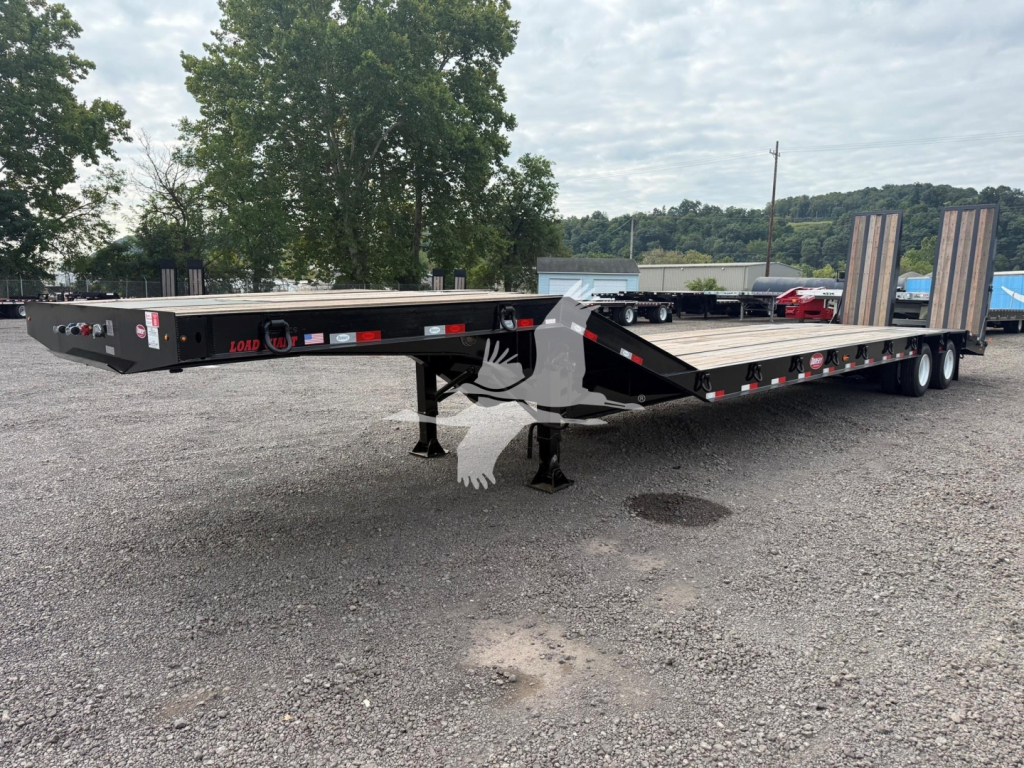
Dorsey specs in this class often split into two practical directions: all-steel beavertail models and lighter combo trailers with aluminum components. A steel beavertail drop deck is usually the better fit for operators loading wheeled equipment, small skid steers, lifts, or machines that benefit from a tapered rear section and spring-assisted ramps. A combo drop deck trims tare weight and can improve payload for general commodity hauling, especially when paired with aluminum flooring, aluminum side rails, polished outer wheels, and full ramp kits. Flooring choices matter here. Apitong remains a proven option for concentrated load contact and forklift traffic, while aluminum floors and front-rear members can reduce empty weight for carriers watching every pound.
Securement and understructure details deserve close attention because they determine how versatile the trailer will be across multiple load types. Common Dorsey drop deck features include double pipe spools, sliding winches, roadside or dual winch tracks, chain tie-down pairs, and coil package provisions with stub crossmembers for steel hauling. Crossmember spacing such as 18 inches on the upper deck and 12 inches on the main deck points to a trailer built for tougher loading conditions. Kingpin setting, suspension setting, and axle spread also affect bridge compliance, maneuverability, and fifth wheel placement. Many new units in this category use air ride suspensions from Hendrickson, 255/70R22.5 rubber, two-speed landing gear, and dump valves that help during loading dock work, low-clearance transitions, or traction changes on uneven yards.
For Pennsylvania buyers, drop deck spec selection often comes down to route mix and cargo profile. Regional operators moving equipment and jobsite freight may favor a beavertail with traction-bar steel and short spring-assisted ramps for quick deployment. Open-deck carriers running broader freight lanes may prefer a 53-foot combo trailer with toolboxes, tie bars, and more flexible securement layout for coils, crated freight, and mixed commodity loads. The right new Dorsey drop deck trailer is the one that balances tare weight, deck strength, ramp design, and securement density with the freight you actually book, not just the occasional oversized load.
Frequently Asked Questions about New Dorsey Drop Deck Trailers in Pennsylvania
What is the difference between a drop deck trailer and a flatbed trailer?
A drop deck trailer, also called a step deck trailer, has two deck levels: a raised upper deck near the tractor and a lower main deck behind it. That lower deck allows taller freight to stay within legal height limits compared with a standard flatbed. The tradeoff is that deck transitions, beavertail sections, and ramp setups become more important if you load wheeled equipment or freight with long ground contact.
What specs matter most when buying a new Dorsey drop deck trailer?
The most important specs are overall length, top deck length, main deck length, loaded deck height, tare weight, flooring material, ramp style, and securement layout. Buyers should also review kingpin setting, suspension setting, axle configuration, crossmember spacing, and whether the trailer has a coil package, pipe spools, winch tracks, and sliding winches. Those details determine legal load flexibility, payload capacity, and how many different freight types the trailer can handle without adaptation.
Is a beavertail drop deck better than a straight rear drop deck?
A beavertail drop deck is often better for hauling wheeled or tracked equipment because the tapered rear and ramps reduce loading angle and speed up loading. It is a practical choice for compact construction equipment, forklifts, scissor lifts, and similar machinery. A straight rear drop deck can be a better fit for freight that needs every inch of usable deck space or for operators focused more on palletized or bundled commodity hauling than equipment transport.
Are combo drop deck trailers worth considering over steel models?
A combo drop deck trailer can be a strong choice when payload matters and the freight mix is less abusive. Aluminum floors, side rails, and front or rear members reduce tare weight, which can translate into more legal payload. Steel models generally offer a more traditional heavy-duty feel for severe-service applications, repeated equipment loading, and rougher loading environments. The best choice depends on whether your operation values lower empty weight or maximum resistance to concentrated wear and impact.
What securement features should a drop deck trailer have for mixed freight?
For mixed freight, look for a dense and flexible securement package. Useful features include sliding winches, winch tracks on one or both sides, chain tie-down pairs, pipe spools, stake pockets, and side rails that accept common hook styles. If steel coils or concentrated cargo are part of the work, a coil package with reinforced crossmember arrangement is important. Securement layout often has more impact on day-to-day trailer versatility than cosmetic or convenience options.