
Dorsey Drop Deck Trailers For Sale
Shop Dorsey drop deck trailers with beavertail, ramps, air ride, and steel construction for machinery, building materials, and tall freight.
Selling a dorsey drop deck trailer? List your dorsey drop deck trailer for sale and reach thousands of commercial buyers.
Dorsey Drop Deck Trailers
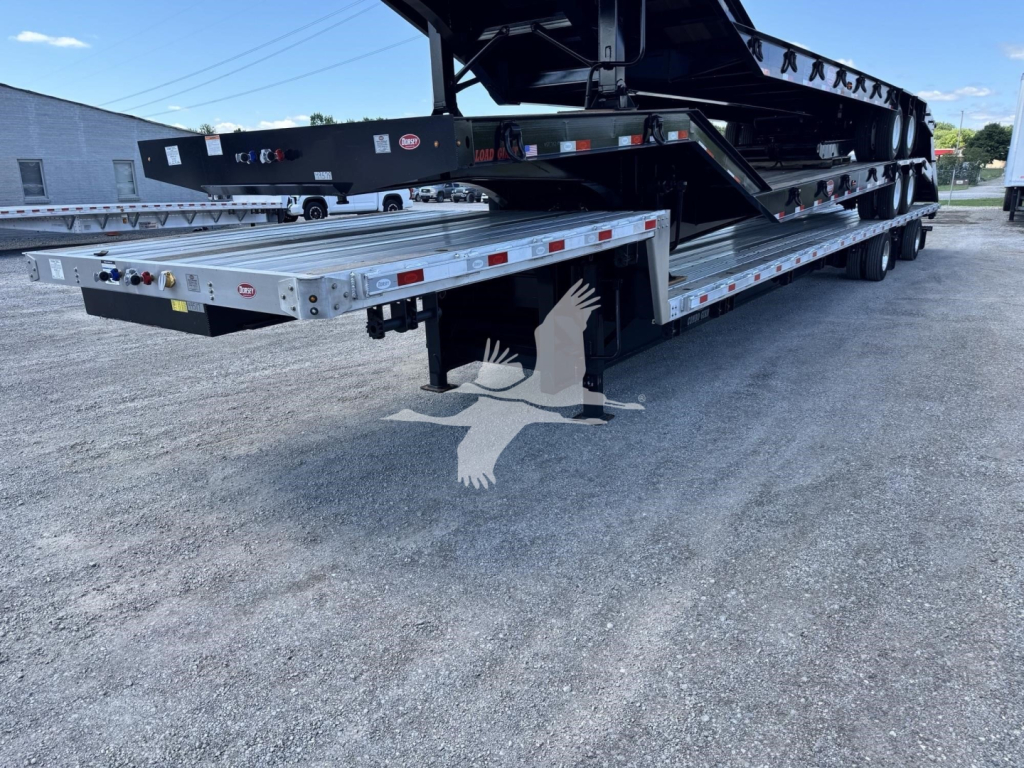
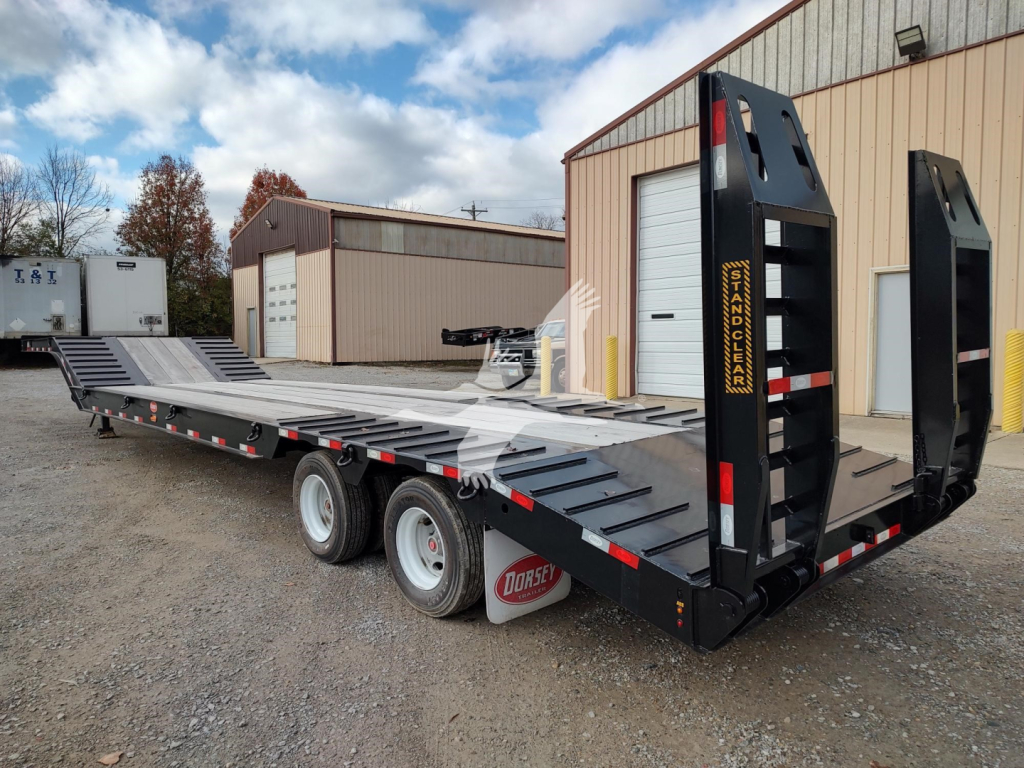
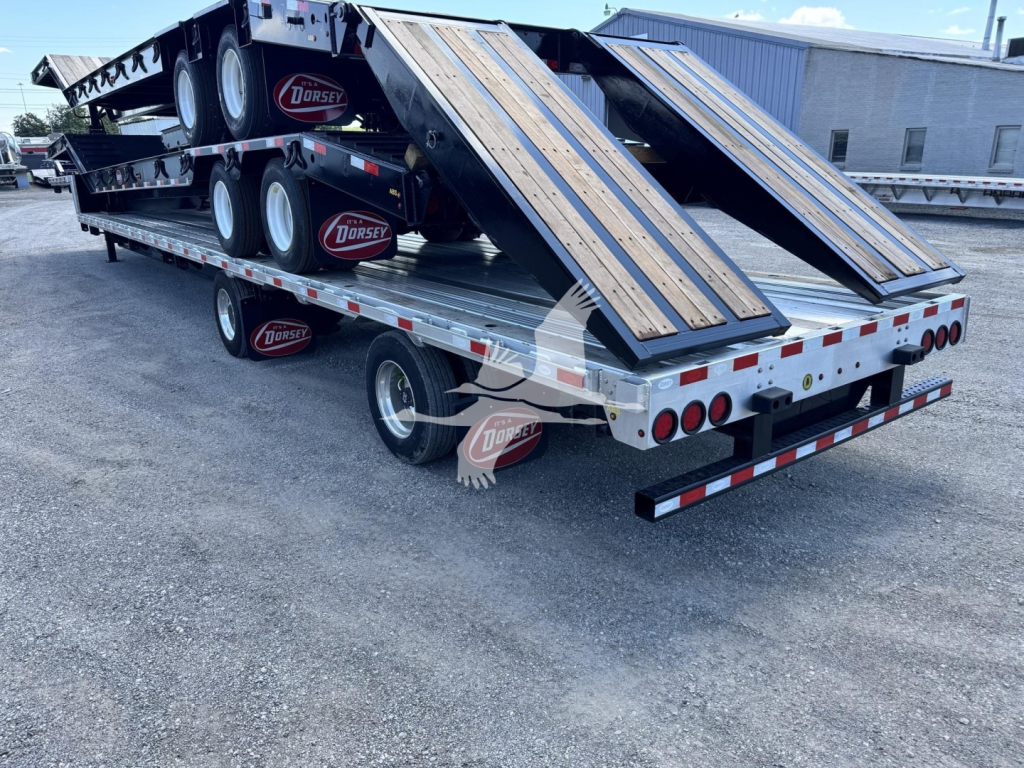
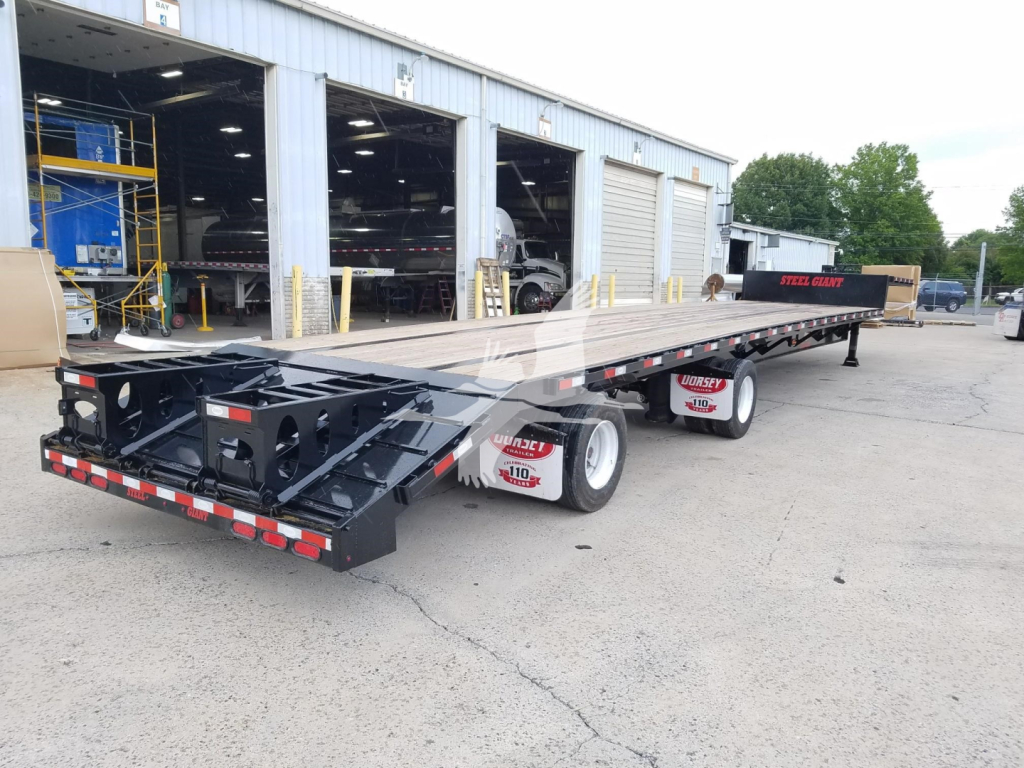
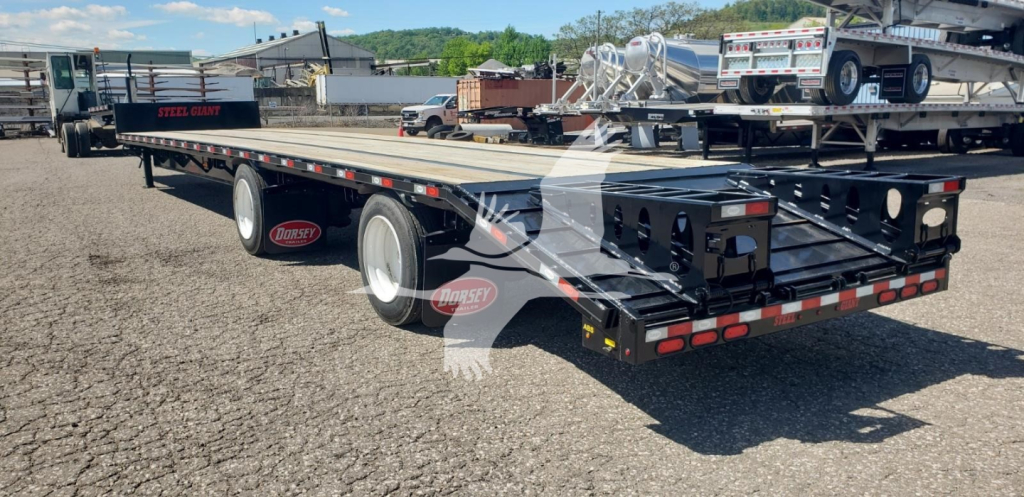
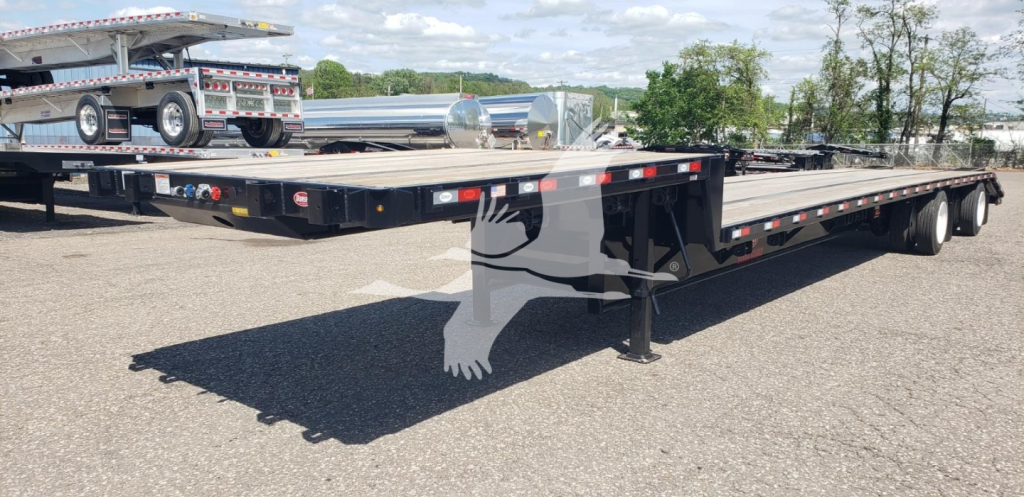
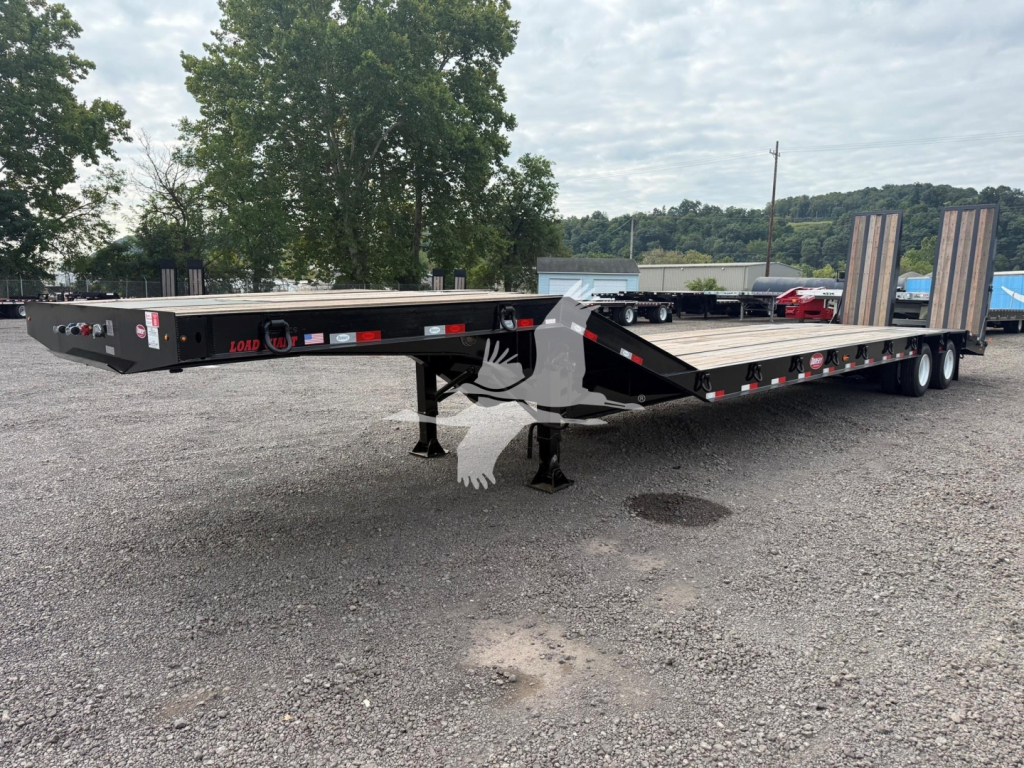
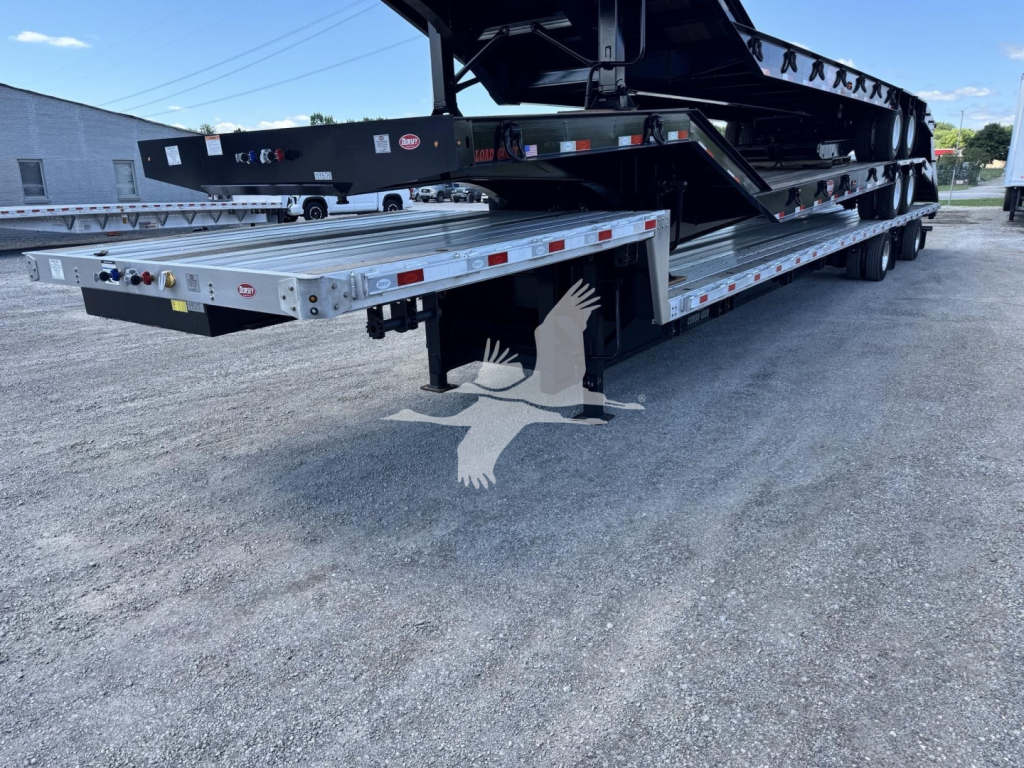
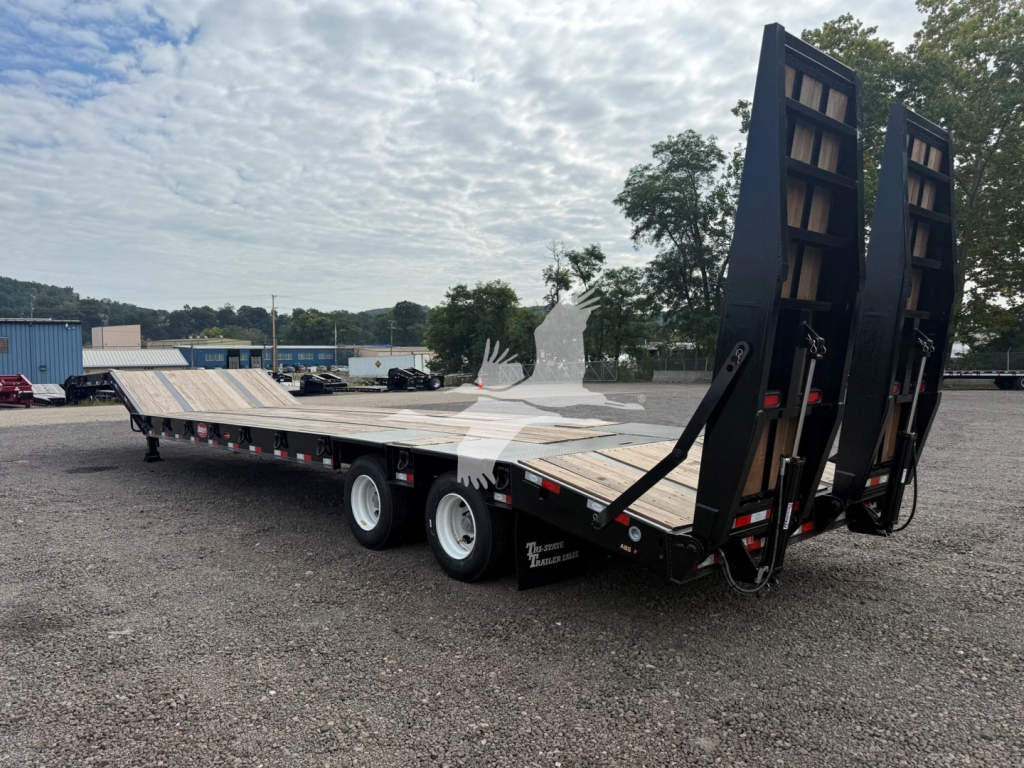
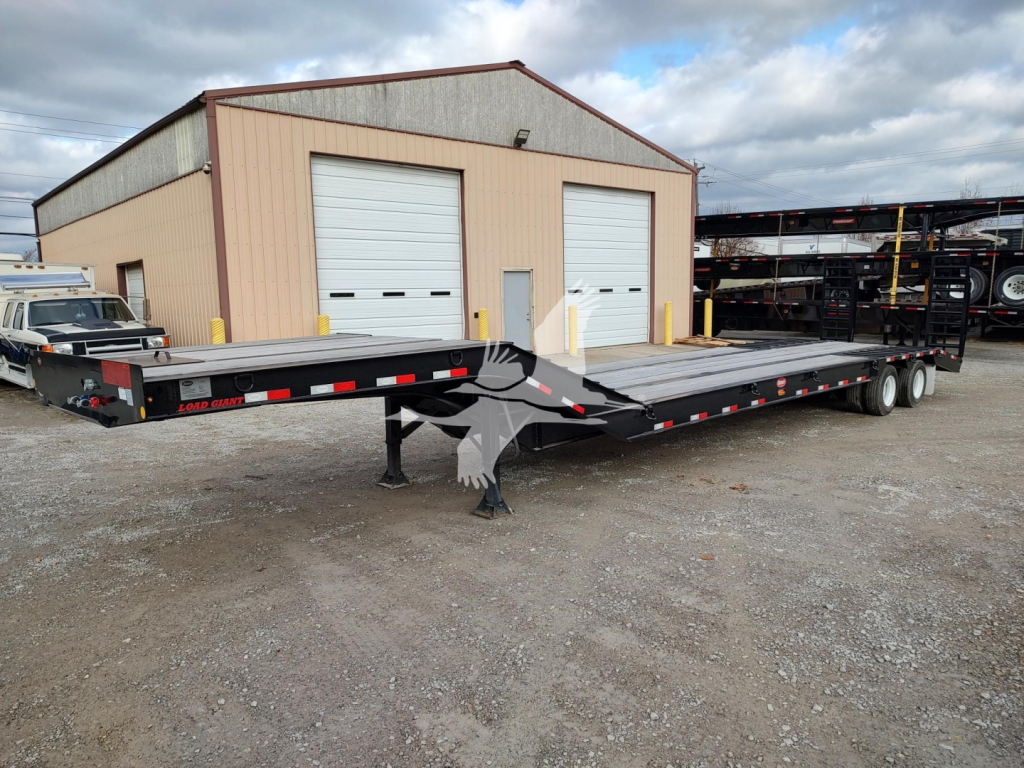
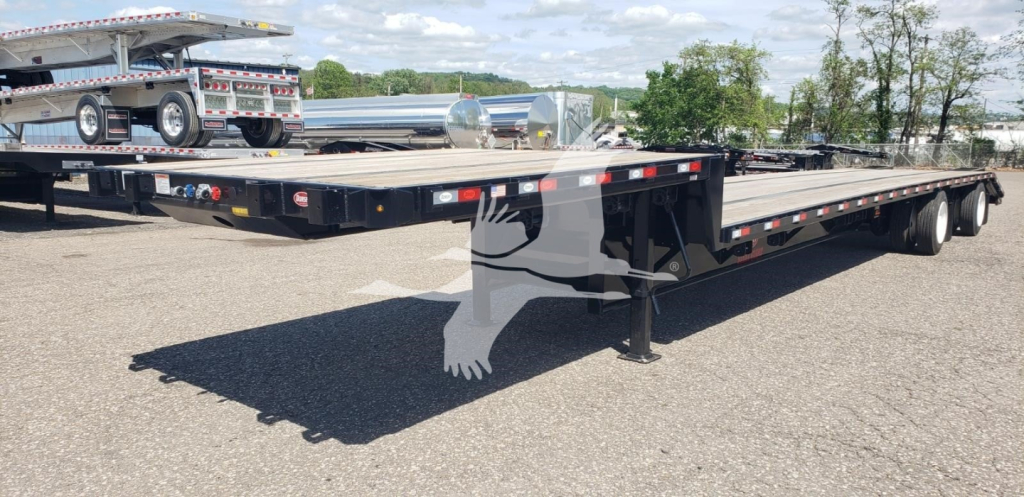
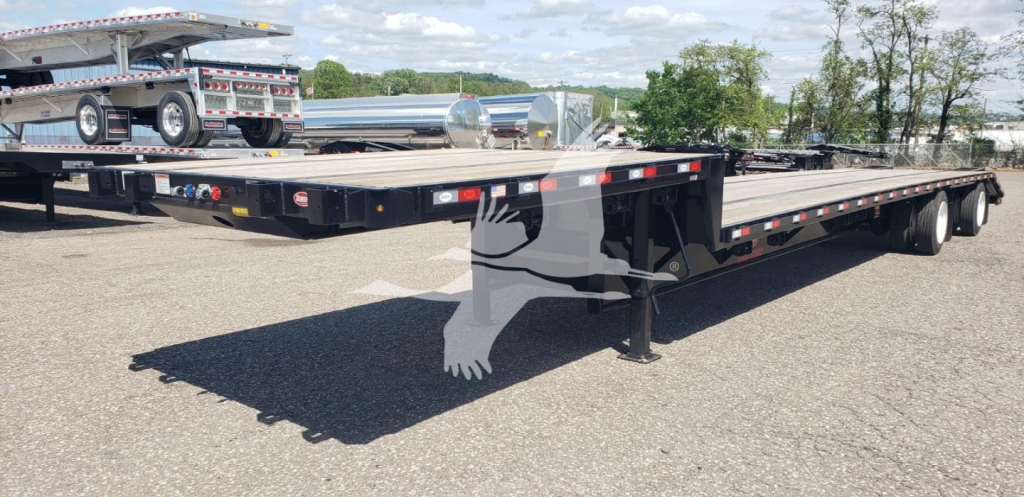
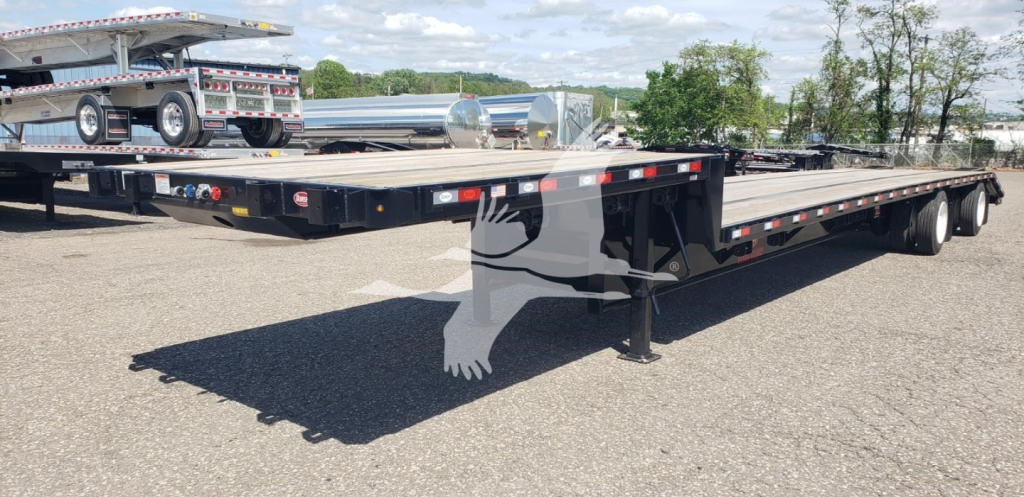
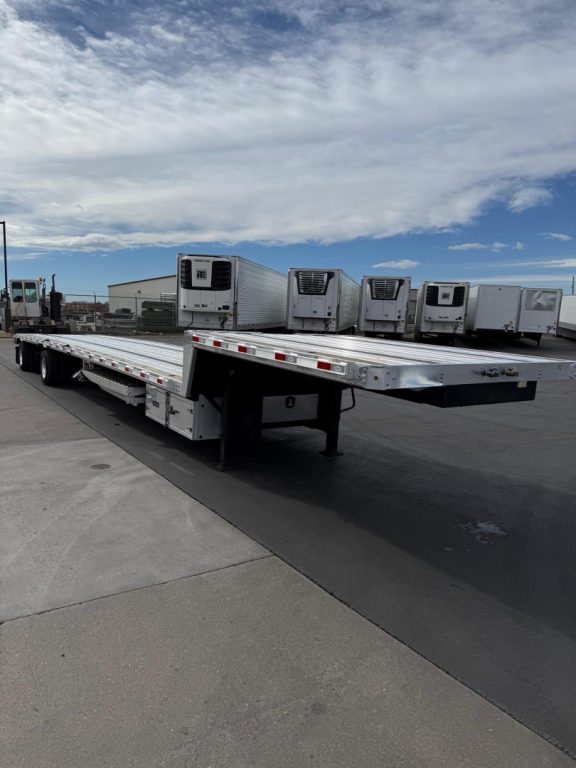
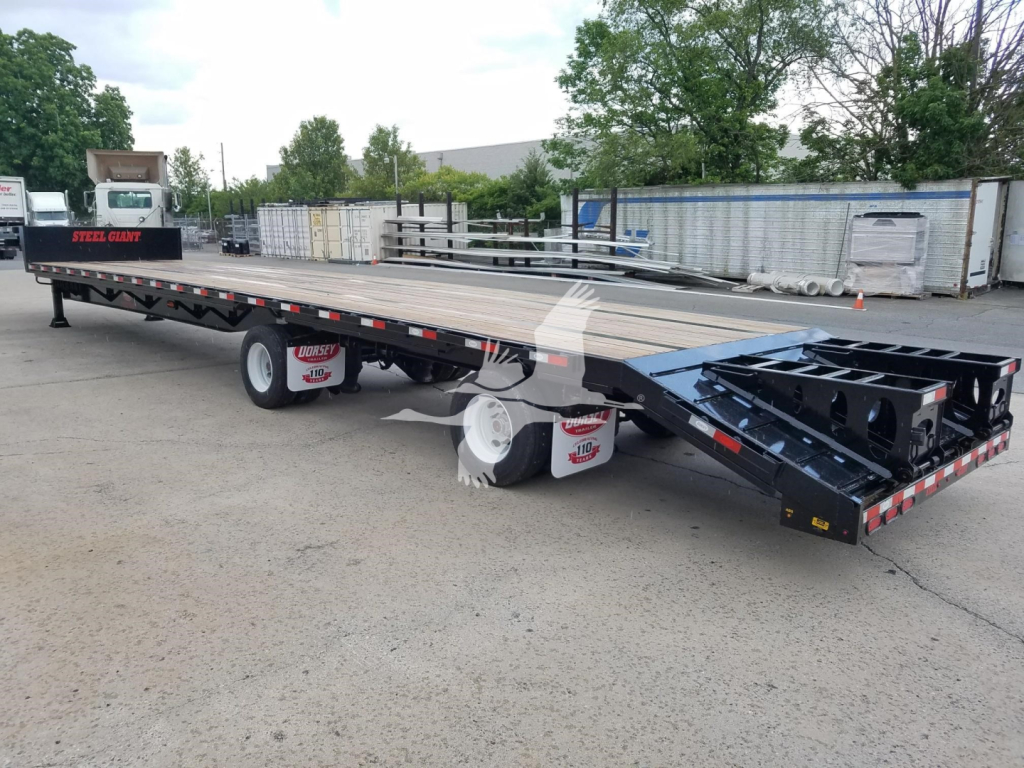
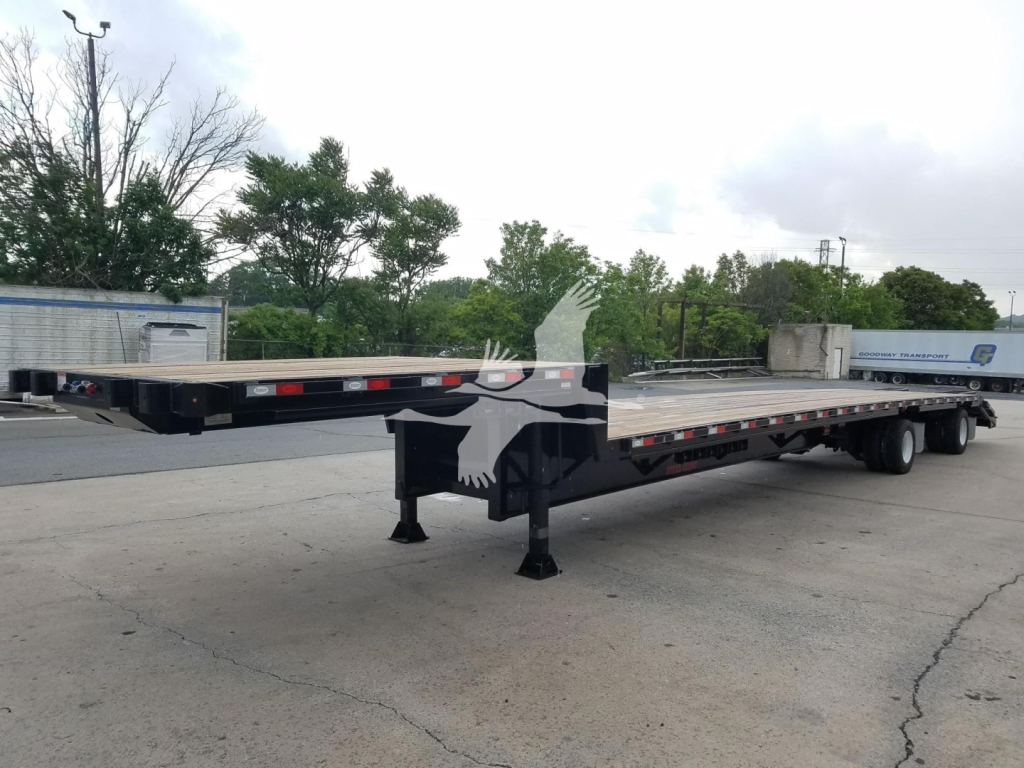
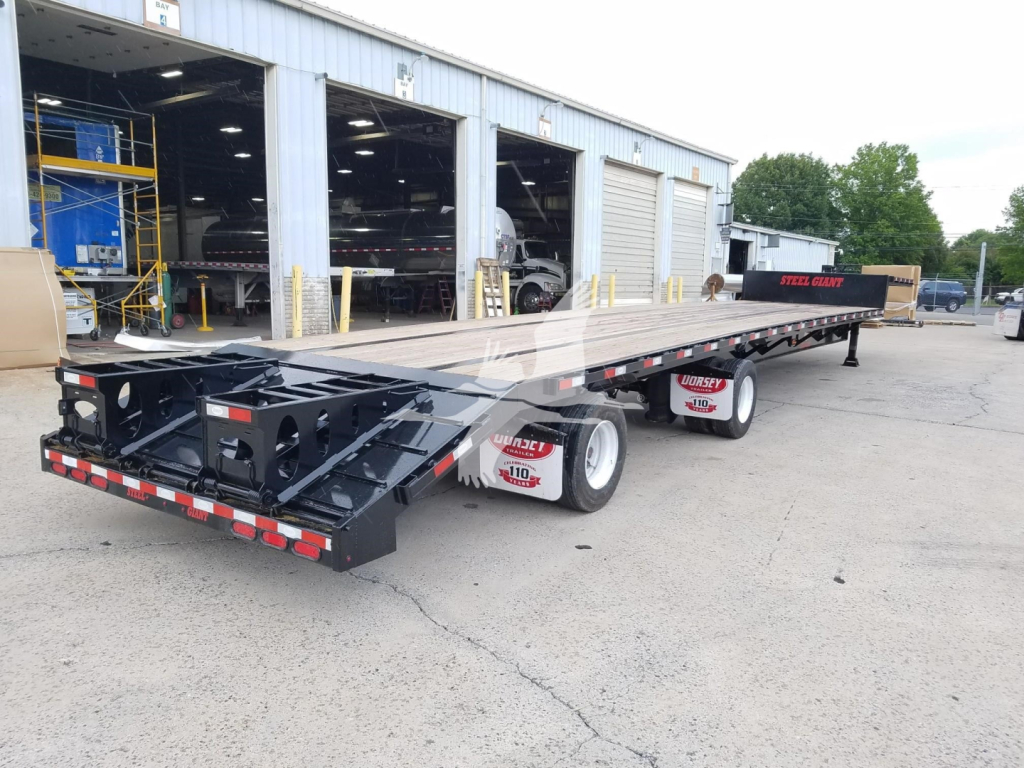
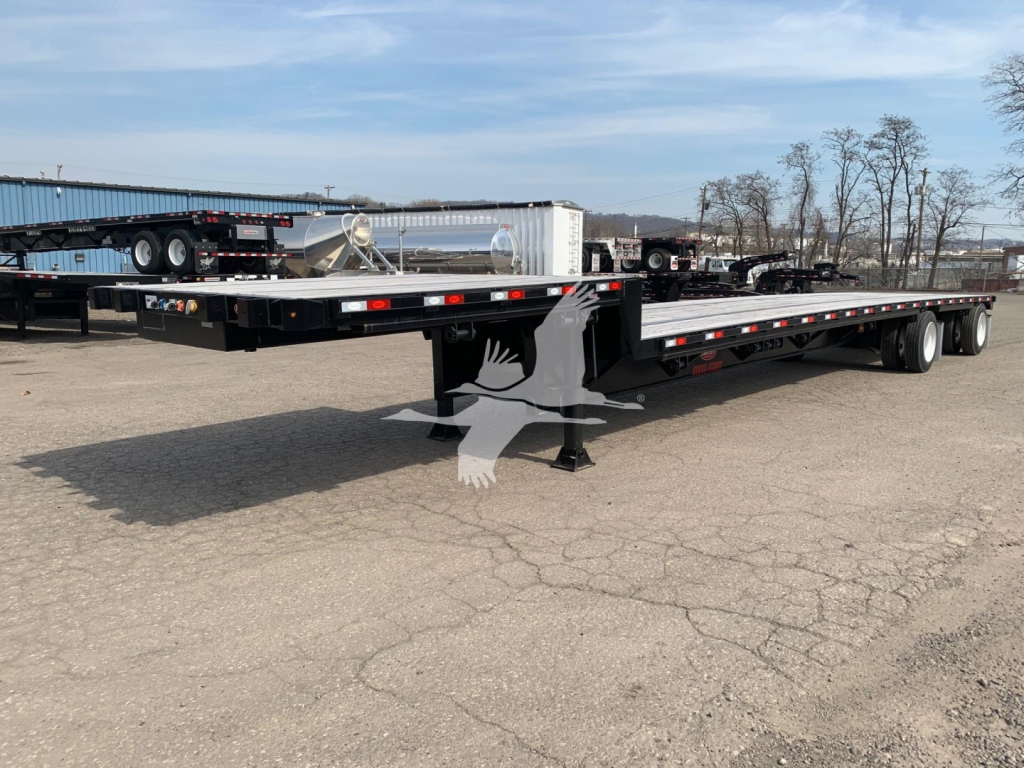
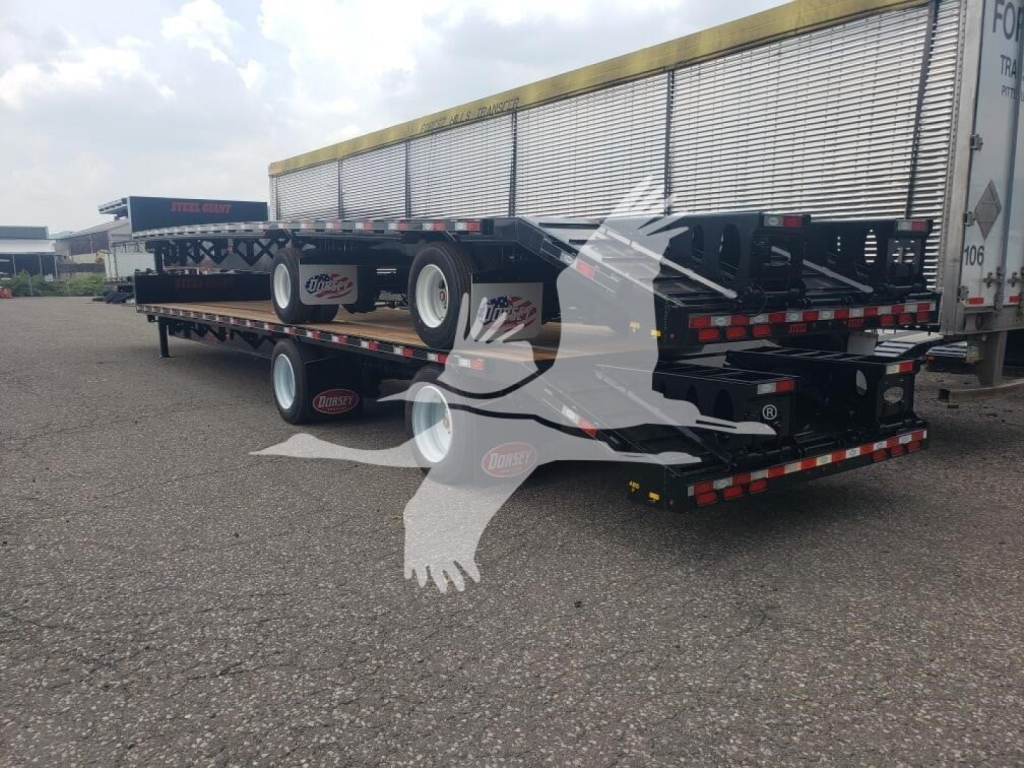
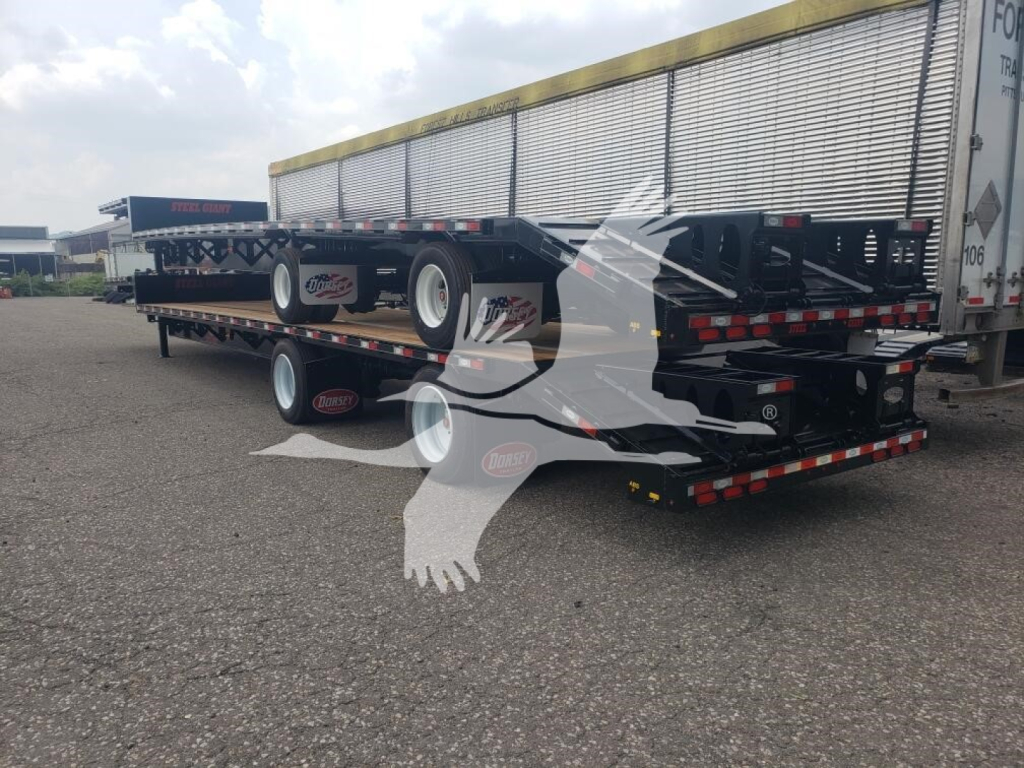
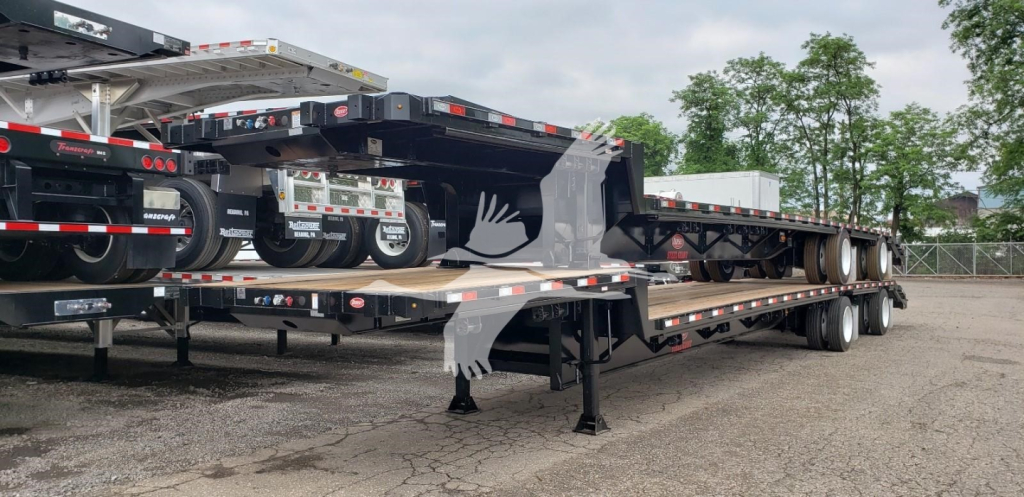
The most important buying decision is deck layout. Many Dorsey drop decks use a top deck around 10 feet to 10 feet 6 inches, a main deck around 38 feet, and a loaded deck height near 41 inches, with some setups coming in lower depending on tire package. That lower deck is what makes a drop deck valuable for taller freight that still needs to stay under legal height. Beavertail versions add another advantage for equipment loading. A steel beavertail with traction bars and spring-assisted ramps can make a big difference if you are hauling compact machines, forklifts, or other wheeled equipment that benefits from a shallower load angle. If your work is more general commodity hauling, a straight drop deck without the beavertail may preserve a cleaner rear deck transition.
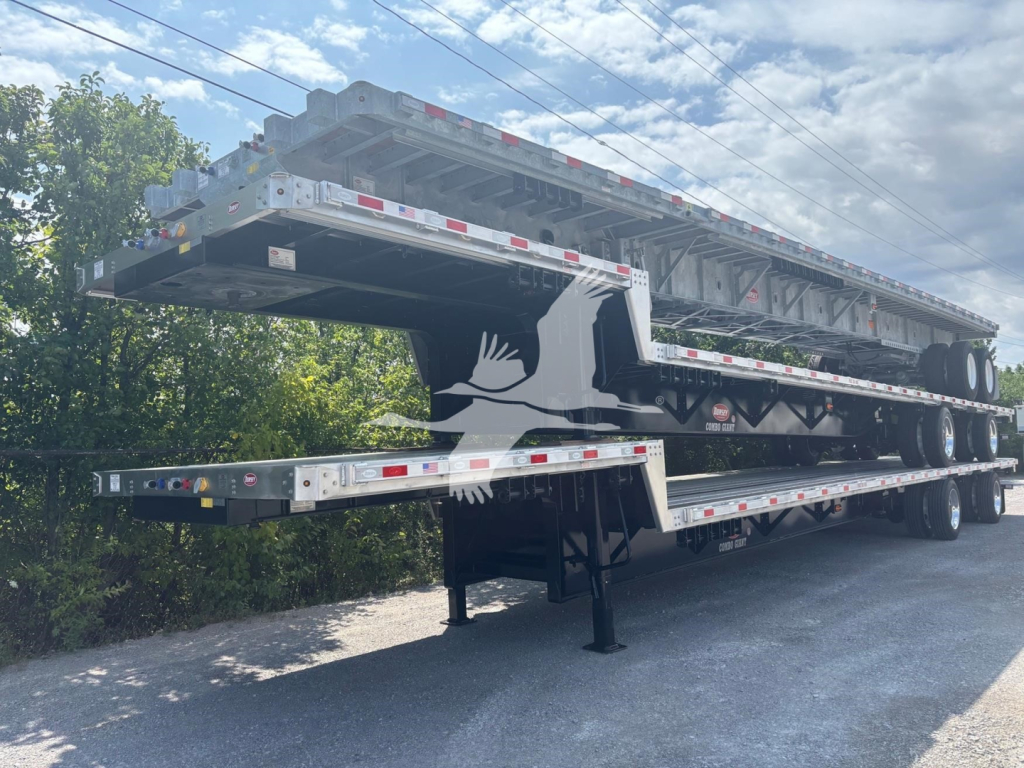
Dorsey specs in this category often include steel side rails, stake pockets, double pipe spools, and roadside winch track with sliding winches. Those details matter because they determine how easily the trailer adapts to mixed freight. Deep side rails that accept flat hooks, 12-inch crossmember spacing on the main deck, and 18-inch spacing on the upper deck are common signs of a trailer intended for real securement work rather than light-duty use. Air ride suspension is another major point for buyers comparing listings, especially on trailers equipped with Hendrickson or similar systems, because ride quality can help protect sensitive cargo and reduce shock loading. Pay attention to kingpin setting, axle spread, dump valve configuration, tire size, and GVWR. A typical rating in this class is 80,000 GVWR with concentrated load language such as 60,000 pounds in 10 feet, which is highly relevant if you plan to haul dense machinery or steel products.
Used Dorsey drop deck trailers should be evaluated closely around the ramps, beavertail transition, floor condition, side rails, winch track, suspension, and rear frame area. On steel drop decks, the frame can be very durable, but buyers should still look for crossmember repairs, deck wear from tracked equipment, and signs of concentrated load abuse. Tire and wheel package also affects deck height and operating cost. Low-profile 22.5 or 17.5 tire setups can change loading angle and clearance enough to matter for equipment haulers. For buyers who need a versatile open-deck trailer with strong securement options and practical dimensions, Dorsey drop deck trailers remain a proven choice for regional heavy haul support, construction transport, and general freight that needs more height room than a flatbed can offer.
Frequently Asked Questions about Dorsey Drop Deck Trailers
What is the main advantage of a Dorsey drop deck trailer over a flatbed?
A Dorsey drop deck trailer gives you a lower main deck than a standard flatbed, which allows taller freight to stay within legal overall height. That is the primary reason buyers move into this trailer class. You still keep the open-deck loading flexibility needed for machinery, building products, steel, and palletized freight, but the dropped deck section creates more usable vertical space.
What specs matter most when comparing Dorsey drop deck trailers?
Deck height, top deck length, main deck length, axle configuration, suspension type, and weight rating are the key specs to compare first. Buyers should also look closely at kingpin setting, crossmember spacing, flooring material, tire size, and securement hardware such as winch track, sliding winches, stake pockets, and pipe spools. If the trailer will haul equipment, the beavertail length, ramp style, and ramp capacity are also critical.
Are Dorsey beavertail drop decks better for equipment hauling?
For many equipment applications, yes. A beavertail drop deck with spring-assisted ramps creates a shallower loading angle than a standard rear deck, which can make loading forklifts, compact construction machines, and other wheeled equipment easier and safer. The tradeoff is that some buyers prefer a straight deck rear section for certain freight types, so the better choice depends on whether your work leans more toward machinery or general commodity hauling.
What should I inspect on a used Dorsey drop deck trailer?
Focus on the floor, crossmembers, side rails, winch track, suspension, axle alignment, and the rear structure. On beavertail models, inspect the ramp hinges, traction surface, spring-assist components, and the transition area where equipment repeatedly loads. Also check for bent rails, cracked welds, uneven tire wear, and signs of concentrated load damage. A used drop deck can still have strong value, but condition around the load-bearing and securement areas matters more than cosmetics.
What freight is a Dorsey drop deck trailer commonly used for?
This trailer class is commonly used for construction equipment, forklifts, palletized materials, pipe, crated industrial components, steel products, and building supplies that are too tall for a flatbed. It is a practical choice for carriers that need one trailer to cover both general open-deck freight and occasional equipment moves. The lower deck and strong securement layout make it useful across construction, agriculture, manufacturing, and regional specialized hauling.