
Dorsey Drop Deck Trailers For Sale in Pennsylvania
Shop Dorsey drop deck trailers in Pennsylvania. Compare beavertail specs, deck height, axle setup, ramps, and securement features.
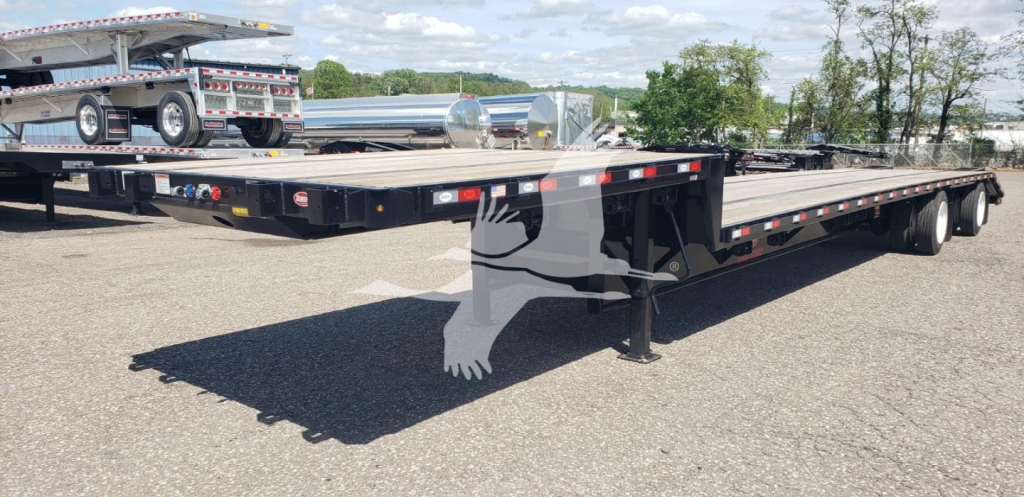
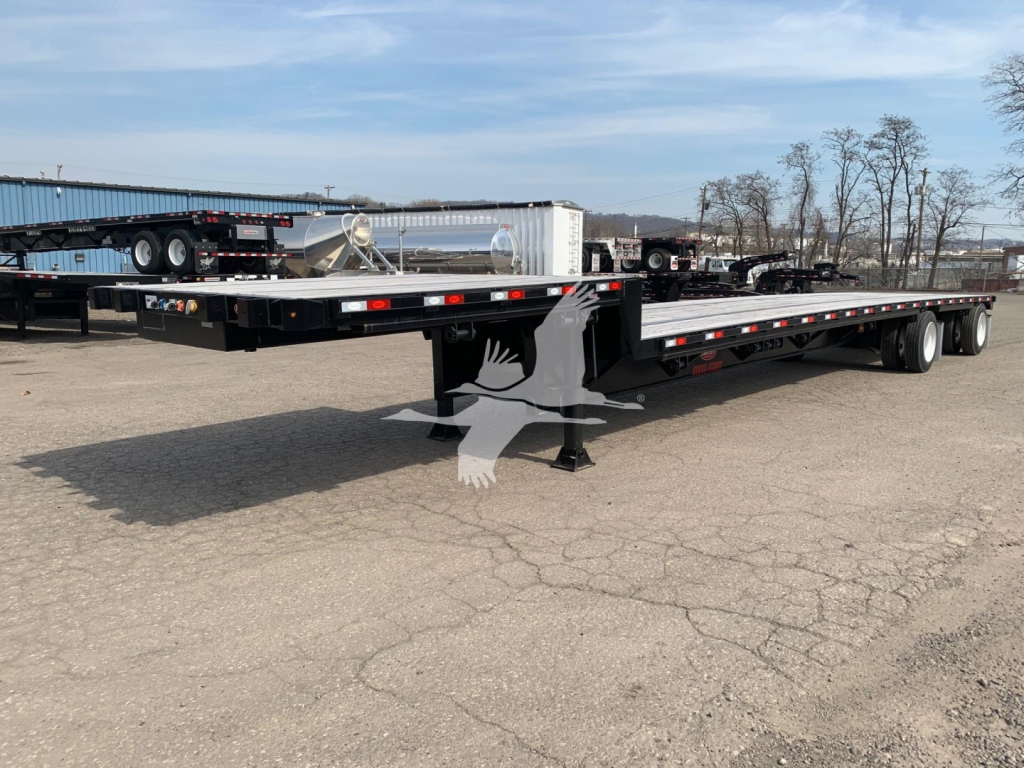
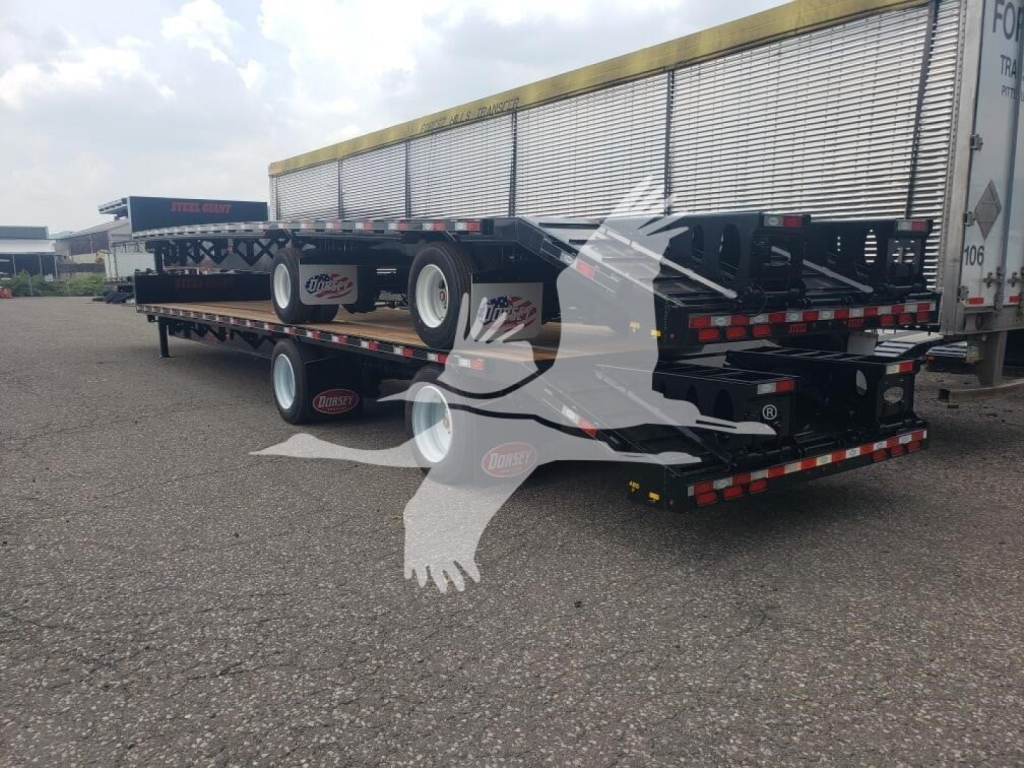
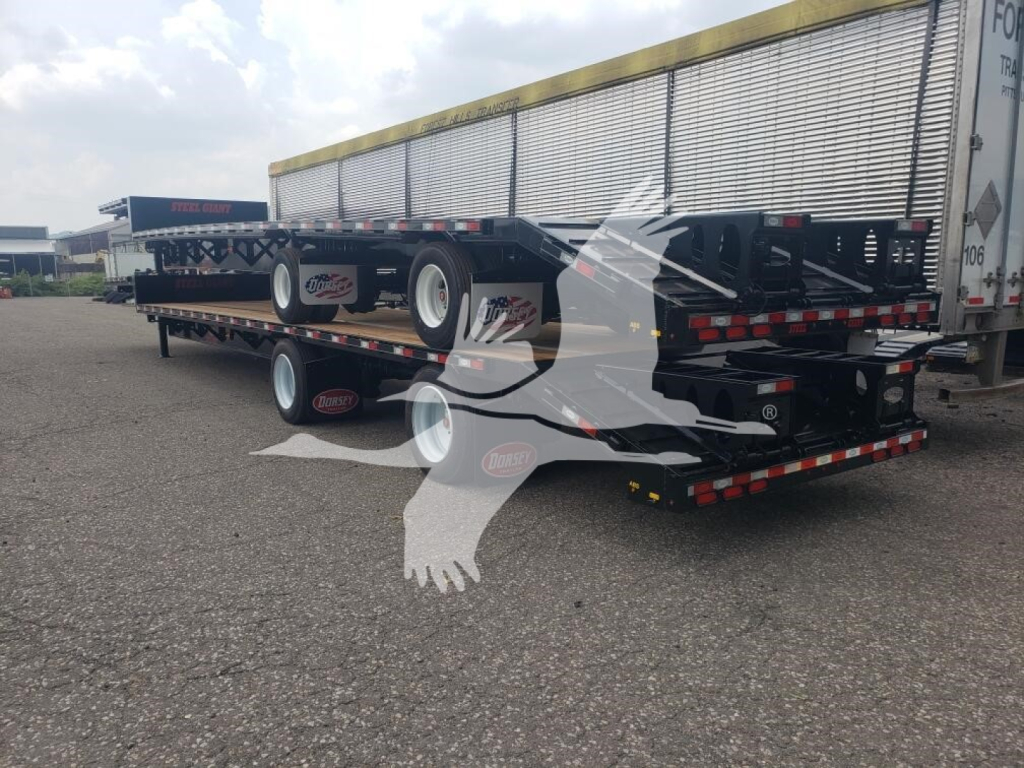
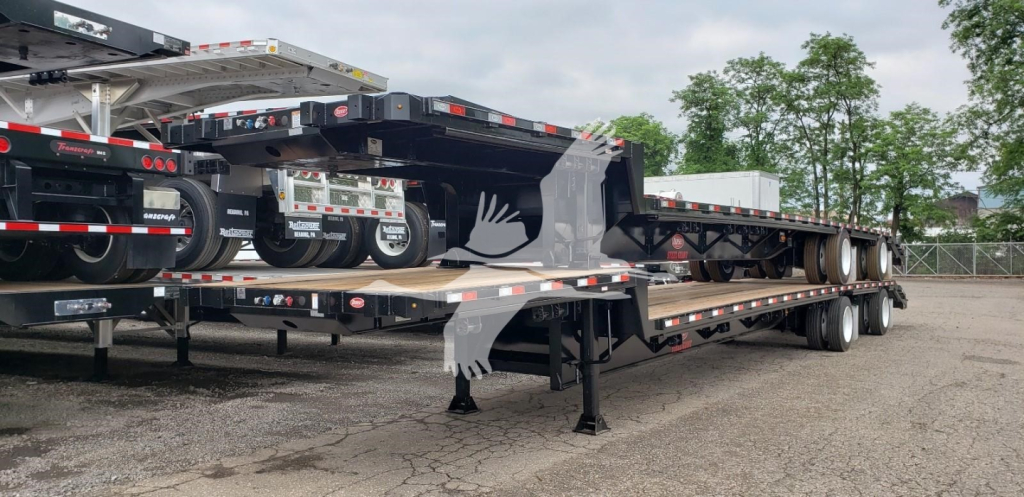
Selling a dorsey drop deck trailer? List your dorsey drop deck trailer for sale and reach thousands of commercial buyers.
Dorsey Drop Deck Trailers in Pennsylvania
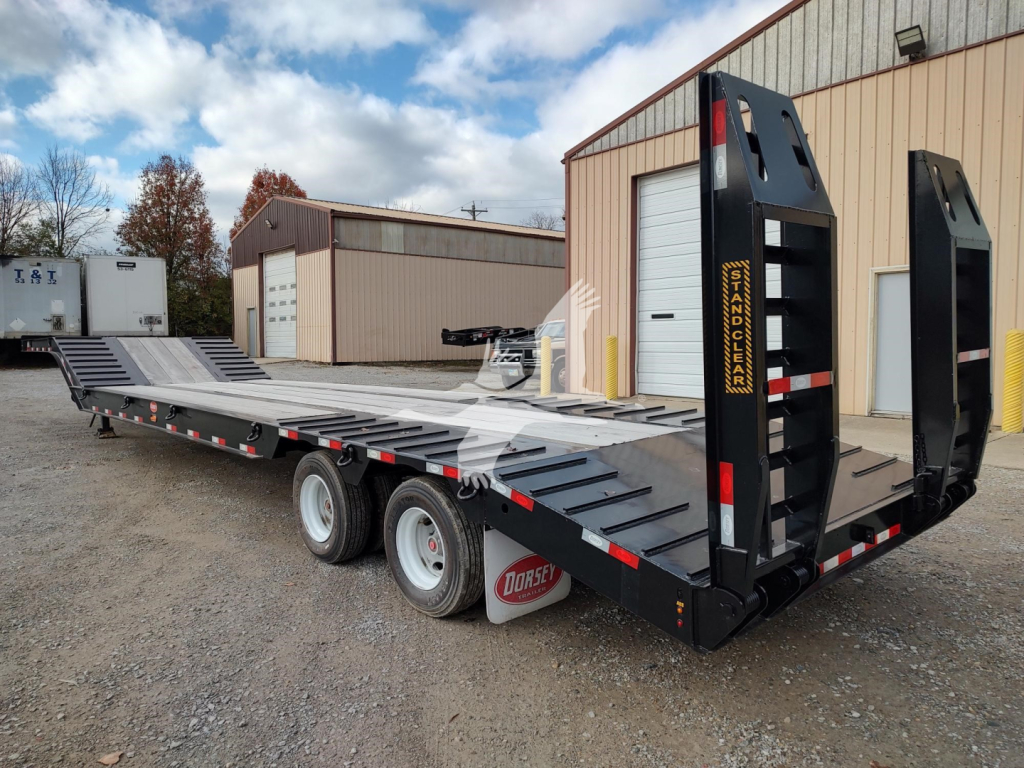
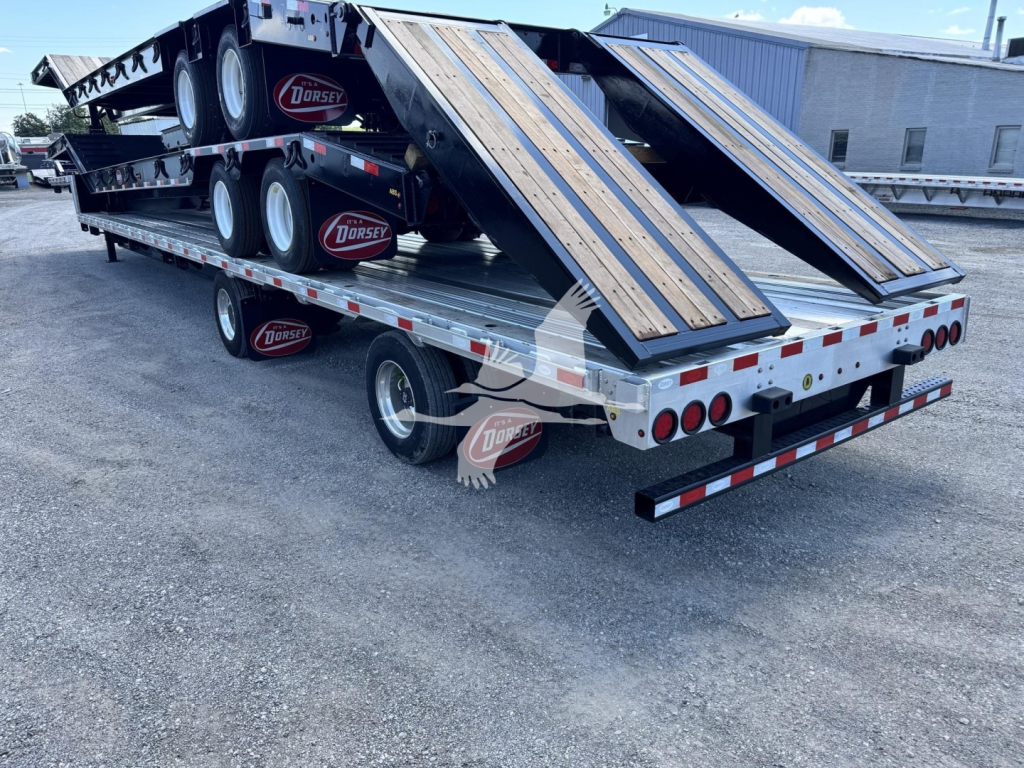
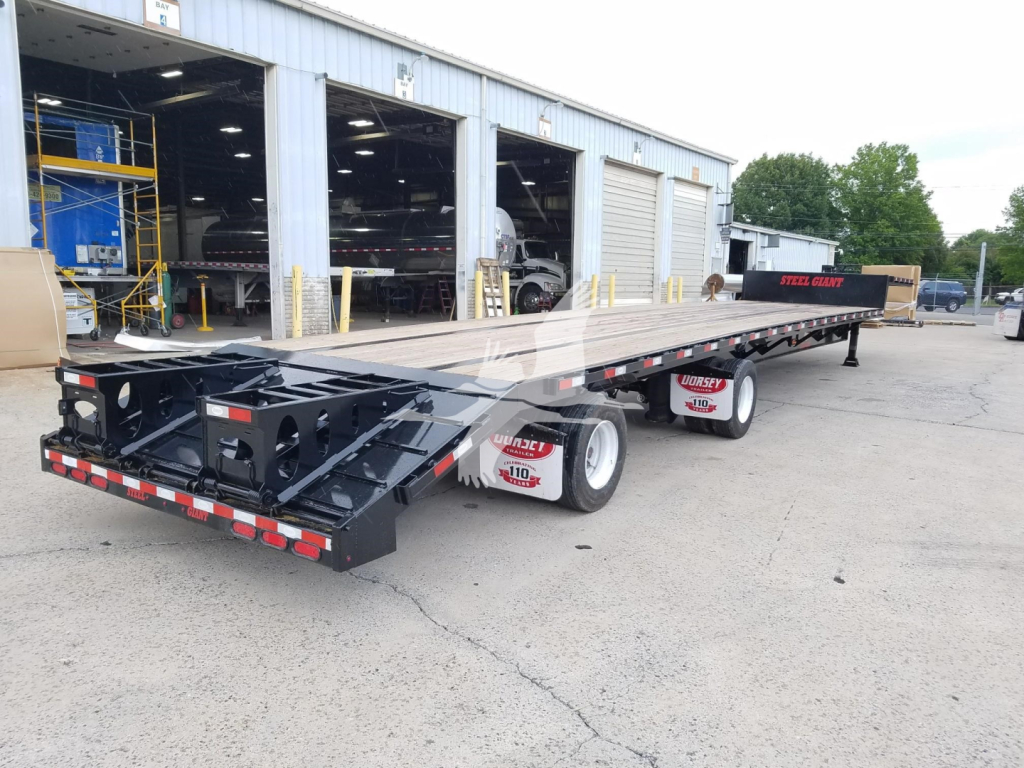
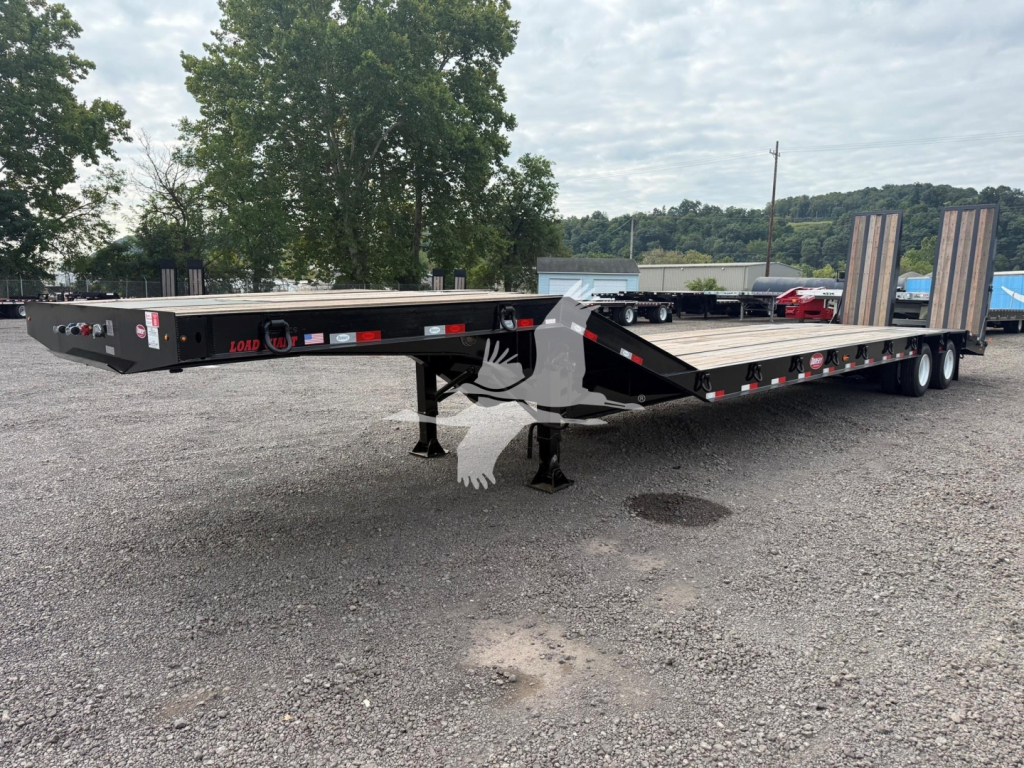
Typical Dorsey drop deck specs in this category include 48-foot and 53-foot overall lengths, 102-inch width, a top deck around 10 feet to 10 feet 6 inches, and a main deck around 38 feet. Main deck height commonly falls in the upper-30-inch to low-40-inch range depending on tire size, suspension setup, and load condition. Many units use a 24-inch kingpin setting, steel side rails, double pipe spools, roadside winch track, and 12 sliding winches, which gives a practical securement package for steel, crated machinery, and general commodity hauling. Apitong flooring is common because it holds up well under concentrated load contact and repeated forklift traffic.
If your freight mix includes wheeled or tracked equipment, a Dorsey beavertail drop deck deserves a close look. A steel beavertail with traction bars and spring-assisted ramps makes loading compact machines faster and reduces dependence on loading docks or external ramps. Air ride suspension from brands such as Hendrickson Intraax or Ridewell is a common setup on tandem axle trailers in this class, often paired with manual or electric dump valves to help at the dock and during loading. Crossmember spacing matters too. Closer centers on the main deck improve floor support under dense freight and help long-term durability when the trailer sees hard industrial use.
For buyers comparing listings, the real decision points are deck height, empty weight, ramp design, suspension condition, tire size, and how the securement system matches the freight you haul every week. A lighter trailer can preserve payload, but a heavier-spec trailer may pay off if you routinely load machinery or concentrated freight. In Pennsylvania service, corrosion exposure, brake life, and suspension wear should be checked carefully, especially on used units that run year-round. Dorsey step deck trailers have a long-standing reputation as practical fleet trailers, and the right spec usually comes down to balancing legal height, loading method, and securement needs rather than chasing length alone.
Frequently Asked Questions about Dorsey Drop Deck Trailers in Pennsylvania
What is the advantage of a Dorsey drop deck trailer compared with a flatbed?
A Dorsey drop deck trailer gives you more legal cargo height than a standard flatbed because the main deck sits lower behind the front deck. That makes it a strong fit for taller machinery, palletized freight, and building materials that would exceed height limits on a flatbed. It also keeps loading and securement straightforward for many commodities that do not justify a lowboy.
What should I look for when buying a Dorsey beavertail drop deck?
Start with the loading method. If you regularly haul skid steers, lifts, compact tractors, or other self-propelled equipment, check ramp length, spring assist function, beavertail traction surface, and deck height. Then review the structural details such as floor condition, crossmember spacing, side rail integrity, winch track condition, suspension wear, brake life, and tire size. Those items affect both usability and long-term operating cost.
Are 48-foot and 53-foot Dorsey drop decks used for different applications?
Yes. A 48-foot drop deck can be a practical choice for regional work, tighter delivery points, and operators who do not need maximum deck space. A 53-foot trailer provides more usable deck length and is often preferred for mixed freight, larger machinery, and freight planning flexibility. The better choice depends on the dimensions of your typical loads, your routing, and how often you need room for multiple pieces on one trailer.
Why do deck height and tire size matter on a drop deck trailer?
Deck height directly affects the legal overall height of the load. Even a few inches can determine whether a shipment stays legal or requires permits and route planning. Tire size, suspension design, and trailer configuration all influence loaded and unloaded deck height. Buyers moving taller freight usually compare these measurements closely because lower deck height can expand the range of loads the trailer can carry without special handling.
What securement features are common on Dorsey step deck trailers?
Many Dorsey step deck trailers are equipped with steel side rails, double pipe spools, roadside winch tracks, and sliding winches. These features support flexible tie-down placement for straps and chains across different freight types. Buyers should also look at side rail depth, spool condition, flooring, and whether the trailer layout supports the hooks, binders, and strap configurations used in their operation.