
2020 Dorsey Drop Deck Trailers For Sale in Pennsylvania
Shop 2020 Dorsey drop deck trailers in Pennsylvania. Compare 48' and 53' specs, deck height, ramps, suspension, and load securement features.
Selling a 2020 dorsey drop deck trailer? List your 2020 dorsey drop deck trailer for sale and reach thousands of commercial buyers.
2020 Dorsey Drop Deck Trailers in Pennsylvania
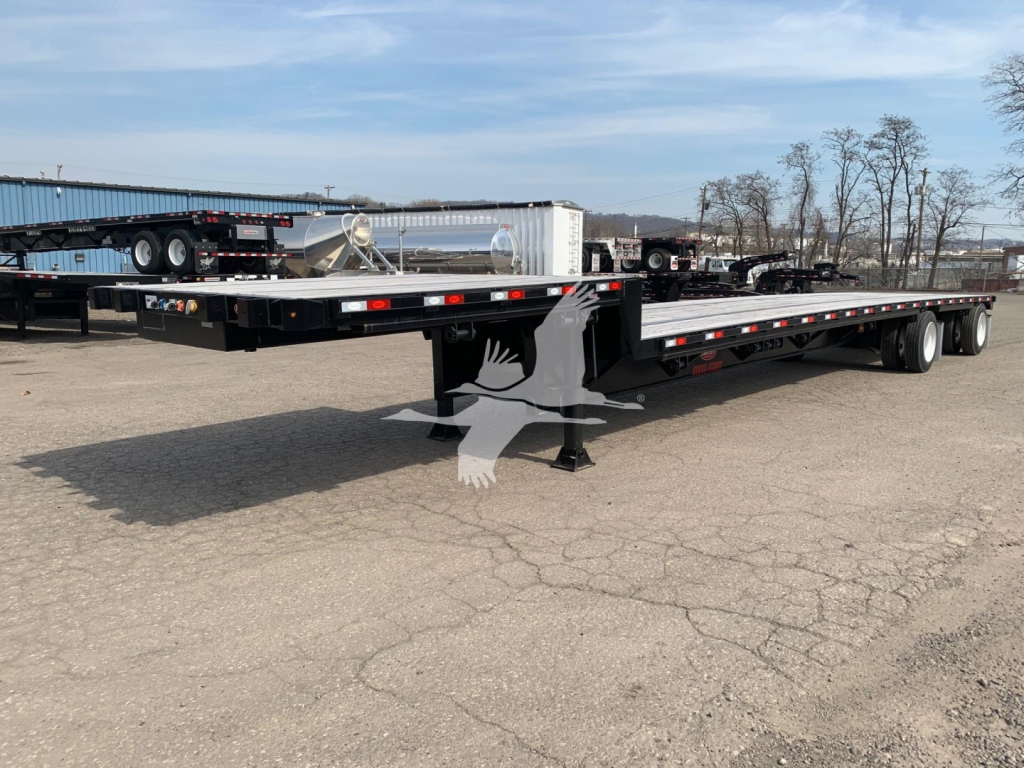
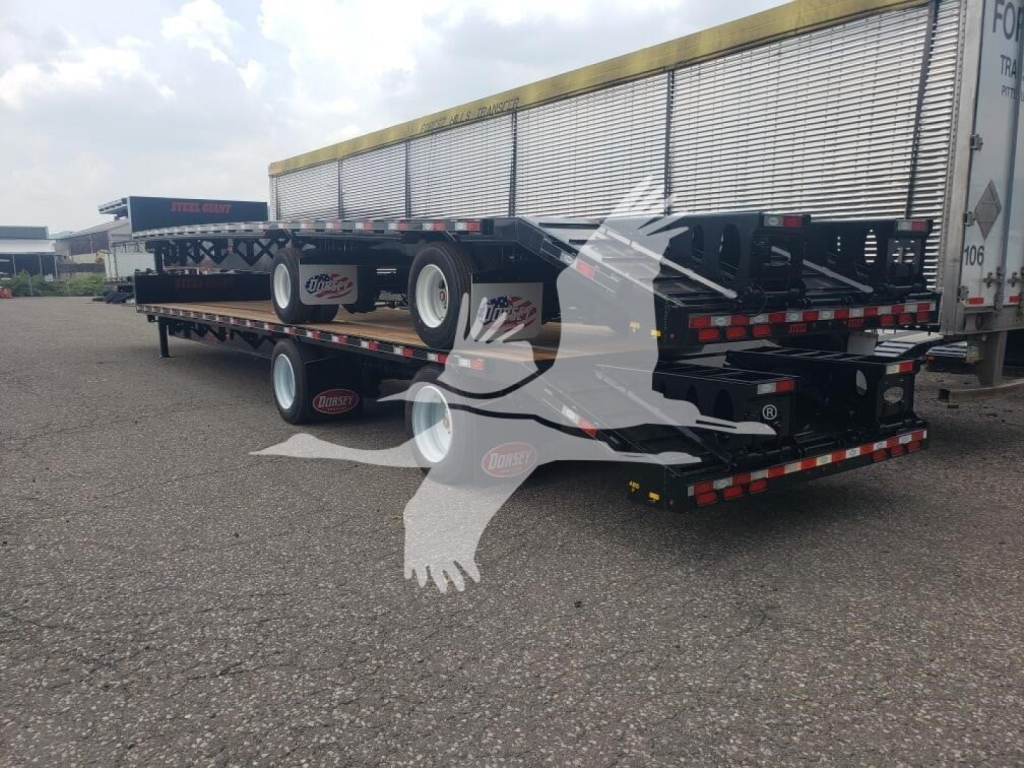
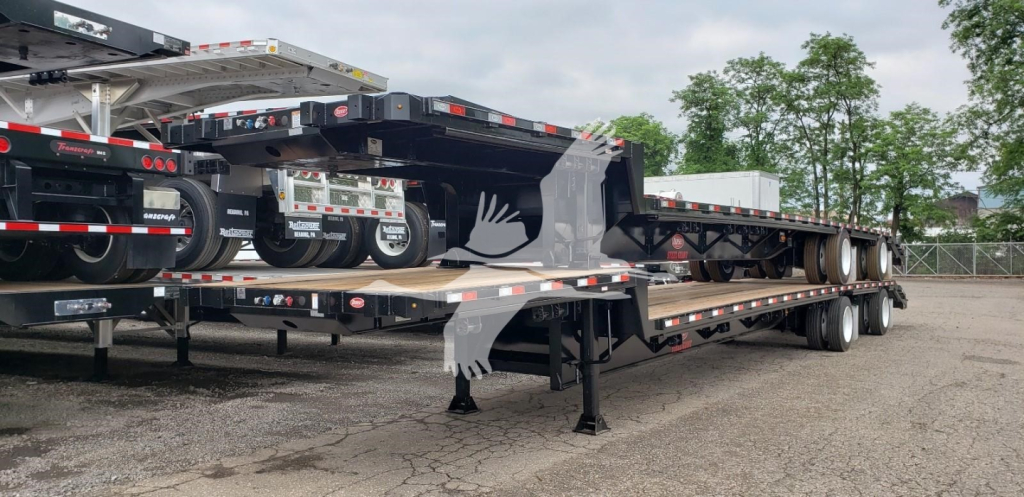
Common configurations in this group include 48-foot and 53-foot lengths with a 102-inch width, a top deck around 10 feet, and a main deck around 38 feet. Dorsey beavertail versions add rear loading convenience for equipment with lower ground clearance or rubber-tired machines, often paired with spring-assisted ramps and traction bars. Apitong flooring, steel front and rear members, steel side rails, and closely spaced crossmembers are typical features buyers look for because they affect durability, deck support, and long-term repair cost. A rating around 80,000-pound GVWR with concentrated load capacity such as 60,000 pounds in 10 feet is a useful benchmark when comparing trailers for machinery or dense freight.
Suspension and securement details matter as much as length. Many 2020 Dorsey drop deck trailers are equipped with tandem axles, air ride suspension, a dump valve, and a kingpin setting around 24 inches. That combination is popular for ride quality, dock approach control, and compatibility with a wide range of road tractors. Load securement usually includes a roadside winch track, sliding winches, and double pipe spools, which is important for carriers hauling mixed commodity freight rather than one dedicated load type. Tire size, landing gear, wheel type, and suspension setting should all be checked closely, especially if the trailer will run in Pennsylvania and the surrounding Northeast where tighter job sites, seasonal road wear, and frequent short-haul loading cycles can expose weak points quickly.
For buyers comparing 2020 Dorsey drop deck trailers for sale in Pennsylvania, the key decision is usually between a straight drop deck and a beavertail with ramps. A straight deck tends to be simpler and lighter for general flatbed freight, while a beavertail trailer adds flexibility for self-loading equipment and reduces the need for a loading dock or forklift support. Pay attention to deck condition, side rail wear, ramp hinge area, suspension maintenance history, and signs of concentrated load stress near the transition and rear axle group. On a used Dorsey, those areas tell you a lot about how the trailer was worked and what kind of service life remains.
Frequently Asked Questions about 2020 Dorsey Drop Deck Trailers in Pennsylvania
What is the difference between a Dorsey drop deck and a Dorsey beavertail trailer?
A Dorsey drop deck has an upper deck and a lower main deck to provide more cargo height than a standard flatbed. A Dorsey beavertail is a type of drop deck with a sloped rear section, often paired with ramps, to make loading wheeled or tracked equipment easier. The beavertail setup is usually better for small machines, forklifts, and jobsite equipment, while a straight drop deck is often preferred for general freight and simpler deck use.
What freight is a 2020 Dorsey drop deck trailer commonly used for?
This trailer class is commonly used for taller freight that still fits within legal width and weight limits, including construction materials, palletized machinery, steel products, generators, and light to mid-sized equipment. The lower main deck height helps carriers move loads that might be too tall for a flatbed. Beavertail versions are especially useful when loading equipment that can be driven or rolled onto the trailer.
What specs should buyers check first on a used 2020 Dorsey drop deck?
Start with overall length, top deck length, main deck length, loaded deck height, axle count, suspension type, and concentrated load rating. After that, inspect the floor condition, crossmember spacing, side rails, winch track, ramps if equipped, and kingpin setting. On used trailers, the condition of the main deck, rear transition area, suspension components, and tire wear pattern often tells more than the basic spec sheet.
Is air ride suspension important on a drop deck trailer?
Air ride suspension is a major advantage for many drop deck applications because it improves ride quality and helps protect freight from excessive shock and vibration. It can also help with loading and unloading when paired with a dump valve. For machinery, crated products, and other sensitive cargo, air ride is often the preferred setup over a basic spring suspension.
Are 48-foot or 53-foot Dorsey drop deck trailers better?
The better choice depends on the freight mix and operating area. A 48-foot drop deck can be easier to maneuver in tighter yards, urban deliveries, and older Northeast facilities. A 53-foot trailer gives more deck space and often more flexibility for mixed freight or longer equipment. Buyers should match trailer length to lane requirements, customer locations, and how often they need extra main deck space versus easier handling.