
2020 Dorsey Drop Deck Trailers For Sale
Shop 2020 Dorsey drop deck trailers. Compare deck length, beavertail, ramp setup, suspension, tie-down equipment, and payload features.
Selling a 2020 dorsey drop deck trailer? List your 2020 dorsey drop deck trailer for sale and reach thousands of commercial buyers.
2020 Dorsey Drop Deck Trailers
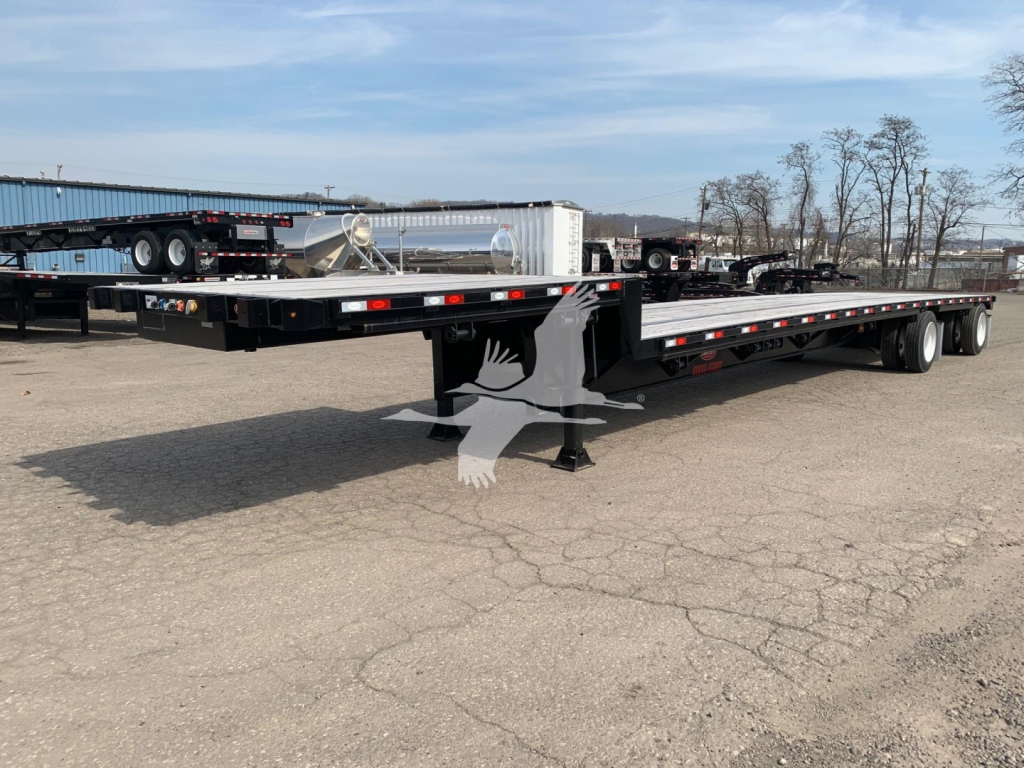
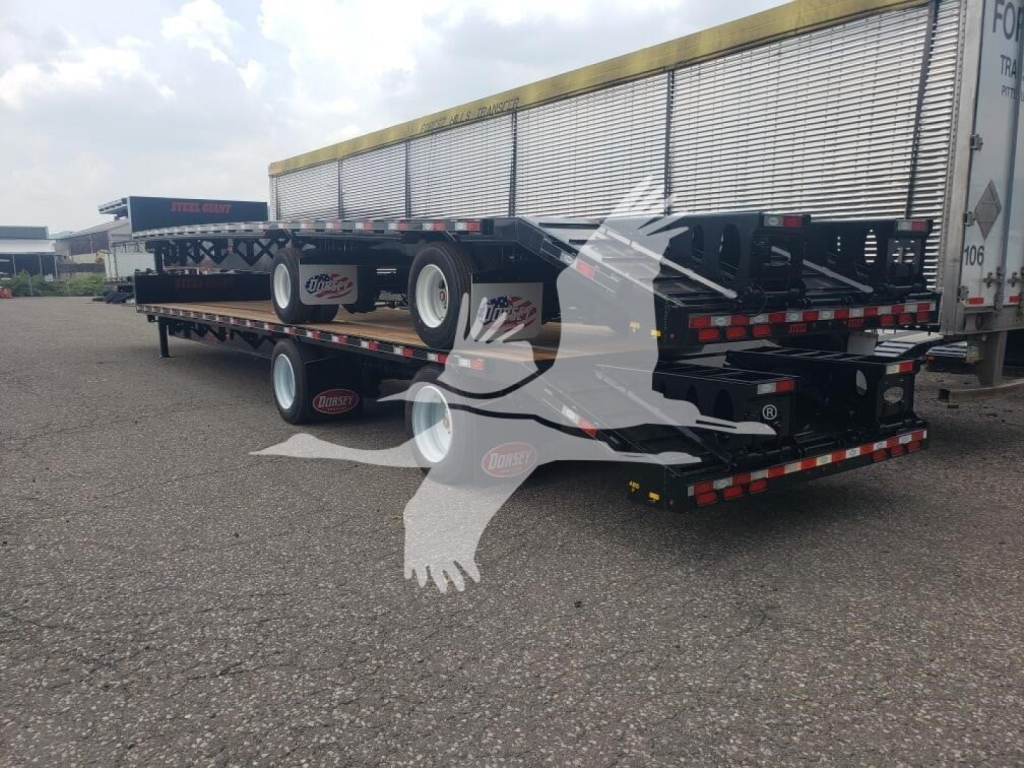
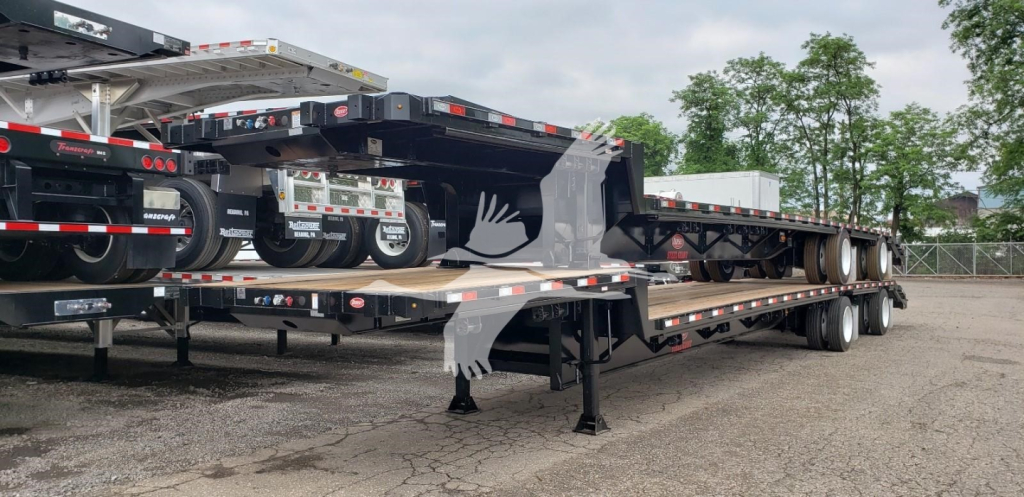
The first decision point is usually deck layout and loaded deck height. Many Dorsey drop decks from this era run around a 41-inch loaded deck height, which matters if you are hauling taller freight and trying to stay under overall height limits. A 53-foot beavertail with spring-assisted ramps is a different tool than a 48-foot combo drop deck with a full ramp kit and aluminum components. Buyers should compare top deck length, main deck length, beavertail length, crossmember spacing, and floor material. Apitong flooring is common on work-focused trailers because it holds up well under repeated loading. On combo models, steel main beams paired with aluminum deck components can help reduce empty weight and improve payload without giving up structural strength where it matters most.
Tie-down equipment and axle specification deserve a close look on any used 2020 Dorsey drop deck trailer. Features such as sliding winches, roadside winch track, stake pockets, pipe spools, deep side rails, and traction-bar ramps affect day-to-day usability more than many buyers expect. Air ride suspension is common and is a strong fit for freight that benefits from a smoother ride, while a manual dump valve can make dock approach and loading easier in some applications. Check tire size, wheel material, suspension brand, spread or closed tandem setup, and kingpin setting because those details influence bridge compliance, maneuverability, maintenance cost, and how well the trailer matches your tractor and freight lanes.
Condition matters, but spec matters more. A clean 2020 trailer with the wrong deck length or tie-down package can be less productive than a harder-working unit with the right configuration. For Dorsey drop decks, buyers typically focus on frame condition, ramp wear, floor integrity, suspension bushings, brake life, and signs of concentrated loading around the beavertail and rear transition. If your freight mix includes self-propelled equipment, prioritize ramp angle, traction surface, and rear support. If the trailer will stay in open-deck freight service, focus more on weight, securement options, and deck versatility. The best 2020 Dorsey drop deck trailers are the ones with a spec sheet that matches your freight profile, permit strategy, and loading routine.
Frequently Asked Questions about 2020 Dorsey Drop Deck Trailers
What is the difference between a drop deck trailer and a flatbed trailer?
A drop deck trailer, also called a step deck trailer, has two deck levels instead of one continuous deck like a flatbed. The upper deck sits over the tractor drives, and the main deck drops lower behind it. That lower deck height allows taller freight to move with less risk of exceeding legal height limits. For many buyers, that is the main reason to choose a drop deck over a flatbed.
What should I look for on a 2020 Dorsey drop deck trailer?
Start with the trailer’s actual working specifications, not just the model year. Deck height, top deck length, main deck length, ramp style, beavertail design, suspension type, tie-down package, and empty weight all affect how useful the trailer will be. On a used 2020 unit, also inspect floor condition, crossmembers, rear impact area, landing gear, brakes, tires, and suspension wear points. A well-matched spec usually matters more than cosmetic condition alone.
Are Dorsey beavertail drop deck trailers good for hauling equipment?
Yes, a Dorsey beavertail drop deck can be a strong choice for equipment hauling when it is equipped with the right ramp package. The beavertail helps reduce loading angle, which is important for forklifts, skid steers, small tractors, and other wheeled or tracked machines. Buyers should verify ramp length, spring assist function, traction bars, rear structure, and deck height because those details determine how safely and efficiently equipment can be loaded.
How much weight can a 2020 Dorsey drop deck trailer carry?
Payload depends on the trailer’s build, axle rating, empty weight, and the legal limits in the states where it operates. Many tandem-axle drop decks in this class are built around an 80,000-pound GVWR framework, but legal payload is influenced by axle group spacing, tractor configuration, and bridge laws. Lightweight combo construction can increase available payload, while heavier beavertail and ramp packages can reduce it. Always compare the trailer’s actual weight sticker and axle specs before making a decision.
Is air ride suspension worth it on a drop deck trailer?
For many operations, yes. Air ride suspension helps protect sensitive freight, improves ride quality, and is commonly preferred for machinery, crated cargo, and higher-value open-deck loads. It can also help with loading and unloading when paired with a dump valve. The tradeoff is that air ride systems add components that need regular inspection and maintenance, so buyers should evaluate bags, valves, lines, and suspension condition on any used trailer.