
2027 Dorsey Drop Deck Trailers For Sale
Shop 2027 Dorsey drop deck trailers with specs buyers want, including beavertail, ramp, air ride, deck height, weight, and tie-down options.
Selling a 2027 dorsey drop deck trailer? List your 2027 dorsey drop deck trailer for sale and reach thousands of commercial buyers.
2027 Dorsey Drop Deck Trailers
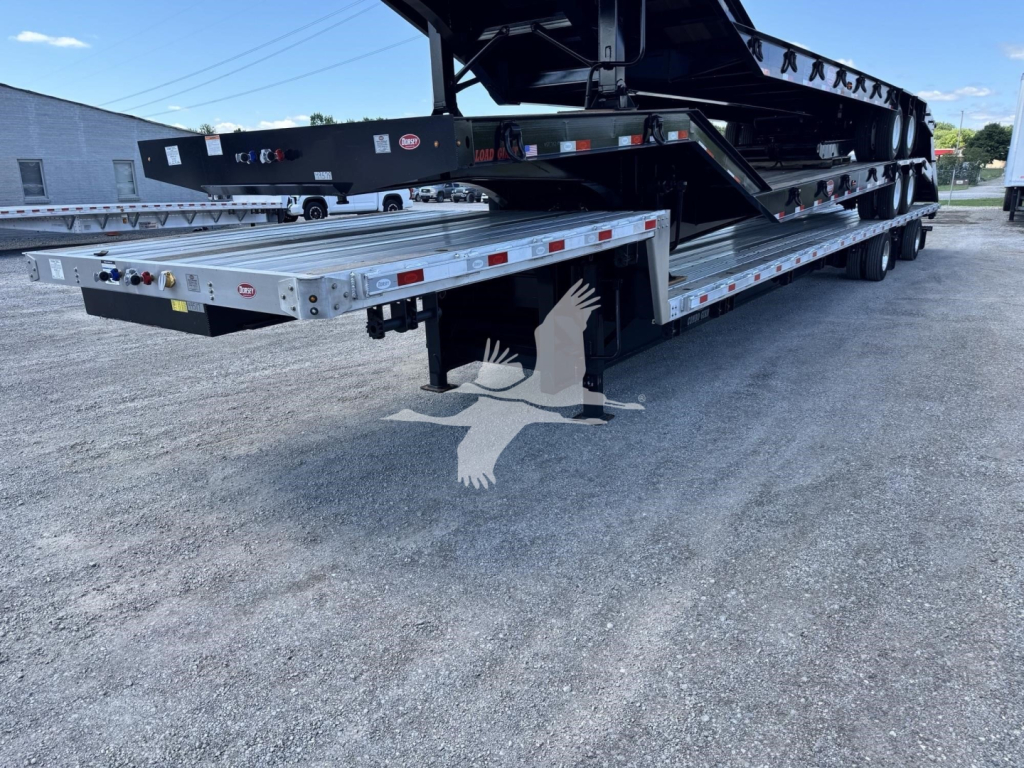
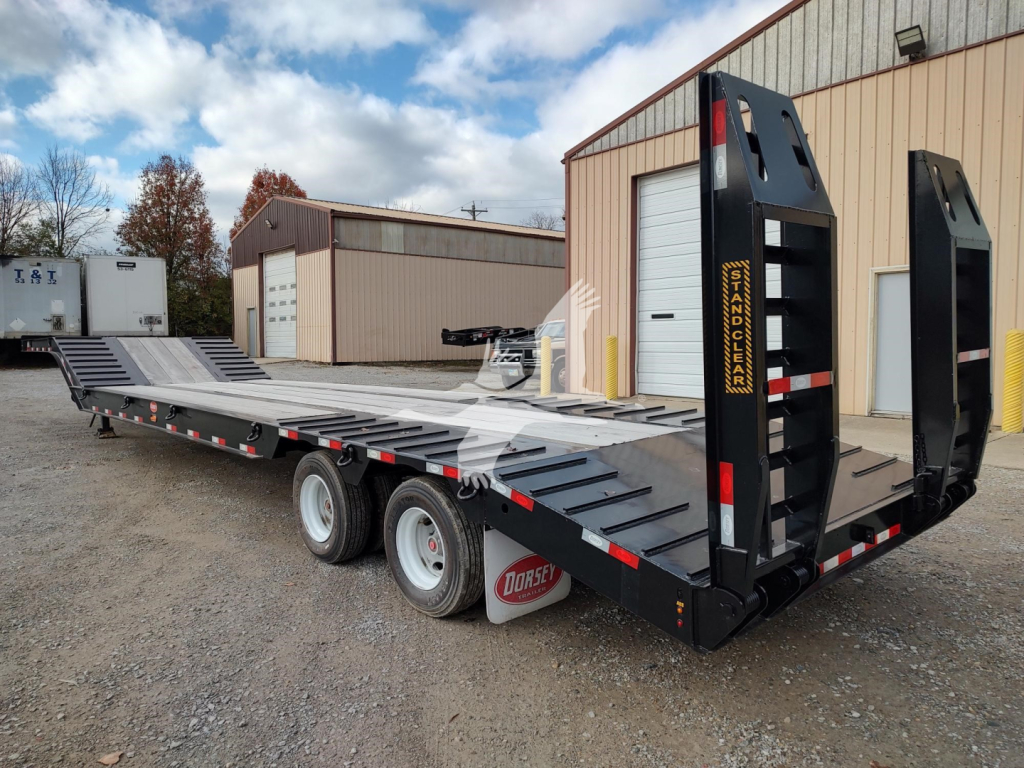
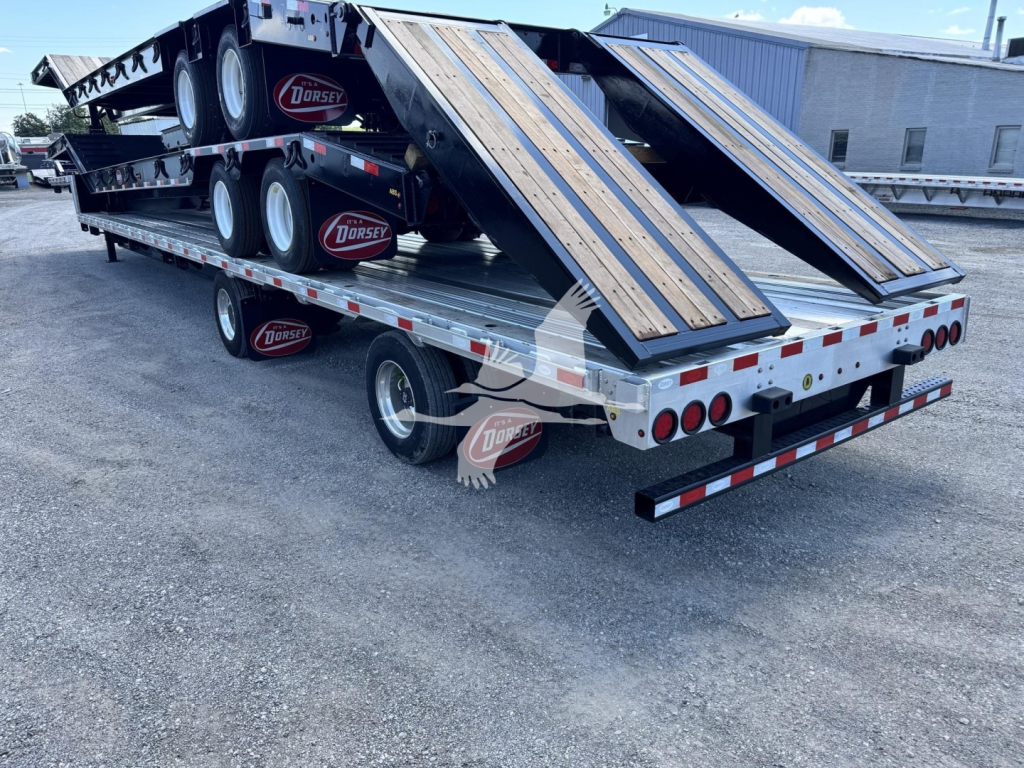
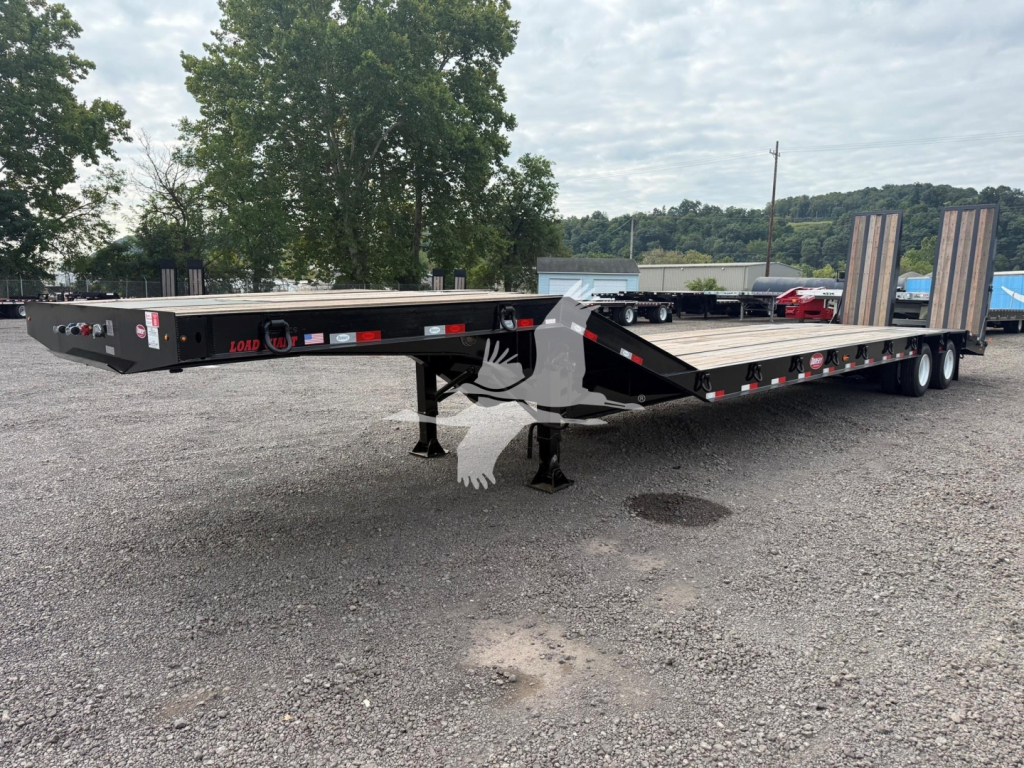
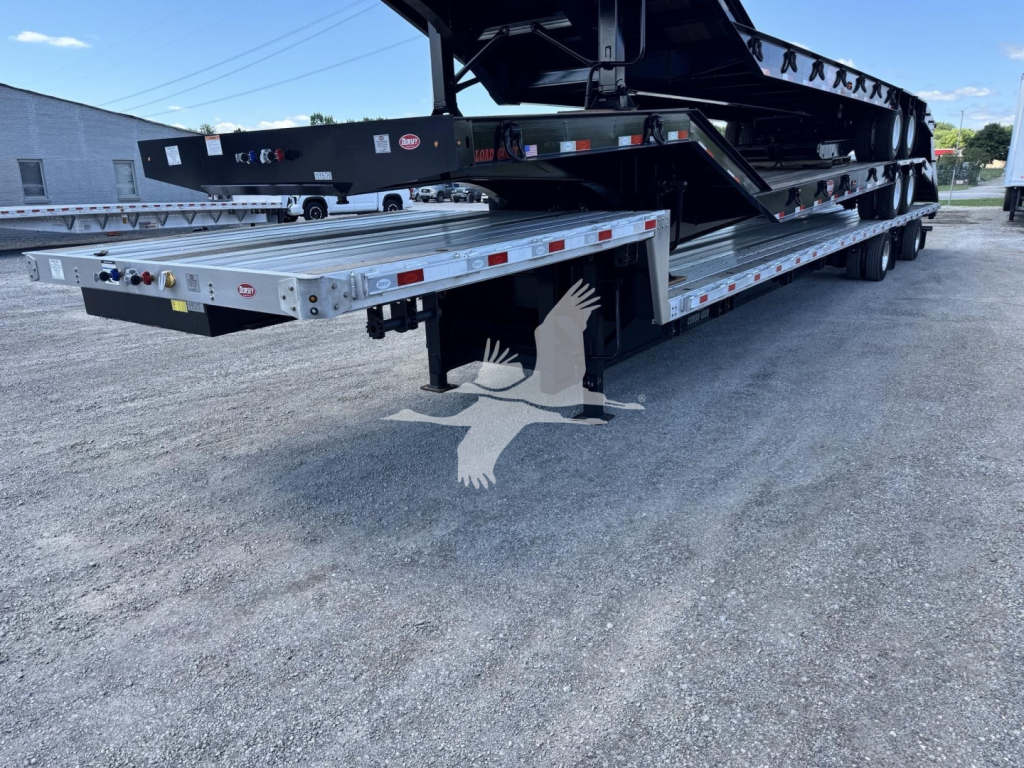
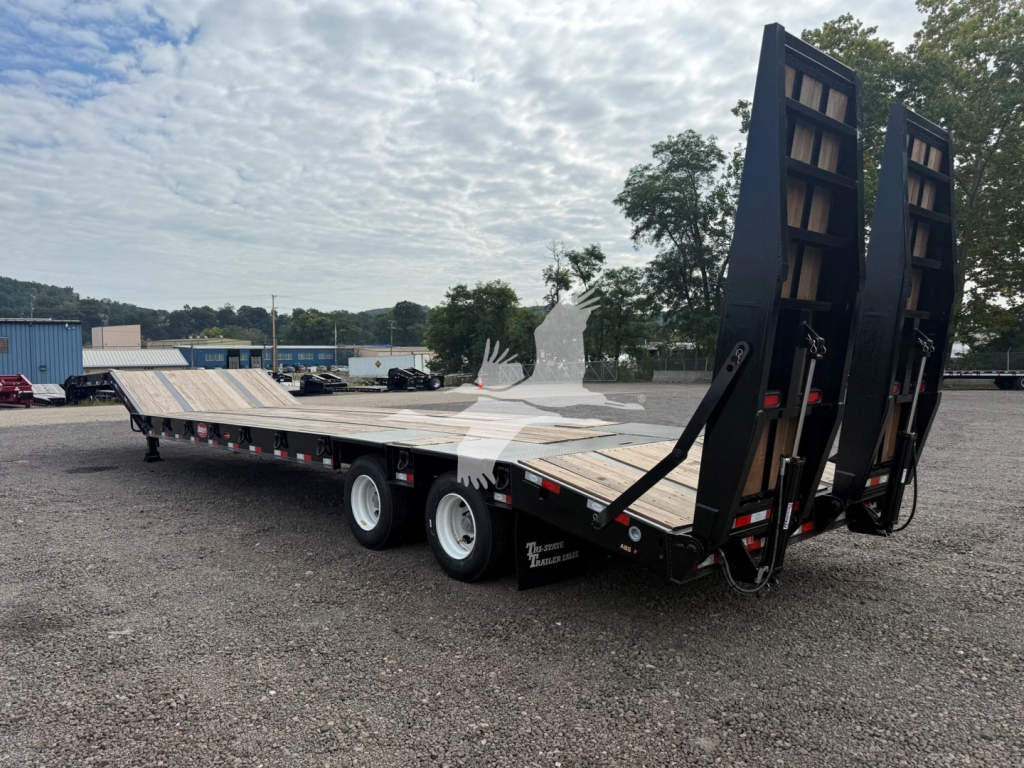
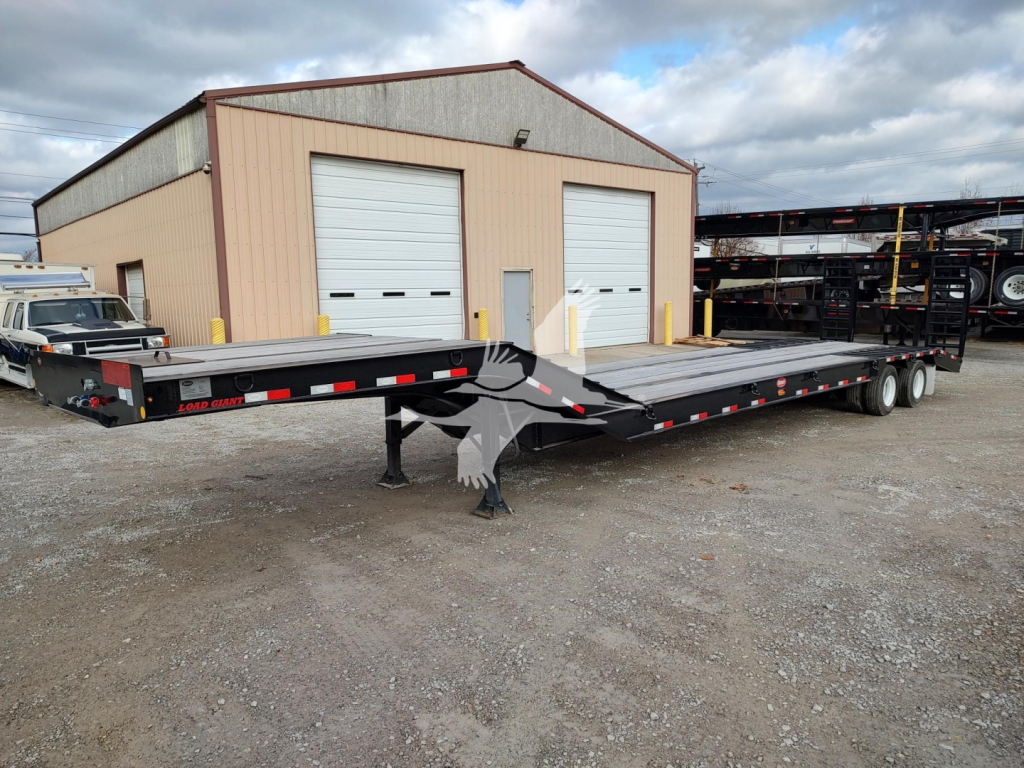
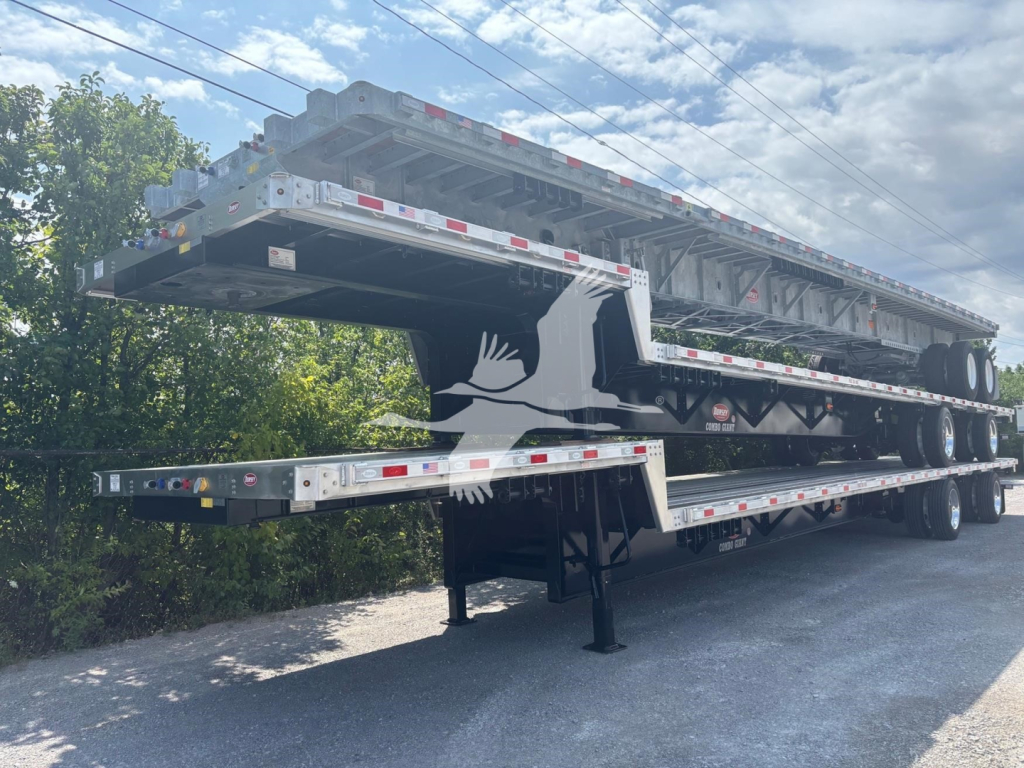
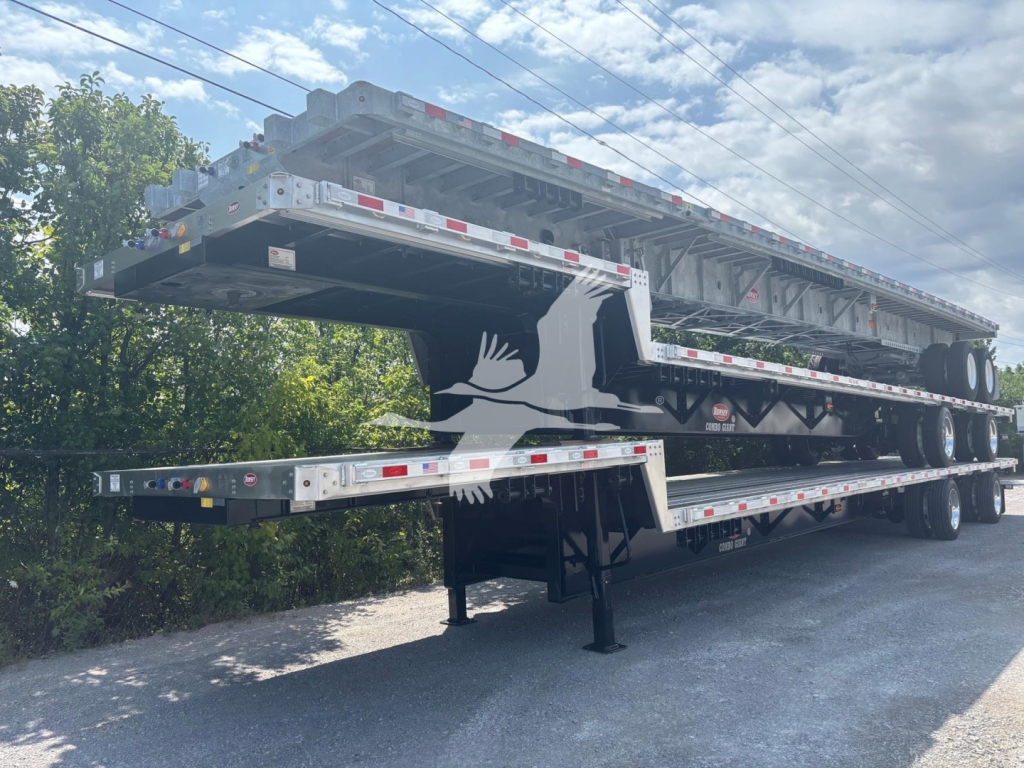
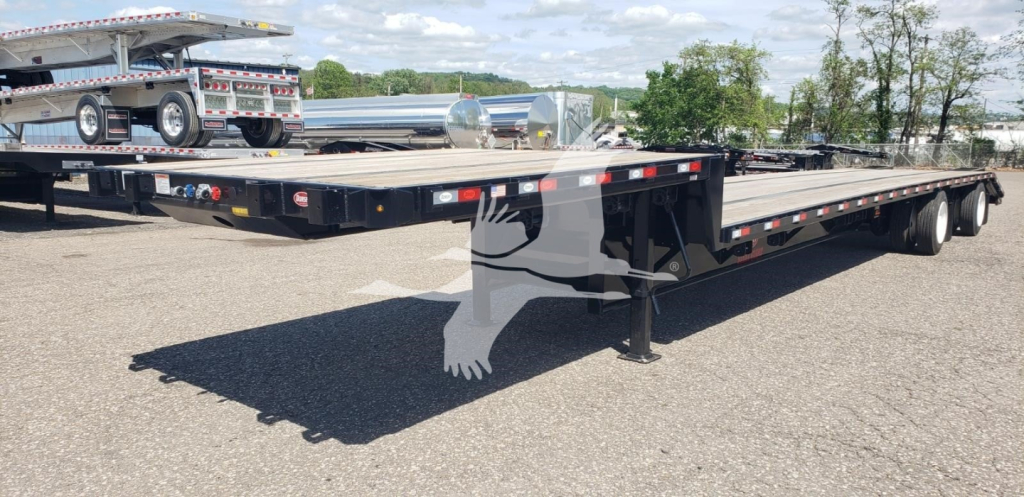
The first buying decision is usually deck layout and ramp style. A Dorsey beavertail drop deck is a strong fit for skid steers, compact equipment, utility tractors, and other rolling freight that benefits from a lower rear approach angle. These trailers commonly use a steel beavertail with traction bars and spring-assisted ramps. A combo drop deck with an aluminum floor and full ramp kit is often the better match when payload matters more and the freight mix changes from week to week. Buyers should compare main deck length, beavertail length, ramp construction, and whether the trailer has provisions for future ramp additions. Tie-down setup matters just as much. Features like roadside or dual-side winch tracks, sliding winches, chain tie-downs, pipe spools, and side rails that accept flat hooks can make a major difference in day-to-day loading speed.
Construction and suspension specs tell you how the trailer will behave under real freight. Dorsey drop decks in this class are commonly spec'd with air ride suspension, tandem axles, 255/70R22.5 tires, and 80,000-pound GVWR ratings, with concentrated load ratings such as 60,000 pounds in 10 feet appearing on heavier-duty setups. Steel-and-aluminum combinations are common. A steel-framed beavertail model trades some tare weight for durability in ramp and rear impact areas, while an aluminum combo drop helps maximize payload. Flooring can range from 1 1/8-inch Apitong to aluminum with nailing strips, and crossmember spacing such as 12 inches on the main deck and 18 inches on the top deck is worth checking if the trailer will see concentrated machine loads, coils, or forklifts. Suspension details like Hendrickson Intraax or HT250US, dump valves, kingpin setting, and axle spread all affect maneuverability, ride quality, and bridge compliance.
For buyers comparing listings, focus on how the trailer is actually going to earn. A beavertail drop deck is usually the right tool for regular equipment loading without carrying separate long ramps. A lighter combo trailer may be the smarter purchase for general freight, steel, lumber, or multi-stop flatbed work where payload and tie-down flexibility matter most. Pay attention to toolbox capacity, landing gear brand, coil package provisions, mud flap bracket placement, and lighting layout, because those details affect uptime and driver convenience more than brochure specs do. Dorsey has long been a known name in open-deck trailers, and the value in this category usually comes down to matching deck length, weight, ramp package, and securement hardware to the freight lane rather than simply choosing the lowest tare weight.
Frequently Asked Questions about 2027 Dorsey Drop Deck Trailers
What is the difference between a Dorsey drop deck and a Dorsey beavertail drop deck?
A standard drop deck has a stepped upper deck and main deck, but the rear deck typically stays flat to the end of the trailer. A beavertail drop deck adds a sloped rear section that reduces loading angle for wheeled or tracked equipment. That makes the beavertail design more practical for frequent drive-on loading, while a straight rear drop deck can preserve usable flat deck space for general freight.
What deck dimensions are common on a 2027 Dorsey drop deck trailer?
Common 53-foot Dorsey drop deck configurations include an upper deck around 10 feet to 10 feet 6 inches and a main deck from about 38 feet to 43 feet. Beavertail models usually give up some main deck length to create a lower rear loading angle. Buyers should verify overall length, top deck length, main deck length, and loaded deck height because small differences in layout can affect what freight fits legally and efficiently.
Is air ride suspension important on a drop deck trailer?
Air ride is a common and desirable spec on drop deck trailers because it improves ride quality for machinery, crated freight, and other cargo that does not handle road shock well. It also helps with dock height control and can improve overall handling compared with older mechanical setups. Features such as manual or electric dump valves add flexibility during loading, unloading, and maneuvering.
How do I choose between steel and aluminum construction on a Dorsey drop deck?
Steel construction generally offers more durability in high-impact areas such as ramps, rear frames, and heavily used deck sections, but it adds weight. Aluminum construction reduces tare weight and can improve payload, which matters for general freight and long-haul operations. Many buyers prefer a mixed construction trailer that keeps steel where strength is most important and aluminum where weight savings helps revenue.
What tie-down features should I look for on a drop deck trailer?
The best tie-down package depends on the cargo mix, but buyers commonly look for winch tracks, sliding winches, pipe spools, chain tie-downs, and side rails that work with flat hooks. A coil package, additional crossmembers, and securement points on both sides can make a trailer more versatile. If the trailer will haul machinery, steel, or mixed open-deck freight, tie-down layout is often just as important as deck length or suspension brand.