
2027 Dorsey Drop Deck Trailers For Sale in Ohio
Shop 2027 Dorsey drop deck trailers in Ohio. Compare beavertail, combo, and ramp-equipped models built for taller freight and machinery.
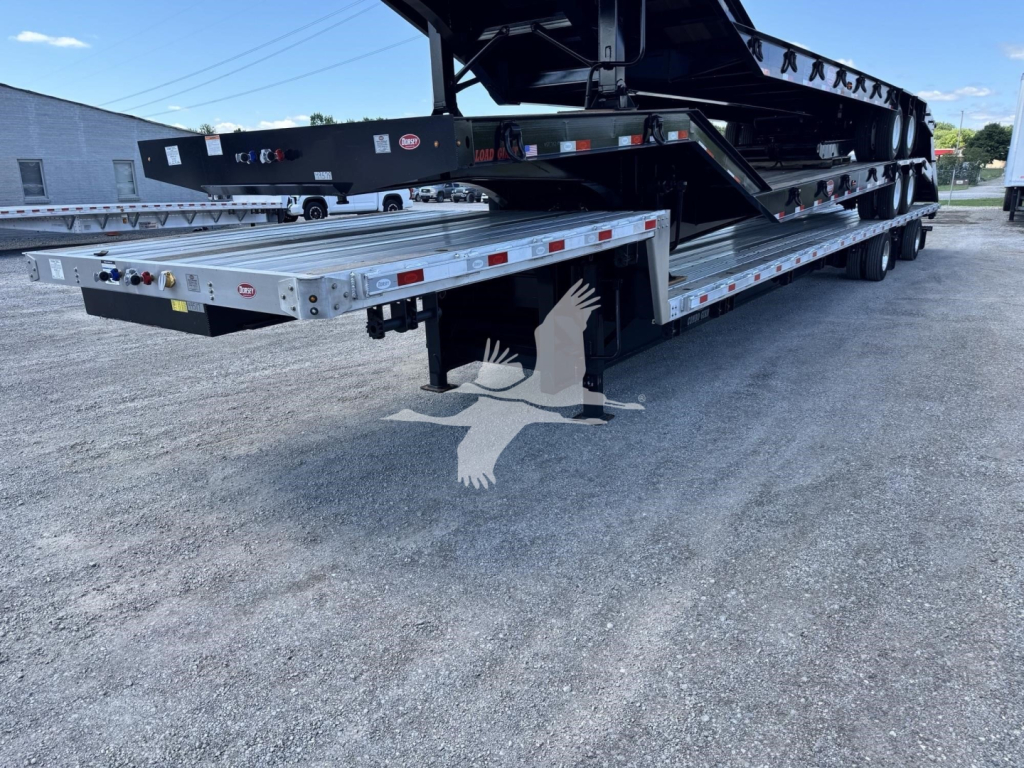
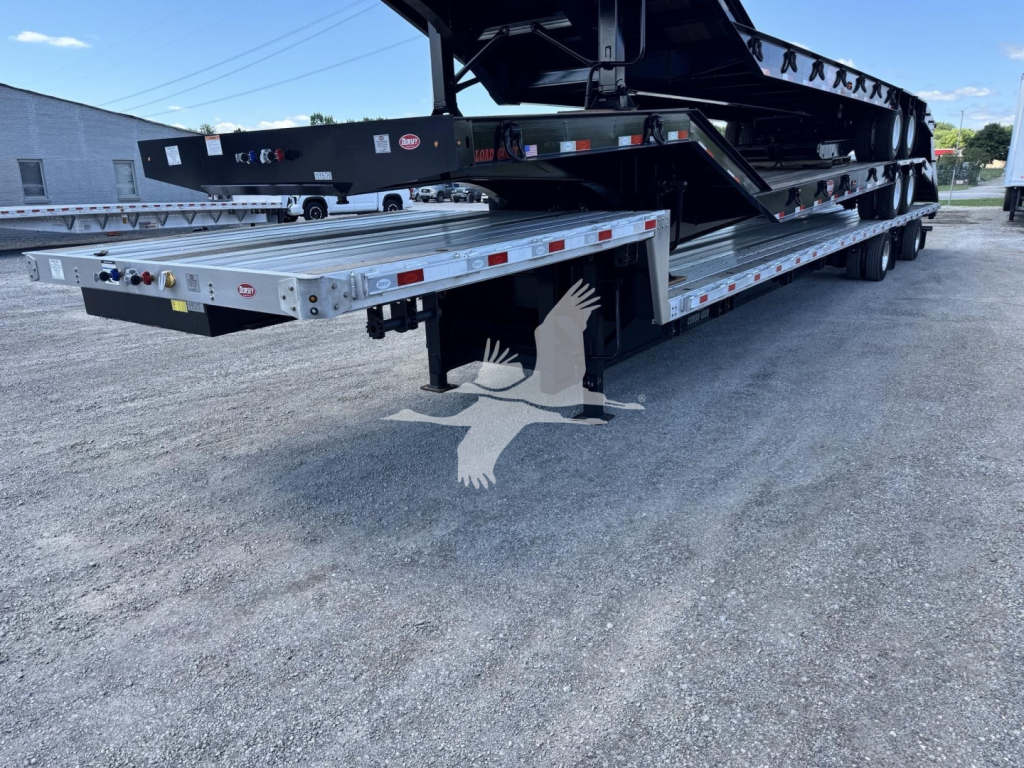
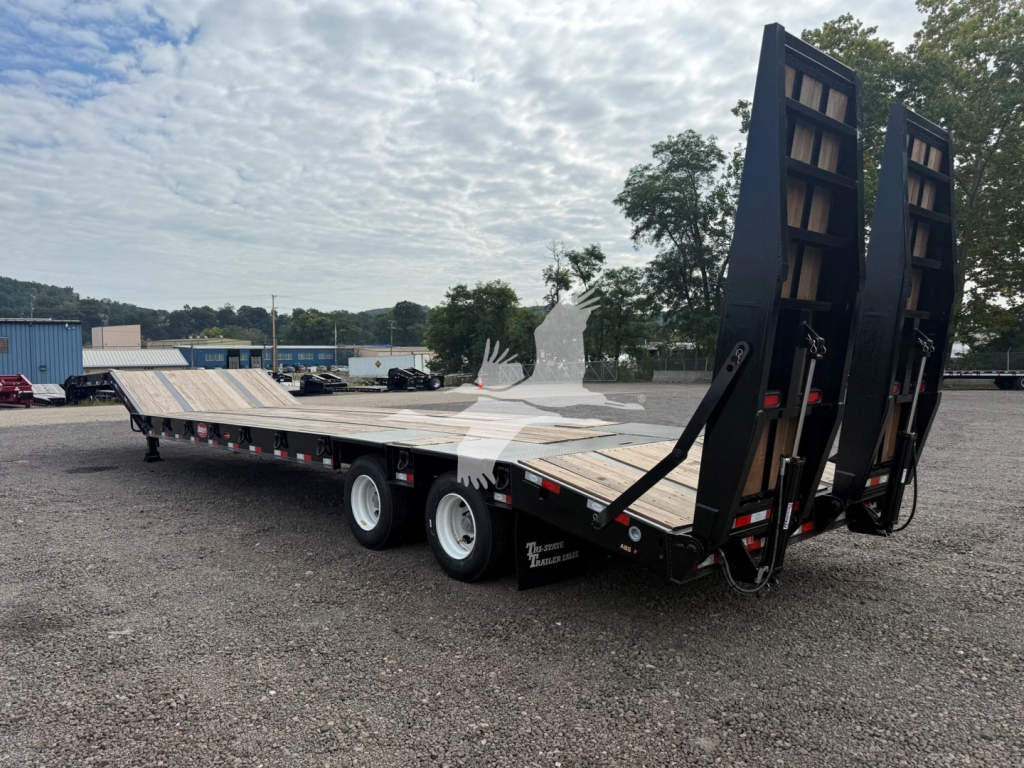
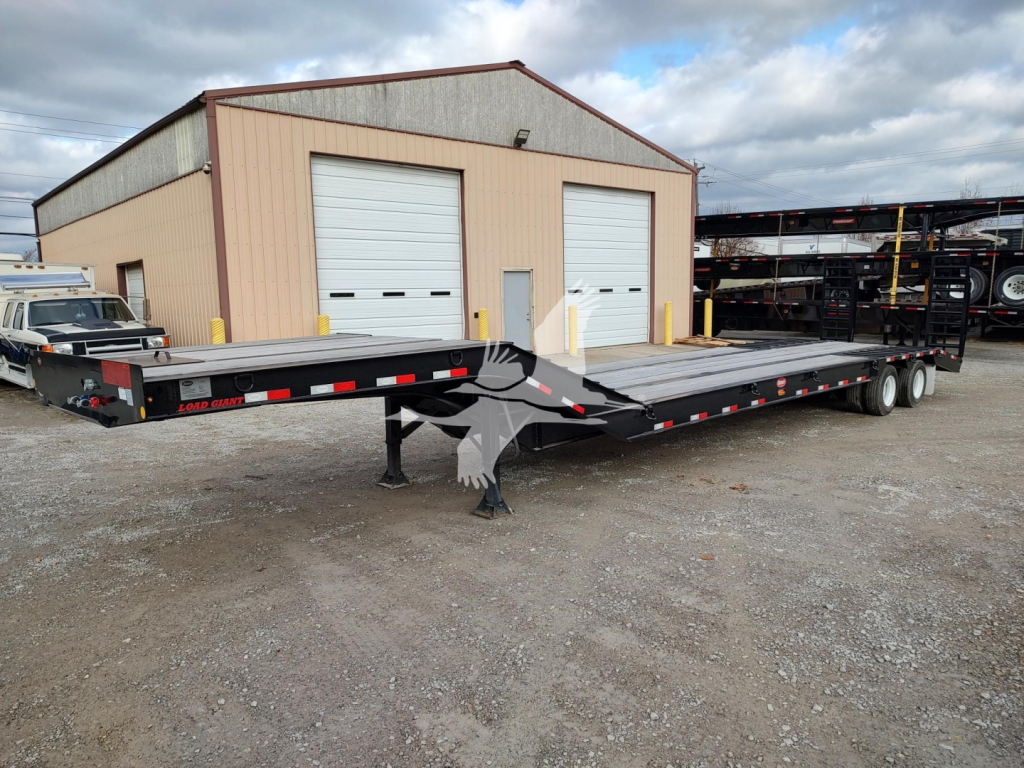
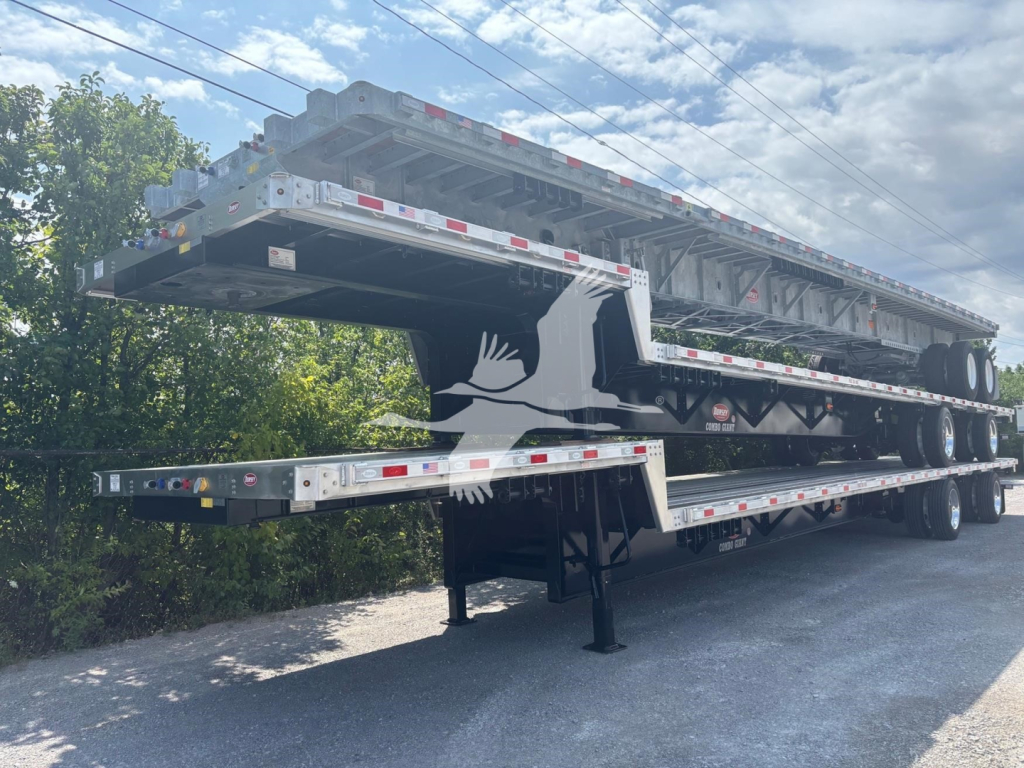
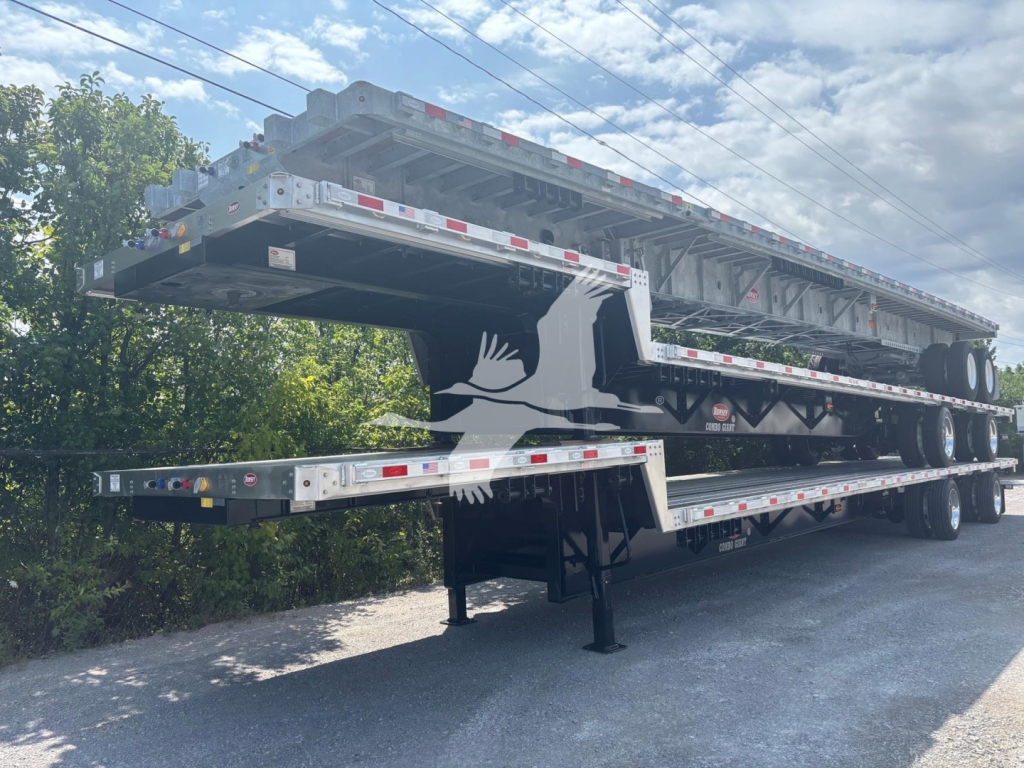
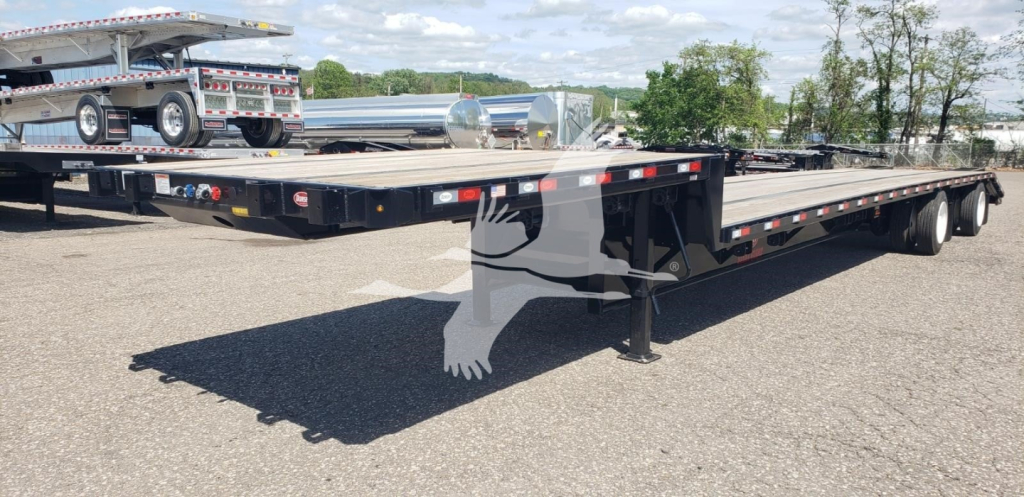
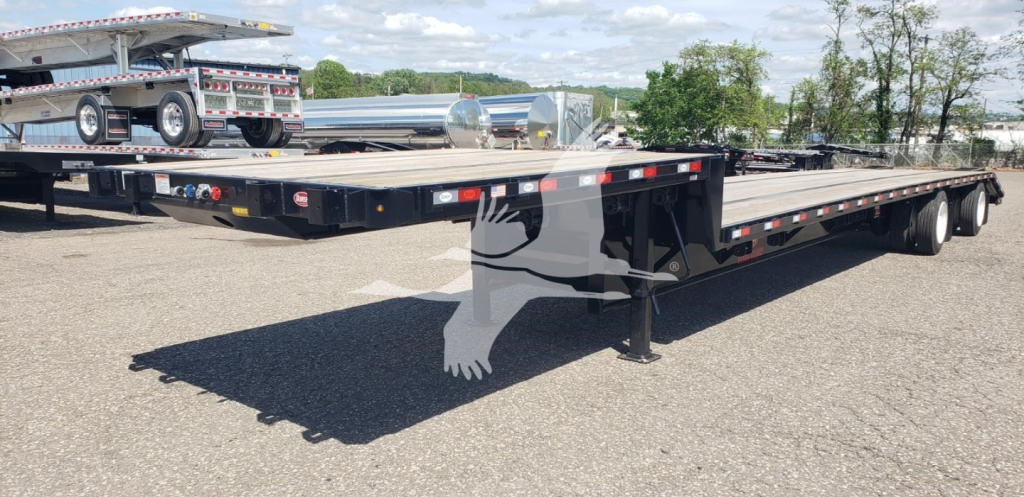
Selling a 2027 dorsey drop deck trailer? List your 2027 dorsey drop deck trailer for sale and reach thousands of commercial buyers.
2027 Dorsey Drop Deck Trailers in Ohio
On Dorsey drop decks, buyers will usually compare deck layout first. Common configurations include 53-foot tandem axle trailers, shorter heavy-duty drops, combo construction with aluminum components, and beavertail models with ramps for self-loading equipment. Top deck length, main deck length, and loaded deck height matter more than overall trailer length on many jobs. In this class, you may see top decks around 10 to 13 feet, main decks in the high-20-foot to low-40-foot range, and loaded deck heights from roughly 33 inches to 41 inches depending on suspension, tire size, and frame design. If the trailer will haul forklifts, skid steers, scissor lifts, or compact paving equipment, a beavertail with spring-assisted or hydraulic ramps can be a better fit than a straight rear deck.
Construction details drive both payload and service life. Dorsey drop deck trailers commonly show steel or combo steel-aluminum builds, Apitong wood or aluminum flooring, fabricated I-beam side rails, and crossmember spacing tailored to the cargo. Buyers hauling concentrated weight should pay attention to main beam design, crossmember centers, and any posted rating such as 54,000 to 60,000 pounds in 10 feet or 35-ton capacity on heavier models. Securement setup is just as important. Winch tracks, sliding winches, chain tie-down pairs, D-rings, pipe spools, coil package prep, and side rail depth all affect how easily the trailer can switch between machinery, steel, and general commodity work. Kingpin setting, tandem spread or closed suspension setting, and swing clearance should also be reviewed to make sure the trailer matches the wheelbase and turning requirements of the tractor.
For Ohio buyers, year-round use brings extra attention to suspension, flooring, and corrosion resistance. Air ride suspensions such as Hendrickson Intraax or HT250US are common for mixed freight and better ride quality, while spring ride may appeal on certain heavy-duty applications. Tire size, wheel material, manual or electric dump valves, and systems like automatic tire inflation can all affect uptime and maintenance cost. If the trailer will see frequent loading on uneven yards, covered wheel wells, traction-bar beavertails, and durable ramp construction are worth a close look. The right 2027 Dorsey drop deck comes down to cargo profile, loading method, securement needs, and how much weight must be carried low on the deck without giving up versatility.
Frequently Asked Questions about 2027 Dorsey Drop Deck Trailers in Ohio
What is the advantage of a Dorsey drop deck trailer compared with a flatbed?
A drop deck trailer gives you a lower main deck height than a flatbed, which allows taller freight to stay within legal height limits. That makes it a strong choice for machinery, building materials, and irregular freight that would sit too high on a standard deck. The upper deck also adds flexibility for smaller items, dunnage, or split loads while keeping the trailer open and accessible from the sides and rear.
What specs matter most when comparing 2027 Dorsey drop deck trailers?
The most important specs are top deck length, main deck length, loaded deck height, trailer weight, axle configuration, suspension type, and concentrated load rating. Buyers should also review kingpin setting, tandem setting, crossmember spacing, and beam construction because those details affect turning clearance, cargo support, and how the trailer matches a specific tractor. Securement equipment like winch tracks, sliding winches, chain tie-downs, D-rings, and coil package prep can be just as important as the base dimensions.
When should I choose a beavertail drop deck with ramps?
A beavertail drop deck with ramps is the better option when the trailer will regularly load wheeled or tracked equipment without a dock or external ramp. Common examples include skid steers, compact excavators, scissor lifts, sweepers, and similar machines that can be driven onto the deck. Buyers should look closely at ramp length, ramp width, spring-assisted versus hydraulic operation, beavertail angle, and deck height because those factors determine how easily equipment loads without bottoming out.
Are Dorsey combo drop deck trailers better than all-steel models?
A combo drop deck uses both steel and aluminum to reduce empty weight while retaining strength where it is needed most. That can improve payload capacity and fuel efficiency on general freight applications. An all-steel trailer may be preferred when the work is rougher, securement hardware sees heavy abuse, or the buyer prioritizes simpler structural repair in severe-duty service. The better choice depends on cargo mix, route conditions, and how much value the operation places on weight savings versus ruggedness.
What suspension and tire features are worth paying for on a drop deck trailer?
Air ride suspension is widely preferred for mixed freight because it improves ride quality and helps protect sensitive cargo. Features such as manual or electric dump valves can also help during loading, unloading, and docking. Tire inflation systems, quality 17.5 or 22.5 tire packages, and the right wheel setup can reduce roadside issues and long-term maintenance cost. For buyers running high mileage or tight delivery schedules, these features often pay back through better uptime and more consistent tire wear.