
New 2027 Refrigerated Trailers For Sale
Shop new 2027 refrigerated trailers with modern reefer specs, air ride suspension, sliding tandems, and insulated bodies for temp-sensitive freight.


Showing 1 to 28 of 88 results
Selling a new 2027 refrigerated trailer? List your new 2027 refrigerated trailer for sale and reach thousands of commercial buyers.
New 2027 Refrigerated Trailers
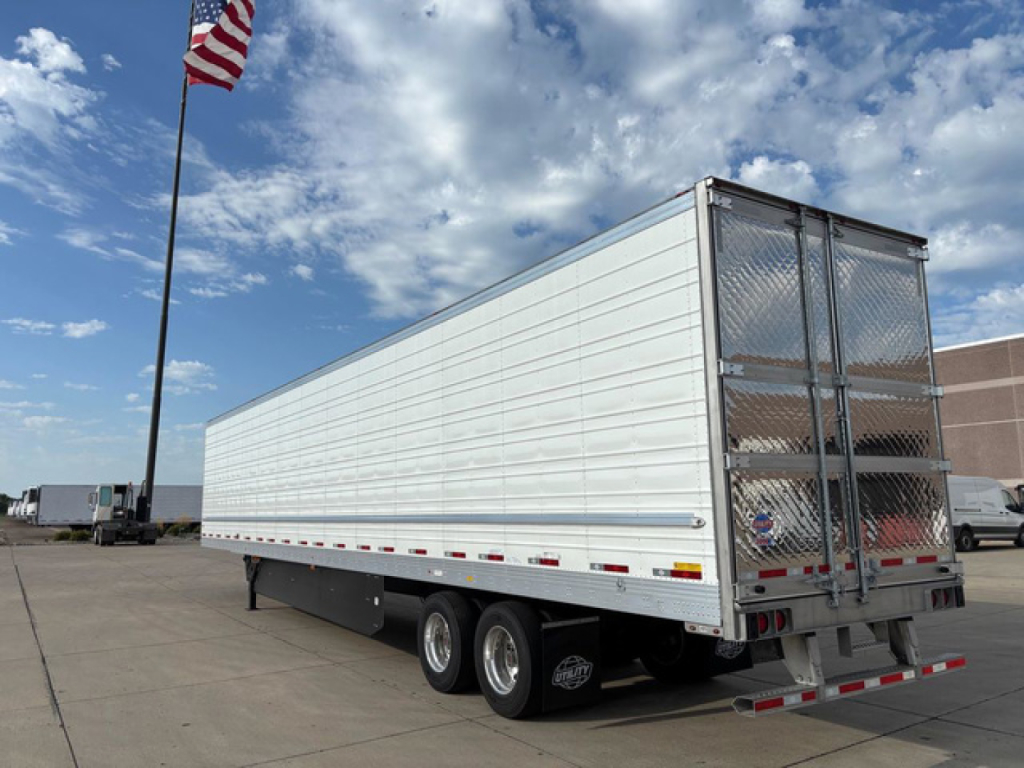
The trailer body matters as much as the refrigeration unit. Common buyer checkpoints include aluminum or composite roof construction, ducted airflow design, stainless front corners, scuff liners, drain configuration, and floor type. A good reefer floor has to balance airflow under the pallet with forklift durability and washout performance. Sidewall lining, ceiling height, rear frame construction, and door seal quality all affect temperature recovery and operating cost over time. New refrigerated trailers often come with 22.5-inch tires, aluminum wheels, air ride suspension, and sliding tandem axle settings, which gives fleets flexibility on bridge laws, dock approach, and ride quality for fragile or high-value freight.
Spec decisions should match the lane. Regional foodservice work may call for frequent door openings, multi-temp capability, and durable interior protection against repeated pallet contact. Long-haul grocery and distribution moves often put more emphasis on fuel economy, telematics integration, cargo capacity, and steady temperature hold in varied climates. Buyers should also review tare weight, kingpin setting, trailer length, suspension type, tire inflation options, and how the reefer unit interfaces with fleet maintenance programs. New model-year trailers can offer an advantage in warranty coverage, compliance readiness, and lower near-term repair exposure compared with older refrigerated equipment.
For many operations, the best 2027 reefer trailer is the one that protects payload quality without adding unnecessary complexity. Look closely at insulation performance, door opening dimensions, interior width between scuff areas, load securement compatibility, and service access for both trailer and refrigeration components. If your freight mix includes frozen and fresh product, it is worth confirming airflow management, bulkhead options, and temperature monitoring capability before making a final decision. A refrigerated trailer earns its keep through uptime, stable temperature performance, and a spec that fits your freight profile from day one.
Frequently Asked Questions about New 2027 Refrigerated Trailers
What should I look for first when buying a new 2027 refrigerated trailer?
Start with the freight profile and route structure. The most important checks are temperature range, insulation quality, interior cube, floor design, door seal performance, and the refrigeration unit specification. After that, review tare weight, axle configuration, suspension, kingpin setting, and serviceability. A reefer that matches the cargo and lane will usually outperform a trailer that is over-specced in one area and weak in another.
Are air ride suspension and sliding tandems common on refrigerated trailers?
Yes. Air ride suspension is common on reefer trailers because it helps protect sensitive freight and improves ride quality. Sliding tandems are also common because they give operators more flexibility for bridge compliance, weight distribution, and dock positioning. Both features are especially useful for fleets running mixed freight weights or multiple states with different axle requirements.
Why does reefer trailer floor design matter so much?
The floor is critical because it affects airflow, sanitation, pallet support, and forklift durability. Refrigerated trailers need enough under-pallet air movement to maintain consistent product temperature, but the floor also has to hold up to repeated loading cycles. Poor floor selection can lead to airflow restriction, premature wear, and higher repair costs. Buyers should compare floor profile, material, drain setup, and washout practicality.
What freight is typically hauled in a refrigerated trailer?
Refrigerated trailers are used for any freight that needs controlled temperature or protection from heat. Common loads include fresh produce, frozen food, dairy, meat, beverages, pharmaceuticals, and flowers. Some operations also use reefers for dry freight that benefits from insulation and sealed trailer construction. The correct specification depends on whether the cargo is chilled, frozen, or moving through mixed-temperature delivery cycles.
Is buying a new reefer trailer better for fleet maintenance planning?
For many fleets, yes. A new refrigerated trailer can reduce near-term repair exposure and make maintenance scheduling more predictable, especially when paired with warranty coverage and standardized parts spec. New units also help fleets align trailer age, tire programs, suspension components, and reefer service intervals. That can simplify budgeting and reduce unplanned downtime during heavy produce, grocery, or frozen freight seasons.