
New 2027 Utility Refrigerated Trailers For Sale
Shop new 2027 Utility refrigerated trailers with specs buyers want, including air ride, sliding tandems, 22.5 tires, and aluminum wheels.


Showing 1 to 28 of 88 results
Selling a new 2027 utility refrigerated trailer? List your new 2027 utility refrigerated trailer for sale and reach thousands of commercial buyers.
New 2027 Utility Refrigerated Trailers
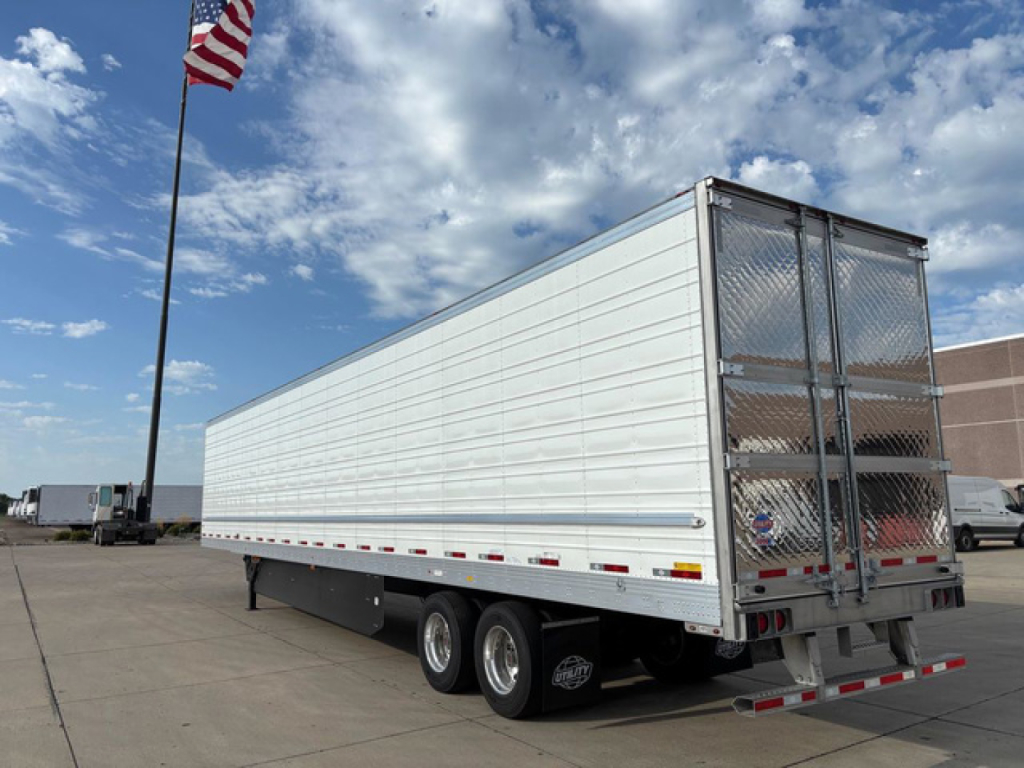
On the trailer side, Utility refrigerated trailers are often spec'd with air ride suspension, sliding tandem axle spacing, 22.5-inch rubber, and aluminum wheels, which matches the kind of fleet-ready configuration many carriers want for highway use. Air ride helps protect sensitive cargo and reduces trailer shock over rough pavement. Sliding tandems add flexibility for bridge laws, axle weights, and dock positioning. Important structural details include roof design, sidewall lining, rear frame construction, floor type, and drain layout. Buyers comparing new reefers should also look closely at door opening dimensions, threshold design, scuff liners, logistics track, and the overall tare weight, since payload matters on every refrigerated load.
Reefer buyers should also pay attention to how the trailer will actually be worked. Multi-stop foodservice routes place different demands on a trailer than long-haul frozen freight. Frequent door openings increase the value of strong insulation, tight rear door seals, and smart airflow management. A smooth interior, durable lining, and a floor that stands up to pallet jack traffic can make a major difference in long-term maintenance. If your operation uses load bars, straps, or mixed-temp freight practices, interior securement options and bulkhead compatibility deserve a close look before purchase.
For fleet planning, new 2027 Utility reefer trailers appeal to buyers who want current-spec equipment, lower early-life maintenance, and compatibility with modern refrigeration unit controls and telematics. When comparing listings, it helps to confirm axle rating, suspension brand, wheel-end spec, tire type, trailer height, and any food-grade or washout-focused features. The right refrigerated trailer is not just a box with a unit on the front. It is a temperature-management asset that needs to match your freight profile, loading pattern, maintenance program, and regional operating conditions.
Frequently Asked Questions about New 2027 Utility Refrigerated Trailers
What should I look for first when buying a new Utility refrigerated trailer?
Start with the trailer's intended freight and route profile. Insulation performance, interior cubic capacity, floor construction, rear door sealing, and refrigeration unit compatibility are usually the most important factors. After that, review suspension type, axle spacing, tare weight, interior securement options, and lining durability. A reefer used for multi-stop grocery work needs different details than one running long-haul frozen freight.
Why are air ride suspension and sliding tandems common on refrigerated trailers?
Air ride suspension helps reduce cargo shock and trailer vibration, which matters for fragile, temperature-sensitive, or high-value loads. Sliding tandems give the operator more flexibility to manage axle weights, comply with bridge laws, and adjust trailer balance for different loading patterns. On a reefer, those two specs are common because they improve both cargo protection and day-to-day operational flexibility.
Are 22.5 tires and aluminum wheels a good spec for a reefer trailer?
For many highway reefer applications, 22.5 tires and aluminum wheels are a practical fleet spec. They are common, easy to service, and well suited to standard over-the-road operations. Aluminum wheels can also help with appearance, corrosion resistance, and weight savings compared with all-steel wheel setups. The best choice still depends on lane conditions, maintenance practices, and total cost priorities.
How important is trailer tare weight on a refrigerated trailer?
Tare weight matters because refrigeration trailers already carry more structural weight than many dry vans due to insulation, lining, floor design, and the refrigeration system. Every pound saved in the trailer can help increase legal payload, especially on dense refrigerated freight. Buyers should compare tare weight alongside durability features, because the lightest trailer is not always the best fit for hard-use dock environments or heavy pallet jack traffic.
What features help a reefer trailer hold temperature better during multi-stop deliveries?
Good temperature retention starts with a strong insulation package, tight rear door seals, proper airflow design, and a floor that supports consistent circulation under the load. For multi-stop work, durable doors, clean-closing thresholds, and interior configurations that reduce loading errors are especially valuable. A trailer that limits air leakage and recovers temperature quickly after each stop can help protect cargo quality and reduce strain on the refrigeration unit.