
Refrigerated Trailers For Sale
Shop refrigerated trailers with 53' specs, reefer unit options, air ride suspension, and insulated bodies for temperature-controlled freight.
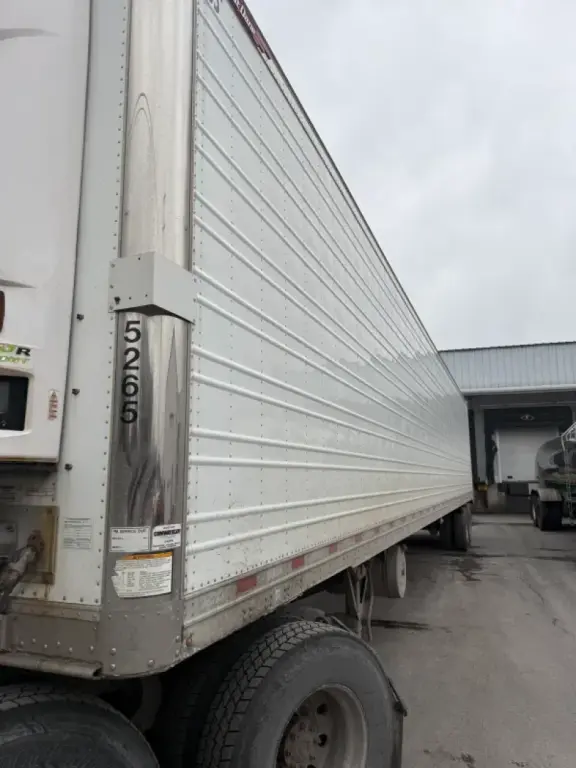
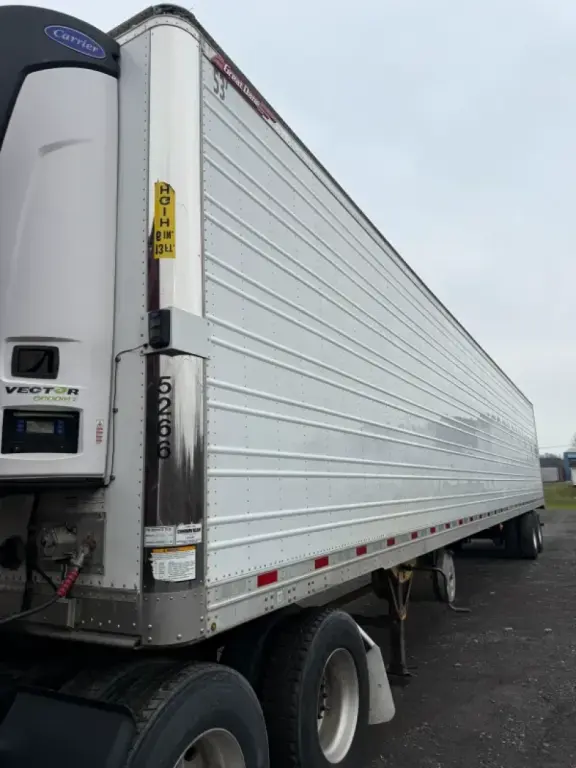
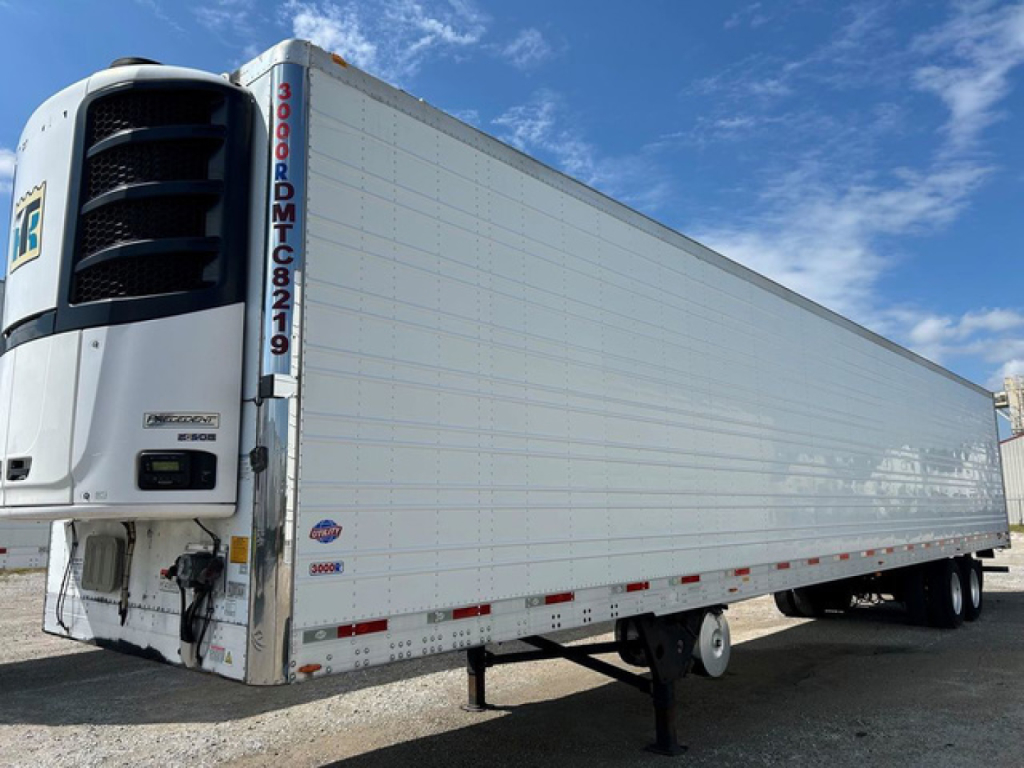
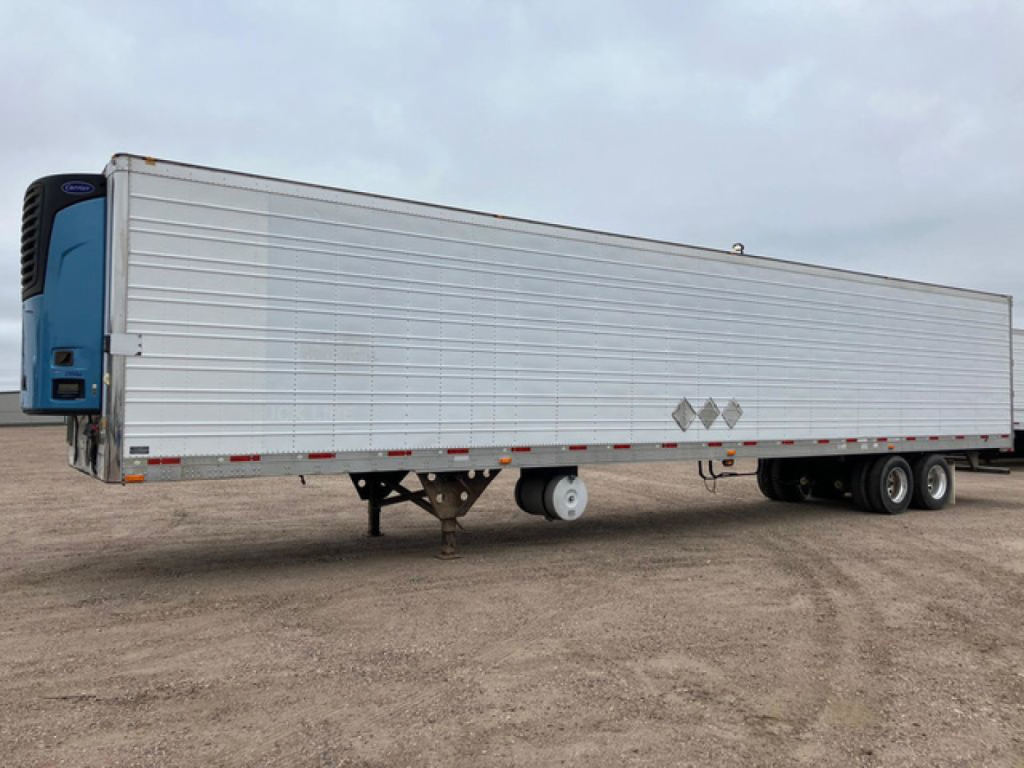
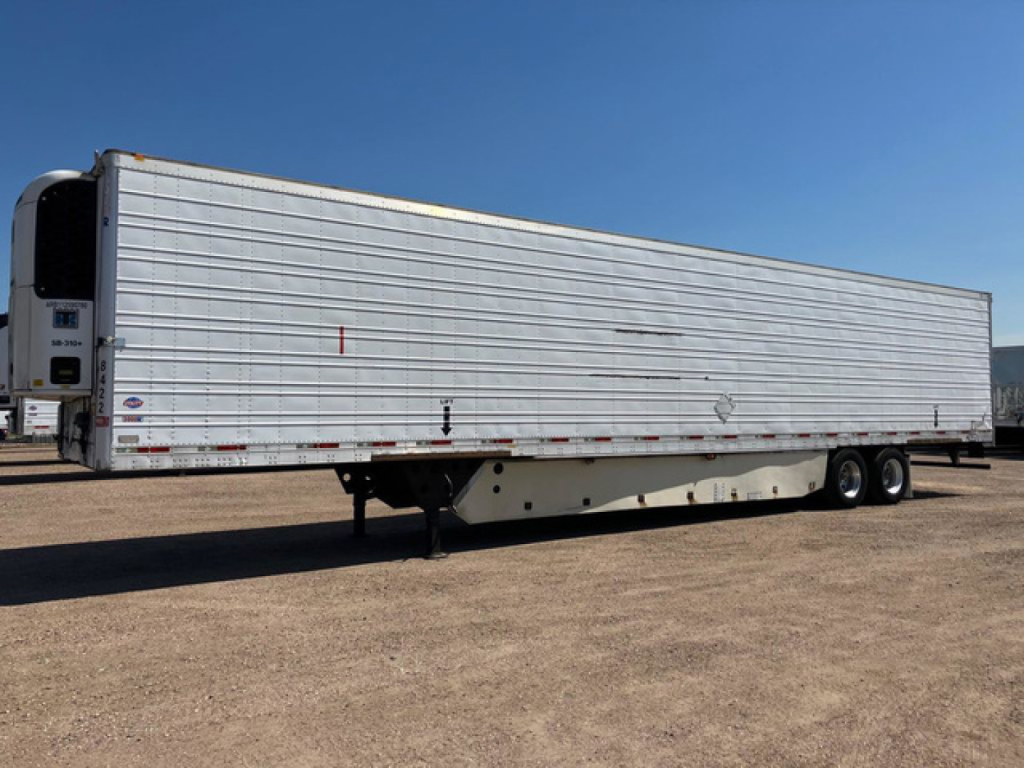
2012 Utility Reefer
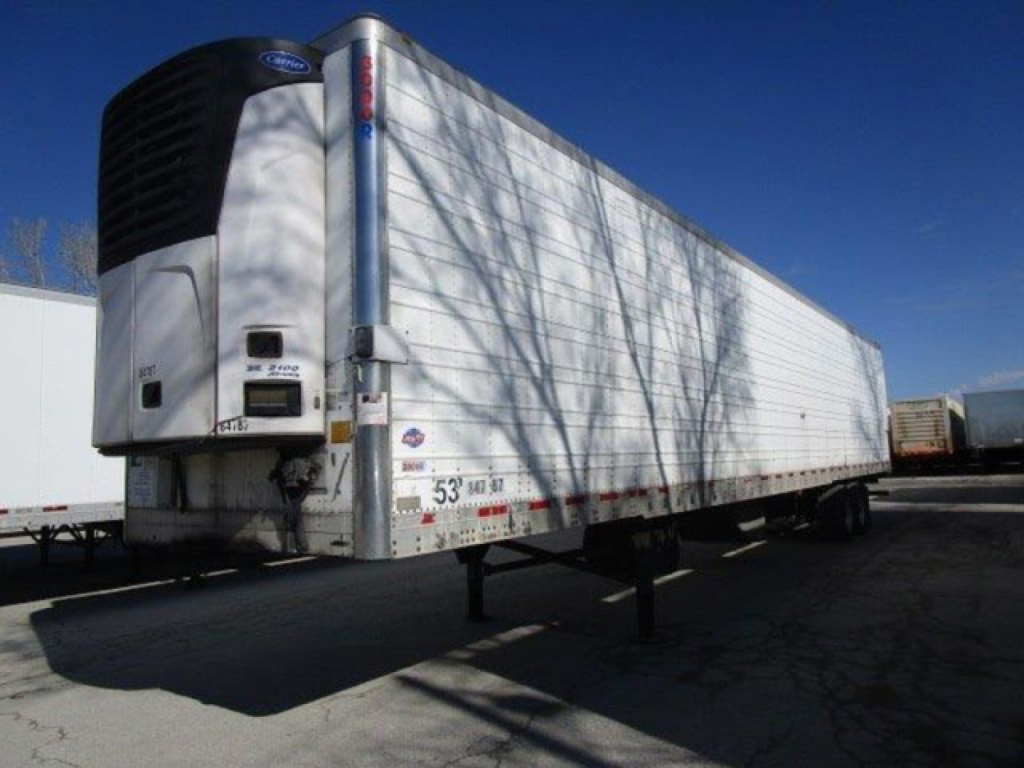

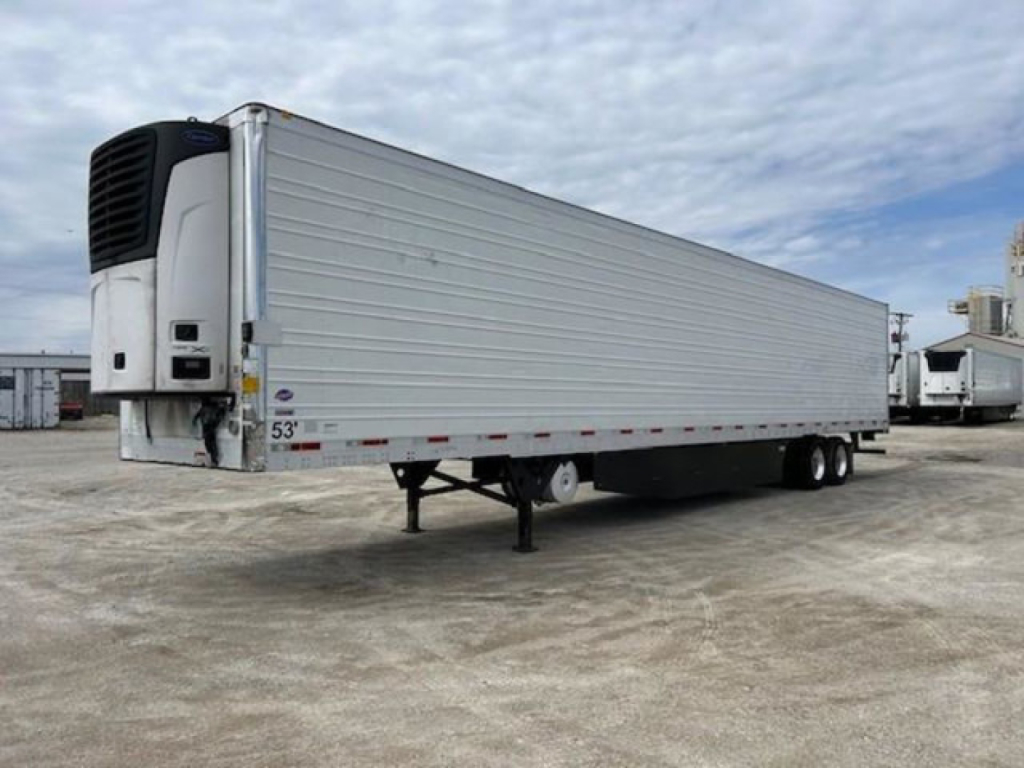
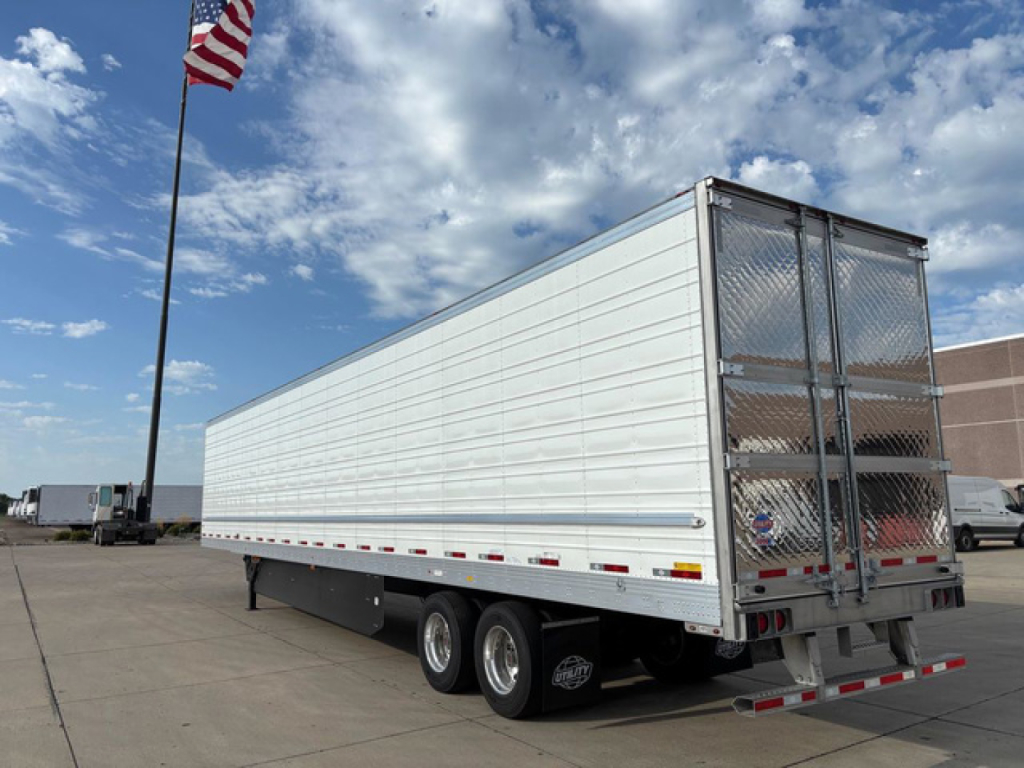

Showing 1 to 28 of 150 results
Selling a refrigerated trailer? List your refrigerated trailer for sale and reach thousands of commercial buyers.
Refrigerated Trailers
A reefer trailer does more than keep freight cold. It must hold setpoint consistently, recover temperature quickly after door openings, and protect cargo from hot spots, moisture, and airflow restrictions. Common applications include produce, frozen foods, dairy, meat, pharmaceuticals, floral loads, and other temperature-sensitive freight. Interior lining matters because it affects durability, sanitation, and impact resistance. Buyers will often see liner materials such as Versitex or Armor, along with ducted floors or deep T-floor designs that help move air evenly under the load. If your operation handles mixed loads, multi-stop routes, or strict receiver requirements, pay close attention to door seal condition, bulkhead compatibility, interior wall damage, and evidence of past patchwork that can reduce thermal efficiency.
Specs on refrigerated trailers often center on suspension, axle setup, tires, and reefer unit details. Air ride suspension is common because it helps protect fragile cargo and improves ride quality. Sliding tandem axles remain important for bridge law compliance and weight distribution flexibility. On used units, reefer engine hours, service records, tire remaining tread, and unit model matter as much as trailer age. A newer trailer with poor maintenance can be a worse buy than an older reefer with documented PM history, clean evaporator and condenser service, solid floor structure, and a unit that pulls down temperature properly. Buyers should also inspect the front wall, roof seams, drains, door frames, and lower rub areas for water intrusion or insulation breakdown.
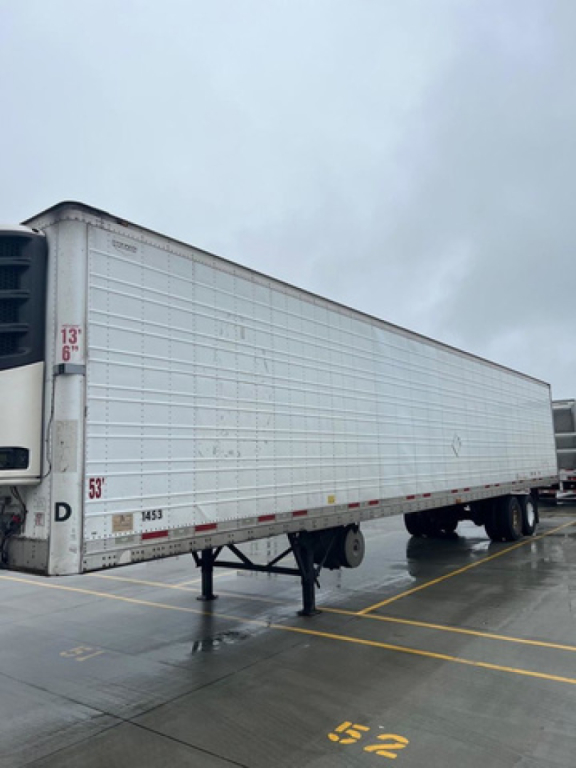
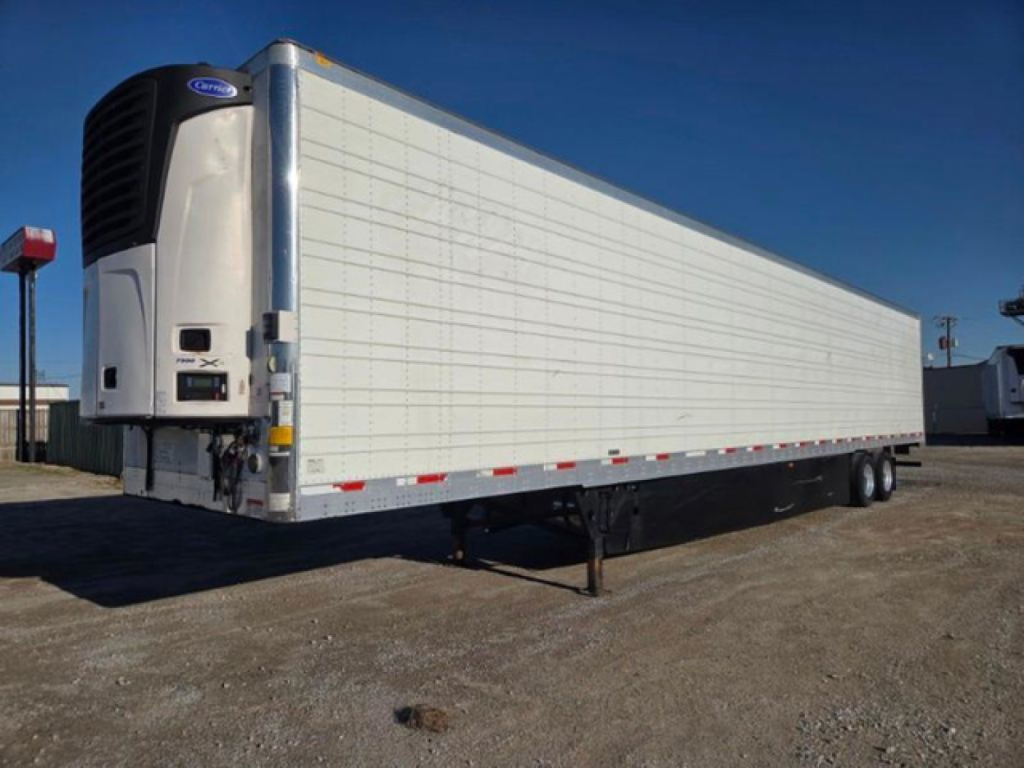
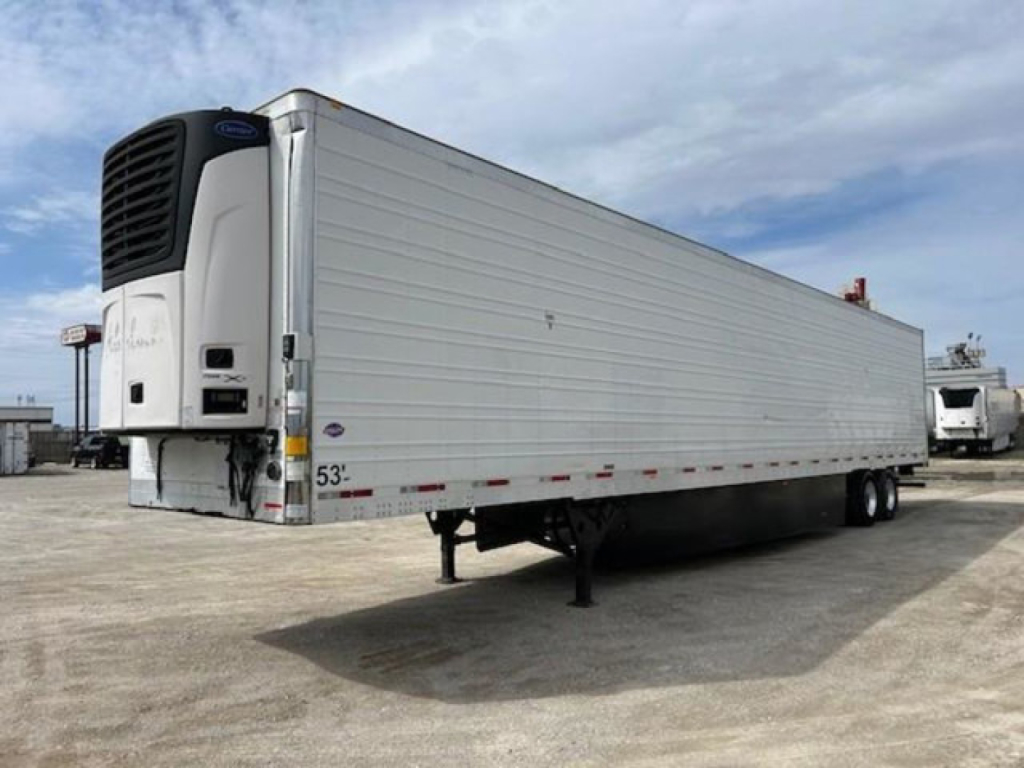
The right refrigerated trailer depends on freight profile and operating pattern. Long-haul frozen freight typically demands strong pulldown performance and reliable continuous-run operation. Regional grocery and foodservice work may put more emphasis on start-stop efficiency, frequent door cycles, and interior durability. A clean 53-foot reefer with a well-maintained Carrier 7300 or Thermo King C-600 class unit, sound insulation, swing doors, and a straight floor can fit a wide range of fleets and owner-operators. The key is to evaluate the trailer as a temperature-control system, not just a van body with a refrigeration unit attached.
Also known as: Reefer Trailer, Refrigerated Van Trailer
Frequently Asked Questions about Refrigerated Trailers
What should I check first when buying a used refrigerated trailer?
Start with the reefer unit model, engine hours, and maintenance history, then verify the trailer still holds temperature properly. A pre-buy inspection should include a pulldown test, checks for active fault codes, inspection of the evaporator and condenser, door seal condition, floor and wall damage, and signs of moisture intrusion in the roof or front wall. Insulation breakdown and air leaks can cost more in fuel, cargo claims, and lost cooling performance than many cosmetic issues.
What reefer trailer length is most common?
The most common refrigerated trailer in over-the-road trucking is a 53-foot trailer. That size works well for full truckload food and beverage freight, offers broad shipper acceptance, and gives buyers the best selection in the resale market. Shorter reefers are used in regional and urban applications, but 53-foot units dominate long-haul and general temperature-controlled freight.
How important are reefer unit hours on a refrigerated trailer?
Reefer unit hours are one of the most important indicators of wear, but they should never be viewed by themselves. A higher-hour Carrier or Thermo King unit with strong service records and proper preventive maintenance may be a better value than a lower-hour unit with spotty history or unresolved alarms. Buyers should compare hours, maintenance intervals, major component replacements, and actual cooling performance under test.
What interior features matter most in a reefer trailer?
The floor design, lining material, and overall interior condition matter because they affect airflow, sanitation, durability, and cargo protection. A sound insulated interior with durable sidewall lining, an undamaged floor that supports proper air movement, and tight rear doors helps the reefer unit maintain setpoint efficiently. Scuffed walls are common, but structural floor weakness, patched lining, or blocked airflow channels can create loading problems and temperature inconsistency.
Are air ride suspension and sliding tandems standard on refrigerated trailers?
They are very common, especially on 53-foot highway reefers. Air ride suspension helps reduce shock to sensitive cargo, while sliding tandems give flexibility for axle weight distribution and bridge law compliance. These features are widely preferred in food-grade and long-haul service because they improve operational flexibility and cargo protection.